
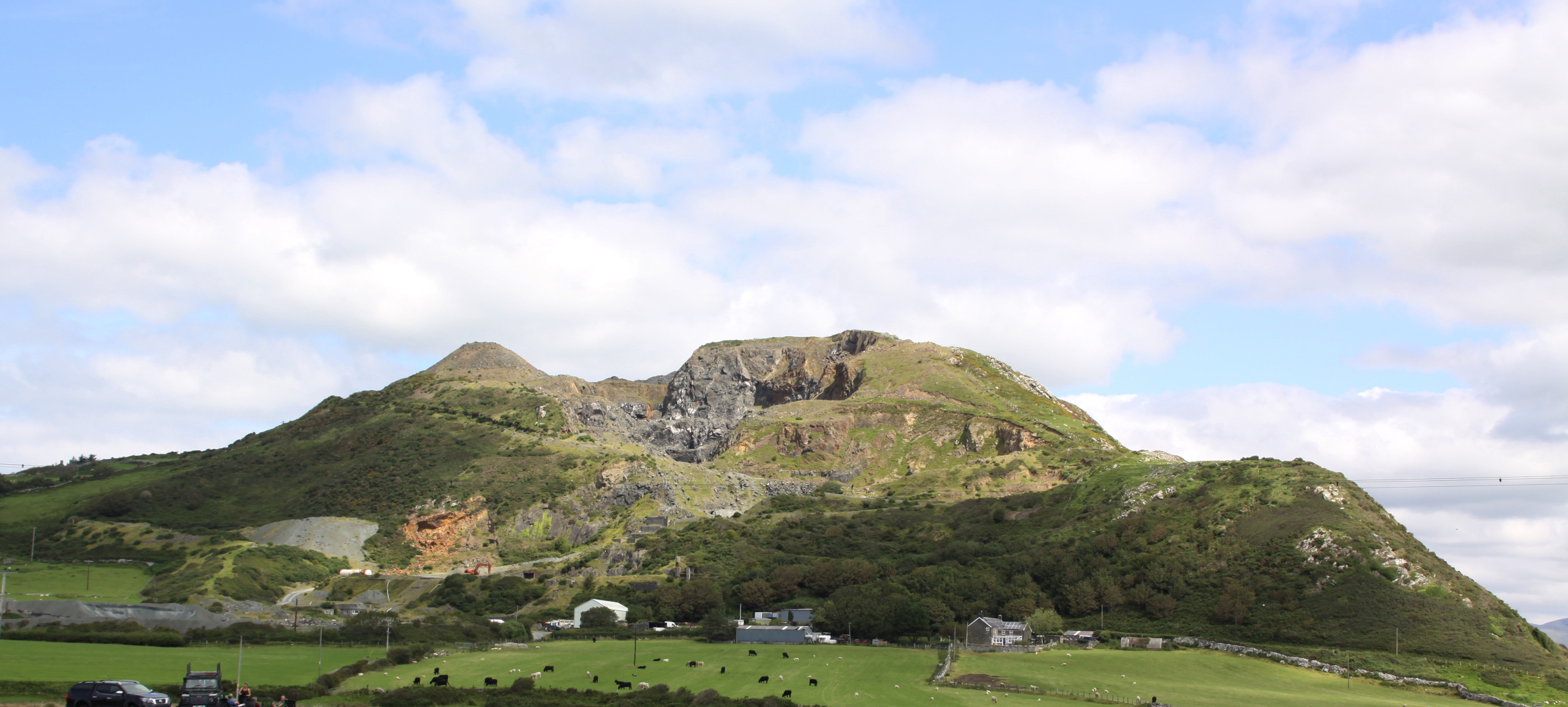
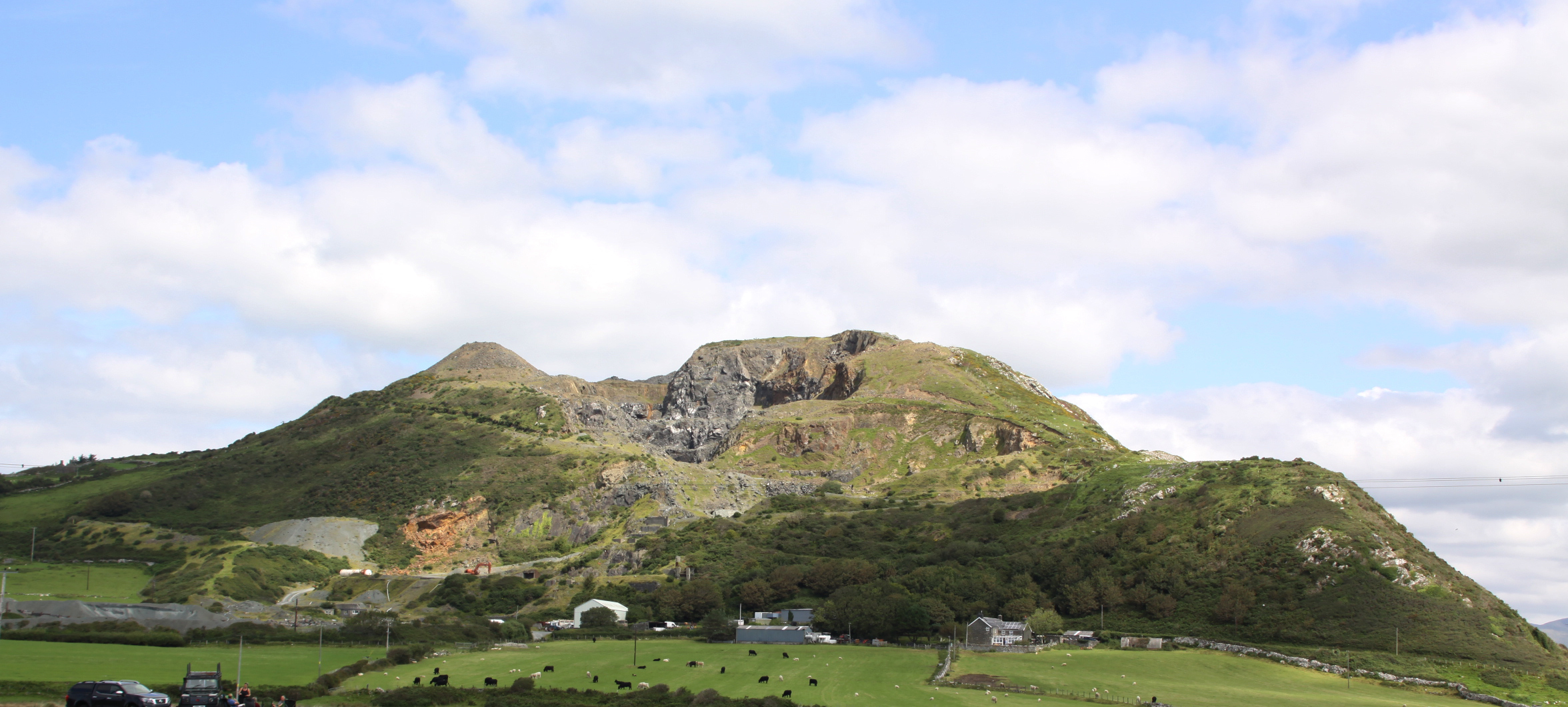
 Tonfanau from the southwest. Tal y Garreg is immediately above the quarry
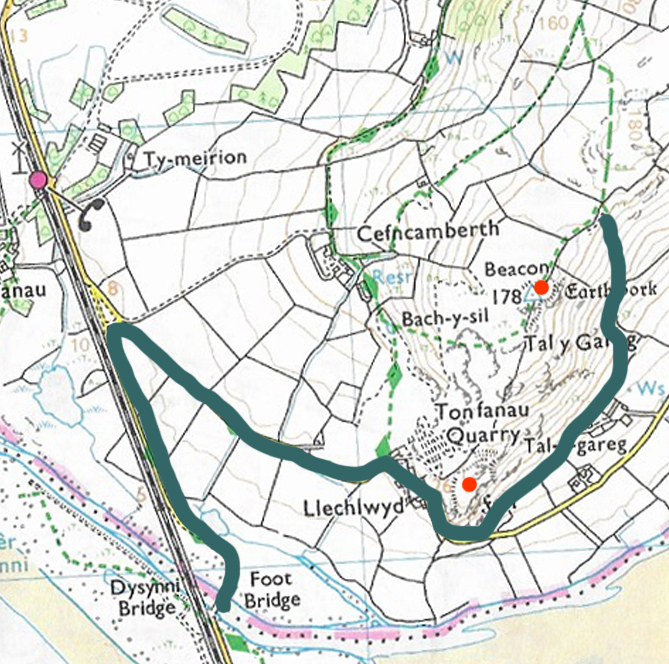
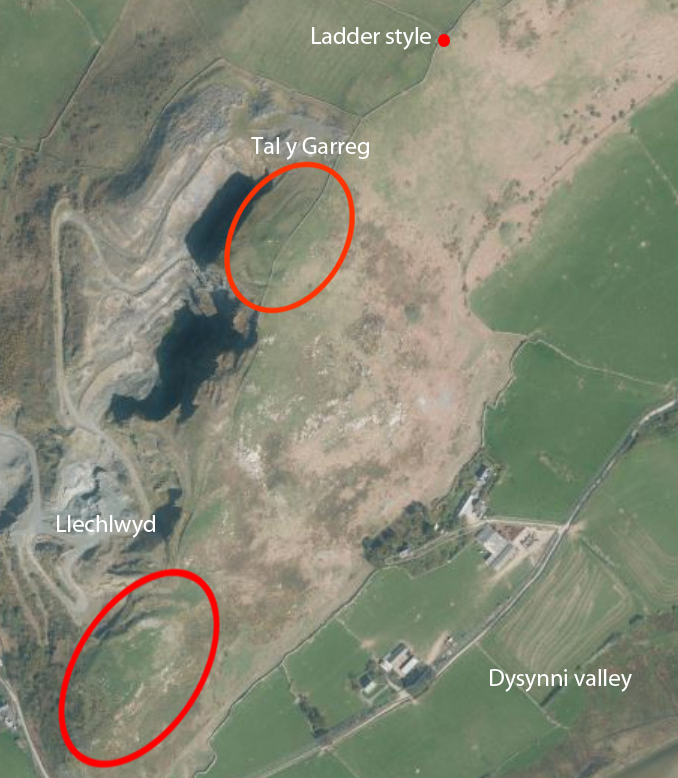
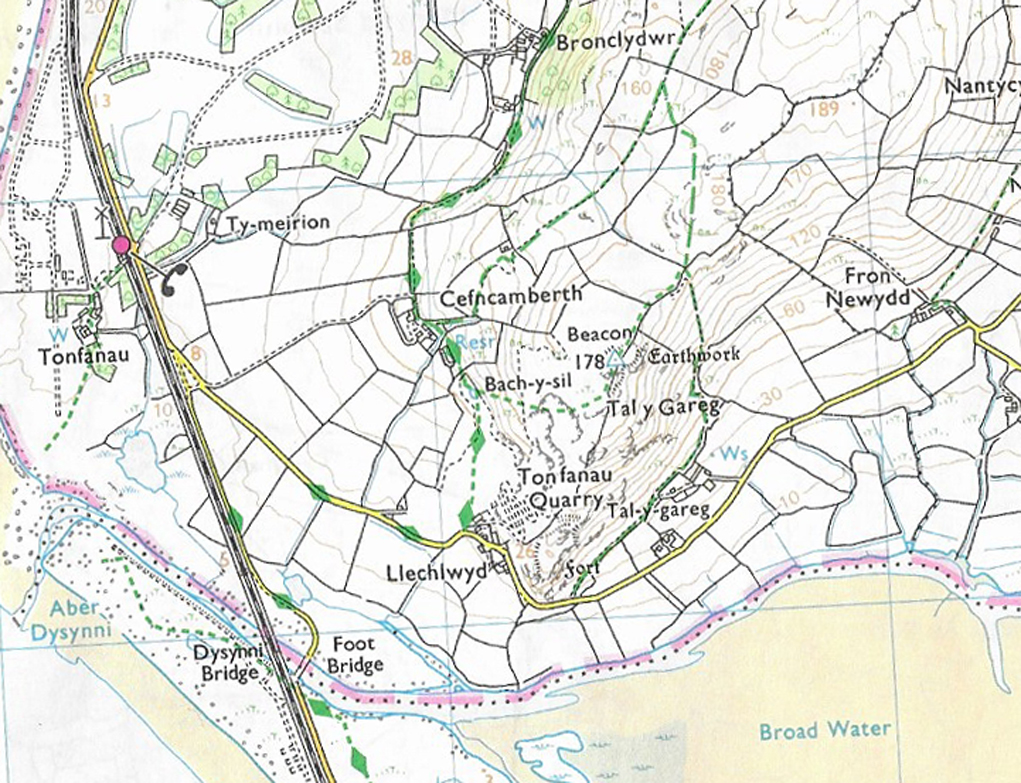
Ordnance Survey map showing the route taken up the hill, and the location of the two hillforts, marked by red dots. These two sites are also marked on an aerial photograph below.
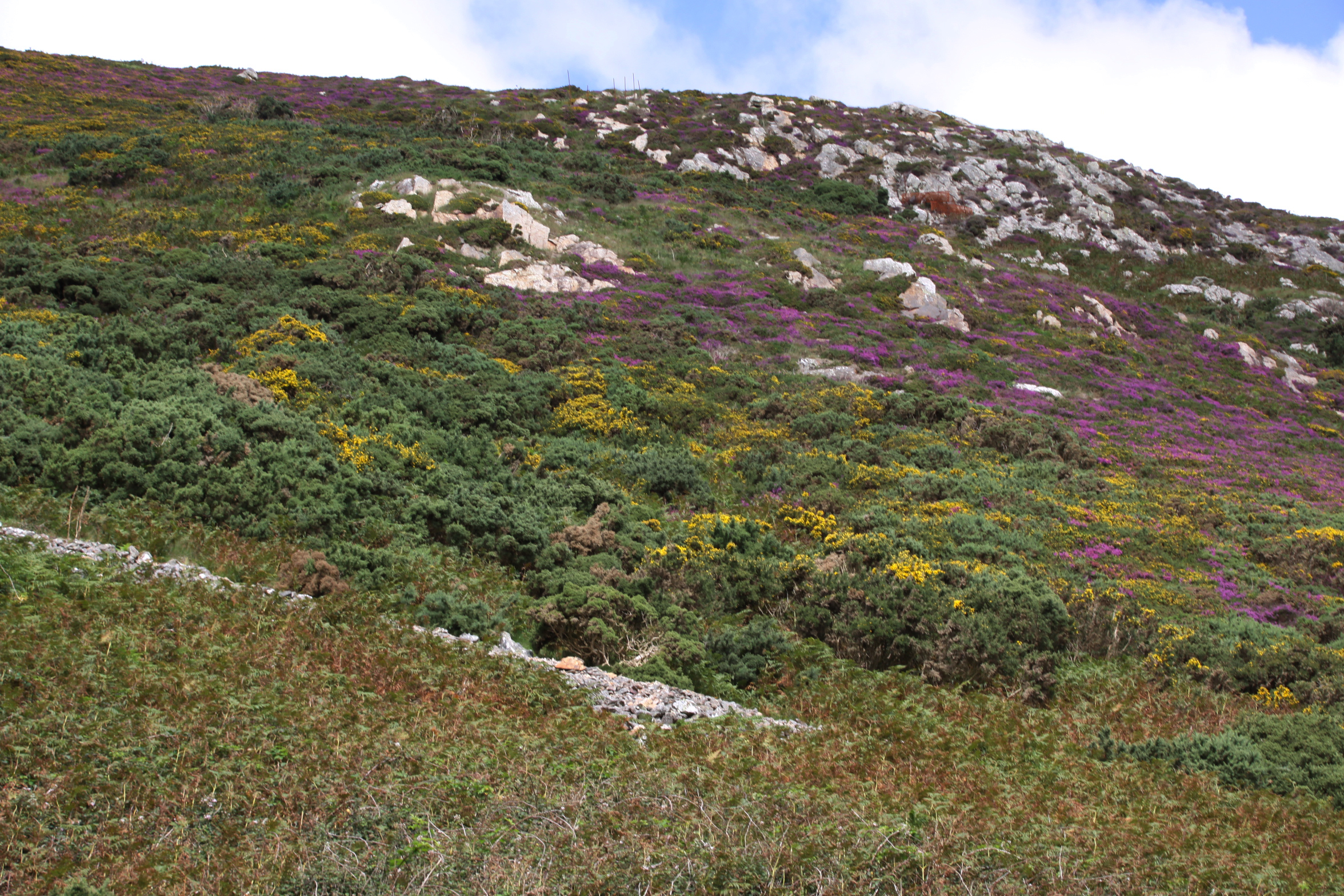
I have wanted to see the Tal y Garreg Iron Age hillfort at the top of Tonfanau quarry, on Mynydd Garreg (rock hill), for some time, so on Sunday (9th August) I packed my rucksack and went along the route I had scoped out on Saturday, which had been made so enjoyable by the verges filled with wild flowers. I parked the car on the road leading up to the Tonfanau footbridge, as before and followed exactly the same route, but this time instead of stopping at the gate into the field at the end of the bridlepath, I followed the faint track of the footpath up the hill. The route is marked in dark green on the map to the left. There are two hillforts on Tonfanau, both of which are marked with red dots, Tal y Garreg at the summit overlooking the quarry, and Llechlwyd on a lower promontory to the east of the quarry. On this post I will talk about Tal y Garreg, but I covered Llechlwyd on another post, and the map above and an aerial shot below show the geographical relationship between the two. The walk up the side of the hill is very beautiful, and the views from all around the top of the hill are breathtaking. I should, however, make a couple of health and safety notes about this walk before I recommend it as a great one to do
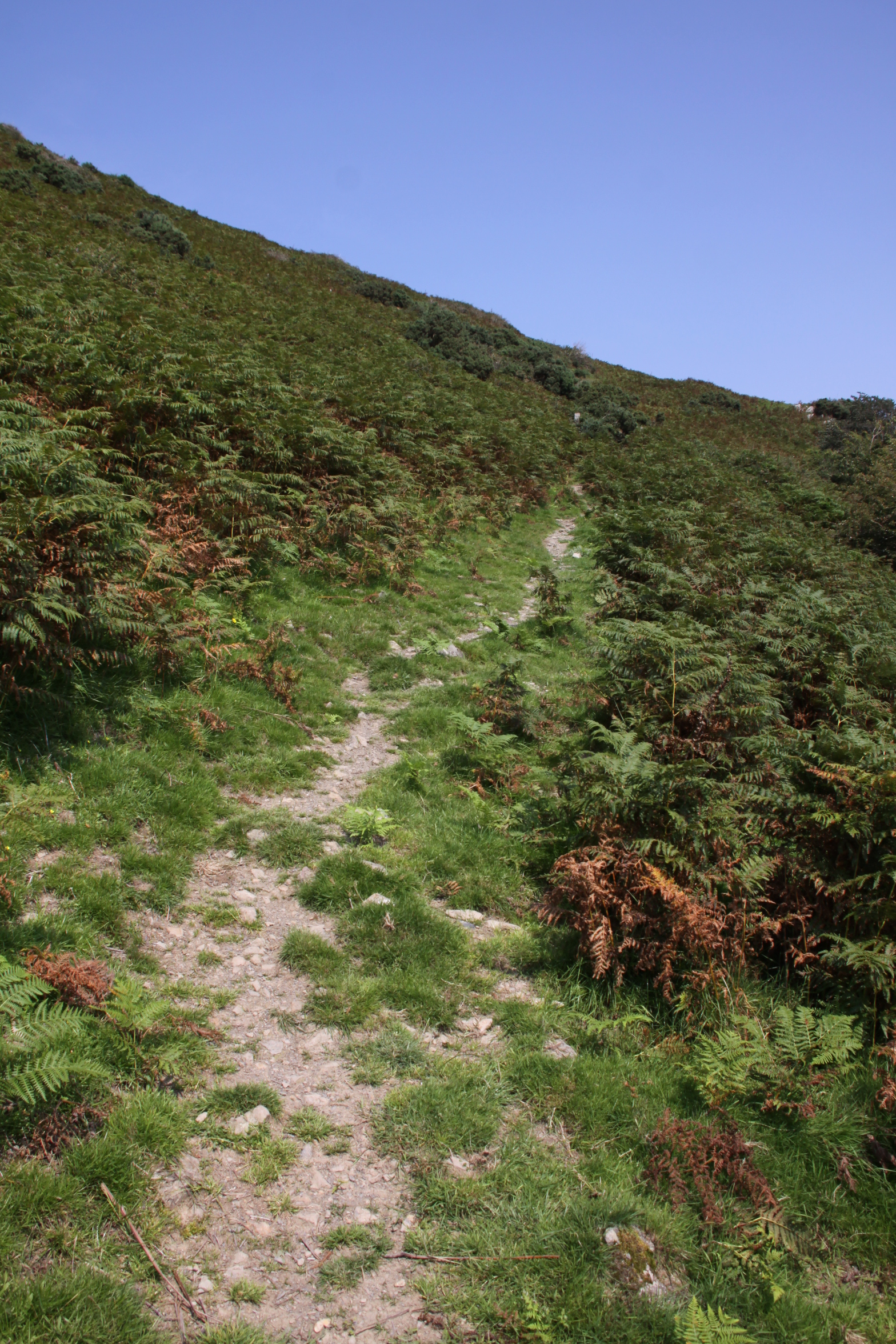 First, the track starts to climb fairly easily, as in the photo on the right, but as you near the top, where the bracken gives way to open ground, it becomes steep. When you turn around to admire the view, the ground seems to drop sharply away beneath you, and falling would result in an unimpeded roll downhill. I am very sure-footed, but instead of tacking to reduce the effort, I went straight up, leaning forward, to reduce the risk of tripping. The views are stunning, just be careful. There are other public footpath approaches marked on the map, which might be easier. Second, the hillfort of Tal y Gareg sits above the quarry. Indeed, the quarry has removed a big part of the hillfort. When you climb to the brick monument on the summit of the hillfort you are getting near to the edge of the quarry, and at the edge there is almost nothing to prevent you falling the steep drop into the quarry should you lose your footing – just fence poles with a single run of wire to mark the edge. Perfectly okay if you’re aware of it, but do not let children loose up there.

Access over two sets of steps to the ridge at the top of the hill
The top of the hill is a ridge that extends 1.5km to the northeast, with terrific views either side. The ridge is enclosed today by a long, winding drystone wall that extends as far as the eye can see. A short wooden ladder on either side of the wall allows you to cross the wall easily, but take care – two of the steps on the ridge side are rotten, one completely broken. The inside of this drystone perimeter is divided up into separate enclosures by more drystone walling, but all of them have gates or are open so you can wander freely across the top. To the southwest is the river Dysynni, at the eastern end are views over the hills flanking the valley, including Craig yr Aderyn (Bird Rock).
 I was up there partly for the views, but mainly because I am on a hillfort mission at the moment and wanted to check out what was left of one of two small Iron Age hillforts. In the area between the Mawddach estury and the Dyfi estuary are fifteen known hillforts. These fall into two distinct geographical groupings, a northern and southern group. Eight of the fifteen are in the southern group and I am hoping to walk all of those that are accessible by public footpath.
When the first hillforts were excavated during the late 19th Century, it was assumed that all hillforts were defensive, and some southern hillforts certainly were, but it is by no means clear if all hillforts were built as a response to conflict. Because so few hillforts have been excavated in northwest and mid Wales, it is impossible to establish exactly what they were designed to do, and most of them probably had multiple functions. I’ll be talking more about the roles of hillforts in this area on a future post.
It is almost impossible to photograph a hillfort sensibly at ground level, although some banks and ditches can usually be captured. Aerial photographs and excavation plans are the best ways of of visualizing individual hillforts.
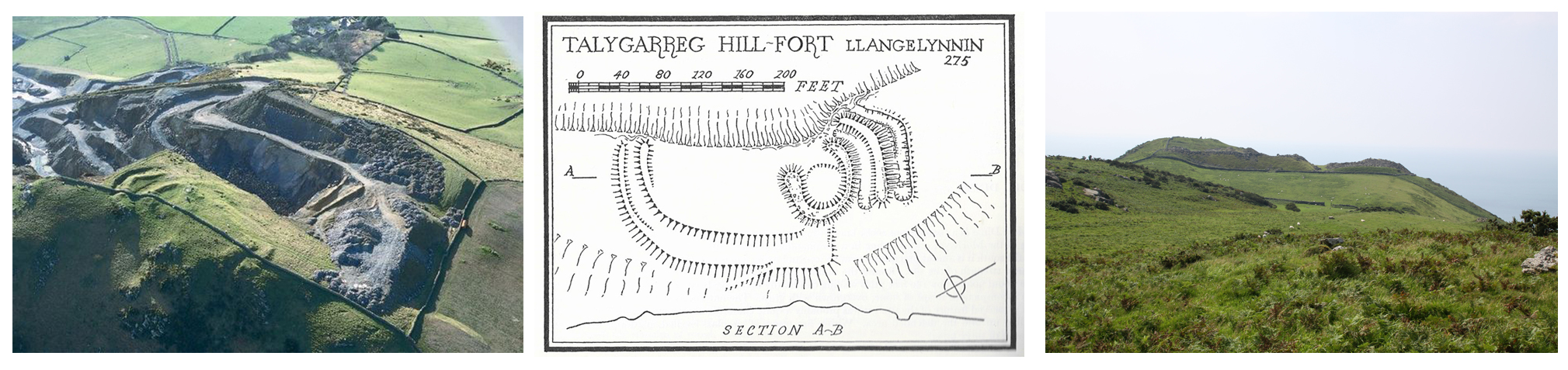
Another view of the quarry. Source: Gwynedd Archaeological Trust
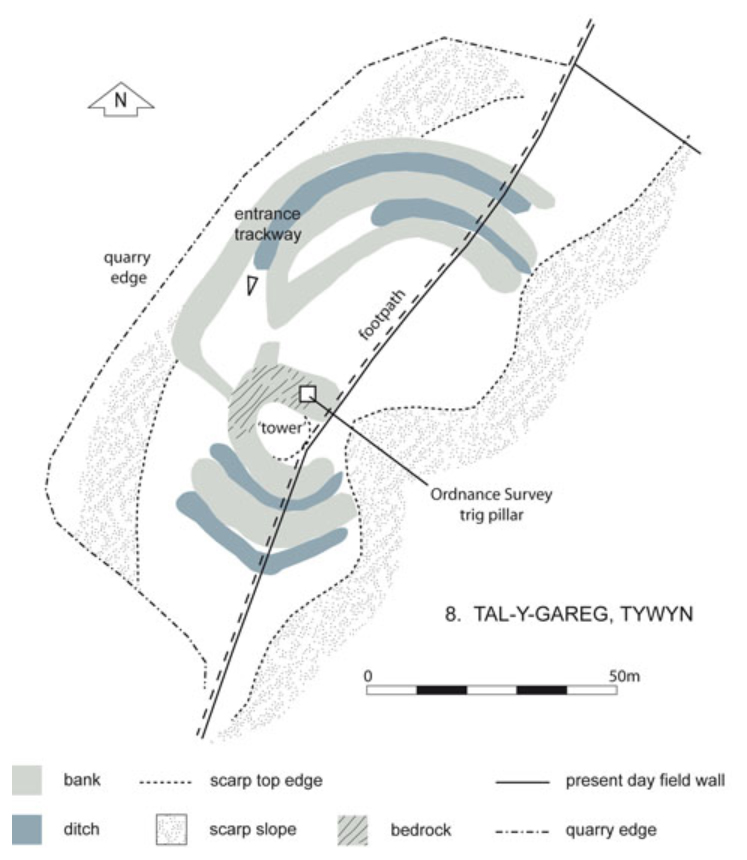
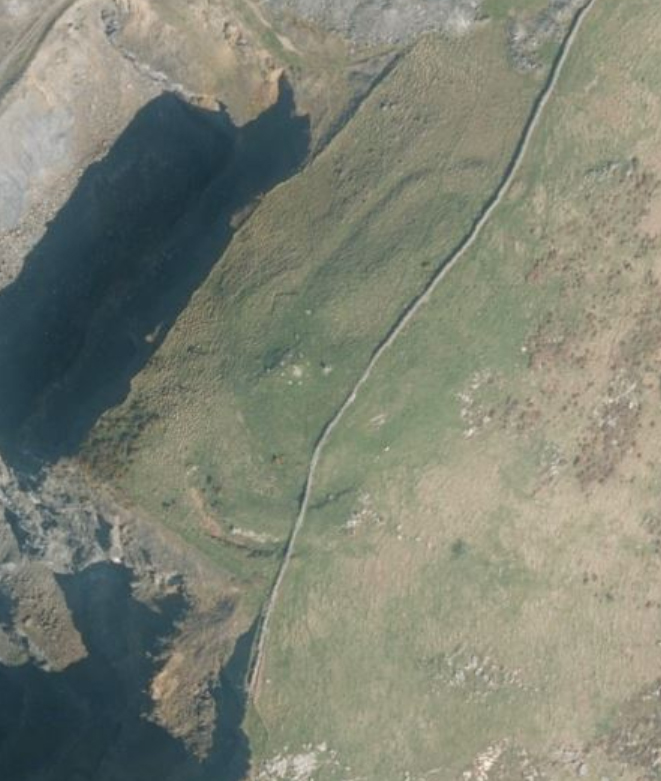
In fact, Tal y Garreg hillfort was very easy to spot from the ground, as the builders made use of a rise in the local topography and natural escarpments that face north. Tal y Garreg means “end of the rock/cliff” and probably refers to the rocky ridge on which it is built. It lies at the southwest end of a 1.5km ridge at c.170m OD. The natural lift in the land, shown on the above photograph at far right makes the hillfort highly visible from the ridge behind it. The composite image above (click to enlarge if required) shows Tal y Garreg hillfort from the air with the 1967 site plan (upside down in terms of the photograph – Bowen and Gresham 1967) and a view of it from the middle of the ridge. Another plan to the left offers a different view. Today, massive piles of rock from the quarrying activity are left lying around, so it is not immediately easy to see the structural features and it helps to have the plan to hand to locate them. There are two sets of banks and ditches, referred to as bivallate on the northeastern and southwestern sides. The banks, or ramparts, were probably pallisaded to make it even more impressive from a distance, and to make it easier to protect if needed. These ramparts contain an area around 45m long by 22m wide, small in hillfort terms. Still, it was clear that although the space it contained wasn’t large, it had been built on an impressive scale. The entrance was simple, inturned, and cut through the scarp to the north, facing the ridge. It’s worth walking along the the edge of the drystone wall that runs behind the fort so that you can get a feel for the banks and ditches shown on the far left in the aerial photo, but be careful how near you get to the quarry edge. One of the banks and ditches, cut into bedrock, is shown below, with the sea in the background. Tal y Garreg overlooks the Dysynni valley rather than establishing a good line of sight with hills to the east or the coast to the north, although a short walk along the ridge on an averagely clear day provides those views. The views have been radically changed by quarrying, but there were clearly good lines of sight across the sea, down into the Dysynni valley and back along the ridge.
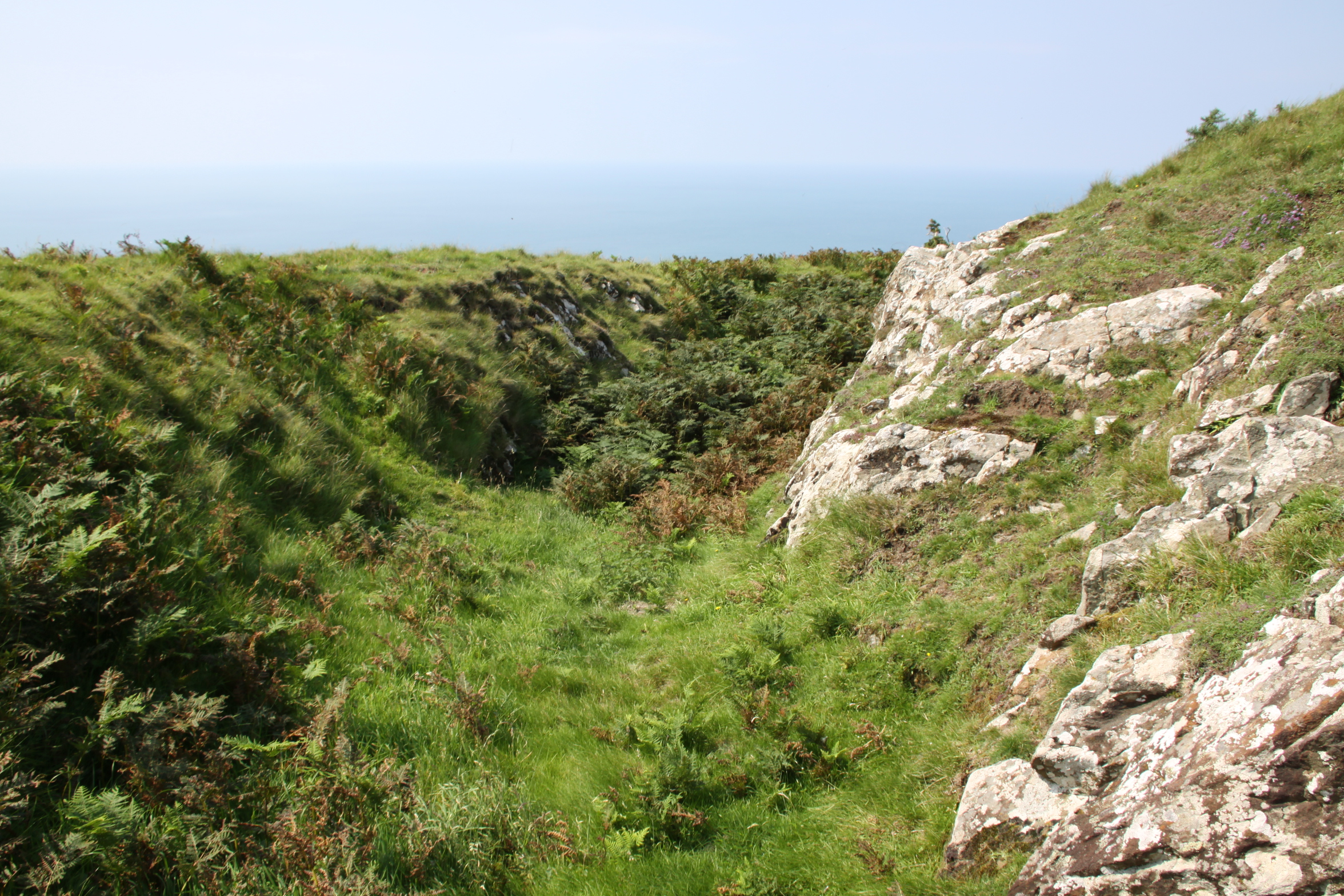
Ditch at Tal y Garreg, excavated through the bedrock. Ramparts on the bank at this point would have given views over the Dysynni valley and Cardigan Bay.
The site has never been excavated, so any thoughts on its date or the number of phases involved in its construction are purely speculative. On both plans a 10m diameter “tower” is marked, and this was a circular structure, in front of which is a rock-cut ditch now full of stone, which may be the remains of the tower, suggesting that it was quite a substantial feature. One proposal is that the small primary bivallate hillfort may have been overlain by a smaller and later fort that made use of the earlier features, and that the tower may have been part of this later re-use, dating to a Roman or post-Roman/Early Medieval re-occupation. In fact, there is so little evidence of Roman presence in the area that it seems rather unlikely that a Roman fort was located here, so it is more likely that any second phase was post-Roman.
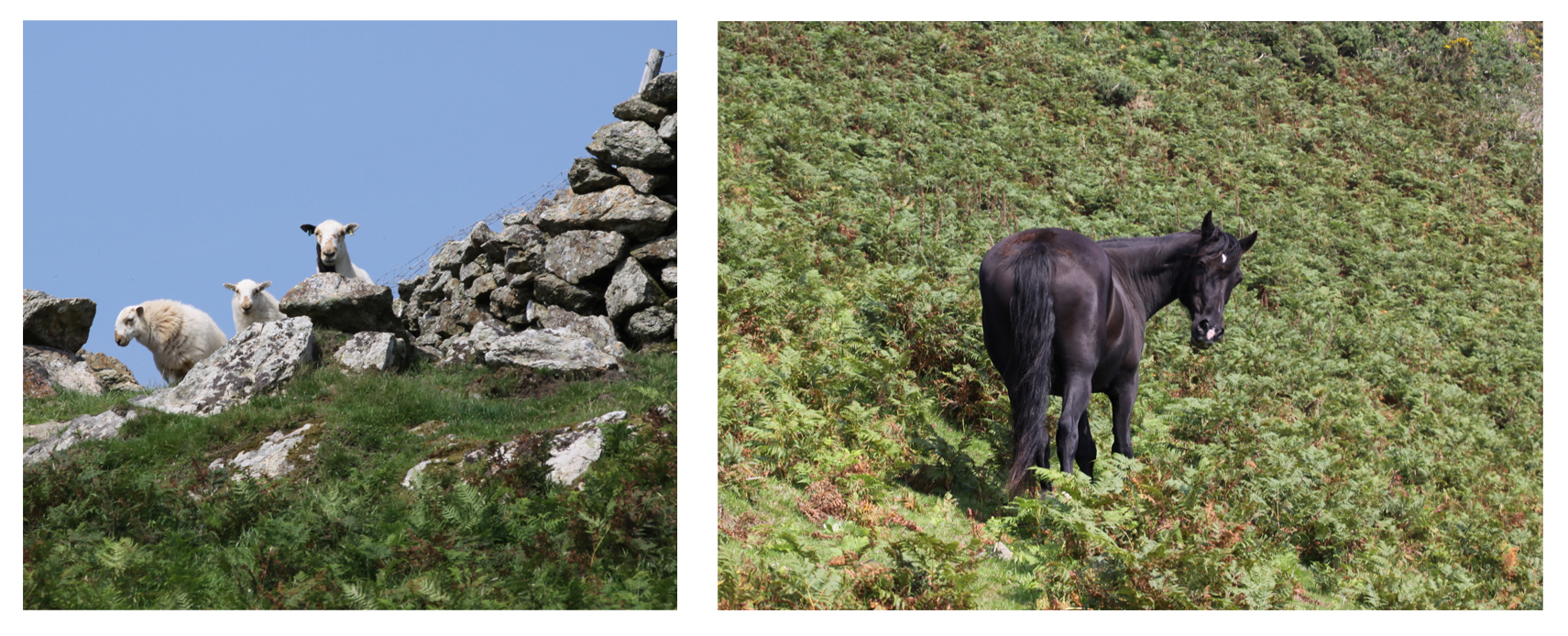
 The Tal y Garreg hillfort is so small that I am not sure that it really qualifies for the title “hillfort,” when compared with more massive and impressive examples, that contained a number of other structures within their ramparts. It does, however, feature typical hillfort characteristics. It took advantage of strong strategic position that could be partially barricaded with banks and ditches on vulnerable sides, using steep sides to provide natural barriers to attack. Like most hillforts, although not all, it is on high ground overlooking good farming land or pasture. Although there are no known settlements in the area, farmsteads were almost certainly dotted around the landscape much as they are today, and the hillforts probably overlooked some of these in the valley. The ridge itself may have been used for grazing livestock, just as it is today. In the photograph below, the sheep were on top of the ridge and the horses were just outside the drystone wall at the top of the approach to the ridge.
 The hillfort had no water supply other than rainfall. This small defended enclosure could not have sheltered large numbers of people against hostilities, and could not have been reached in a hurry from the valley below, so it was either designed to shelter a privileged few; to store important resources in a relatively inaccessible location; to segregate certain centralized activities in a single location; to be a visible symbol of territorial tenure – or a mixture of various roles.
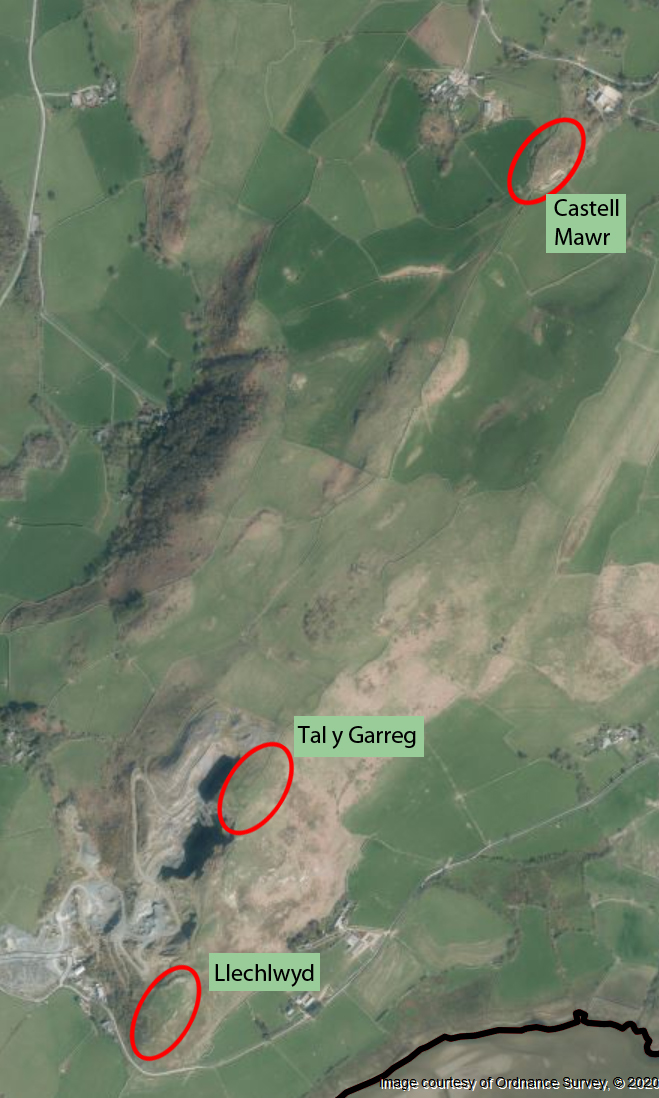 Located both on the edge of the Dysynni valley and on the coastal plain, lines of communication could have extended both on a north-south axis and along the Dysynni valley, past Craig yr Aderyn (Bird Rock) hillfort, and into the Tal y Llyn valley heading northwest towards the hillforts near Corwen and Ruthin. The ridge itself would have provided a high-level route alongside the Dysynni valley for c.1.5km. At the other end of the ridge is another hillfort, Castell Mawr, which appears to have had a large annex that could have been used as a livestock corral.
Tal y Garreg is only a short walk from Llechlwyd hillfort, which also sits on the side of Tonfanau quarry, and I will be posting about in the future. Both are poorly understood, and it is not known if they were related to each other or were chronologically separate. They could have been contemporary but they may have been separated by anything from years or decades to one or more centuries. Until they are excavated this relationship will not be clarified.
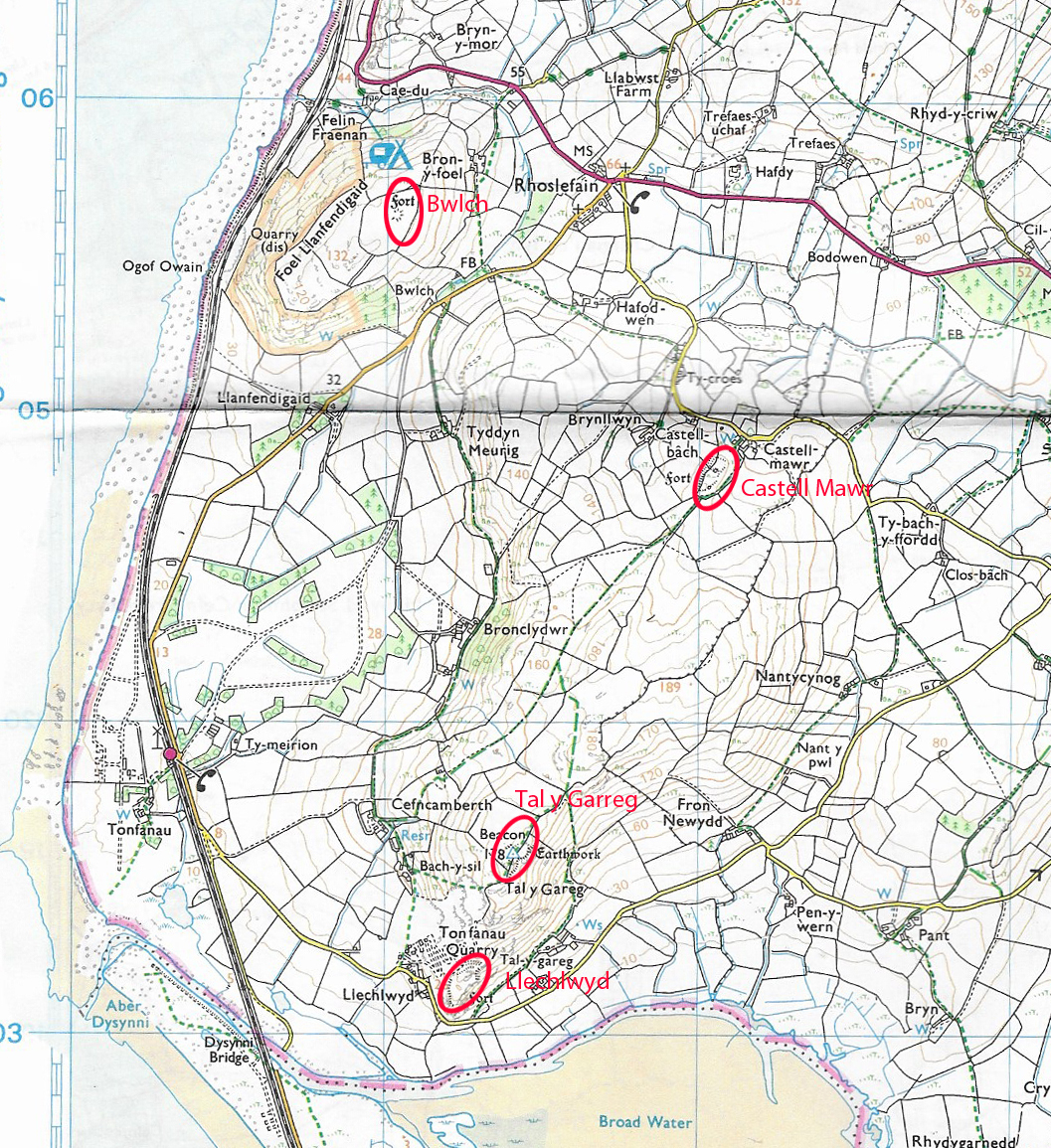 I wanted to see if there was a clear line of sight from Tal y Garreg to the hillforts of Llechlwyd, also at the southwestern end of the ridge at the top of Tonfanau, Craig yr Aderyn (Bird Rock) c.8km to the east and Bwlch hillfort on the next hilltop, 2km to the north, Foel Llanfendigaid. As none of these sites have been excavated it is not known whether they were contemporary, but in the event that they were, having a clear line of sight might have had many benefits, irrespective of whether the occupants of the hillforts were friends or enemies. The nearest hillfort, Llechlwyd, is visible from Tal y Garreg, which has a view down into the much lower promontory fort. Craig yr Aderyn is visible from Tal y Garreg, although in the distance. If required, it would have been easy enough to set up a signal on a clear day. Bwlch is very easily visible, and looks like the perfect location for a hillfort. Between the two, a near-flat piece of coastal plain is divided today into fields and used for pasture.
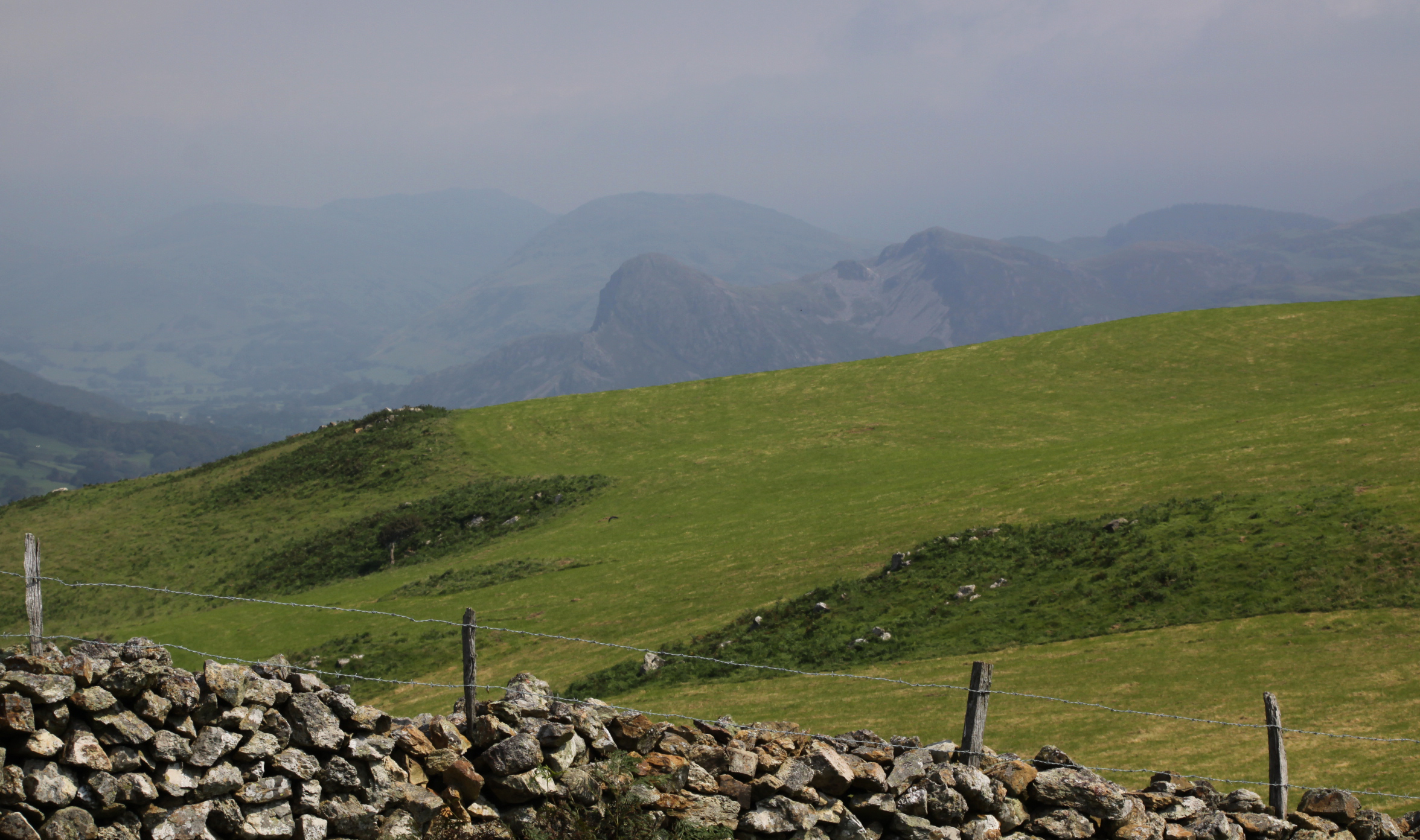
Craig yr Aderyn (Bird Rock) c.8km from Tal y Garreg
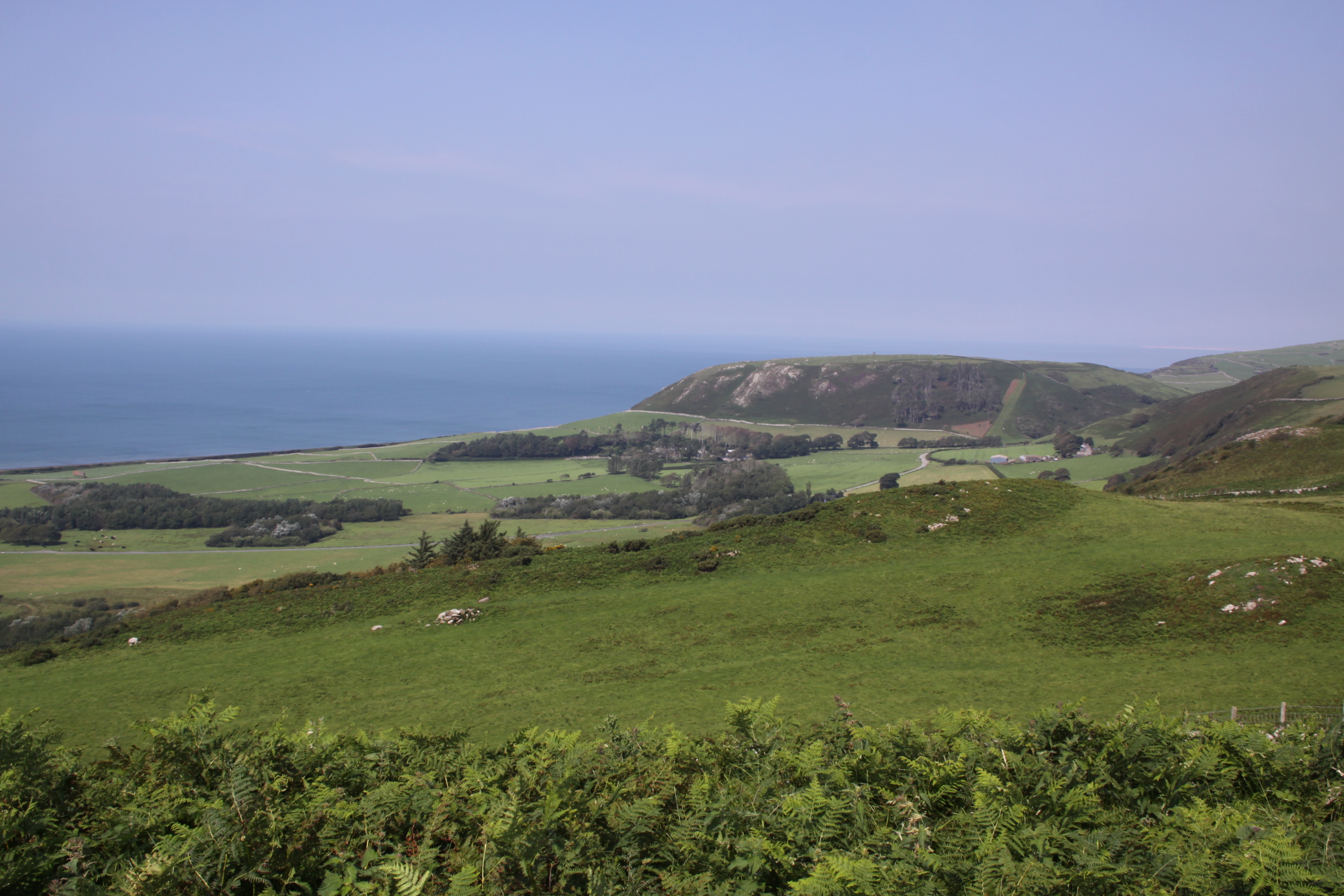
View from Tal y Garreg to Foel Llanfendigaid, on top of which is the hillfort Bwlch
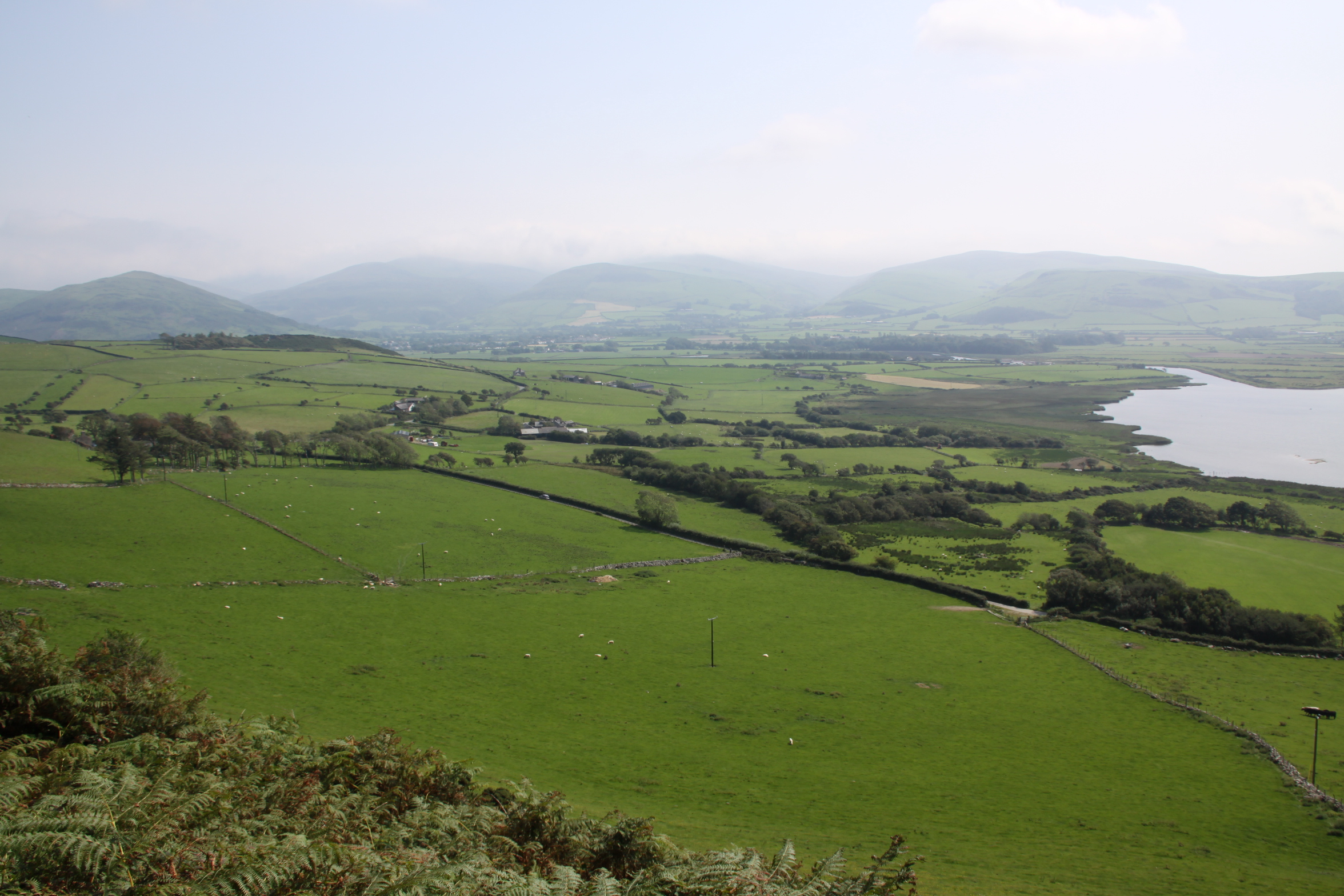
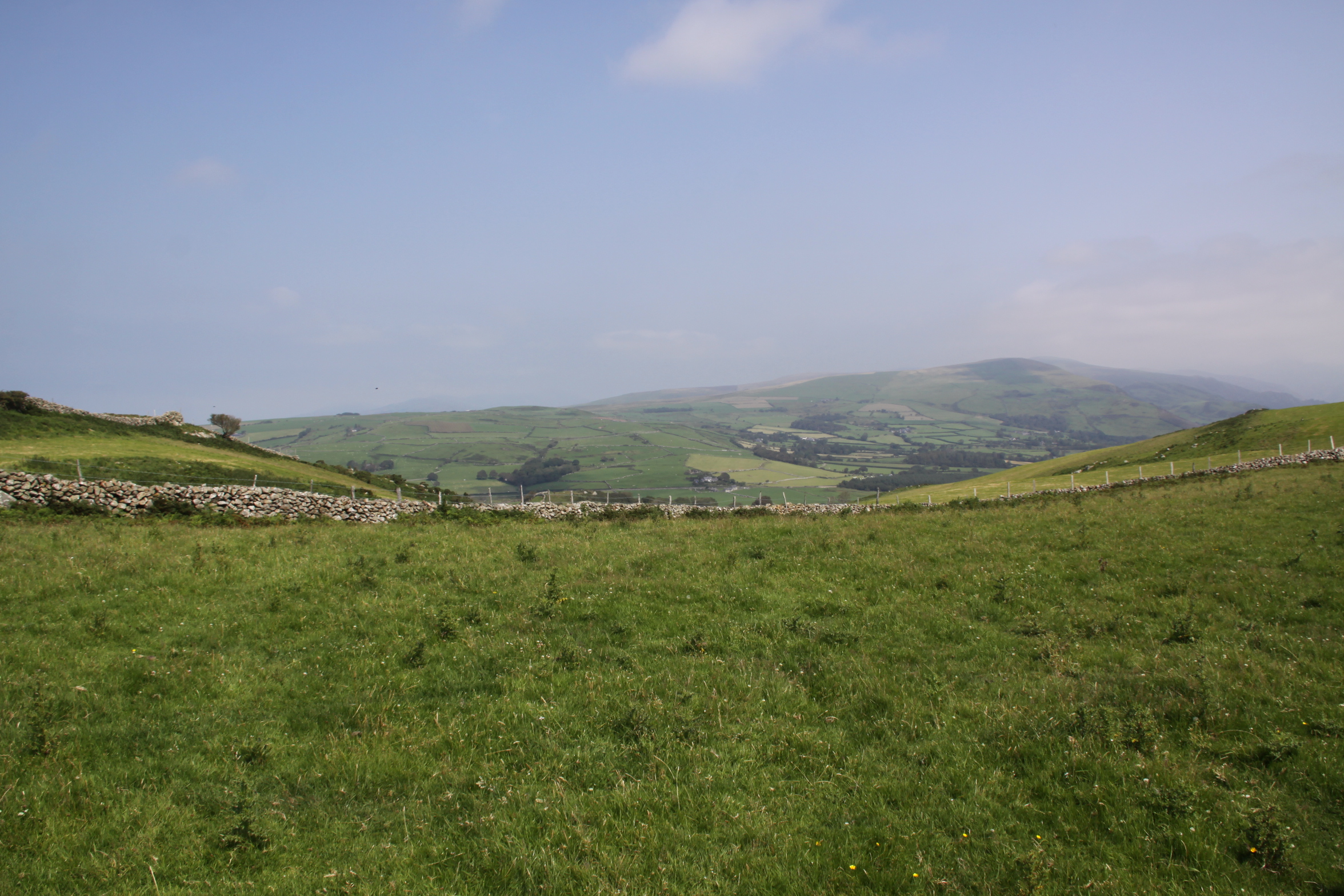
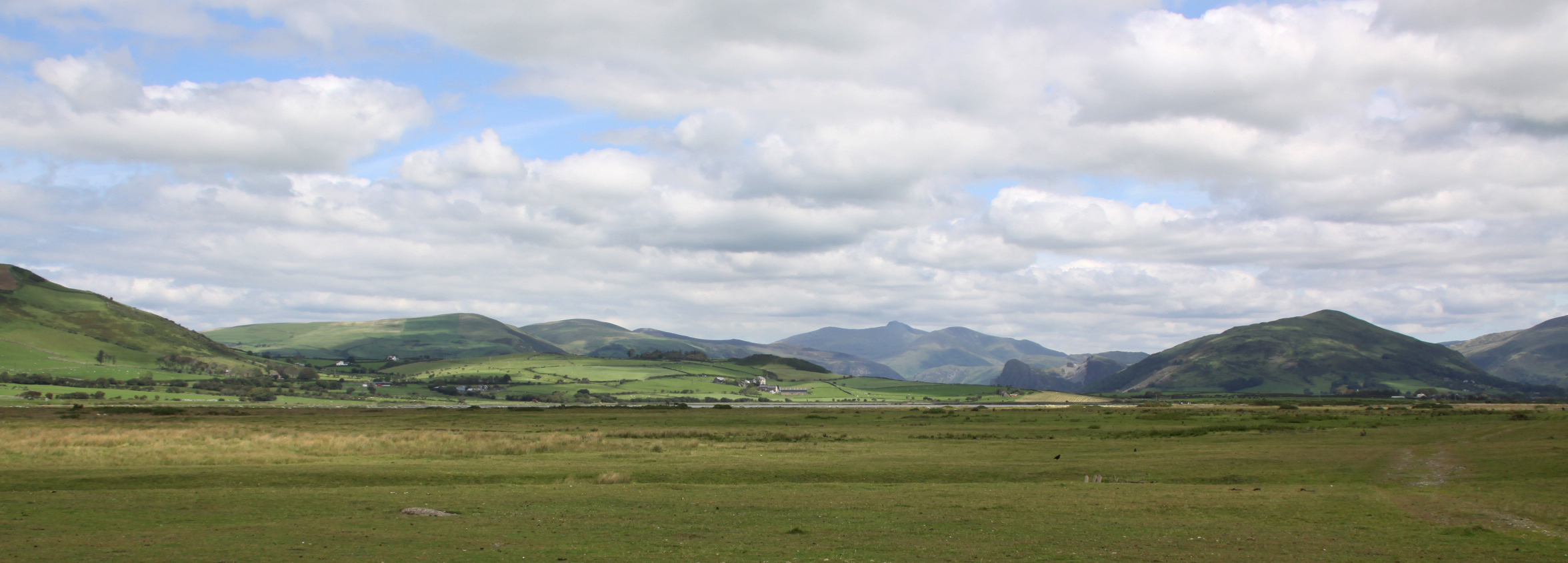
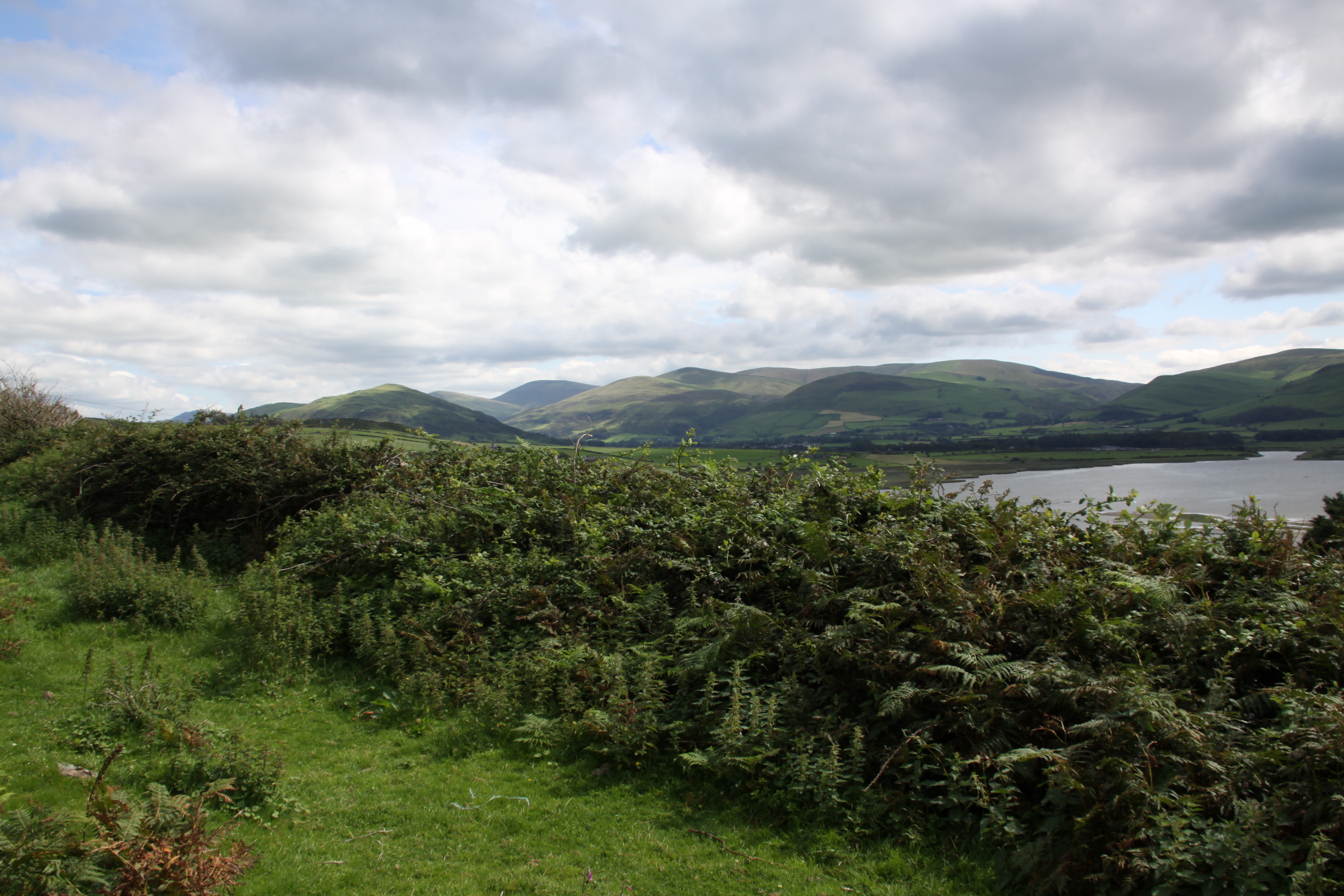
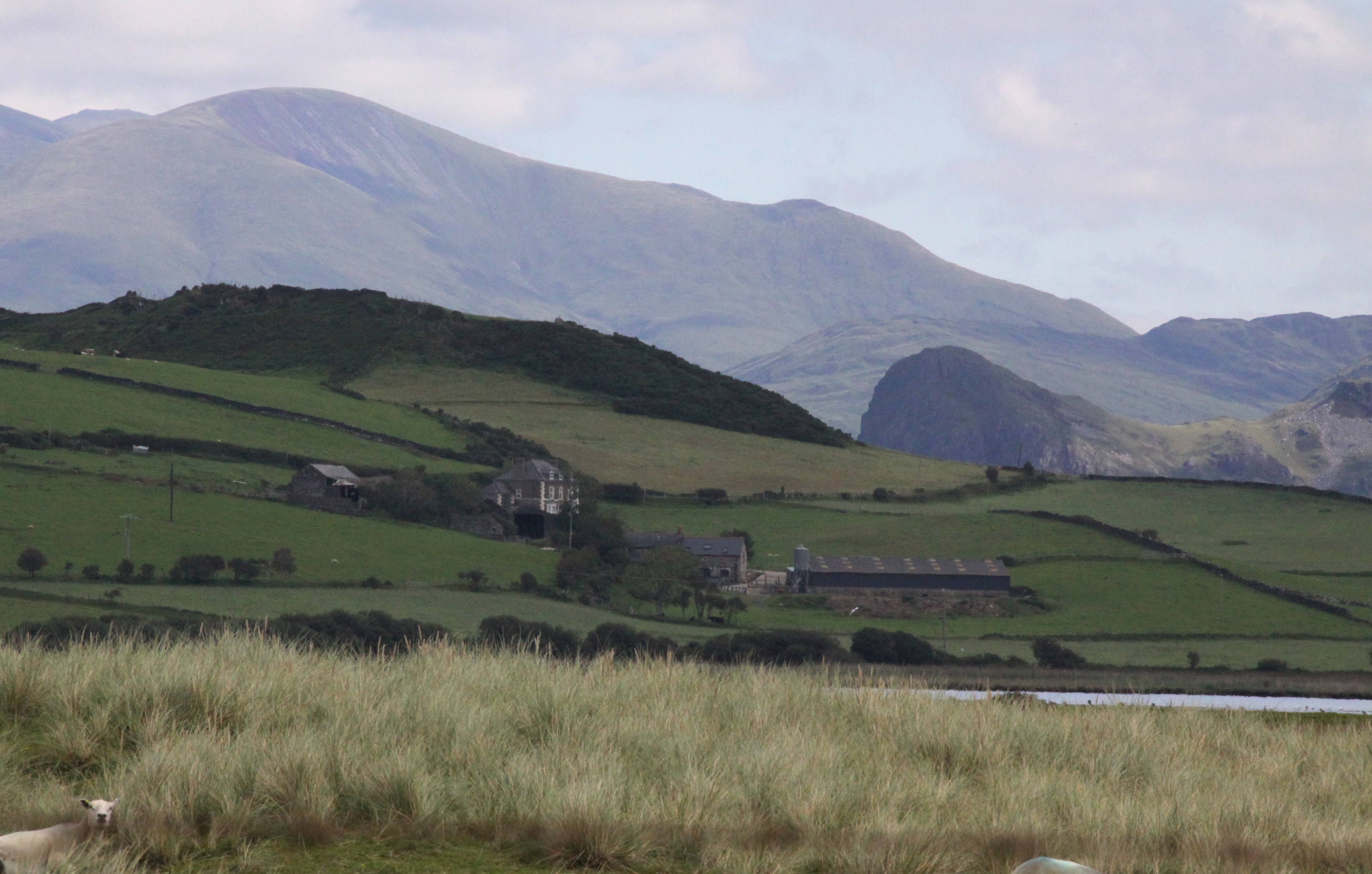
It was useful to see what could be viewed when outside the hillfort, but still along the ridge, and it was impressive how many broad views were available from the ridge beyond the hillfort, some of which are below, all overlooking good quality pasture, currently being grazed by sheep and cattle, and far into the distance in all directions including the sea. It was a hazy day so the views weren’t quite as spectacular as they might have been, but they showed enough to indicate that Tal y Garreg was a good site for watching movements for many miles around.
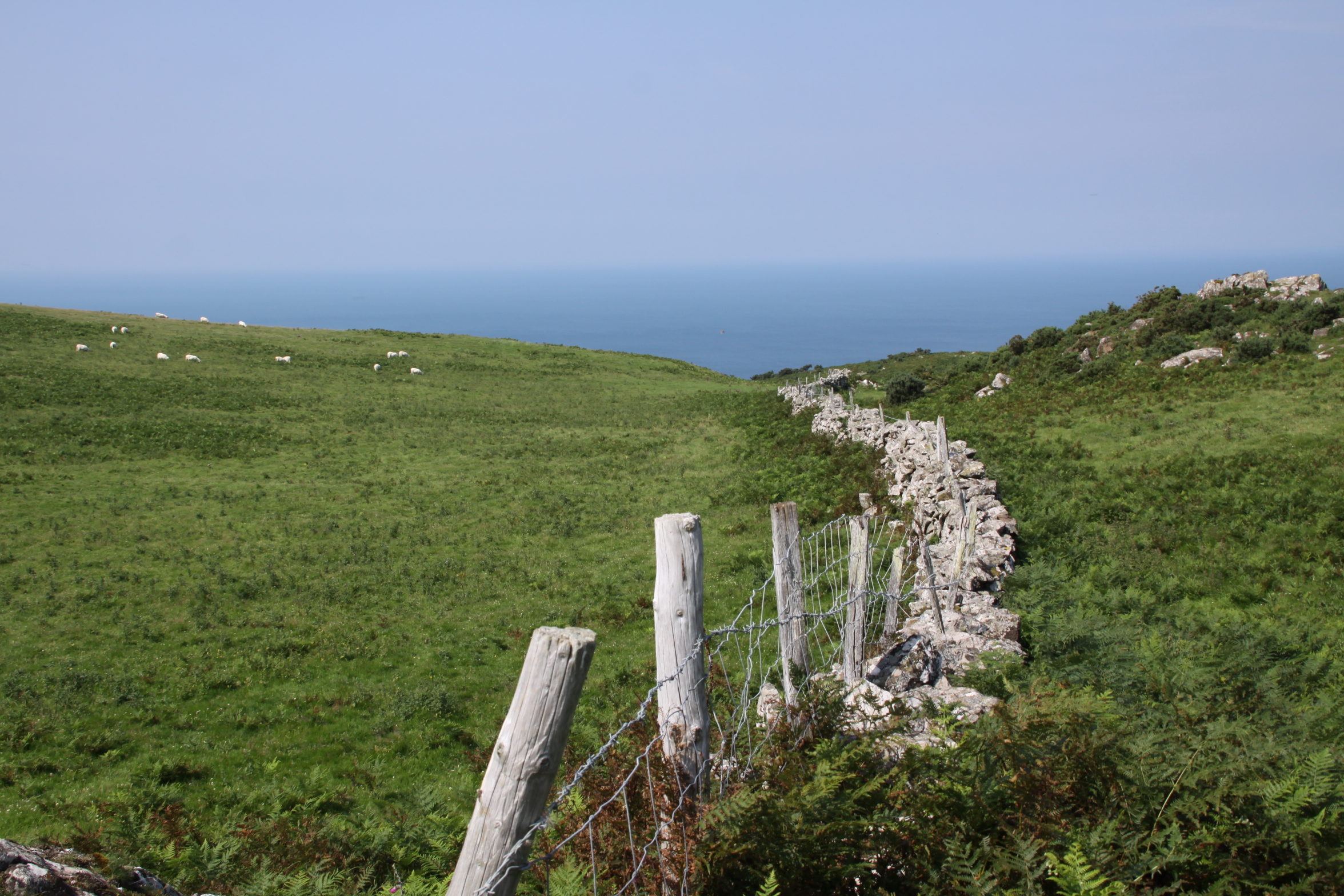
View from one side of the ridge to the other, taken from the stile.
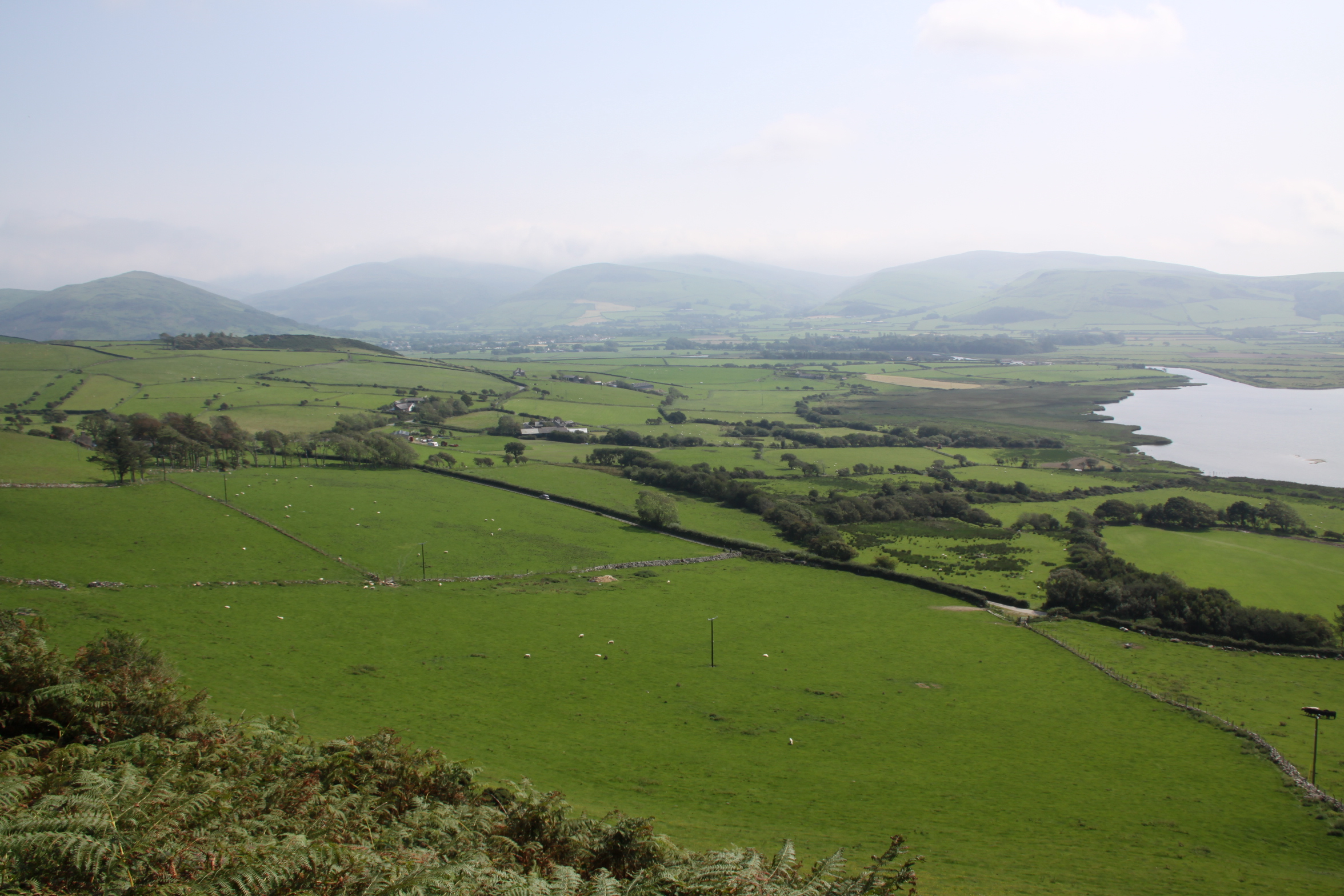
Dysynni valley, looking east
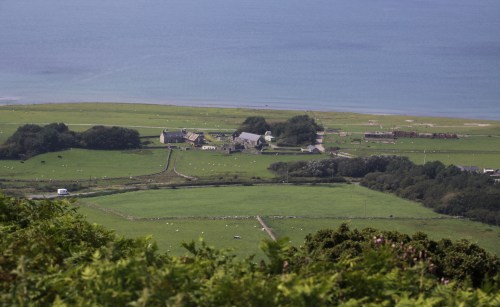
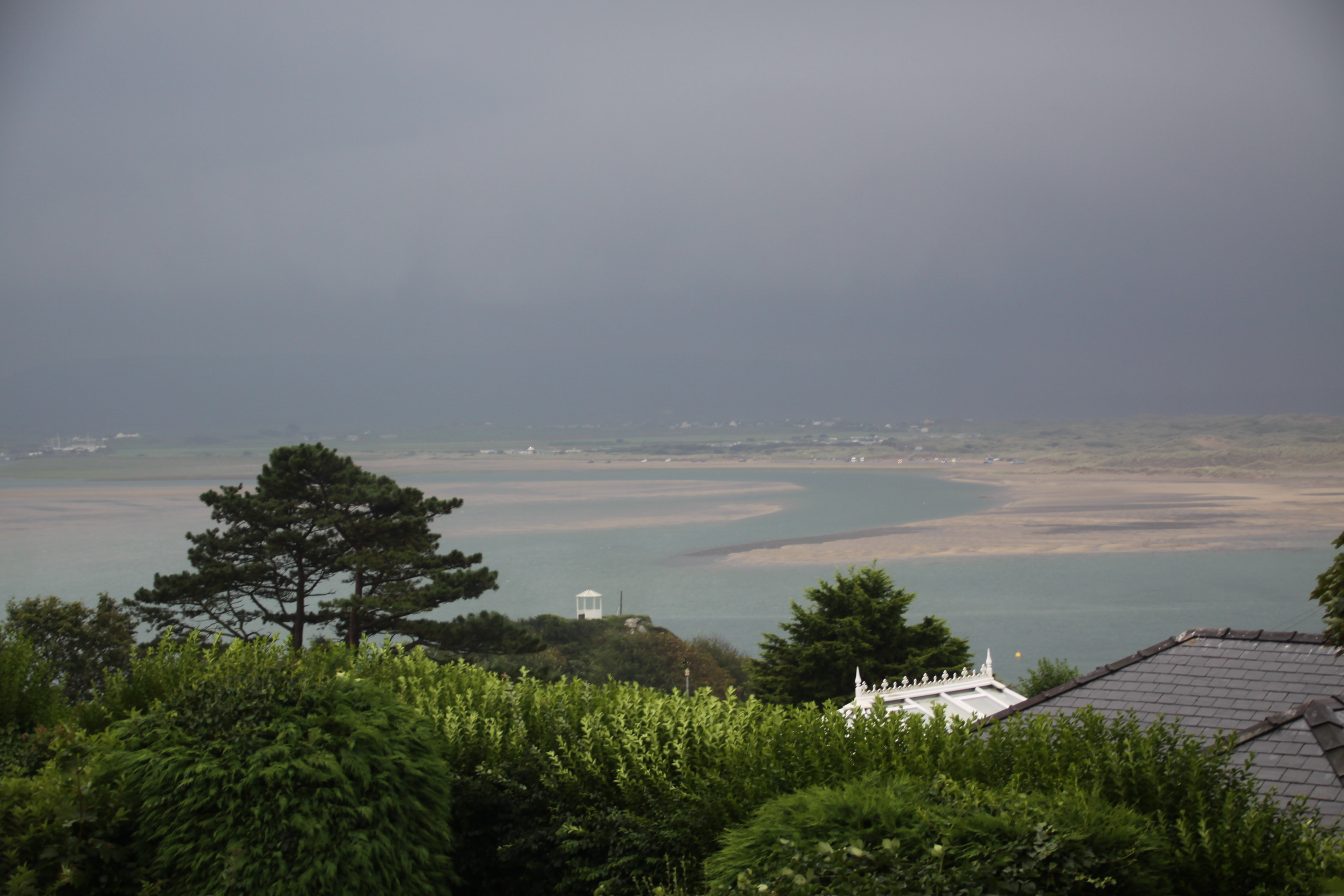
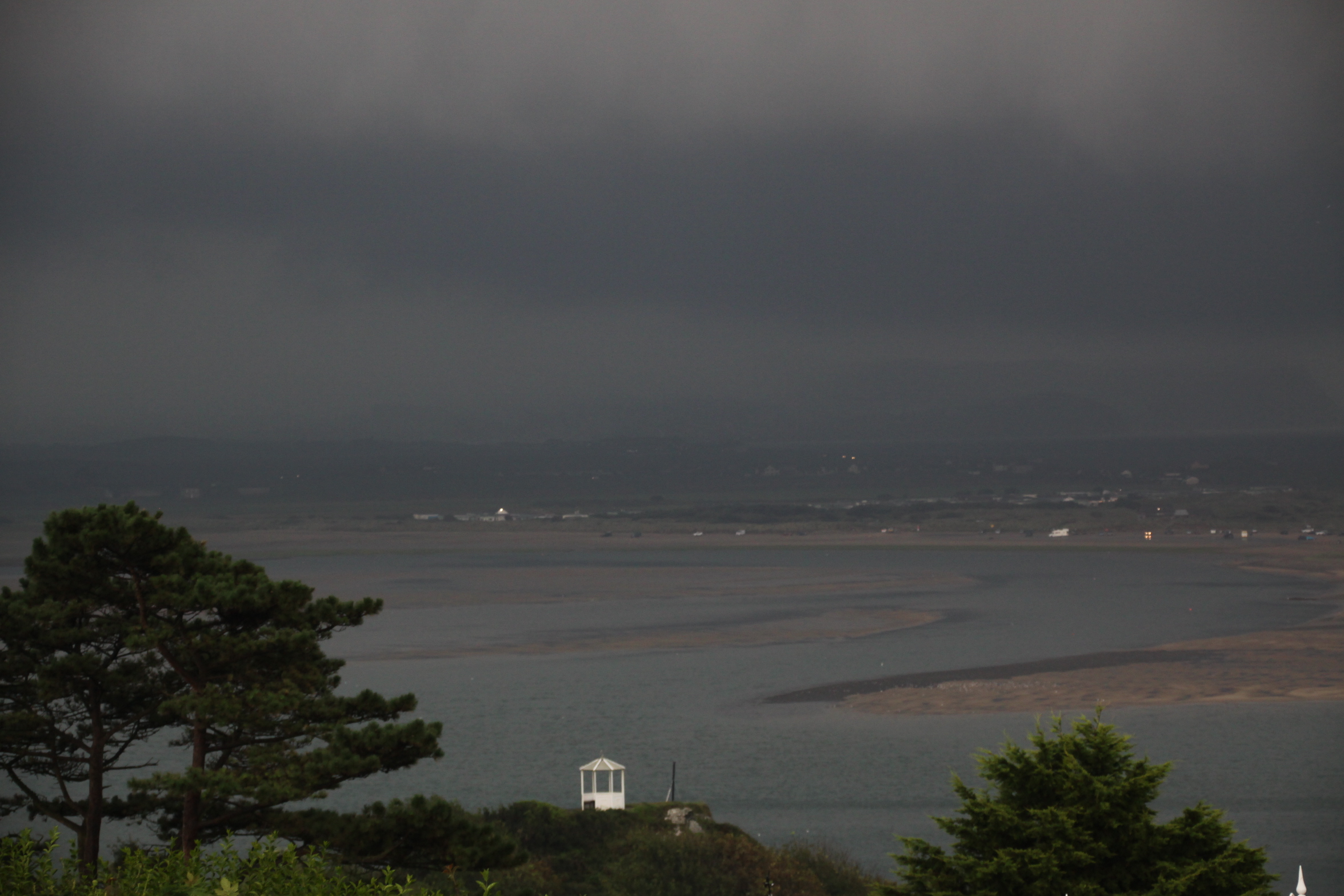
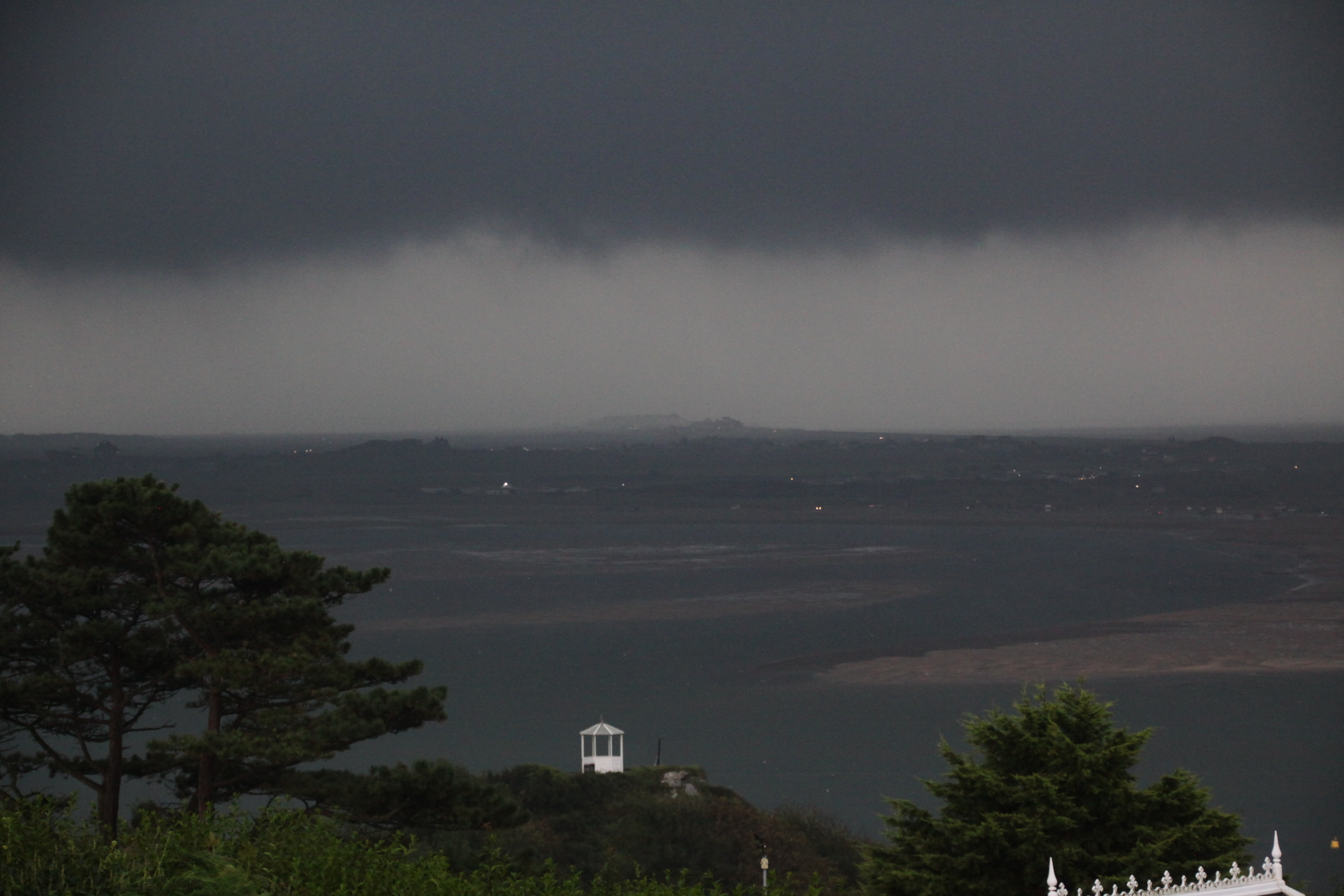
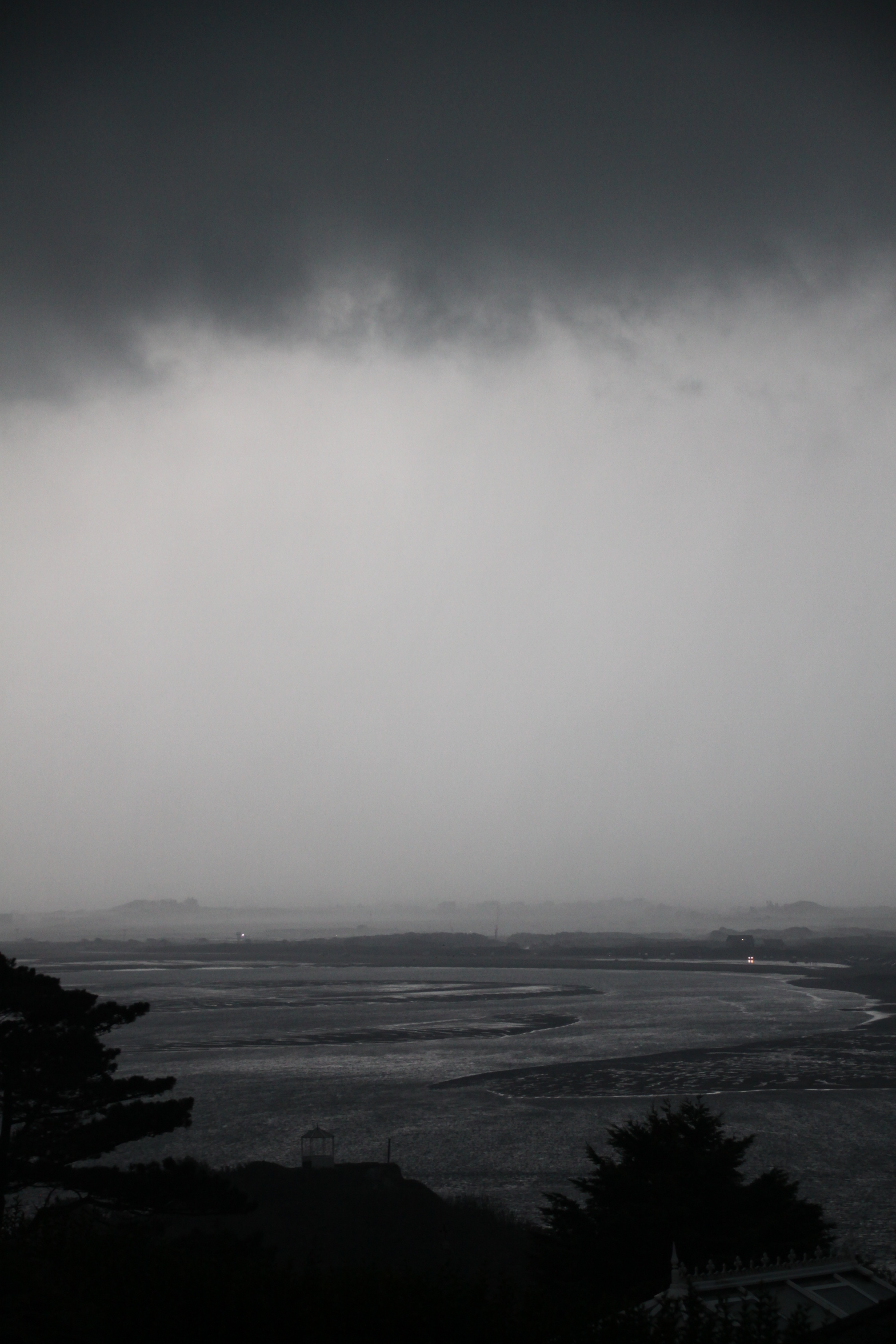
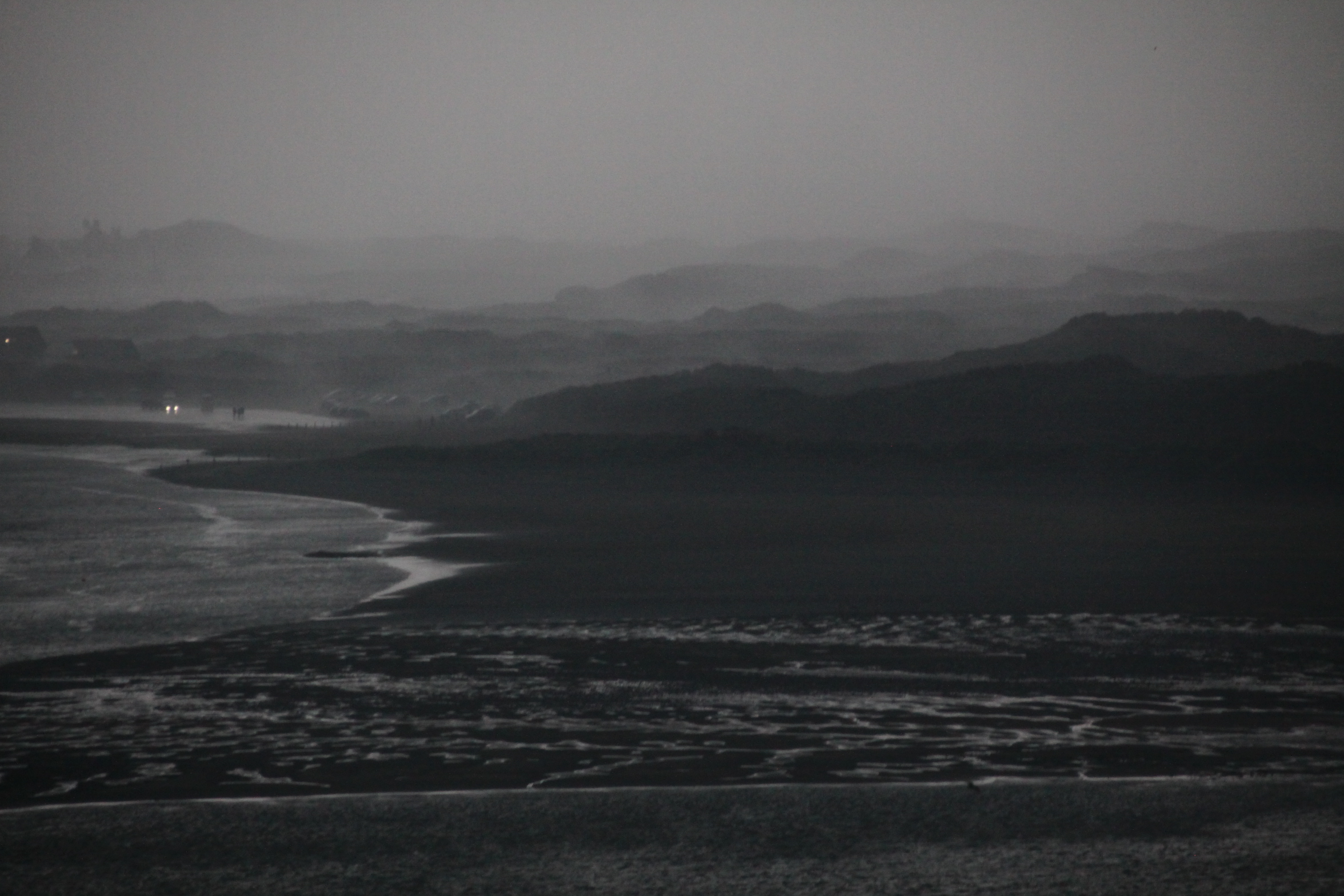
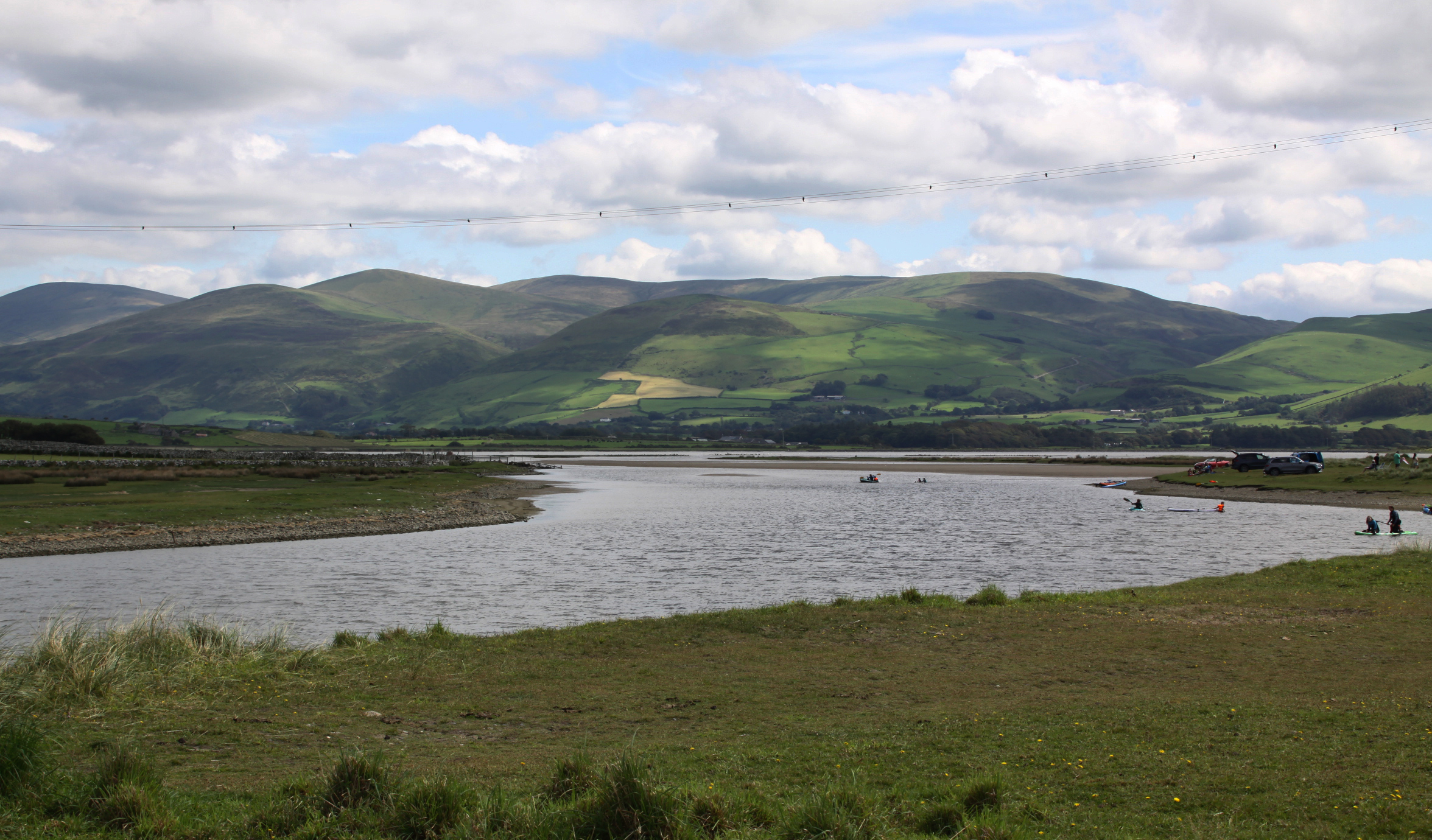
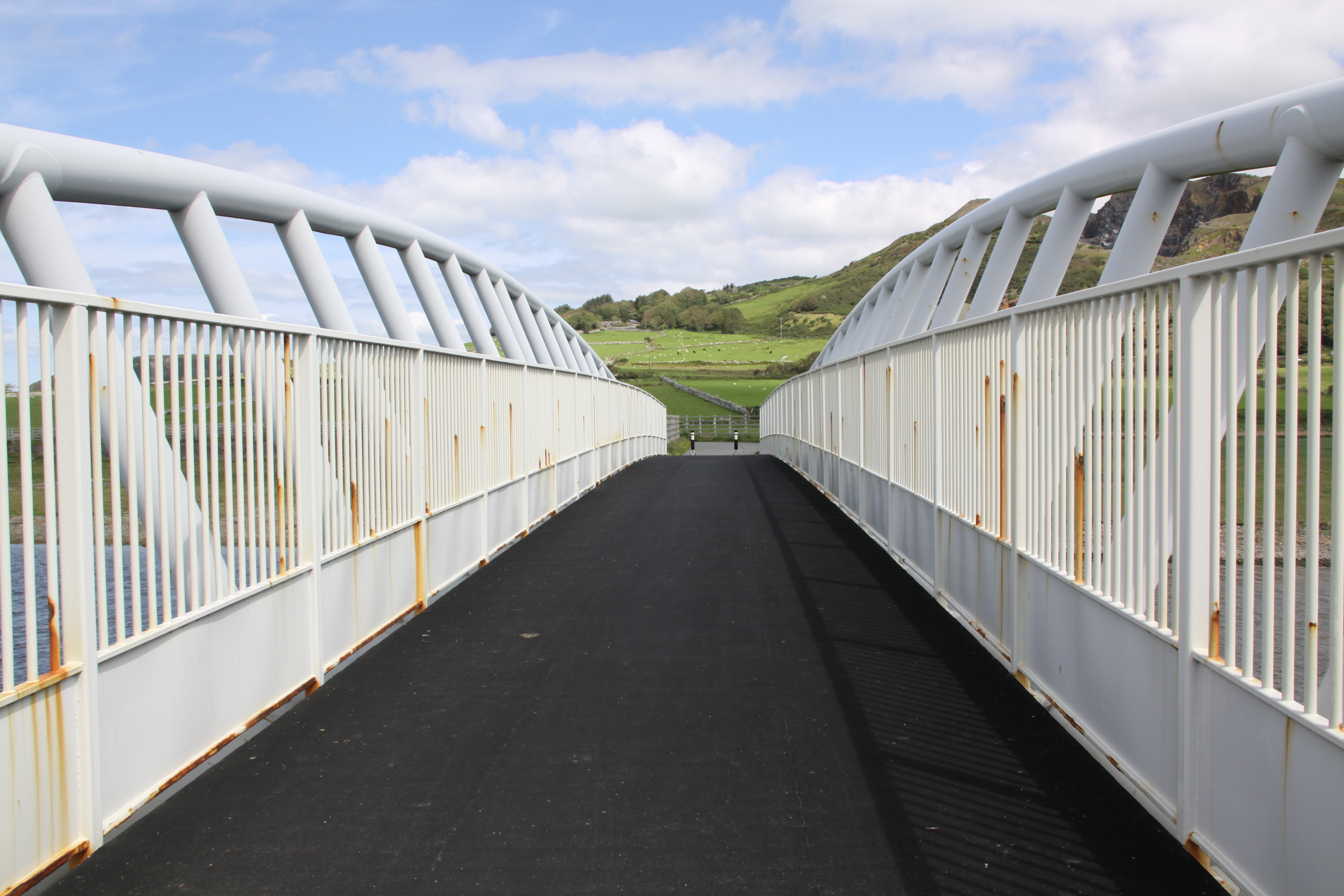
A final though on the views available from the hillfort and visibility from below is that a couple of days later I went to walk along the Dysynni from Tonfanau bridge to Ynysymaengwyn, skirting the broadwater, and found that the entire of the top of Tonfanau was under a cloud, just where Tal y Garreg was built. It was impossible to see its location, and it would be impossible to see anything at all from the hillfort down into the valley. This could have been a distinct disadvantage in its location! The second hillfort, Llechlwyd, which is on the lower promontory at 70m OD, was not shrouded in cloud, so although it had no visibility of the ridge behind it, it did have the advantage of being less prone to cloud cover.
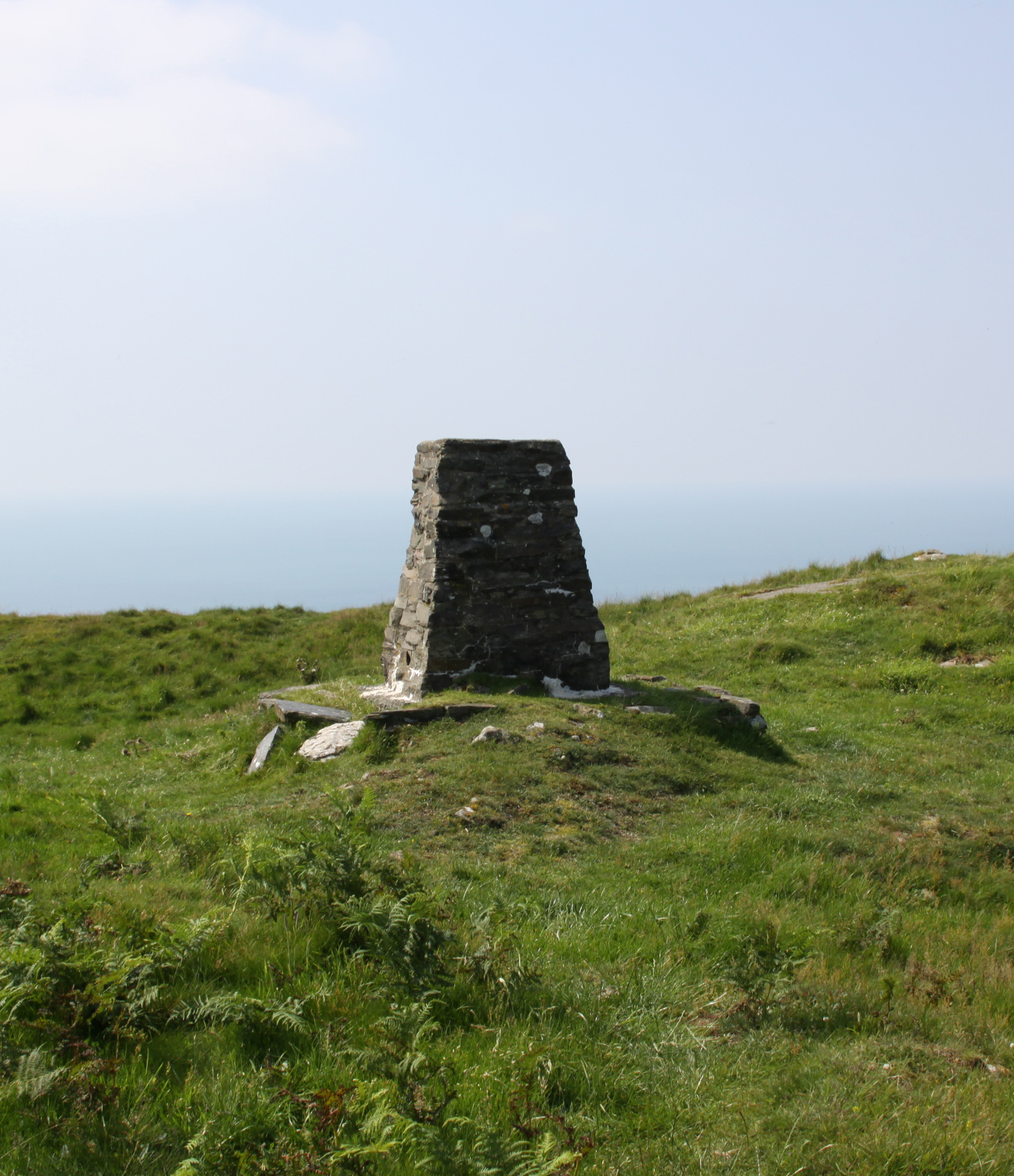 There’s a modern structure on top of the hill at this point, which is an Ordnance Survey trig pillar. There are also the foundations of an old shipping signal. Ordnance Survey trig pillars (or points) are part of the history of mapping in the UK. Trig is shorthand for triangulation, and in 1936 the first of c.6500 trig pillars were built as part of the project to retriangulate Britain. Most of them made of concrete but the Tal y Garreg trig pillar was made of local stone, and is shown on the right. The OS is still responsible for maintaining the pillars, of which around 6000 remain at similar locations. The project was designed to improve the accuracy of mapping, and although it has been surpassed by modern techniques and technologies, it revolutionized map-making in Britain. Here’s an excerpt from the Ordnance Survey page on the subject of the trig pillars:
Triangulation works by determining the location of a point by measuring angles to it from known points at either end of a fixed baseline and in this case, those known points were the 6,500 + trig pillars erected across the country. In practice, a theodolite would have been secured to the top mounting plate and made level. It would then be directly over the brass bolt underneath the pillar. Angles were then measured from the pillar to other surrounding points. For the highest accuracy primary points in the retriangulation, many rounds of angles would have been measured with the observations taking several hours.
I was expecting to have the hill to myself, but there was a group of around 10 people up there enjoying the view. We exchanged cheerful greetings, and when they left I noticed that they took the wide quarry track that runs on a shallow incline alongside the quarry scar. Out of curiosity I took the same route down, and it runs into the quarry yard, which is the same as the access point to the Wales Coast Path. A farm gate opens out onto the B-road. The quarry track is not a public footpath, but it is not barred in any way, is safe, and as the quarry is out of use it seems okay to use it. It’s a much easier, much shallower incline than the steep path that I took up. Although not as attractive, it gives remarkable and safe views over the quarry itself.
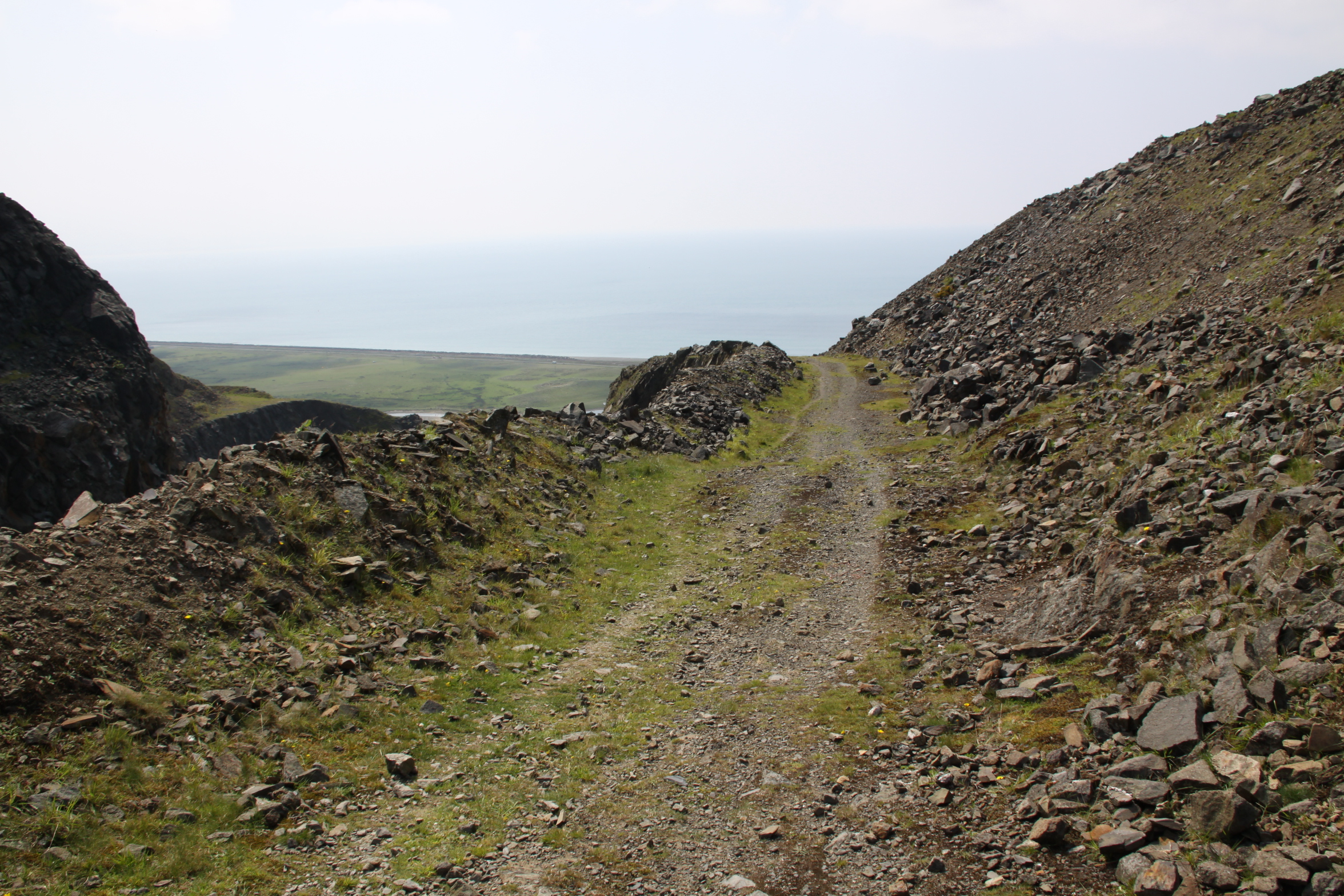
The quarry track
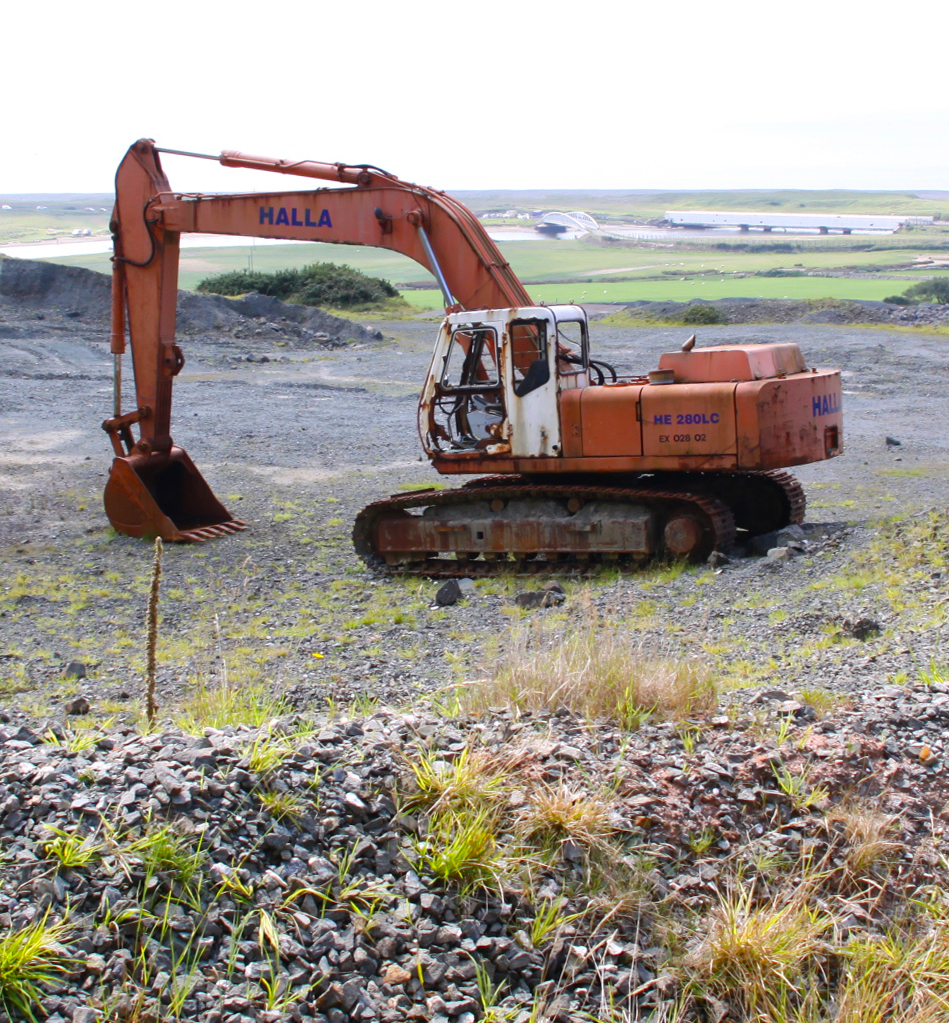
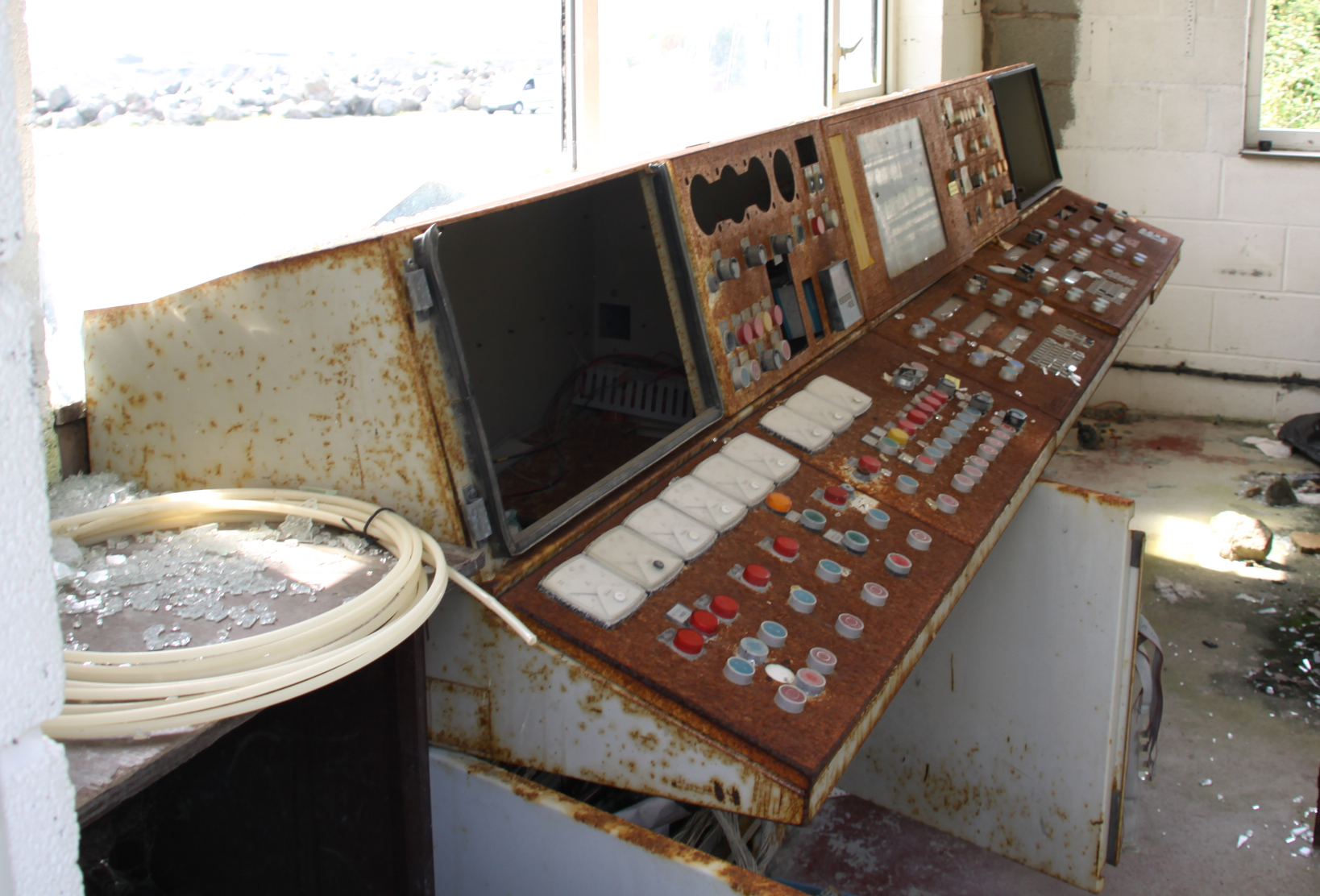
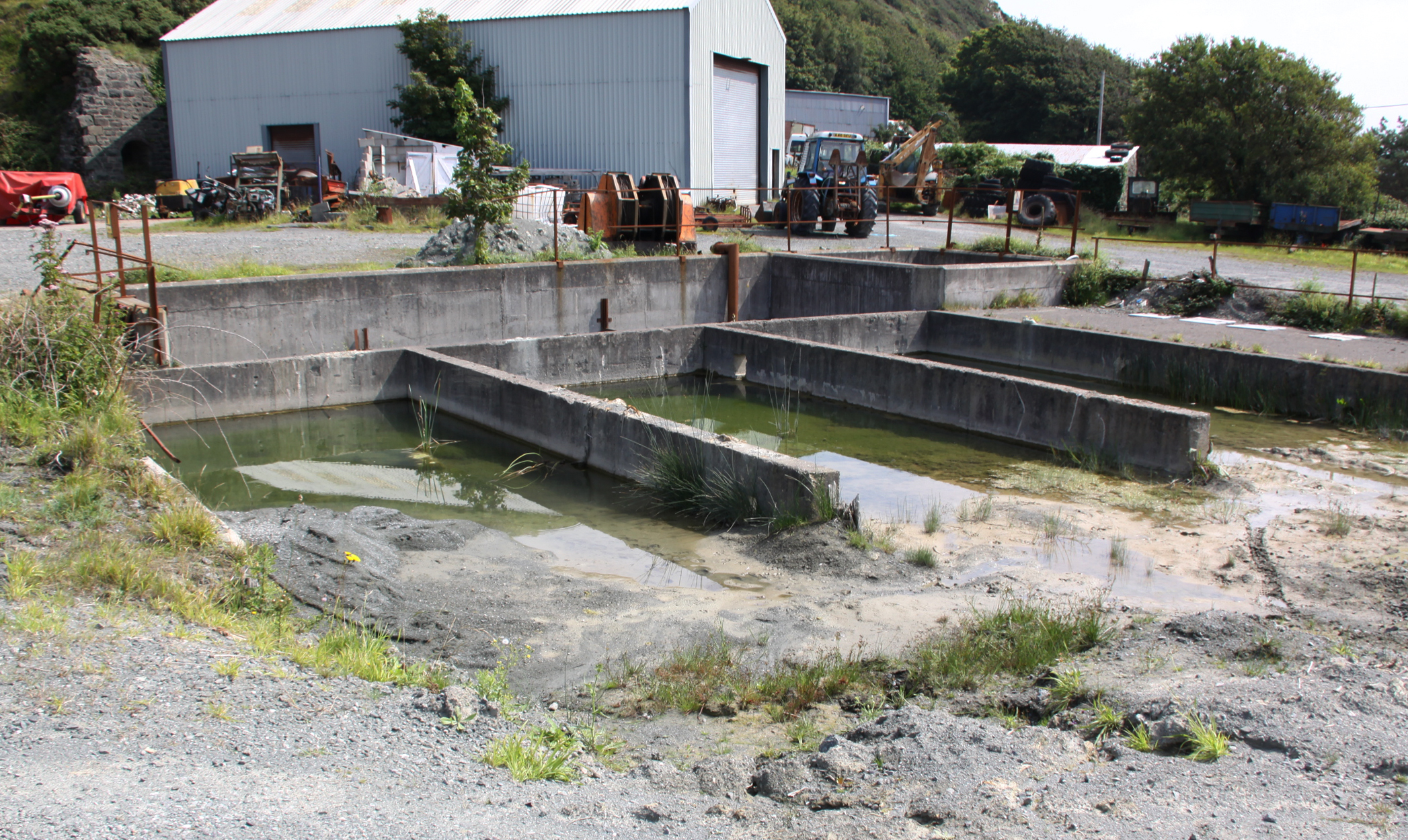
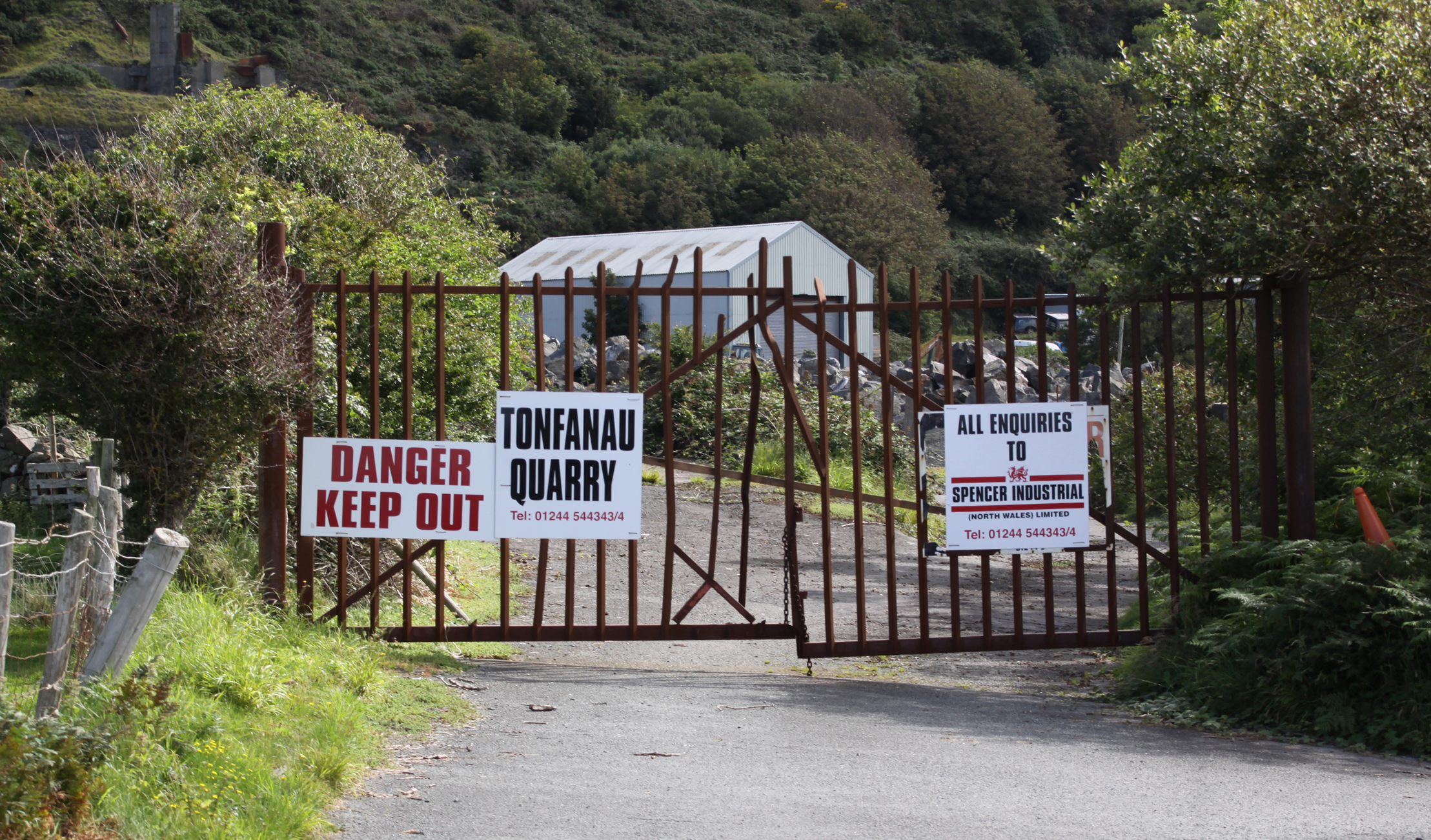
When you reach the quarry yard, you’ll find that it is a piece of industrial archaeology in its own right, with an abandoned control panel in a small building, and various bits of abandoned heavy-duty hardware lying around, plus various shallow concrete water holders, presumably for filtration purposes. One of them had a healthy population of bullrushes growing out of it. Gwynedd Archaeological Trust reports that the quarry was first used for extracting granite, which is unusual in this area:
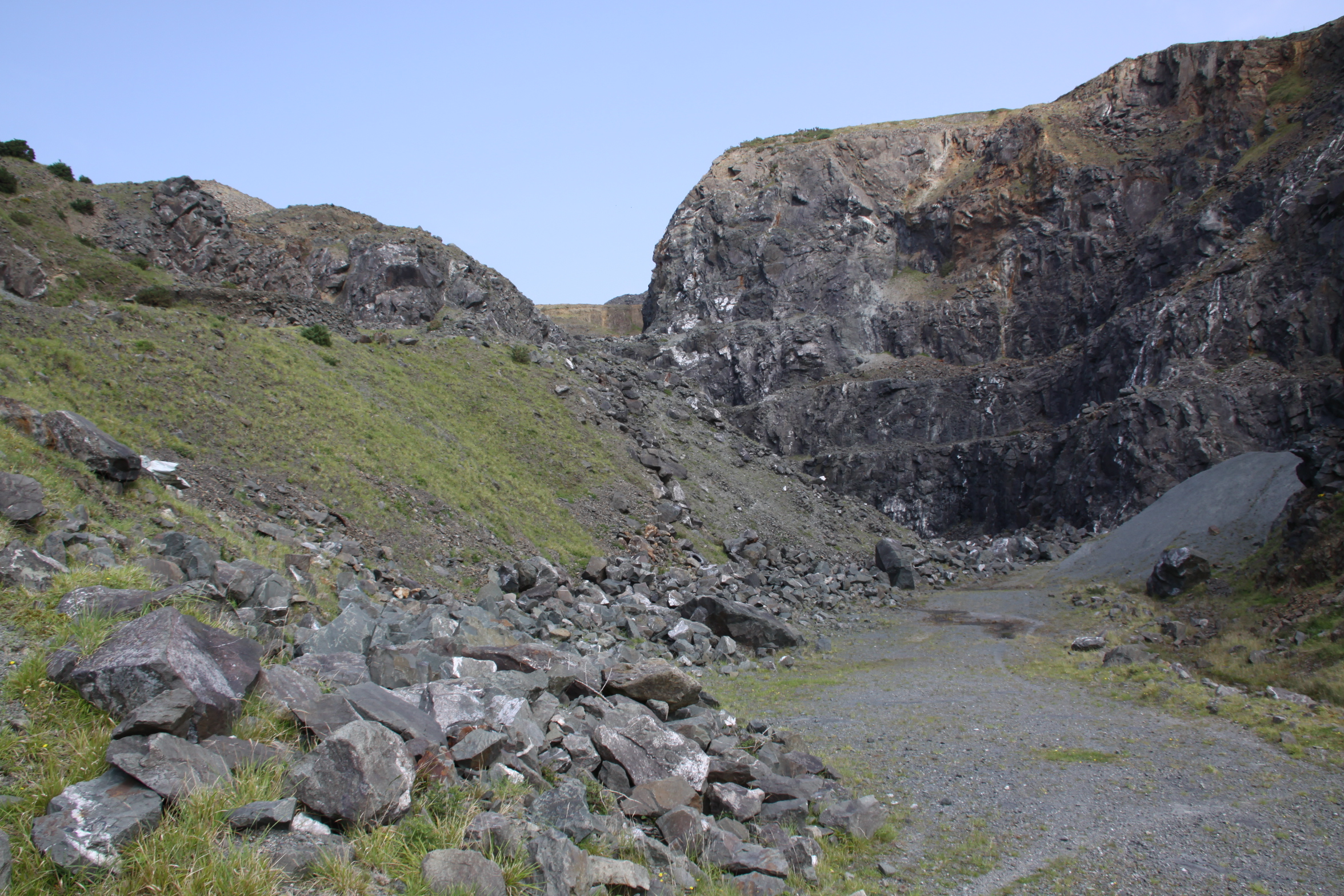
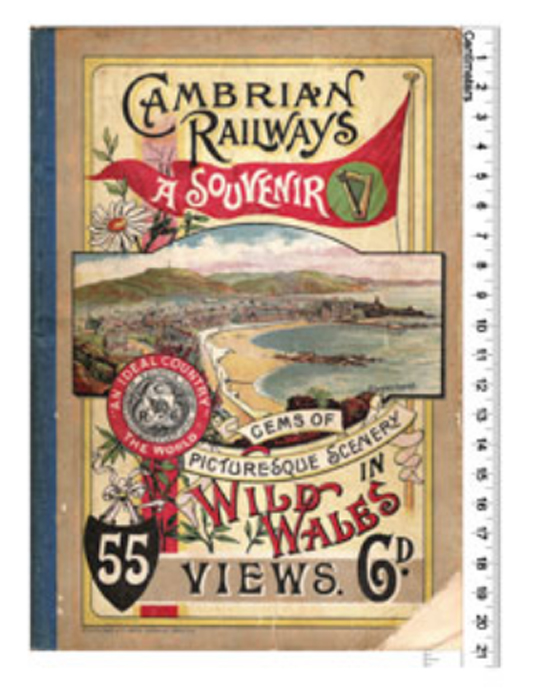
The ridge has been quarried since at least the nineteenth century. A narrow-gauge link to the Cambrian Railways was put in c. 1898, superseded by a standard-gauge siding in 1906, around the time it was taken over directly by John Corbett of Ynysymaengwyn, working as Tonfanau Granite Quarries. In 1965 this became a subsidiary of Penmaenmawr and Welsh Granite Co., and operated as Kingston Minerals from 1965 to 1981. It was thereafter worked by Mr G.C. Evans of Aberllefenni.
The report goes on to say that latterly the quarry was used to exploit a sill of coarse dolerite and gabbro that is suitable for use as road surfacing material. Here are a few snaps of the quarry as I was on my way out, but I will be going back to explore in more depth.

Sources:
Bowen, E.G. and Gresham, C.A. 1967. History of Merioneth, volume 1. From the earliest times to the Age of the Native Princes. The Merioneth Historical and Record Society.
Gwynedd Archaeological Trust 2009. A visitor guide to the main Iron Age hill forts of Meirionnydd. Project No. G1770. Report No. 839
Sjöberg, K.S. 2014. Hidden possibilities. Possible uses of hillforts in southern Gwynedd, north-west Wales. Unpublished Masters thesis, Uppsala University, Department of archaeology and ancient history. http://www.diva-portal.org/smash/record.jsf?pid=diva2%3A799381&dswid=8151
Websites:
Coflein
https://www.coflein.gov.uk/
Gwynedd Archaeological Trust (no date). Historic Landscape Characterisation: The Dysynni
http://www.heneb.co.uk/hlc/dysynni/dysynni2.html




 Aberdovey Londoner