
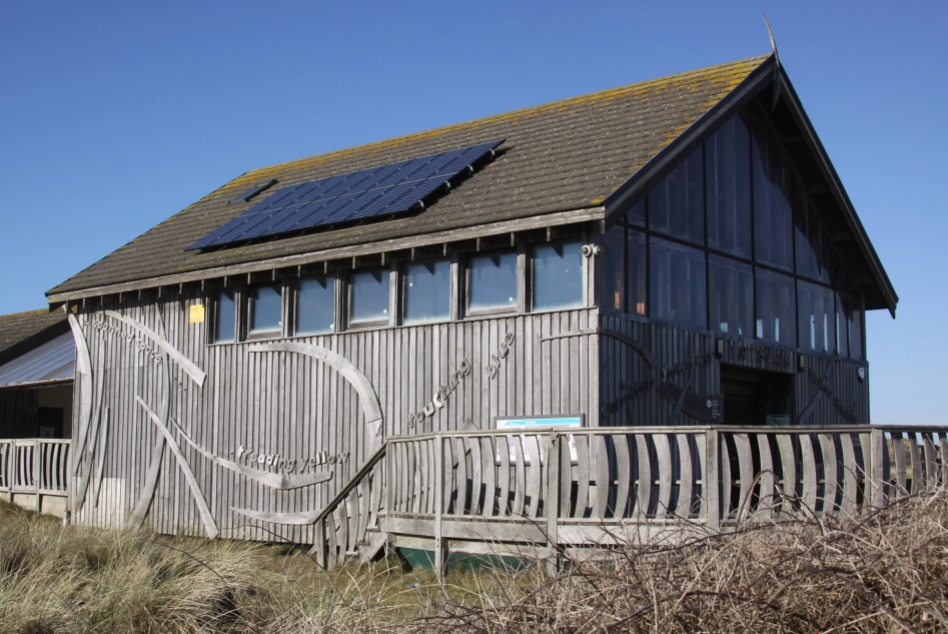
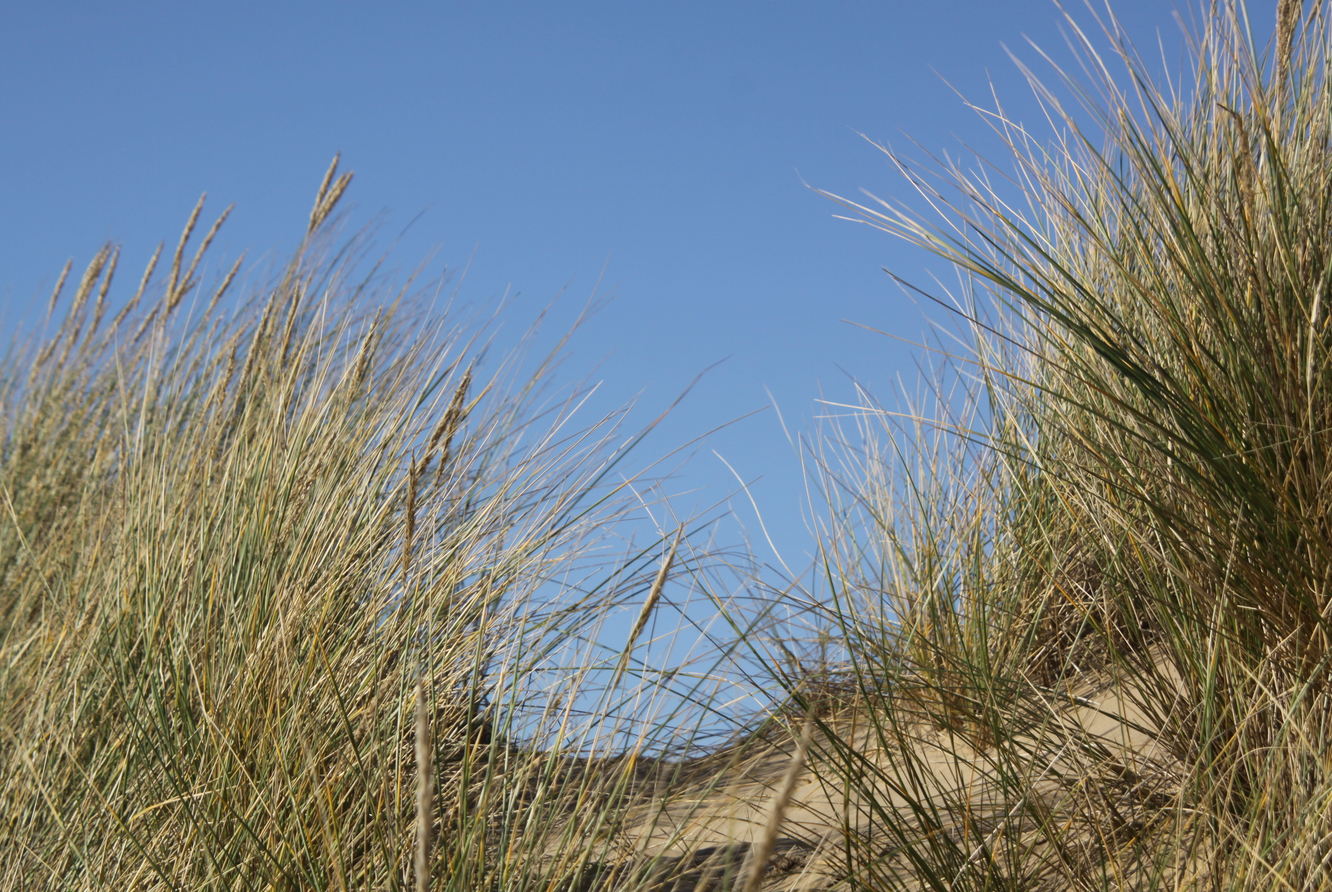
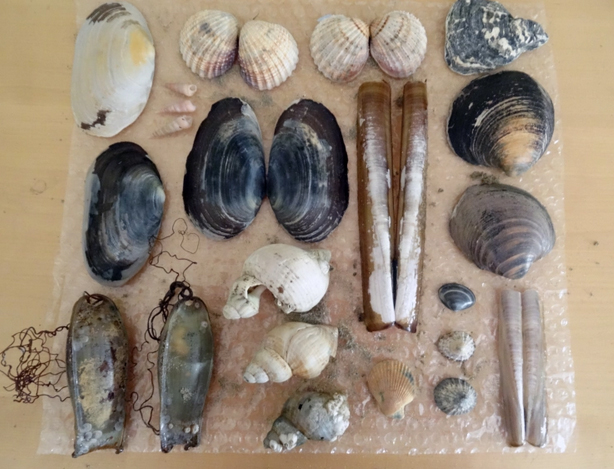
 I was so sorry to hear that the excellent Ynyslas Visitor Centre has been threatened with closure by natural Resources Wales, without any public consultation. Fortunately, there is an active campaign to try to keep it open, but it is important that as many people as possible sign the petitions. The Visitor Centre is a terrific resource at the heart of the Ynyslas nature reserve, where I spent many happy hours walking through the sand dunes and collecting shells on the beach. This is a site of special scientific interest, and merits a visitor centre. The Visitor Centre itself is a lovely building where tea, coffee, sticky buns and relevant literature have always been available, together with information about the nature reserve itself.
Here’s the Press Release from the Prevent the Closure team:
Local residents and concerned ‘Ynyslas lovers’ from as far afield as Knighton and Sheffield met with political representatives to express their opposition to Natural Resources Wales (NRW) plans to mothball the award-winning visitor centre, without any consultation or official announcement. Members of the public had only found out about the proposed closure after it was reported that staff had been told not to return to the building after the Christmas break. Elin Jones (Senedd Member) confirmed that she had met with NRW after this, and they informed her they intend to close the Visitor Centre by the end of the financial year.
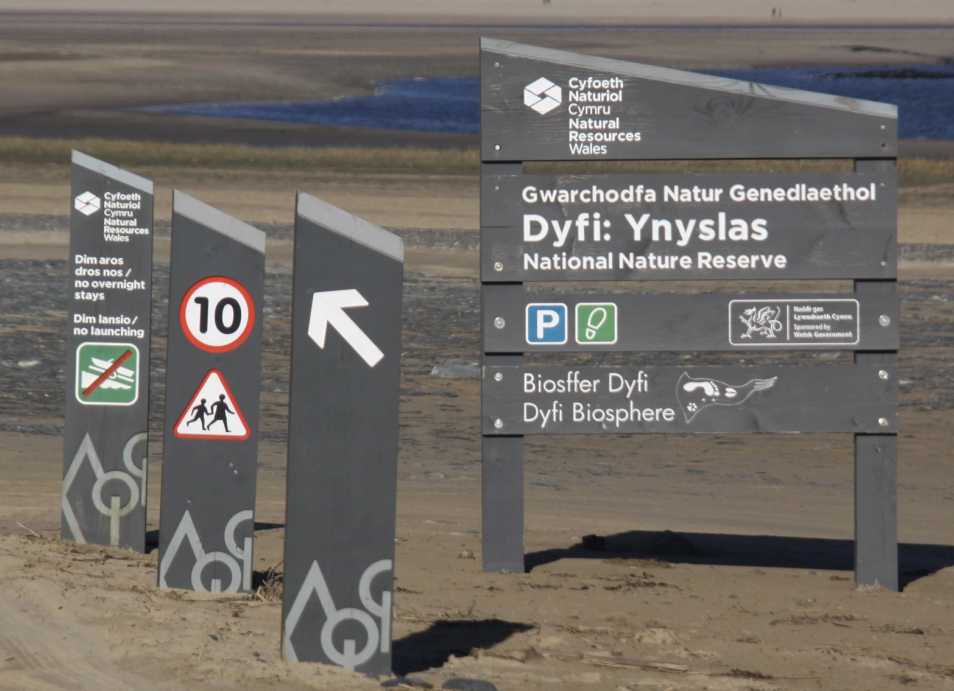 NRW claimed they would continue with their statutory requirements to protect the site. However, members of the public pointed out that the staff at the centre are integral to protecting wildlife and the environment. They also play an important safety role and are essential to the nature education element of the site. Without proper management and vigilance, the delicate biodiversity at Ynyslas could be destroyed overnight. There is concern over an influx of unregulated campervans, large groups of motorbikes, poachers and people generally not understanding the importance of protecting the dunes.
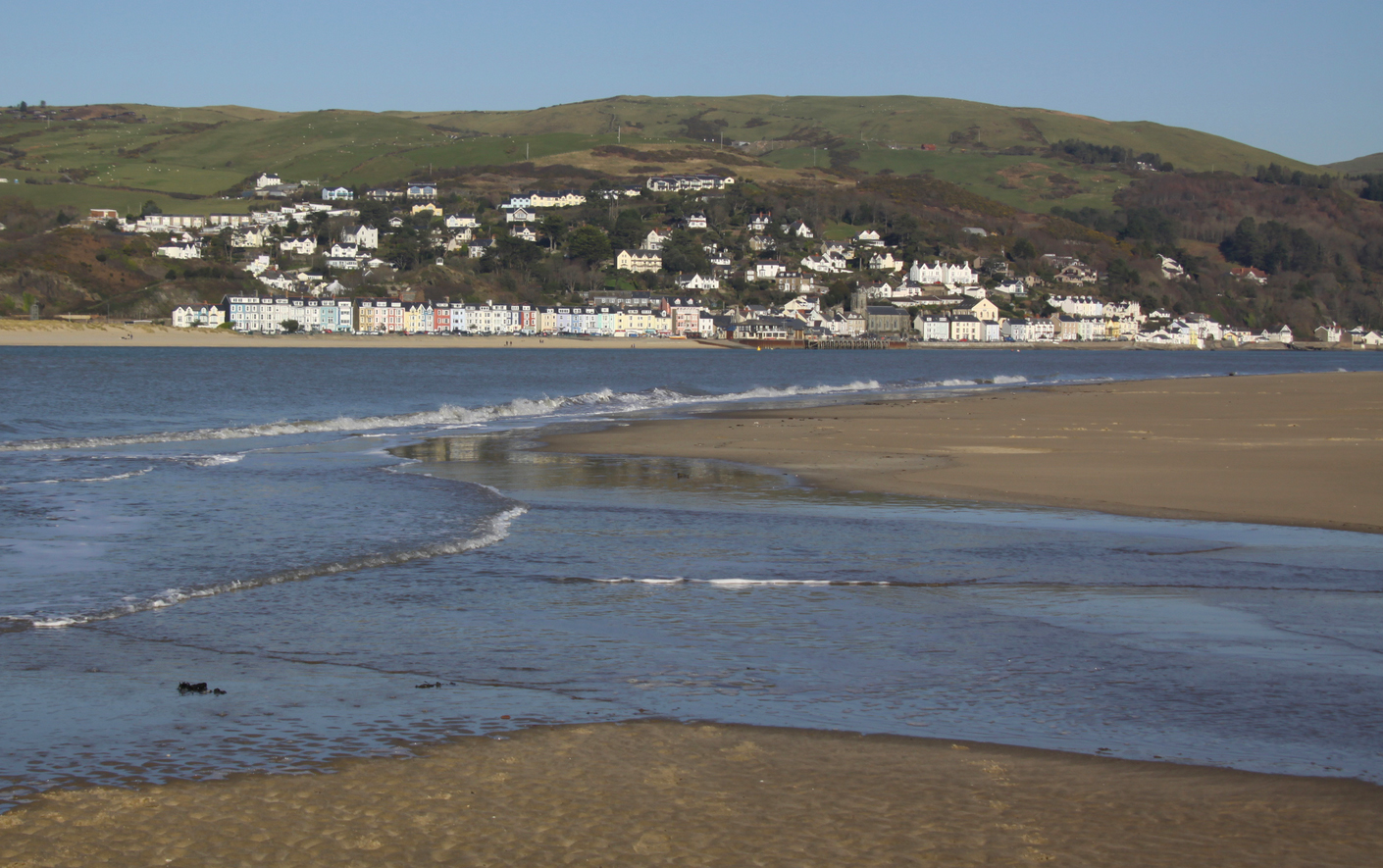
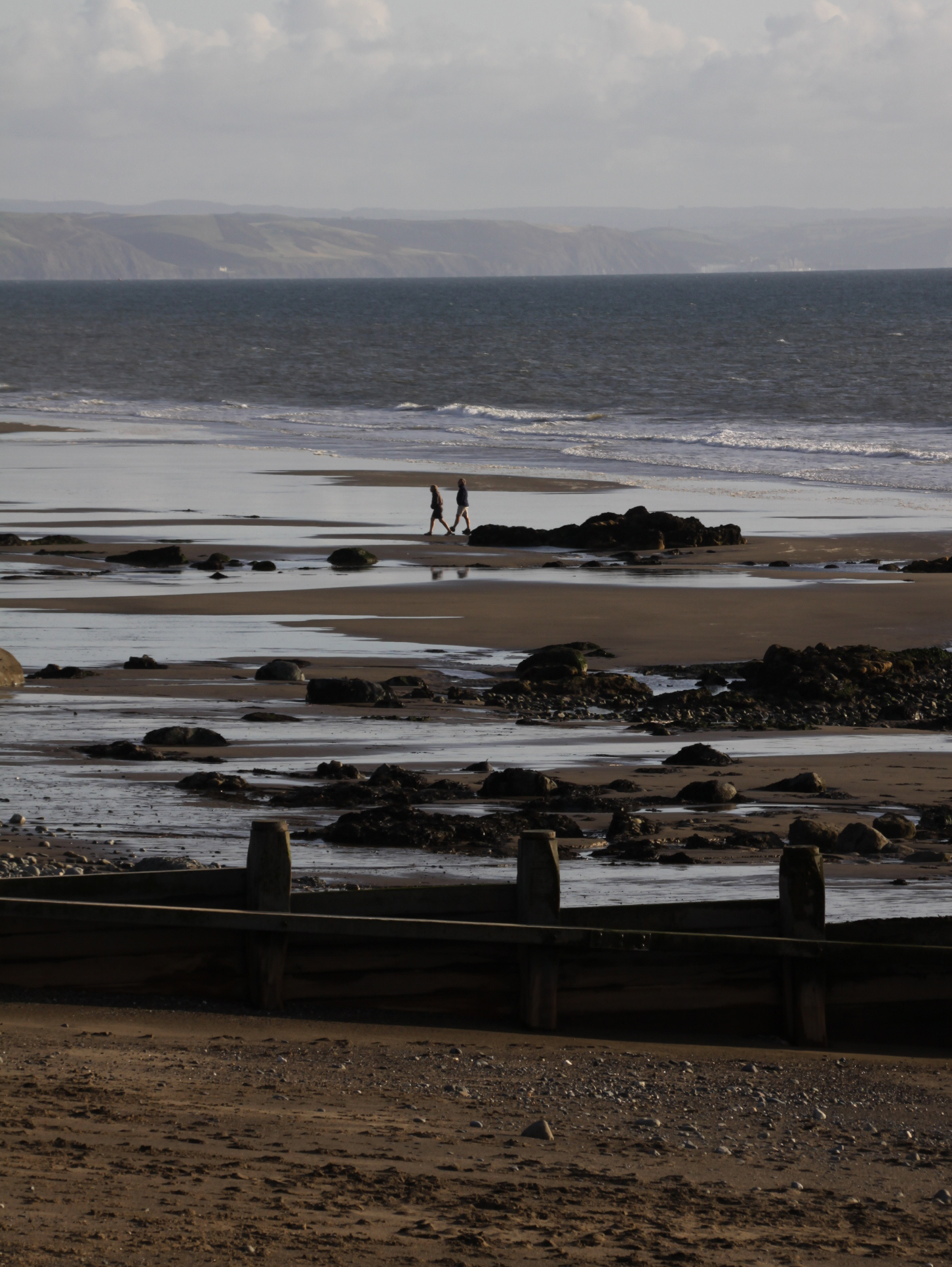
Attracting over 250,000 visitors a year, Ynyslas is a jewel in Ceredigion’s crown. The estuary is a nesting site for ringed plovers, and there is abundant wildlife in the dunes, including grass snakes, adders and rare orchid varieties.
While NRW are claiming they can close the Visitor Centre without endangering the local ecology, the meeting pointed out this was not the case. NRW have tried to close Ynyslas ‘on the quiet’ due to funding shortages. They are now claiming they are looking for a charity, CIC or commercial organisation to take on the management of the building but, to date, have not put out any such information publicly.
The hastily convened ‘Achubwch ein Canolfan – Ynyslas – Save our Centre’ group opposes the closure and is demanding that NRW meet the local community, discuss their plans transparently and rethink their strategy. The activists are of the opinion that the Visitor Centre and the site as a whole is commercially viable, with parking fees bringing in significant revenues. However, without having met NRW, no one really knows what is going on. The group maintains that the site and the centre are inextricably linked and cannot be separated from each other.
A Change.org petition has garnered almost 5,000 signatures https://www.change.org/p/prevent-the-closure-of-ynyslas-visitor-centre
A petition has also been registered with the Senedd https://petitions.senedd.wales/petitions/245961
Contact Polly Ernest on 07980 862582 (pollyernest@me.com) for more information.




 Aberdovey Londoner