
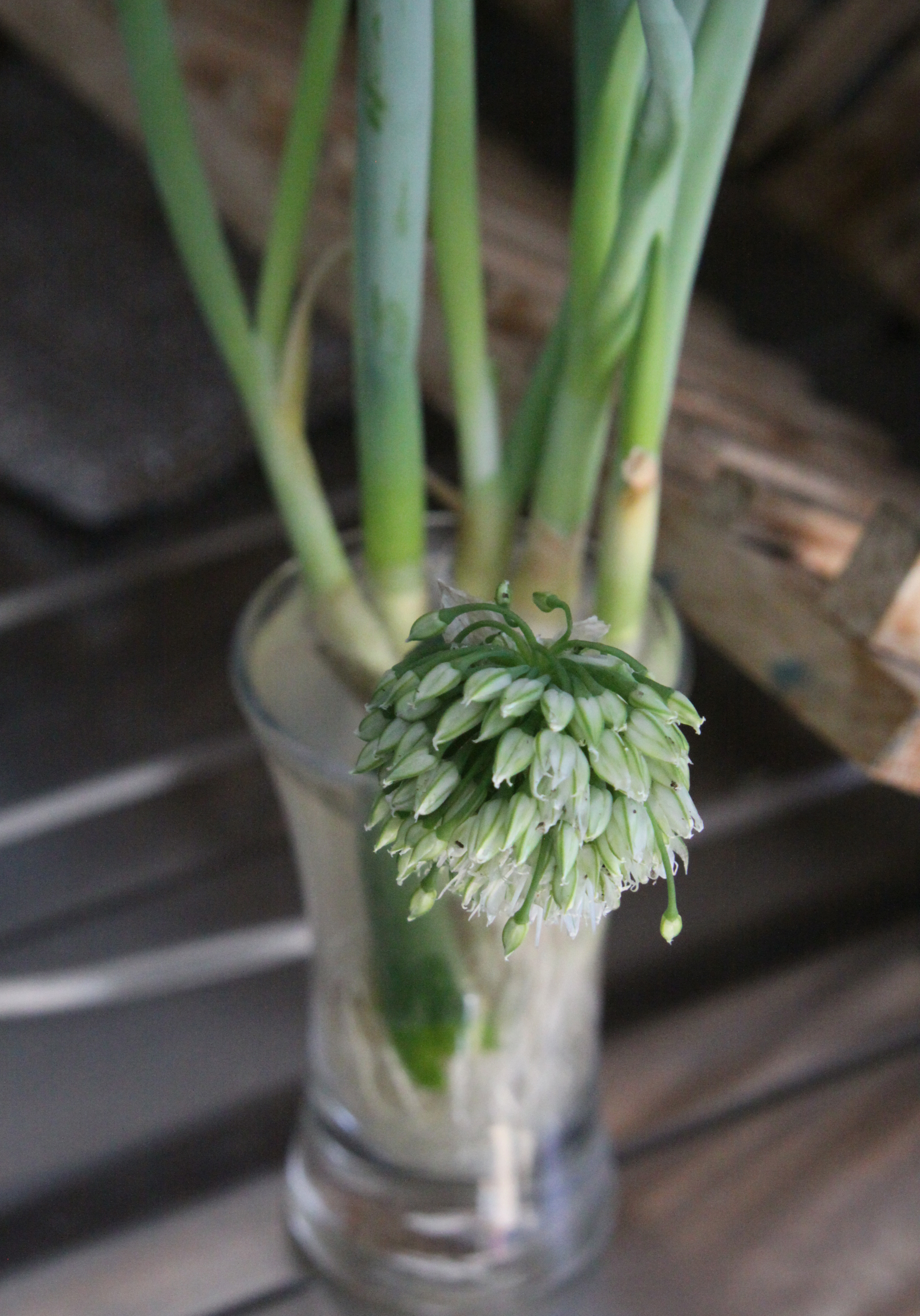
 Six weeks in to the lockdown. What still remains so staggering, so completely difficult to grasp, is that a pandemic should have swept so rapidly across the globe and closed down nearly every nation in its path, taking with it so many human lives. It is the colossal rampancy of it that is so astounding.
I don’t suppose that I am alone in being somewhat concerned about the dubious wisdom of the partial relaxing of the lockdown, announced yesterday for England by the PM. It will be interesting to see how these concessions are interpreted by the public, particularly given that people have naturally become very fed up with lockdown restrictions.
Although I have so much sympathy for all businesses, particularly small ones, the re-opening of garden centres seems a bad idea. I am utterly unconvinced that it would be possible to create a low-risk solution to virus transmission in a garden centre. As an incredibly enthusiastic garden centre shopper, the idea that social distancing can be imposed on people milling around, randomly searching for plants and other products seems incredibly far-fetched. More worrying is that wherever there is an object and a person in intimate contact, there’s a risk of the virus passing from the human to the object. Everyone touches everything at a garden centre, picking things up to inspect them or read instructions on boxes, touching and occasionally sneezing and coughing over pots, plants, sacks of compost, seed packets, bottles of anti-fungus and bug-killer, boxes of grass seed, bits of hose fitting, bags of bird feed etc etc. We run those risks when we go food shopping, but that’s for necessities, not for pleasure. Disposable latex gloves and masks would seem to be a minimum requirement. Please stay safe.
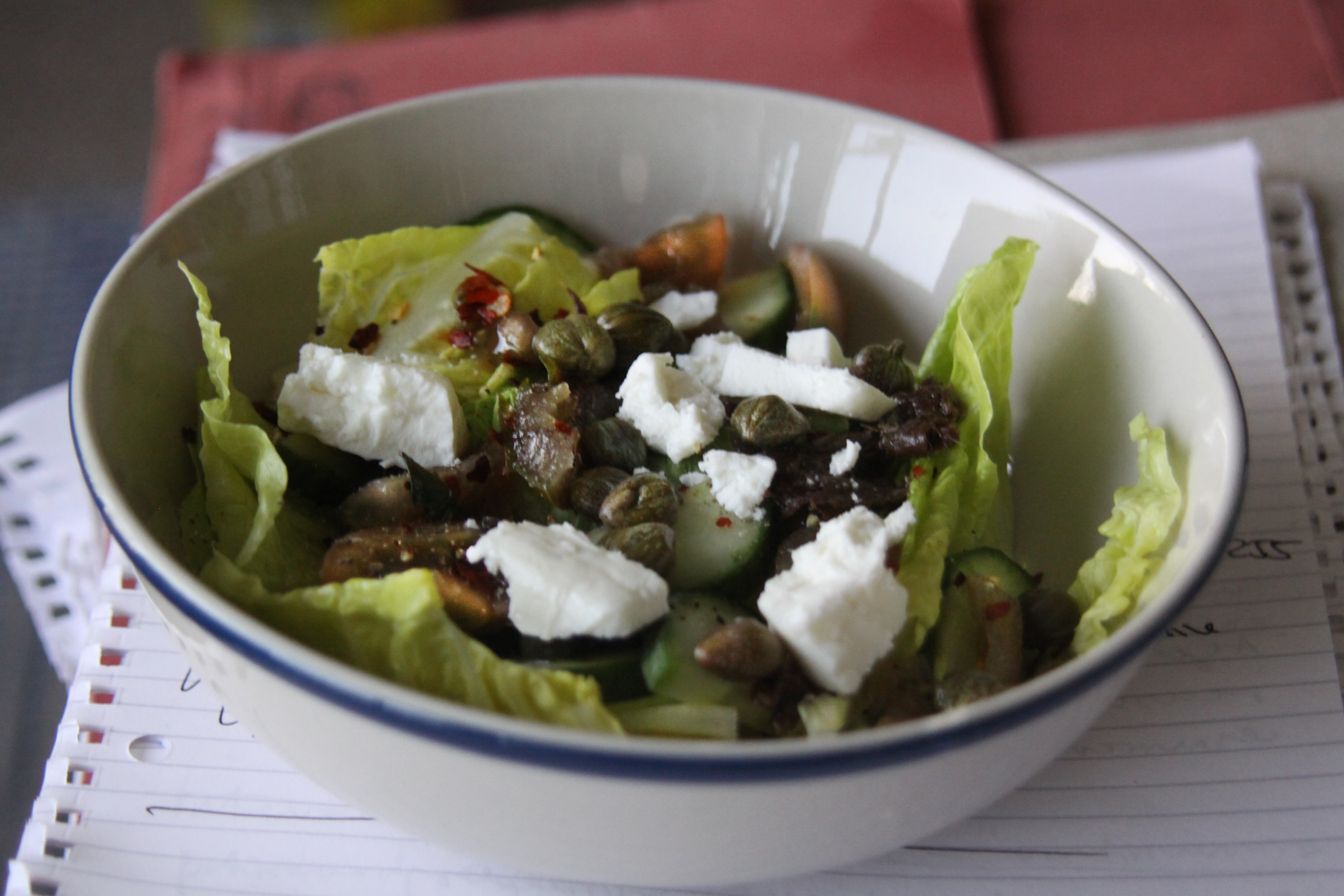 I continue to work in my garden, do odds and ends of DIY, go for occasional walks, push forward with re-learning French (which I am enjoying enormously) and forging ahead with various projects on my computer. Never a dull moment. And I continue to be busy in the kitchen. In all my life I have never been so active in a kitchen, although this week I again managed to make meals that would serve more than one portion, only needing to be heated up later in the week. My herbs continue to do well outside in their pots, and as the summer continues to drift nearer and the herbs look increasingly perky, salads are looking like a very strong regular option – and a lot less effort than cooking!
Saturday
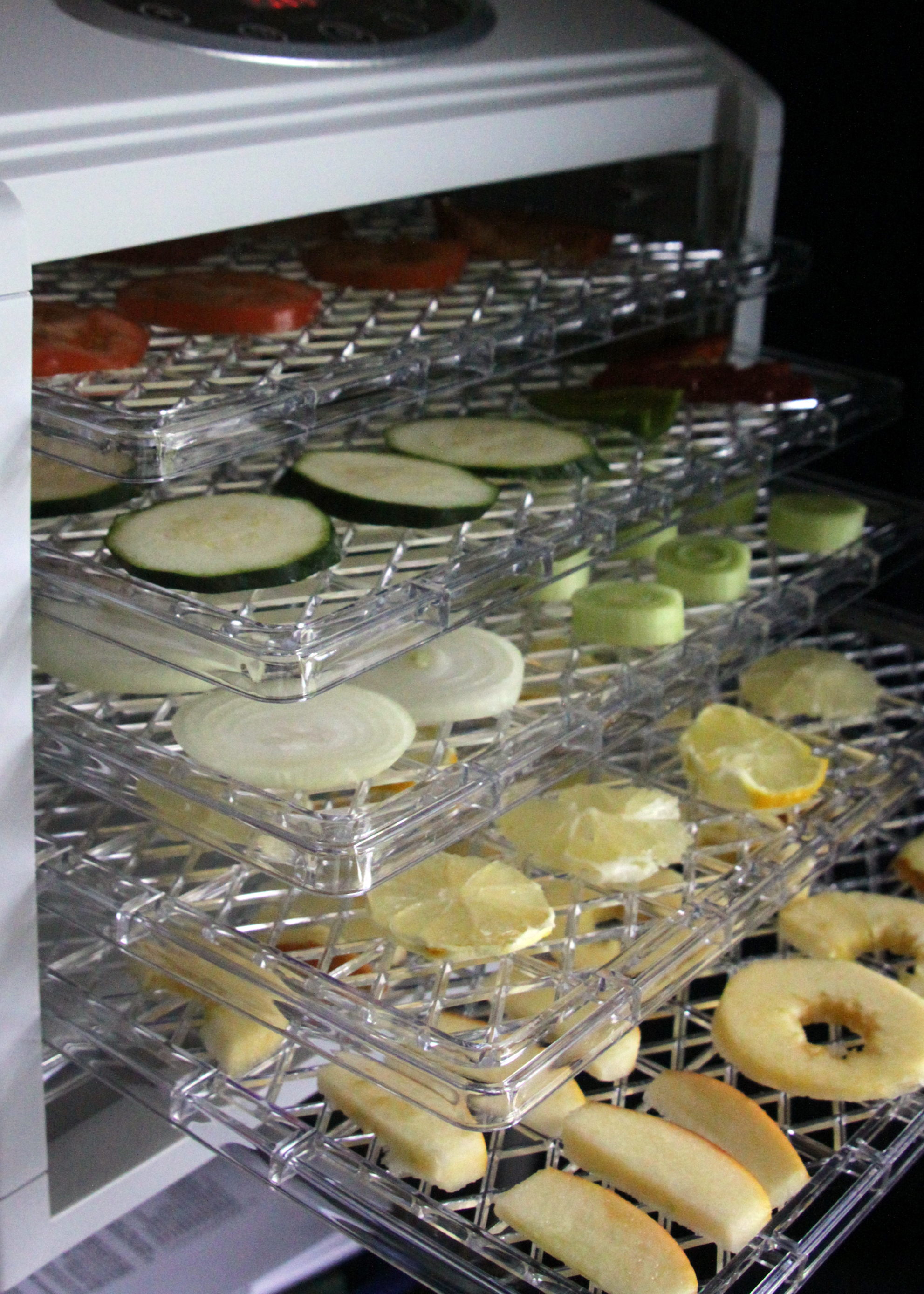
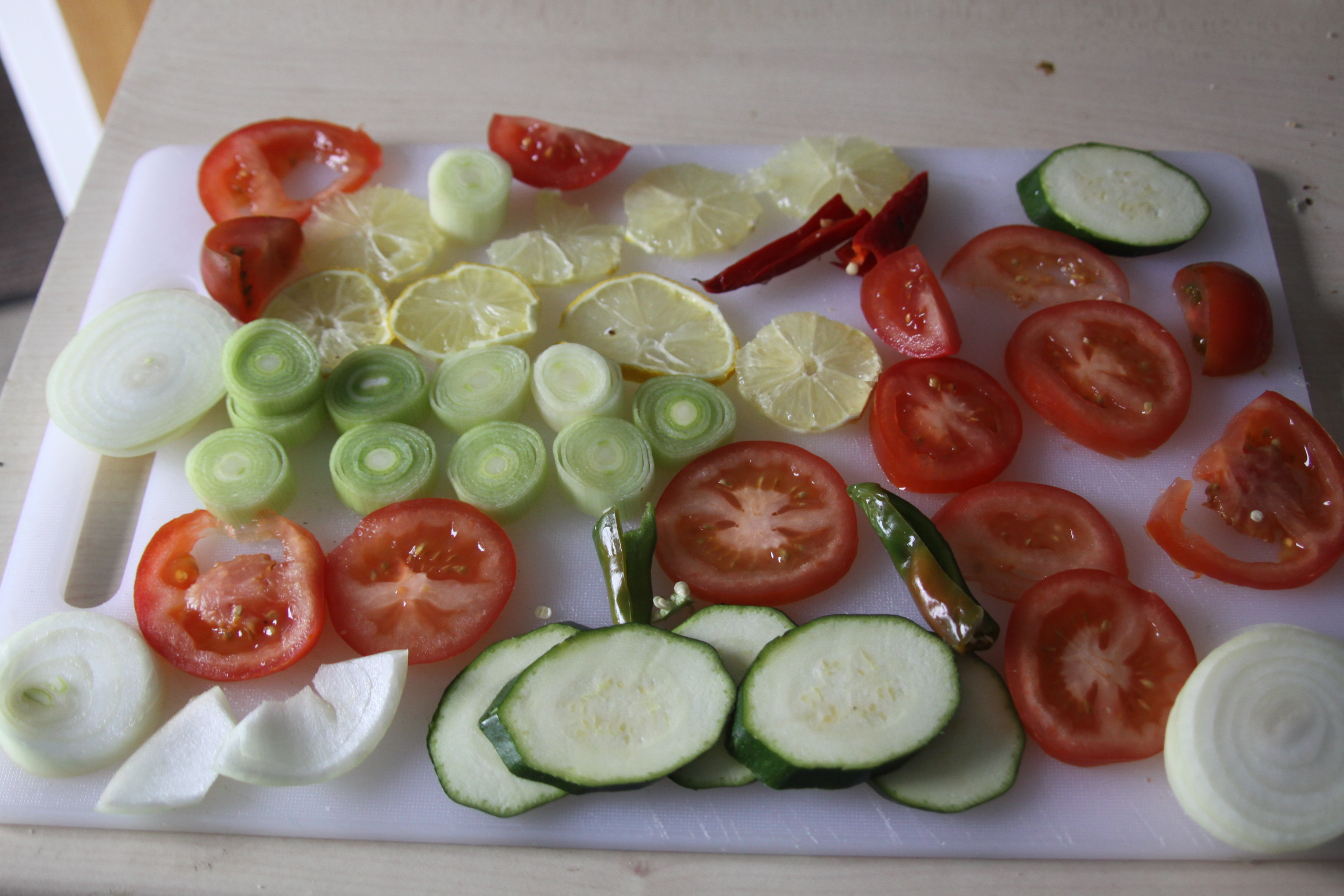
On the way in to the dehydrator
Sausage, white pudding and dehydrated vegetable casserole. Well I know that that doesn’t sound desperately appetizing. As I was assembling it, looking at the wrinkled up vegetables, doubts were foremost in my mind, and when I first came to tasting it, I was rather like someone approaching a spoon full of reputedly unpleasant medicine. But wow. I have now learned that the dehydrated vegetable seriously rocks.
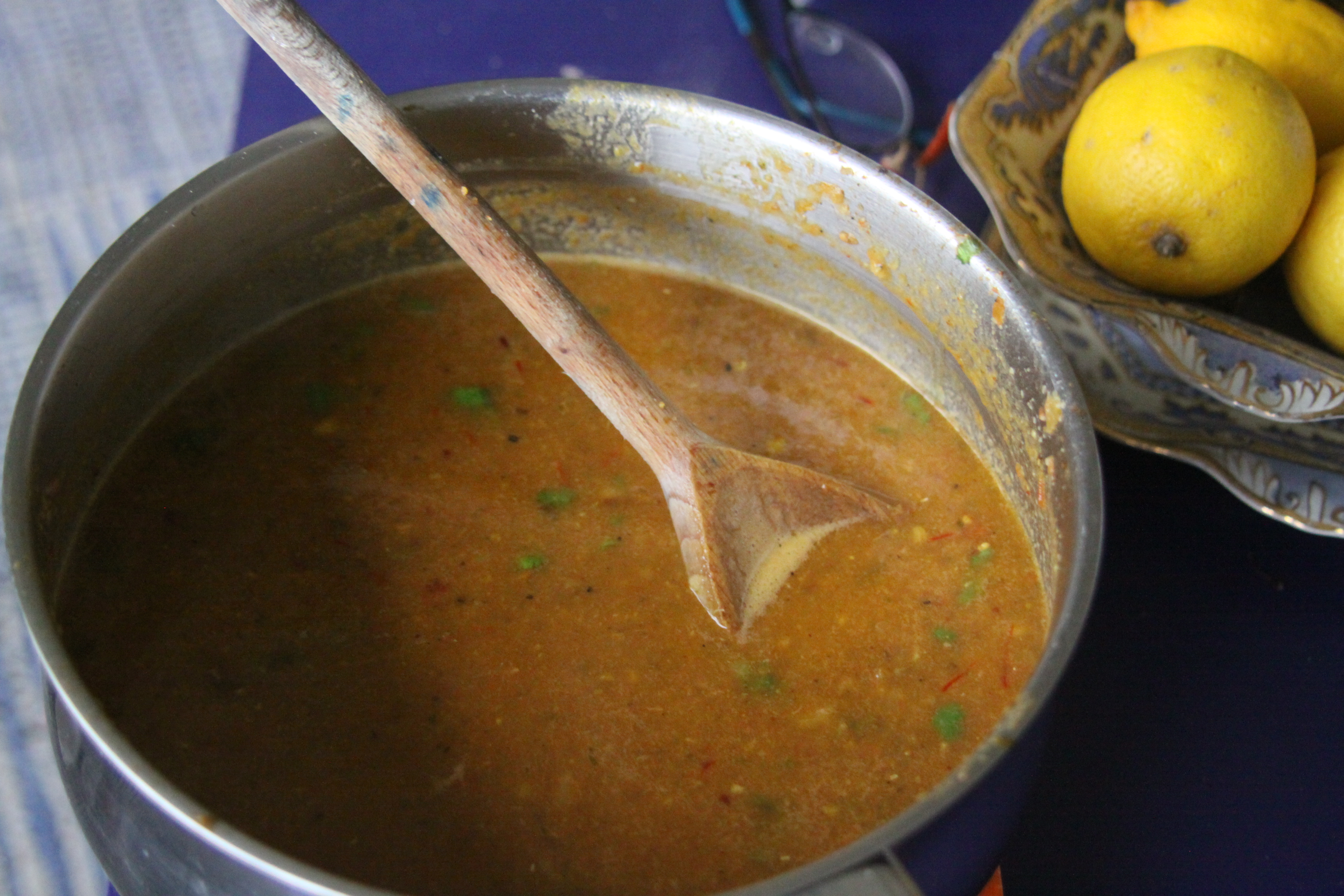
I bought a dehydrator two weeks ago on the recommendation of my friend Sarah, who had bought one for dehydrating fruit and was very much enjoying it. Like Sarah, I wanted it primarily for fruit, mainly for the autumn when the best British fruit is harvested and is brilliantly fresh and full of flavour. My plan was to get used to it before I need it, and reading through the book I bought to accompany it, it turned out that it can also be used for dehydrating vegetables, meat and even fish. So as well as apple and lemon slices, my first batch in my shiny new dehydrator included sliced courgettes, tomatoes, mushrooms, leeks, onions, and some cabbage leaves. The dehydrated lemon slices worked superbly when thrown into last week’s gumbo and this week’s chilli con carne, really fantastic, but I seriously lacked confidence about the vegetables. One forges ahead anyway.
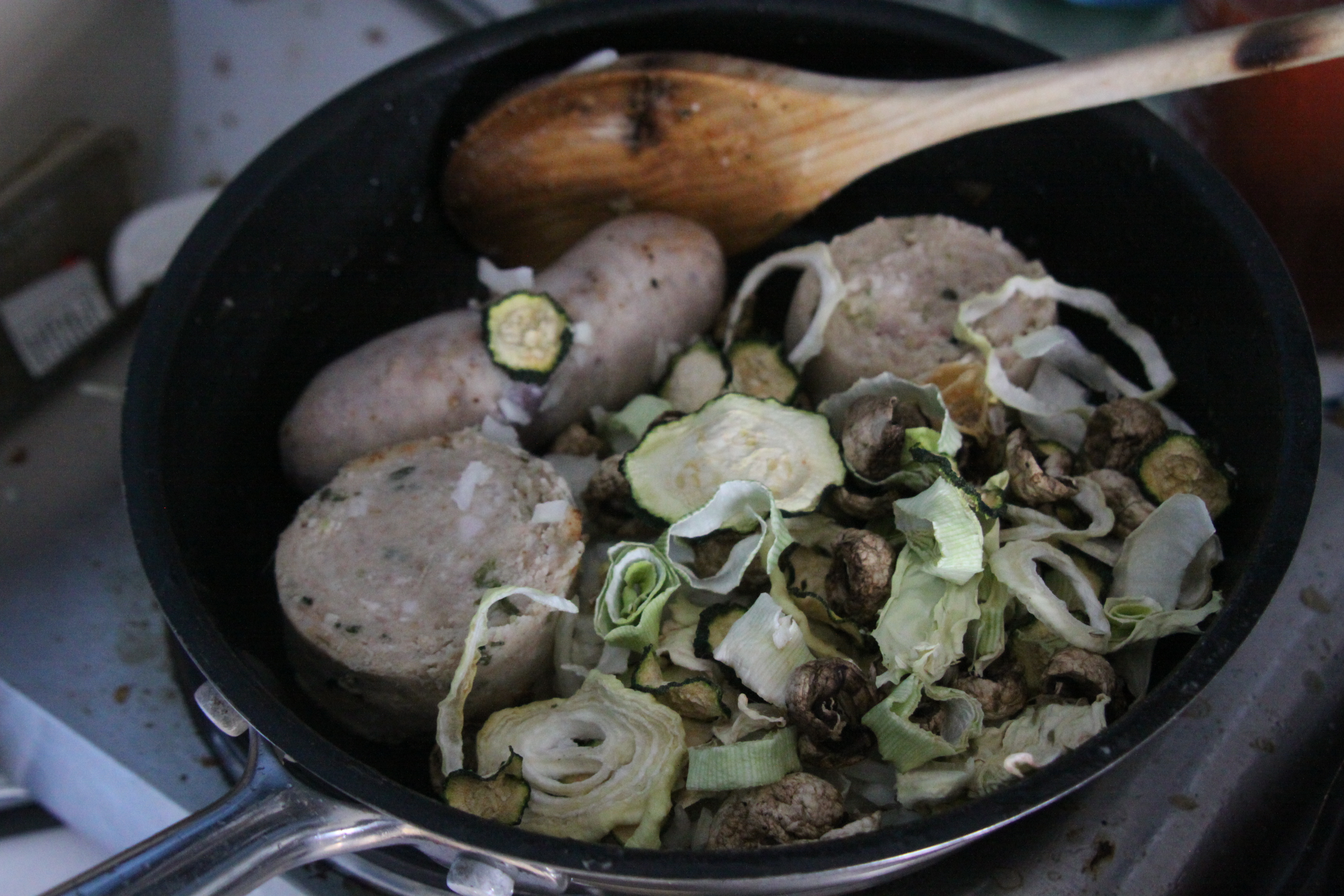 The core components of my casserole were a pork and black pudding sausage, a slice of white pudding (halved to form two discs), some pieces of bacon, all from the freezer, a bay leaf off the tree in my garden and a good amount of diced onion gently fried in oil. All of the other solid components were dehydrated: a lot of dried leek, mushroom, courgette, and some cabbage leaves. Also some sage that I had actually sun-dried earlier in the year during that long hot spell. The liquid components, which I added as I went along after tasting and re-tasting to try to get just the right balance of acidity and depth, were chicken stock, white wine, mustard, a hit of soy to give it a bit of body, and a small squeeze of tomato paste for just a hint of sweetness.
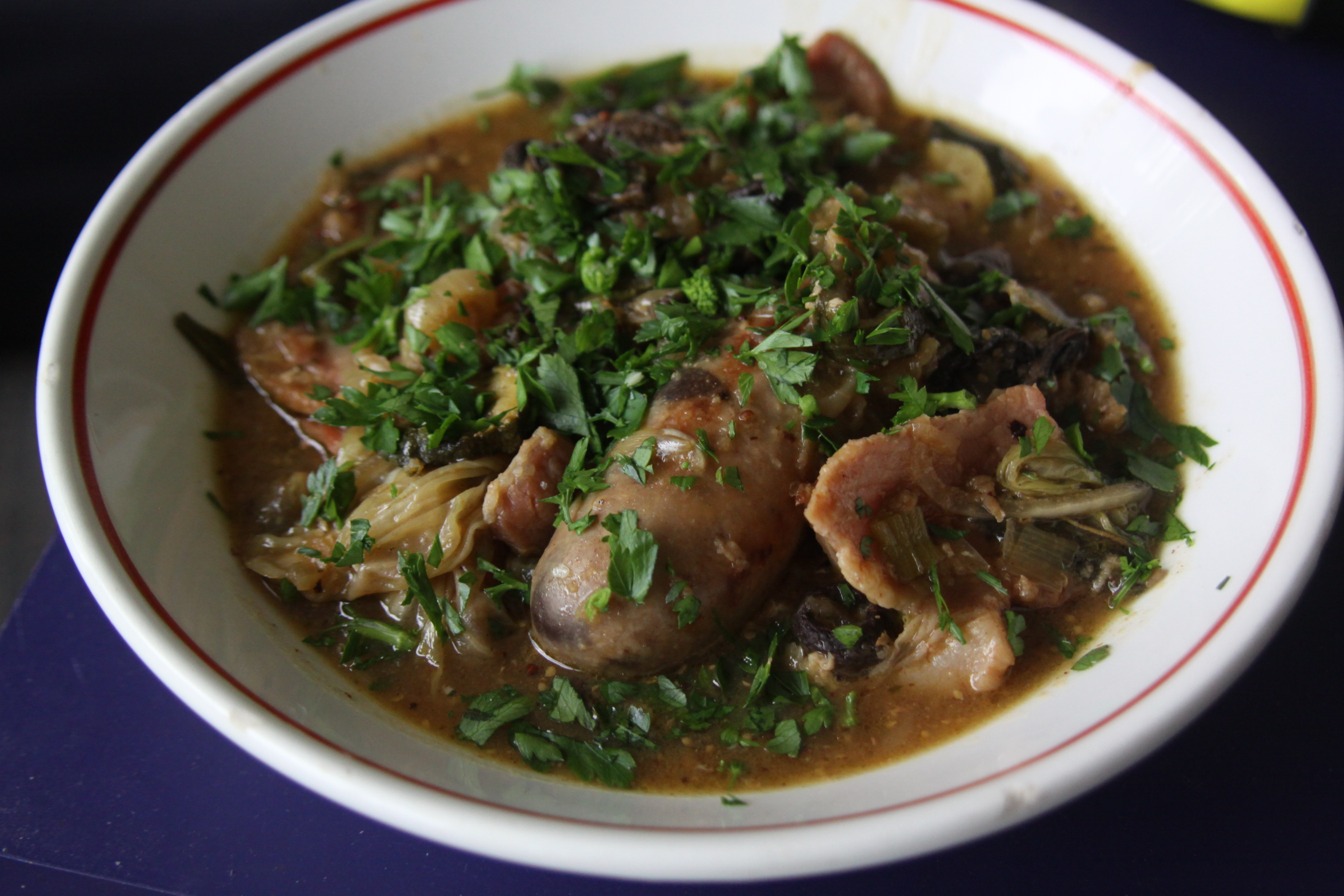 To my genuine astonishment, it was a great success. The dehydrated vegetables all rehydrated splendidly and imparted a dense and vibrant flavour to the casserole. The textures, about which I had been so worried, were great, not even slightly chewy. It did not look particularly elegant in the bowl, even with the optimistic sprinkling of parsley over the top. Once again, no Michelin stars or Masterchef awards, but as a completely new experiment in rich flavour and excellent texture it was a real winner.
I didn’t need anything else to accompany it, although mash would work really well.
Sunday
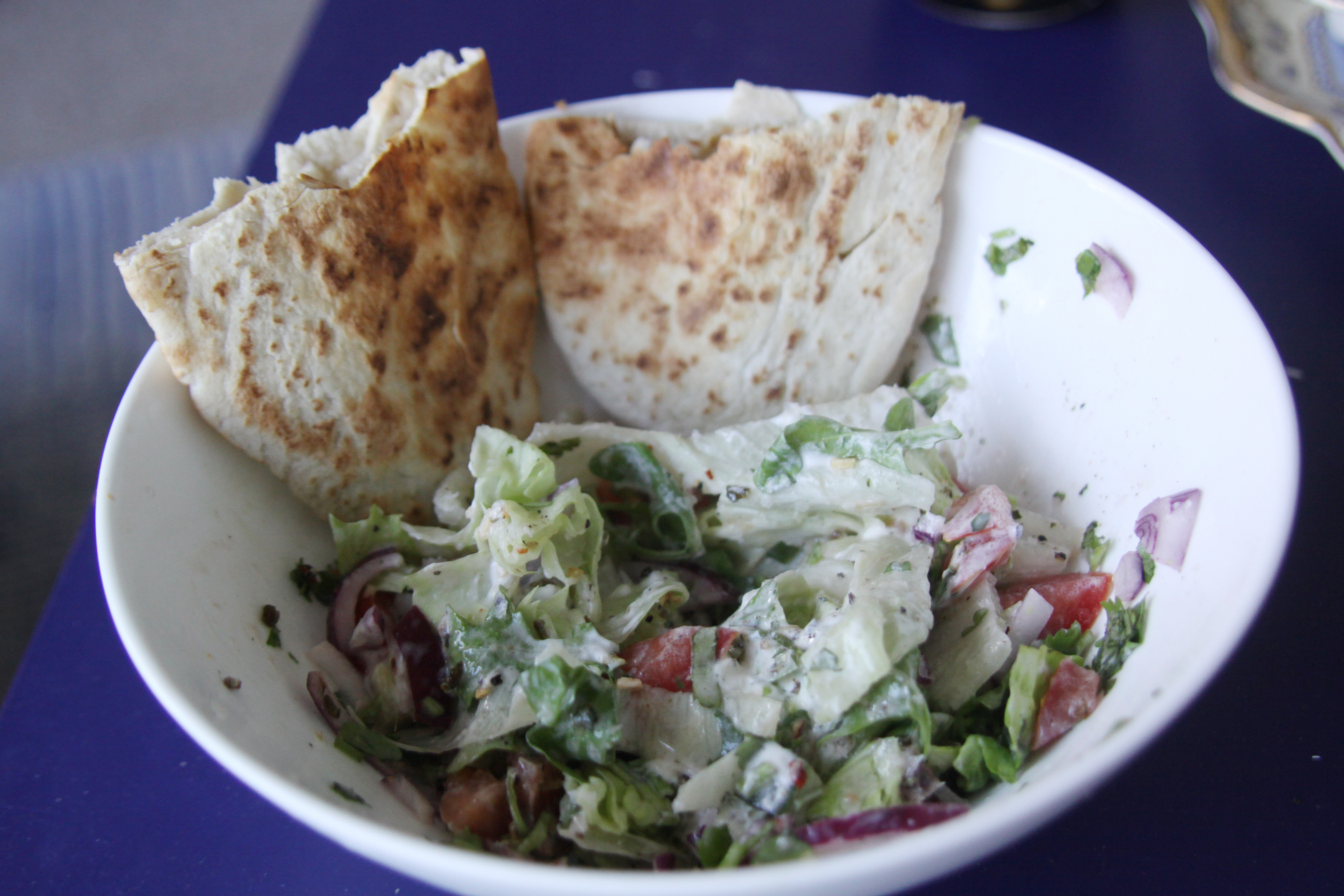 Pitta pockets with herb salad, capers, sour cream and anchovies. One of those timeless, simple meals that you just throw together with whatever salad stuff you have to hand.
The pitta is simply toasted and then either cut along the side or halved. I halved mine. In a bowl I mix whatever salad stuff I happen to have to hand. Today I chucked in some diced tomatoes, diced cucumber, a bit of lettuce (little gems are my favourite), and fresh herbs (in my case coriander, lovage, marjoram, parsley and mint), capers and some chopped salted anchovies. Then I squeezed in some lime juice and added two big spoonfuls of sour cream, some ground sea salt and black pepper, and gave the whole lot a good stir. And that’s it.
You can tackle this in a dignified way, spooning the mixture into the pitta before eating it, or you can simply spoon in the contents as you go. Either way, it’s a bit of a messy process to eat it, but who cares? The flavours are so fresh and the hands-on approach feels very summery.
Monday
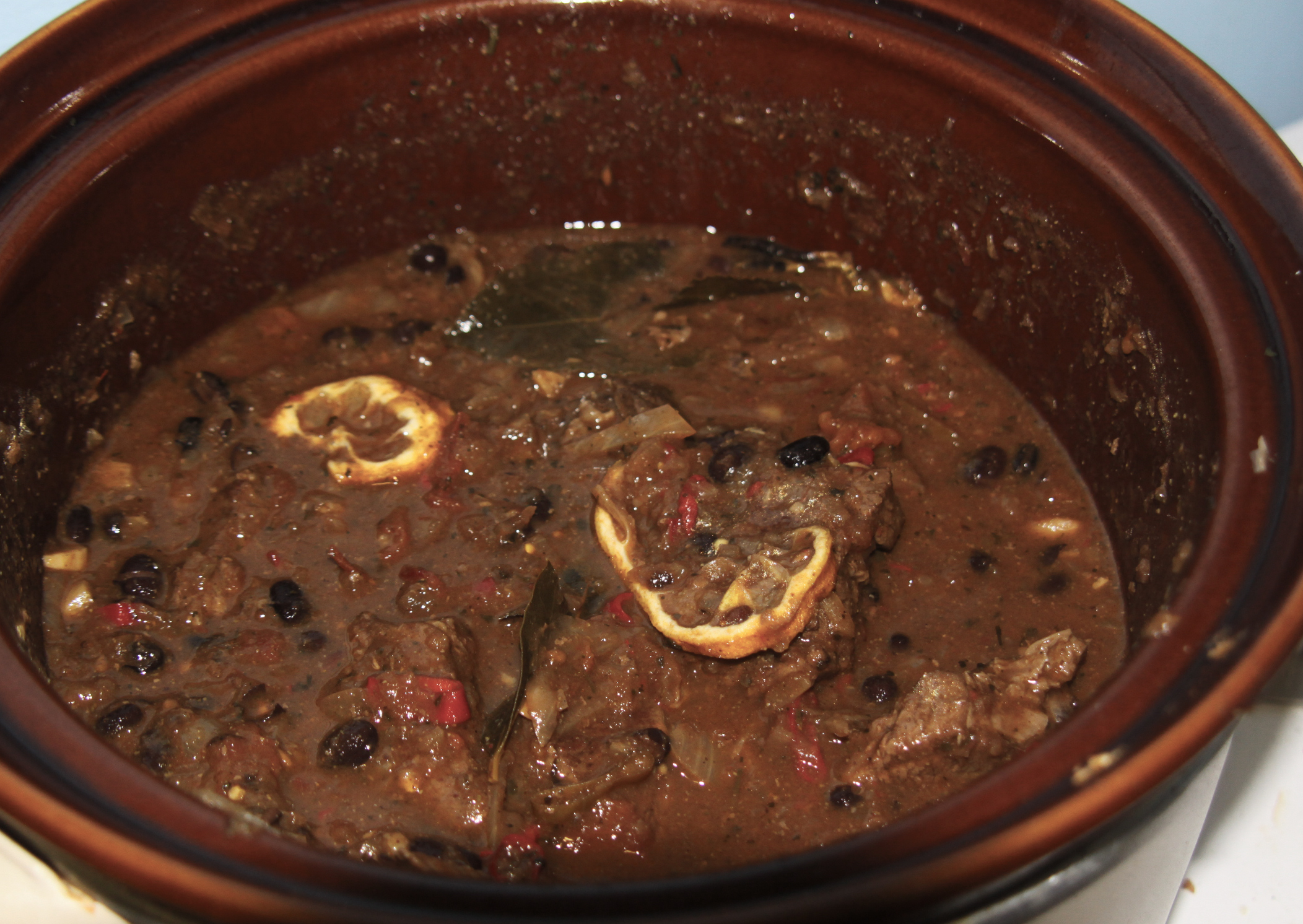 Slow-cooked chilli con carne with black beans, rice and sour cream. Chilli con carne literally means, in Spanish, chilli with meat, suggesting that the chilli is the star of the show. The carne is beef, and in the UK often minced beef it used, but I like it done with chunks of tougher cuts cooked until tender in the slow cooker. The slow cooker is one of those pieces of kitchen equipment that I would hate to be without, and I’ve had one since university days. I had an enormous piece of chuck steak in the freezer, about half an inch thick, and cubed it into 1 inch pieces. Chuck steak doesn’t shrink much during cooking, so you can be fairly confident that chunks will retain their size. If you are using one, the slow cooker must be pre-heated.
Finely chopped onion, sliced chillis and finely chopped garlic are fried until translucent and just beginning to brown. The following are then added: cayenne, smoked paprika, ground cumin, ground coriander, a good sprinkle of dried coriander, some fennel seeds, a fresh or dried bay leaf and either some cinnamon or a piece of cassia bark (the latter my preference) and some dehydrated lemon slices. Once heated through they are removed to the slow cooker. The beef chunks are fried on high heat until browned all over, flour is sprinkled over the beef, given a good stir to coat, then added into the slow cooker, and given a good stir to mix with the other ingredients. Peeled and chopped tomato are added together with some beef stock to cover, and the whole lot is left to its own devices for several hours for the chuck steak to tenderize and the spices to blend. I only had a couple of tomatoes, so added the the dehydrated tomato slices that I had donef on Saturday, together with (if you’ve been reading this blog since it started, you’ll have guessed it) a big glug of Big Tom and some sun-dried tomato pesto. Two whole dried limes were also thrown in, an excellent online purchase. Half an hour before serving, I put in black beans (from a can). Kidney beans are more traditional, but I love the flavour of the black bean, and the ebony shine looks wonderful against the reddish mixture and the green of the coriander (or parsley if coriander is unavailable).
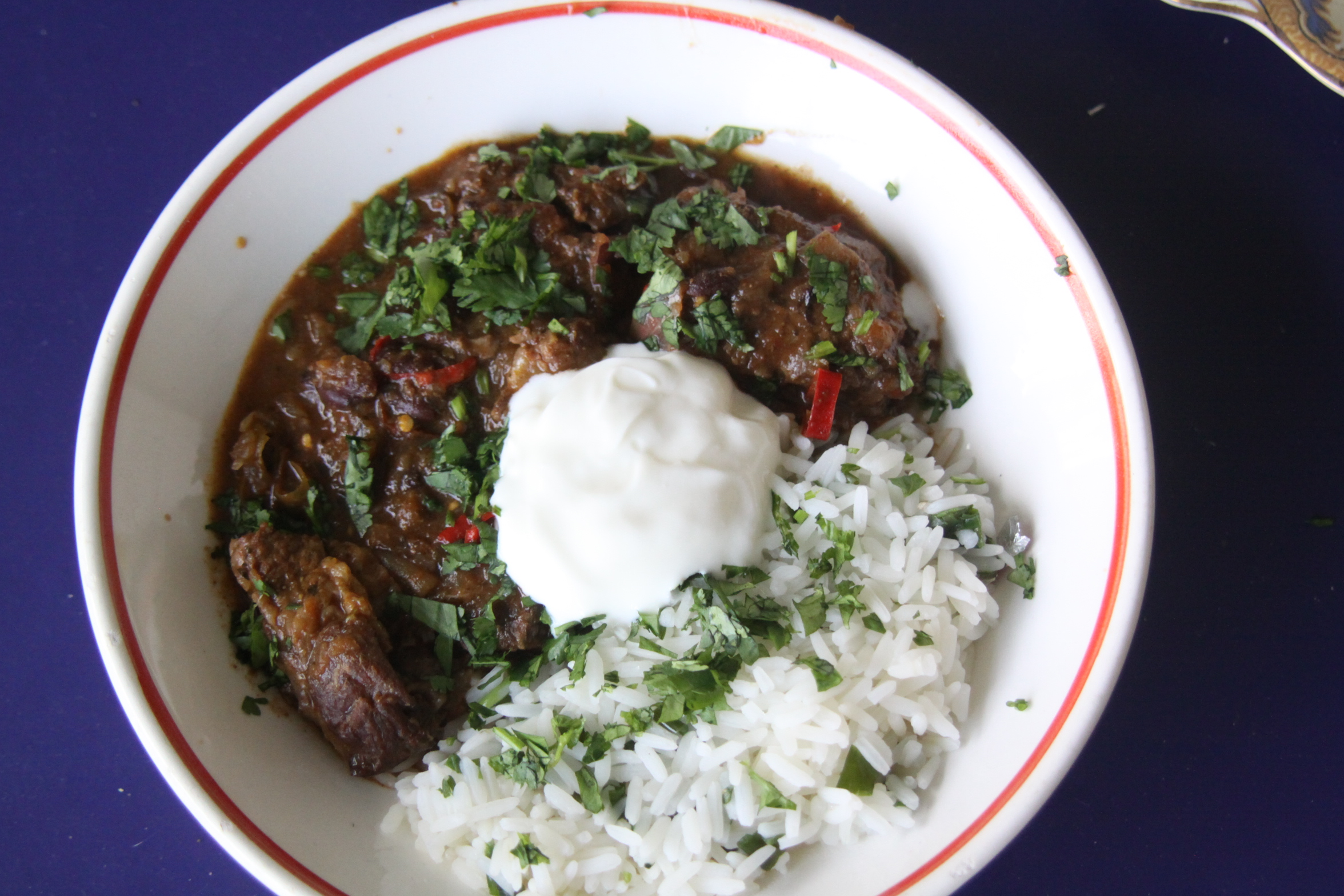 The chuck steak was superbly tender, the flavours had merged perfectly and the black beans had retained their structural integrity. I served it with plain boiled rice and chives, and a heavenly dollop of sour cream. If you want to bulk it out a bit more, guacamole would also be a traditional accompaniment. Alternatively, a side salad with lots of cooling cucumber and tomato, and some aromatic coriander and a spritz of either lemon or lime juice would be excellent as a contrast to the rich flavours.
There was another portion left over for another day, which I’ve placed in the freezer and will be anticipated with enthusiasm.
Tuesday
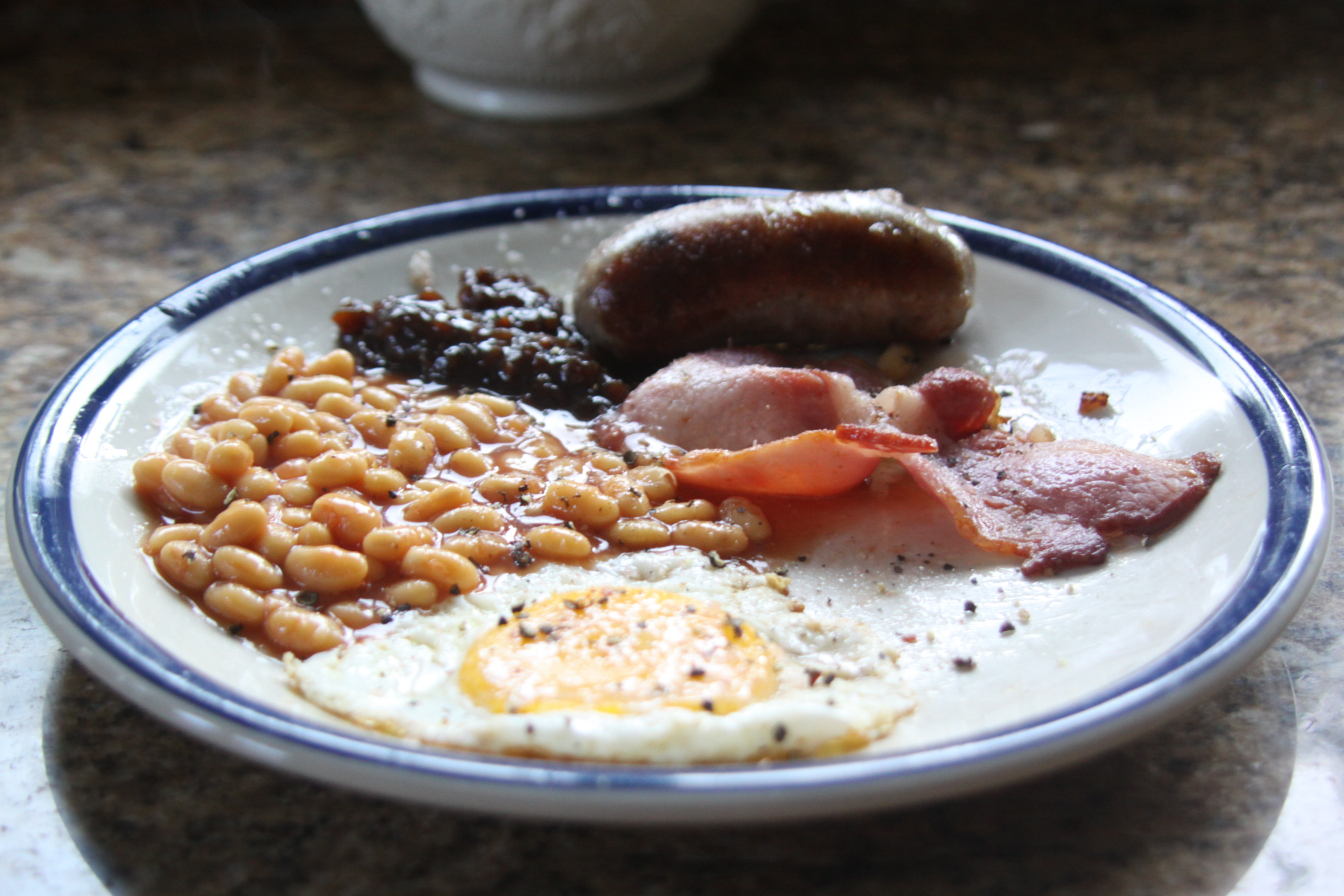 Pork and black pudding sausage, smoked back bacon, baked beans and a fried egg. If you knew me, you would know that I never, ever eat fried eggs. It’s a bête noire. The amount of oil needed to cook them makes my hair stand on end, and I never liked the flavour of the fried egg whites, or the crispy edges. I griddle or grill sausages and bacon and poach the egg. However, I screwed up the timing on the meal, so everything else was ready and the egg was still sitting patiently in the bottom of a cup. The quickest solution was to fry it, and I was quite curious about how it would taste as the last time I had a fried egg must have been about 30 years ago. The pork and black pudding sausage was divine, with great chunks of black pudding. The smoked bacon was heavenly. The Heinz baked beans were just as they have been for decades, although I had accidentality bought a rather bigger tin than usual, so there were far too many of them. The dollop of Branston small-chunks pickle hit the spot. The egg, however, simply confirmed my prejudices. The yolk was gorgeous, but the oily white was just as I remembered it, and the fried egg experiment will not be repeated. Each to their own, and good to know!
Wednesday
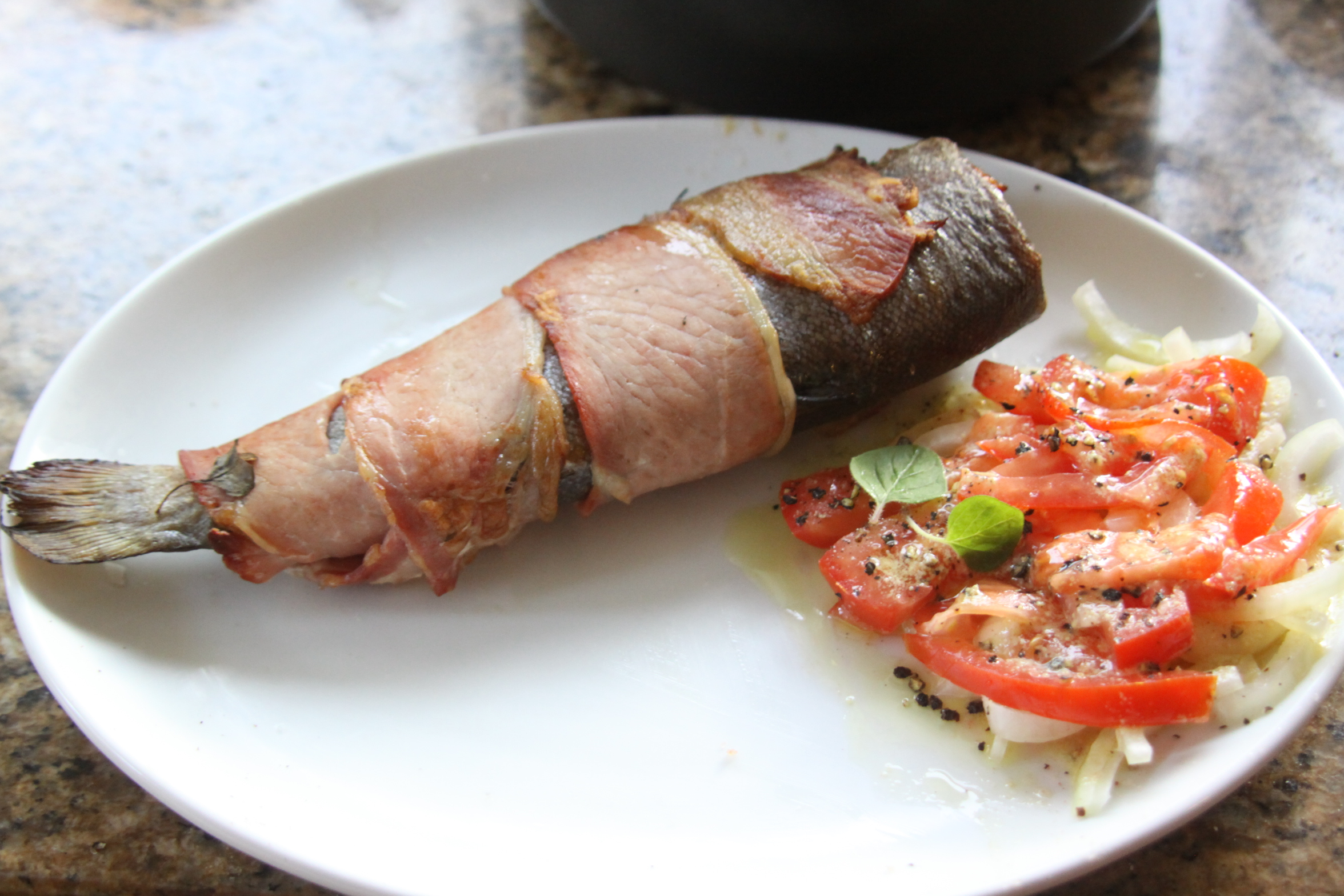 Herb-stuffed and bacon-wrapped baked trout with a tomato and onion salad. In my massive freezer sort-out, I found an enormous whole trout. I was slightly taken aback by its size, but since I craved trout, I decided to roast it whole, and remove one side to eat, retaining the other side for a salad. Baked trout, like poached salmon, is delicious cold, unlike most fish.
I beheaded and gutted the trout and stuffed the cavity with onion slices, parsley, lovage and bay, and then wrapped the whole thing in smoked bacon slices. If not wrapping in bacon, I would have added lemon slices to the stuffing. The bacon has the double effect of keeping in the moisture of the fish whilst the fat crisps up the skin of the trout. Win-win. I put it on a metal grid in a baking tray and put it on a fairly high heat in the oven to crisp the bacon and cook the trout through. I served it with a simple tomato and onion salad topped with mustard vinaigrette and given several turns of the pepper mill and a good sprinkling of sea salt. It doesn’t look very exciting on the plate, but just letting the flavours get on with it without excessive elaboration or accessorizing works so well. Simple. Quick. Full of flavour. Happy. I ate half of it, and put the rest in an airtight box in the fridge for another day.
Thursday
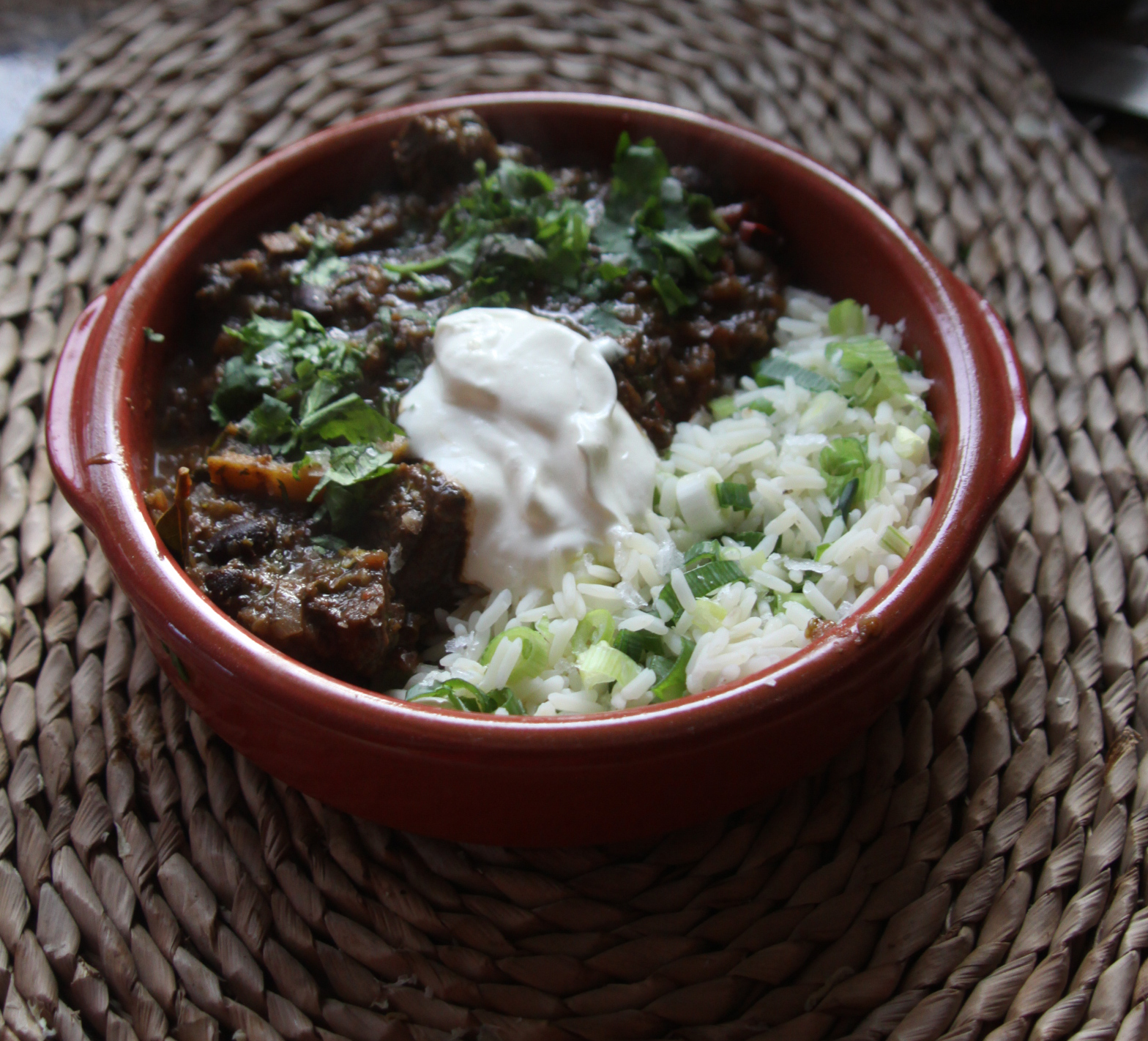 Chilli con carne #2. One pot cooking is a fabulous way of generating enough food for two or more meals, cutting down on the time spent in the kitchen. I love chilli con carne done with chunks rather than mince, and this was probably even better after a couple of days allowing the flavours to mellow than it was on the day that I actually cooked it. Spring onions chopped into the plain boiled long grained rice gave both freshness and a good contrast to the richness of the chilli. A sprinkle of lemon or lime over the top is always a good idea.
Friday
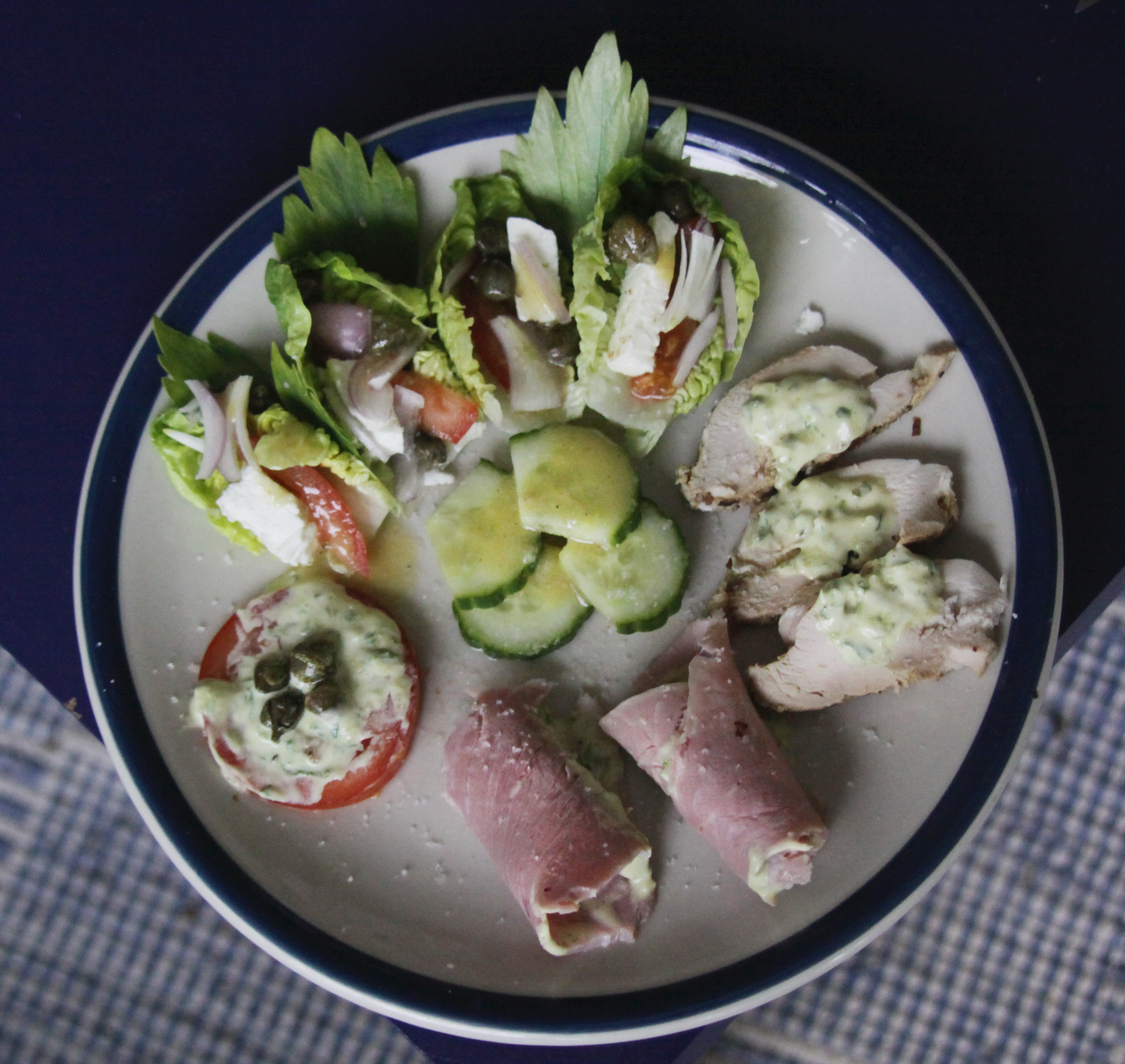
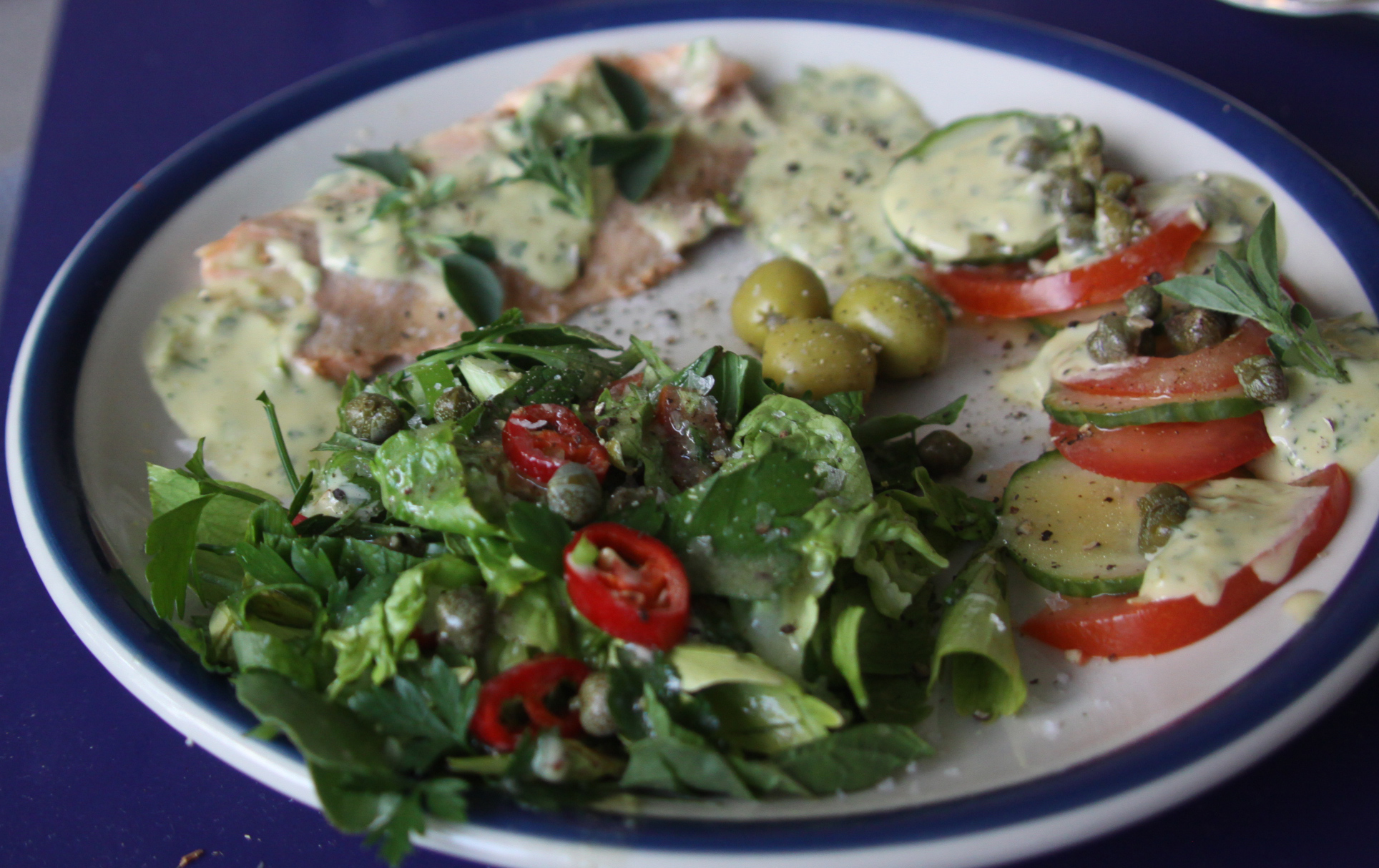 Cold trout with herb salad and tarragon, lovage and parsley mayonnaise. Cold cooked trout is a heavenly thing. I had the other half of the trout wrapped in bacon during the week, and removed this half from the bone at the time and put it in the fridge. I seriously love salad, but I do understand that not everyone is as keen. For me, it has to have herbs and a great dressing. I divided my salad into two, the first part slices of cucumber and tomato with fresh marjoram leaves in between. The rest of the salad, herbs and leaves, consisted of shredded little gem, lovage, parsley, spring onions, buckler-leaved sorrel (which, unlike other sorrel, has a great citrus hit), sliced chilli, marjoram and mint. I sprinkled capers everywhere, and added some Fragata lemon-stuffed olives in the middle. I made mayonnaise with tarragon mustard, fresh lovage and parsley, sea salt and a squeeze of lemon juice. Mustard vinaigrette was tossed into the leaves. A simple meal, and always such a pleasure to use herbs that are growing outside the kitchen door.
Conclusions
 I have mentioned cooking wine on a number of posts, mainly talking about white wine. I keep separate wines to drink and wines to cook with. I am a fussy wine drinker, red and white, but my rules on cooking wines are simple. Where white wines are concerned I don’t pay the earth for them, but neither do I buy at the bottom end. So I tend to avoid French wines for cooking, because even really poor wines tend to be over-priced, although Muscadet can sometimes be found at a good price for cooking, and is often great for the purpose. I tend to use Italian dry whites for cooking, unless there is a really good reason for something sweeter, and known grape types like Pinot Grigio or Soave tend to work well. German or Alsace whites can work if you want a sweeter white wine. Red wines are different, because you are generally trying to add body and richness to a dish. When cooking over a long period I like really big, fruity, rich reds, lacking subtly. A lower-priced Chianti or Shiraz usually works well. On the other hand, if it is a sauce for steak, cooking relatively quickly, something of superior quality will be a much better choice.
- A hit of even the most ordinary supermarket brandy can give a rich red wine casserole a really helpful lift.
- Chilli tends to be intensified in the freezer. Whole chillis pack a real punch when frozen, but even if you freeze down something that has chilli cooked with it, it will usually be hotter when it emerges.
- A tip with salads is that if you soak a piece of kitchen paper in cold water (Blitz is excellent for this) and put it over the salad, it will keep it beautifully fresh, even out of the fridge. If too much salad has been made, placing it in a zip-lock bag with a piece of kitchen paper in the bag, and put it in the fridge, it will be almost as fresh the following day.
- Again thinking about salads, I have learned the hard way to leave adding vinaigrette to the last moment before serving. For one thing it prevents it sinking to the bottom and leaking out, and for another it prevents the salad going soggy.
- The new dehydrator rocks (the photo above shows a batch ready for putting into the dehydrator), but one does need an awful lot of airtight boxes! Not to mention the room to store them.






























 Aberdovey Londoner