Author Archives: Andie

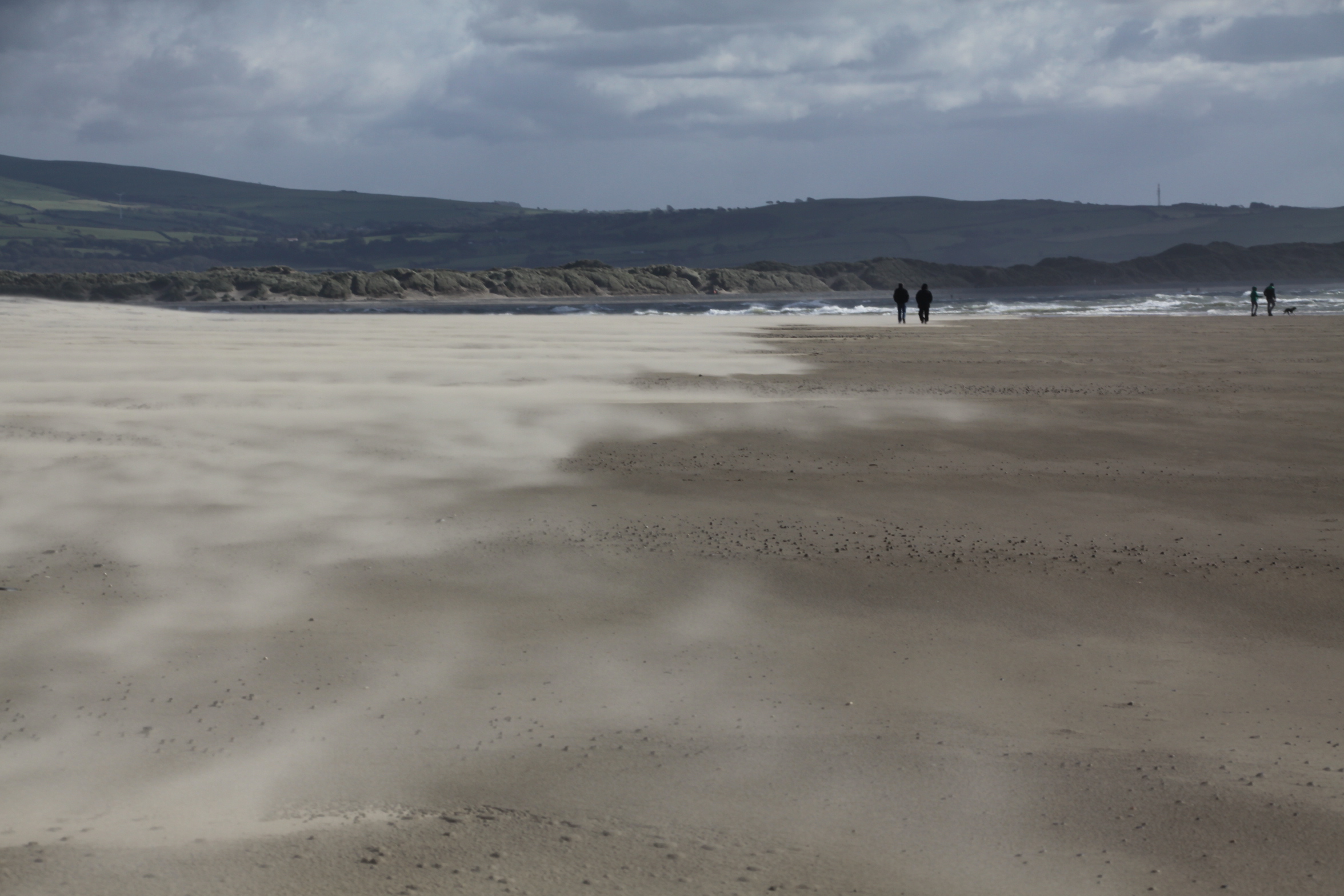
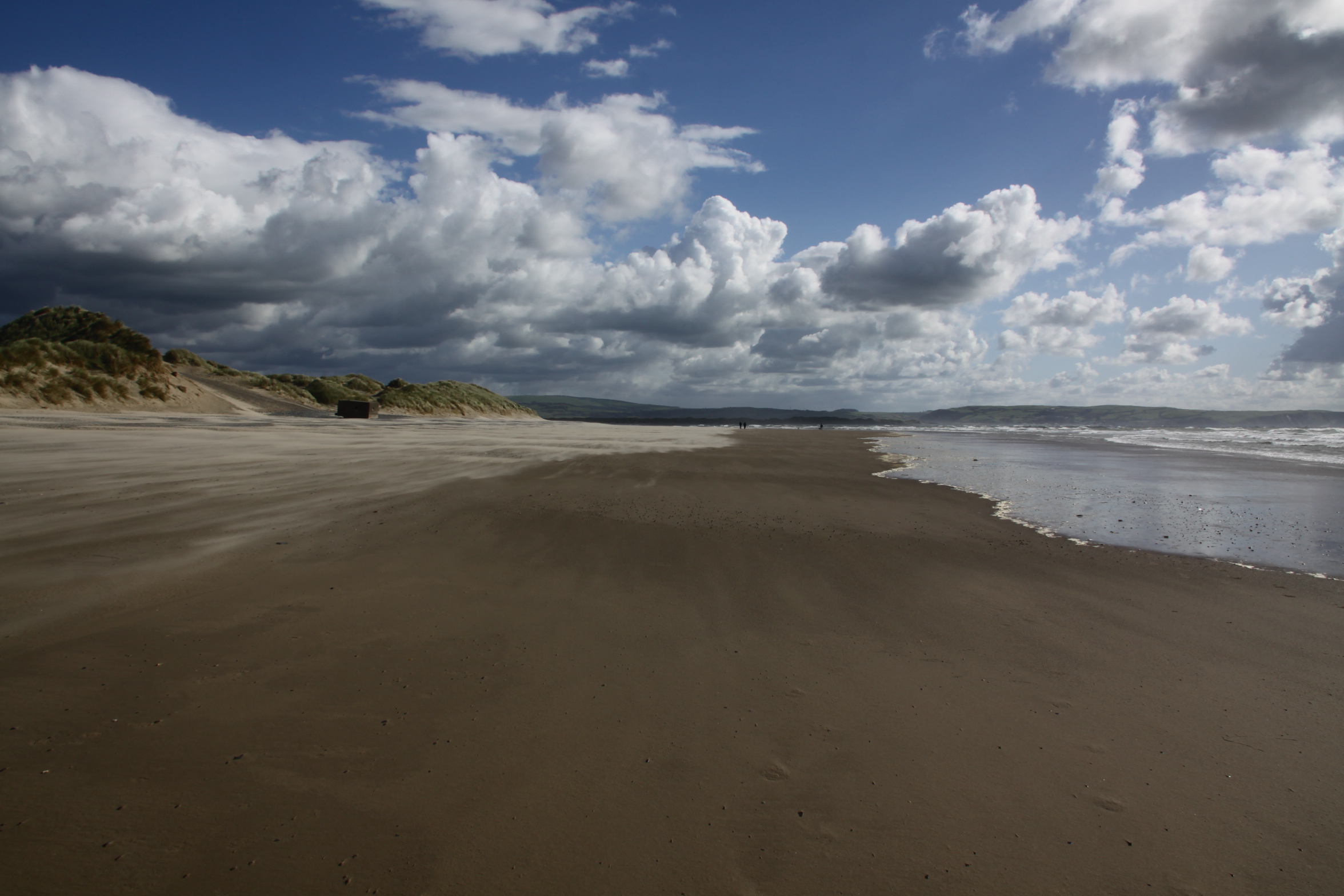
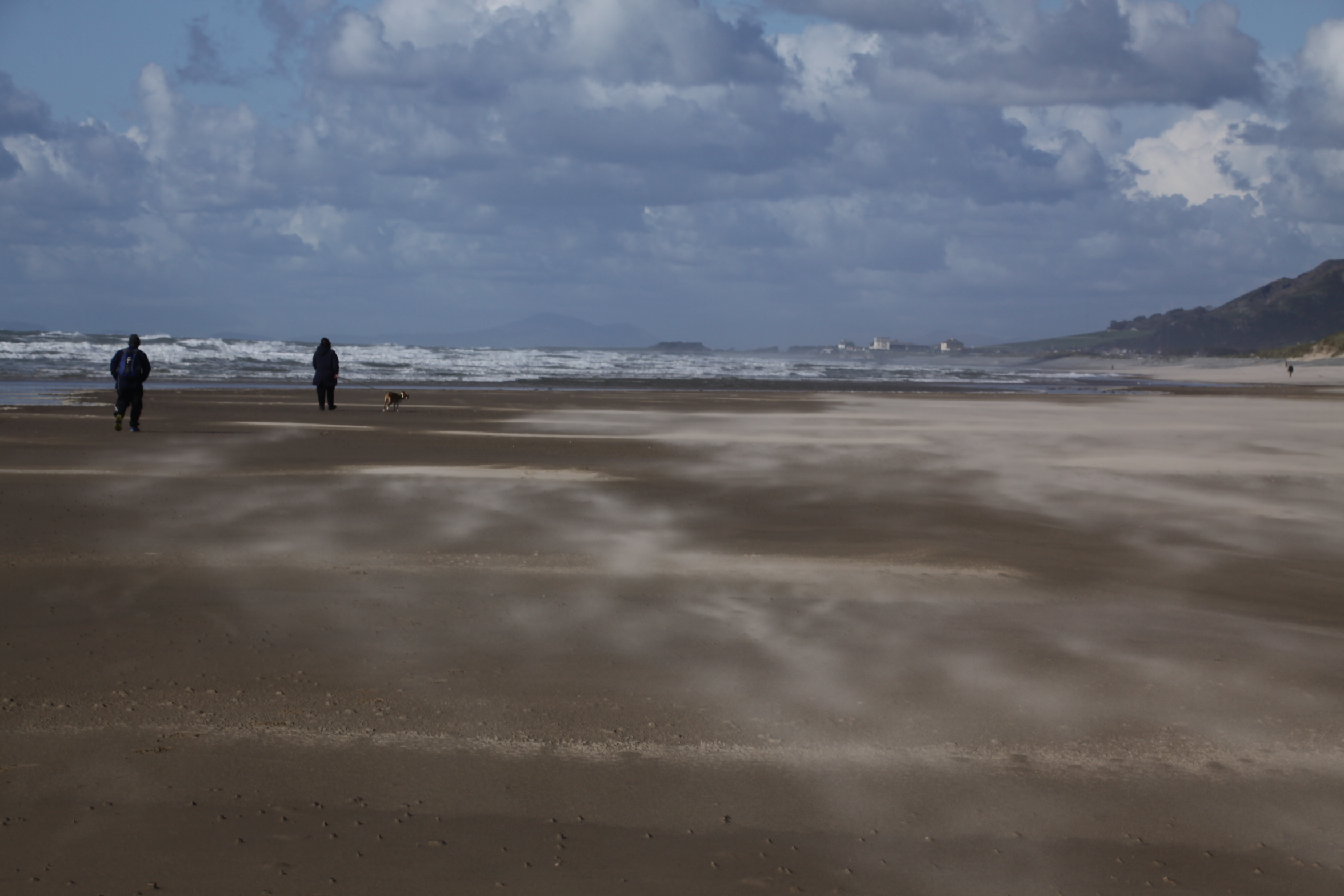
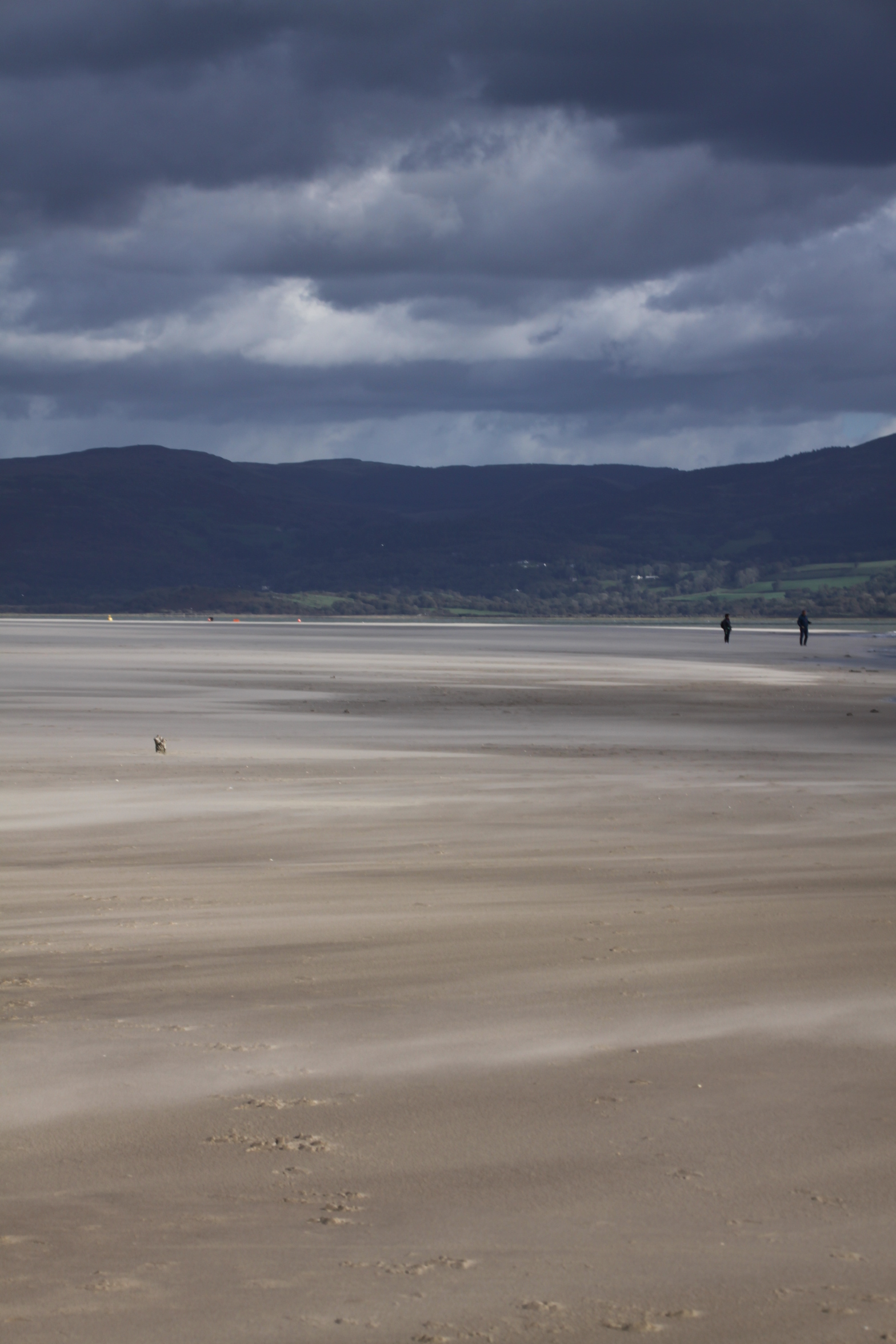
A hazy beach at high tide


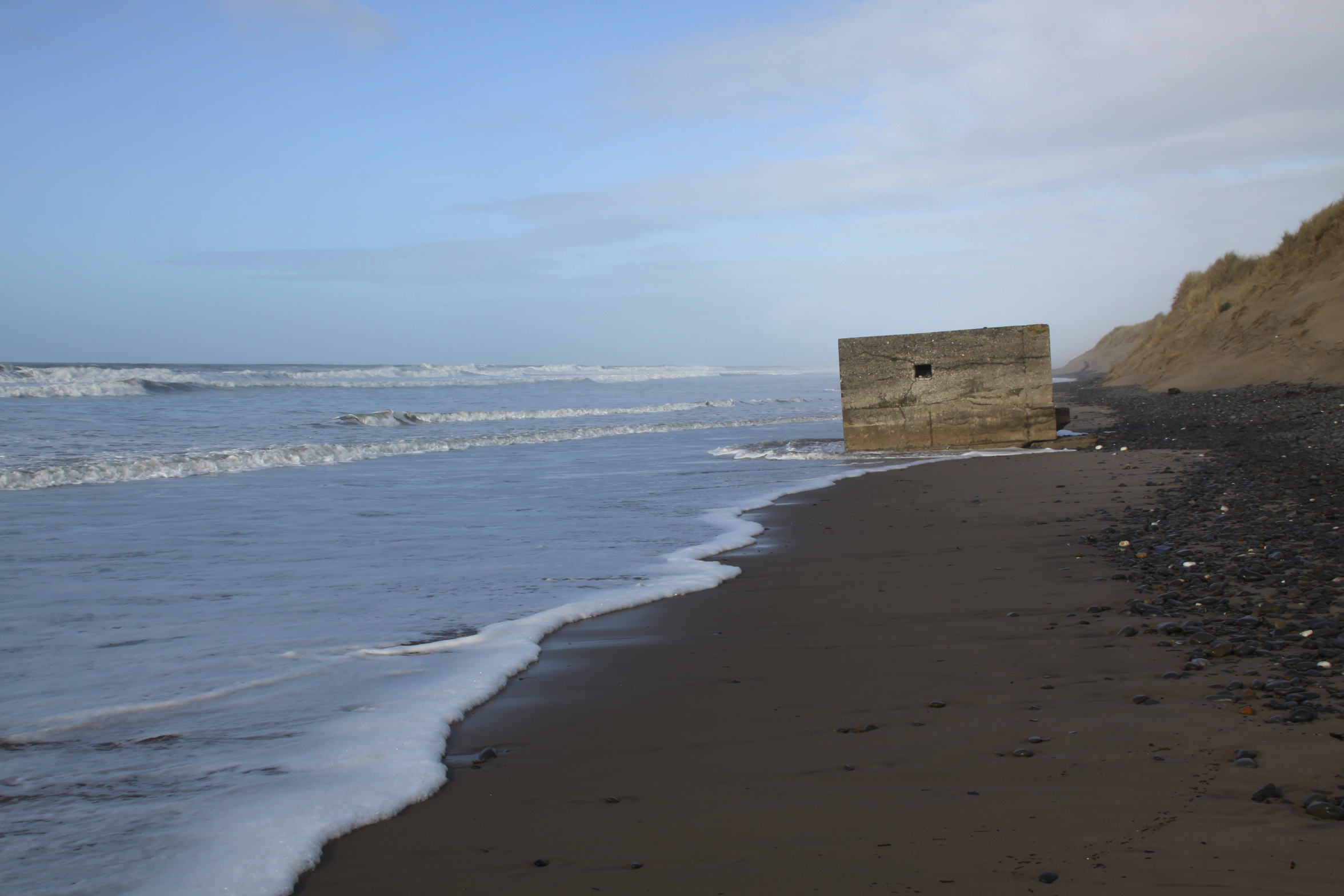
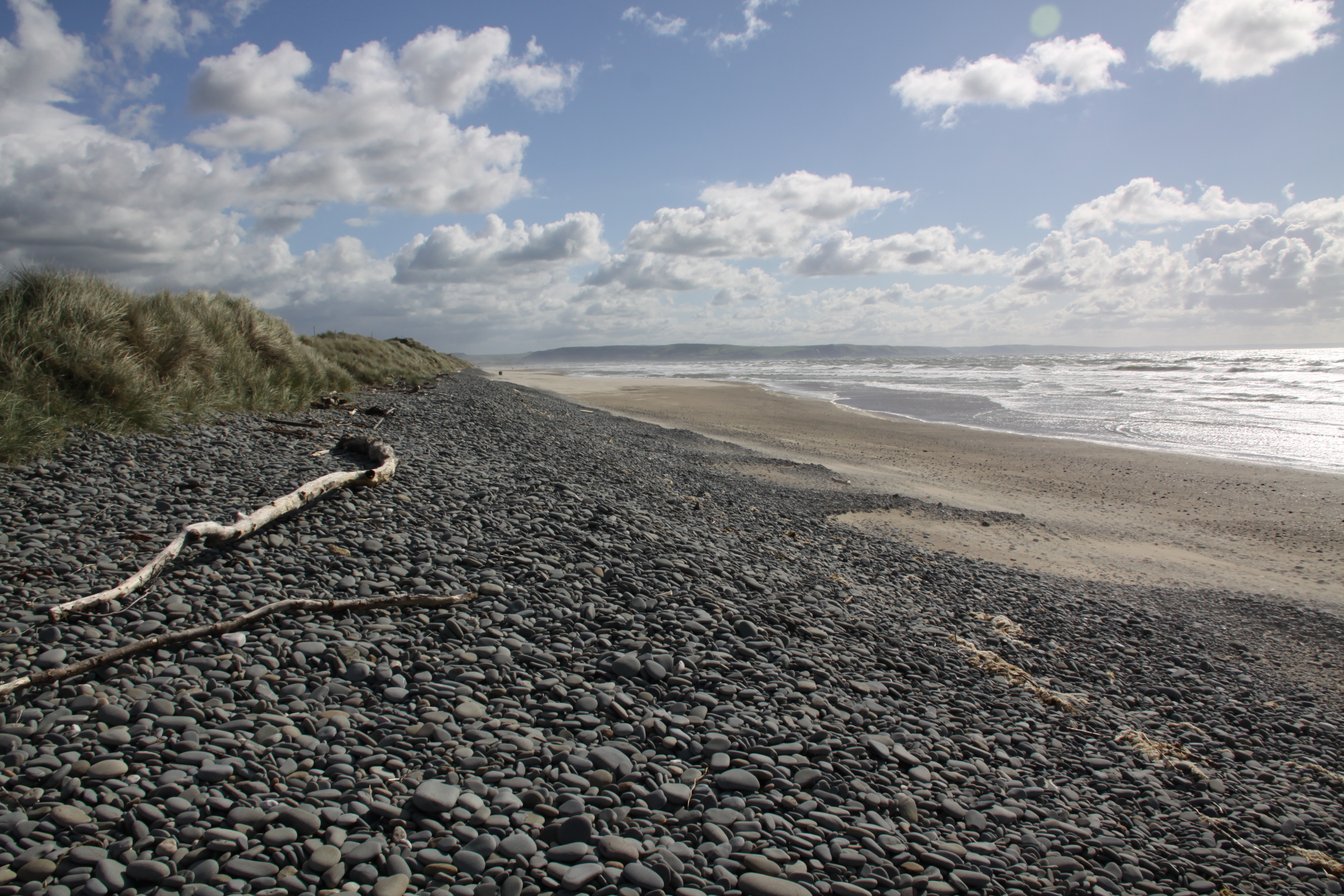
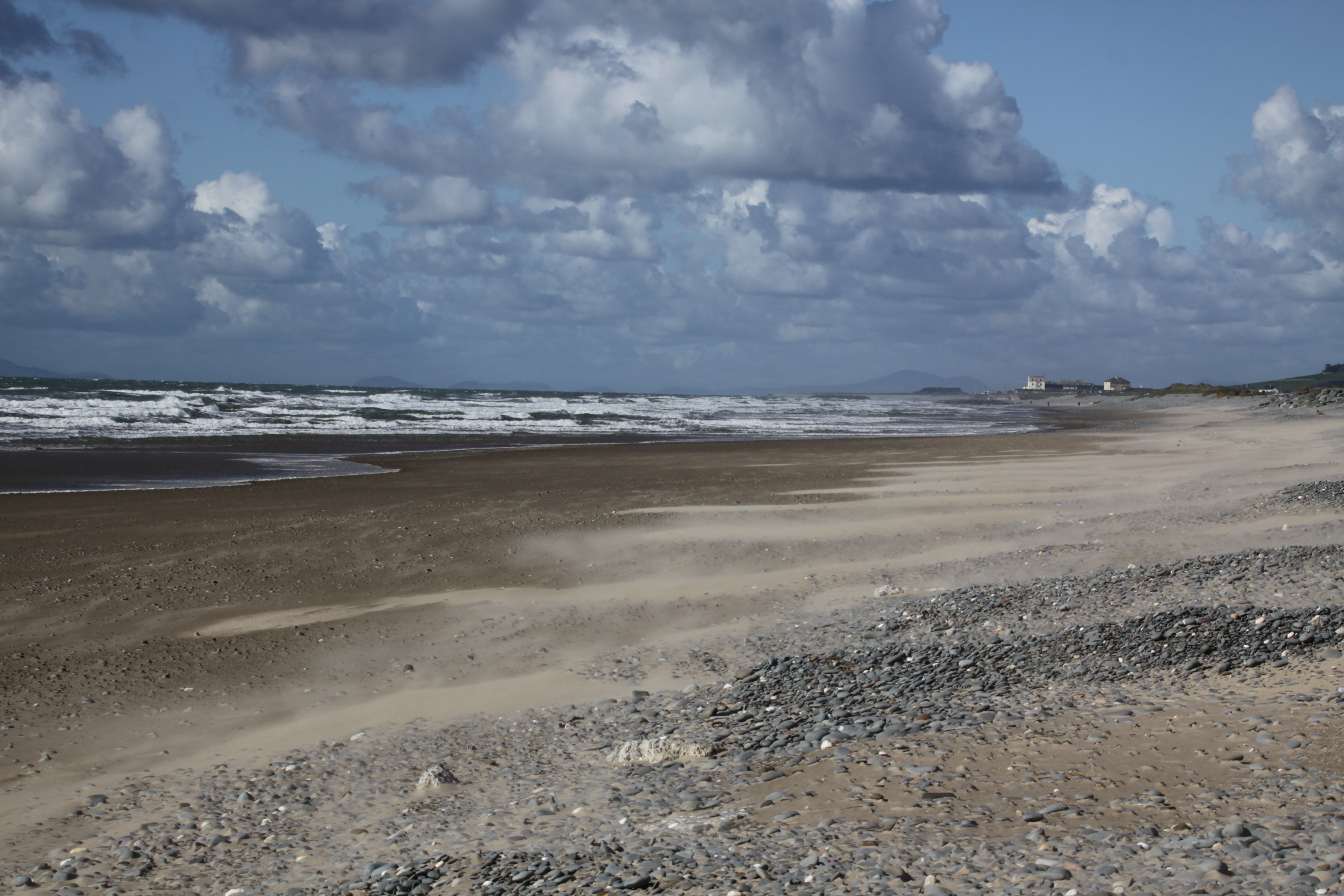
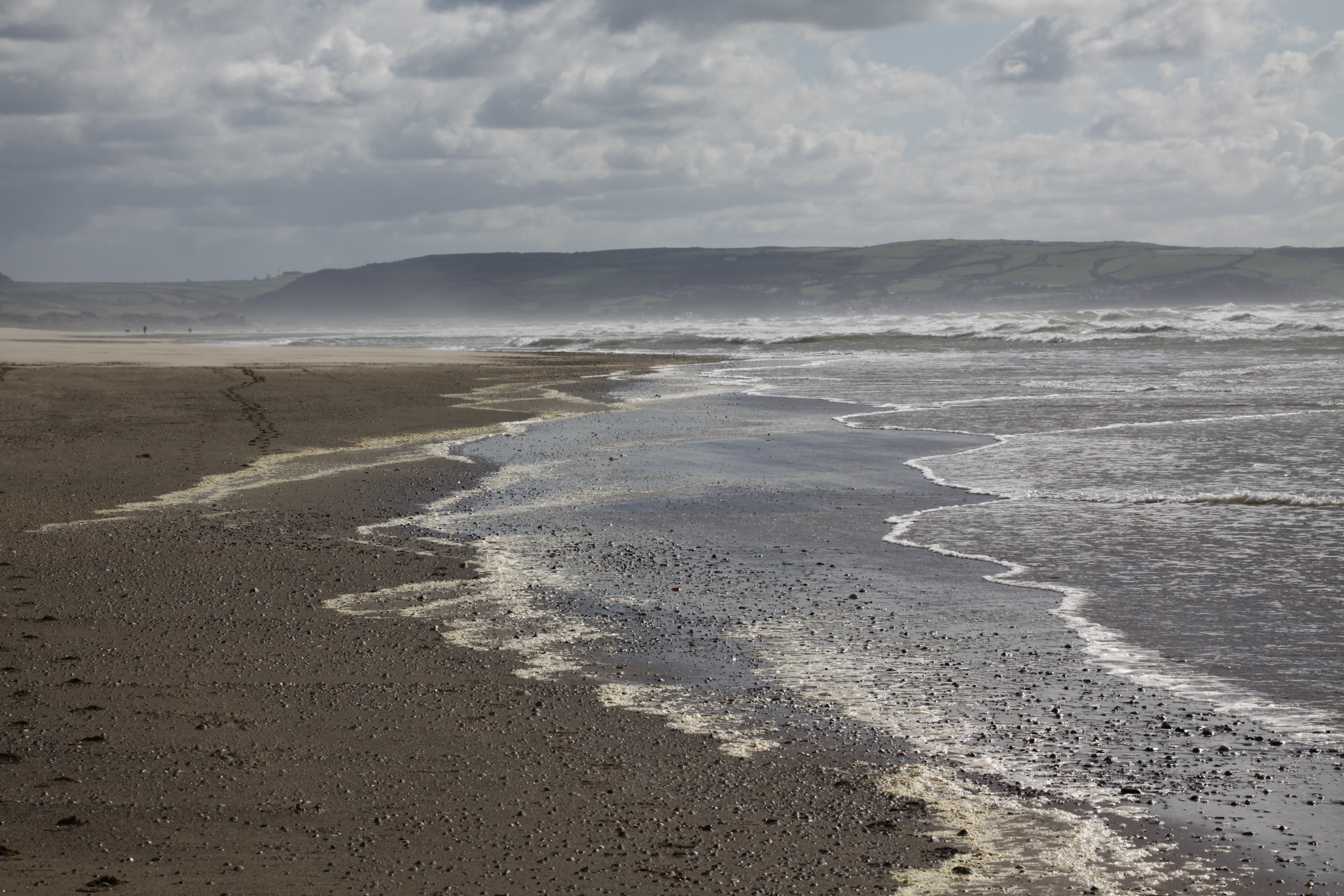
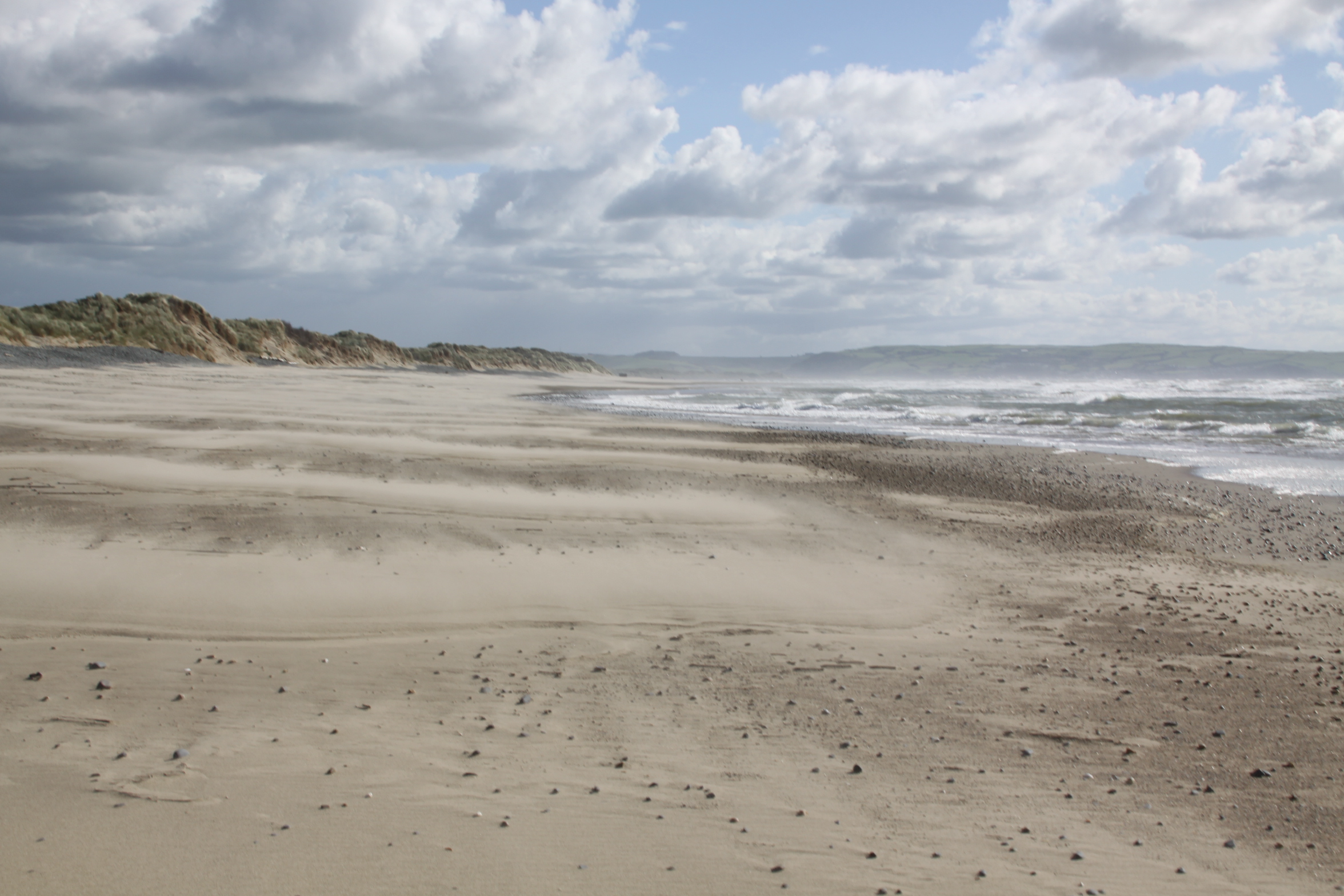
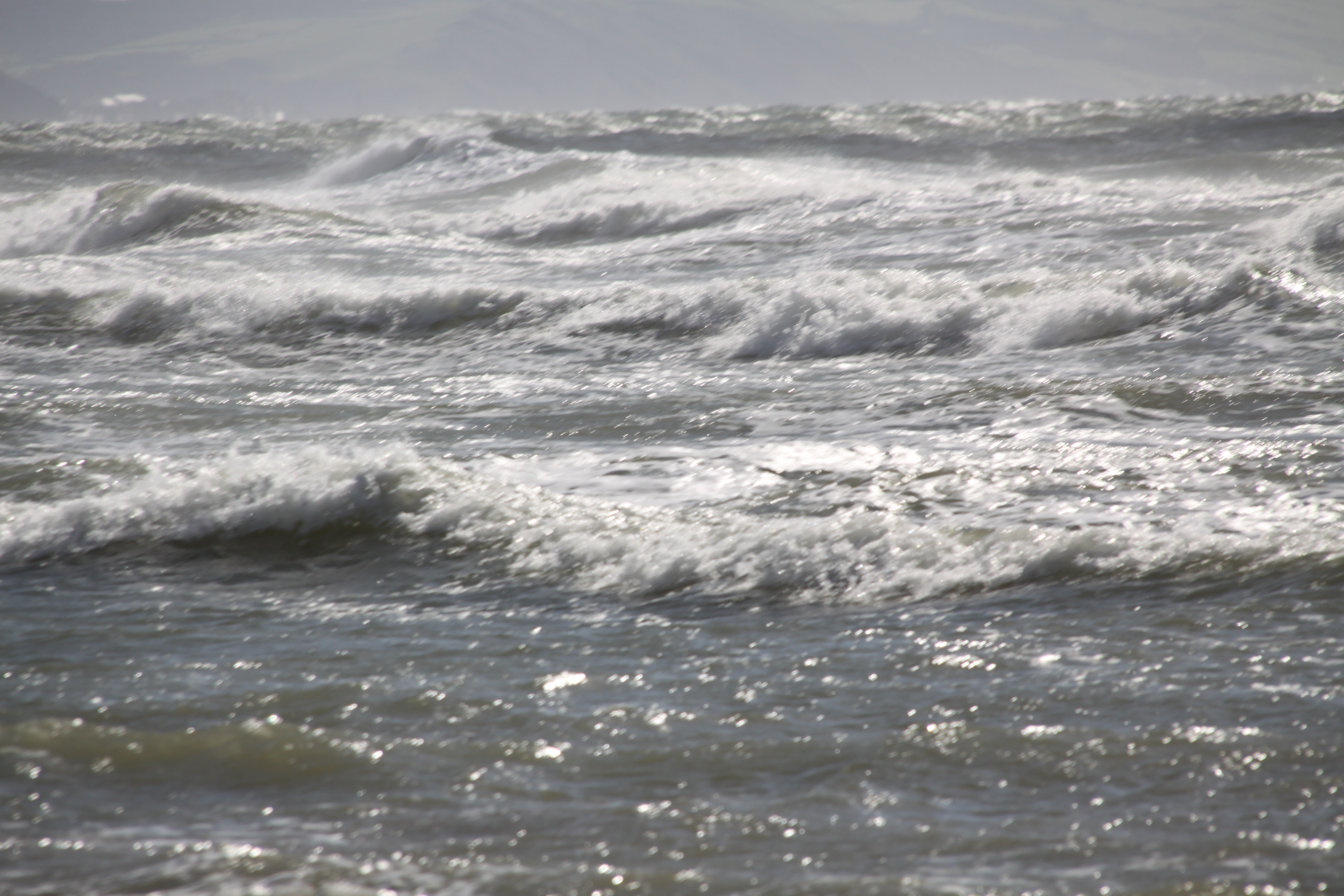
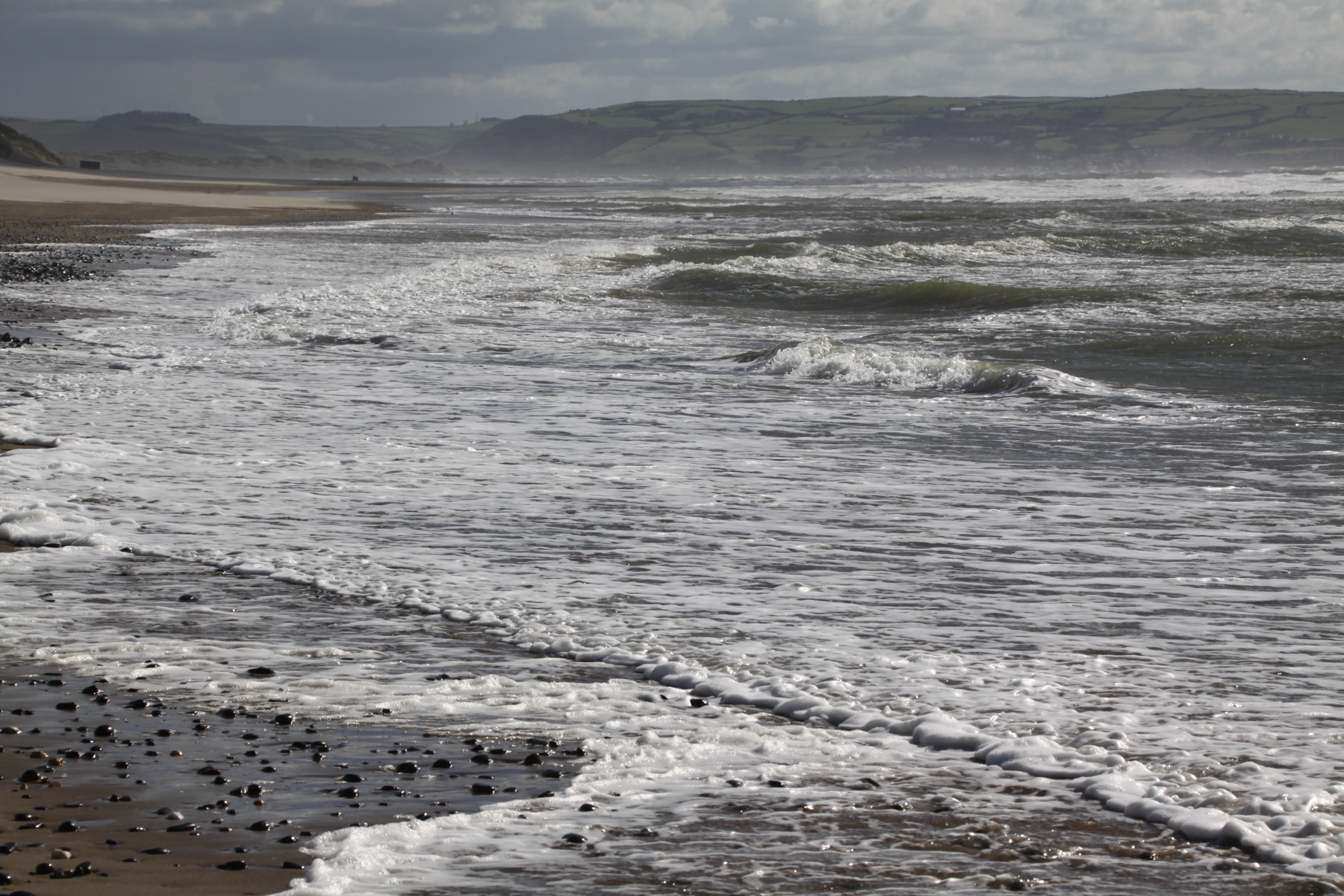
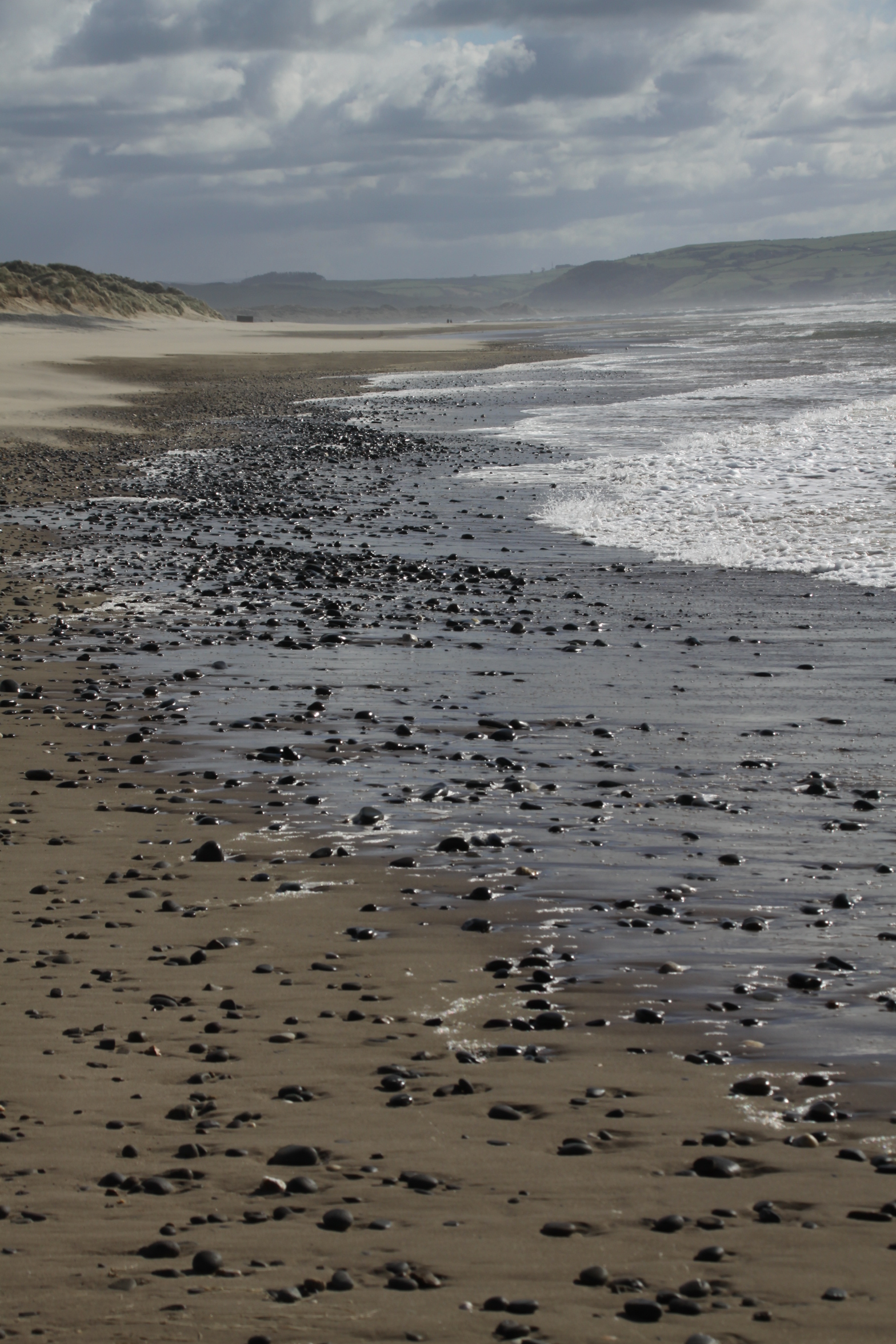
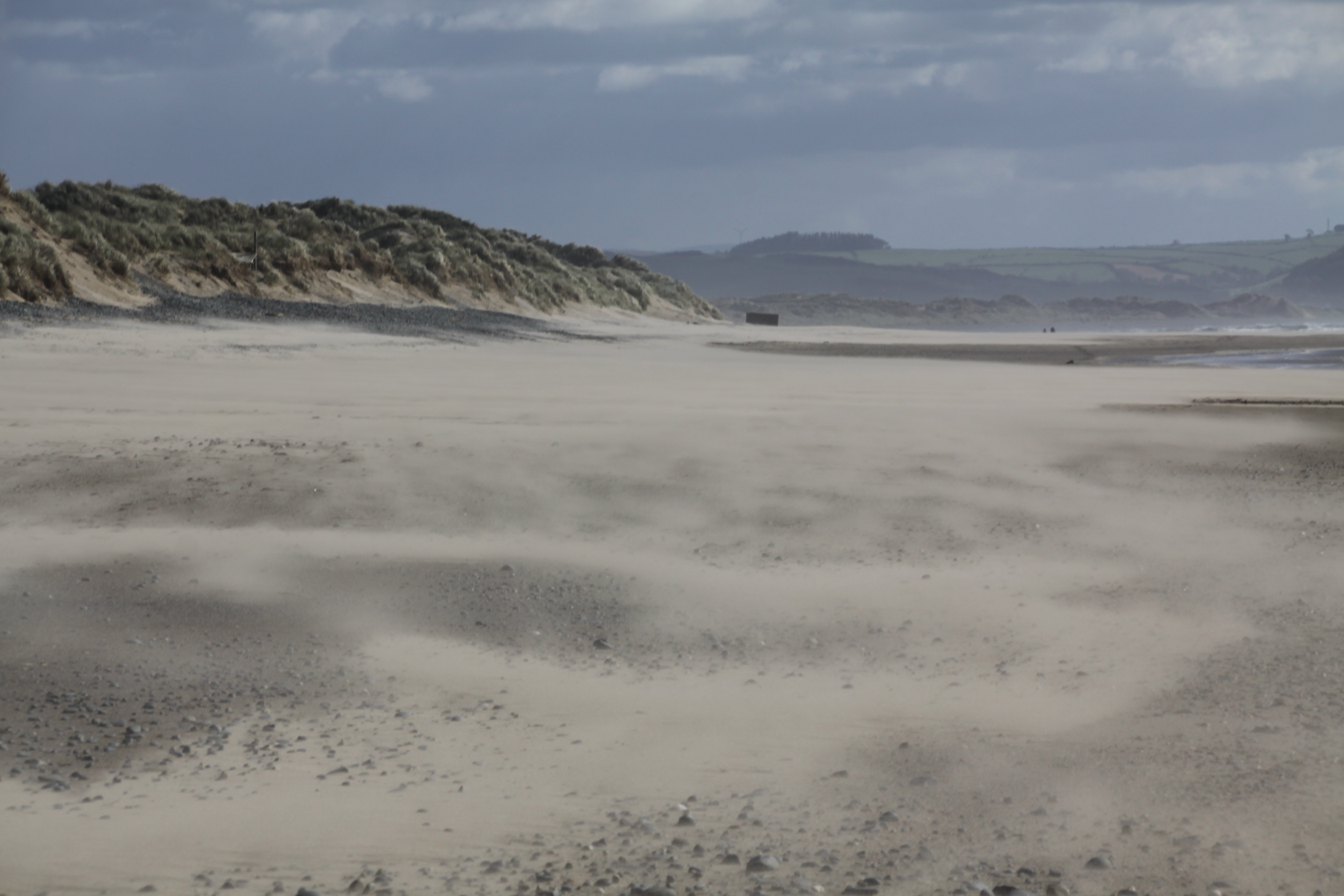
Before I left the house I checked my tide clock to confirm what the view from my window had already told me – the tide was all the way in.   It was still a surprise when I got down there at how high the tide actually was.  I have never seen waves lapping at the foot of the pillbox, for example, and there was just a thin band of sand, a couple of feet wide, because the sea had reached the pebbles and the dunes.  Checking the tide tables on my return, it was indeed a pretty high tide at 4.83m.  

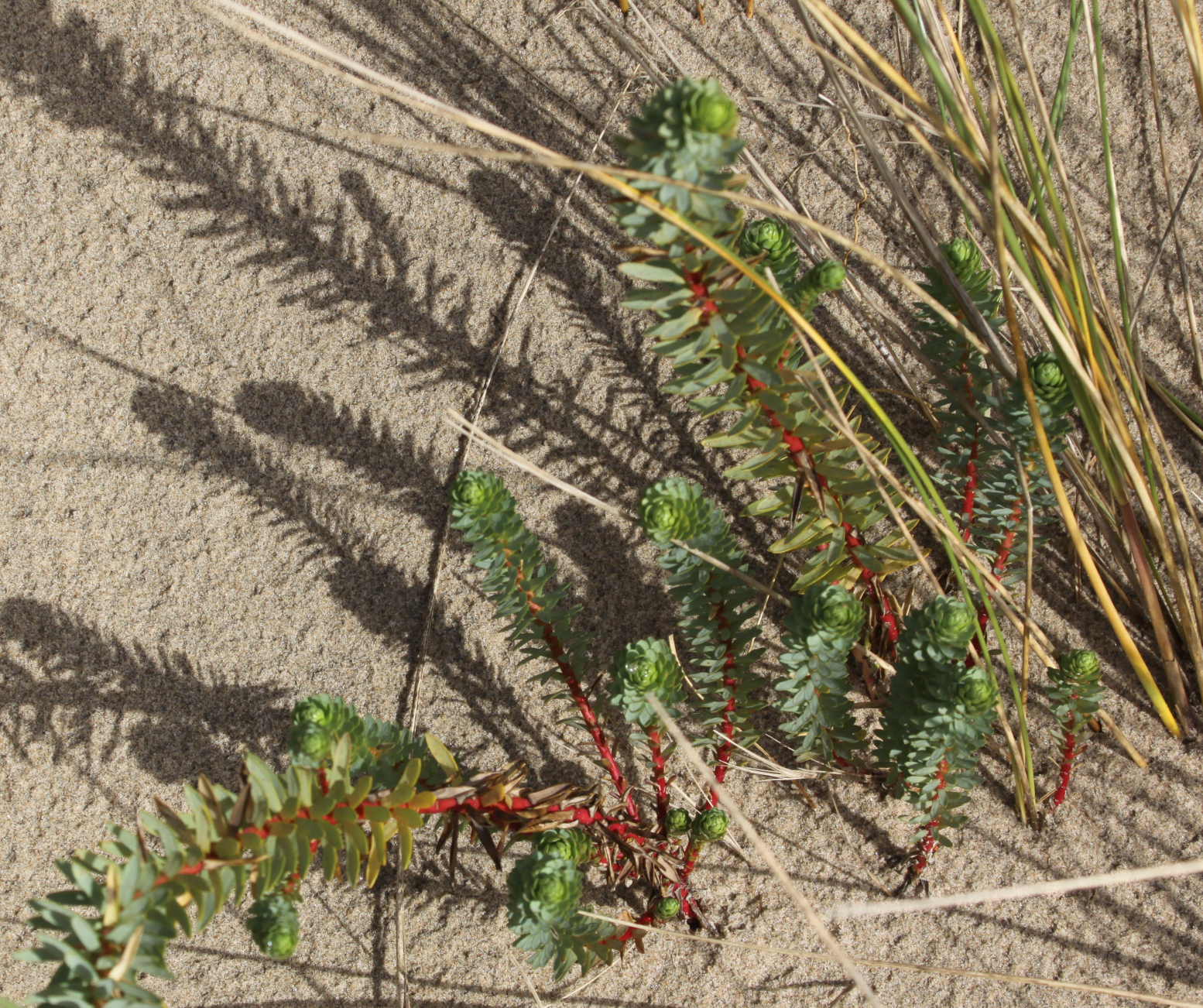
There was nothing much to see on the strandline, which was mainly bladder wrack, leaves and old wood, but the sea itself was absolutely spectacular, and the sky, veering from bright blue to blue-black and back again, provided a wonderful backdrop for both the frothing white waves, the yellowish sand dunes and the bright green golf course.   There were good signs of life on the dunes, with brave early plants producing bright new leaves.  Not just a feast for the eyes, however, but the ears too.   What had originally drawn me to the beach was the thundering roar that announced itself when I opened the front door this morning and on the beach itself it was explosive.


Apart from two men wielding metal detectors, there was absolutely no-one around, so no need to worry about social distancing, which was lucky as short of scaling the sand dunes, or going for an unseasonal paddle, there were places where it would otherwise have been difficult to avoid someone coming in the opposite direction.  On my return leg via the golf course there were a lot more people around, mainly walking dogs but a small group was considerately collecting litter.

Blue skies on Sunday

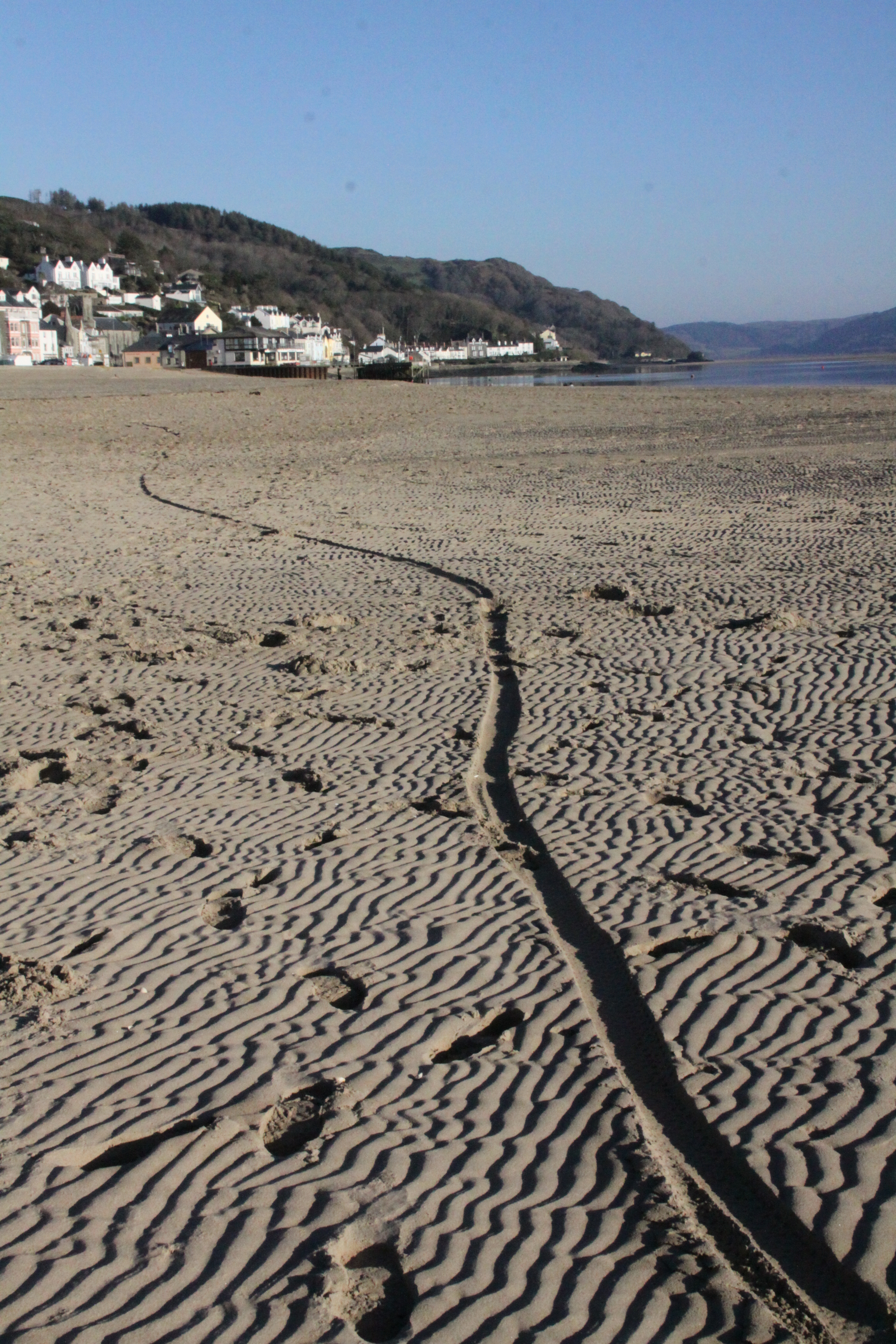
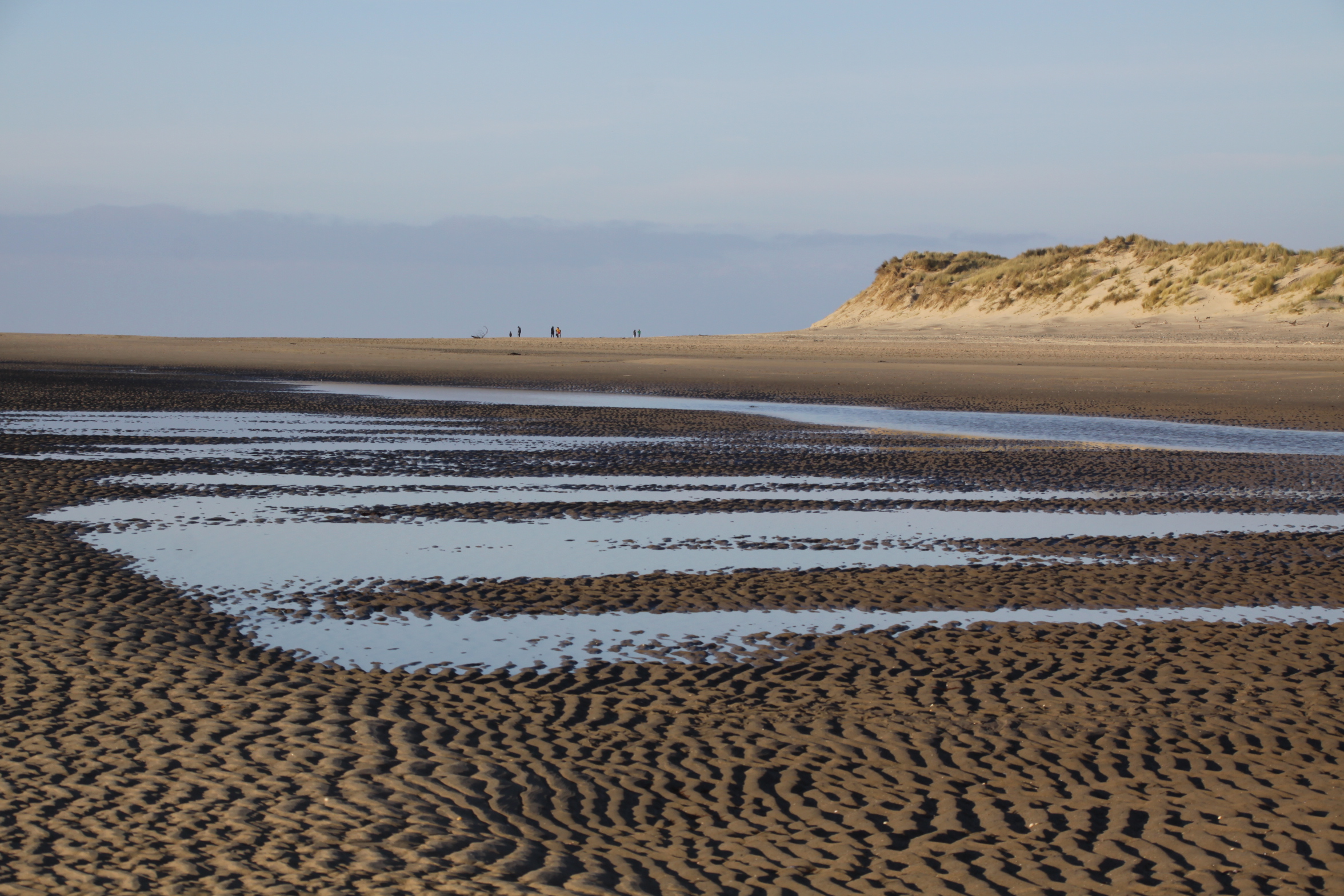
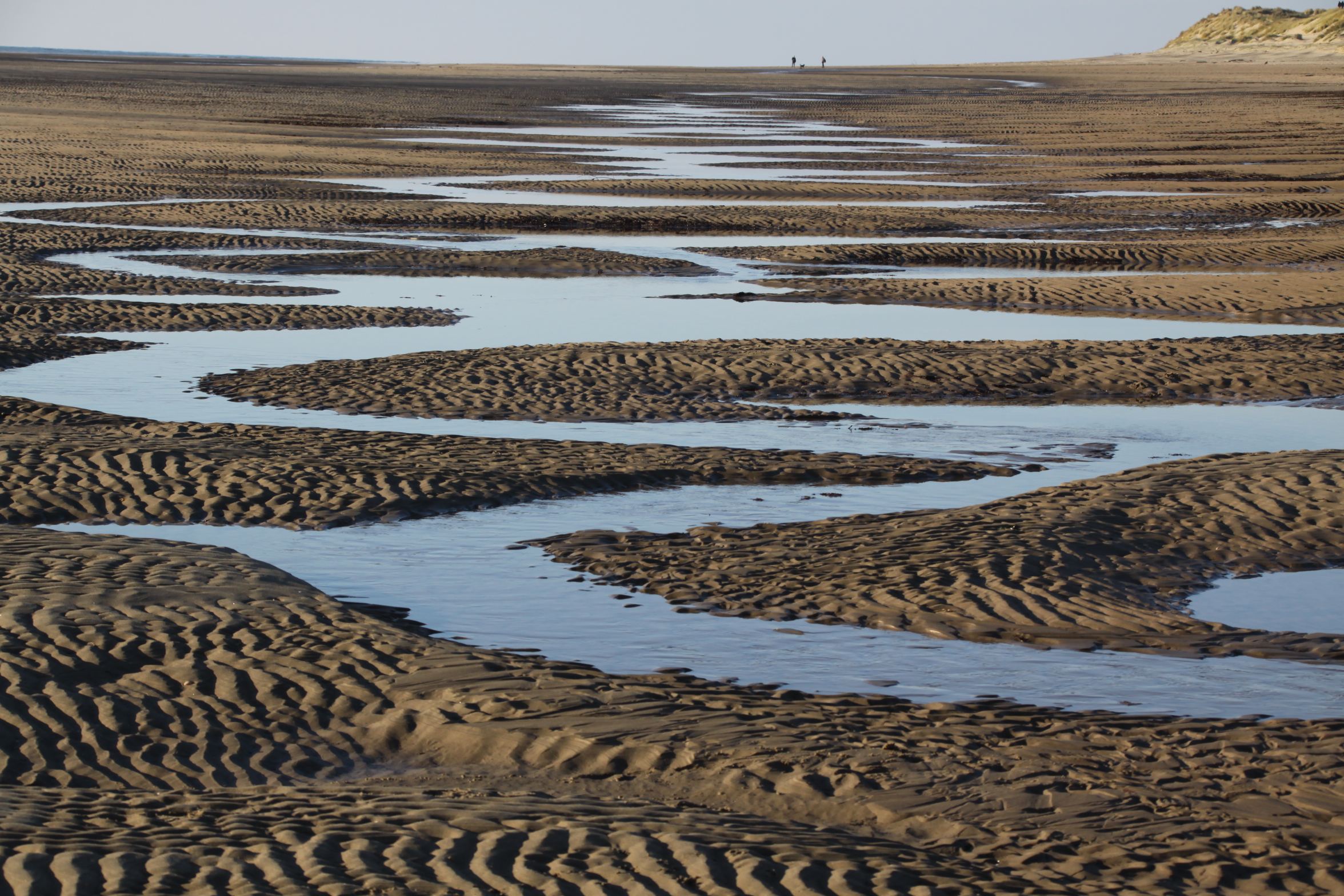
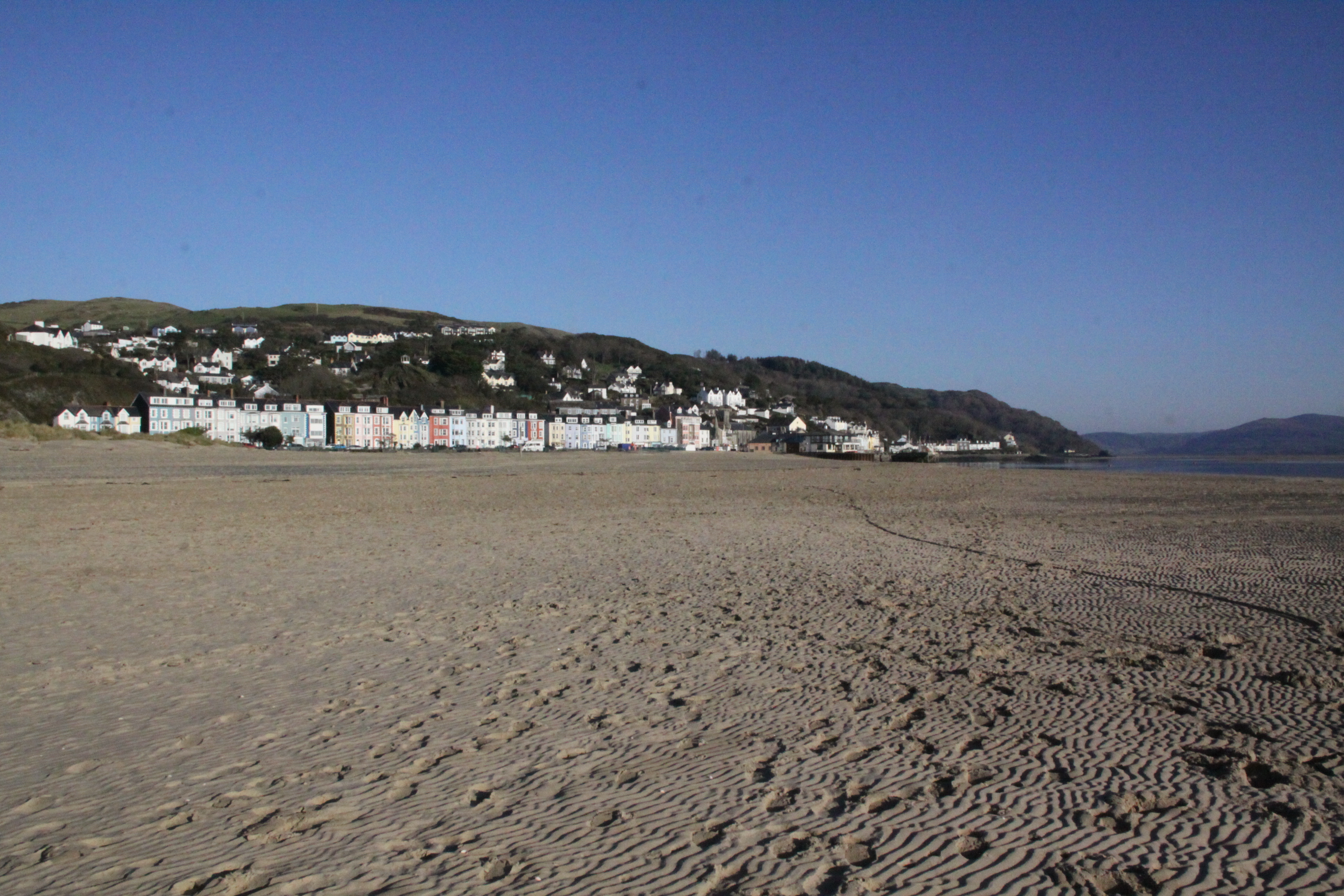
It seems quite remarkable as I look out of the window this morning, that Sunday was all blue skies and sunshine, simply lovely.  Today I can barely see beyond the end of garden.  The rain is relentless and the sky such a pale  shade of grey that it is almost white.   The gloom is unbelievable.   So it is really quite a relief to look back to Sunday when I went for a stroll on the beach at low tide, much the best option for a safe way to take exercise during lockdown, as there are no gates to open or stiles to cross.


RSPB Big Garden Birdwatch 29th-31st January 2021

First, a very Happy New Year, and here’s hoping for a less stressful year all round.

Today a reminder about the upcoming Big Garden Birdwatch arrived through my letterbox, and I am staggered that the annual event has come around so quickly.  For those who haven’t taken part in the past, it’s a simple activity.  By counting the birds we see in our gardens and parks, members of the public help the RSPB to chart how well birds are doing in the UK.   This has been rolled out every year for 40 years, and the data is used to monitor what is happening to bird populations.  For example, house sparrow sightings have dropped by 53% since the first Birdwatch in 1979.  Although they are showing signs of recovery, this and other species need to be monitored.

You choose an hour, at any time of the day on one day between the 29th and 31st January and write the highest number of each bird species that you see at any one time. The example given is “if you see a group of eight starlings together, and towards the end of the hour you see six together, please write down eight as your final count.” This is because the second bunch may be the same individuals as the first bunch, back for another visit. The purpose is to count individual birds, not individual visits. Even if someone participating in the survey sees nothing in the hour, it’s still useful information for the RSPB.

You can sign up online at https://www.rspb.org.uk/get-involved/activities/birdwatch/packrequest and results can be submitted online before 19th February or by post.

Sunshine! No rain! Oh the bliss

For the first time in days, the rain stopped on Sunday, the sun came out and it was a beautiful autumn day.  It was quite chilly, but not sufficient to deter people from emerging from their homes to enjoy the reprieve.   I didn’t go for a long walk, but it was excellent just to get out.  I walked down Balkan Hill, and turned left where it turns right, taking the footpath along the side of the Holiday Village, down into Penhelig.  From there I walked to Picnic Island.  The tide was in, but there is a stretch of uneven wall along which you can make your way if relatively sure-footed, and this bypasses the section of the footpath that is underwater.  Even if you fall off, it’s only a short drop into very shallow water.

In the summer this is a busy walk, and the estuary is busy with Outward Bound activities, but today there were absolutely no signs of human life.  It was incredibly peaceful, an ideal day for stopping, sitting and just listening to the sound of the water lapping on the rocks.

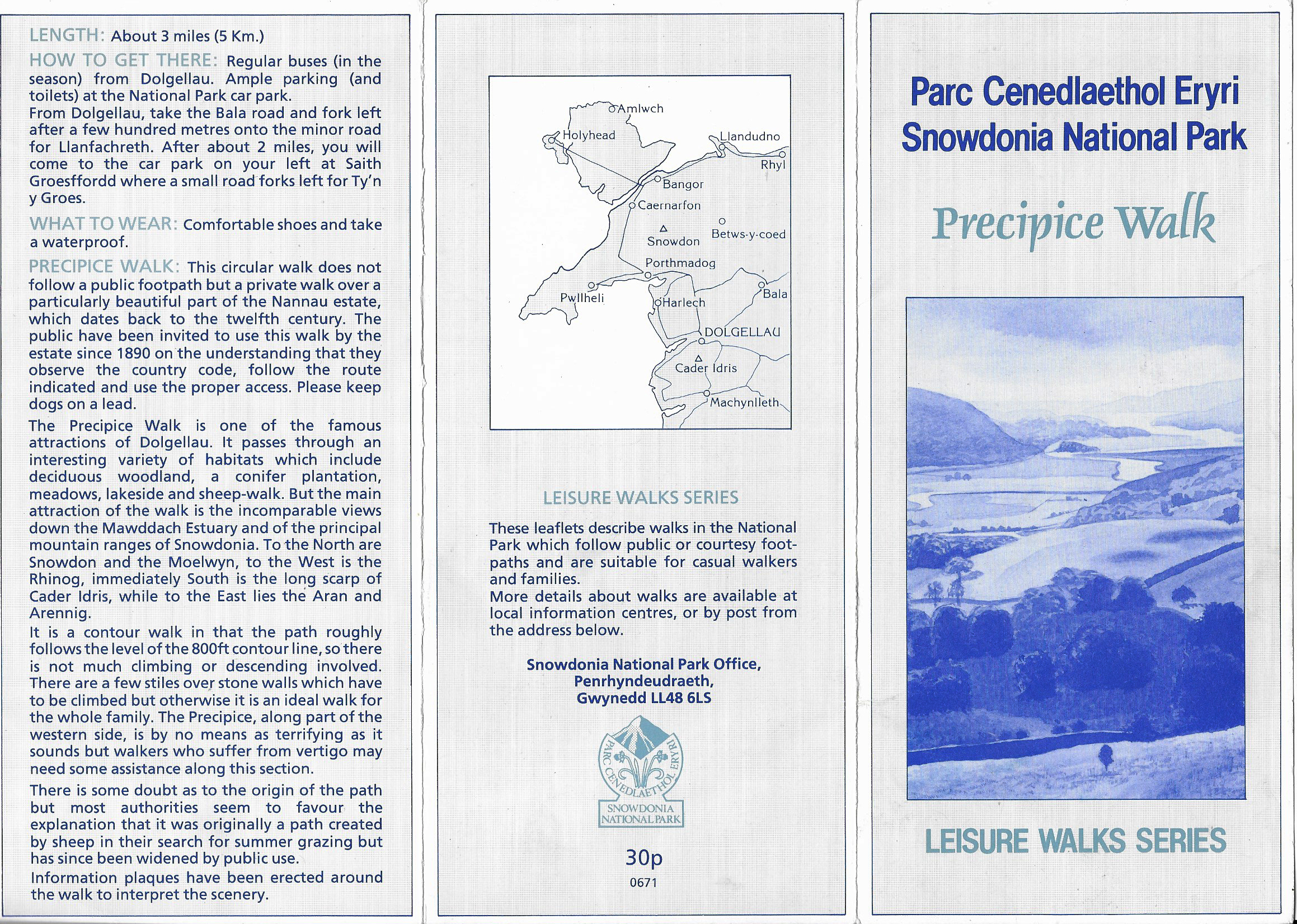
Leaflet: Precipice Walk (Dolgellau area)

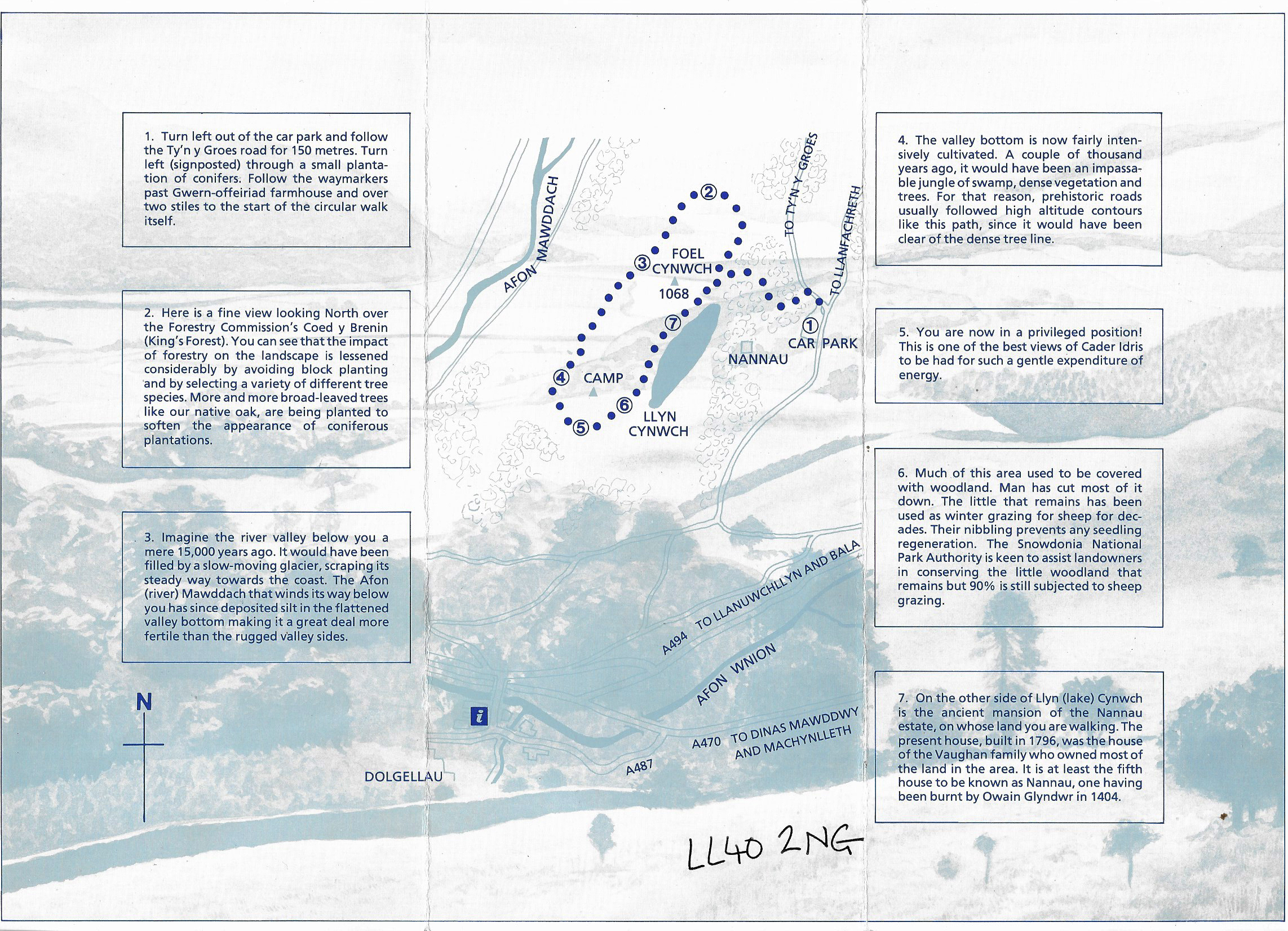
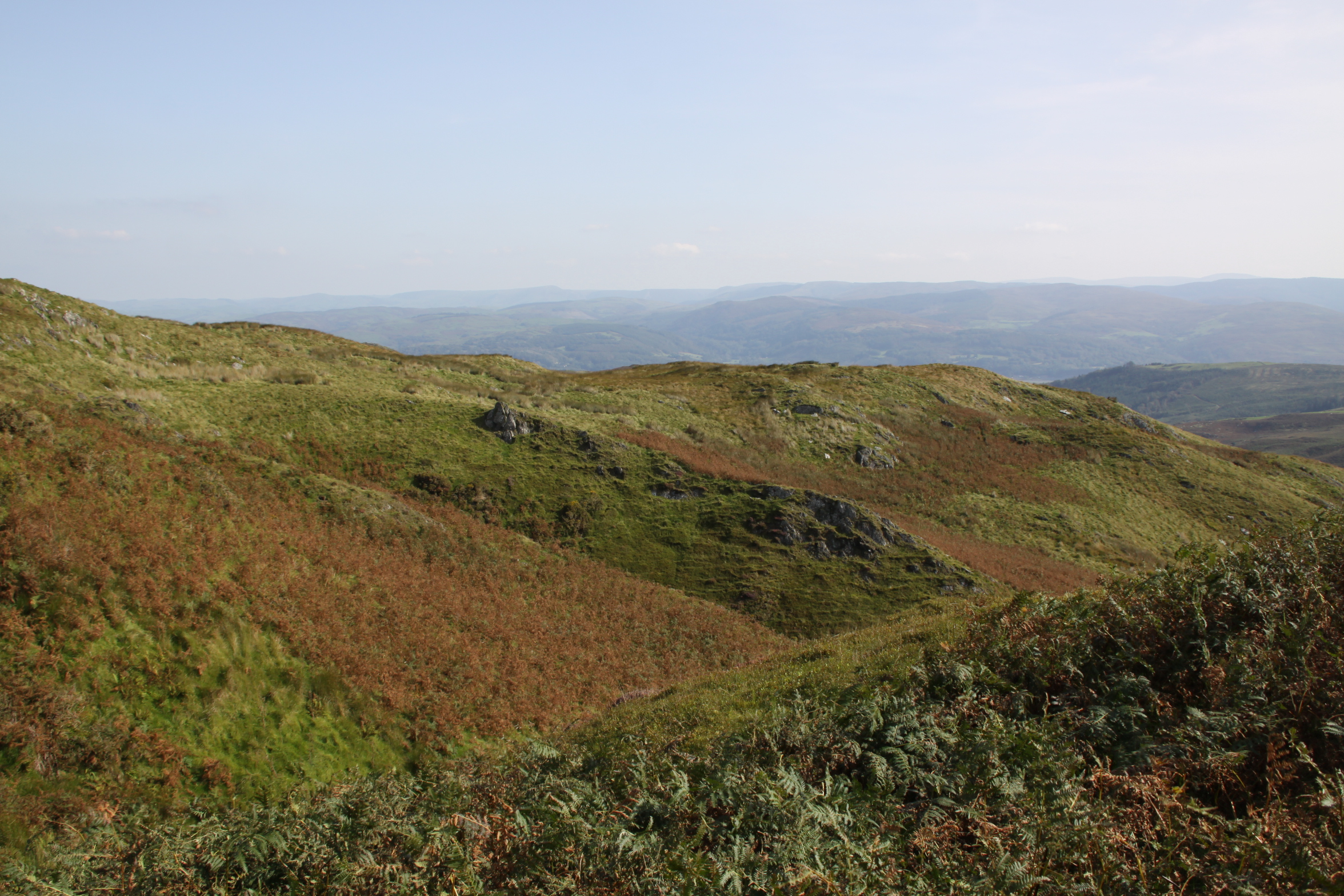
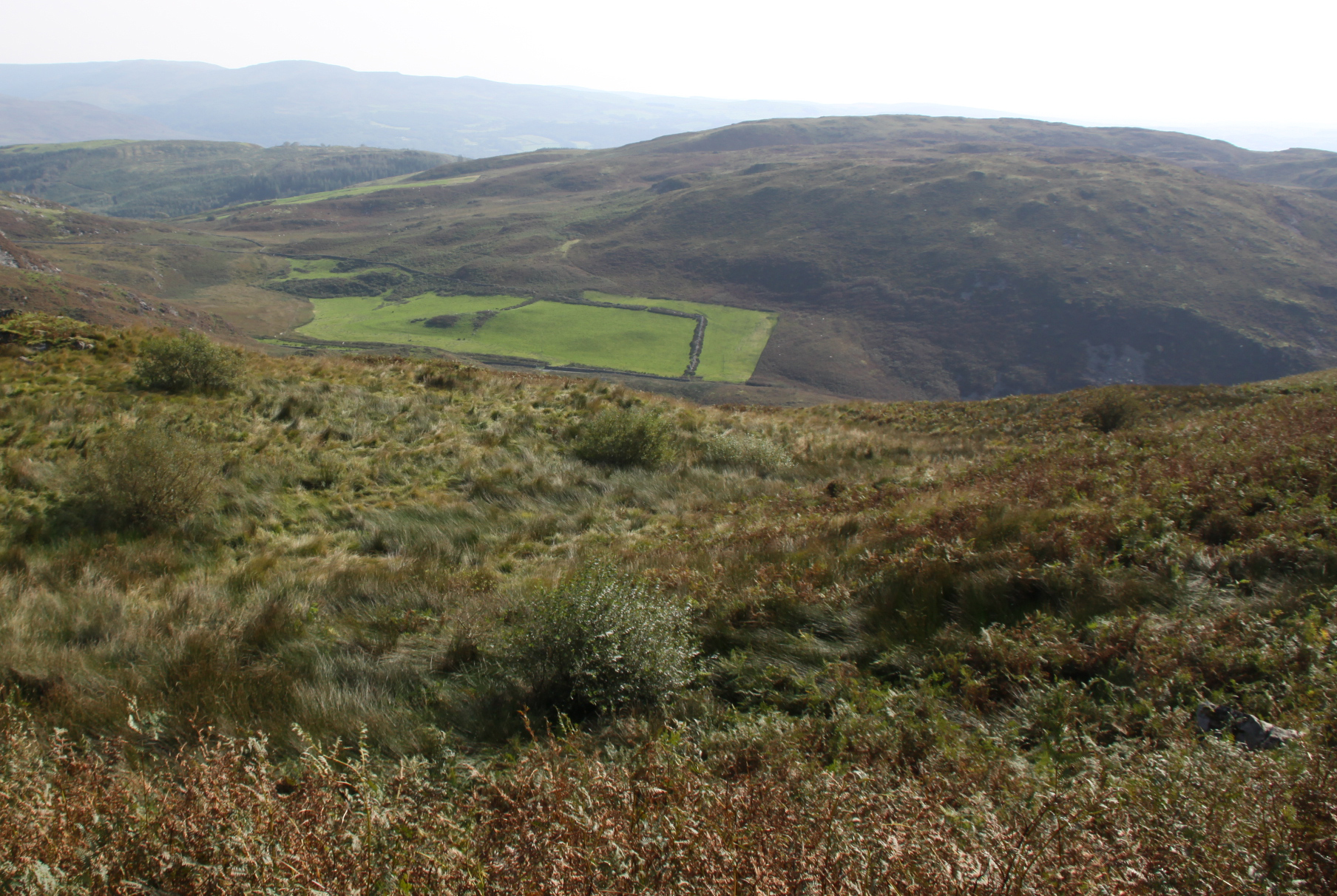
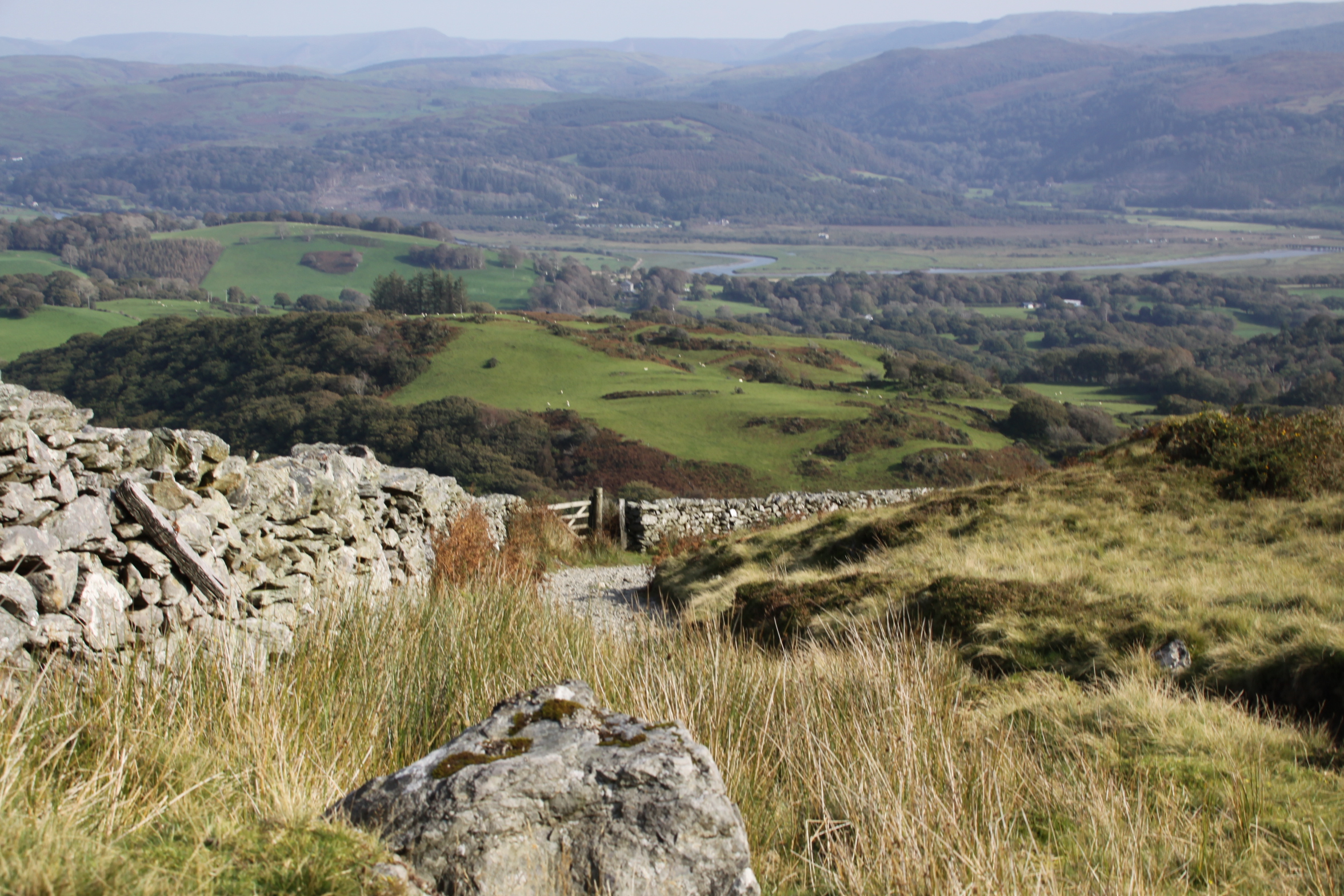
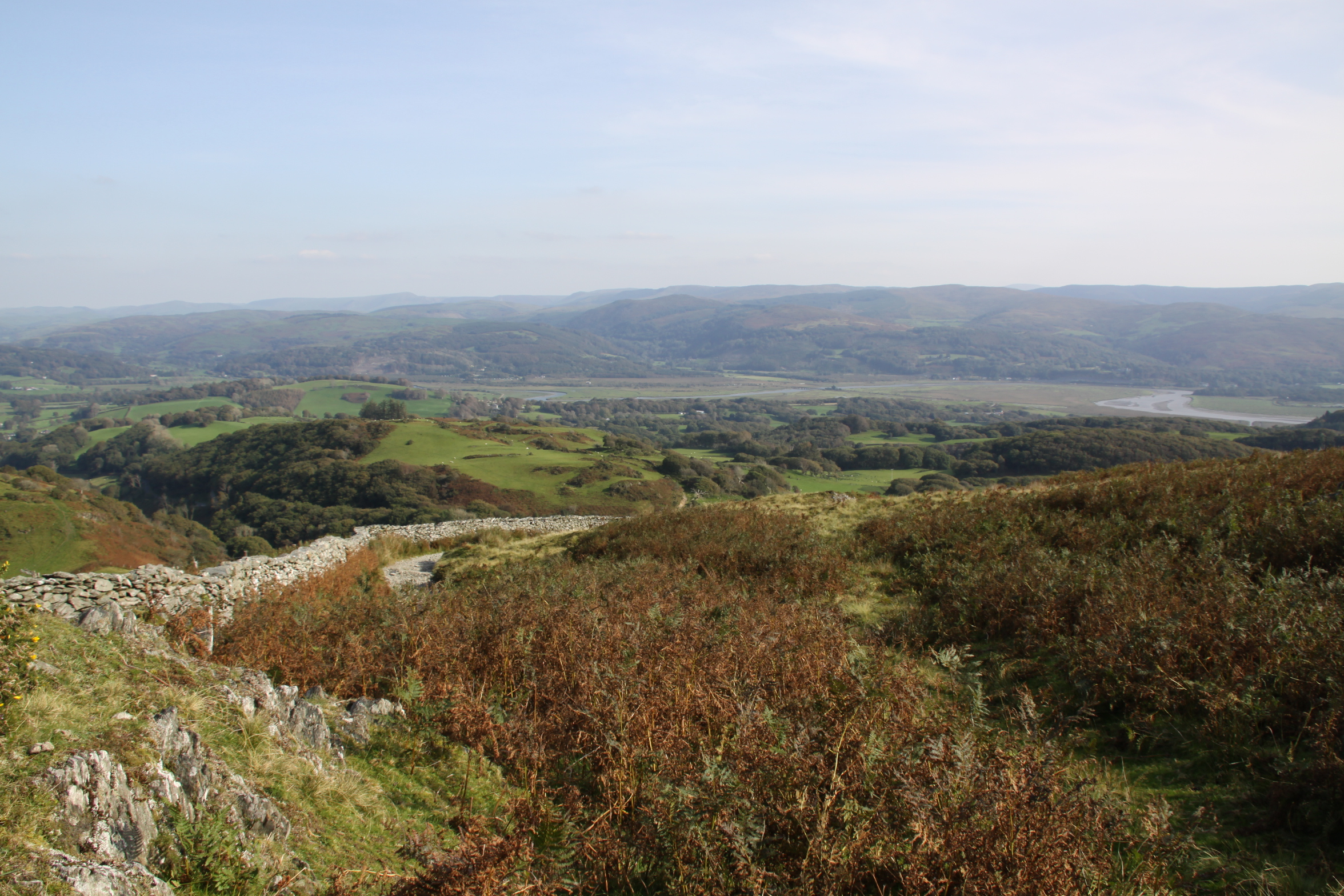
If you find a dryish day in amongst the November downpours, or just want to keep a few walks in mind for summer, this is a good one.  Plus, you get two who Iron Age hillforts for the price of one, which can’t be bad 🙂  I haven’t done this for years, and cannot find the photos, but if this is a terrific walk, not at all strenuous, in spite of the stunning views that you are rewarded with over Cader Idris, the Mawddach valley and estuary, and the surrounding hills.  Incorporated into the walk is also a lovely lake, actually a reservoir for supplying water to Dolgellau, at the foot of the hill on the carpark side.  Updated info is below the leaftlet, plus a little bit about the hillforts.  You can also download the PDF here.

For those who are using GPS, I’ve noted the postcode on the leaflet above (LL40 2NG).  There’s a good sized carpark.

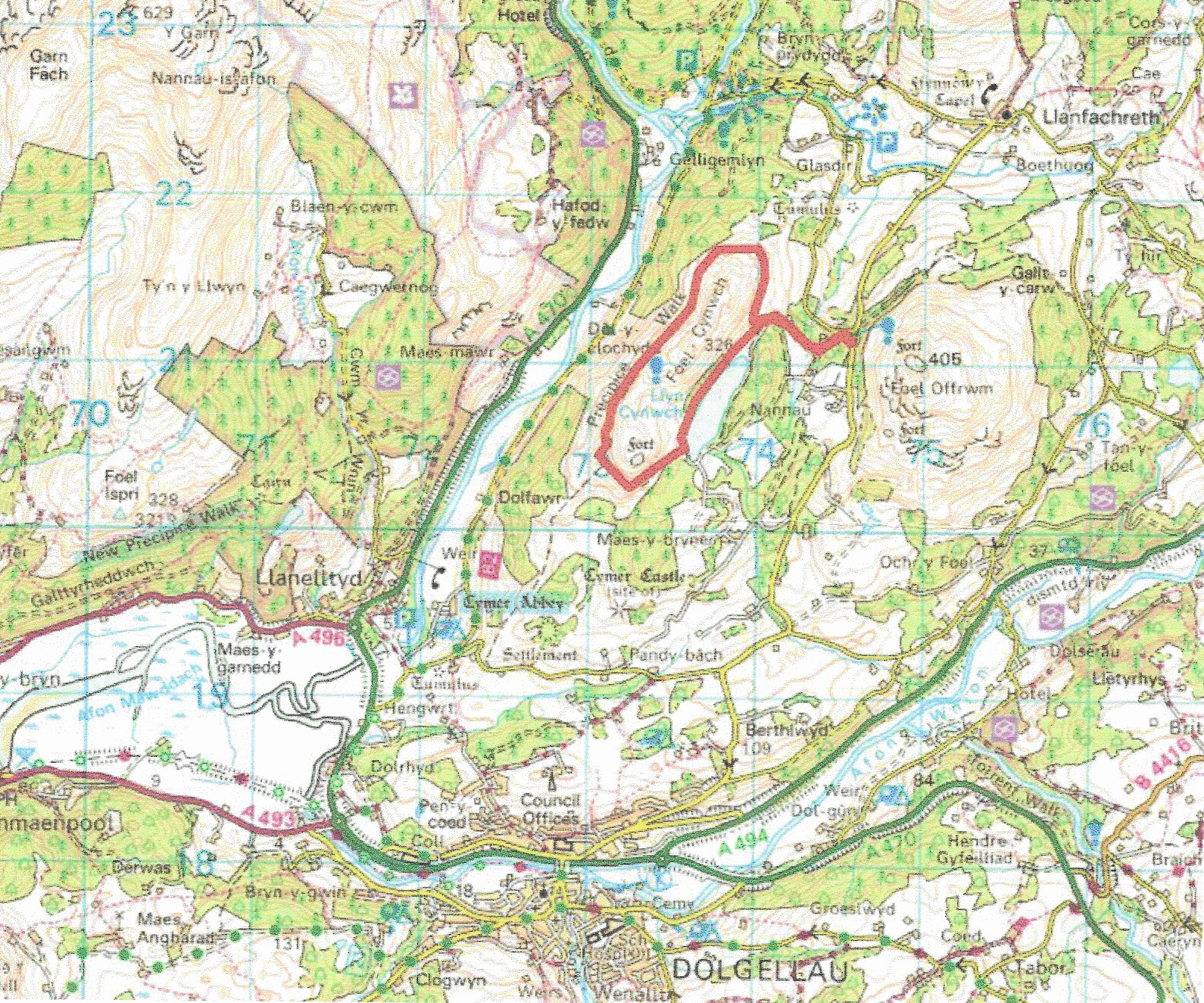
Ordnance Survey map showing the Precipice Walk

The walk is on private land, so access is at the courtesy of the Nannau Estate, which allows public access via the marked footpaths.  It is a very easy route to follow with easy gradients, mostly level once you get to the main walk, and the route around the hill is a circular one, as the name implies.  It is quite narrow and not recommended for anyone with vertigo.  The return leg takes walkers along the reservoir, Llyn Cynwch.   It takes about an hour an a bit, on average.

The Foel Faner hillfort on the Precipice Walk requires a small diversion from the main route, also accessible via a footpath, and well marked (marked as “camp” on the above leaflet).  This also provides some more great views.  The hillfort is an irregular oval and has a single line of defenses, quite substantially built and easy to identify (unlike some hillforts in Gwynedd).  The entrance is at the northeast, about 12ft wide, and has an additional bank to protect it.  It has very few natural defense, and the main advantage of the hillfort’s position is the visibility over a very wide area.

The second hillfort is on the hill opposite the precipice walk, so you can use the same car park and head over the road and follow a gentle footpath that runs along the base of the hill, Foel Offrwm.  When you reach a wall, turn right and follow it for about half a mile, which takes you to the entrance of the hillfort, but between where the wall ends and the hillfort begins is a steep stretch of open hillside, a much more ambitious walk than the Precipice Walk.  Unlike Foel Faner, the location is strategically good, and the views are probably even better.  There is a single line of drystone defence that is reinforced with an additional line of defence to the southeast.  There is a single in-turned entrance to the east.  Well worth a visit.


Leaflet: The Submerged Forest at Borth

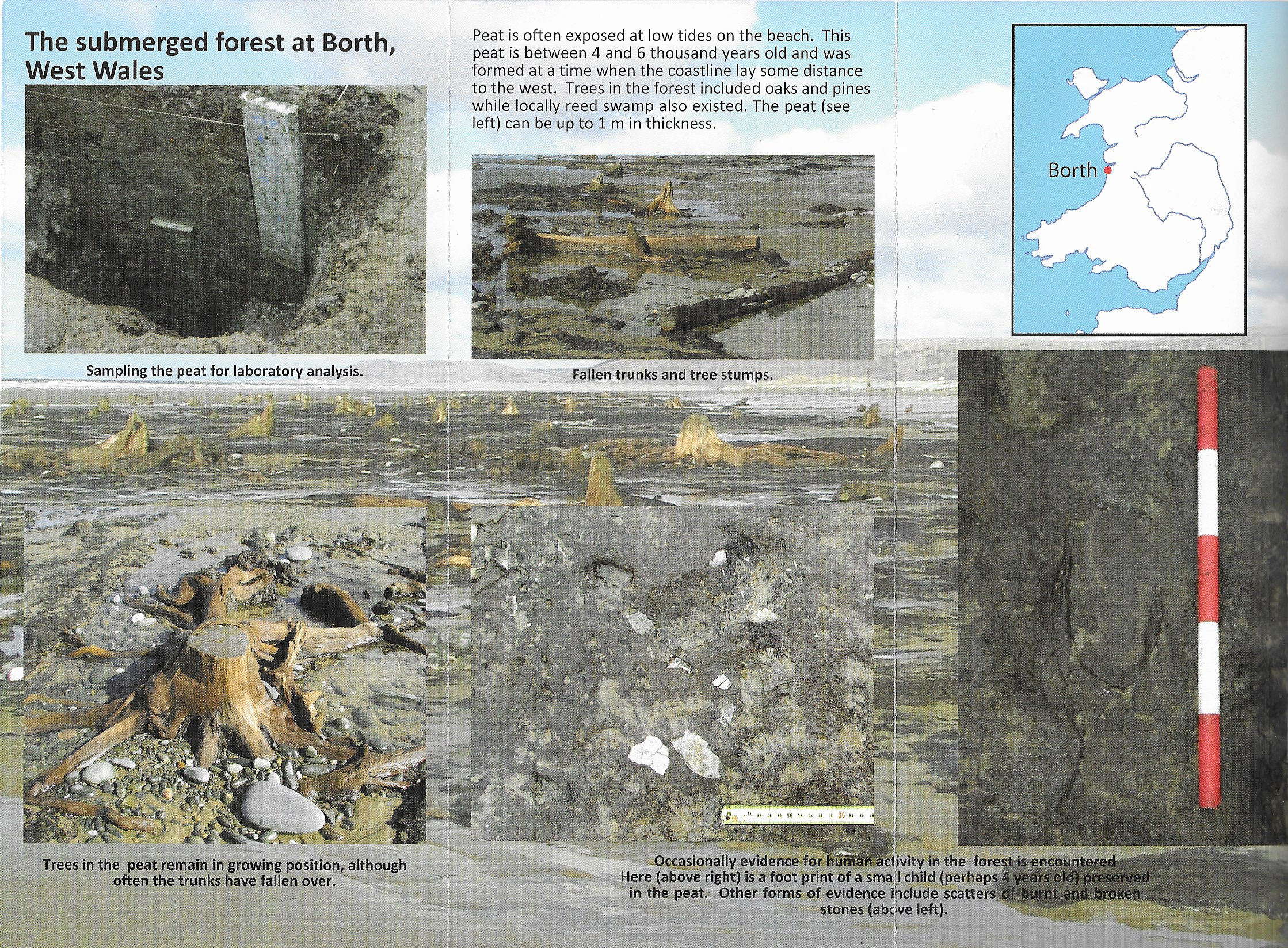
I found another batch of leaflets today during a sort-out, and will post some of them in the coming weeks in case they are of interest.  I’ve never seen the submerged forest at Borth, which needs a very low tide to see it properly, but it’s now firmly on my radar.  As well as previewing the leaflet in the images below, you can download it as a PDF by clicking here:  Submerged forest leaflet

An autumn visitor: A sleepy toad attempting to hibernate on my patio

I keep some plants in a gravel tray on my patio, mainly herbs, and during an autumn sort-out, which involved moving the plants out of the gravel tray so that I could clean it, I disturbed this common toad (Bufo bufo), which was presumably looking for an undisturbed corner in which to settle down for an undisturbed hibernation.  Sadly he/she chose quite the wrong place for a winter stop-over.  It was completely unfazed by being exposed, and sat almost motionless.  In fact, at first I was by no means sure it was alive.  I left it alone, and eventually it moved a few limbs, and later on had vanished from view.

Although this individual is grey, they can be any good camouflage colours, including brown, olive green and sandy-coloured.  Although they mate in or by water, they move away from aquatic environments, making their homes in woodland and similar shady environments where they prefer damp log and leaf piles.  They make shallow burrows from which they forage at night for insects, spiders, centipedes, slugs, worms and ants etc, catching them on long, sticky tongues.  This diet makes them very friendly to gardeners, and a toad is always a welcome resident.  They return to the pond in which they were spawned to mate.  Eggs are laid in long strings, which can be distinguished from frog spawn which are laid in clumps.

Hopefully it relocated to somewhere in the garden, where there are plenty of nice damp nooks and crannies for a nice quiet hibernation.  I must say, on colder, windier and rainier days, the idea of going to bed for the winter doesn’t seem like an absolutely terrible lifestyle choice 🙂


A gloomy day alleviated by finding and cooking a delicious parasol mushroom

Well the news today is first that in Wales we are going back into lockdown for a 17-day “firebreak” period from Friday 23rd October until Monday 9th November.  Second, according to the NHS Covid app loaded on my phone, the LL35 postcode (Aberdovey) is now a High Risk area for Covid.  Not terribly surprising, though, after the summer influx.  Hey ho.

After a tedious few hours doing paperwork and filing I had to go to the Post Office this afternoon, so even though it was grey and dull, I took in a brief stroll along the golf course, sand dunes and walked back along the beach.
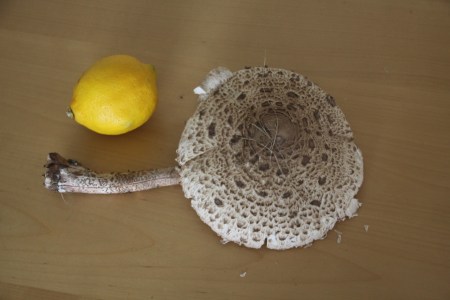
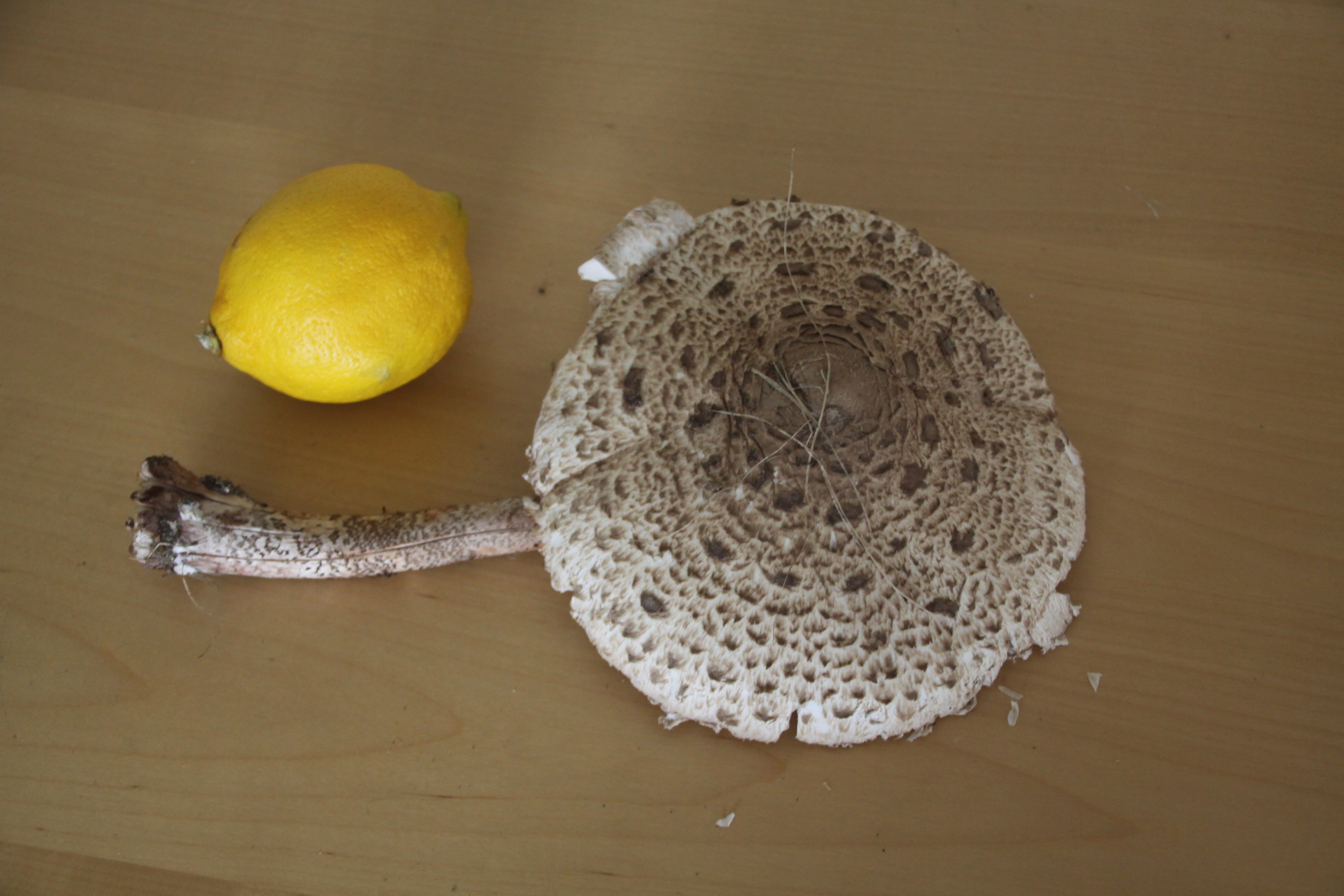
On the golf course I was hoping for some wild mushrooms, and just as I had given up, and was about to walk over the dunes to the beach, I spotted a single parasol (Macrolepiota procera) in the tall grass where the sand dunes meet the golf course.  A beauty, and a real result.  It was so perfect that it was almost a shame to eat it, but eat it I did.

Normally I would just have it in butter, garlic and parsley, but I had already planned a Hungarian chicken and mushroom dish for the evening, Paprikás Csirke (paprika chicken), so instead of shop-bought field mushrooms the parasol was deployed.  There are many different ways of doing Paprikás Csirke, but I simply do it the way my Mum did it, which is a very simple, quick recipe that produces a super meal that is full of flavour.

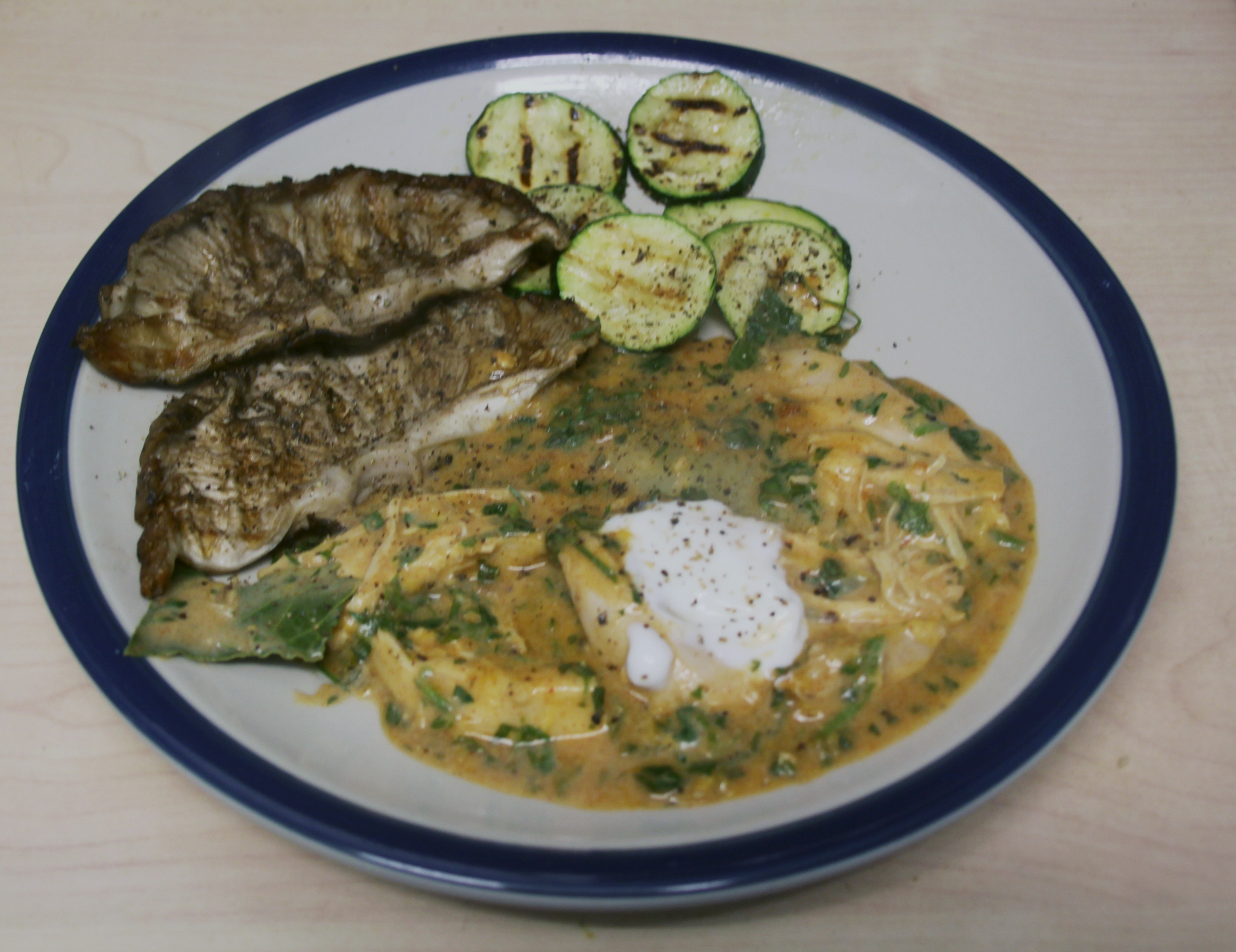
In the recipe, button mushrooms are added to the sauce as described below.  In the picture, however, what look like two pieces of steak are the two halves of my parasol mushroom top, served on the side of the chicken in the paprika and sour cream sauce, alongside griddled courgette discs.
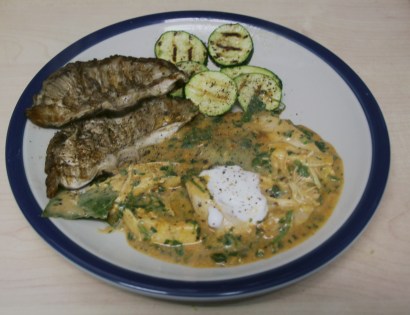
Paprikás Csirke. Instead of adding button mushrooms with the chicken to the sauce, a giant parasol mushroom was halved and served on the side with courgette discs.

First, depending on how many people you are feeding, use a a whole chicken that has been jointed, one or more chicken joints, breasts or thighs.  Whatever you choose, this is poached with a bay leaf, sliced onion, lemon zest and peppercorns.  I also added the stalk of the parasol, because although it has flavour, it is too woody to eat.  The poaching stock is reserved, because it is used to make the sauce.

The mushrooms are tossed in butter before setting on one side.  The sauce is made by adding flour and paprika (and optional cayenne pepper) to the mushroom juices  – add some more butter if necessary to soak of the flour.  Slowly add the required amount of strained poaching liquid, stirring constantly, to make a light velouté.  Keep stirring until it is thick enough to coat the back of a spoon.  The chicken and button mushrooms and some lemon zest are then added to the sauce (mine differed because instead of many smaller mushrooms I divided my one large mushroom into two and served them on the side), and everything is simmered til warmed through.  Sour cream is then added and stirred in and heated through for a minute or so with a good handful of chopped parsley.  If you cannot get hold of sour cream, any cream will do as a substitute although the slight sharpness of crème fraîche or Greek yoghurt are a good match.

To serve, place a dollop of the cream on top of each serving, give it a good grind of black pepper and sea salt.  I also like a good squeeze of lemon juice over the whole.  It is good accompanied with plain white rice, noodles or your preferred veg.  Ribbon or griddled courgettes go very well with this dish, and I opted for the latter.  Optional additions to make it go further are cooked baby new potatoes and/or small, butter-fried shallots thrown into the sauce before the cream is added.

A September sunshine swan-song before Autumn: walking across the hill, returning along the the beach

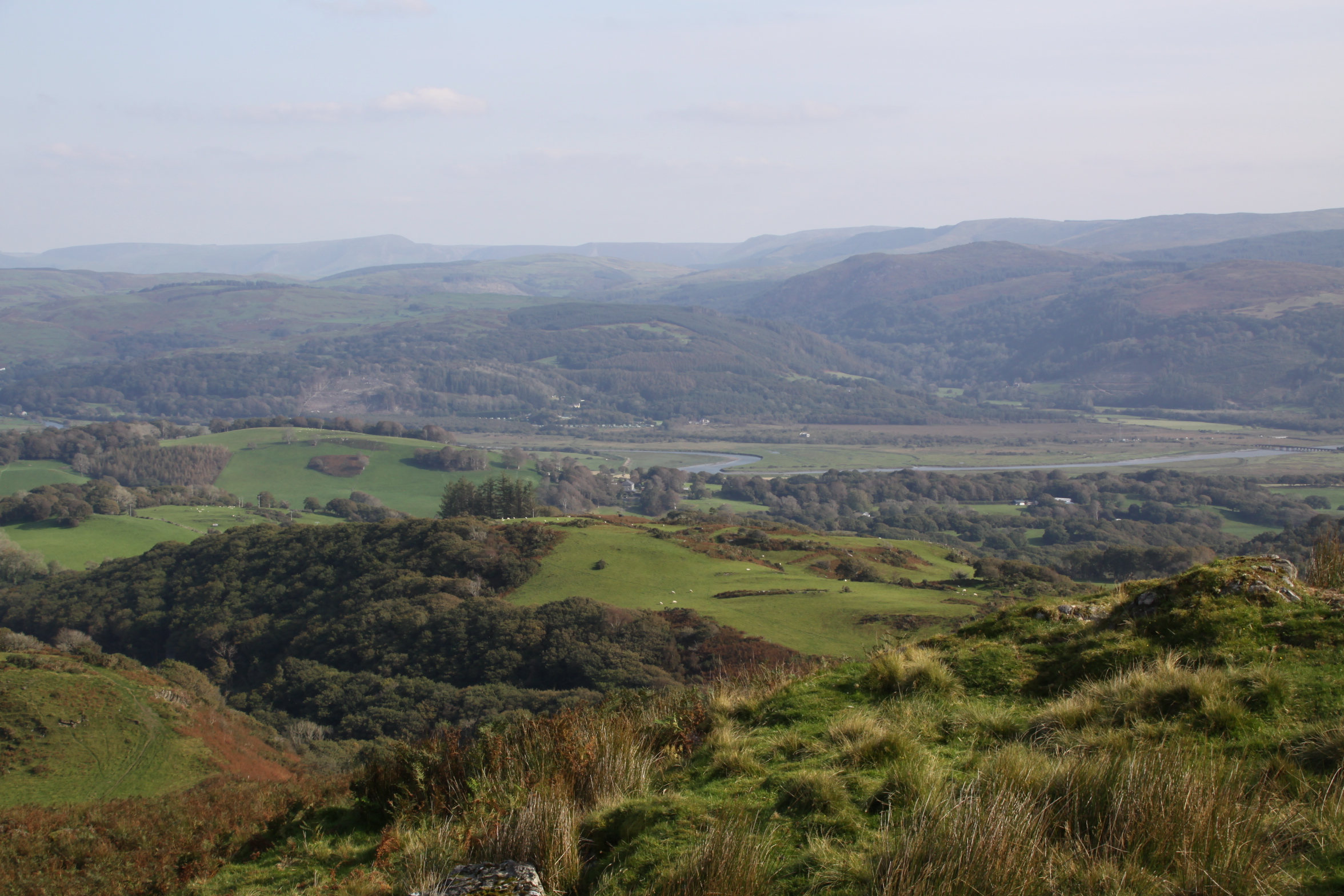
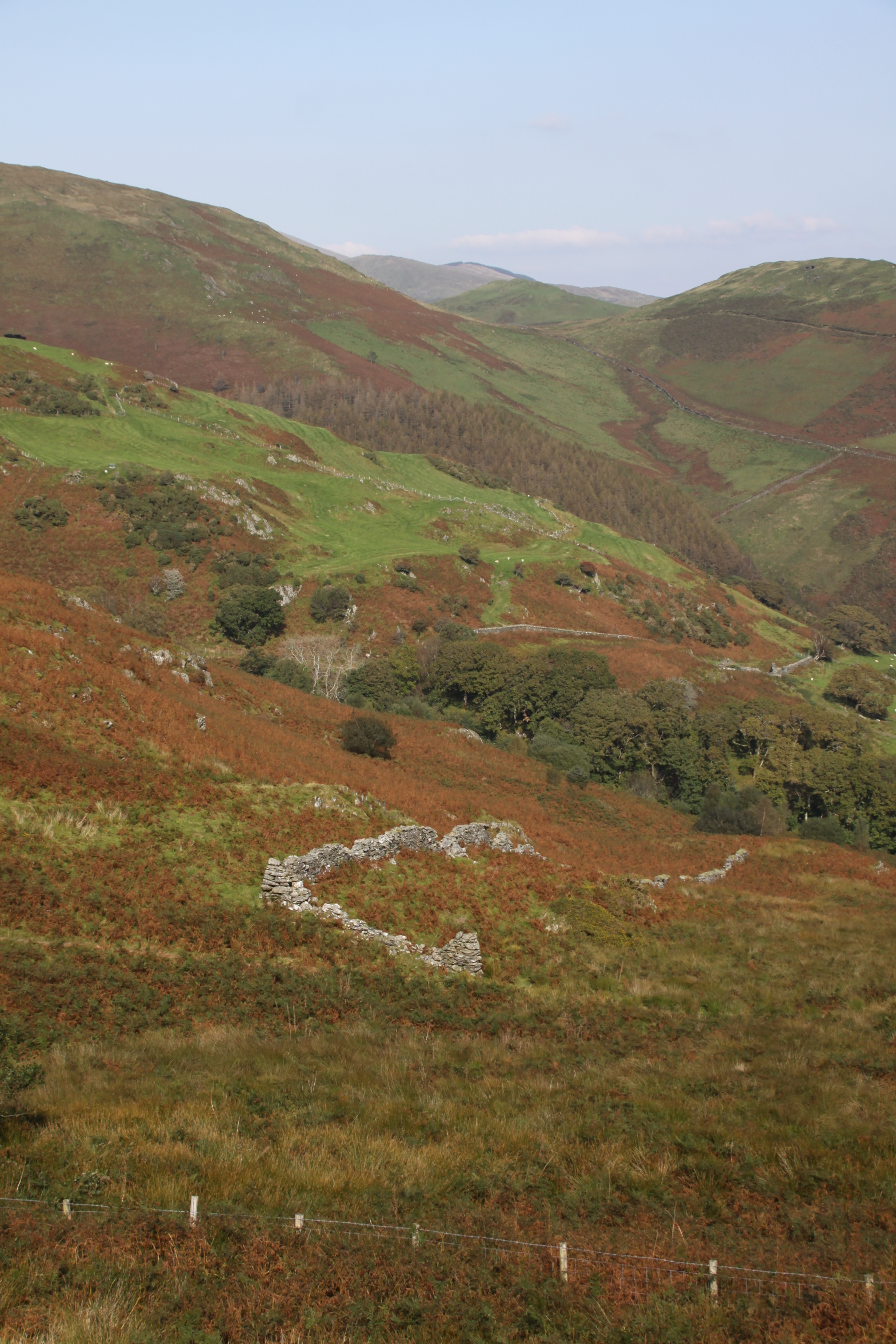
A nice walk over the hill and down the other side on the 25th September, through the Gywddgwion farm on the footpath, dropping down into a (mostly) dry stream bed that doubles up as a footpath in the summer, to collect some blackberries, emerging at Dyffryn Glyn Cul farm.  We strolled down the single track lane to the coast road, crossed over and headed towards the dunes, and from there down on to the beach.  This is my favourite bunch of beach photos to date.  There were a couple of nice days after this, but it was the last of my walking for the time being, as I had to get down to some work.  Adding the photos to this post rather belatedly on October 4th, the difference between those divine last days of September and the onset of October wind and rain is truly amazing.



A first-time walk from Happy Valley towards the Dysynni

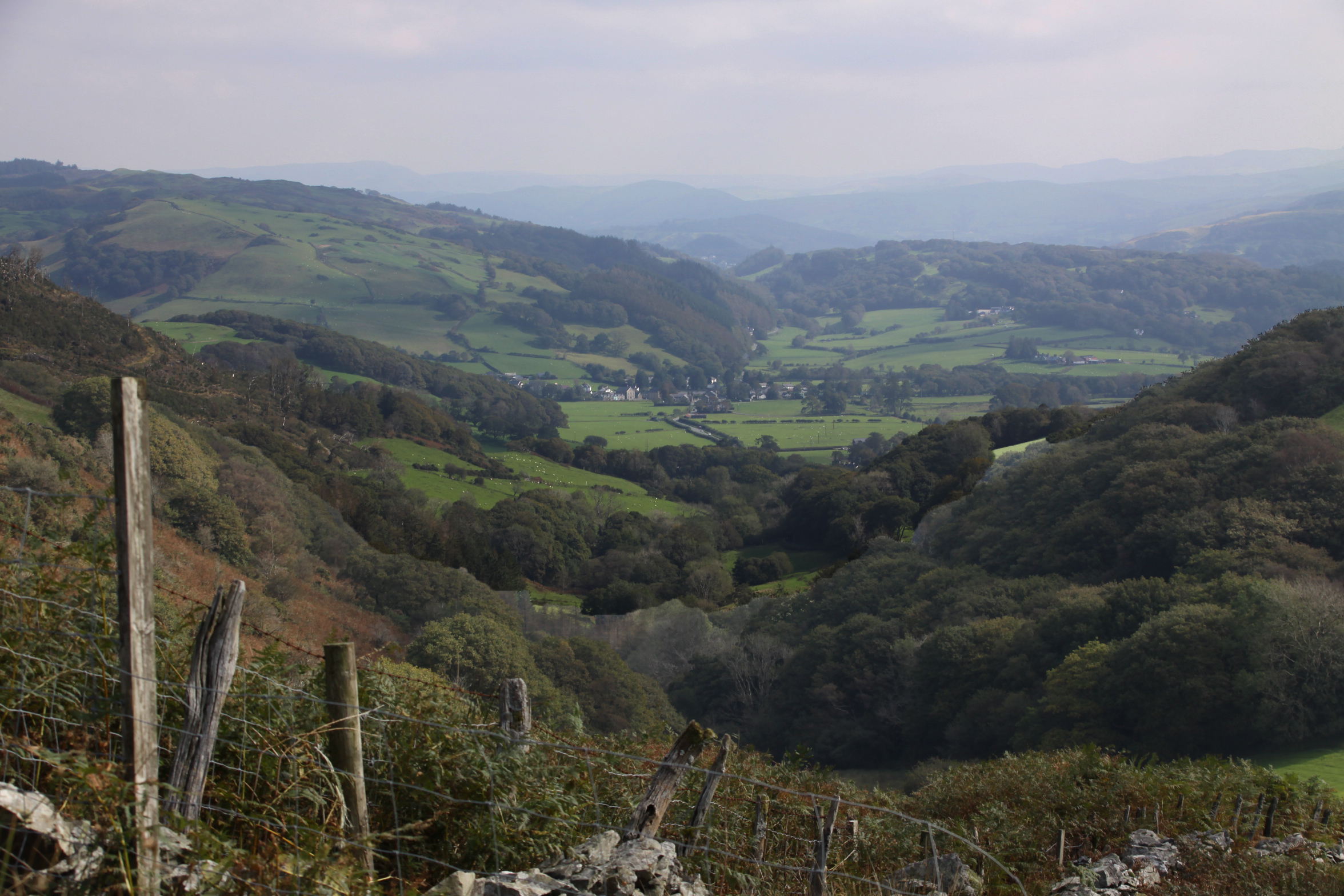
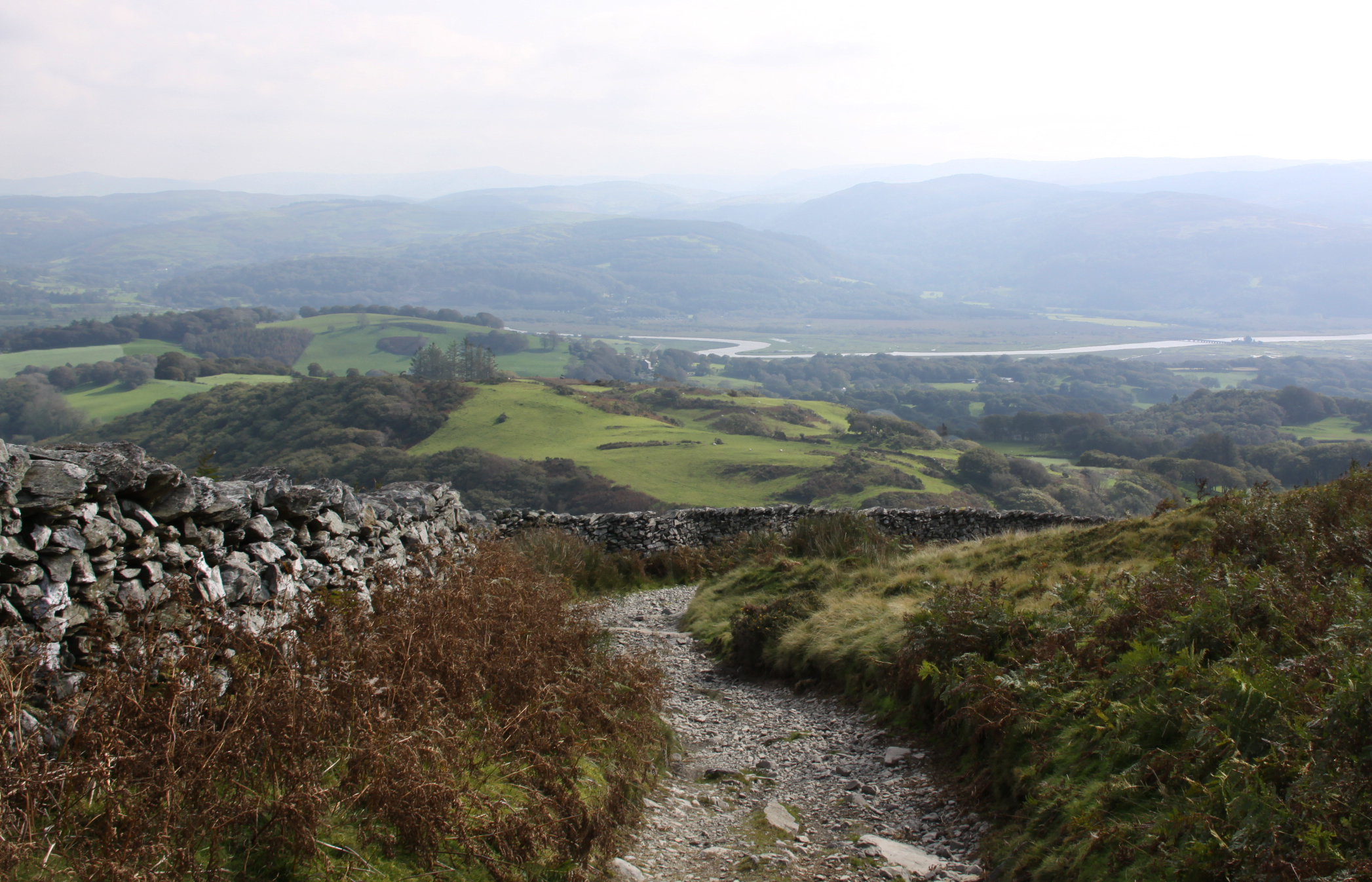
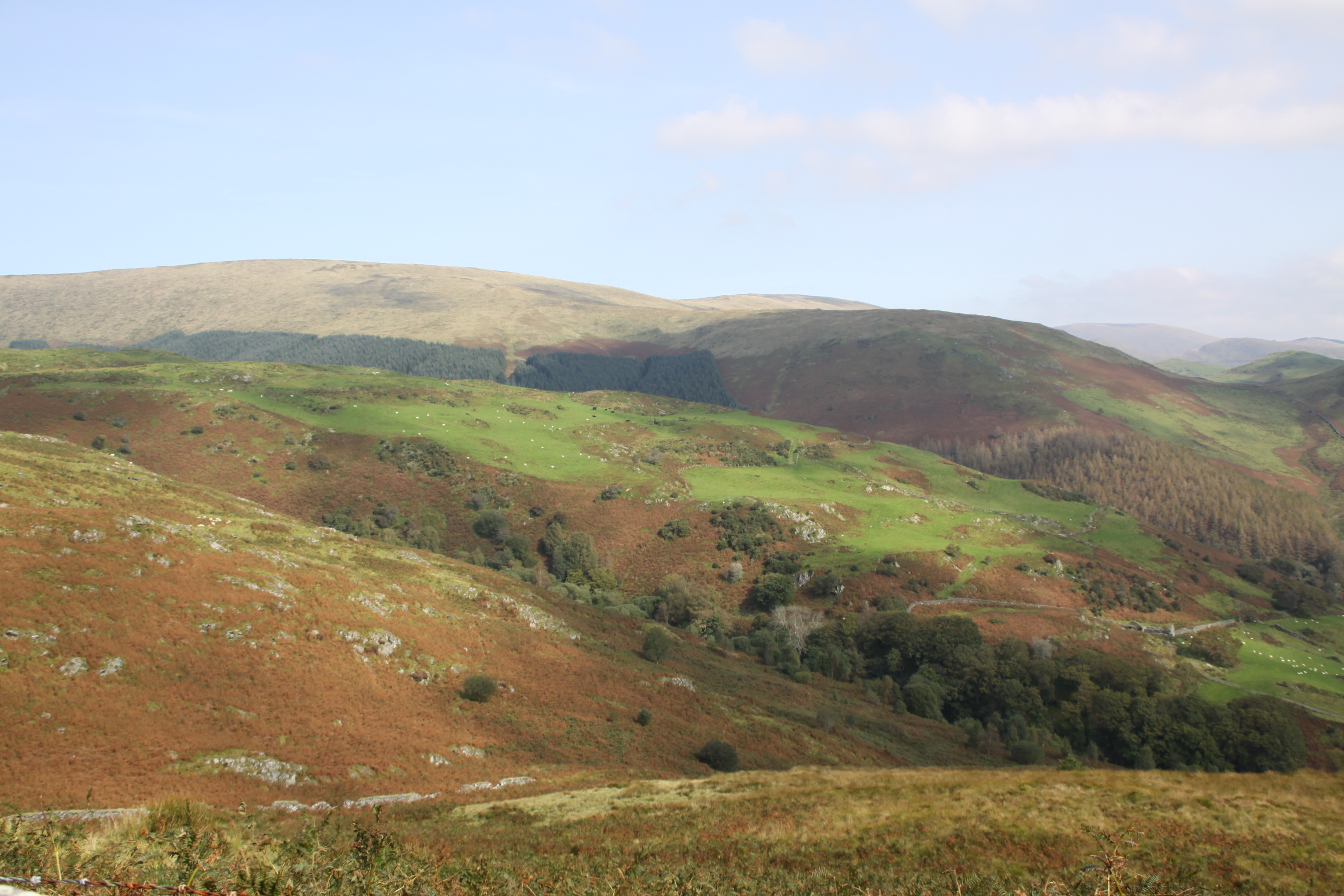
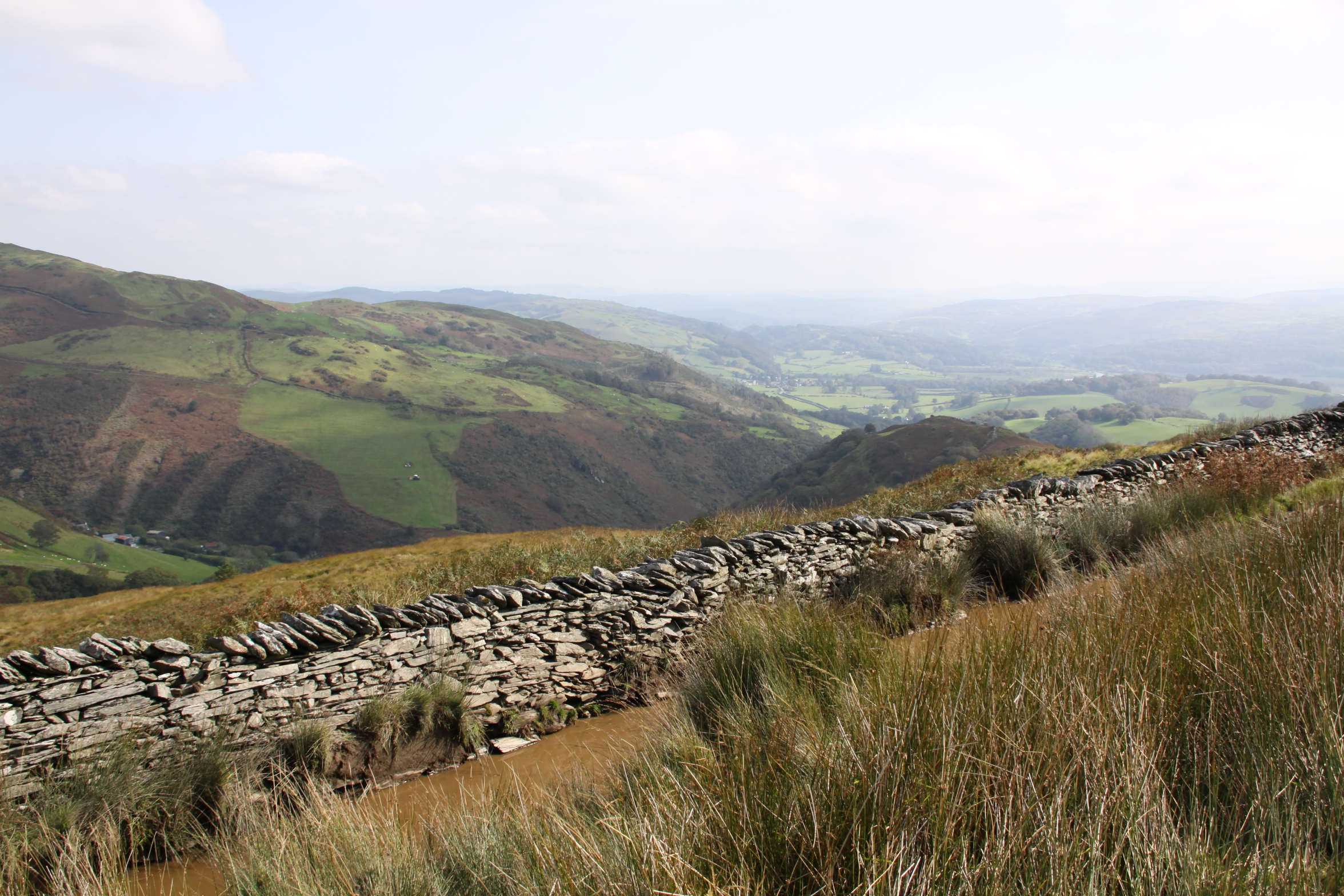
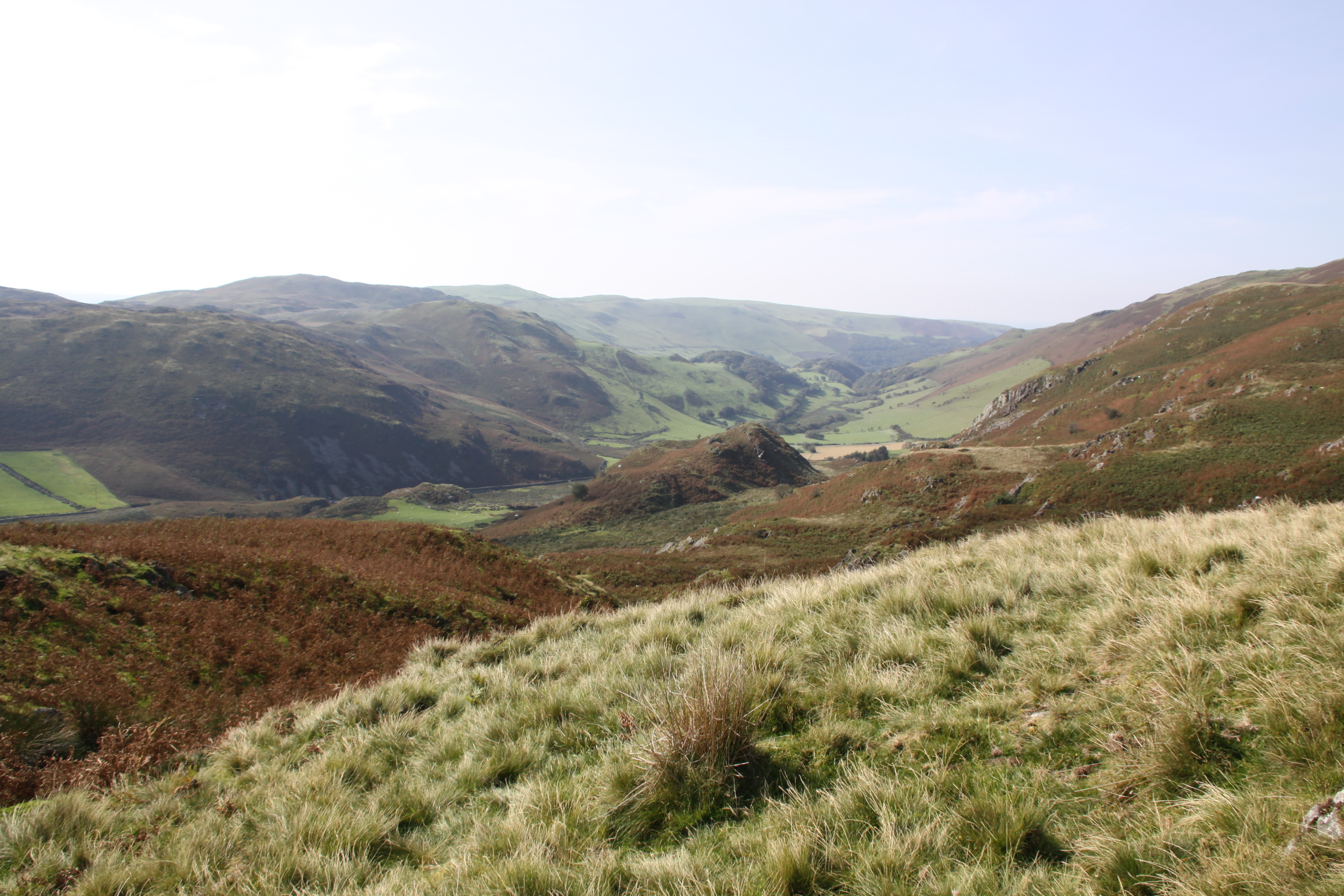
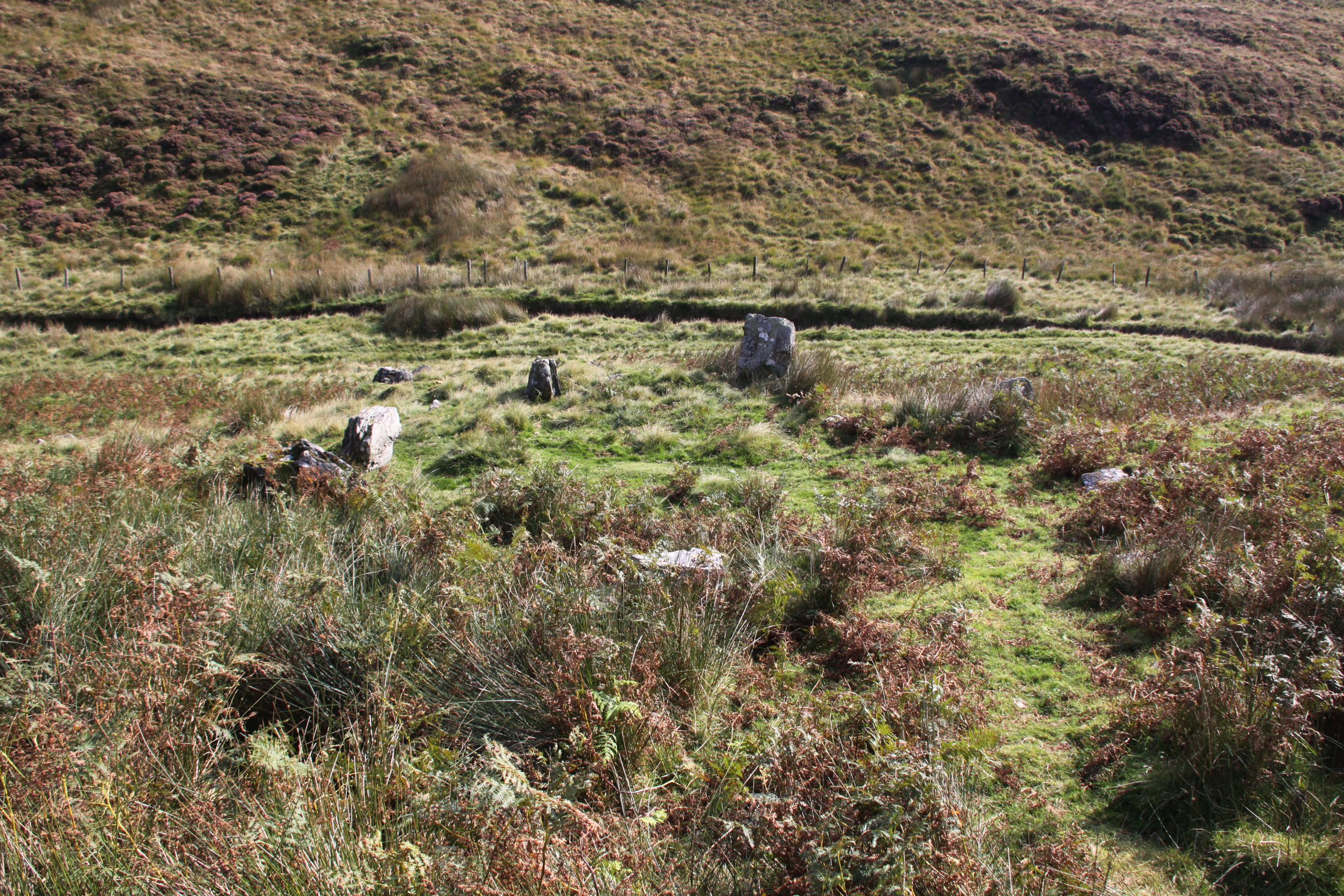
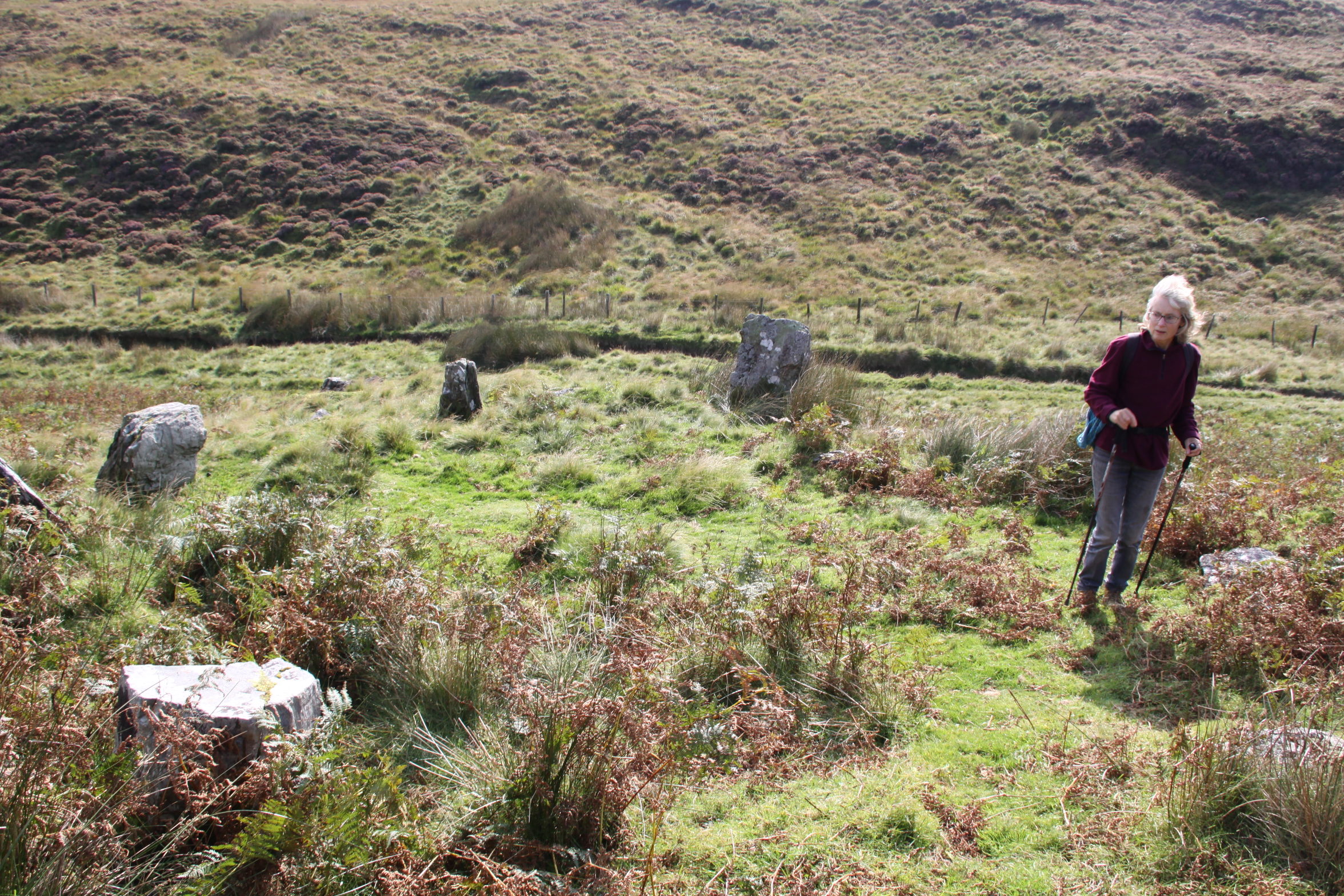
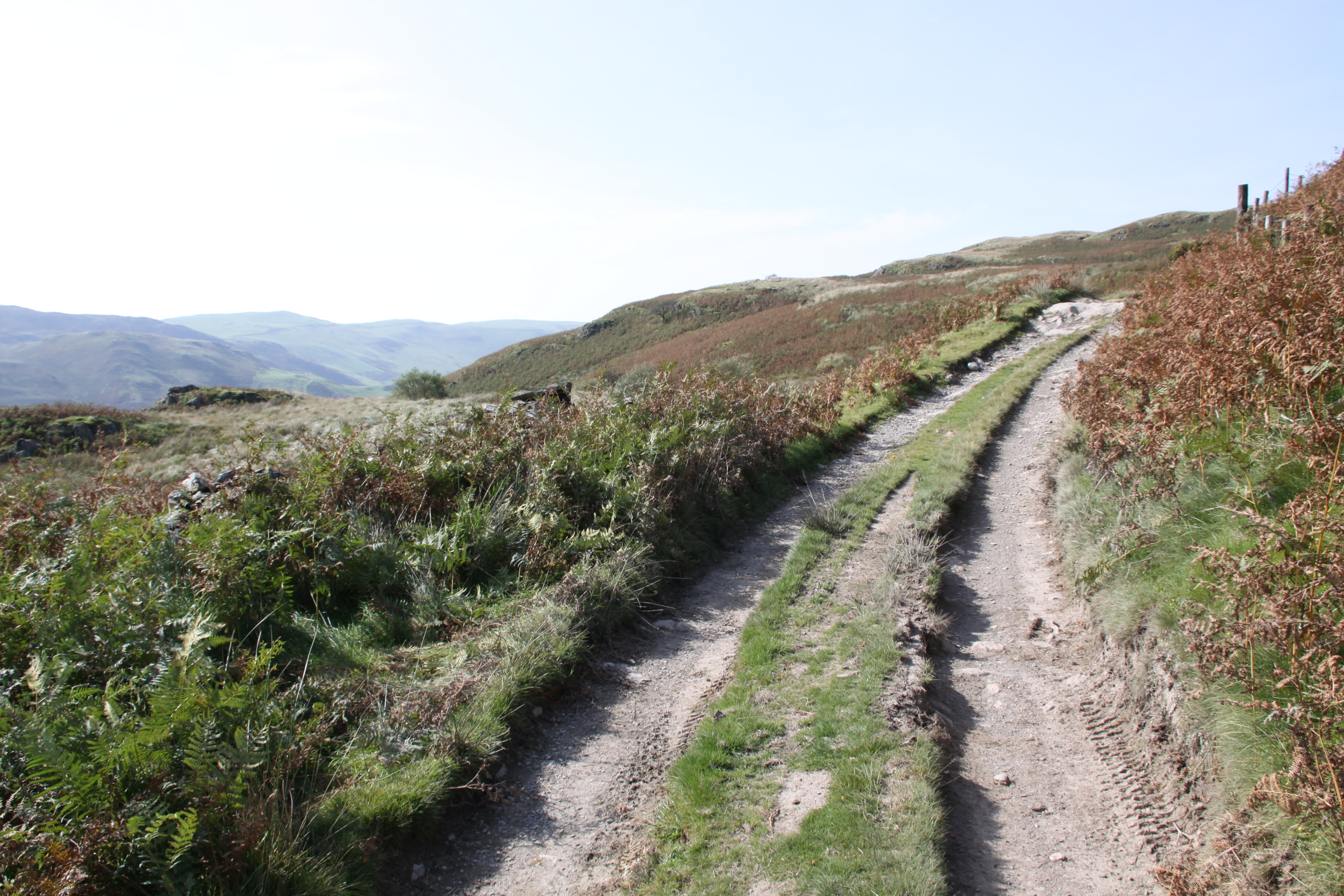
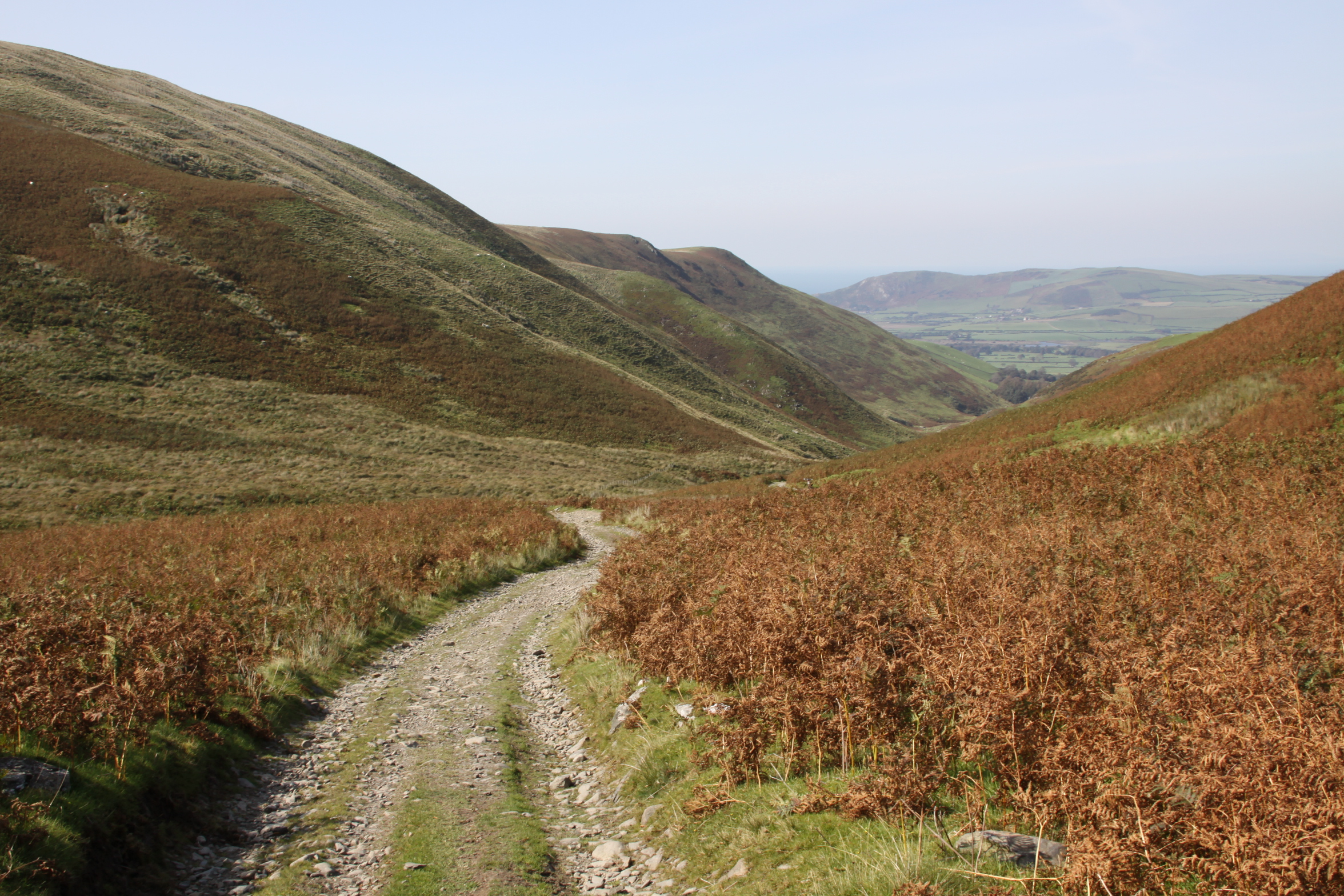
I hadn’t seen my friend Caroline for ages, so it was great to do one of our social distancing walks, and one that was new to me, taking in a tiny prehistoric stone circle.  The track is marked on the OS map as a “byway open to all traffic” and follows the line of the Nany Braich-y-rhiw stream, at a higher level.  The views were as spectacular as they always are when you get on to the higher ground in these parts, into the Dyfi valley at the start of the walk, into Happy Valley, and eventually, ahead into the Dysynni valley.  The track is very deep and carved out of the bedrock in places, just like the Aberdovey estuary’s “Roman Road,” which is actually thought to date to the 1820s.  We drove to the point of departure in separate cars, parking on verges, as it is a long hike to reach the start from Aberdovey, and then a long hike in its own right.  On this occasion it was a there-and-back walk rather than a circular one, but just as good because the views are different in each direction.  It was 19th September and the weather was in our favour.

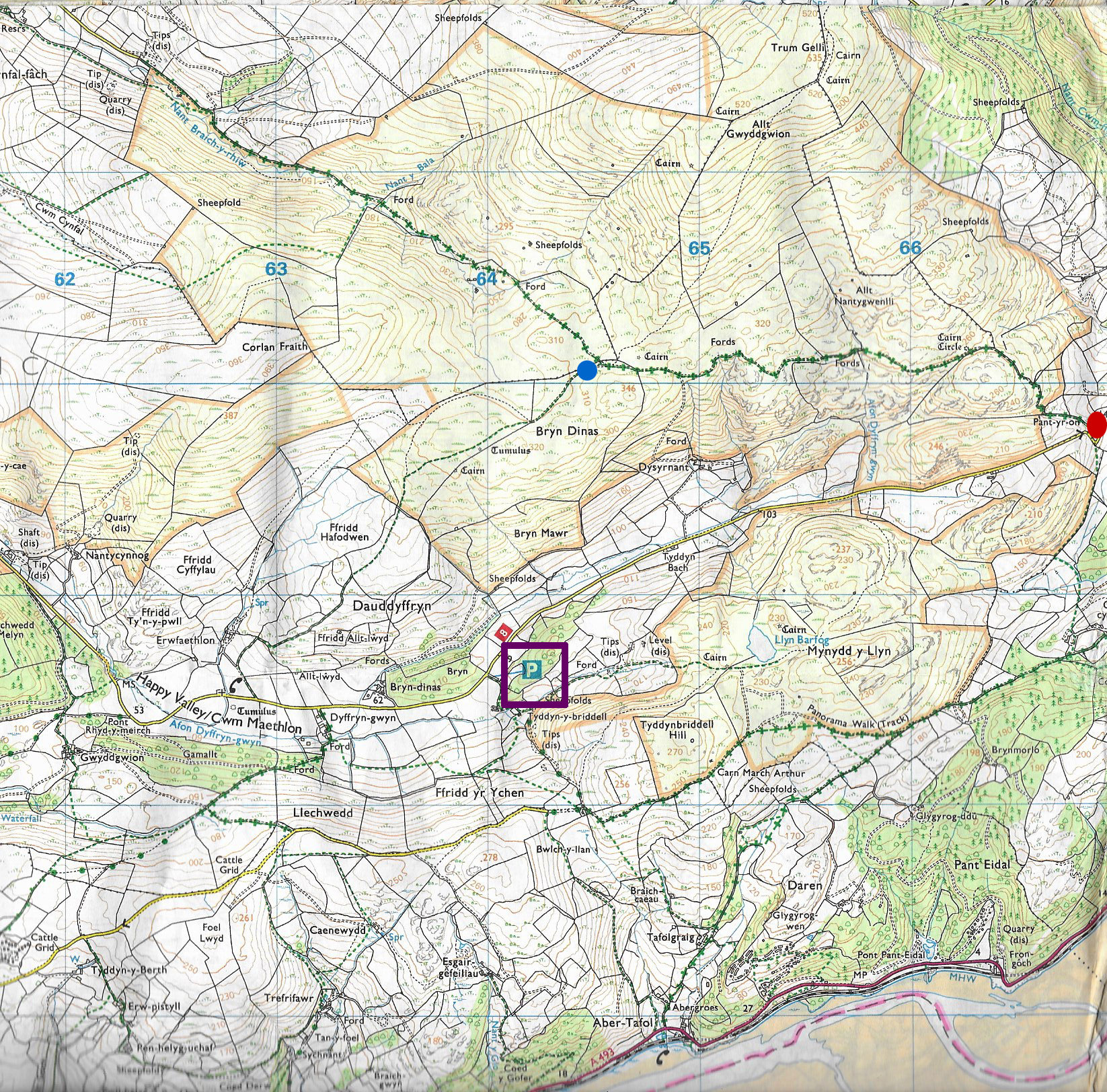
On the map below I’ve marked the starting point in red, and have put blue dot where another path descends into the valley, more or less opposite the Bearded Lake.  Although we carried on along the main track, you can make a lengthy circular walk if you take the path into Happy Valley, and it would probably be easiest to park in the official Happy Valley car park if you are going to do that (which also serves as the car park for those wanting to walk up to the Bearded Lake).

It’s an easy walk if you have good footwear, with a good track and no very steep gradients.  It should also be avoided in wet weather, or at least go in heavy duty footwear.  It had been very dry for the previous week, but we still ended up having to walk off the path in certain places as it was swamped with mud, and was often marshy either side of the path.  There were several points at which we had to ford fairly wide streams, two of which are marked on the map as fords. It was very windy even on a sunny day, so head gear would be a sensible precaution.  The only cloud on the horizon was that at weekends it is used by trial bikers, travelling at speed, with precious little care for any walkers who might be round the next corner.  Thanks to the noisy engines, you can hear them coming and get out of the way, but I recommend that you avoid walking there at weekends.

The stone circle is a little way along the path, up to the right, just a few seconds to reach it from the footpath.


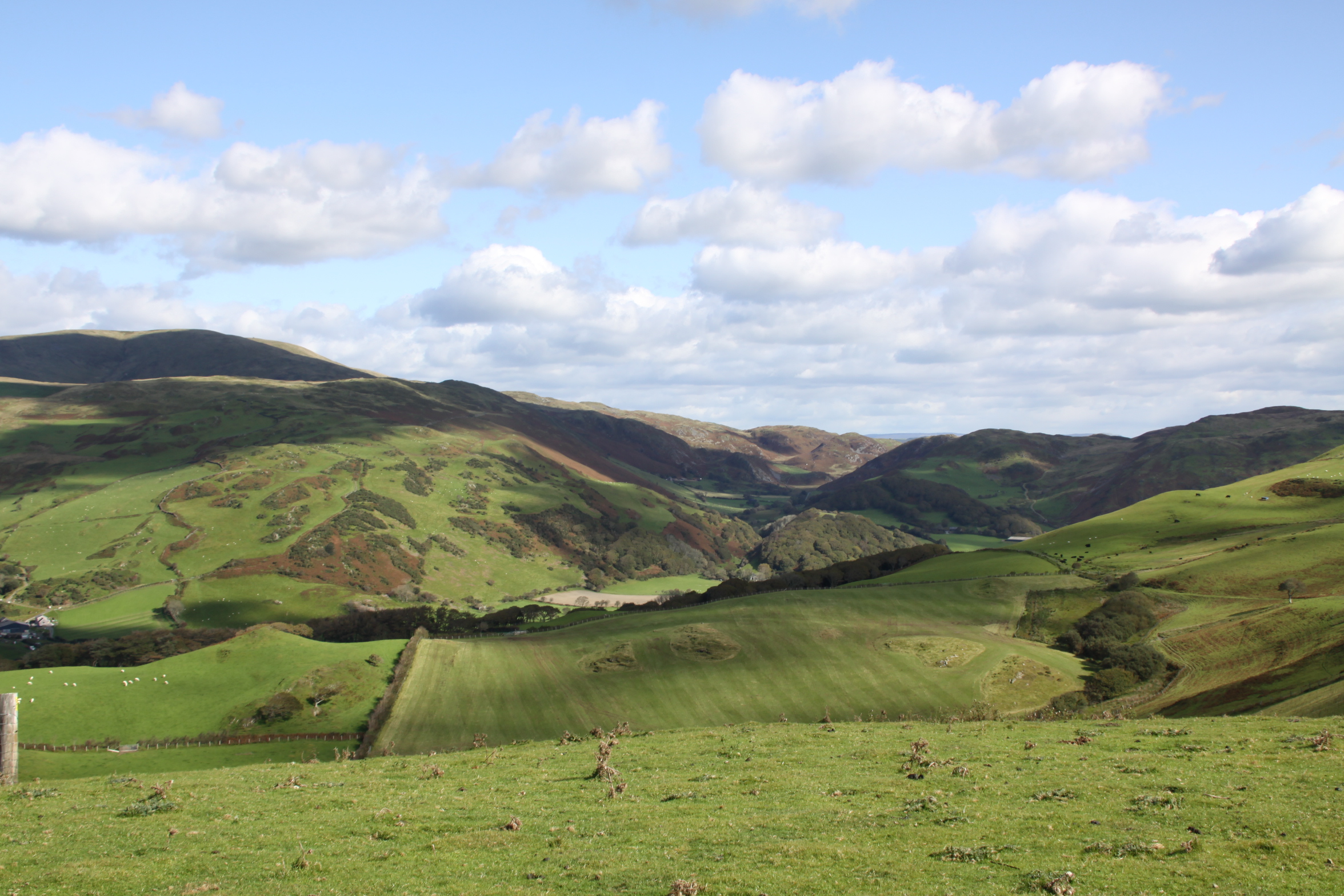
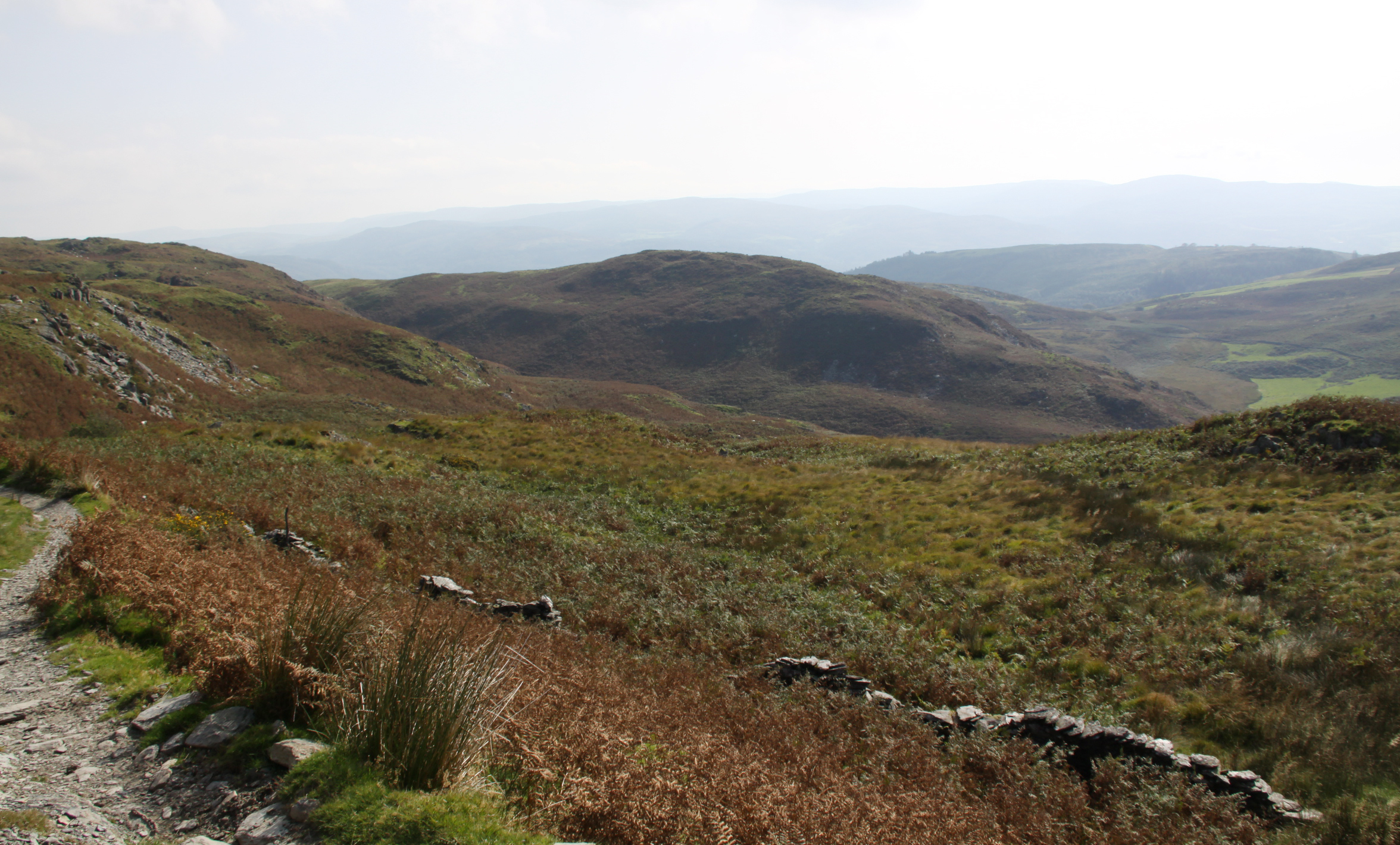
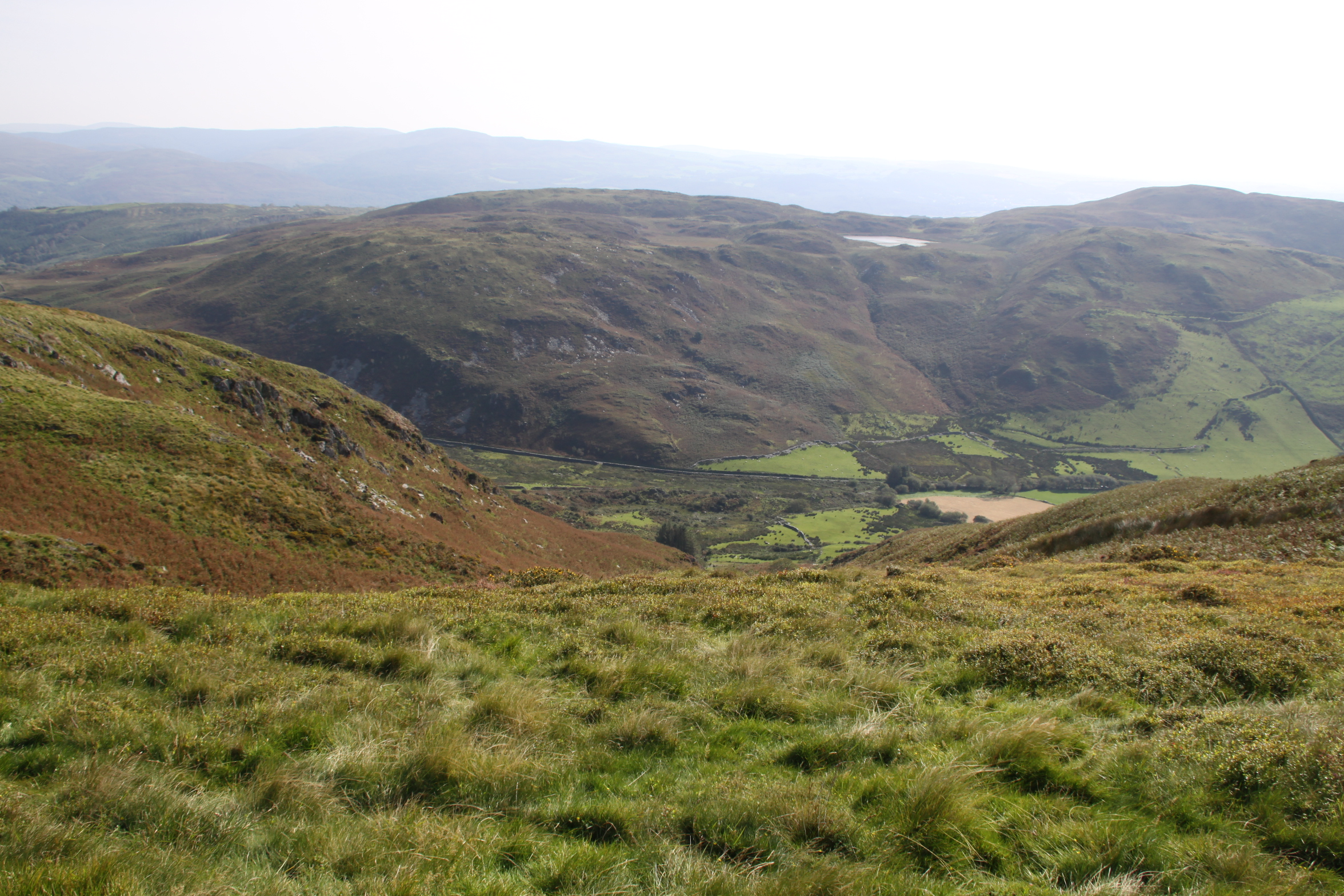
The walk offers beautiful views over Happy Valley and the hills beyond.

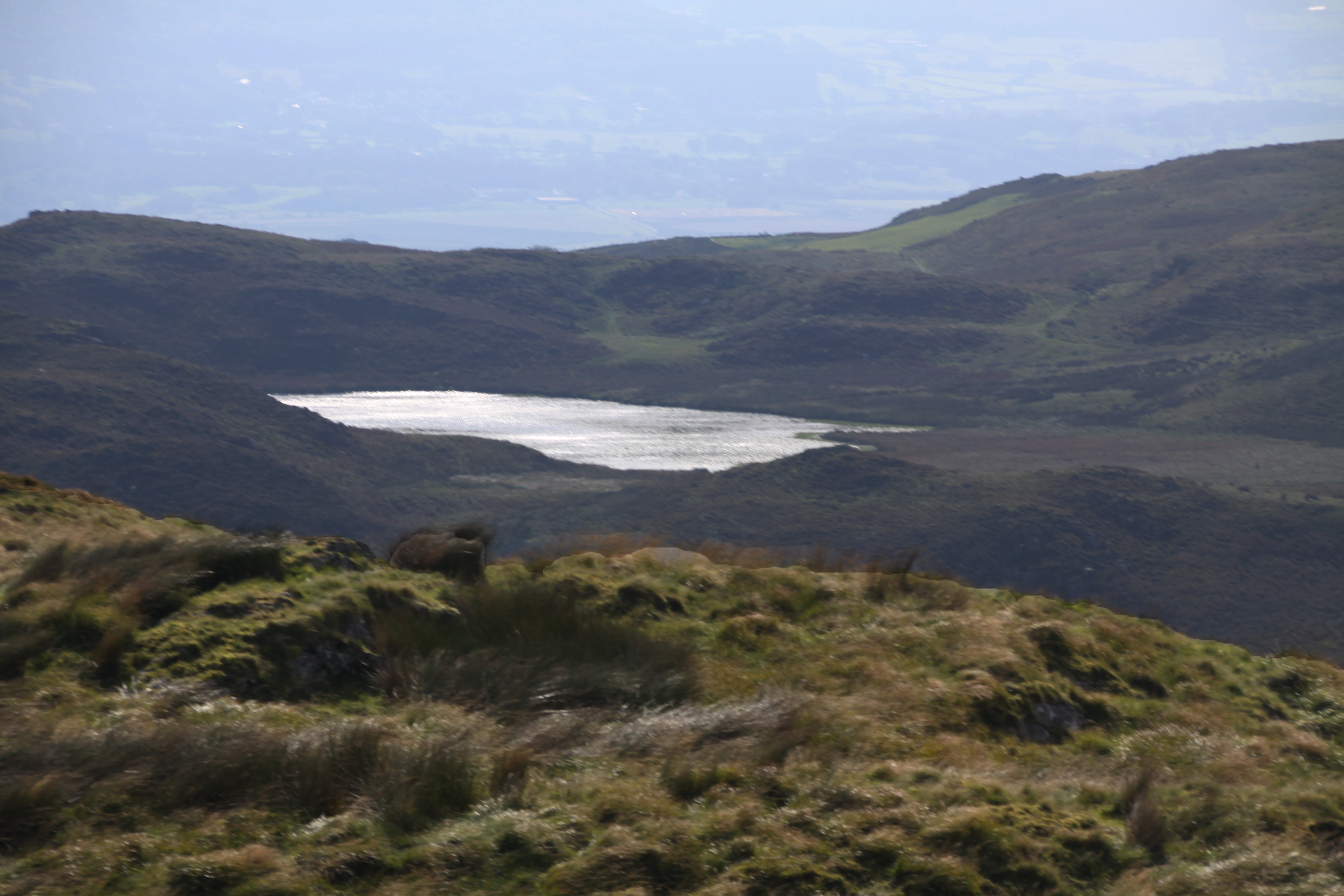
Watch out for the Bearded Lake on the other side of the valley to the left, on this occasion glistening in the sun like a silver mirror.  I’ve written about the legends associated with the lake on an earlier post.

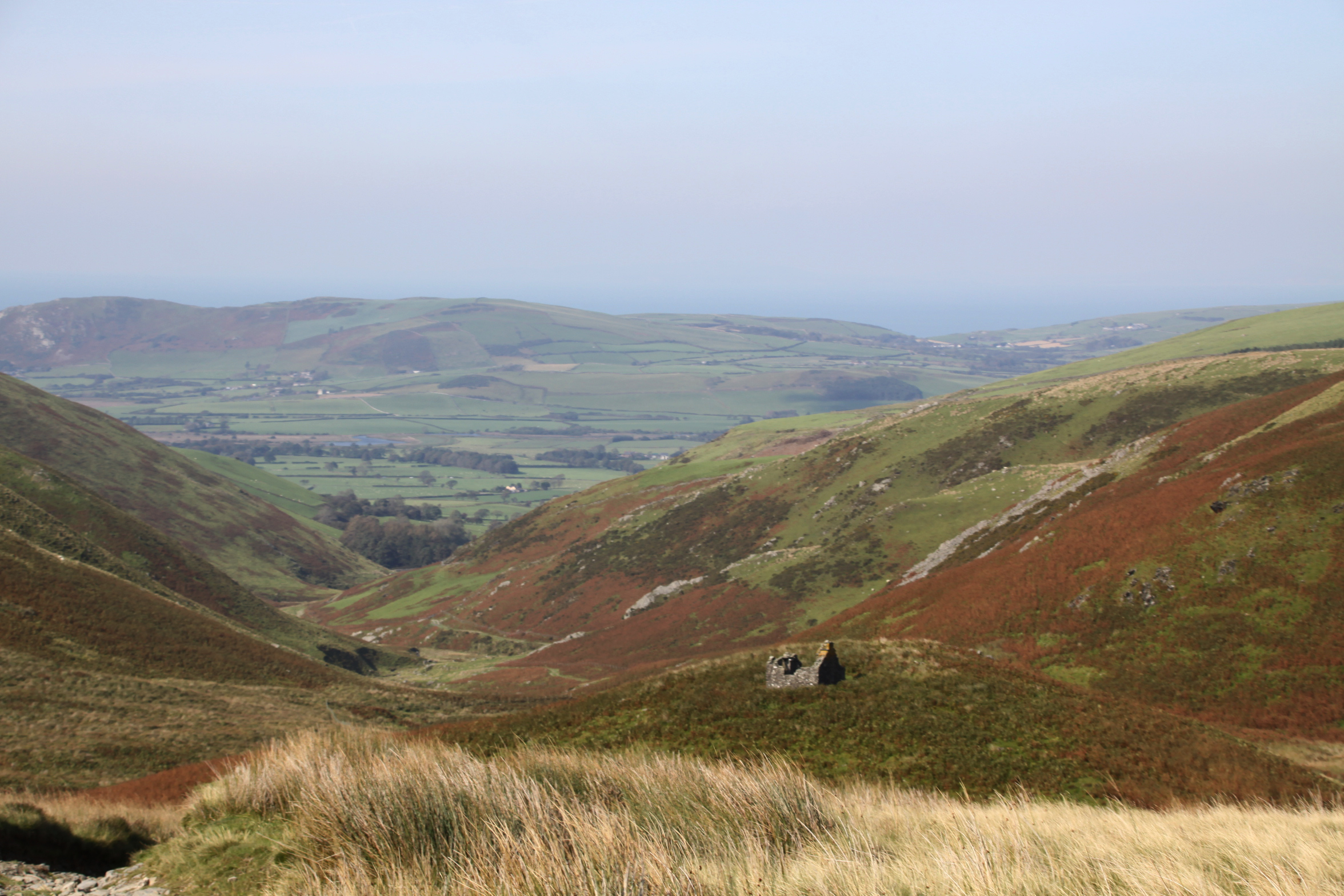
We walked past the footpath down into Happy Valley, which would have formed a circular walk, and headed instead for the views ahead, which offer an unexpected sight of the Dysynni valley.

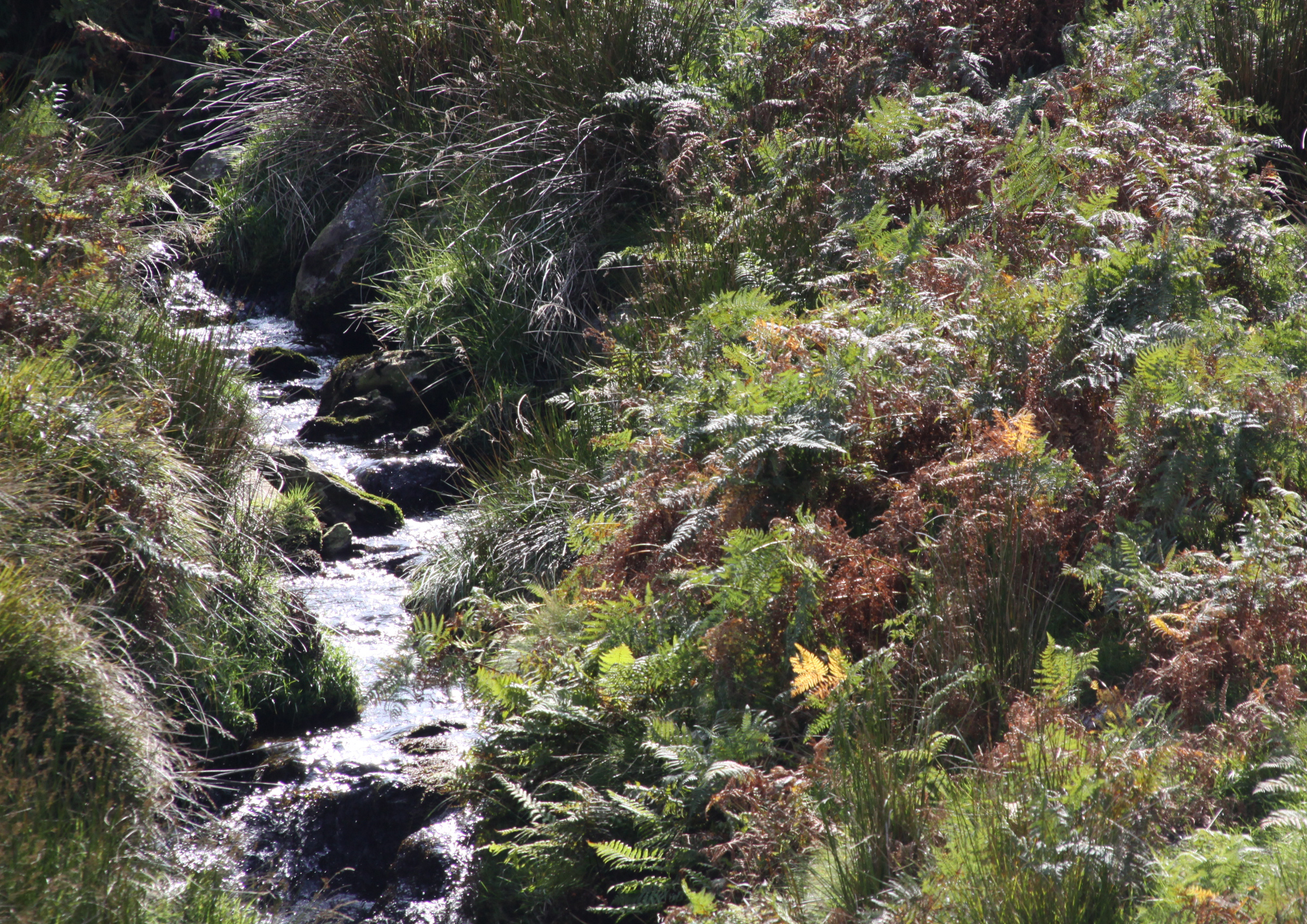
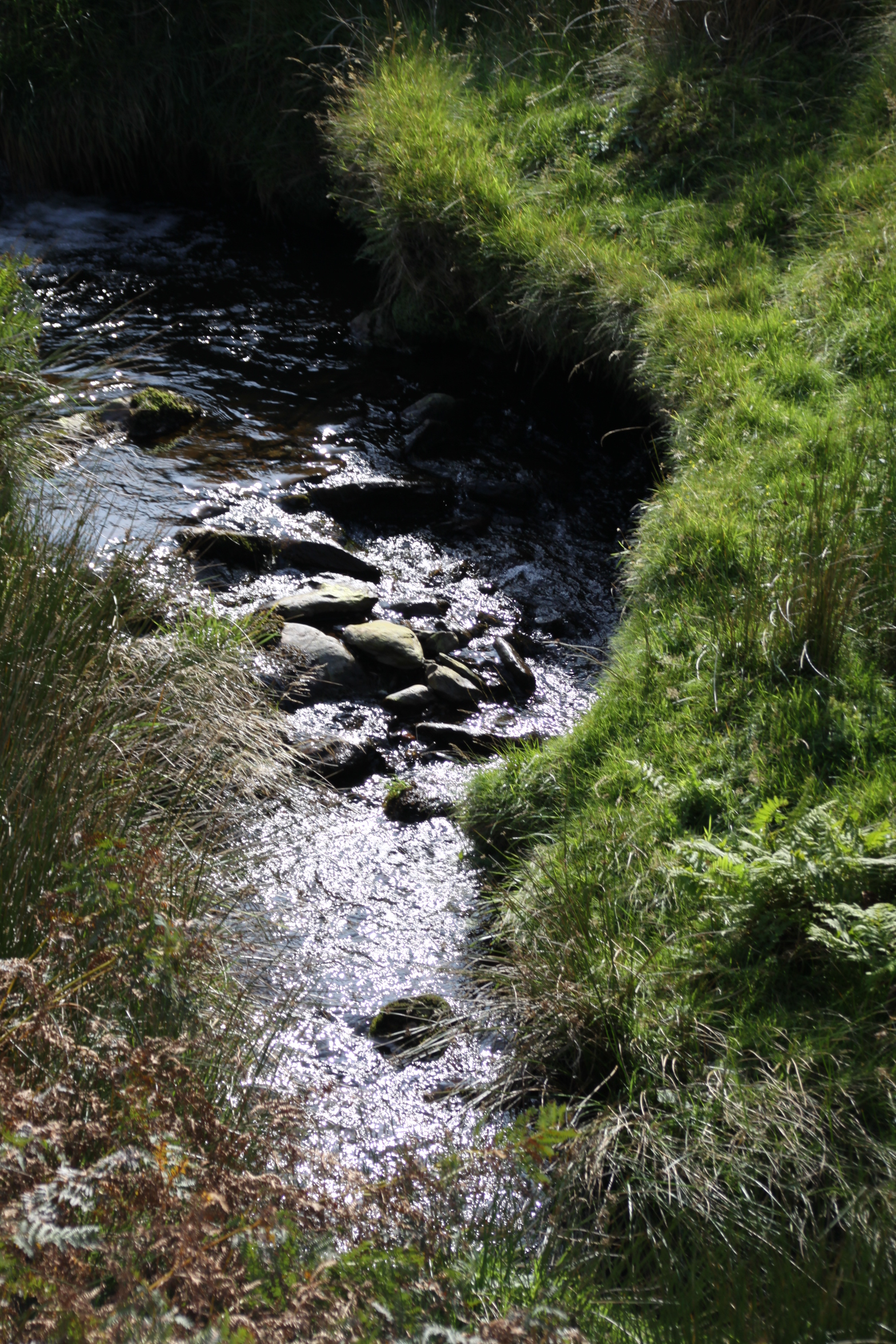
As it descends towards the Dysynni, the track meets the stream, Nant Braich-y-rhiw.

At this point, descending towards the Dysynni valley, we turned back towards the cars, but if you carry on you reach a single-track B-road that crosses the Talyllyn railway at Rhyd-yr-onen and finishes in Bryncrug.  It was an equally beautiful walk on the return leg.  I suppose it was about an hour and half in each direction, pausing to enjoy the views with a picnic.