My walk last Tuesday, the only sunny day last week, took me back to Tonfanau. Tonfanau railway station was added to the Cambrian Line to service the Tonfanau Army Camp, which opened in 1938 and was finally closed in 1973 after a 6 month stint as a refugee camp, before being demolished sometime in the 1980s or 90s. The camp extended both sides of the railway line, reaching the beach to the west and spreading part way up a slight slope to the east. I have posted about the camp here. When Tonfanau was at its height as an anti-aircraft training facility, with emplacements of enormous guns along the field at the top of the beach, it would have been anything but a peaceful place to go for a stroll. Today, however, it is probably the most quiet stretch of seaside in the Aberdovey and Tywyn areas.
The reason for the lack of human presence, other than fishermen some way out at sea in waders, is certainly because the beach is uncompromisingly uncomfortable to walk, sit or lie on. Apart from a few isolated islands of sand or gravel, it is a pebble beach running down a shallow slope into a rocky foreshore. Footwear is required. This, together with the complete absence of gift shops, public toilets and ice-cream stalls, makes it undesirable for most families, and there is rarely any more than a handful of people there even at the height of the tourist season. This makes it a very good retreat for sea birds, which line the water’s edge at a very safe distance from anyone who might be walking along the stony beach or investigating the rock pools. Oystercatchers, terns and various types of seagull are all in evidence at this time of year.
The views along the beach are splendid. After the recent heavy rain the Dysynni charges at high speed through a surprisingly narrow mouth into the sea, fascinating to watch, and you can see it and hear its roar on the video at the end of the post. This understated but impressive meeting of the Dysynni with the sea is marked as AberDysynni (mouth of the Dysynni) on the Ordnance Survey map. The sea itself makes a lovely sound on the rocky foreshore and gravel, drawing the gravel back as it retreats, and colliding with the rocks as it advances. Above the sound of the sea and wind are the musical voices of sea birds. As you walk along it, the beach curves around a long corner promising more of the same untroubled vistas over an empty beach, rolling white horses and, in the distance, the Llyn peninsula. Behind the beach, looking east, are views of the major summits of Tonfanau and Foel Llanfendigaid, as well as the smooth green slopes of the hills between them.
I started out walking along the top of the small “cliff” that runs along the top of the beach. It is only a couple of feet wide, drops only about eight foot or so above the beach below and stops where the publicly accessible land meets the fence of a farmer’s field after about 10 minutes of walking. It offers a terrific view down onto the beach, there are always some interesting wild flowers, and it is well worth doing if you are sure of your footing.
I then executed a controlled skid down a bit of the “cliff” that had collapsed into a sloping mound of earth, a quick way down onto the beach, and headed for the rocks. The lush green seaweed is glossy and lustrous, a great contrast to the darkness of the rocks in the bright sun. The overall effect was delightful. Water trickles through the multiple channels formed by the rocks, crossing the glistening gravel in a way that is quite unlike the sea flowing through channels in the sand at Aberdovey.
Someone has been having fun making pebble patterns in the sand and fields. Like most abstract compositions, it gives a curious sensation of something clearly created in the present taking on the character of something completely timeless.
Yellow Horned-Poppy (Glaucium flavum)
Small-spotted catshark eggcase (Scyliorhinus canicula), one of the smallest of all the mermaid’s purses. There were two of them, one right at the top of the beach and the other in the field behind the beach. They are so lightweight when empty that they travel on the wind. For details on the subject of eggcases and the Shark Trust, see my earlier post. The photos of the two eggcases have been uploaded to the Shark Trust Great Eggcase Hunt page.
I walked out onto a spur of sand to watch the oystercatchers, getting as near as I dared. Unlike the video that I posted the other day, when what they were mainly concerned with was preening, today they were actually hunting for food and treating shells to merciless beak treatment. Trying to get a little closer I scared them into flight, and they congregated a little distance off on a few rocks, looking very striking.
Oystercatchers at work
I’ve pulled a muscle in my shoulder, so the following video is not quite as steady as it might have been, but don’t miss out on the oystercatchers. They are sublime. The fast-moving water coming out of the Dysynni and churning into the sea is also truly impressive. The Dysynni originates in Tal y Llyn lake, makes an abrupt turn northwest at Abergynolwyn and then resumes a parallel course to the Tal y Llyn valley in the neighbouring valley. It passes the Ynysymaengwyn estate, finding its way through extensive reed beds, and emerges into the Broadwater, making its way around the low sandbanks before being funneled into the narrow channel into the sea.
After walking up Tonfanau to see the Iron Age hillfort I went along the road to Tonfanau station, crossed the tracks and passed part of the old military camp to go down to the pebble beach. It is an excellent place for watching the oyster catchers, and I was lucky to find some pottering around at the water’s edge, amongst the small rocks. Oystercatchers are lovely to look at. Their bright orange beak and pink legs make them stand out from any background, whilst their black and white plumage is particularly distinctive when the birds are in flight. They make a piercing peeping sound, which can be heard here on the British Birdsongs website. Oystercatchers feed on molluscs that the find on rocky shorelines, which they open by stabbing the sharp beak through linking muscles, and then hitting on stones and rocks to break them up, sometimes audibly. The video below shows a pair of them on the beach at Tonfanau. Duration: 1 minute, 33 seconds.
Due to the difficulty of walking on pebbles and the discomfort of lying on them, together with the rocky approach to the sea that challenges bare feet, there are rarely many other people there. Whilst Aberdovey was simply packed, there were only a handful of people along that stretch of the sea, two of them fishing in waders, quite a long way out. Walking back to the Tonfanau bridge over the Dysynni as it opens out into the sea, the path is flanked either side with verges full of wild flowers at the moment.
Tonfanau from the southwest. Tal y Garreg is immediately above the quarry
Ordnance Survey map showing the route taken up the hill, and the location of the two hillforts, marked by red dots. These two sites are also marked on an aerial photograph below.
I have wanted to see the Tal y Garreg Iron Age hillfort at the top of Tonfanau quarry, on Mynydd Garreg (rock hill), for some time, so on Sunday (9th August) I packed my rucksack and went along the route I had scoped out on Saturday, which had been made so enjoyable by the verges filled with wild flowers. I parked the car on the road leading up to the Tonfanau footbridge, as before and followed exactly the same route, but this time instead of stopping at the gate into the field at the end of the bridlepath, I followed the faint track of the footpath up the hill. The route is marked in dark green on the map to the left. There are two hillforts on Tonfanau, both of which are marked with red dots, Tal y Garreg at the summit overlooking the quarry, and Llechlwyd on a lower promontory to the east of the quarry. On this post I will talk about Tal y Garreg, but I covered Llechlwyd on another post, and the map above and an aerial shot below show the geographical relationship between the two. The walk up the side of the hill is very beautiful, and the views from all around the top of the hill are breathtaking. I should, however, make a couple of health and safety notes about this walk before I recommend it as a great one to do
First, the track starts to climb fairly easily, as in the photo on the right, but as you near the top, where the bracken gives way to open ground, it becomes steep. When you turn around to admire the view, the ground seems to drop sharply away beneath you, and falling would result in an unimpeded roll downhill. I am very sure-footed, but instead of tacking to reduce the effort, I went straight up, leaning forward, to reduce the risk of tripping. The views are stunning, just be careful. There are other public footpath approaches marked on the map, which might be easier. Second, the hillfort of Tal y Gareg sits above the quarry. Indeed, the quarry has removed a big part of the hillfort. When you climb to the brick monument on the summit of the hillfort you are getting near to the edge of the quarry, and at the edge there is almost nothing to prevent you falling the steep drop into the quarry should you lose your footing – just fence poles with a single run of wire to mark the edge. Perfectly okay if you’re aware of it, but do not let children loose up there.
Access over two sets of steps to the ridge at the top of the hill
The top of the hill is a ridge that extends 1.5km to the northeast, with terrific views either side. The ridge is enclosed today by a long, winding drystone wall that extends as far as the eye can see. A short wooden ladder on either side of the wall allows you to cross the wall easily, but take care – two of the steps on the ridge side are rotten, one completely broken. The inside of this drystone perimeter is divided up into separate enclosures by more drystone walling, but all of them have gates or are open so you can wander freely across the top. To the southwest is the river Dysynni, at the eastern end are views over the hills flanking the valley, including Craig yr Aderyn (Bird Rock).
I was up there partly for the views, but mainly because I am on a hillfort mission at the moment and wanted to check out what was left of one of two small Iron Age hillforts. In the area between the Mawddach estury and the Dyfi estuary are fifteen known hillforts. These fall into two distinct geographical groupings, a northern and southern group. Eight of the fifteen are in the southern group and I am hoping to walk all of those that are accessible by public footpath.
When the first hillforts were excavated during the late 19th Century, it was assumed that all hillforts were defensive, and some southern hillforts certainly were, but it is by no means clear if all hillforts were built as a response to conflict. Because so few hillforts have been excavated in northwest and mid Wales, it is impossible to establish exactly what they were designed to do, and most of them probably had multiple functions. I’ll be talking more about the roles of hillforts in this area on a future post.
It is almost impossible to photograph a hillfort sensibly at ground level, although some banks and ditches can usually be captured. Aerial photographs and excavation plans are the best ways of of visualizing individual hillforts.
Another view of the quarry. Source: Gwynedd Archaeological Trust
In fact, Tal y Garreg hillfort was very easy to spot from the ground, as the builders made use of a rise in the local topography and natural escarpments that face north. Tal y Garreg means “end of the rock/cliff” and probably refers to the rocky ridge on which it is built. It lies at the southwest end of a 1.5km ridge at c.170m OD. The natural lift in the land, shown on the above photograph at far right makes the hillfort highly visible from the ridge behind it. The composite image above (click to enlarge if required) shows Tal y Garreg hillfort from the air with the 1967 site plan (upside down in terms of the photograph – Bowen and Gresham 1967) and a view of it from the middle of the ridge. Another plan to the left offers a different view. Today, massive piles of rock from the quarrying activity are left lying around, so it is not immediately easy to see the structural features and it helps to have the plan to hand to locate them. There are two sets of banks and ditches, referred to as bivallate on the northeastern and southwestern sides. The banks, or ramparts, were probably pallisaded to make it even more impressive from a distance, and to make it easier to protect if needed. These ramparts contain an area around 45m long by 22m wide, small in hillfort terms. Still, it was clear that although the space it contained wasn’t large, it had been built on an impressive scale. The entrance was simple, inturned, and cut through the scarp to the north, facing the ridge. It’s worth walking along the the edge of the drystone wall that runs behind the fort so that you can get a feel for the banks and ditches shown on the far left in the aerial photo, but be careful how near you get to the quarry edge. One of the banks and ditches, cut into bedrock, is shown below, with the sea in the background. Tal y Garreg overlooks the Dysynni valley rather than establishing a good line of sight with hills to the east or the coast to the north, although a short walk along the ridge on an averagely clear day provides those views. The views have been radically changed by quarrying, but there were clearly good lines of sight across the sea, down into the Dysynni valley and back along the ridge.
Ditch at Tal y Garreg, excavated through the bedrock. Ramparts on the bank at this point would have given views over the Dysynni valley and Cardigan Bay.
The site has never been excavated, so any thoughts on its date or the number of phases involved in its construction are purely speculative. On both plans a 10m diameter “tower” is marked, and this was a circular structure, in front of which is a rock-cut ditch now full of stone, which may be the remains of the tower, suggesting that it was quite a substantial feature. One proposal is that the small primary bivallate hillfort may have been overlain by a smaller and later fort that made use of the earlier features, and that the tower may have been part of this later re-use, dating to a Roman or post-Roman/Early Medieval re-occupation. In fact, there is so little evidence of Roman presence in the area that it seems rather unlikely that a Roman fort was located here, so it is more likely that any second phase was post-Roman.
The Tal y Garreg hillfort is so small that I am not sure that it really qualifies for the title “hillfort,” when compared with more massive and impressive examples, that contained a number of other structures within their ramparts. It does, however, feature typical hillfort characteristics. It took advantage of strong strategic position that could be partially barricaded with banks and ditches on vulnerable sides, using steep sides to provide natural barriers to attack. Like most hillforts, although not all, it is on high ground overlooking good farming land or pasture. Although there are no known settlements in the area, farmsteads were almost certainly dotted around the landscape much as they are today, and the hillforts probably overlooked some of these in the valley. The ridge itself may have been used for grazing livestock, just as it is today. In the photograph below, the sheep were on top of the ridge and the horses were just outside the drystone wall at the top of the approach to the ridge.
The hillfort had no water supply other than rainfall. This small defended enclosure could not have sheltered large numbers of people against hostilities, and could not have been reached in a hurry from the valley below, so it was either designed to shelter a privileged few; to store important resources in a relatively inaccessible location; to segregate certain centralized activities in a single location; to be a visible symbol of territorial tenure – or a mixture of various roles.
Located both on the edge of the Dysynni valley and on the coastal plain, lines of communication could have extended both on a north-south axis and along the Dysynni valley, past Craig yr Aderyn (Bird Rock) hillfort, and into the Tal y Llyn valley heading northwest towards the hillforts near Corwen and Ruthin. The ridge itself would have provided a high-level route alongside the Dysynni valley for c.1.5km. At the other end of the ridge is another hillfort, Castell Mawr, which appears to have had a large annex that could have been used as a livestock corral.
Tal y Garreg is only a short walk from Llechlwyd hillfort, which also sits on the side of Tonfanau quarry, and I will be posting about in the future. Both are poorly understood, and it is not known if they were related to each other or were chronologically separate. They could have been contemporary but they may have been separated by anything from years or decades to one or more centuries. Until they are excavated this relationship will not be clarified.
I wanted to see if there was a clear line of sight from Tal y Garreg to the hillforts of Llechlwyd, also at the southwestern end of the ridge at the top of Tonfanau, Craig yr Aderyn (Bird Rock) c.8km to the east and Bwlch hillfort on the next hilltop, 2km to the north, Foel Llanfendigaid. As none of these sites have been excavated it is not known whether they were contemporary, but in the event that they were, having a clear line of sight might have had many benefits, irrespective of whether the occupants of the hillforts were friends or enemies. The nearest hillfort, Llechlwyd, is visible from Tal y Garreg, which has a view down into the much lower promontory fort. Craig yr Aderyn is visible from Tal y Garreg, although in the distance. If required, it would have been easy enough to set up a signal on a clear day. Bwlch is very easily visible, and looks like the perfect location for a hillfort. Between the two, a near-flat piece of coastal plain is divided today into fields and used for pasture.
Craig yr Aderyn (Bird Rock) c.8km from Tal y Garreg
View from Tal y Garreg to Foel Llanfendigaid, on top of which is the hillfort Bwlch
It was useful to see what could be viewed when outside the hillfort, but still along the ridge, and it was impressive how many broad views were available from the ridge beyond the hillfort, some of which are below, all overlooking good quality pasture, currently being grazed by sheep and cattle, and far into the distance in all directions including the sea. It was a hazy day so the views weren’t quite as spectacular as they might have been, but they showed enough to indicate that Tal y Garreg was a good site for watching movements for many miles around.
View from one side of the ridge to the other, taken from the stile.
Dysynni valley, looking east
A final though on the views available from the hillfort and visibility from below is that a couple of days later I went to walk along the Dysynni from Tonfanau bridge to Ynysymaengwyn, skirting the broadwater, and found that the entire of the top of Tonfanau was under a cloud, just where Tal y Garreg was built. It was impossible to see its location, and it would be impossible to see anything at all from the hillfort down into the valley. This could have been a distinct disadvantage in its location! The second hillfort, Llechlwyd, which is on the lower promontory at 70m OD, was not shrouded in cloud, so although it had no visibility of the ridge behind it, it did have the advantage of being less prone to cloud cover.
There’s a modern structure on top of the hill at this point, which is an Ordnance Survey trig pillar. There are also the foundations of an old shipping signal. Ordnance Survey trig pillars (or points) are part of the history of mapping in the UK. Trig is shorthand for triangulation, and in 1936 the first of c.6500 trig pillars were built as part of the project to retriangulate Britain. Most of them made of concrete but the Tal y Garreg trig pillar was made of local stone, and is shown on the right. The OS is still responsible for maintaining the pillars, of which around 6000 remain at similar locations. The project was designed to improve the accuracy of mapping, and although it has been surpassed by modern techniques and technologies, it revolutionized map-making in Britain. Here’s an excerpt from the Ordnance Survey page on the subject of the trig pillars:
Triangulation works by determining the location of a point by measuring angles to it from known points at either end of a fixed baseline and in this case, those known points were the 6,500 + trig pillars erected across the country. In practice, a theodolite would have been secured to the top mounting plate and made level. It would then be directly over the brass bolt underneath the pillar. Angles were then measured from the pillar to other surrounding points. For the highest accuracy primary points in the retriangulation, many rounds of angles would have been measured with the observations taking several hours.
I was expecting to have the hill to myself, but there was a group of around 10 people up there enjoying the view. We exchanged cheerful greetings, and when they left I noticed that they took the wide quarry track that runs on a shallow incline alongside the quarry scar. Out of curiosity I took the same route down, and it runs into the quarry yard, which is the same as the access point to the Wales Coast Path. A farm gate opens out onto the B-road. The quarry track is not a public footpath, but it is not barred in any way, is safe, and as the quarry is out of use it seems okay to use it. It’s a much easier, much shallower incline than the steep path that I took up. Although not as attractive, it gives remarkable and safe views over the quarry itself.
The quarry track
When you reach the quarry yard, you’ll find that it is a piece of industrial archaeology in its own right, with an abandoned control panel in a small building, and various bits of abandoned heavy-duty hardware lying around, plus various shallow concrete water holders, presumably for filtration purposes. One of them had a healthy population of bullrushes growing out of it. Gwynedd Archaeological Trust reports that the quarry was first used for extracting granite, which is unusual in this area:
The ridge has been quarried since at least the nineteenth century. A narrow-gauge link to the Cambrian Railways was put in c. 1898, superseded by a standard-gauge siding in 1906, around the time it was taken over directly by John Corbett of Ynysymaengwyn, working as Tonfanau Granite Quarries. In 1965 this became a subsidiary of Penmaenmawr and Welsh Granite Co., and operated as Kingston Minerals from 1965 to 1981. It was thereafter worked by Mr G.C. Evans of Aberllefenni.
The report goes on to say that latterly the quarry was used to exploit a sill of coarse dolerite and gabbro that is suitable for use as road surfacing material. Here are a few snaps of the quarry as I was on my way out, but I will be going back to explore in more depth.
Sources:
Bowen, E.G. and Gresham, C.A. 1967. History of Merioneth, volume 1. From the earliest times to the Age of the Native Princes. The Merioneth Historical and Record Society.
Gwynedd Archaeological Trust 2009. A visitor guide to the main Iron Age hill forts of Meirionnydd. Project No. G1770. Report No. 839
Bottom left of this map is the Dysynni rail bridge with the more recent Tonfanau foot bridge immediately alongside. The bridge was built in 2013, just north of Tywyn (see more about the bridge on an earlier post here). On Saturday, having escaped the truly appalling traffic carnage and the suicidal pedestrians in Aberdovey, I parked up just short of the bridge, hauled on some walking shoes and crossed over the bridge, pausing to admire the Dysynni river. The railway bridge that runs alongside, a nice bit of local heritage, is currently encased in white plastic. Heaven knows what is being done, but good to see that it is being cared for. The footpath beneath the railway bridge, by the way, is closed as a result. I had only very limited time, but yesterday I simply wanted to scope out the best way of getting to the top of the Tonfanau hill that dominates the Dysynni at this point, so was looking for the footpaths that would take me up on another day.
The walk along the Wales Coast Path extends towards Tonfanau station from the bridge, but turns back along a hairpin turn along the road until just past the main quarry gates, when it turns left through a farm gate into the quarry yard to proceed along the western edge of the hill, as shown on the above map. I ignored that turning and walked past the quarry until I reached a bridlepath sign on the left at Lechlwyd, also shown on the above map, which takes a route along the eastern edge of the hill. Along the bridlepath, the hill soars steeply above the track. It is beautiful, vibrantly green, and in places covered in dense swathes of glorious gorse and heather. At the point where a gate opened into a big field I turned back, but the footpath eventually leads up to the top of the hill and the Iron Age hillforts. I did that walk on Sunday, and I’ll post about that walk in a couple of days.
Although part of my walk was B-road, only two cars passed me, and there were plenty of verges onto which to retreat to let the occasional vehicle go past.
The walk offers some fine views over the Dysynni and the hills beyond, but perhaps the most remarkable aspect of it was the amazing density of wild flowers bursting up and out of the verges and reaching through the hedges. If you are looking for a short and very easy walk that requires no preparation or planning, and is easy on the legs, this one, at this time of the year, is a very good option.
Tonfanau footbridge
Tonfanau, with the scarring from the quarry
I’m not sure what this flock of birds consists of. My initial thought was that they are starlings, but although the shape and beak are right, they seem far too light, unless it’s a trick of the sun.
Field or common bindweed (Convolvulus arvensis). Visually similar to sea bindweed (Calystegia soldanella), which I have posted about from dune walks, but common bindweed has smaller flowers and different leaves, much longer and thinner. One of my books (Spencer-Jones and Cuttle 2005) says that once they begin to coil anti-clockwise around a support they grow so fast that a stem can complete one coil in less than two hours. As a result they spread fiendishly fast, colonizing whole hedges and shrubs.
Mugwort (Artemisia vulgaris) is liberally distribute throughout all the verges near the Dysynni.
It is very common on wastelands, and reaches 150cm, forming clumps. At the moment the bright white flowers on purple-red stems are particularly attractive.
Gatekeeper (Pyronia tithonus)
Bladder campion (Silene vulgaris) apparently smells similar to cloves at night. The leaves are edible when boiled and smell like fresh peas.
Hedge woundwort (Stachys sylvatica) grows on the wasteland and the edge of cultivated land and footpaths, with a preference for semi shade. The toothed leaves look rather like nettles. They grow up to 1m tall. It was renowned from the 16th Century for its healing properties, and it has proved to be mildly antiseptic. White markings on the lower lip of the two-lip flower guides bees to nectar.
A pink version of yarrow, which is usually white (Achillea millefolium). The name, meaning thousand leaf, refers to the feathery leaves. They thrive in coastal areas. I’ve posted about it before, but I love the story behind the name. spreads by underground stems, and is patch-forming. It is disease resistant, which can benefit neighbouring plants, and its small leaves prevent excessive moisture loss. It was named for Achilles, who used it to heal the wounds of his soldiers, and it retains its reputation as a good cure for cuts and bruises. It has a long history as a remedy for colds and fevers (as a tea) and for toothache (when the leaves are chewed). Its leaves and flowers are used in salads in small quantities, it can be boiled as a vegetable and served with butter, and it can be thrown into soups and stews. It has a slightly bitter taste. Flowers July to October.
Tufted vetch (Vicia cracca). A climber that uses long tendrils to scramble through hedges and shrubs.
Agrimony (Agrimonia eupatoria) – there were loads of these, which I had never seen before, and they were very pretty. When they have finished flowering a fruit forms, the calyx of which has hooked spines that attach themselves easily to animal fur for dispersal. A standard tool in the physician’s herbal remedy kit in the past, and still used as a component in solutions for catarrh and digestive problems.
The blackberries (Rubus fruticocus) are ripening! Not long now :-). Apparently there are nearly 2000 micro-species, so telling one from another is more of a challenge than I feel the need to get to grips with.
Common knapweed (Centaurea nigra), looking very like a thistle, but with long pointed leaves and no spines. The brightly coloured bee is a male red-tailed bumble bee (Bombus lapidarius)
Betony (Stachys officinalis)
Hemp agrimony (Eupatorium cannabinum). It produces white hairs to disperse its seeds, giving it a rather fluffy appearance. The name Eupatorium comes from Eupator Mithradates the Great of Pontus (which under Mithradates incorporated Turkey and various territories around the Black Sea). Mithradates allegedly used it for making antidotes to poisons.
The perennial Rosebay willowherb (Chamerion augustfolium) is everywhere hereabouts at this time of year. Because it has rhizomes, it forms in large patches that are actually a single plant. Each spear has a marvellous grouping of bright pink flowers with long white stamen, as below. When the seedpods open, seeds spreads by means of attached plumes, forming pretty fibrous masses, as shown below. The plant used to be known as fireweed due to its prevalence on WW2 bomb sites, and it is frequently found in wasteland and poor soils.
Rosebay willowherb seed pods and plumes
Perforate St John’s-wort (Hypericum perforatum)
Greater stitchwort (Stellaria holostea)
Common/yellow toadflax (Linaria vulgaris) looks so exotic, like an orchid, but is relatively commonplace. It is a perennial that flowers between July and October. Narrow leaves grow spirally up the stems. The flower is two-lipped and only large long-tongued bees can push the two closed lips apart to reach the nectar. Colloquial names include squeeze-jaw and bunny-mouth. It likes open fields and sandy soils.
Beautifully scented honeysuckle (Lonicera periclymenum) was in all the hedges
Sneezewort (Achillea ptarmica).
Update on a very wet Monday (10th August): I couldn’t find out what these are, but in reply to my request for help, Jean suggests that they may be bullace, wild plums. I’ll go back and pick one when it stops raining.
Sheep’s-bit (Jasione montana)
Sometimes called Sheep’s-bit scabious, this is actually a perennial member of the campanula family, even though it has no obvious resemblance to the usual bell-flowered character of campanulaceae and at first glace looks much more like a true scabious. Unlike scabious, it has small, alternate hairy leaves. and tiny narrow petals. According to the Wildlife Trusts website, pollinating insects, which see a different light spectrum to humans, find it highly visible under ultraviolet (UV) light, and use the patterns and colours on the petals to guide them to the nectar and pollen. It usually starts flowering in July, but thanks to the remarkably warm spring, a lot of species are flowering early. It likes a wide variety of environments, including dry grassland, and is often found in coastal areas. It is an excellent pollinator.
Heather and broom on the southern slopes of Tonfanau.
View from the bridlepath across the Dysynni to the hills beyond
Holly blue (Celastrina argiolus)
Lord and Ladies (Arum maculatum) fruit, what we used to call cuckoopint when I was a child.
Meadow vetchling (Lathyrus pratensis)
Red admiral (Vanessa atalanta)
Common fleabane (Pulicaria dysenterica). Pulix in Latin means flea, and the plant was used was used as a flea deterrent.
Small tortoiseshell (Aglais urticae) on Hemp agrimony.
Bittersweet, or woody nightshade (Solanum dulcamara). All parts of the plant are poisonous but in humans usually cause only upset stomachs. The latin species name “dulcamara” means sweet-bitter, which describes the bitter taste, followed by a sweet after-taste. In Germany physicians used it as a cure for rheumatism and it was hung around the necks of cattle to ward off evil. It flowers from June to September and is happy in hedgerows and woods. After flowering it produces egg-shaped berries that start off green, as above, and slowly become a bright, shiny red.
Hawthorn berries (Crataegus monogyna)
Red campion (Silene dioica). Campions are one of the flowers I remember very fondly from childhood.
A verge full of splendid colour.
An imposing farmhouse and fields int he foreground, with
Craig yr Aderyn (bird rock) and soaring hills beyond
The drive back into Aberdovey from Tywyn defies description. The road was lined with parked cars, often in places where I’ve never seen cars parked before (and in several places where cars simply shouldn’t be parked). It seems as though a lot of people who would normally be holidaying on the Mediterranean have decided to come to Aberdovey instead. I am sincerely happy for the Aberdovey businesses, but social distancing is non-existant, masks are few and far between, and the whole thing looks like a seething petrie dish for the transmission of nasties. After one experimental foray, I’m staying well out of it.
Tal y Llyn from the northeast. Source: Coflein, catalogue number C868164
Introduction
This post explores why the Tal y Llyn lake and valley look the way they do. This involves investigating its pre-glacial, glacial and post-glacial history to understand how major geological and geomorphological events and subsequent alluvial processes have modified the landscape until it has arrived at what we see today.
When I started writing this, I was going to wrap up this account with details about the human historic heritage of the valley, but there was far too much information to amalgamate into a single post. There turned out to be more to say about the geology and geomorphology than I initially realized. Then, the history of the relatively few buildings surrounding the lake proved to be far more difficult to track than I had anticipated. Finally, the Tal y Llyn slate quarries, in the hills to the east of the lake, also deserve a post of their own. I have therefore separated the story of Tal y Llyn into three parts, and the second and third parts will come at a later date, yet to be written.
The OL23 Ordnance Survey map, part of which is shown below, shows the lake’s name as “Tal-y-Llyn Lake / Llyn Mwyngil.” Tal y Llyn means “end of the lake,” which is the name of the cluster of buildings at the southwestern end of the lake. I expect that eventually naming the lake after the buildings was much the same as the situation with the village of Bala, where the lake is often referred to as Lake Bala, when its real name is actually Llyn Tegid. I have no idea what Mwyngil means. My excellent book of Welsh Place-names is silent on the subject, my Welsh-English dictionary is no help, and Google Translate translates it, somewhat bewilderingly, as “Morelil.” I’ve gone with the name Tal y Llyn, just because it is how it is most commonly referred to today.
Tal y LLyn shown on the Ordnance Survey OS23 Explorer map (annotated). Click to enlarge and see more detail.
The current form of the valley in which the Tal y Llyn lake sits is primarily the outcome of two great events, millions of years apart. The first is the creation of a major geological fault. The second is the geomorphological action of the last glaciation, the Devensian (c.90,000 – 10,000 years ago). Between them they created the ideal conditions for a ribbon lake. A third impact on the appearance of the valley is alluvial processes that occur when rivers and streams enter the valley, dropping sediment as they enter the lake.
The Bala Fault (Bala Lineament and Tal y Llyn fault)
Photograph showing the line of the Tal y Llyn fault. Source: Coflein, catalogue C867365
Map of main structural elements of Wales, showing the Bala Fault (no.7). Source: Howe and Thomas 1963, p.xiv
What is often referred to as the Bala Fault extends from Cardigan Bay into the Upper Dee lowland and into the Vale of Clwyd at the Cheshire borders, as the map on the right shows.
Musson says that the Bala Fault is better described as a lineament (a linear feature), consisting of three sub-parallel faults trending northeast to southwest, and consisting of the Bryn Eglwys, Bala and Tal y Llyn Faults, all probably tectonically active for much of Lower Palaeozoic era (the Cambrian, Ordovician and Silurian periods, c.541 – 419.2 million years ago).
These faults are tear or transform faults and occur when two pieces of the earth’s crust are moving horizontally relative to each other. The resulting faults formed a lineament, a natural line for water to follow. Over time, water courses carved out a series of valleys along the Bala lineament.
Tear/Transform Fault. Source: Howe and Thomas 1963, p.3
Howe and Thomas (1963, p.4) say that strata on the southern side of the fault have moved horizontally towards the east for a distance of about two miles. This is particularly visible at Llanwychllyn, at the foot of Lake Bala. The Bala lineament is easily traceable on an Ordnance Survey map. The faults of the lineament separate the Snowdonia-Arennigs-Rhinog group of mountains from the Cadair Idris-Aran-Berwyn group.
The only coherent account I have managed to find of the fault, in spite of looking through various books and papers, is the following from Wikipedia. There is, however, no indication as to where the author of the piece acquired the information, so although it sounds plausible, it is unverified at the moment. I will update the post if I find more information:
The fault is thought to have initially formed during the opening of the Iapetus Ocean in late Precambrian times (>541 million years ago) when Laurentia (North America) and Baltica (Europe) separated. As the Iapetus Ocean began to open tension cracks opened in a NE-SW direction parallel to the continental margins. These eventually became the Bala Valley, the Menai Straits and the valley at Church Stretton along the line of the A49. Between the Menai fault and the Stretton fault the land sank, forming the Welsh Basin with the Bala fault possibly forming an underwater escarpment. . . . . The scale of geological movements in the deep past can be seen near Llanuwchllyn where the two sides of the fault would have to be slid back for a distance of two miles to get the geology on either side to line up.
In January 1974 there was a report of a minor earthquake, magnitude 3.5, along the fault at Bala, followed by a more unusual phenomenon known as “earthquake lights.” The earthquake was not particularly unusual. A number of seismic events have been recorded in north Wales since the 1600s. Although the Bala fault was originally suspected as the source of the earthquake, Musson (2006, p.5.15) concludes that “there are numerous north–south and east–west lineaments in and around the plausible epicentral area (as identified by the two instrumental locations and the macroseismic epicentre) and any of these could be the host feature for the Bala earthquake. . . . Consequently there is no evidence at present that the
Bala Lineament is active in any neotectonic sense, and it is unlikely that it would be in present stress conditions.”
The river valley along the Tal y Llyn Fault that preceded the last Ice Age supported a river, but not a lake. Before the last glaciation, the Tal y Llyn valley consisted of interlocking spurs, the river wending its way between them along the line of the fault.
The Glacial Valley
The valley’s appearance is very different today from its days as a pre-glacial river valley, and that’s thanks to the last major cold phase, the Loch Lomond Stadial or Readvance (c.11,000-10,000 years ago) during the last, Devensian glaciation (c.90,000 – 10,000 years ago). Episodes of glaciation are characterized by warmer (interstadial) and colder (stadial) phases, with later episodes frequently wiping out most traces of earlier ones.
River valley before and after glaciation. Source: Howe and Thomas 1963 p.77
In the case of Tal y Llyn, the late Devensian glacier travelled down the line of the fault, the line of least resistance, and carved out a broadly u-shaped, or more accurately parabolic profile, smoothing valley sides where previously there were interlocking spurs. At the same time it scoured the base of the valley. The erosional impact of the ice on the profile of the valley is particularly stark on southeastern side of the lake, where Mynydd Rugug, Graig Goch and Mynydd Cedris drop steeply towards the lake, the slopes carved dauntingly into a single, flattened profile scarred with steeply dropping streams. This is clearly visible in the photograph below, where the landslip is marked. On the other side of the valley the erosion was less drastic, although still severe, and some truncated spurs are still just visible. At the same time, the abrasive and scouring effect of the glacier, as it carved its way through the valley, lowered the level of the valley floor. Throughout the Devensian, during the summer months water will have escaped the glacier in the form of meltwater, draining down the valley, finding its way across the earlier floodplain.
Photograph of Tal y Llyn, annotated to show the landslip scar and some of the debris that blocked the glacial trough, allowing the ribbon lake to form. Source: Coflein, catalogue number C868164
Unlike similar-looking ribbon lakes much like many of the Lake District lakes (e.g. Windemere) and Scottish lochs (e.g. Loch Lomond, which also sits on the line of a geological fault), Tal y Llyn does not sit in a conventional glacial trough in a rock basin, but was formed due to its southwest end being blocked. A post-glacial land slippage deposited huge blocks of material from the southeastern hillside at the foot of the lake into the valley bottom. There it formed a barrier where the lake now ends at the Pen y Bont hotel, described by Shakesby as “neither of bedrock nor of moraine, but of a huge mass of fractured and disarranged blocks” (1990, p.64). This was discovered by Watson in the early 1960s, and described by him as follows:
In the part of the bar north-west of the river, the surface is moundy, but smoother and in clean pasture except for gorse patches on the mound summits. There is almost everywhere a complete turf cover but immediately underneath, on each mound top, are closely packed angular mudstone fragments similar to the debris found immediately overlying rock. That the smooth fields could lie on rock is proved by the road-side exposures north-west of the church. Occasional scars on tracks show rock or angular rock debris while three shallow pits dug to a depth of 18 inches showed the same rock debris on the slope bounding the bar to the south-west. On the slope behind Maes-y-pandy Farm, rock with varying cleavage direction is exposed.
As Shakesby’s comment above suggests, until Watson’s 1962 paper in the Transactions and Papers of the Institute of British Geographers, this blockage was incorrectly thought to have been either bedrock or a terminal moraine (debris pushed by the leading edge of the glacier, and dumped when the glacier stops moving forwards), or both. The landslip left an enormous scar above the scree and rockfall, above the foot of the lake, which according to Shakesby was caused by the retreat of the glacier, “leaving the valley sides, over-steepened by glacial erosion, in an unsupported condition prone to collapse.” The Tal y Llyn lake formed behind this landslip barrier.
There is extensive periglacial activity at the head of the lake, where extensive broken rocks rest on bedrock, accompanied by extensive scree. Periglaciation is the process whereby areas under ice are subjected to successive phases of warming, thawing melting and re-freezing, which causes cracks in the rock. Eventually the cracks cause rocks to break away and drop towards the valley bottom.
Hanging valleys, fast streams and alluvial build-up
Stream entering Tal y Llyn at Pentre Farm, crossing the alluvial fan. Source: Geograph, Des Blenkinsopp
Tal y Llyn is a form of ribbon lake 220 acres in surface area, with an average depth of 8ft (c2.5m) and maximum depth of 12ft (c.3.6m). The head of the lake is fed by a number of smalls steams fed by the flanking slopes. The main streams that feed the lake are Nant Yr Allt-ioen, which travels along the valley below the A487 where it runs through the Tal y Llyn pass; the Nant Cadair stream that runs out of Llyn Cau on Cadair Idris, dropping steeply to the valley floor; the stream and waterfall that flows down Cwm Amarch, above Pentre Farm on the northeast side of the lake; and Nant Cildydd, and another small stream from the east. There are two stream emerging from a freshwater springs, almost opposite each other at the far northeast and northwest of the lake.
A stream plummeting down Cwm Amarch, above Pentre Farm, on the northeast side of the lake on a very rainy day in late June 2020
The main streams feeding into Tal y Llyn, showing a footpath that crosses all of the major streams. Source: GPS-routes.co.uk
Tal y Llyn northwest end of the lake, showing how the build up of sediment has been converted into fields, and showing a patch of brown where boggy marsh meets the lake. Source: Coflein, catalogue C650435
These streams pass through a large flat area of green fields used for grazing, that becomes brownish boggy marsh where it meets the lake, shown very clearly in the photograph to the right. This flat zone is the result of a build-up of alluvium dropped by steep and hanging streams, and is still expanding into the lake. The alluvial flats are created by the sudden slowing of the water as it hits the valley floor, a common feature with hanging valleys, where water drops sharply down a hillside. As soon as water stops falling and hits the flat valley surface, it slows down and instead of carrying material downstream, it drops it. The heaviest particles are dropped first, with lighter components dropped further downstream, and slowly these built up to form an alluvial plain. Where streams drop particularly steeply towards a river or lake, this effect is exaggerated.
In the case of Tal y Llyn, the valley was carved out by a glacier, lowering the level of the floor beneath the level of the tributary streams, leaving “hanging valleys,” steep, narrow v-shaped stream beds that drop sharply towards the the erosional valley floor. The streams flow with great speed down these hanging valleys towards the floor below, and slow abruptly when they hit the flat base of the glacial valley, dropping much of their load. This build-up of river sediment extends along the north-west side, under Cadair Idris, towards the middle of the lake where it develops into a broadly fan-shaped delta in front of Pentre Farm. This build up of sediment has considerably constricted the width at the top half of the lake and has reduced its length. It is easy to see, in the above photographs, that this process is ongoing and unstoppable. Eventually the lake will fill completely with alluvial deposits.
Lithograph of the lake by Samuel Prout, 1783-1852. Source: Wikipedia
The foot of the lake opens out into the Afon/River Dysynni at the Pen y Bont hotel, through the landslip. It is crossed by the B4405 between the Pen y Bont hotel and St Mary’s church. The bridge is a very different affair from the one shown in this picture dating to the first half of the 19th Century. The river wends its way through its floodplain, along the fault line, as far as Abergynolwyn, where it joined by the Nant Gwernol and turns away from the fault line, instead heading to the northeast before again changing direction with a turn into the Dysynni valley (Dyffryn Dysynni), where it is joined by Afon Cadair before resuming its southwestern course parallel to the fault line.
Ordnance Survey Explorer Map OS23 showing the path of the river Dysynni as it changes course, having flowed out of Tal y Llyn to the northeast. I’ve loosely sketched the path of the course change in a deeper blue so that it can be seen more clearly.
Dramatic, informative and very beautiful aerial view towards Tal Y Llyn in the background at the northwest with Abergynolwyn clearly visible as a white strip of buildings to the south of the lake, with part of the village hidden behind the large tree-covered spur (Mynydd Rhiwerfa) that intrudes into the valley. The river turns westwards before the spur at Abergynolwyn. The B4405 continues down the former river valley, following the line of the fault. The tiny cluster of white buildings in the foreground is Dolgoch. Nant Dolgoch flows into the Afon Fathew, which in turn flows into the Dysinni near Bryncrug, not far from the river’s mouth. Source: Coflein, catalogue number C821258
The Dysynni is another, and far more complicated story and will be covered on a future post.
Sources:
Howe, G.M. and Thomas, P. 1963. Welsh Landforms and Scenery. Macmillan
Etienne, J.L., Hambrey, M.J., Gasser, N.F. and Jansson, K.N. 2005. West Wales. In Lewis, C.A and Richards, A.E. The glaciations of Wales and adjacent areas. Logaston Press
Harris, C. Periglacial landforms. In (ed.) Stephens, N. Natural Landscapes of Britain from the Air. Cambridge University Press
Shakesby, R. 1990. Landforms of glacial and fluvioglacial deposition. In (ed.) Stephens, N. Natural Landscapes of Britain from the Air. Cambridge University Press
Watson, E. 1962. The Glacial Morphology of the Tal-y-llyn Valley, Merionethshire. Transactions and Papers (Institute of British Geographers) No. 30 (1962), published by Wiley on behalf of The Royal Geographical Society (with the Institute of British Geographers), p. 15-31.
Left: Map showing the footpath leading west from Bryncrug. The path turns left where it meets the Dysynni and wends its way past the Ynysmaengwyn estate. Source – Streetmap.co.uk. Right: Map showing the Afon Fathew from Bryncrug to the Dysynni. Source – Google Maps
A footpath runs along Afon Fathew (translating as River Matthew) from Bryncrug and then bears left where the Fathew meets the Dysynni. This footpath used to form part of the Wales Coast Path, bringing walkers away from the coast, where they were blocked by the River Dysynni. The path took them inland, crossing the river where the road crosses at Bryncrug before looping back to reach the coast again. In 2013 the Tonfanau bridge was built across the Dysynni at the point where the railway also crosses the river at the mouth of the river, so this footpath has much fewer visitors than it used to. The Fathew, a tributary of the Dysynni, is itself fed by streams from the hills on either side of the stretch of valley in which Dolgoch sits, including Nant Dolgoch, that flows over the Dolgoch Falls.
It was a warm day with a gentle breeze, but the sky was an incredibly light, almost invisible blue, and it was very hazy. The scenery and surrounding environment are completely different from anything that I have walked recently. The hills behind us looked pale, with pastel shades instead of the usually high-contrast bright colours. It was an extraordinarily peaceful walk along a raised levee. To our left, on the outward leg , were either empty fields filled with mauve grass and buttercups, or green fields full of sheep. On our right was a margin of grasses and wildflowers between us and the the tiny, shallow river. The Afon Fathew itself was idyllic, flowing lightly over a pattern of golden-brown stones, with shoals of tiny fish, the sound delightful. Two herons were in a distant field, and both took off, looking wonderful, but aerodynamically improbable.
In the above photograph, one of the first pleasures was a field of Rough hawkbit in the foreground (Leontodon hispidus) and feathery mauve Yorkshire Fog grass in the background Holcus lanatus). Rough hawkbit spreads just like dandelions (Taraxacum officinale), with its seeds carried on the air in even the lightest breeze on a hairy pappus (Latin, meaning “old man”), some of which can be seen in the above photograph. The “hispidus” in the name, meaning bristly, refers to the protective bract that covers the buds before the flowers open.
Turning back to see the view behind, Craig yr Aderyn (Bird rock) looms into sight, the site of a two-phase Iron Age hillfort.
Water starwort (Callitriche stagnalis) often form clumps,with their roots embedded into the mud. It is good for rivers, streams and ponds because it is a good oxygenator and provides shelter from the heat for fish, fish eggs, frog spawn, tadpoles, frogs and other aquatic species. Its Latin name is derived from the Greek carlos and trichos, which translate as “beautiful hair,” referring to its hairy stems.
The fabulous Water crowfoot, Ranunculus aquatilis – a short-lived perennial, a good pollinator and an excellent oxygenator. Produces two types of leaves – submerged foliage with very fine feathery leaves and then, in late spring during flowering, floating three-lobed leaves. Like the Water starwort it provides shelter for aquatic species.
Levee with central track flanked by Yorkshire Fog grass
Hedge bedstraw (Galium mollugo). One of several bedstraws, it favours open grassland, meadows, hedge-banks and is mainly pollinated by flies. Flowers June to September.
The path takes an abrupt left where the Fathew flows into the Dysynni, a much wider river flanked by marshy areas, some full of short spiky Spiny rush reeds and sheep tracks, others filled with the tall, gently rustling Common reed. Little snatches of bird song from the marshes hinted at a healthy population of nesting pairs amongst the reeds, including reed bunting. The floodplain of the Dysynni gives a sense of great openness and space, with excellent views over the sheep towards Bird Rock. The Dysynni is home to salmon and trout, and there have been sitings of otters, but no otters were out to play that day.
Spiny rush (Juncus acutus) is found in freshwater flats and marshes but is also saline tolerant and will grow in brackish and salt marsh environments. It is pollinated on the wind, and spreads quickly.
Common reed – Phragmites communis
Male reed bunting (Emberiza schoeniclus). Reed buntings prefer tall reeds and high grasses where their nests, near to the ground, are hidden, but they are increasingly found in farmland too. Their song is described by one of my books as “cheep-cheep-cheep-chizzup” but and it can be heard rather more usefully here on the excellent British-Birdsongs website. Reed buntings eat insects when breeding, but switch to seeds for the rest of the year.
Almost certainly female reed bunting (Emberiza schoeniclus). This was a long way from me, and I took a photo on the off-chance that I would be able to identify the bird once I had enlarged it in Photoshop, which sometimes works well enough to enable broad markings to be made out.
I had intended to walk as far as the woods of Ynysymaengwyn, but three enormous splodges of warm water landed on my head as I was approaching, so although I had waterproofs in my rucksack I decided to turn back, and had the benefit of different views on the return journey. Sheep were scattered along the levee. Sometimes they moved off, and sometimes I did. They were far more curious and confident than hillside sheep, perhaps more used to people, perhaps less nervous because they had no lambs. Some were standing in the river. When I came to one gate, there was a young male bull, jet black, looking at me over the top of it, a lovely animal. I opened the gate slowly and carefully and he stood back, but I still had to push gently past him.
(Acer circinatum) leaves and samaras (the latter, its fruits, often known colloquially as helicopters or whirligigs). Vine maple (Acer circinatum) looks very like the standard sycamore (Acer pseudoplatanus), but it doesn’t grow as big, its leaves are attached to branches by reddish stems and its fruits are red and green. In Wales, sycamore trees were traditionally used in the making of ‘love spoons.’
Yarrow (Achillea millefolium), just about to bloom. It has attractive feathery foliage (millefolium means “a thousand leaves”), spreads by underground stems, and is patch-forming. It is disease resistant, which can benefit neighbouring plants, and its small leaves prevent excessive moisture loss. It was named for Achilles, who used it to heal the wounds of his soldiers, and it retains its reputation as a good cure for cuts and bruises. It has a long history as a remedy for colds and fevers (as a tea) and for toothache (when the leaves are chewed). Its leaves and flowers are used in salads in small quantities, it can be boiled as a vegetable and served with butter, and it can be thrown into soups and stews. It has a slightly bitter taste. Flowers July to October.
Elder (Sambucus nigra). They are versatile plants, their flowers providing pollen for insects, the leaves popular with moth caterpillars, and the fruits eaten by a wide variety of mammals. For human consumption they must be cooked, as all parts of the plant are poisonous when raw, but is popular for making tea, wine, cordial and preserves. It has a distinctive scent and was thought to keep the Devil away. It was also hung around dairies to keep flies away. It is sometimes known as the Judas Tree, because Judas Iscariot is said to have hanged himself from an elder.
Red campion (Silene dioica). A favourite of so many people, its bright pink face is instantly cheering, and there was a lot of it along the Afon Fathew section of the footpath. Plants are either male or female, so two plants are needed for reproduction. Flowers May-July/August.
Tutsan / Shrubby St Johns Wort (Hypericum androsaemum). The name Tutsan is derived from the French toute-sain, “all health,” reflecting its use in herbal medicines, primarily the application of bruised leaves to cuts to help healing. Androsaemum means “sap the colour of blood.” After flowering the plant produces oval red to black berries when flowering has finished. It likes shady areas, particularly deciduous woodland where this was found just on the way back to the start of the walk. Flowers June to August.
I arrived back at Aberdovey just as the rain started in earnest, and just in time to take my clothes off the outside dryer!
In spite of the big car park at Dolgoch, I have often taken the train to Dolgoch to walk the falls, instead of the car, because it has such charm. I have also enjoyed sitting back on more lazy days with visitors, taking the train to Abergynlowyn for the pleasure of the superb views along the valley and towards Cadair Idris, drinking coffeee and munching cake at the station’s cafe.
The TalyLlyn Railway was built in 1865 along the south side of Fatthew Valley, to bring slate down from hills along the valley as far as Nant Gwernol into Tywyn, a distance of over seven miles, a trip of just under an hour. Before the railway, from 1840, the tons of slate and slabs excavated from the Bryn Eglwys slate quarry at at Nant Gwernol, were carried by pack animals, carts and sledges to Aberdovey, where it was loaded on to ships bound for the building industry in cities across Wales and England.
The text printed on the back of the postcard reads: “No.2 ‘Sir Haydn’ rebuilt in the 1890s as an 0-4-2 Saddle Tank was originally constructed in 1878 as an 0-4-OST for their neighbours the Corris Railway. Purchased in 1951 for the Talyllyn Railway for the princely sum of £25. It was then named after the General Manager of the line from 1911 to 1950, Sir Henry Haydn Jones.” On one side of the tracks is the platform and on the other are two water towers. Dalkeith Picture Postcards (no.417)
By the end of 1866 it had been adapted to carry passengers as well. Although ongoing investment in the railway continued to improve it, the capital investment was high and the immense profits hoped for did not follow.
The mine was closed in 1909. Purchased by local MP Henry Haydn Jones in 1911 it had a brief resurgence but after the First World War it held on by a thread and eventually closed in 1946 following a serious slate mine collapse.
Haydn Jones continued to run the train as a passenger service until 1950, when he died. It looked as though the railway’s life was over, but in 1951 the Talyllyn Railway Preservation Society was formed with the help of the well known engineer and author Tom Rolt, and the Talyllyn Railway became the world’s first preserved railway, continuing the service whilst simultaneously working on the restoration of both tracks and engines. There is a history section on the Talyllyn Railway website, from which the above information was taken, with many more details and some great photos.
The black and white Frith postcard at the top (number 77789) shows an engine at the water tower at Dolgoch, where it took on water for its trip along the valley. On the platform there is a small group of people waiting to board the train. Each engine was numbered and named, and my thanks to Richard Greenhough for the identification of the engine as No.1, Talyllyn. It was built in 1866 and ran until 1952, when it was removed from service or an overhaul, not returning to service until 1999. There is more about the engine on a dedicated page on the Tallyllyn Railway website. The unused postcard is not listed on the Frith website, but postcard 77791, also of Dolgoch, dates to 1925, so it seems safe to place it in the mid 1920s.
The Talyllyn Railway Centenary commemorative cover.
In 1870 and for decades afterwards, the Talyllyn railway carried post between Tywyn and Abergynolwyn, the fulfilment of an official agreement with the General Post Office (GPO). The first Talyllyn train of the day carried mail bags from Tywyn to Abergynolwyn. The last train of the day took all the local post down into Tywyn. This was an early precursor of the 1891 arrangement between the GPO and a number of railway companies to which the Talyllyn railway had also signed up. The 1891 arrangement enabled people to send urgent post via the railways, which delivered them quickly between railway stations. A small additional postage cost was added to the standard charge, so two stamps would be fixed to the letter: a normal stamp showing the standard postage rate and a special stamp for the additional amount. Although this system ended when British Rail was formed and individual railway companies were either closed or nationalized, Talyllyn had neither closed nor been nationalized, so when it re-opened as a preserved railway in May 1957, in continued to hold the right to send mail. It takes advantage of this today to help raise funds for the line.
Queen Elizabeth II’s Silver Jubilee, commemorated by the Talyllyn Railway
Visitors can send souvenir postcards and letters featuring a Talyllyn stamp, which can be purchased from Wharf station, and can be posted at in the Guard’s van, handed in at Wharf and Abergynolwyn stations, or popped in the postbox at Tywyn’s Talyllyn station. Special cards are produced to mark major Talyllyn events or Post Office special occasions like First Day and Commemorative Covers, like the examples here. You can find out more about these stamps and cards on this information leaflet from the Talyllyn website.
The Talyllyn “great little railway” souvenir postcards on this post are all in a series produced for the TalyLlyn railway by Dalkeith Picture Postcards. Dalkeith specialized in postcard sets of this type, many with transport themes. Although inexpensive, they are apparently very popular with collectors. All three shown on this page were unused.
Amongst all the recent postcards, this is one of my favourites, mainly because it is so relentlessly prosaic. Straying out of Aberdovey, but not too far, it’s a peaceful view of cattle in the Dysynni valley with Bird Rock unmistakeable in the background, seen from the west near the coast. Numbered 36502, and dating to 1895 (courtesy of the Francis Frith Collection website for the date) it is characteristic of Francis Frith photographs, offering a slightly unusual take on the usual subject matter. Unlike other contemporary views of scenery which focus on the romantic this shot is particularly evocotive of the the landscape as I have seen it so often, with Bird Rock looking rather intimidating, and the lugubrious cattle waiting patiently for whatever weather is about to emerge from the clouds. Cattle stand in water to cool themselves down on hot days (in some states in America where summer temperatures are usually high, cooling ponds are often provided) so although the sky looks rather overcast, it was probably a hot, sunny day. There is a real sense of timelessness about this photograph.
In a part of the Dysynni valley to further to the east (with Bird Rock this time to the west) and below Castell-y-Bere are fields along the river Dysynni that are still used for pasturing cattle, as well as sheep. There are some lovely walks along the Dysynni valley, which is well worth exploring.
The card was completely unused. I like the “Post Card” font, which has panache. I instantly liked the little saying at the top of the reverse side, below, “T.N.T. – Today, Not Tomorrow!” At first it amused me because it could have been written for me, as procrastionation is probably my worst sin, and I could often do with a bit of explosive to move me in the right direction :-). But when I looked into it, it turns out to be a wartime slogan introduced by British Minister of Production, Captain Oliver Lyttleton, during September 1942, the thrust of which was that there was a new urgency to the production of war supplies. It gives one pause for thought. What is interesting here is that, as above, the photograph is listed in the Francis Frith archive as dating to 1895, but it is clear that the early photograph was re-used later for post-1902 postcard production (see below) and in at least one of its more modern iterations carried a 1942 slogan.
Francis Frith is probably the best name, amongst non-specialists of early postcard production. There is a lot about Frith and his photography business on the Francis Frith Collection website, which is a going concern and preserves an archive of his work. It is a really fascinating story. Frith was born into a Quaker family in 1822 in Derbyshire. He built up a thriving grocery business in Liverpool, which he sold in the 1850s, making him financially independent, in today’s terms a multi-millionaire. A founder member of the Liverpool Photographic Society, only 14 years after the invention of photography, be began to pursue his hobby on a full-time basis, travelling to the Middle East for fourteen years between 1856 and 1860. I was very familiar with his Egyptian photographs, having a particular interest in this field, but the Francis Frith Collection website gives a real insight into the scope of Frith’s intersets and abilities. Marketed by Negretti and Zambra of London, he became rich on the sale of his images as prints and steroscopic views. After he married and settled down in England, he opened his company F. Frith and Co to “create accurate and unromantic photographs of as many cities, towns and villages of the British Isles as possible and sell copies of the photographs to the public, who were travelling in ever greater numbers and looking for souvenirs of their travels.” He eventually retired and left the company to his sons, dying in 1898. His sons built on their father’s legacy, and when in 1902 the Post Office agreed the design for the postcard, with a picture on one side and a divided plain side on the other for message and addresss, the Frith brothers jumped on the bandwagon and became one of the market leaders in postcard production and distribution in the first half of the 20th Century, using the extensive archive of existing photographs.
Any research into the Tywyn and Aberdovey areas in the 18th and 19th Centuries runs into the landowning Corbets and the Ynysymaengwyn Estate, one of the top eight estates of Merionnydd in its heyday. The Ynysymaengwyn Estate owned much of the land in and around both Tywyn and Aberdovey well into the Twentieth Century.
The Ynysymaengwyn Estate, showing Ann Owen’s 18th Century house and the servants quarters and kitchens in a separate building to the right. Source: Coflein.
The few material remains of the Ynysymaengwyn Estate are located 1 mile from Tywyn on the road to Bryncrug. The name of the estate (pronounced Inis mine gwin) means island or river meadow (of) the white rock. In 1949 the piece of land that retained the last echoes of the estate was bequeathed to the people of Tywyn by Mary Corbett. Although it is now dominated by a mobile home park and campsite, parts of the former estate now contain woodland walks and some of the original features of the estate survive, although the house and most of the accompanying buildings were dismantled in the late 1960s. These remnants are discussed at the end of the post.
North wing at Ynysymaengwyn used in the 18th and 19th Centuries for kitchens and servants quarters
The Ynysymaengwyn estate included both highland and lowland areas, and extends down to the south bank of the river Dysynni, stretching along a portion of its valley. The Dysynni has silted up considerably and it is thought that it may have provided a natural shelter for small boats. One of the earliest buildings in the area is St Cadfan’s Church in Tywyn, parts of which date to the 12th Century probably developed out of the clas (a semi monastic church) that was founded near the shoreline. There was also a small settlement at Bryncrug, where most of the land belonged to Ynysymaengwyn. Llanegryn church is listed in the 1253 Taxatio, so must have been the centre for a small settlement before that time. The core buildings of the Medieval Ynysymaengwyn estate would have been much nearer the sea than today. A second estate that was present in the Medieval period was Peniarth, also on the Dysynni. Gwynedd Archaeological Trust observes that “these two houses and their associated parks, together with the villages of Bryncrug and Llanegryn and the town of Tywyn emerges as focal points of this area in late Medieval and Modern times.” There were also a number of early freehold properties such as Dolau Gwyn and Caer Berllan.
The history of the Estate can be traced back to the reign of Elizabeth I. It passed through a number of families. Like all these family histories, it is a bewildering succession of names that are quite meaningless to anyone not trying to trace their ancestry, and a substantial amount of this family history is captured in a well researched Wikipedia page dedicated to the Ynysymaengwyn Estate and and the Dictionary of Welsh Biography and will not be reproduced here, although some details are unavoidable. The first name linked with certainty to Ynysymaengwyn was was Gruffydd ab Adda in the early 14th Century. He was bailiff (legal custodian) in 1330 and 1334 of the Ystumanner cymwd (anglified as commote, an organizational division of an area into about 50 villages for the purposes of defence and justice). His daughter Nêst married Llywelyn ap Cyunrig ab Osbwrn Wyddel, and from there the estate passed through the male line for over 200 years.
The family were noted patrons of Welsh poets. Hywel, the great great grandson of Llywelyn was the subject of an elegy by Hywel ap Rheinallt when he died of the plague, and Hywel’s son Hwmffre ap Hywel ap Siencyn was in turn the subject of a famous cywydd (poem with a particular metrical form, in rhyming couplets) by Tudur Aled. In the poem Tudur Aled (c.1465–1525) takes on the role of a conciliator between kinsmen. Glanmor Williams describes the genre as follows: “Quite apart from any disputes kindled by faction and war, there might be serious splits between kinsmen in ordinary circumstances. Such quarrels could be more than usually bloodthirsty, ‘deadly feuds’ more dangerous than civil war . . . It was the intensity of such divisions that led poets to attach key importance to the role, which they shard with the priests, of being conciliators between kinsfolk.” He says that the most celebrated of all the poems of this kind was Tudur Aled’s cywydd to reconcile Hwmffre with his kinsmen “by urging them to remember the tragic futilities of past internecine differences, from which only the English had benefited at Welsh expense (p.109). I have been unable to find a translation of the poem, so please let me know if you have access to one. Hywel ap Siencyn’s grandson Arthur ap Huw became vicar of St Cadfan’s Church in Tywyn between 1555 and 1570, and was another patron of Welsh poets. He also translated Counter-Reformation literature into Welsh.
The raven at Ynysmaengwyn today
When Hwmffre died in 1545 his son John Wynn and then John’s son Humphrey each inherited the estate in turn. On Humphrey’s death the estate passed to his daughter Elizabeth and her husband Sr James Pryse of Goderddon, who was high sheriff of Merioneth (married in 1601). Both died in 1642 and and their daughter Bridget inherited. Bridget Pryse married Robert Corbet of Moreton Corbet, Shropshire, in about 1612, which was the beginning of the long association of the name Corbet with the Ynysymaengwyn Estate, which endured for the best part of the next two centuries. Robert Corbet was a passionate Royalist. During the English Civil War, to prevent Parliamentarians taking the property, the estate’s mansion was burned down in 1635 and had to be rebuilt. The coat of arms of the Corbets of Moreton, whose name means “little crow” was a black raven, and the name Corbet is itself French, derived from “corbeau,” from the Latin Corvus. It eventually gave The Raven Inn in Aberdovey its name. The family motto was Deus Pascit Corvos, God feeds the ravens.
The estate passed to their great granddaughter Ann Owen (1684-1741), who had married Athelstan Owen. Athelstan Owen clearly contributed new buildings to the estate, one of which is now the the Dovey Inn (formerly the Dovey Hotel and before that The Ship) built by Athelstan Owen in 1729. Above the door is a plaque inscribed “This house was built by Athelstain Owen Esq, Anno Dom 1729.” He died in 1755, leaving Ann with three children. She lived for another 30 years and did not re-marry. She was known locally as Madam Owen, a woman of considerable personality. Anne purchased the Caethle Estate in Tywyn from Richard and Margaret Braithwaite, absorbing it into the Ynysymaengwyn Estate. She also built the central block of buildings on the estate, added the dovecote for 800 birds that still stands and in 1717 donated almshouses for five widows in Tywyn. According to Barbara Middlemass, however, her business methods could be ruthless: “Her favourite method of adding to the estate was to lend money by way of mortgage to needy farmers and then, when she knew they could not pay, call in the mortgage and seize the land to swell the Ynys acreage.”
The two-storey house that Ann built in around 1758 was a built in a classic Eighteenth Century architectural style in local stone with details picked out in Portland stone, including an elegant pediment. It was an unusual sight in Wales. It was flanked by the two existing buildings, the north wing and the south wing, to make an impressive ensemble. The stone-built dovecote has a truncated pyramidal slate roof, a deep segmental arch in the front wall inset with a much smaller flat-headed doorway. She also appears to have been actively involved in building houses in Aberdovey. A house on Copperhill Street bears a plaque reading “Built By Anne Owen Widow AD 1733,” and this was probably Madam Owen. Although there’s a discrepancy on the dates (she could not have been a widow until 1755 if the date of Athelstan’s death is correct), the fanlight window on Anne’s plaque exactly mirrors the fanlights on the Dovey Inn, suggesting a close connection.
The Dovey Inn donated by Athelstan Owen and a row of three houses provided by Ann Owen
Richard Owen, second in line to inherit the estate after his elder brother Corbet, but both died childless so their younger sister Anne inherited. By Richard Wilson c.1748-50. Source: Richard Wilson Online
Of Anne and Athelstan Owen’s children, Corbet and Richard died childless so their daughter Ann Maurice (married to Pryce Maurice) inherited the estate. To comply with Ann Owen’s wishes, the estate then passed to Henry Arthur Maurice, who was Ann and Pryce Maurice’s younger son, presumably chosen because Ann Owen disapproved of the elder son Edward’s youthful activities, which included fathering at least two illegitimate children. An interesting twist in the tangle of family names is that when the property then passed to a male with a different last name (for example, where a daughter who inherited the estate married) those men were required in the terms of the bequest to change their last name to Corbet, ensuring that the name Corbet was always associated with Ynysymaengwyn. This was the case even when the estate passed out of the Corbet bloodline. Henry Arthur Maurice, grandson of Ann Owen, therefore changed his last name to Corbet. When he died childless in 1782, his elder brother Edward Maurice (1741-1820) inherited the Ynysymaengwyn Estate against his grandmother Ann Owen’s wishes, and Edward also changed his name to Corbet.
Although Ann Owen had disapproved of him in his feckless youth, to the extent of cutting him out of her will, the more mature Edward was not unlike her in terms of his urge to make improvements to the estate and to benefit its dependants. Lewis Lloyd says that he had travelled to London to learn from a physician “to acquire sufficient knowledge to dispense medicine to his tenants and others.” He was a loyal supporter of Britain’s role in the Napoleonic Wars, and was a captain in the local militia. During this period, much of the lowland and upland parts of the estate were enclosed and marshy areas were drained. Edward was noted for breeding horses, cattle and sheep, and beginning in 1788, the drainage of some 260 acres of peat land for conversion to hay fields for use as livestock fodder, eventually producing 500 tons of hay annually. This denied poorer members of the community access to peat cutting (turbary) and communal pasture, and many people left the area, some emigrating to the United States. The upland parts of the estate that Edward enclosed were of potential interest for their mineral content, and he established copper works and searched for coal. His loyalty to the English government and the crown led, at least in part, to his suspicion of Methodism, which he thought radical and borderline seditious, and which was growing fast in Wales. His persecution of Methodists in Aberdovey, for example, resulted in their eviction from their premises with bibles and benches thrown out onto the street, with fines imposed on anyone who gave them shelter for their meetings. Edward Corbet’s obituary records that he “was a cynic and a wit, a man of the world and when he pleased a very polished gentleman. he was by turns petulant and affable, entertaining everyone. With the flashes of his wit and the bitter but often just severity of his satire.”
Griffith Owen, butler and harpist to the Corbets at Ynysymaengwyn, portrayed in the last 1820s or early 1830s by Benjamin Marshall (1768-1835). Source: ArtUK
When Edward died in 1820, the estate passed to Edward’s nephew Athelstan Maurice, son of Edward (Maurice) Corbet and Henry’s brother Price Maurice, and he too changed his name to Corbet. Athelstan continued Edward’s work building enclosures and draining land. His main achievement was to invest in the local road network, which was in very poor condition. He built a new road between Pennal and Aberdovey that opened in 1827 and improved the road from Pennal to Machynlleth. This improved communications and soon stagecoaches began to arrive with passengers, some in the area on business, some visiting as early tourists. Interestingly, when the Wesleyan Methodists were looking for somewhere to build their chapel, it was rented from the Ynysymaengwyn Estate in 1828, suggesting that Athelstan did not share his uncle’s violent dislike of Methodists. The portrait to the right shows Griffith Owen (1750-1833) who fascinatingly combined the roles of butler and harpist to the Corbets before be became the landlord of the Raven Arms in Aberdovey.
Corbet Arms Hotel 1829. Source: Hugh M. Lewis, Pages of Time.
In 1829 Athelstan built the Corbet Arms Family Hotel and Post House at the western end of Aberdovey to cater to the needs of visitors. It was right on the edge of the sea before the construction of the sea wall. A bowling green was laid out in the front of hotel, and on the beach bathing huts were installed and donkey rides were available. Writing in 1833, Samuel Lewis described how horse races were held at Ynysymaengwyn every September by the side of the Dysynni, and one can imagine how perfect the wide flat floodplain would have been for this purpose. By the 1840s the estate comprised some 7201 acres, eighth in size of the 21 south Meiryonnydd estates. The nearest estate in size in the immediate area of Tywyn and Aberdovey was the Peniarth estate of 4421 acres.
Corbet Arms Hotel 1867. Source: Hugh M. Lewis, Pages of Time.
In his account of Ynysymaengwyn Lewis Lloyd says that from the mid 1850s the history of the estate “was increasingly troubled.” When Athelstan Maurice Corbet died, the estate passed to his sister Henrietta Maurice, who married Charles Decimus Williams with whom she had a daughter also named Henrietta. The younger Henrietta married John Soden of Bath, who duly changed his name to Corbet. In 1862 a Trust was established for running the estate and the trustees were given leave to raise £5000 for harbour improvements. In 1865 the harbour area, including the wharf and jetty, were leased to the Cambrian Railways Company. The Corbet Arms Hotel was rebuilt in 1867 to accommodate the visitors were anticipated would follow in the wake of the opening of the railway in the mid 1860s. The opening of the railway was discussed on a previous post.
Lewis says that most of the stewards of Ynysymaengwyn were local men until the late 1860s, examples being two former ship captains, after which English agents were apparently preferred, but he adds that not much is known about who they were and that this is research yet to be undertaken. In the 1860s the half-yearly rent audit of the estate was held in Tywyn and a dinner was given for the tenants in the Town Hall, and any important local issues were discussed. In 1863 this included the opening of the railway. It is quite clear that there is a lot of information about people who worked on the estate in various records held in the National Library of Wales and National Archives and elsewhere (see for example the results of a National Archives search on Ynysymaengwyn), so a major research project is awaiting someone.
John Soden Corbet died in 1871 and his son Athelstan John Soden Corbet inherited. Athelstan’s majority was celebrated lavishly in both Tywyn and Aberdyfi in July 1871, celebrations that were reported at length in the The Cambrian News and Merionethshire Standard on 7th July 1871. Reading the account with hindsight, the optimism and happiness with which he was greeted seem rather sad. Some highlights are copied here, but you can see the full account on the National Library of Wales website. The celebration shows just how important the Ynysymaengwyn Estate was to the local communities:
THE MAJORITY OF ATHELSTAN J. SODEN-CORBET, ESQ., YNYSYMAENGWYN. Towyn and Aberdovey were on Thursday the scene of long to be remembered rejoicings in honour of the attainment of the majority of Athelstan J. Soden-Corbet, Esq., of Ynysymaengwyn. The Corbets are one of the best known and oldest families of which the county of Merioneth can boast; their connection with Towvn, Aberdovey, and their neighbour- hood can be traced back for a good many generations, and, upon the whole of the extensive estate connected with the family property, the name of Corbet is never mentioned but with feelings of the greatest respect, for the Corbets have always been identified as liberal, go d-hearted land- lords, who are respected by their tenantry, and held in high esteem throughout the length and breadth of the county. Liberal sums were subscribed both in Towyn and Aberdovey, to celebrate the event in a manner be- fitting the occasion, and the hearty enthusiasm which was evoked cannot but have testified to the young heir the good wishes which his tenantry and numerous friends entertain for him. Towyn was quite en fete on Thursday; the demonstrations were of a varied and pleasurable character in honour of the young heir. The decorations were of the gayest, and bunting was profusely displayed from the residences of the principal inhabitants. Handsome arches spanned the roads and bore flags, banners, and mottoes wishing health, long life, and happiness to Athelstan John Soden Corbet, Esq.
Here’s the account of the venue:
THE BANQUET, or complimentary dinner, given by the Ynys estate, to the friends and tenantry, took place in a large tent erected on the grounds adjoining the Corbet Arms, Towyn. The tent, with the decorations, was supplied by Mr Andrews, of Shrewsbury, and was embellished in a most tasteful manner. The sides were of scarlet, relieved with white and the supports were entwined with pink, blue, and white draperies, and suspended from them were festoons of coloured flowers. Each support bore a banner and armorial bearings of the county families, the principal being the shield of the Corbet family with motto Deus Pascit Corvos.
The food served must have been something to behold:
Soup.-Mock turtle, ox tail, green pea. Fish.-Salmon and lobster sauce, turbot, filleted soles. Entrees.-Yeal Cutlets, sweetbread, patties, steak and oyster pie, stewed pigeons, curried rabbit. Champagne. Removes.-Haunch of venison, roast beef, boiled beef, roast mutton, boiled mutton, lamb, veal and ham, veal and pigeon pies, chicken and tongue, ducklings and green entremets, &c. -Sir Watkin’s pudding, plum pudding, strawberry, currant, and raspberry tarts, cheese cakes, jellies, blancmange, tipsy cake. Cheese and salad. Dessert.-Pine apples, grapes, strawberries, dried fruit. Claret, sherry, port.
The Corbet coat of arms, preserved today in the walls of the ballroom garden in the public area of Ynysmaengwyn today.
Athelstan married Mary Helen Annie Oldfied in 1873. The marriage failed very quickly and divorce followed. He was Justice of the Peace and became High Sheriff in 1875. In spite of all the high hopes of the community, Athelstan Soden Corbet’s poor management of the estate combined with expensive renovations to the house, new furnishings, the costs of the divorce and heavy expenditure by Athelstan and his wife on luxurious lifestyles resulted in serious debts. Lewis concludes that “he did not share the sense of duty and regard for his estate in Wales and its people which his predecessors had demonstrated.” In 1875 he decided to sell the 9347 acre estate, which earned an annual rent of £8241. Athelstan fled his responsibilities by going overseas, living a rich life, but his letters to his agent demonstrate that he was suffering increasing financial stress, and the estate was barely able to support him. Ynysymaengwyn was put up for sale in April 1876. In 1877, still living vastly beyond his means, Athelstan was forced to take out a series of mortgages on the estate, which by 1878 had reached £42,000 (around £2,779,757.40 today, according to theNational Archives Currency Converter).
Athelstan Soden Corbet must have been very relieved when John Corbett purchased the property for £51,000, which secured for Corbett the mansion, demesne and pleasure grounds. John Corbett (1817-1901) was, somewhat confusingly, no relation to the Ynysymaengwyn Corbets. He was a wealthy salt merchant who owned the Stoke Prior Salt Works near Droitwich, was the Liberal M.P. for Droitwich between 1874 and 1885 and the Liberal Unionist M.P. for Mid-Worcestershire between 1886-1892. In Droitwich he was known as The Salt King. He remained very involved with Worcestershire throughout his life, and like some of his predecessors did not live at Ynysymaengwyn on a permanent basis, although his wife moved there with their children. His Coat of Arms incorporated the symbol of the raven, an elephant and a castle. It can be seen on the gate posts at the entrance to Ynysymaengwyn and on the porch of the Aberdovey Literary Institute.
The main staircase at Ynysmaengwyn. Source: Coflein
The property when he bought it was described in detail in the Book of Sale of 1878, and this has been reproduced by Lewis Lloyd. Anyone wanting to see the full description should see Lloyd’s book, but here are some of the highlights, which also indicate the extent to which Athelstan Soden Corbet was living beyond his means. The mansion was described, in typical estate agent speak, as “a commodious stone-built residence of commanding elevation,” containing “a magnificent Central Hall, 42ft by 26ft, surrounded by the Reception Rooms, over which are the principal Bedrooms and in Two Detached Wings are the Secondary Apartments, Private and Domestic Offices, possessing all the conveniences necessary for a well-ordered establishment.” Athelstan’s renovations “in the most substantial manner and regardless of cost” were “in the purest feeling of the Adams’s time and school.” Furnishings were described as “of mediaeval style, most exquisite in design and unsurpassed in quality and workmanship. It is practically new, having been recently supplied to the owner, and is in admirable order, and in perfect harmony with the elegant surroundings.” A London upholstery firm had been imported to restore the fabrics. Outside it lauded the “gardens and pleasure grounds.” The estate itself was described as “a sporting estate” including pheasant, partridge, duck, widgeon, teal and snipe, and offered fishing in the river Dysynni with salmon, sewin and trout. Further attractions listed include yachting, sea-fishing, the seaside resorts of Aberystwyth, Aberdovey and Barmouth and “the unsurpassed beauty of the Welsh Mountain and River scenery.” Details of the farms attached to the property and the rent they paid were also detailed. The house was home to Belgian refugees during the First World War. The Gwynedd Archaeological Trust says that in 1879 the estate began to be sold off piecemeal, and that this resulted in a period of land-speculation and development. It would be interesting to know more about how this happened and took up the opportunities offered.
When John Corbett arrived at Ynysymaengwyn he made many improvements to the property, including connecting the south wing and the north wing, which housed the kitchens, via stone corridors to the main house, which underwent extensive improvements. Remnants of these walls still remain at the estate. The south wing was gutted and provided with a ballroom, stage, gallery and additional bedrooms. He also invested heavily in the gardens and by the 1880s the gardens were were thought to be amongst the finest in Wales. The estate was expanded by the purchase of additional estates, farms and the Tonfunau granite quarry.
Literary Institute Verandah, with the Corbett coat of arms showing an elephant carrying a tower or castle in red, with the black raven beneath
John Corbett became a significant investor in Tywyn’s physical, social and cultural infrastructure. His investments, most of which followed the sale of his salt business in 1888, included the development of Tywyn’s water and sewage system, the construction of the promenade in 1889 (at a cost of £30,000), the Intermediate School in 1894, improvements to the Corbet Arms Hotel (renamed the Corbett Arms Hotel) and the land for and £500 towards building of the new Market Hall as well as £70 towards the price for its clock. In Aberdovey he paid for the charming porch or verandah for the Literary Institute in 1897, topped with his crest showing a raven, an elephant and a castle. He continued to invest in the school, as this short report in the Weekly Mail describes: “A meeting of the local managers of the Towyn Intermediate School was held on Saturday evening, Mr. Haydn Jones, J.P., presiding. Mr. J. Maethlon James announced that Mr. John Corbett, Ynysymaengwyn and Impney, Droitwich, had generously subscribed a sum of £100 per annum for three years towards enabling the managers to secure the services of an additional teacher and to increase the number of John Corbett’s Scholarships. The Chairman remarked that Mr. Corbett had already given over £2,000 in cash, towards the school.” In January 1896 the Cambrian News and Merionethshire Standard reported “It is gratifying to find that Mr Corbett of Ynysymaengwyn, after having the matter brought under his notice, has given instructions that local tradesmen are to be allowed to lender for the work of constructing the Corbett Avenue and the Llechlwyd Tramroad. This gives a prospect of plenty of work for the spring and summer.”
John Corbett’s contributions to Ywyn. Top line, 1893 Assembly rooms (which he did not build, but to which he contributed) and the land and contribution to the building of the new Market Hall. Middle row: expansion and modernization of the Corbet Arms Hotel (renamed Corbett Arms Hotel) and its stables. Bottom row: plaque commemorating the new promenade and esplanade, and one of the gateposts into Ynysymaengwyn
Corbett’s convictions was completely consistent with 19th Century beliefs in philanthropy, public education, the promotion of healthy activities and the social obligation for the rich to invest on behalf of the relatively deprived. This tendency was particularly prominent in industrial cities, where manufacturers and merchants like John Corbett conducted business, but as these successful city entrepreneurs became landowners in their own right, many of these philanthropic ideas began to spread into more rural areas. It also did local landowners no harm to invest in infrastructure to improve the local economy and boost their own incomes. John Corbett died 22nd April 1901. The Towyn-on-Sea and Merioneth County Times reported on the funeral, listing estate workers who attended the funeral in Droitwich, stating that all flags in Tywyn were flown at half mast.
Rear aspect of Ynysymaengwyn mansion. Source: Coflein.
In John Corbett’s will, the estate was left to his brother Thomas Corbett, who besides Ynysymaengwyn inherited “Impney Hall and estates in the Droitwich district, brine baths and four hotels,” (Welsh Gazette and West Wales Advertiser). John had been alienated from his wife, from whom he was legally separated in 1884. The will was contested, but although financial compensation was provided for John’s children, Thomas retained the estate. It only passed to John and his divorced wife Anna’s son Roger (1863–1942) on Thomas’s death in 1906, on the fifth anniversary of John Corbett’s death. Roger and Anna moved back to the property in the same year, news received with considerable enthusiasm by the residents of Tywyn, although Roger only used it as a summer residence. Barbara Middlemass says that in 1908 the house and grounds were “maintained by a housekeeper, eight maids, a chauffeur, seen gardeners and two game keepers. Among the activities of the last mentioned were the rearing of 500 pheasants for a single season’s shooting” The Corbett Arms Hotel in Aberdovey, which had been rebuilt in 1867, burned down in 1914, remaining in ruins until it was knocked down to create space for a new primary school in 1968. In 1935 a Roman Catholic chapel dedicated to St David was established in a former Predbyterian Chapel in Brook Street. It has a rather fine stained glass window decorated with the Corbett raven. It only closed in 1989 when it was replaced with a new St David’s.
When Roger died in 1942 the estate passed to his sister Mary Corbett, who remained unmarried, and ended the line of inheritance at the Ynysymaengwyn Estate. During the Second World War the army occupied the Ynysymaengwyn Estate as a Royal Marines’ Camp, although I have not found a date for when they took it over. When the Ministry of Defence handed the estate back to Mary Corbett in 1949 she transferred it in trust to Merioneth County Council, together with £3300, suggesting it might be converted to an agricultural college for the county. The house was in a state of significant disrepair, with extensive dry rot, and there was insufficient income from the estate to pay for repairs, which the council could not afford either, and the theft of lead from the roofs added to the speed of decay. Given the extensive revamps carried out by Athelstan Soden Corbet in the 1870s and John Corbett in the 1880s, it is frightening how fast the property deteriorated. One wonders to what extent the occupation by the army was responsible, but it is also clear that the estate was no longer in any condition to pay for itself, perhaps because of the war, and perhaps because of changing economic and social processes from earlier in the 20th Century.
Mary died in 1951. In 1957, under the terms of the 1906 Open Spaces Act, Merioneth County Council transferred the property to the Urban District Council of Tywyn “for securing the enjoyment of the said open space.” New trees were planted between 1958 and 1962 and two fields were let out for livestock grazing. Initially the house was converted into a base for training and practice facility for the fire brigade and army, but was demolished in around 1965 (there is some disagreement about exactly when it was taken down). It was set on fire as an exercise by the Fire Service, and was finished off by the Royal Engineers who blew it up during a demolition exercise. It was a sad but far from prosaic end to its life. In 1966, part of the grounds were turned over to 115 static caravans, with an additional 4.5 acres developed as a campsite for tents, caravans, and campervans. This destroyed the mansion’s pleasure garden, of which according to the Gwynedd Archaeological Trust there are now no traces. In 1984 the local government organization of the area was changed, and the following year a dispute erupted between Bryncrug Community Council and Tywyn Town Council regarding the management of Ynysymaengwyn, with the result that Tywyn Town Council took over the Caravan site, with profits being re-invested into the estate for its maintenance. The ballroom wing was demolished in 1989. In 2008 Tywn Town Council, with a £47,000 contribution from Cydcoed (Woods for All) completed the restoration of the woodlands, which had become dominated by conifers and were replanted with broadleaf trees, which are far more friendly to other wildlife, letting in more light and providing good mulch following leaf fall.
The video below shows the remains of the ballroom and the walled ballroom garden, some of the walled kitchen garden, and local scenery that would have been enjoyed by the occupants of Ynysymaengwyn (February 2019 – and sorry it’s a bit jerky, I am still new to a camcorder).
Of the projects that John Corbett initiated in Tywyn and Aberdovey, the Assembly Rooms are still in use as a cinema, the market hall has been divided into three retail properties, the promenade is still going strong, the porch at the Aberdyfi Literary Institute is in excellent condition, but the Corbett Arms Hotel in Tywyn, a Grade 2 listed building, is in an appalling state of disrepair and is empty. I’ll talk about each of these buildings in more detail on future posts.
Finally, there are two puzzling carvings flanking the last surviving remnant of the north wing, its porch, shown in the image below. The one on the right is still well preserved, but although there was also one on the left this is now very difficult to make out. I have seen no suggestions about when they were added or what they were supposed to signify.
The carvings flanking the porch of the north wing. Source of photograph at left: Coflein
A rather depressing adjunct to the story of modern Ynysymaengwyn was reported in the Cambrian News. In 2016 the neighbouring Ysguboriau farm and campsite attempted to claim between five and seven acres of the bequeathed land, having grazed sheep there for sufficient time to attempt to legally sequester the land for themselves, planning to fence it off. As Tywyn town councillor and trustee of Ynysymaengwyn, Cllr John Pughe, said: “the land they are claiming should be for the benefit of everyone.” The dispute was still ongoing in 2018.
If you would like to visit, and I do sincerely recommend it, the surviving portion of the estate is open to the public as a woodland walk, with access to walks along the wonderful Dysynni river. Just drive through the gate posts on the A493 and head down the short lane, watching out for a left turn that will take you into the carpark. In the bottom left hand there’s a map that shows you three woodland routes, the longest of which takes 30 minutes, but you can lengthen this by doing a section of the Dynsynni.
On the right is a noticeboard showing the walks, which are positioned at strategic places around the woodland. I have annotated a Google map on the left with approximate locations of some of the features (you can click to expand the view). The porch of the servants and admin quarters is to the right of the ballroom, minus the Corbet coat or arms, which was spectacular and is now preserved in on of the remaining walls of the ballroom garden.
One of the twin gateposts of the Ynysymaengwyn Estate today, with part of John Corbett’s coat of arms
There are a few features of the 19th Century estate still visible, most notably the dovecote, the former vast kitchen garden (now just an enclosed area of grass, the remains of the former ballroom and its garden, the old entrance to the big block of servants quarters with figures carved into the stonework each side of the entrance, and several sections of wall. The snowdrops are splendid in February. Take a bag full of bird seed with you if you like bird life – the wild birds are borderline tame, and all expect to be fed, and yell vociferously if you stand there looking at them and don’t provide sustenance! Here’s the address:
Ynysymaengwyn Caravan & Camping Park
The Lodge, Ynysymaengwyn
Tywyn, Gwynedd
LL36 9RY
See the website for directions: https://www.ynysy.co.uk
References:
The starting points for this post, with my thanks, were Lewis Lloyd’s A Real Little Seaport, and the Coflein website, supplemented extensively by other information resources, all listed below.
Anon. 1829. Wanderings in Wales. Cambrian Quarterly Magazine and Celtic Repertory, vol.1, 1829. https://bit.ly/2DujYjq
Eade, S. 2017. Towyn on Sea, Merionethshire. Volume 2. Sara Eade
Gwynedd Archaeological Trust 2007. Ports and Harbours of Gwynedd: Aberdyfi. A Threat Related Assessment. GAT Project No.1824, Report No.671.1, April 2007
Gwynedd Archaeological Trust 2011. Conservation Area Appraisal: Aberdyfi, Gwynedd. GAT Project No.2155, Report No.956, June 2007
Lewis, H.M. 1989. Pages of Time. A Pictorial History of Aberdyfi. Published by the Author.
Lewis, S. 1833. A Topographical Dictionary of Wales. Brython Press
LLoyd, L. 1996. A Real Little Seaport. The Port of Aberdyfi and its People 1565-1920, Volume 1. ISBN-1874786488
Marshall, D. 2009. Local Walks Around Tywyn in the Snowdonia National Park. (Walk 17). Kittiwake Press
Middlemass, B. 2017 (second edition). John Corbett. Pillar of Salt 1817-1901. Saltway Press
Williams, G. 1987. Renewal and Reformation Wales c.1415-1642. Oxford University Press.
Welsh Coast Line. Source: Wikipedia, where you can see it as a single image, without rather than being split into two, as it is here.
Today the Cambrian Line runs from Shrewsbury (Shropshire) to Pwlleli (Gwynedd) with a branch just after Dovey Junction to Aberystwyth. The section from Dovey Junction (to the southwest of Derwenlas) to Pwlleli in the north is known as the Cambrian Coast Line. There are two stops in Aberdovey, one at Penhelig and the other at the far side of the village, behind the bowling club. The arrival of the railway in the 1860s had a significant impact on Aberdovey, altering the economy and physically reshaping parts of the town. The excellent legend to the left shows the final form of the railway line, complete with information about which stations remain in use. I have split it into two to fit on the page, and Morfa Mawddach appears twice as a result.
The Aberystwith and West Coast Railway was authorised by a Private Act of Parliament on 22nd July 1861. The spelling of Aberystwyth as Aberystwith was the name in which the company was registered. To put this date into perspective, by the 1860s Aberdovey had a very successful shipbuilding industry, it was an important port for the transhipping of slate exports and was important for the import of grain and other goods. Copper mines had been established in the hills around the village and a growing tourist industry based on the beach was flourishing even without a railway. There were two Nonconformist chapels dating from the late 1820s and St Peter’s Church had been established for nearly two decades.
The railway routed around the back of the village, rather than along the seafront as originally planned. Source: Hugh M. Lewis. Aberdyfi, A Glimpse of the Past.
The railway was intended to link north and mid Wales, to improve efficiencies in the export of local slate and to enable Aberdovey and Aberystwyth to serves as Irish ferry termini, linking Ireland with the Midlands. These were boom years for Aberdovey, and it must have seemed like more in the way of progress. Local people were not, however, blinded by the coming of the railway and significant disputes between Aberdovey residents, the owners of the land (the Ynynsymaengwyn Estate in Tywyn) and the representatives of the railway company over exactly where the railway should run and how the harbour would be developed. The original plan was to send the line along the sea front but extensive disputes with Aberdovey business leaders and villagers, who were concerned about the impacts on shipping, ship building and tourism, lead to it being routed around the back of the village, an expensive compromise that required tunnelling through rock. The dispute is described in Lewis Lloyd’s account on the subject in A Real Little Seaport. The need for the tunnels meant that the railway’s contractor Thomas Savin’s estimate for the cost of the railway was unrealistically low, and this contributed to his personal bankruptcy in 1866.
Thomas Savin (1826-1889) was a well known railway engineer, who built several railways in Wales. Although the contractors for the new railway are listed as Thomas and John Savin, Thomas was clearly the driving force. He had multiple business interests and often invested in his railway projects, meaning that he was far from impartial when local interests impacted business decisions, as happened in Aberdovey when villagers contested his plans to run the railway along the sea front and develop the harbour in ways that would have been harmful to local shipping and tourism interests. Savin represented the railway company in most of his dealings with the villagers. A lot more about Savin can be found on a page dedicated to him on the Llanymynech Community Project website.
Penhelig shortly after the railway was laid, and before Penhelig Terrace was built, showing the railway tunnel and the shipyard just in front of the Penhelig Arms. Source: Hugh M. Lewis. Aberdyfi, A Glimpse of the Past.
Savin had originally intended to build a bridge across the Dyfi to connect Aberdovey and Ynyslas by rail, and this remained the plan for some time, but due to the local geomorphology, civil engineers decided that the bridge could not be built and an additional 12 miles of rail had to be laid to go around the estuary, crossing the river just north of Gogarth instead. This meant that until the new stretch was built, southbound passengers had to cross the river by ferry between Aberdovey and Ynyslas, where a line had been built. All the necessary materials for construction of the railway were carried into Aberdovey by ship, except for the locomotive and carriages that were carried from Ynyslas over the river Dyfi to Aberdovey. Aberdovey served as the depot for most of the equipment and materials, including plant, sleepers and rails. The construction work on the Aberystwith and West Coast Railway began at Aberdovey in April 1862, and was built in a number of stages,as follows:
By early September 1862 the line reached the river Dysynni and the first locomotive with 10 carriages was launched in South Merioneth and undertook the short trip from Aberdovey, stopping to pick up more passengers, to the river Dysynni and back again, carrying dignitaries and holiday makers. In the evening a firework display celebrated the achievement.
In 1863 a track was laid down between Aberdovey and Llywyngwril to the north along the Welsh coast, including the three-span steel plate girder bridge over the Rivery Dysynni. This section of the line connected with the narrow gauge TalyLlyn slate quarry railway at Tywyn. Before the railway, slates were offloaded from the TalyLlyn single gauge railway, loaded on to the new line and taken to Aberdovey for loading on to ships.
Before the section of line was built around the estuary, the s.s. Elizabeth was purchased to carry railway passengers across the river at Aberdovey to Ynyslas. The Elizabeth was a 30 horse-power Blackwall paddle steamer that was rigged for sail. She arrived in October 1863, and was captained by a Machynlleth resident Captain Edward Bell who was succeeded by his younger brother Captain John Bell. But she was not a success. At c.125ft long she was too long, and small boats had to be used to supplement the ferry service. The Elizabeth was owned by Thomas Savin, who sold it in 1869 to an agent in Londonderry.
The section of railway between Machynlleth and Aberystwyth was completed by July 1864.
The stretch from Aberdovey to Pwllheli was completed in August 1867, the delay caused by the building of the viaduct across the estuary at Barmouth. The line was originally intended to go along the Lleyn Peninsula to Porthdinllaen, but this plan was abandoned and the terminus was established at Pwllheli. This section of the line linked at Afonwen Junction to the Caernarfonshire Line to Caernarfon.
In 1867 the railway was also extended along the north bank of the river to Machynlleth. The line split at Dovey Junction with two branches, one going to Machynlleth and one going to Aberystwyth.
Photograph of the Temperance Hotel in Chapel Square, showing the bridge over Copper Hill Street in the background in 1867. Source: Hugh M. Lewis. Pages of Time.
As the Newtown and Machynlleth Railway had opened at the beginning of 1863 and absorbed into Cambrian Railways the following year, the two lines were now linked. Newtown was linked to the Oswestry and Newtown Railway (which opened in 1860), which in turn linked at Welshpool to the Shrewsbury and Welshpool Railway (which opened in 1862) and the Shrewsbury and Birmingham Railway (opened in 1847), the Shrewsbury to Hereford line (opened in 1853) and the Newport, Abergavenny and Hereford Railway (also opened in 1853) thereby linking mid and north Wales with the borders, south Wales the Midlands.
In 1866 the line had been integrated with Cambrian Railways under the Cambrian Railways Company, which was created by an Act of Parliament in July 1864 in order to amalgamate a number of companies operating in Wales. The Aberystwith and West Coast Railway was still under construction at the time of the Act, so was not included in the original amalgamation, but was incorporated two years after the first part opened. Cambrian Railways was head-quartered at Oswestry, where there is now a heritage museum celebrating the railway, the Cambrian Railways Museum (which has a website here).
Railway Tunnel on the other side of Penhelig
Heading to Aberdovey from Machynlleth, the line enters Aberdovey from the southeast at Penhelig Halt (added in 1933) where it emerges from a tunnel and is then carried over the road and follows a track through the back of the village before crossing the road again at the far end of Aberdovey, to continue along the coast to Tywyn. The spoil from the tunnelling operation that was required to run the railway at the back of the village was deposited in Penhelig, on land cutting into a former shipbuilding yard, and this was the site of the future Penhelig Terrace, which was built c.1865. Two tunnels were required to carry the railway through the hillside alongside the estuary, and four bridges were erected to carry it over the coast road at Penhelig, under Church Street, behind St Peter’s Church, over Copper Hill Street and at the far end of Aberdovey by the modern fire station. As soon as the line between Aberdovey and Machynlleth opened, the Corris and Aberllefenni slate carried on the Corris narrow gauge railway ceased to be loaded onto boats for transhipping onto seagoing vessels at Aberdovey, and was now transported instead by rail into Aberdovey. Much of it the Welsh Coast Railway is raised only a few feet above sea level and it follows the coastline very closely for much of its length, making it one of the most scenic coastal railways in the UK.
The GWR Railway advert for Penhelig Halt. Source: Hugh M. Lewis. Aberdyfi, A Glimpse of the Past.
Aberdovey (Aberdyfi) Station was built in a location that was at that time just outside the main village. It was equipped with two platforms flanking the tracks, and a fairly substantial single-storey railway building that survives in good order, but has been converted for residential use. It is a charming red brick-built building with a slate roof, finished in stone around its doors and windows. The front of the station has decorative black engineering bricks around the porch’s archway and in a parallel linear arrangement in the walls. The porch is also equipped with twin stone columns. Penhelig Station was added in 1933, by which time the railway was operated by the Great Western Railway, which absorbed Cambrian Railways in 1922, and was equipped with a single platform and an attractive little wooden shelter that remains today.
The railway clearly improved the economic stability of Aberdovey in some ways, but it also had negative impacts. In its favour, it made it much easier for the evolving tourist industry to develop. Efficiencies in cargo handling improved, and international trade continued to be important. Cargoes that were not time sensitive still travelled by local ships, because their freight rates were so much lower, meaning that slate continued to travel by sea. However, it a number of shipbuilding yards had to be destroyed for the railway to be completed, and over the two decades after the railway arrived the shipbuilding industry went into permanent decline, aggravated by the Great Depression in Britain between 1873 and 1896). The last locally built ship was launched in 1880. Derwenlas, which was an important inland port and shipbuilding centre, was cut off from the river by the railway embankment, almost completely closing it down. Although transhipping to seagoing vessels still took place at Aberdovey for international trade, ships were no longer needed for national transportation. It was was much more efficient to carry goods and livestock by train than by boat, so the previously coastal trade faded fast. The promised Irish ferry port never arrived, and as the railways expanded and improved, minor ports lost out to big ports with better facilities and connections.
A Cambrian Railway steam engine shunting down at the modernized wharf in 1887. Source: Hugh M. Lewis. Pages of Time.
In spite of the Great Depression, the wharf and jetty were given a major overhaul in the early 1880s, and were provided with a tiny branch track that led into the wharf area and out on to the jetty. The new wharf and jetty were built on land acquired by Cambrian Railways for the purpose, opening in 1882. Two large buildings were used for the storage of cargo and building materials, the jetty was around 370ft long and allowed ships to be loaded and unloaded at both high and low tides and animal pens were erected on the foreshore to hold livestock that was offloaded from ships. Railway tracks linked the jetty and wharf to the railway so that the transhipping process was far more fluid than it ever had been before. Exports included slate from local quarries. Imports included limestone, coal and cattle from South Wales, potatoes and cattle from Ireland, grain from the Mediterranean, timber from Newfoundland, and phosphates and nitrates from South America. This will be covered in detail on a future post.
Penhelig Halt as it is today
Both Penhelig and Aberdovey stations remain open today. Penhelig Station retains its 19th Century wooden shelter in an excellent state of repair, but no other station buildings. The platform is reached by a fairly long flight of steps. Aberdovey Station is at ground level, retaining the original single-storey long brick structure on the one remaining platform. It has been converted into three cottages, with the rear facing on to the platform and the front now overlooking the football pitch and adjacent to the golf cub. The short branch to the harbour that was added in the 1880s was later built over. Neither of the stations is staffed. Tickets are purchased on the train itself and there is an electronic display containing information about the next trains due to arrive. Because the platform is very low, built before platform heights were standardized, in 2009 a raised section made from reinforced glass-reinforced polymer was added. This type of solution is called a Harrington Hump after the first station to have one installed, and Aberdovey was only the third UK station to receive one, after a period of consultation with local residents. It was funded by the Welsh Government. The BBC website says that instead of the usual £250,000 to raise the level of a platform the Harrington Hump costs a mere £70,000. In 2014 part of the embankment was washed away, with the Daily Post reporting that the track was left hanging in the air. A photo gallery on the site shows repairs being carried out.
Penhelig Lodge is to the left and below the level of the railway track and the tunnel in about 1865. The photograph also shows the newly built Penhelig Terrace, which is end-on in this photograph. Source: Source: Hugh M. Lewis. Pages of Time.
The following video was shot in the 1920s and shows a steam train on the Aberdovey section of track:
Main sources: The main source for information about the railway and its relationship to Aberdovey is Lewis Lloyd’s excellent A Real Little Seaport. The Port of Aberdyfi and its People 1565-1920. Volume 1, which makes extensive use of local newspaper reports and contemporary records. For anyone interested in learning more, there is much more information about the disputes, issues and accidents concerning the railway in his section “The Advent of the Coastal Railway” in chapter 7. Hugh M. Lewis also has some information in his book Aberdyfi – Portrait of a Village and other invaluable Hugh M. Lewis publications provide super photographic records. For more general background information two well-researched Wikipedia pages were useful sources: Aberystwith and West Coast Railway and Cambrian Railways.
Railway track as it leaves Aberdovey for Machynlleth

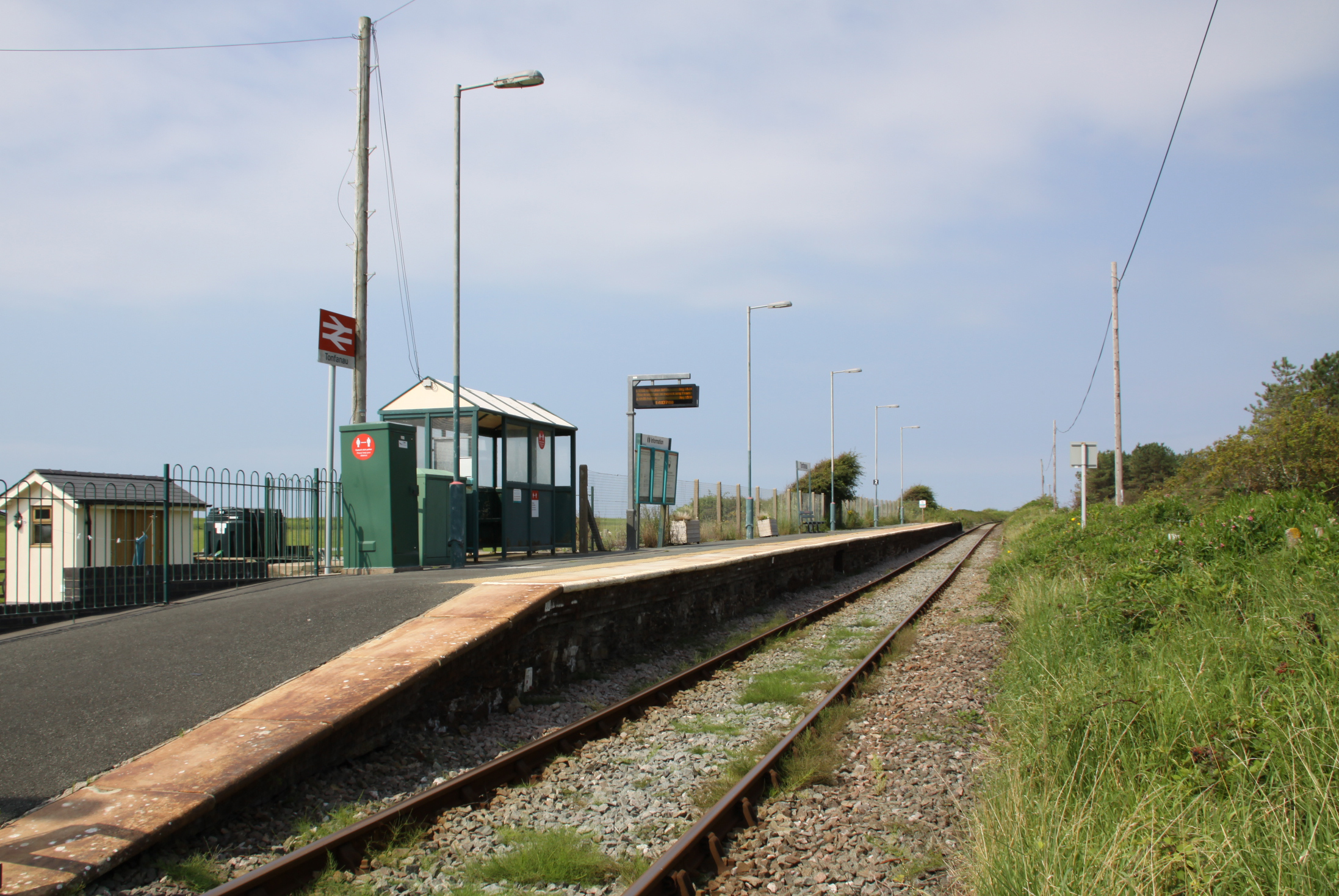 My walk last Tuesday, the only sunny day last week, took me back to Tonfanau. Tonfanau railway station was added to the Cambrian Line to service the Tonfanau Army Camp, which opened in 1938 and was finally closed in 1973 after a 6 month stint as a refugee camp, before being demolished sometime in the 1980s or 90s. The camp extended both sides of the railway line, reaching the beach to the west and spreading part way up a slight slope to the east. I have posted about the camp here. When Tonfanau was at its height as an anti-aircraft training facility, with emplacements of enormous guns along the field at the top of the beach, it would have been anything but a peaceful place to go for a stroll. Today, however, it is probably the most quiet stretch of seaside in the Aberdovey and Tywyn areas.
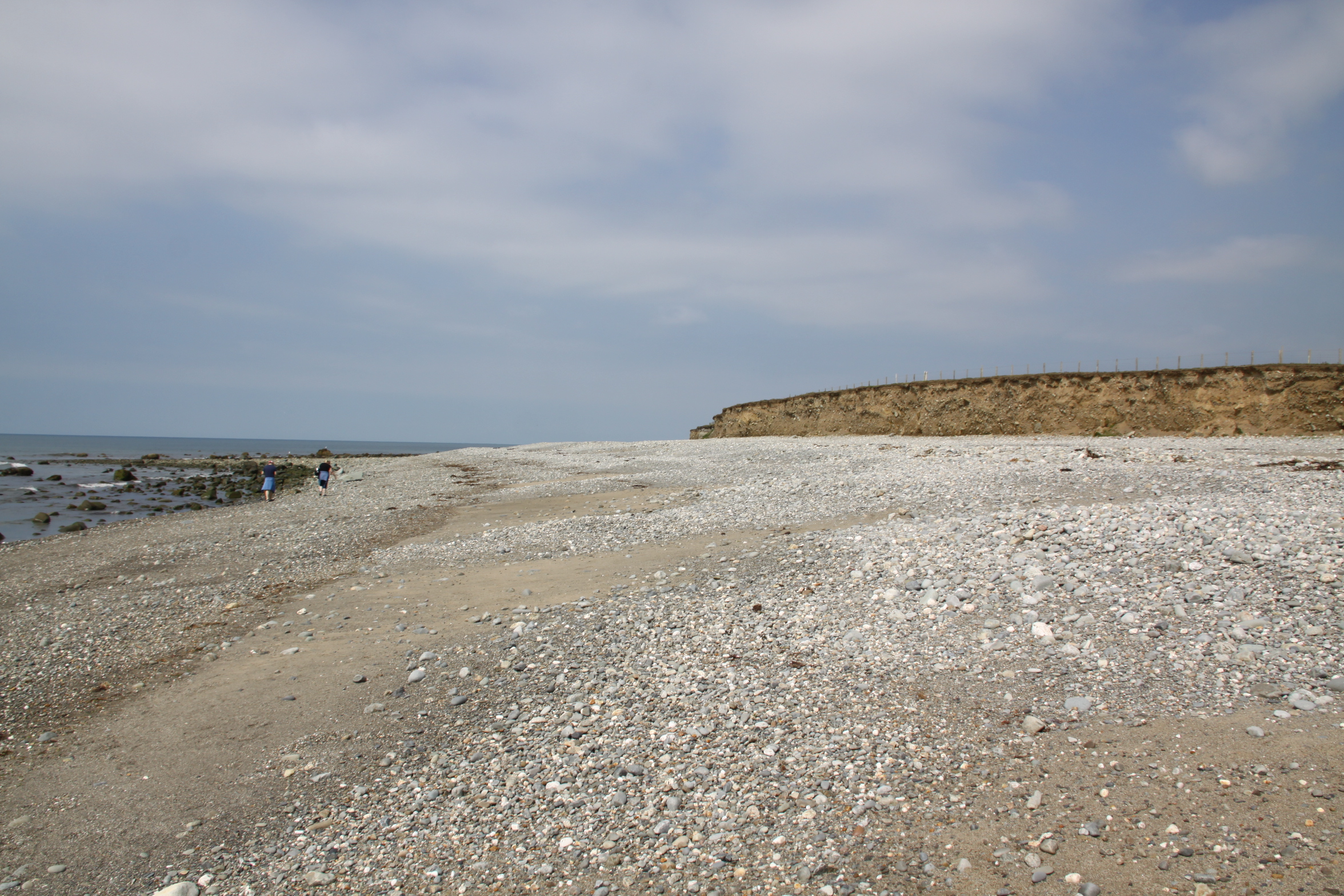 The reason for the lack of human presence, other than fishermen some way out at sea in waders, is certainly because the beach is uncompromisingly uncomfortable to walk, sit or lie on. Apart from a few isolated islands of sand or gravel, it is a pebble beach running down a shallow slope into a rocky foreshore. Footwear is required. This, together with the complete absence of gift shops, public toilets and ice-cream stalls, makes it undesirable for most families, and there is rarely any more than a handful of people there even at the height of the tourist season. This makes it a very good retreat for sea birds, which line the water’s edge at a very safe distance from anyone who might be walking along the stony beach or investigating the rock pools. Oystercatchers, terns and various types of seagull are all in evidence at this time of year.
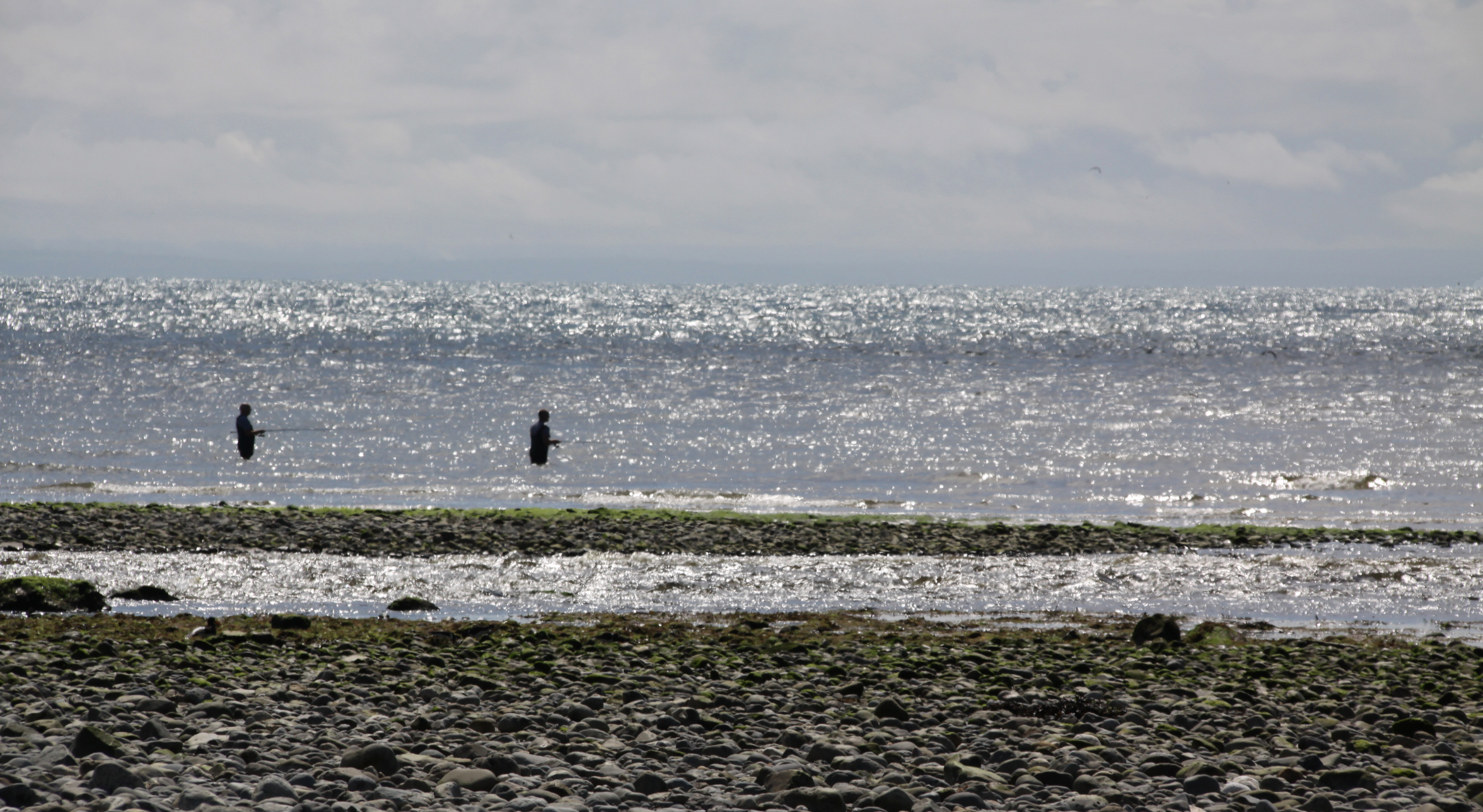 The views along the beach are splendid. After the recent heavy rain the Dysynni charges at high speed through a surprisingly narrow mouth into the sea, fascinating to watch, and you can see it and hear its roar on the video at the end of the post. This understated but impressive meeting of the Dysynni with the sea is marked as Aber Dysynni (mouth of the Dysynni) on the Ordnance Survey map. The sea itself makes a lovely sound on the rocky foreshore and gravel, drawing the gravel back as it retreats, and colliding with the rocks as it advances. Above the sound of the sea and wind are the musical voices of sea birds. As you walk along it, the beach curves around a long corner promising more of the same untroubled vistas over an empty beach, rolling white horses and, in the distance, the Llyn peninsula. Behind the beach, looking east, are views of the major summits of Tonfanau and Foel Llanfendigaid, as well as the smooth green slopes of the hills between them.
 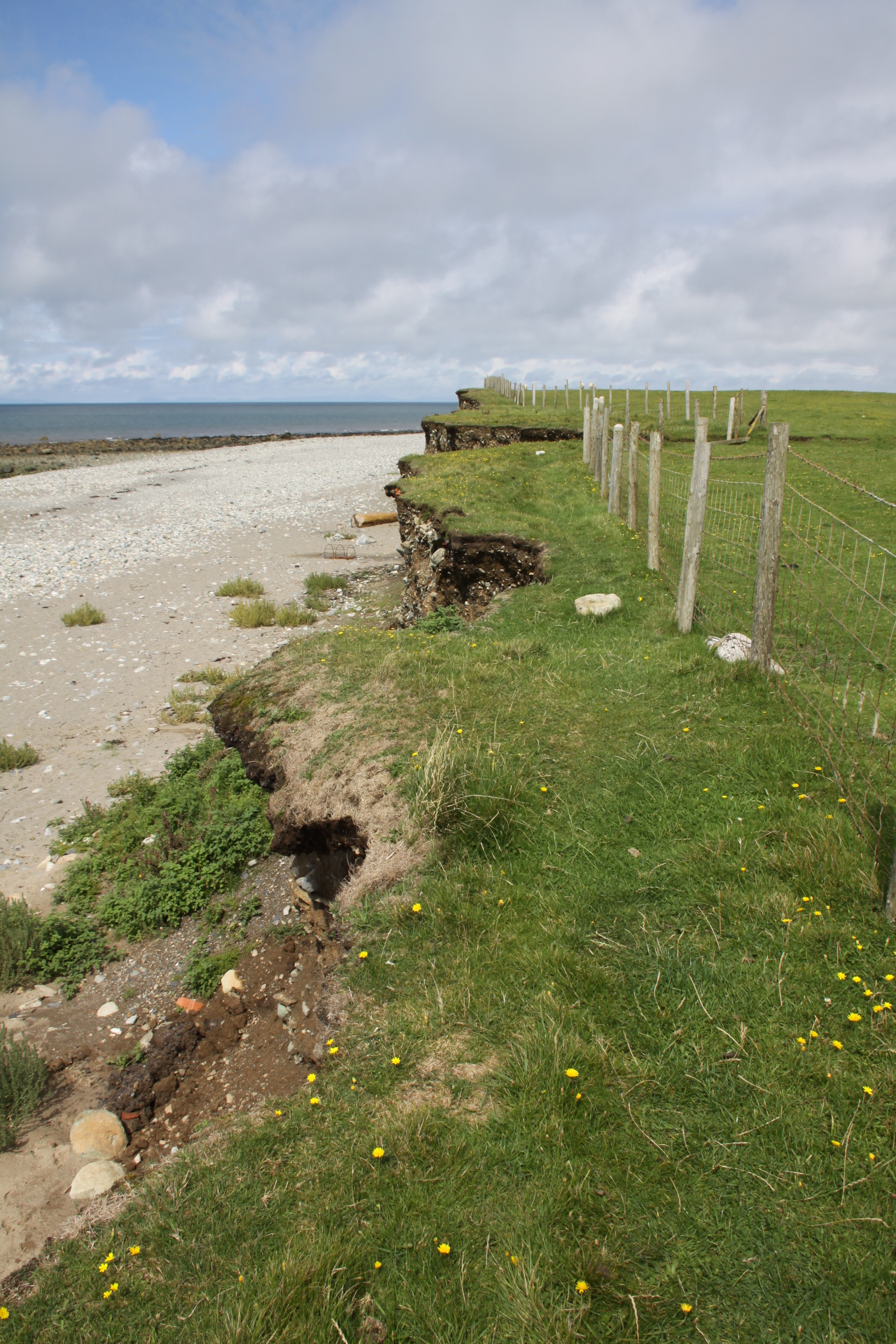 I started out walking along the top of the small “cliff” that runs along the top of the beach. It is only a couple of feet wide, drops only about eight foot or so above the beach below and stops where the publicly accessible land meets the fence of a farmer’s field after about 10 minutes of walking. It offers a terrific view down onto the beach, there are always some interesting wild flowers, and it is well worth doing if you are sure of your footing.
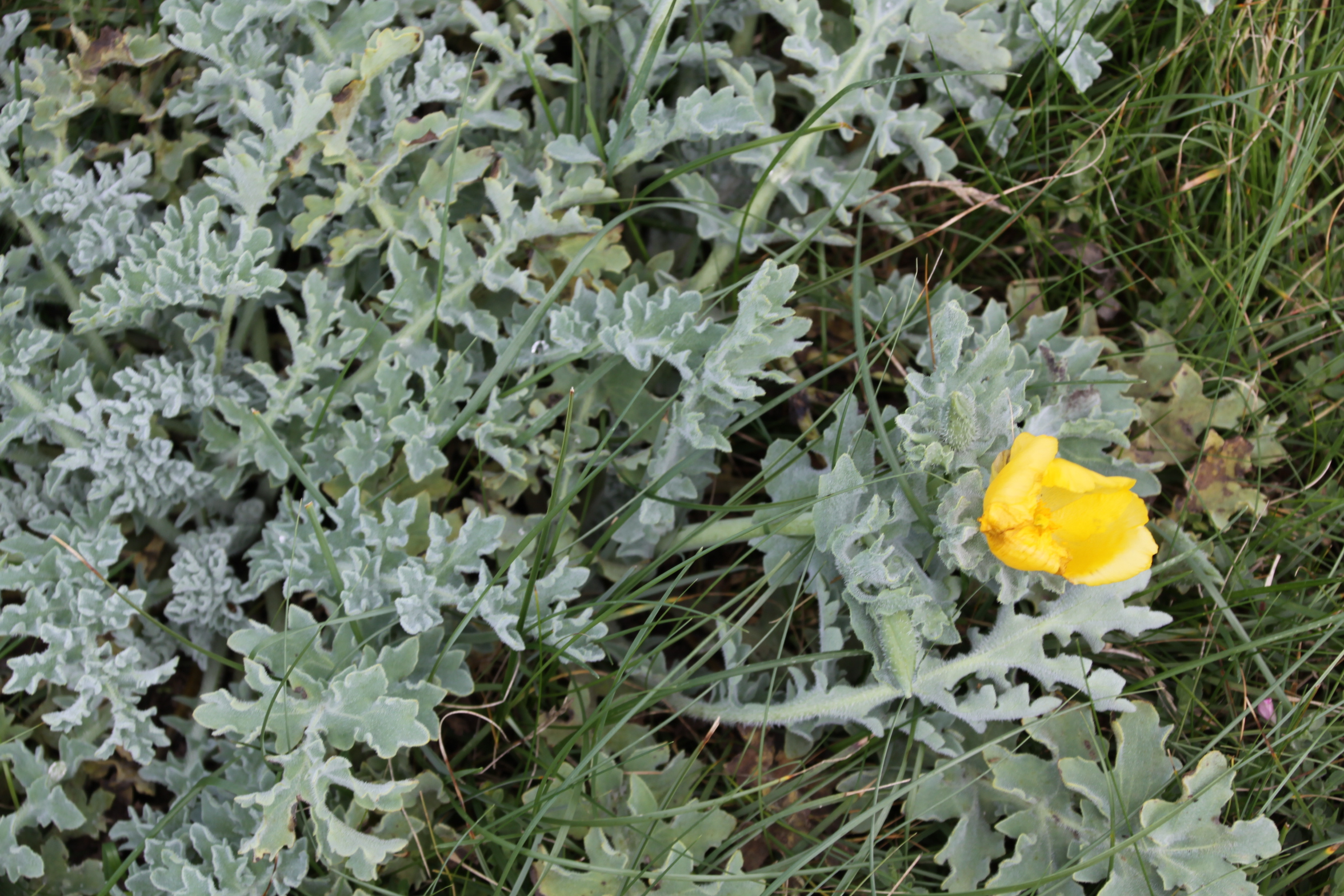 Yellow Horned-Poppy (Glaucium flavum)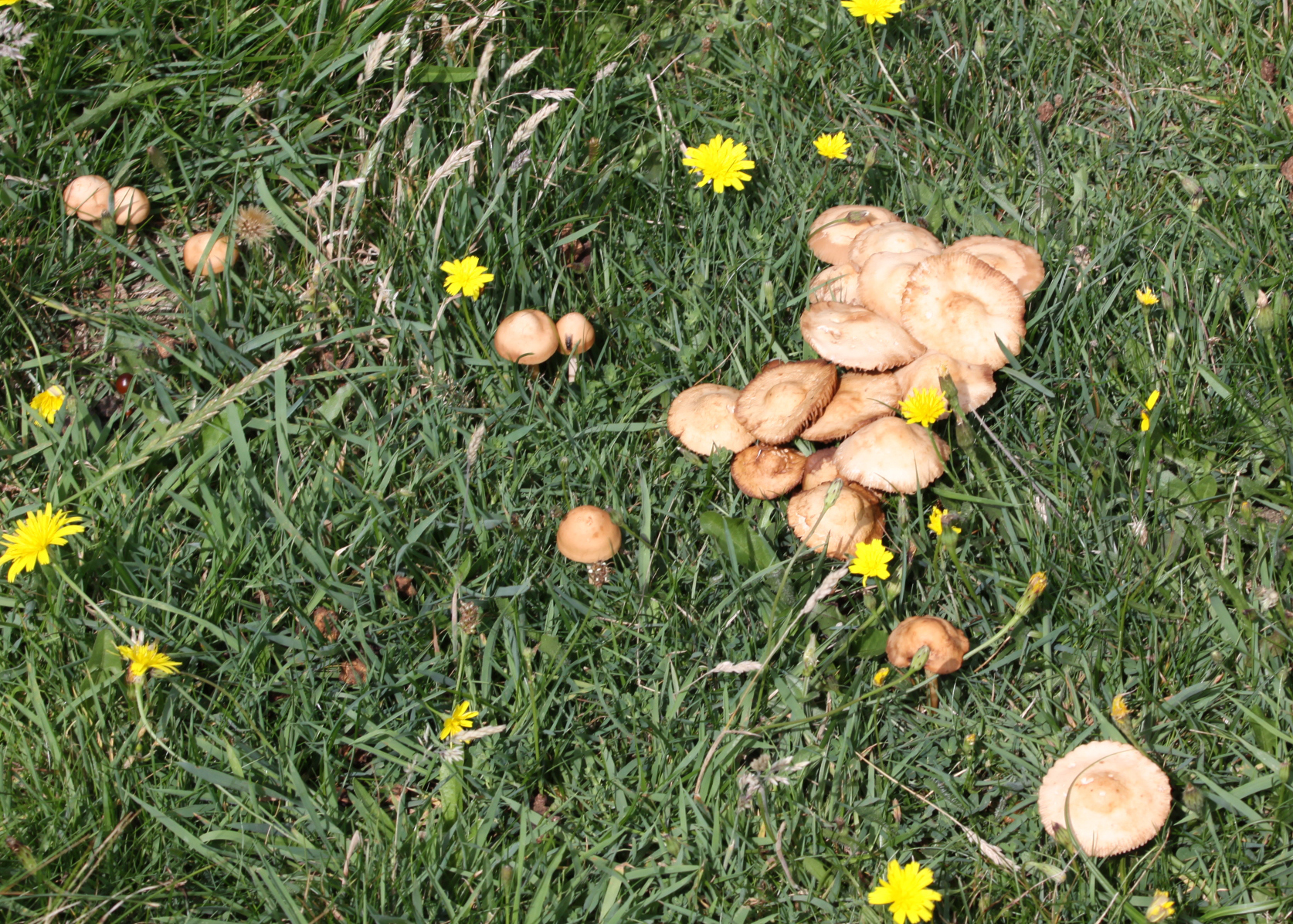
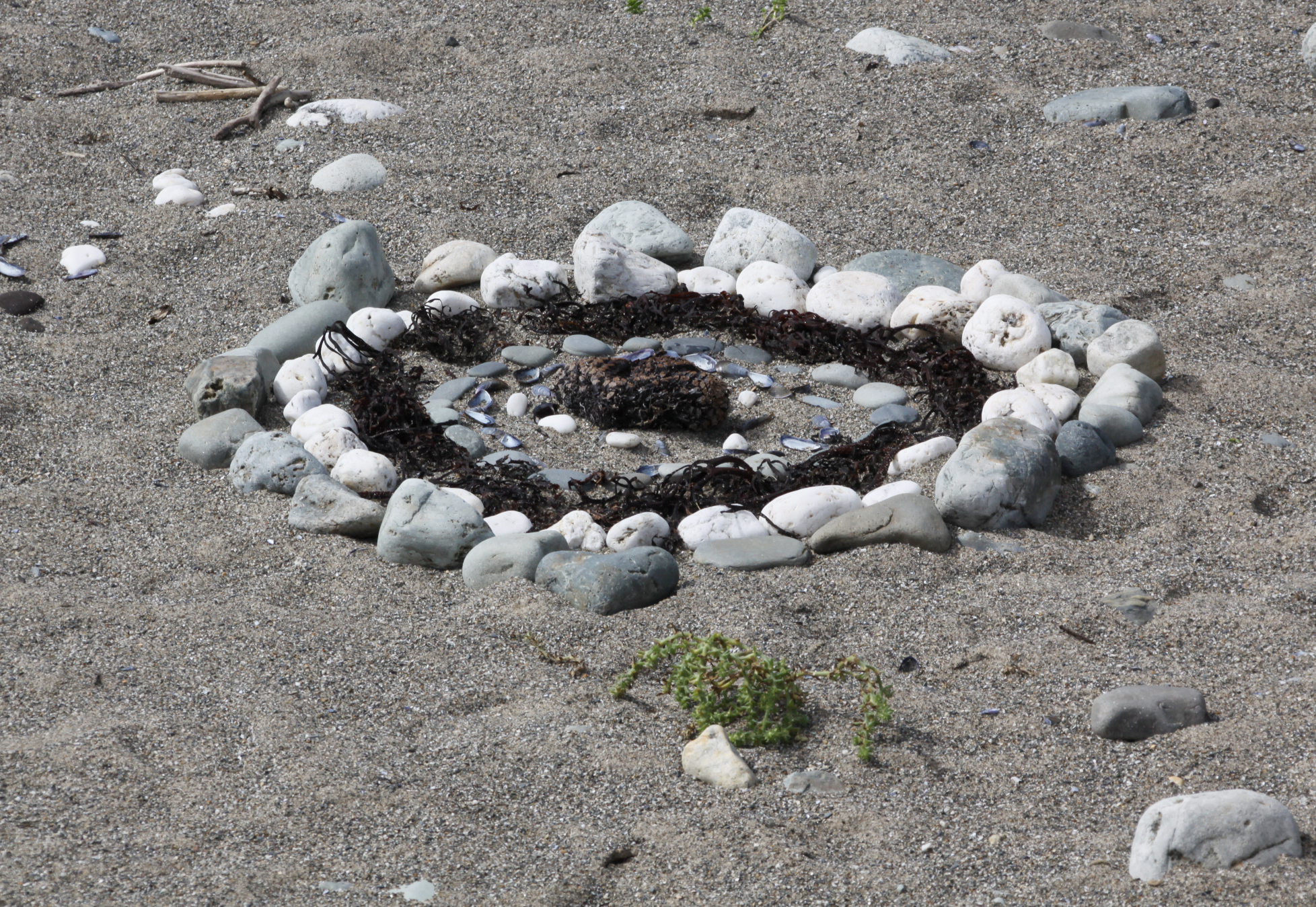
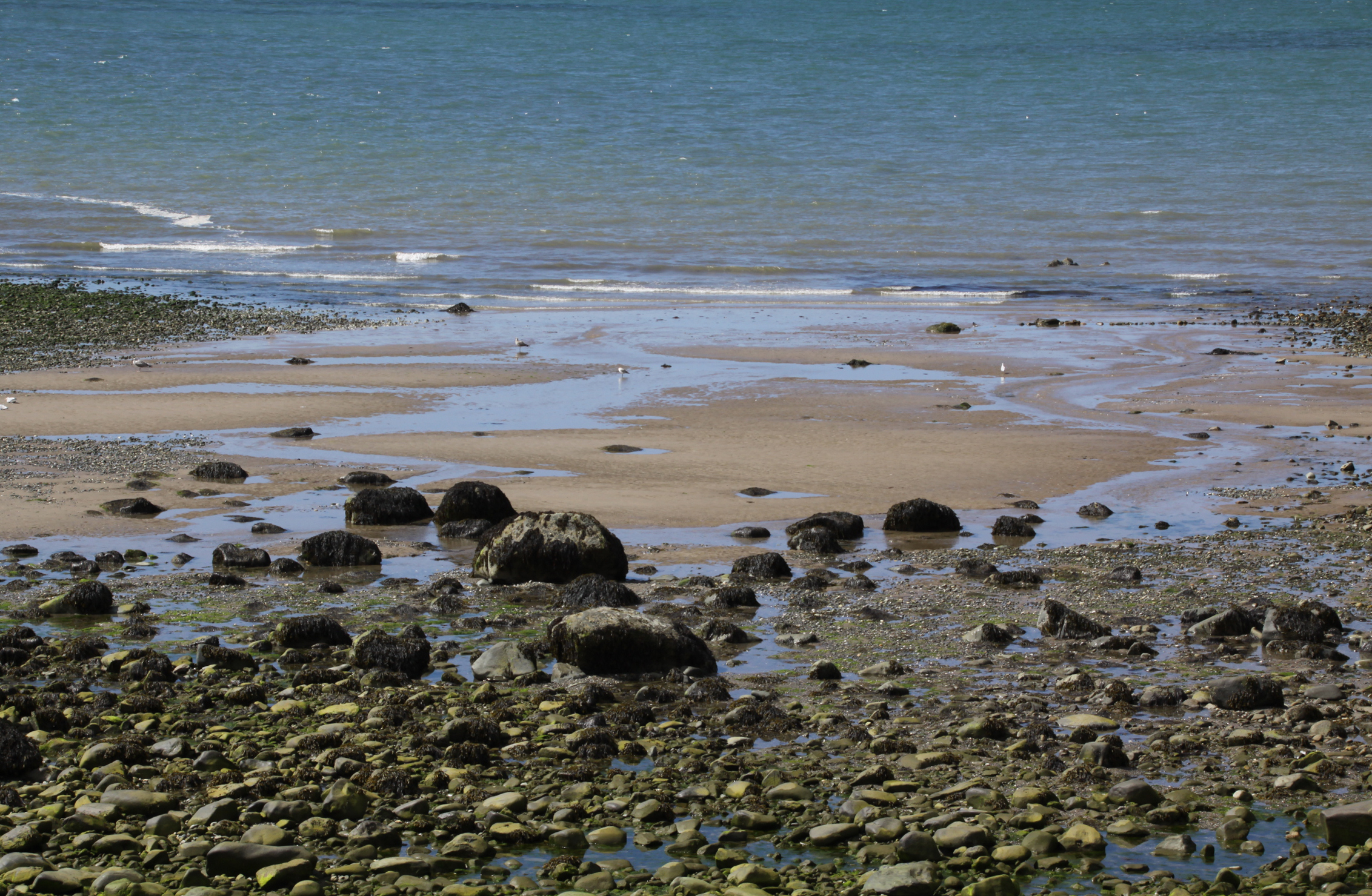
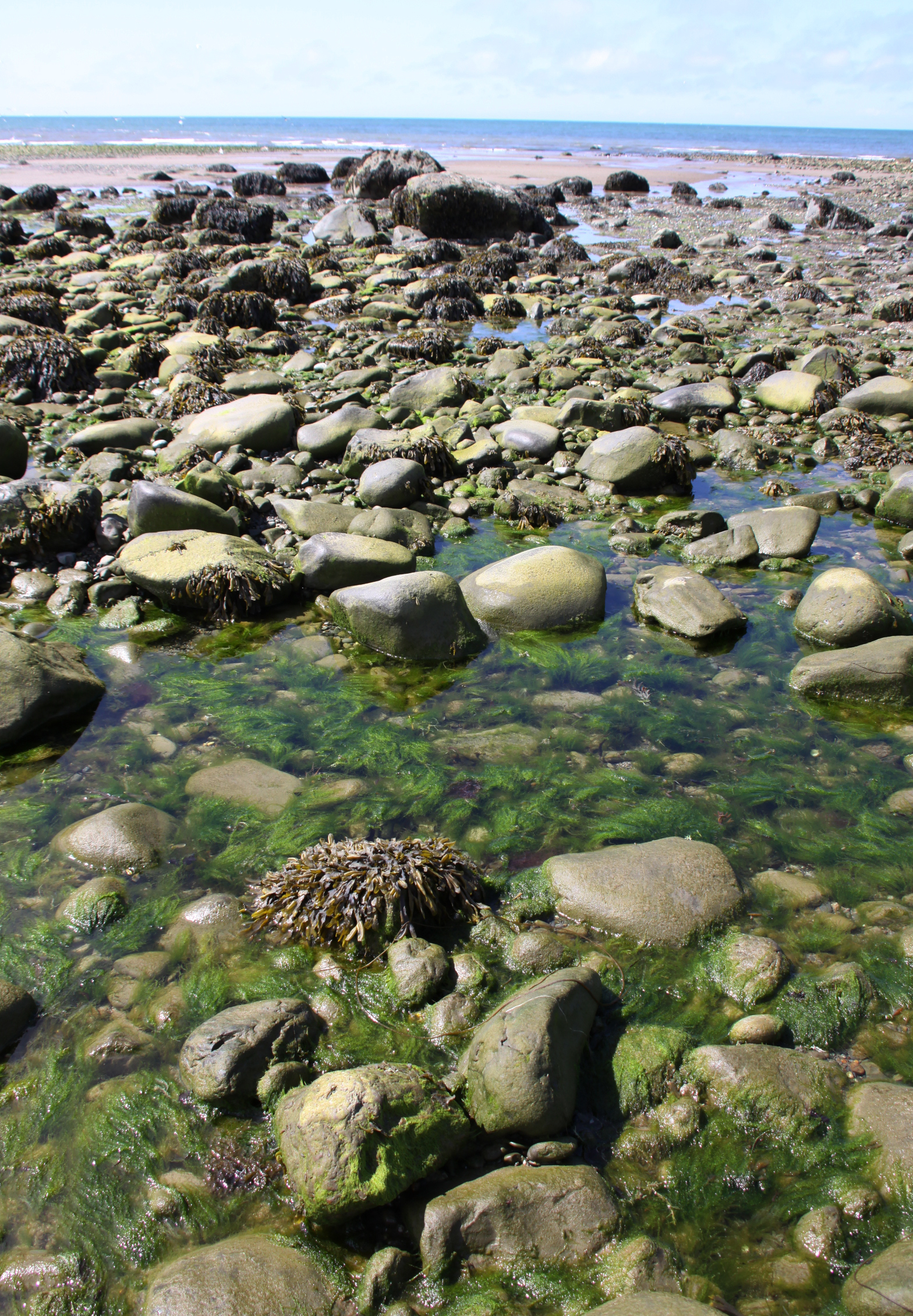
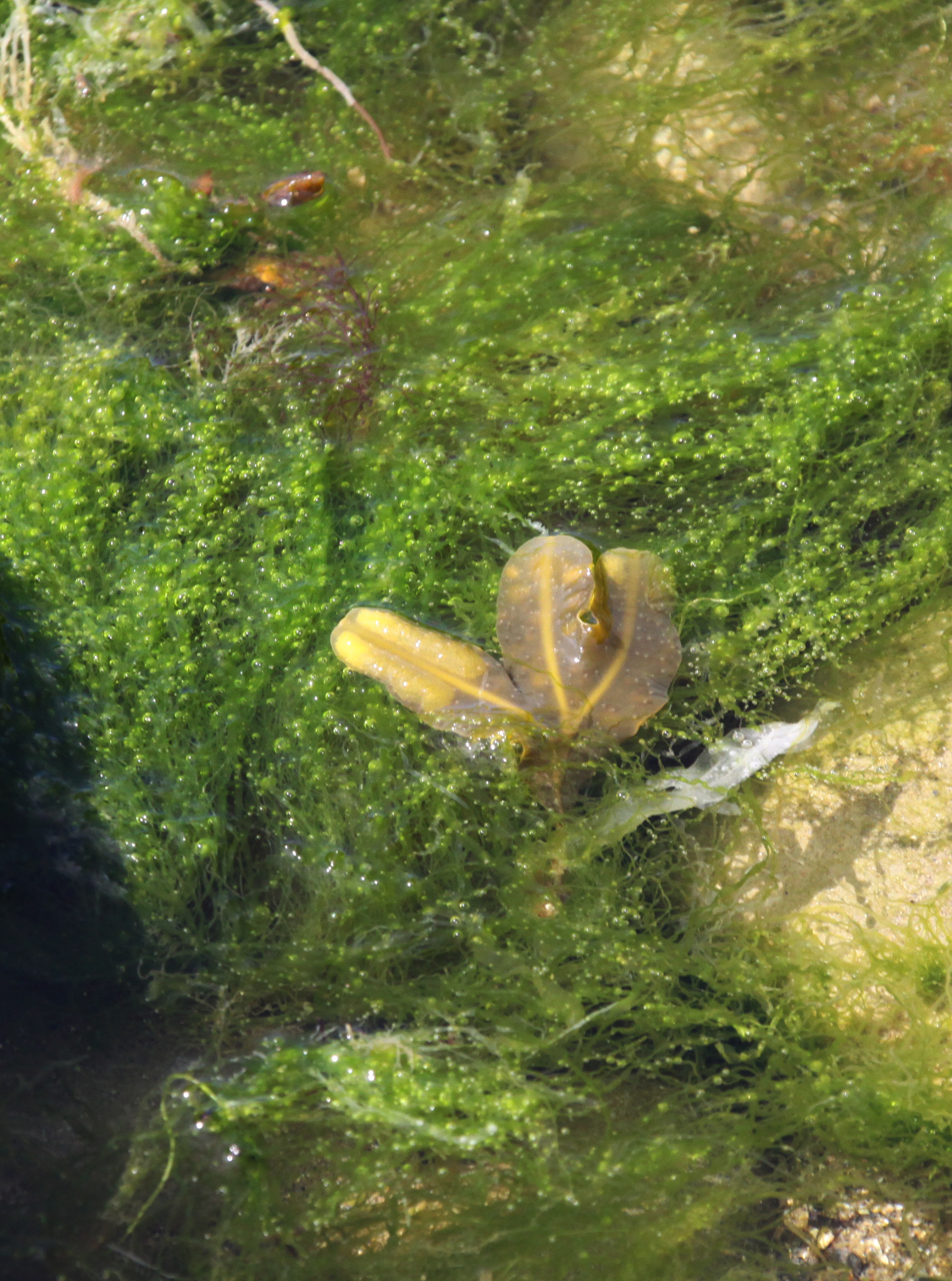
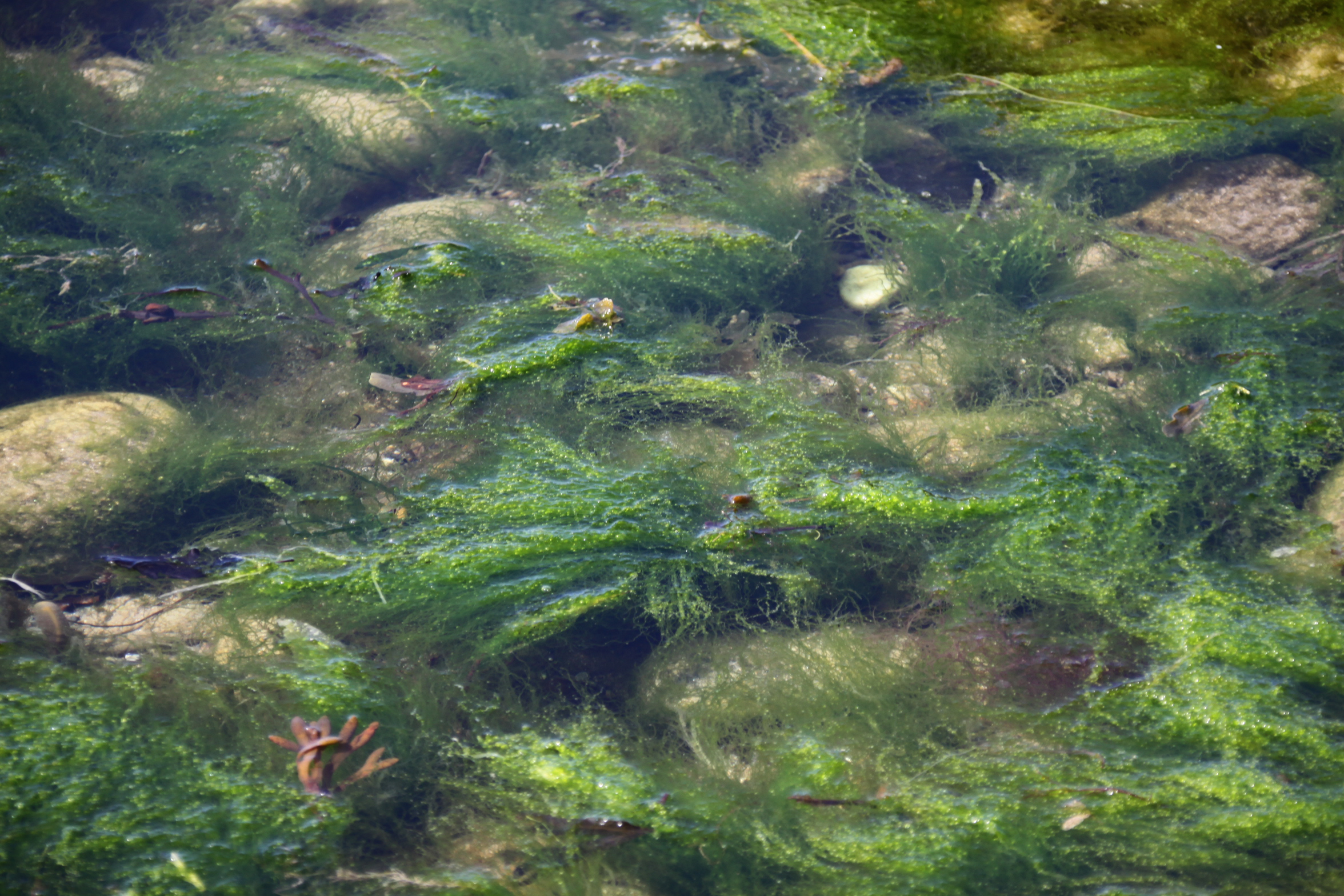
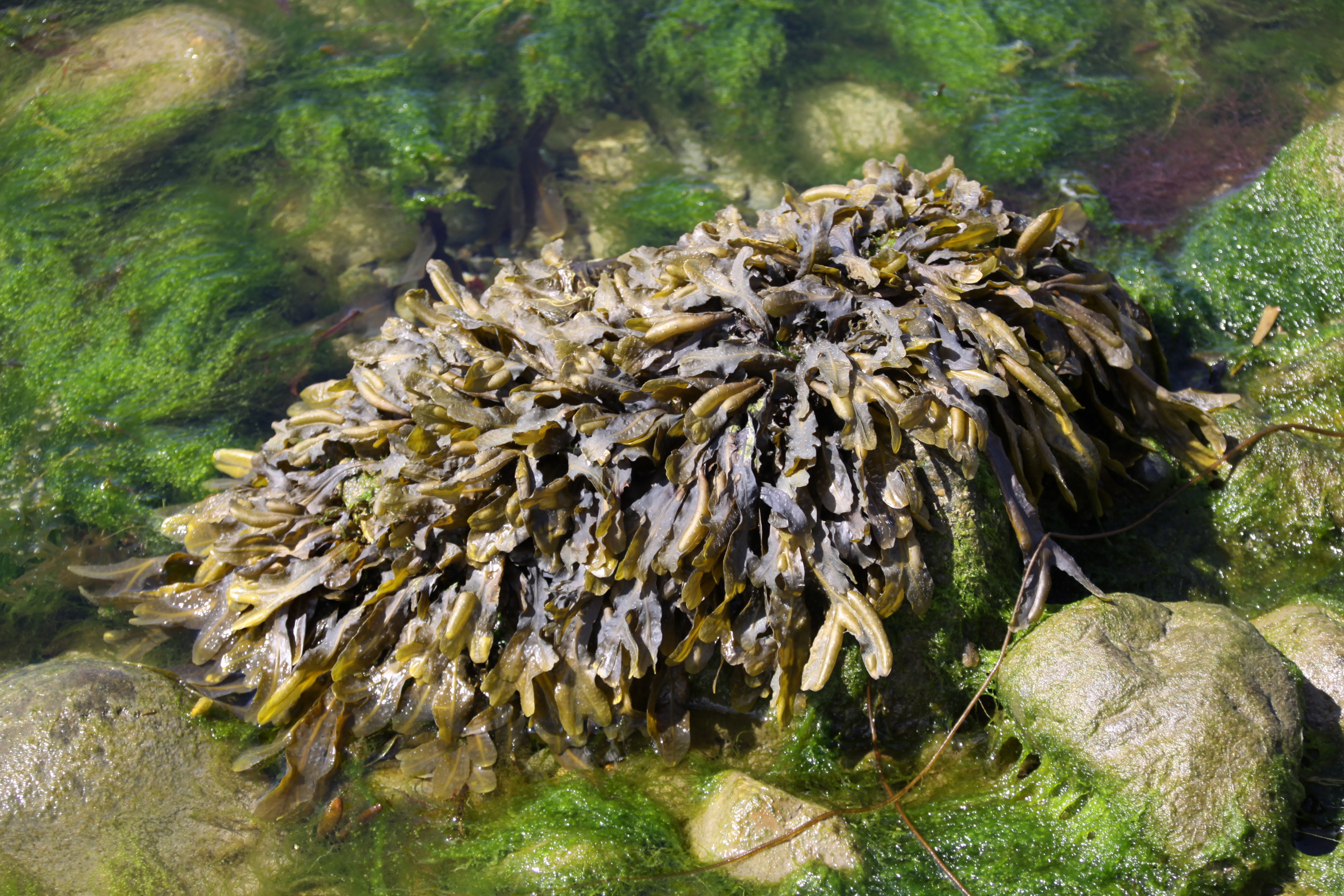
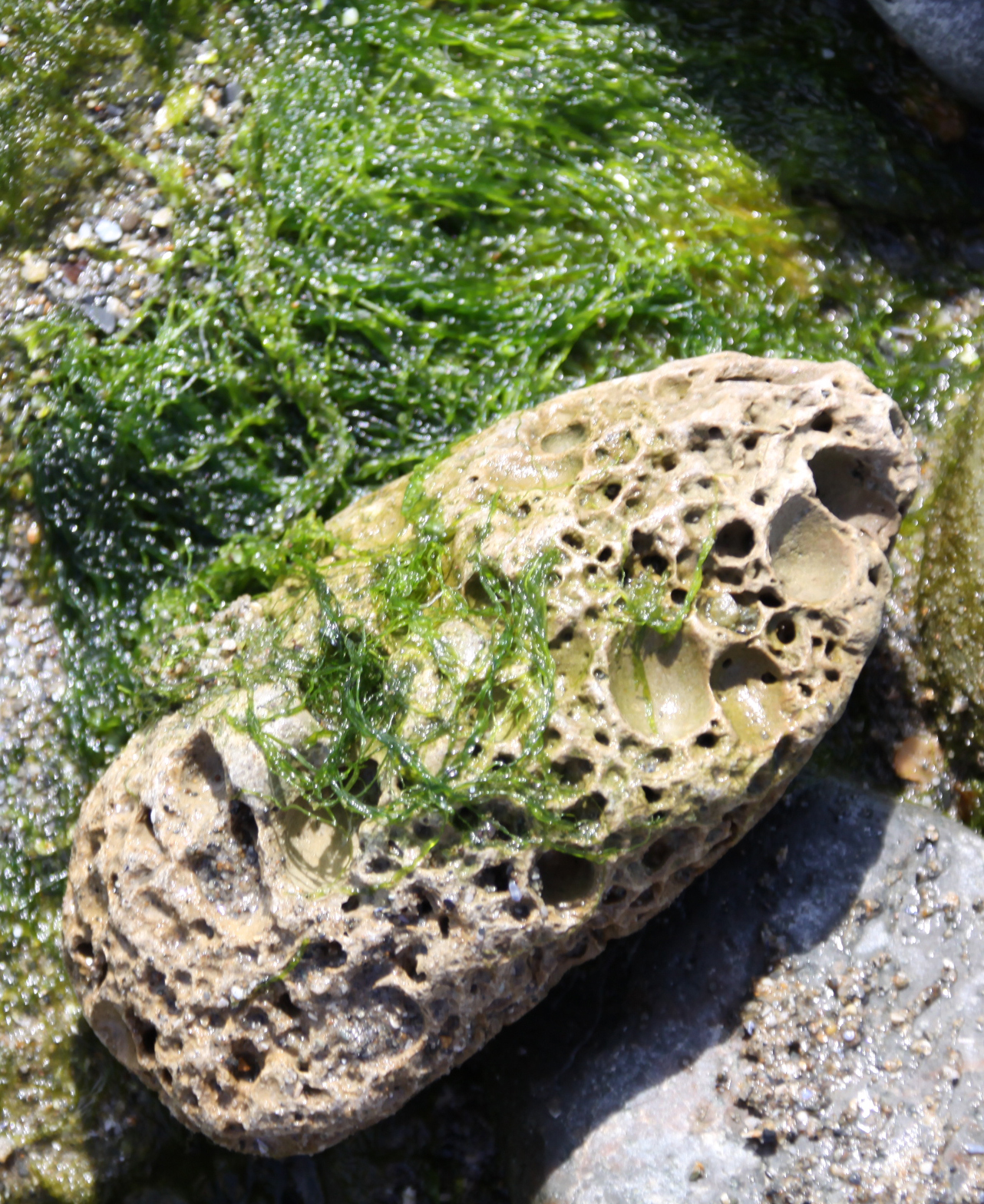
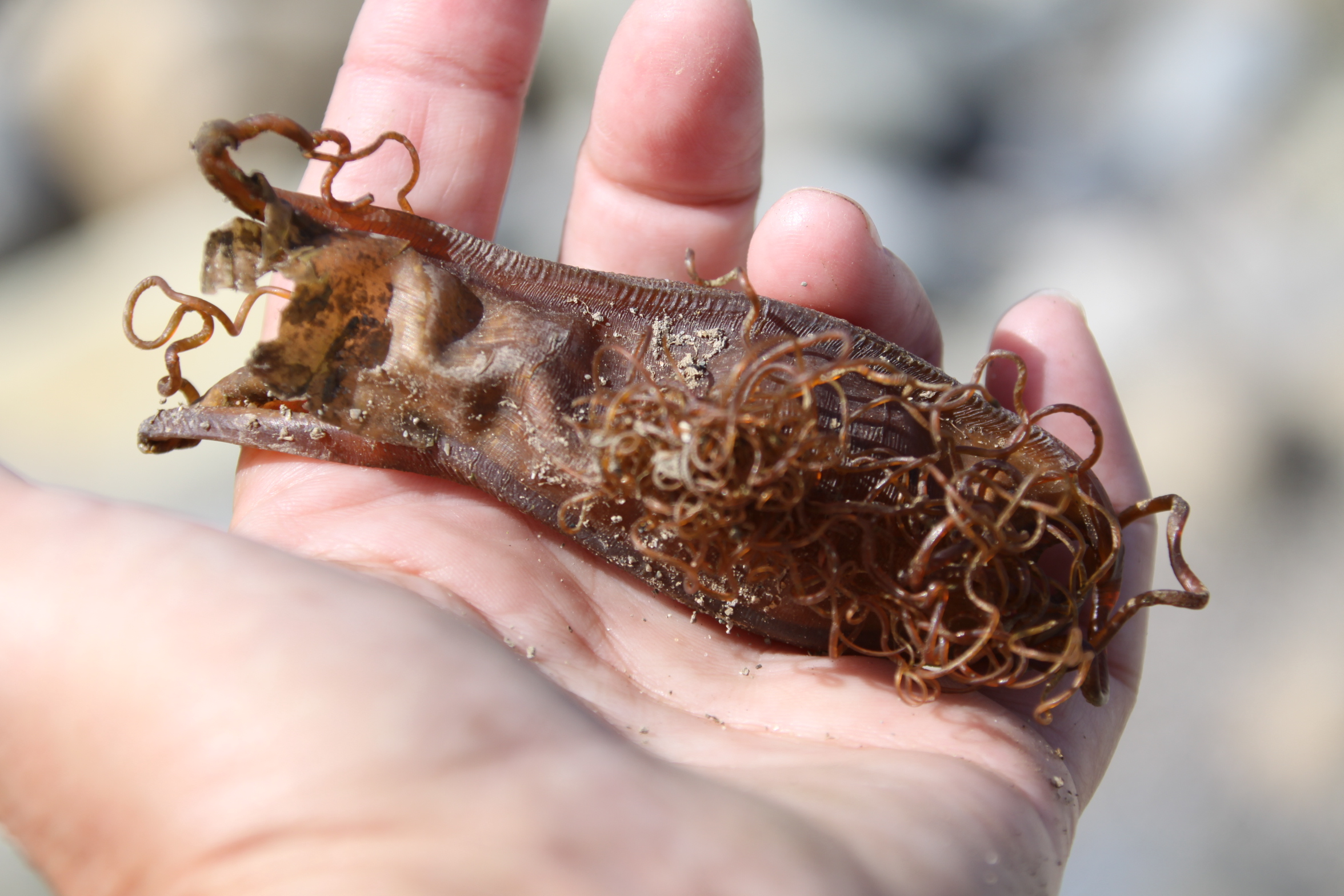
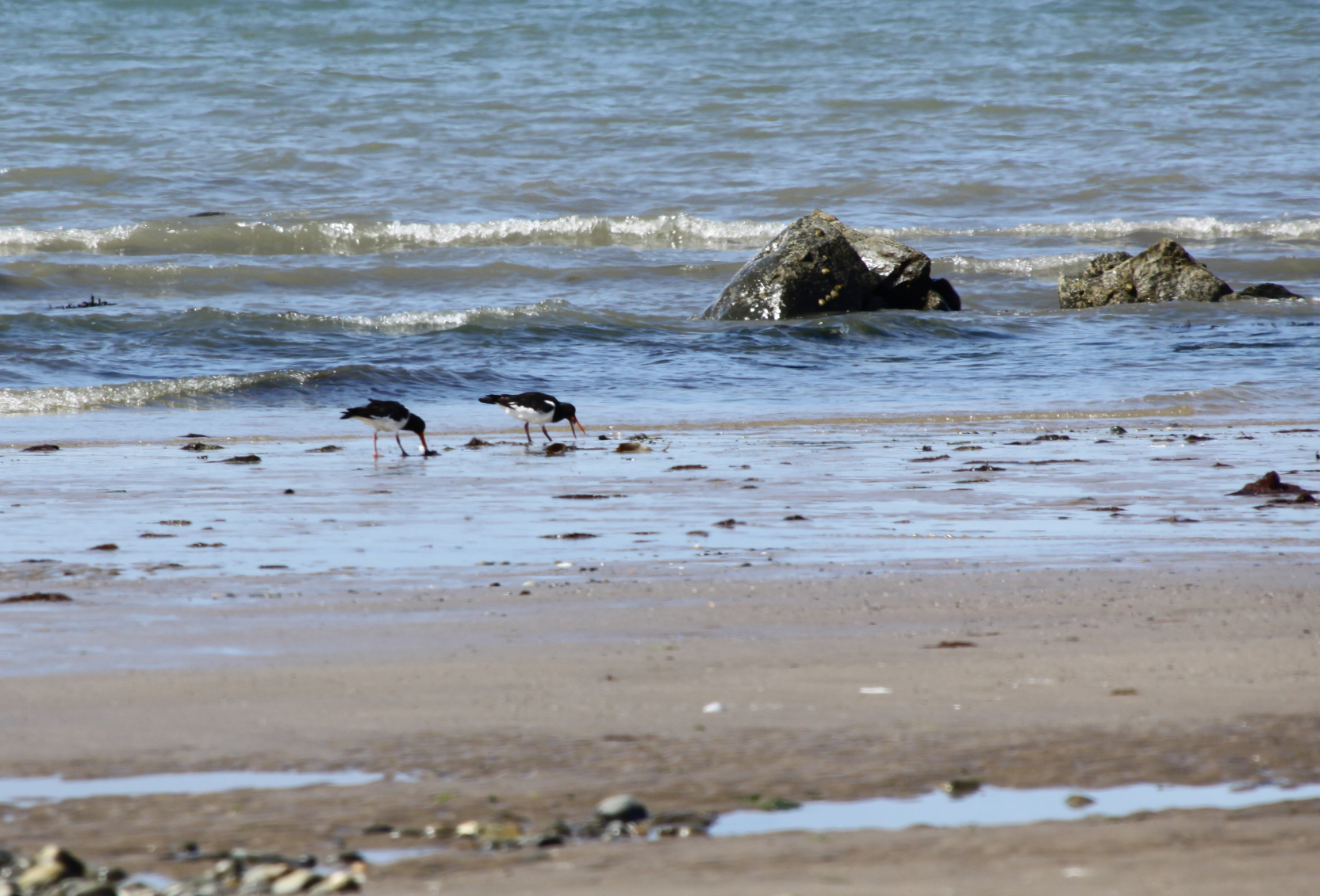 Oystercatchers at work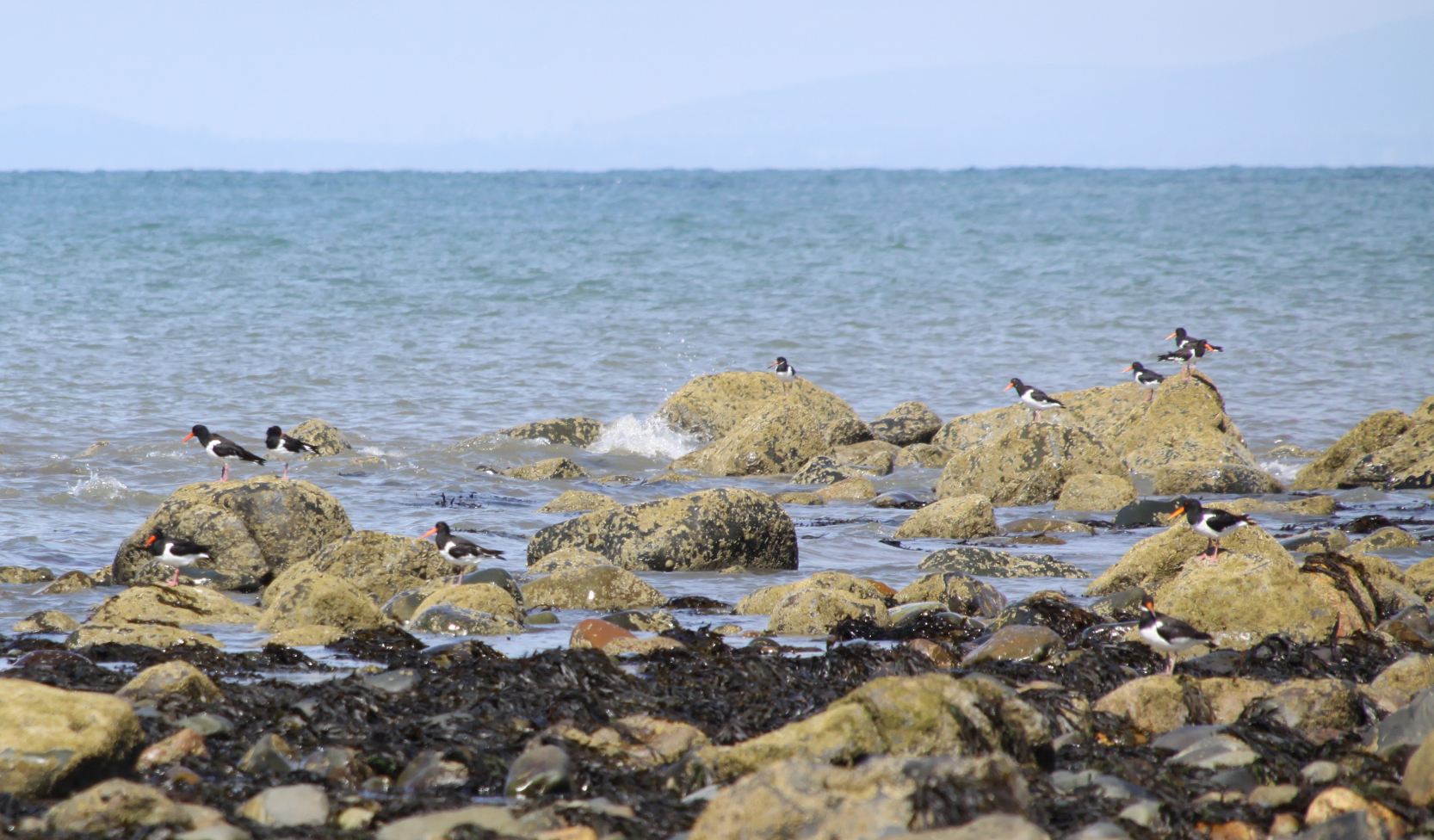
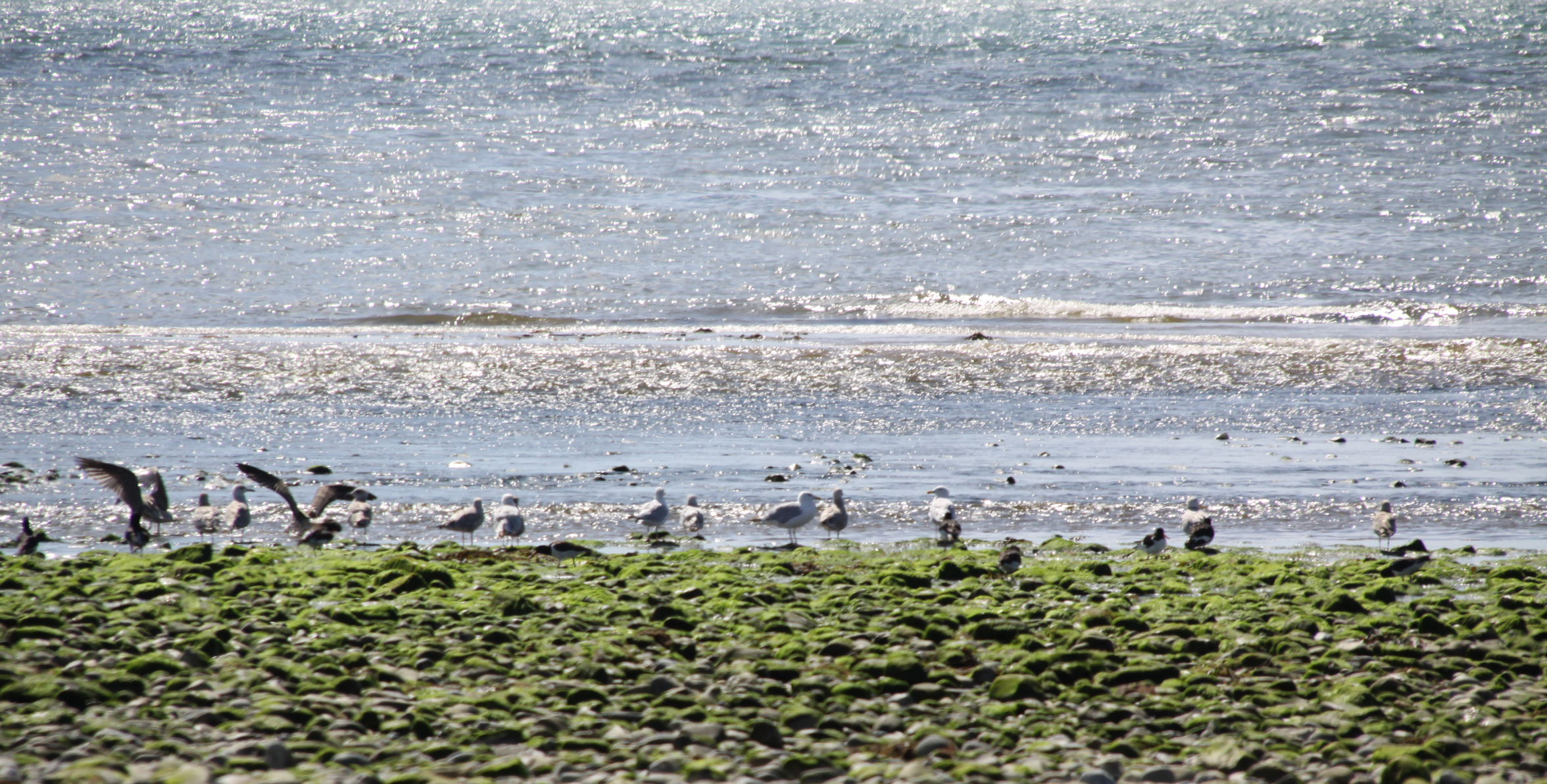
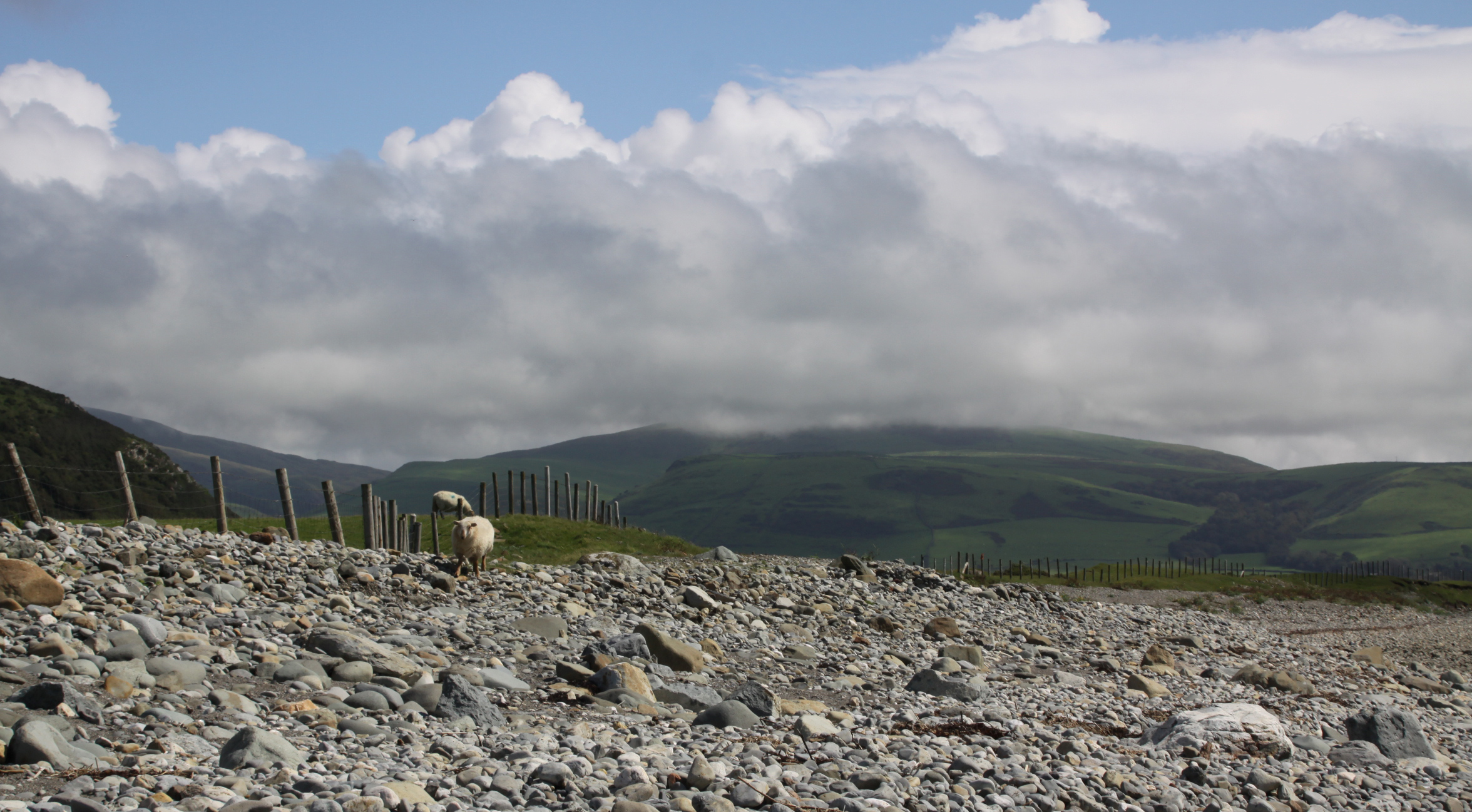
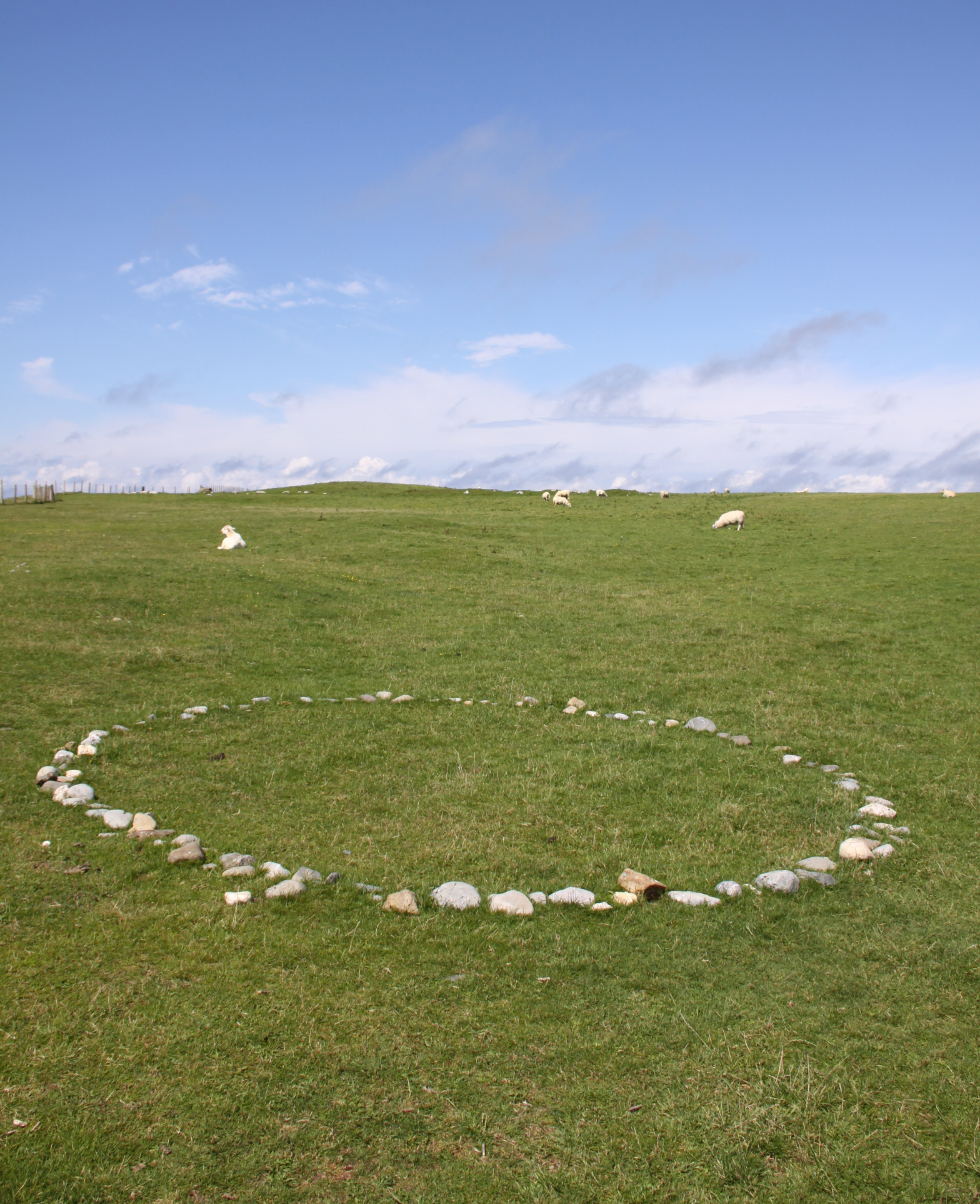
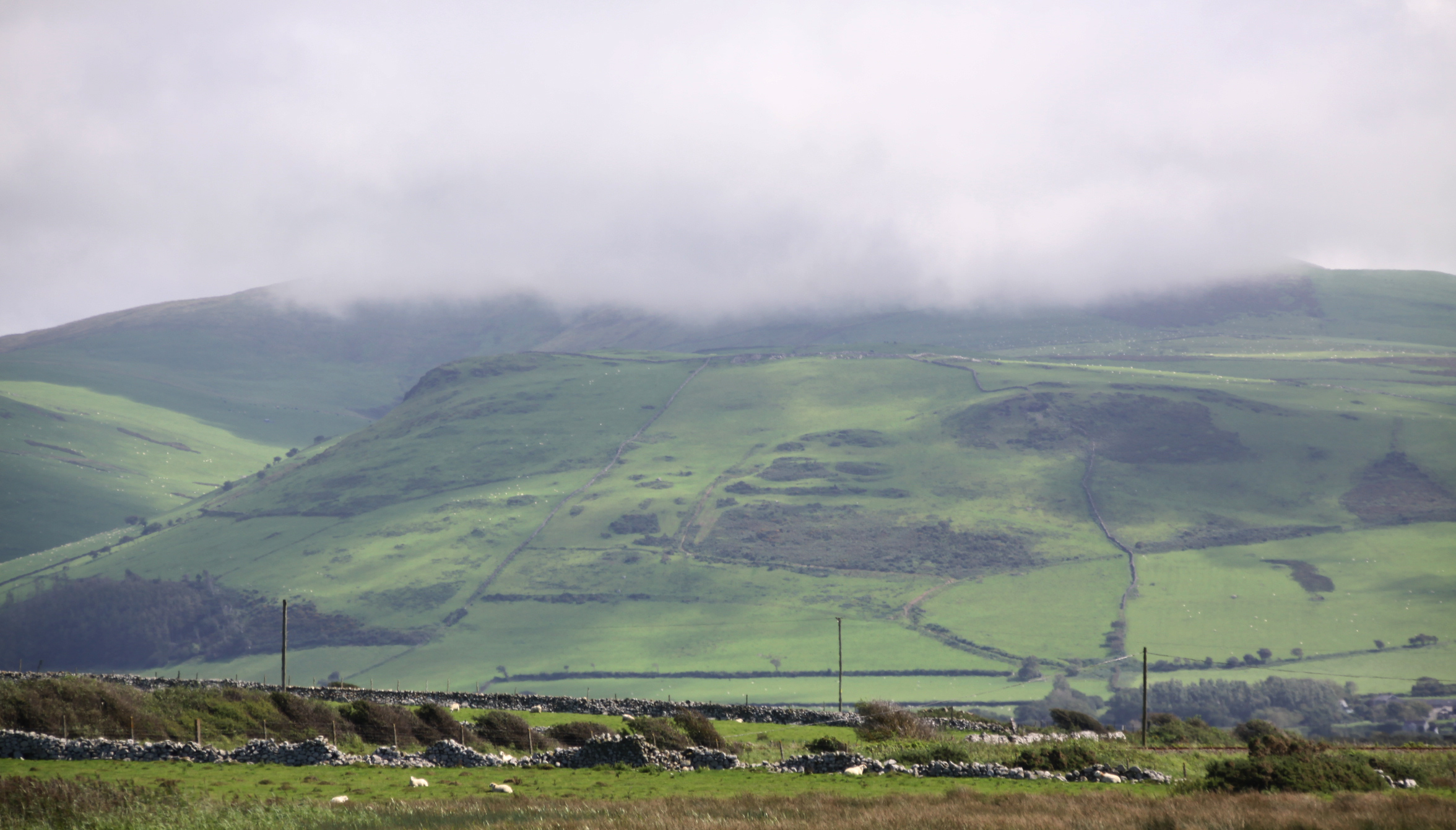
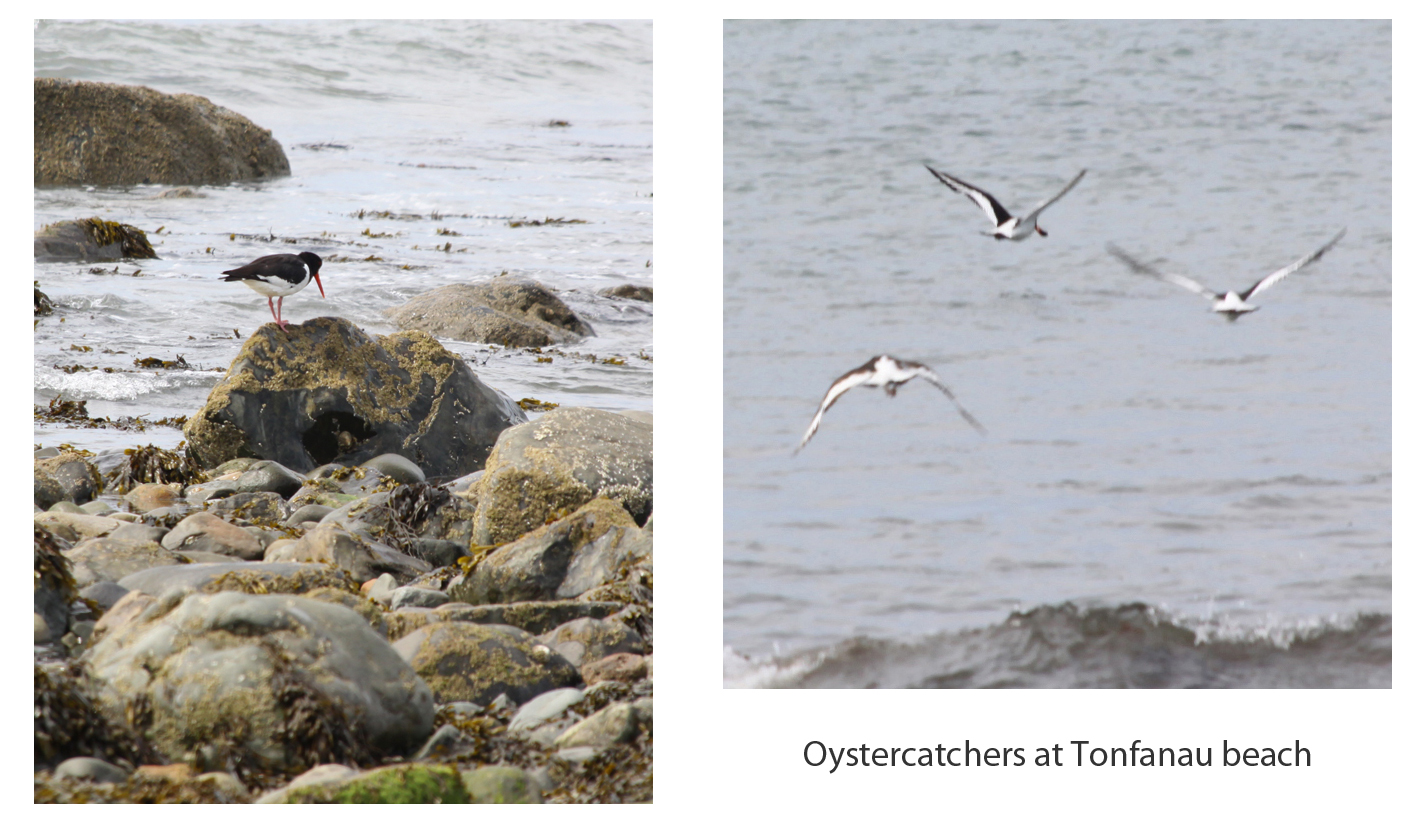
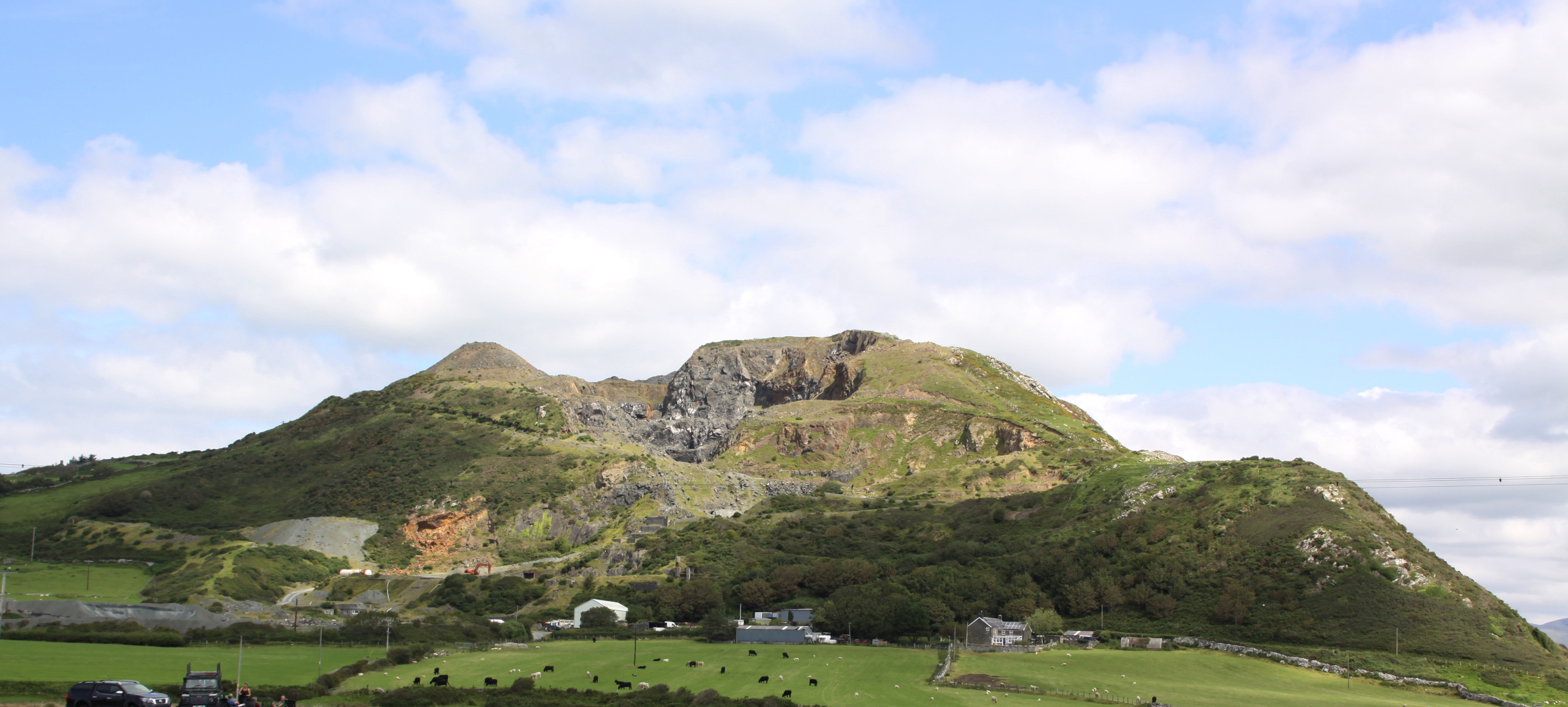
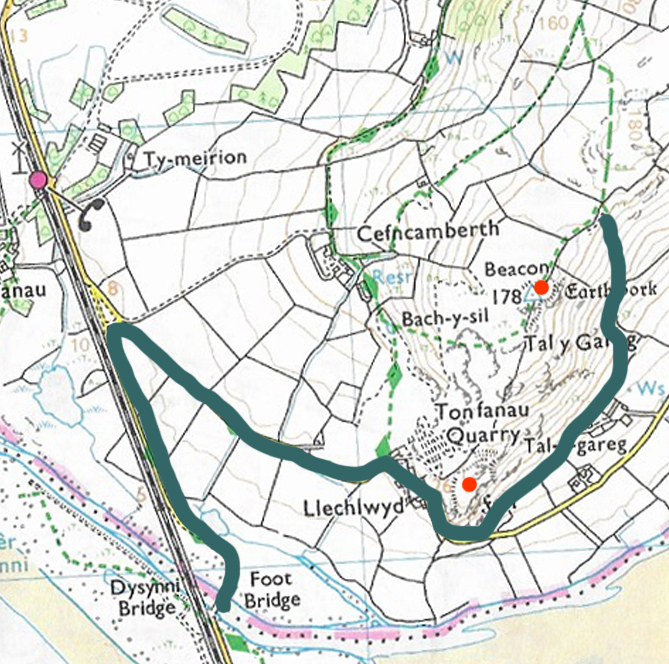
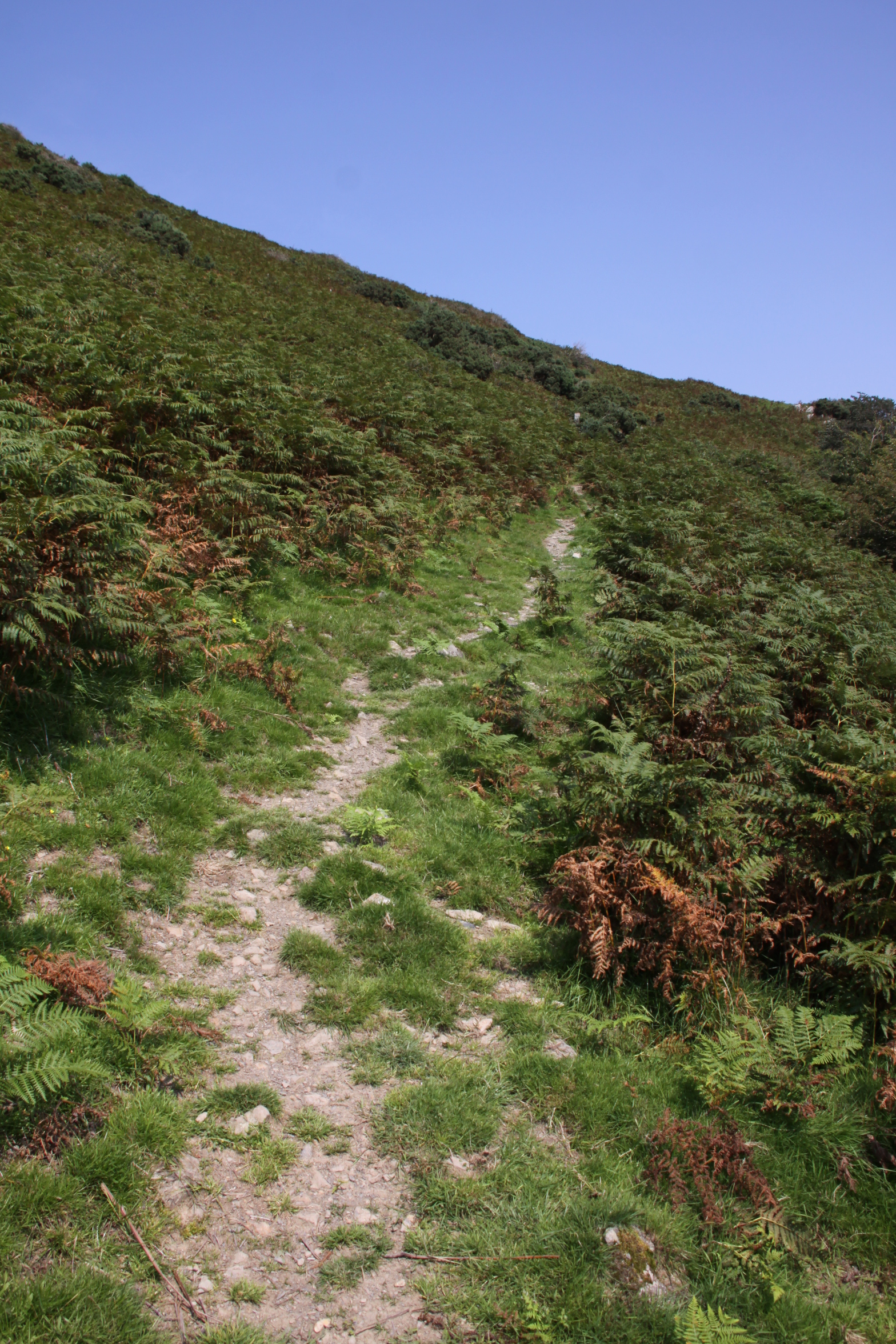
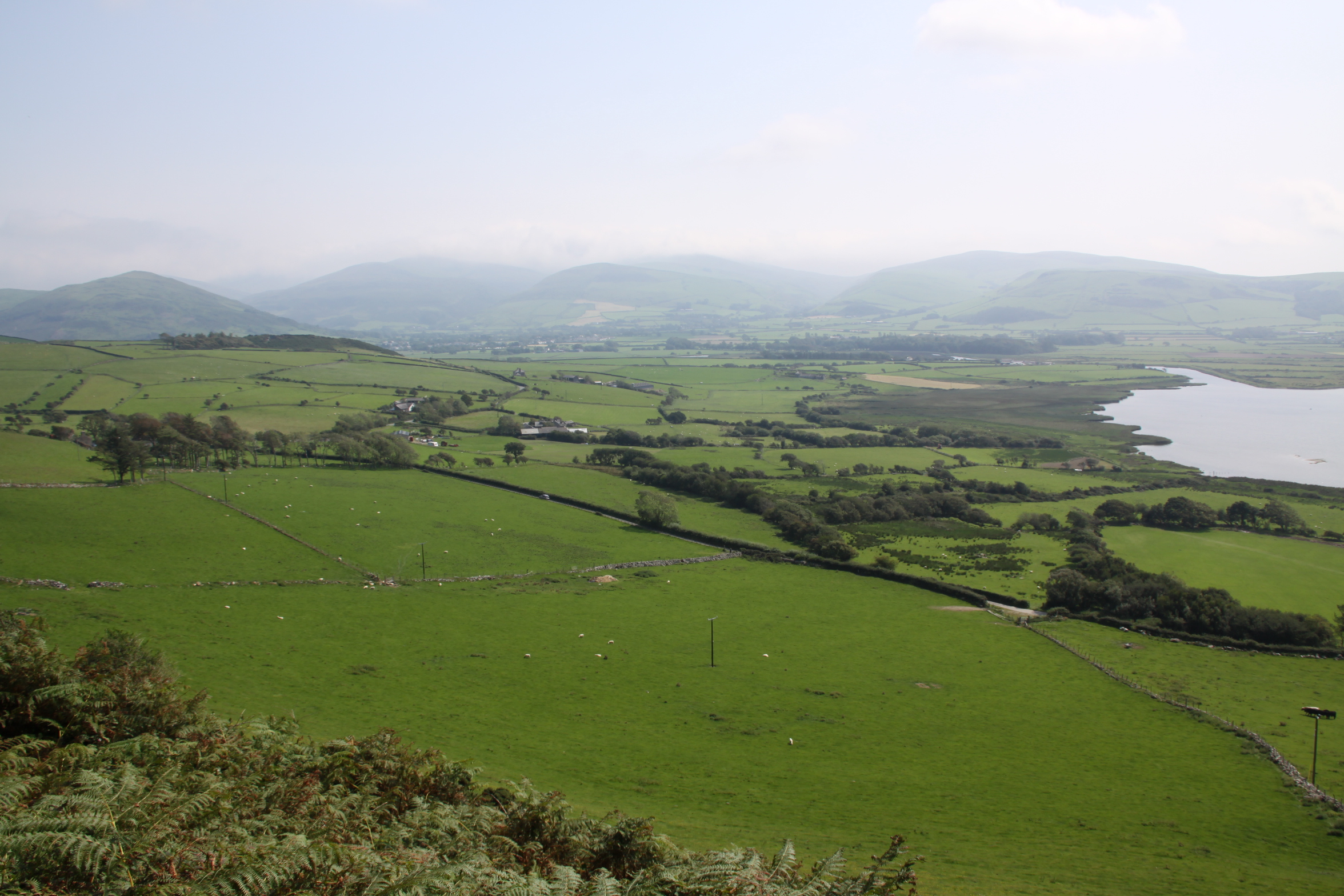

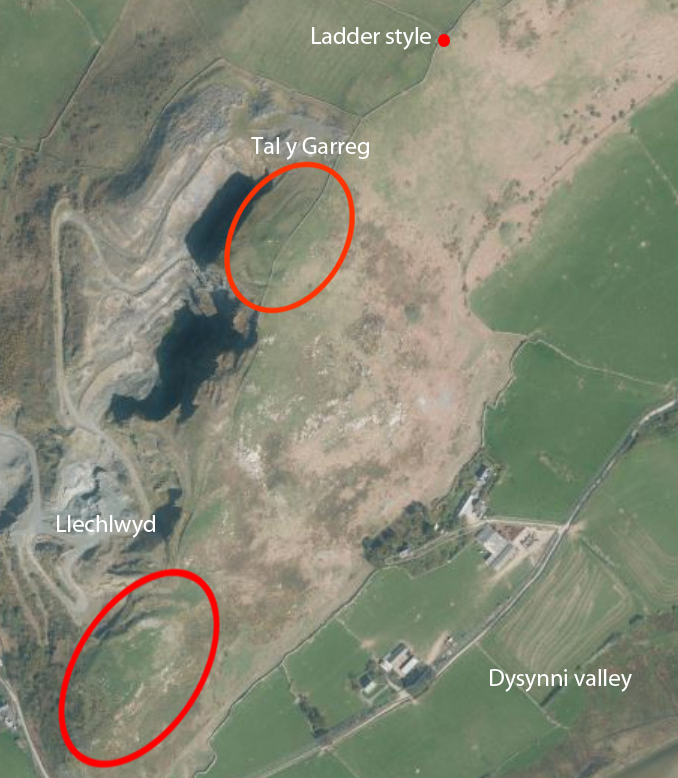
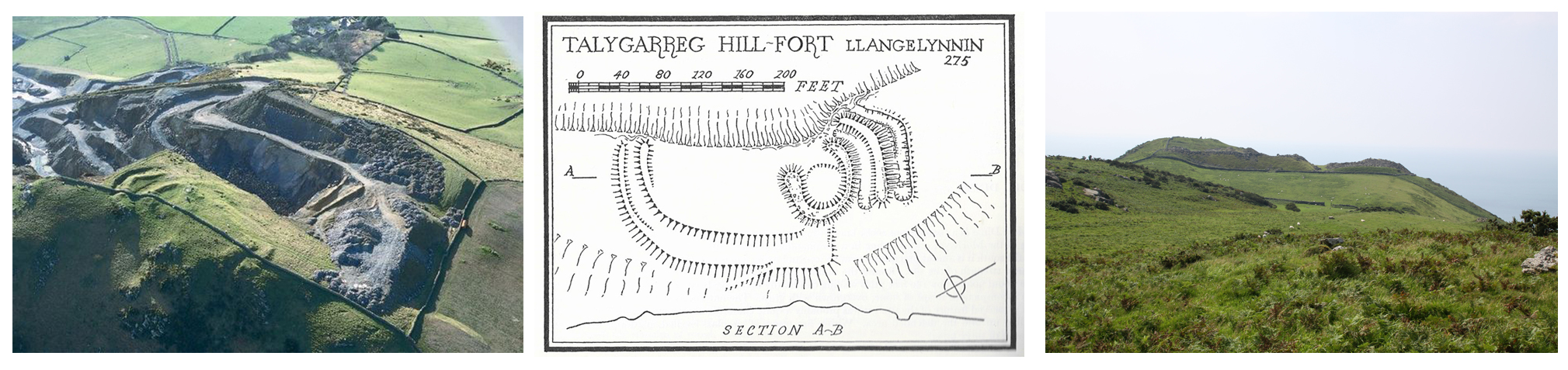
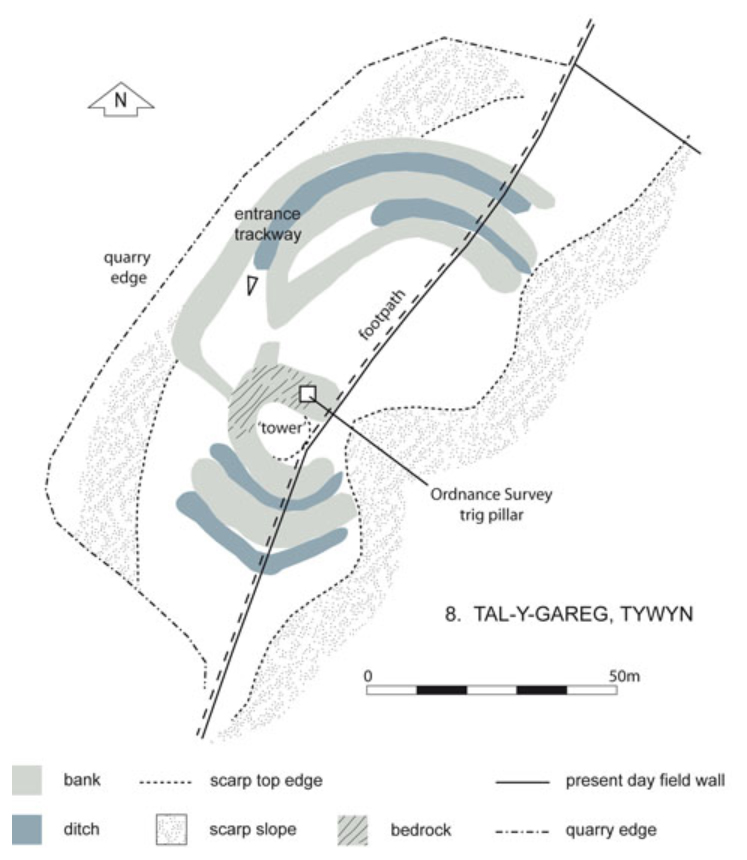
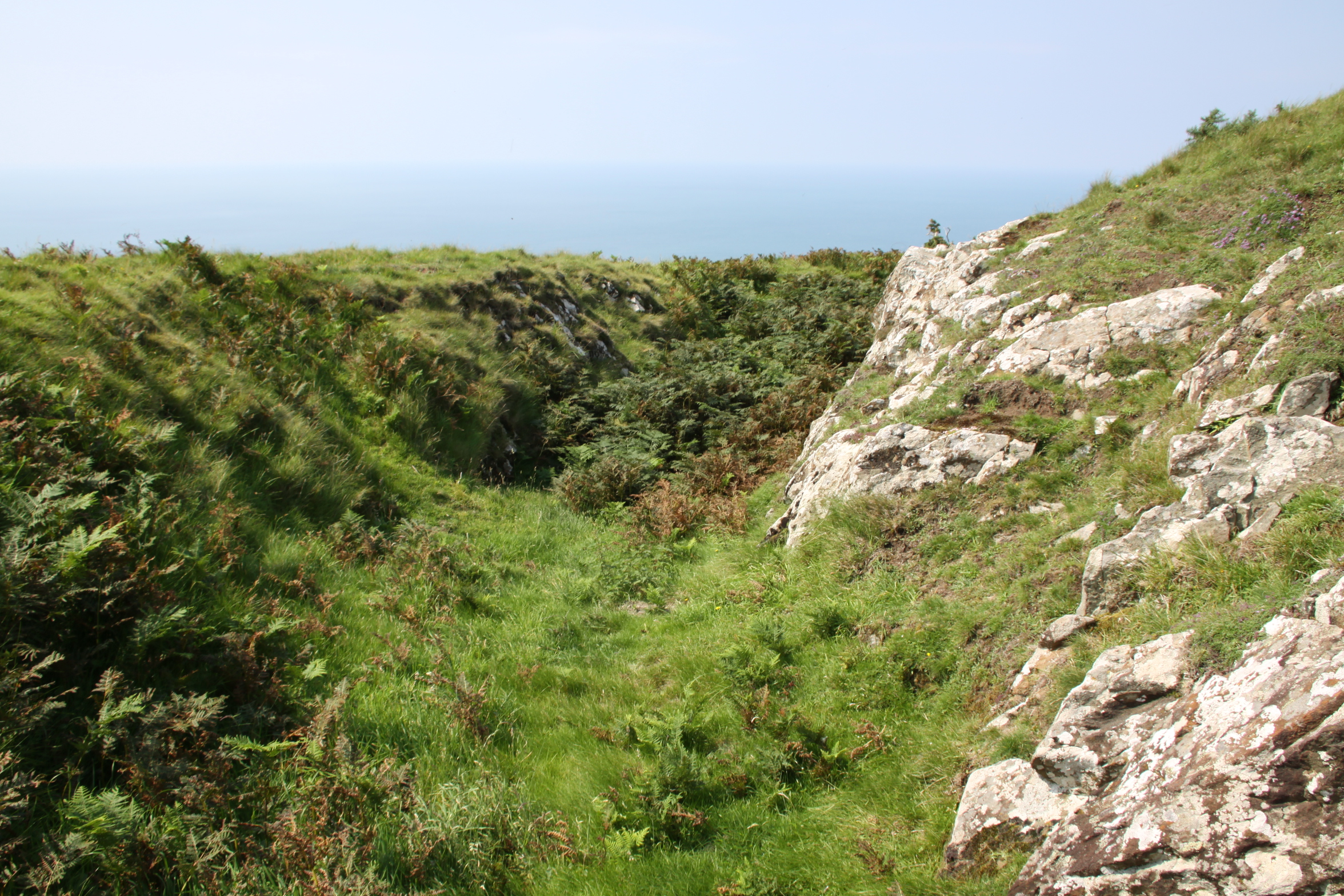
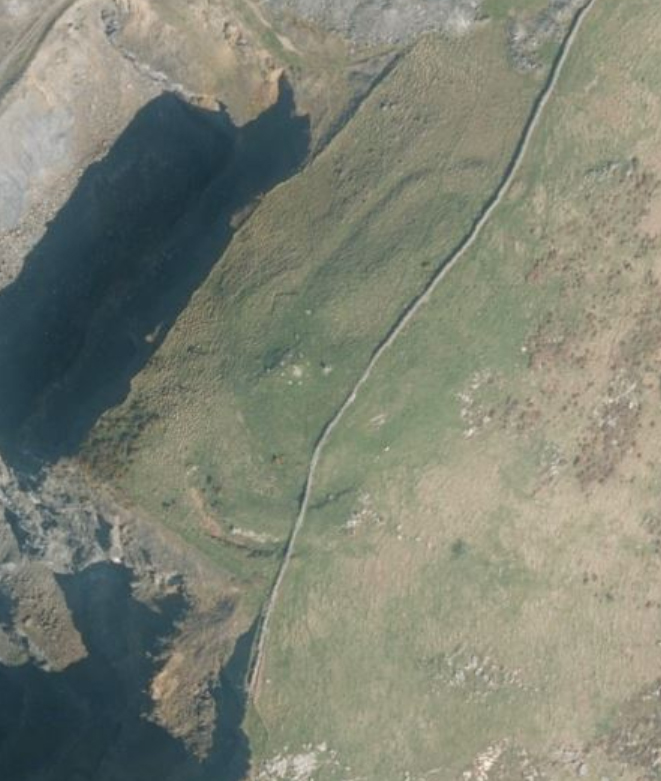
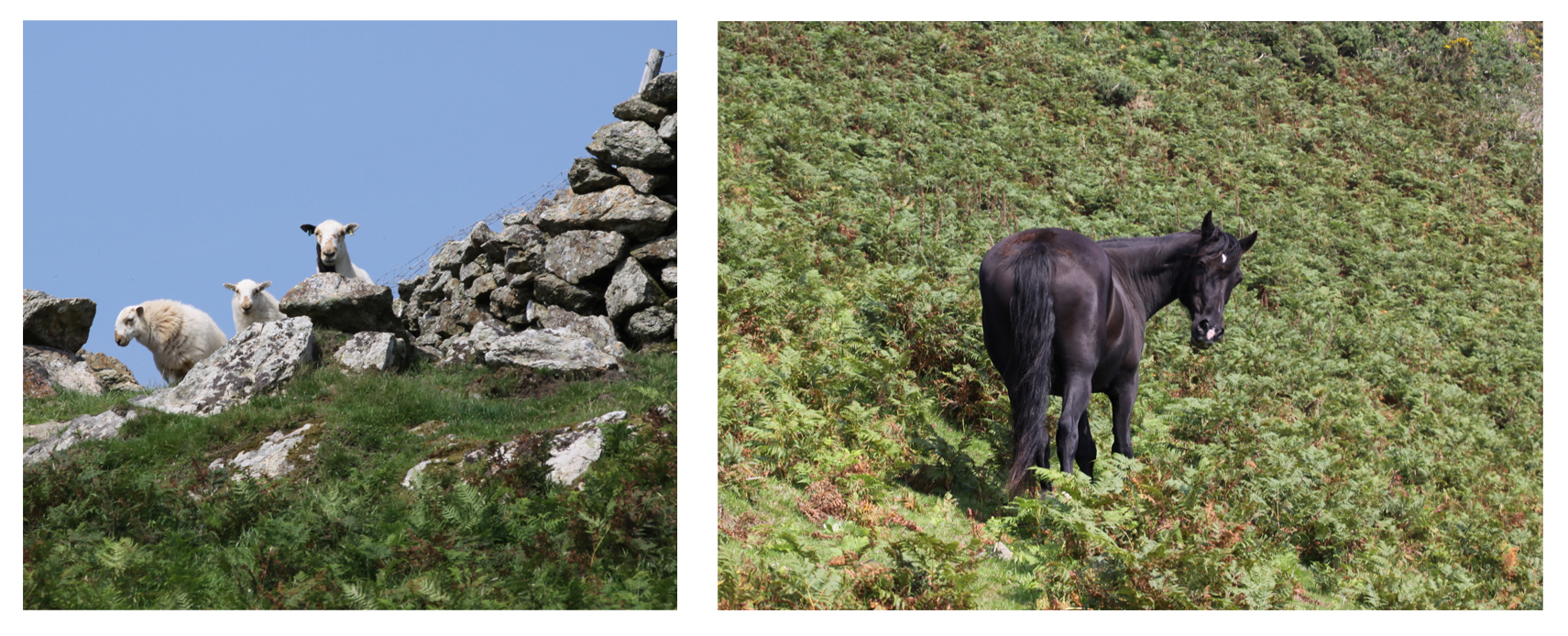
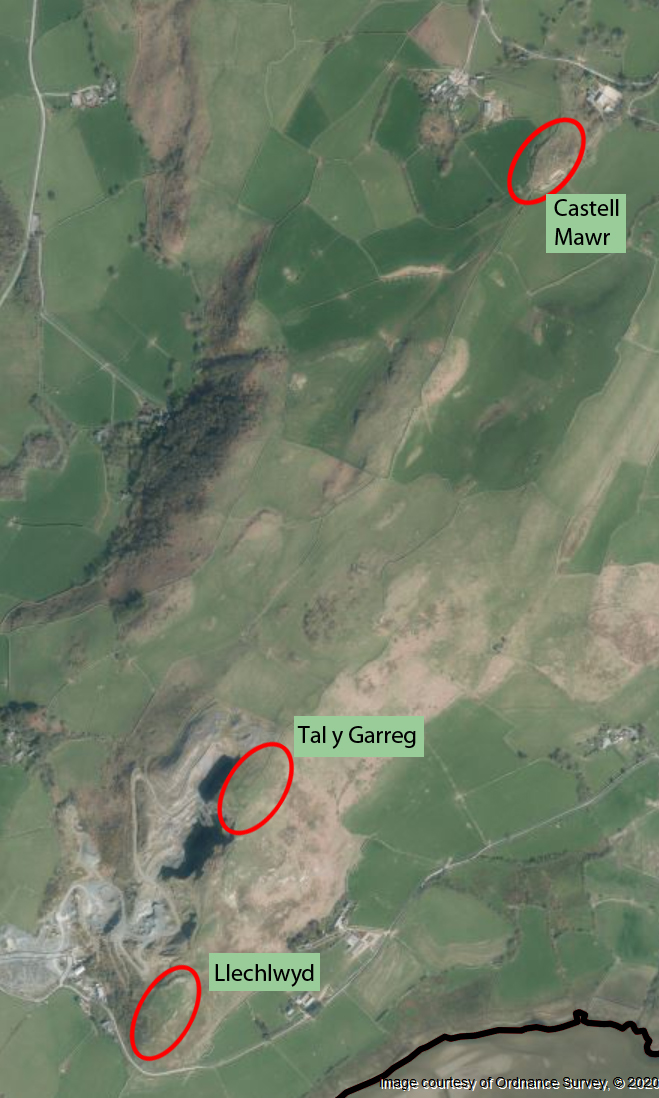
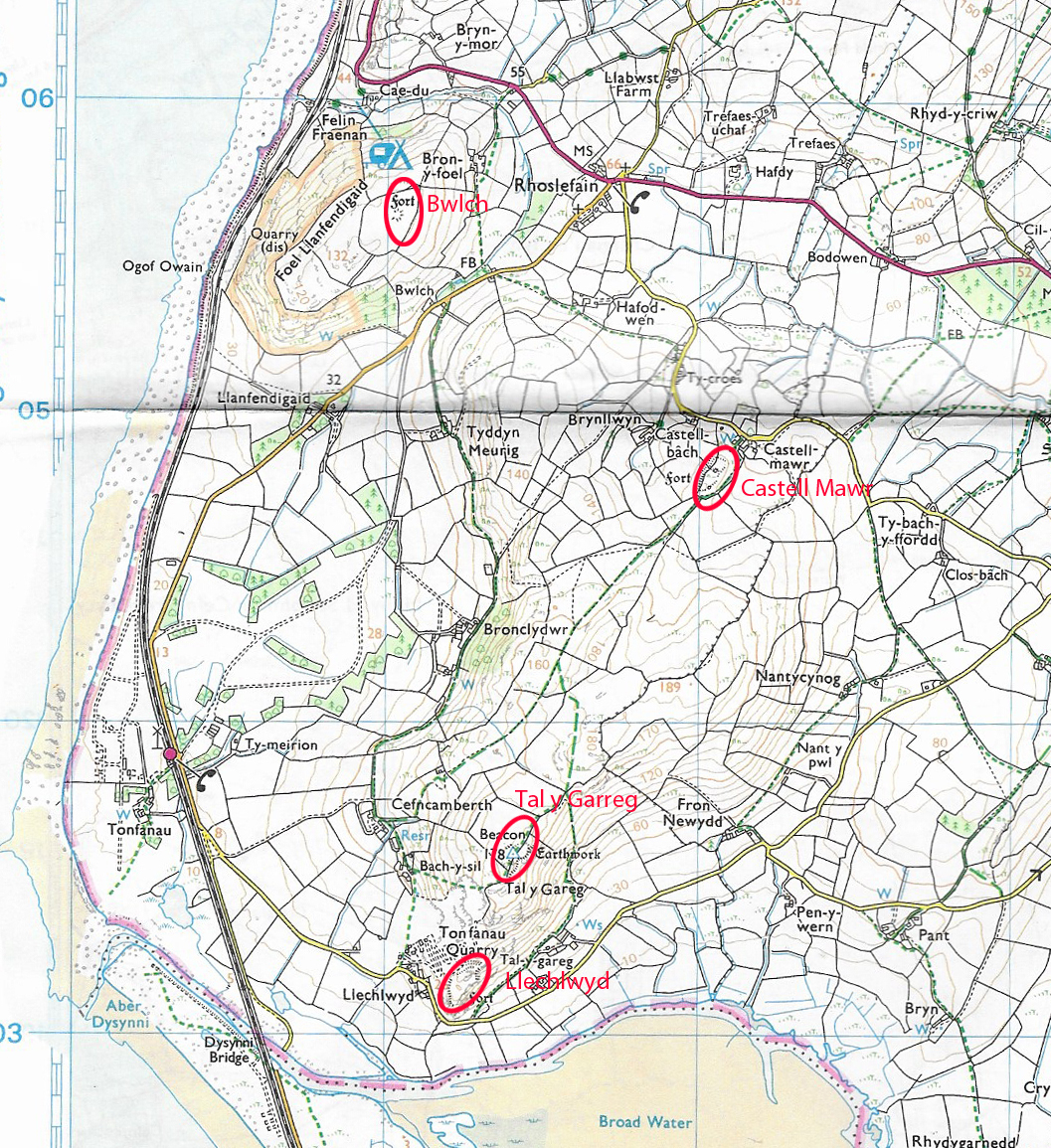
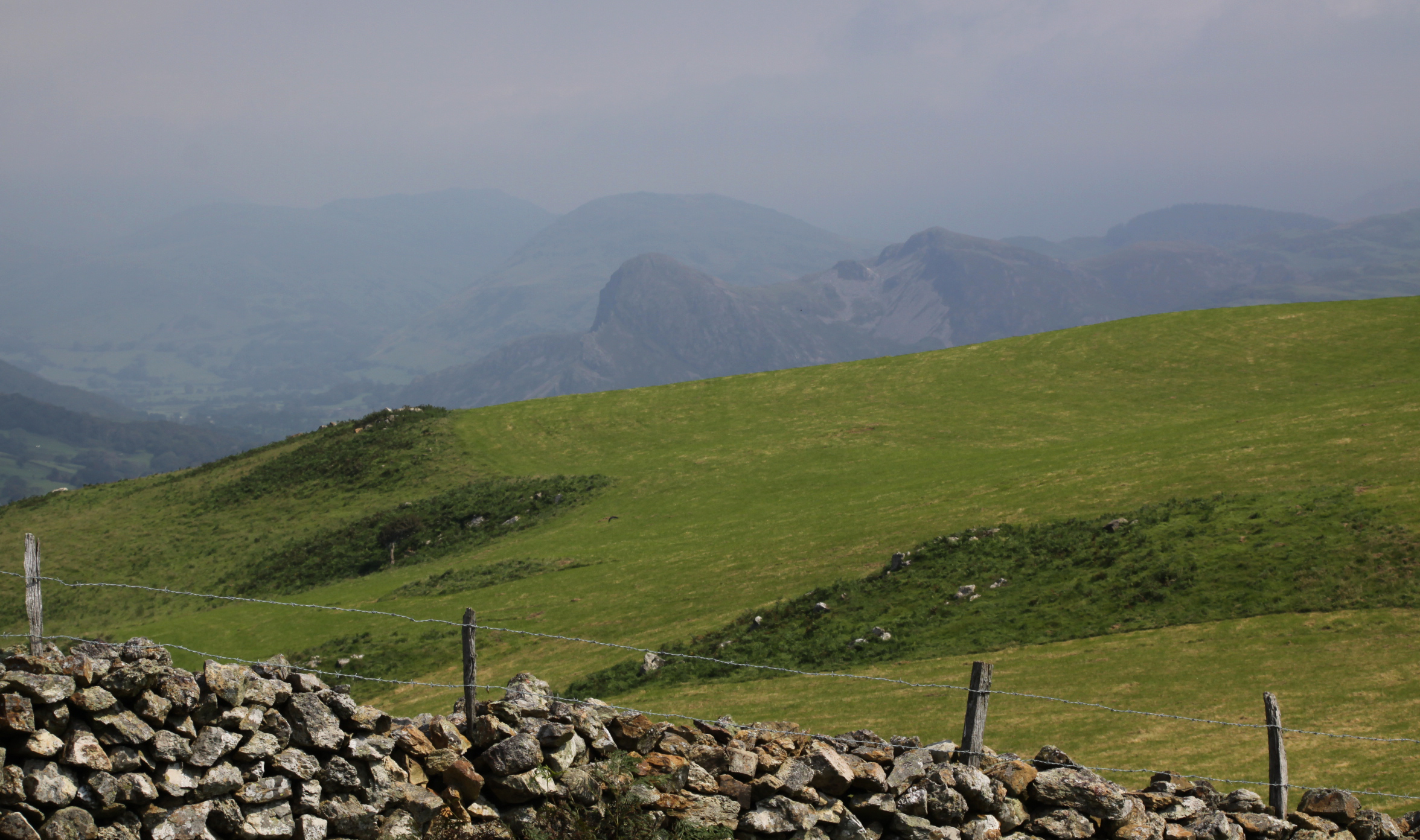
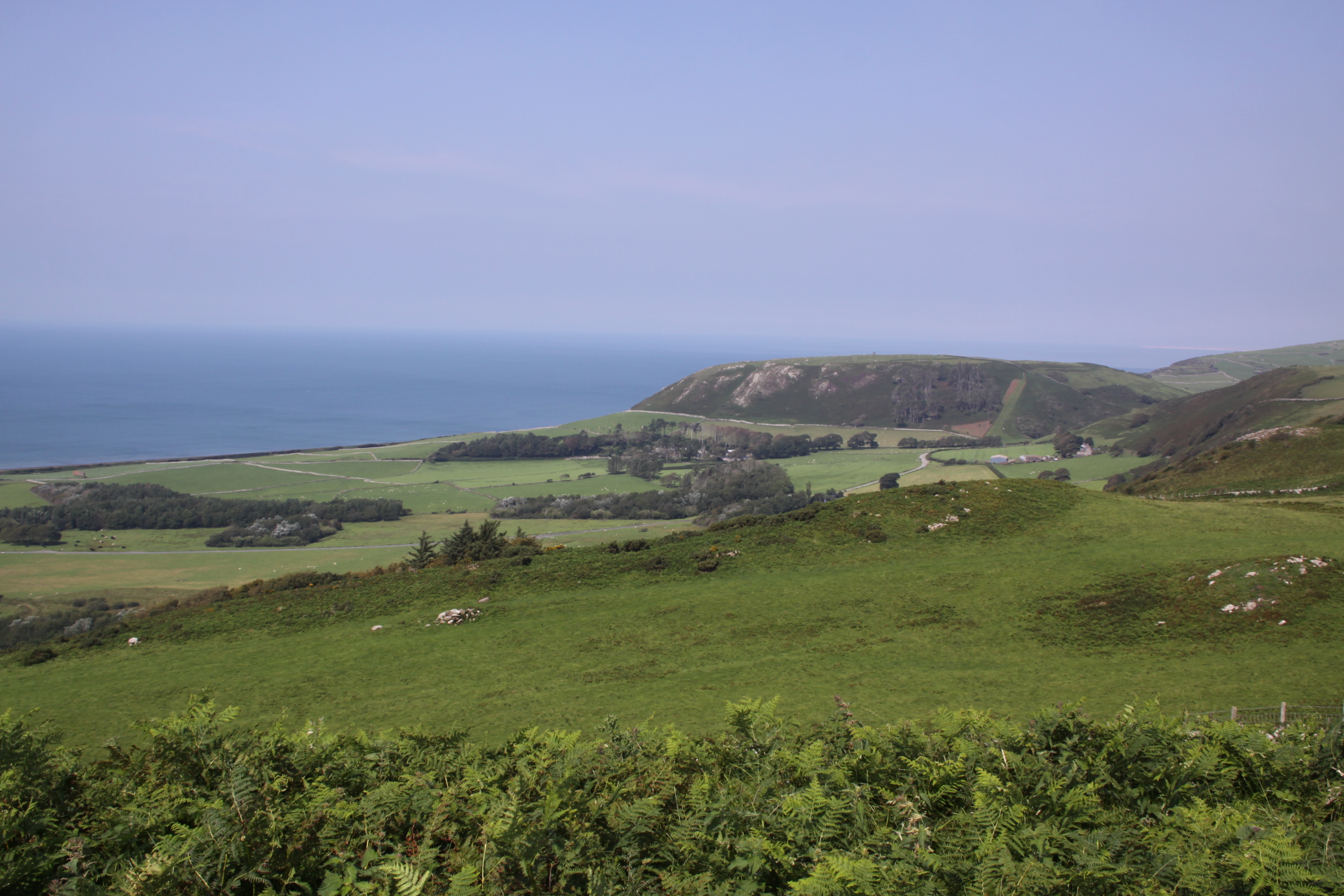
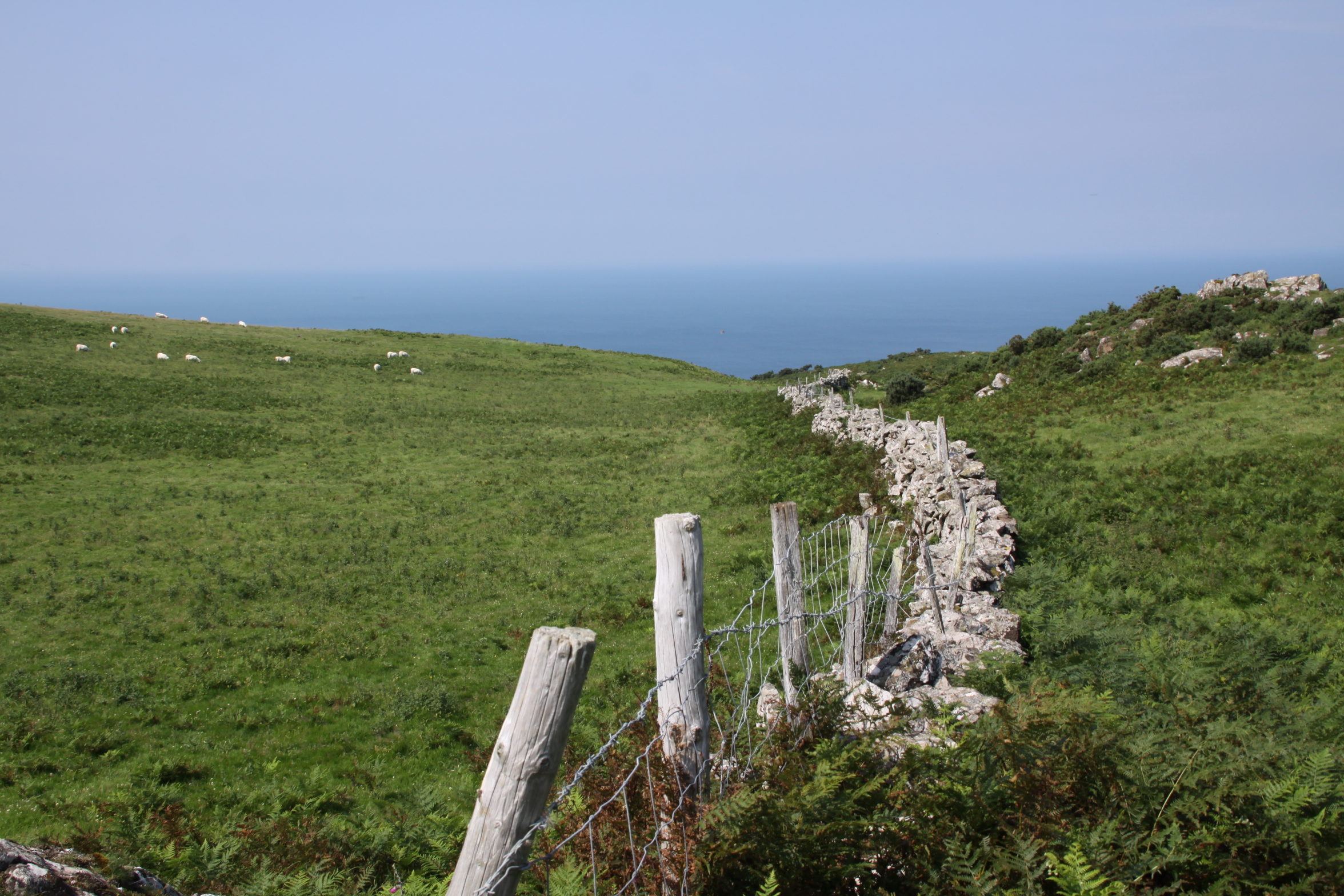
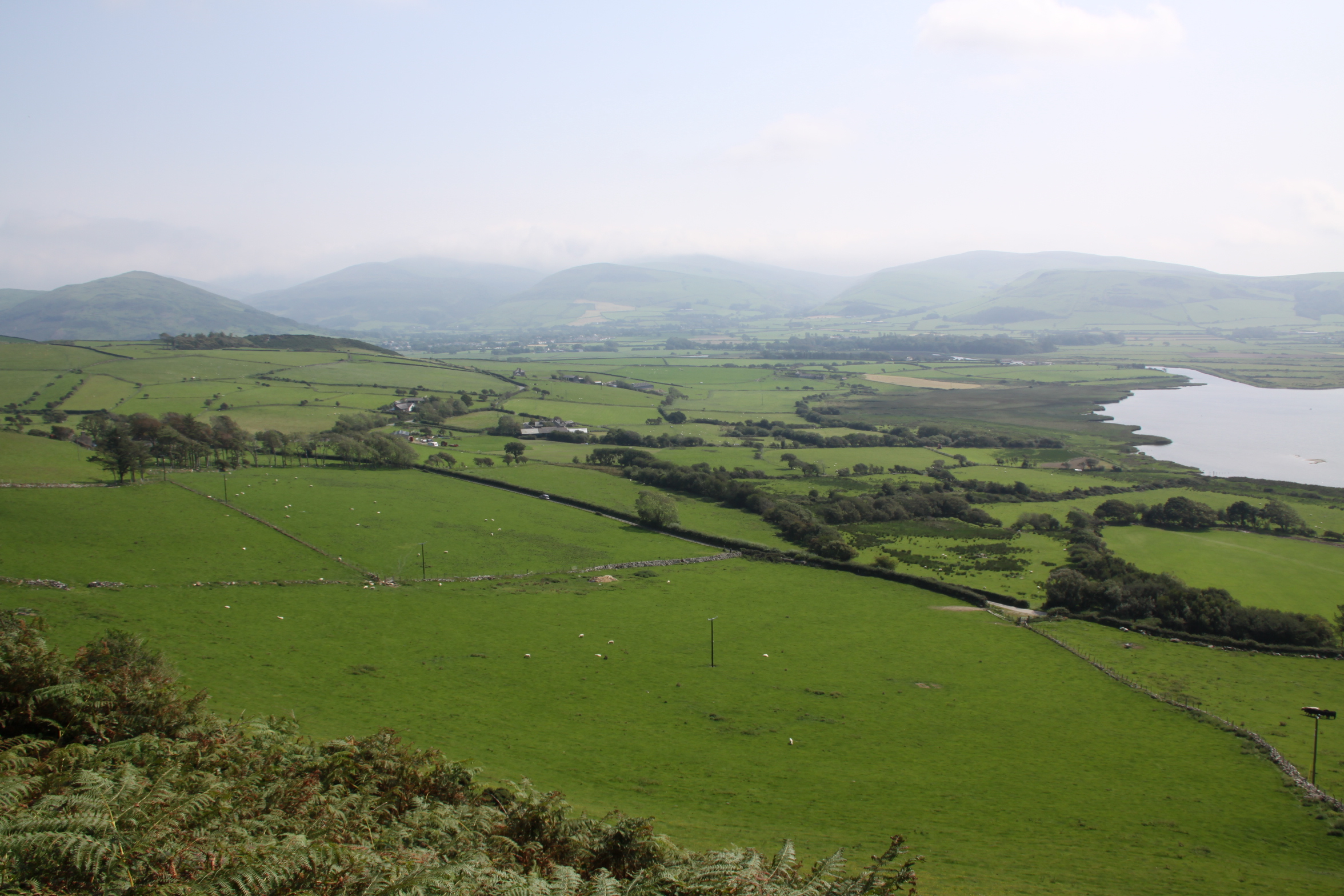
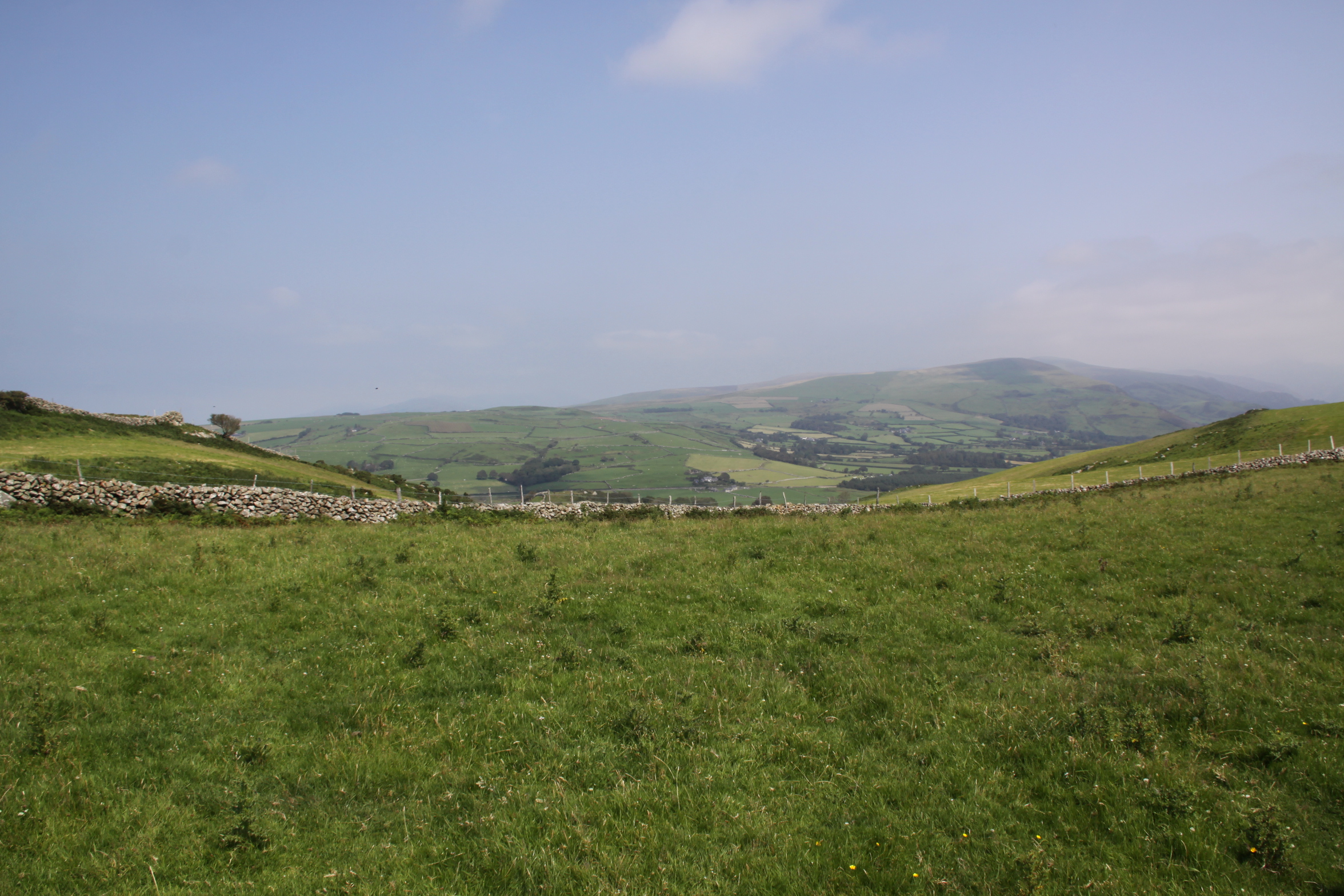
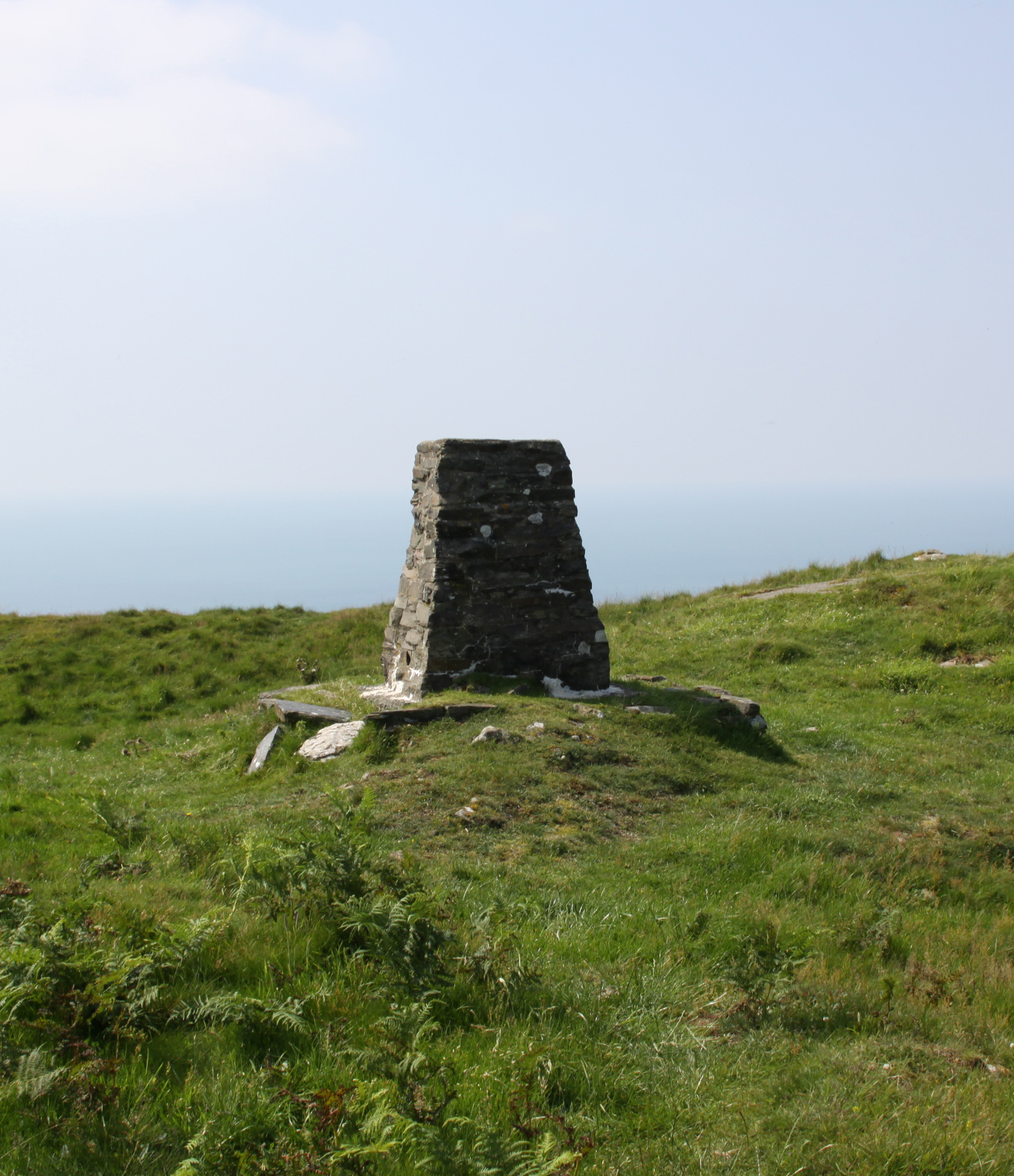
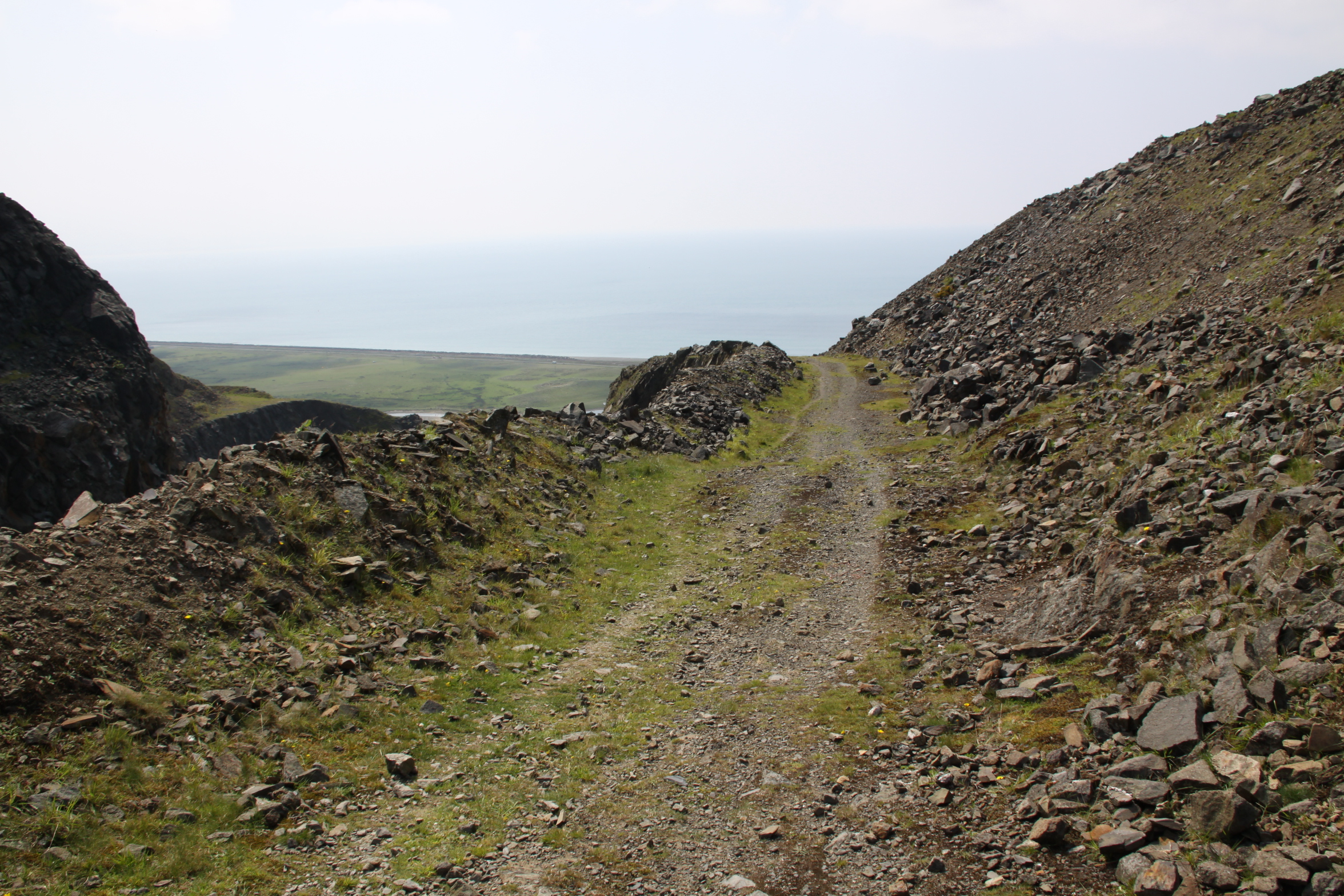
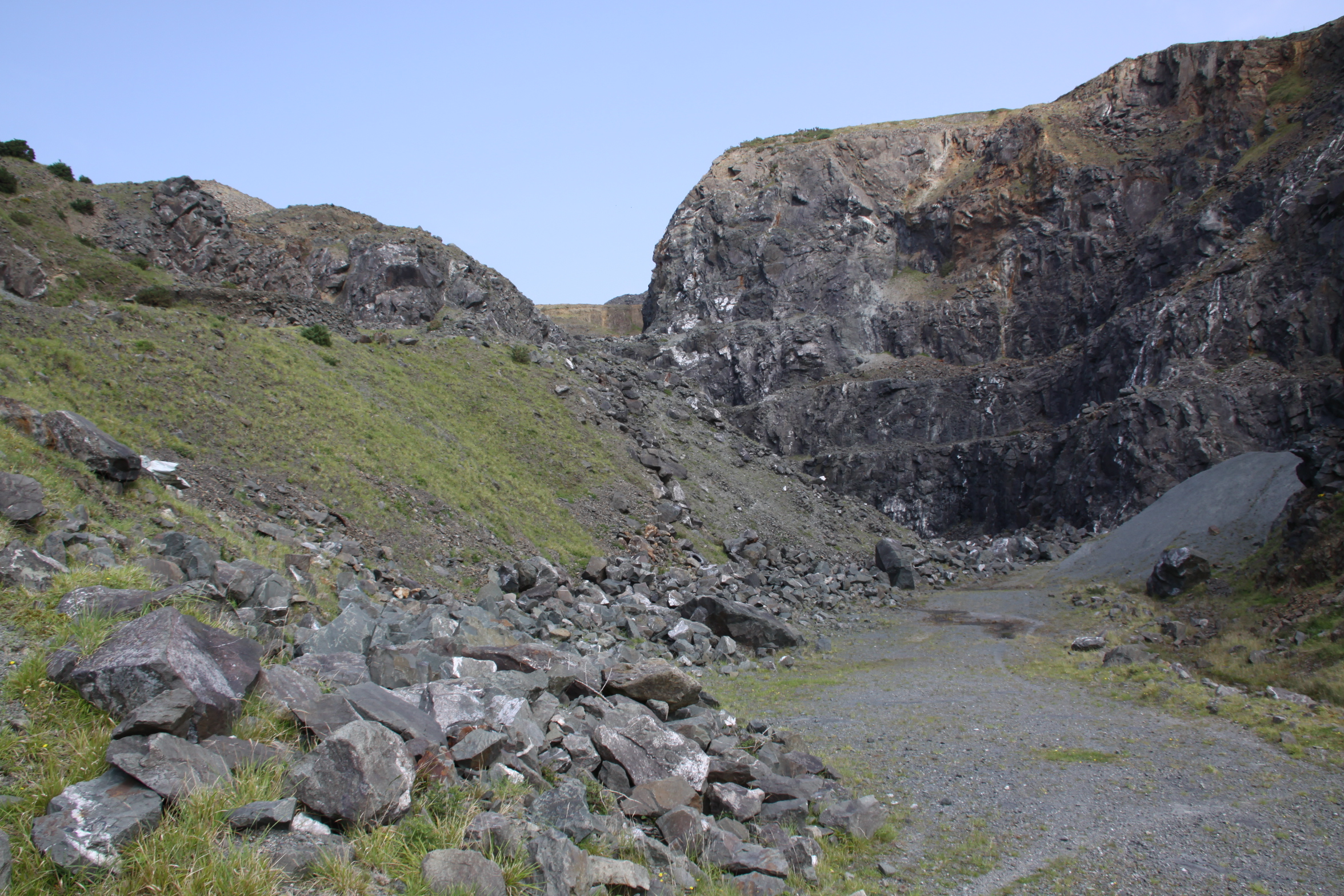

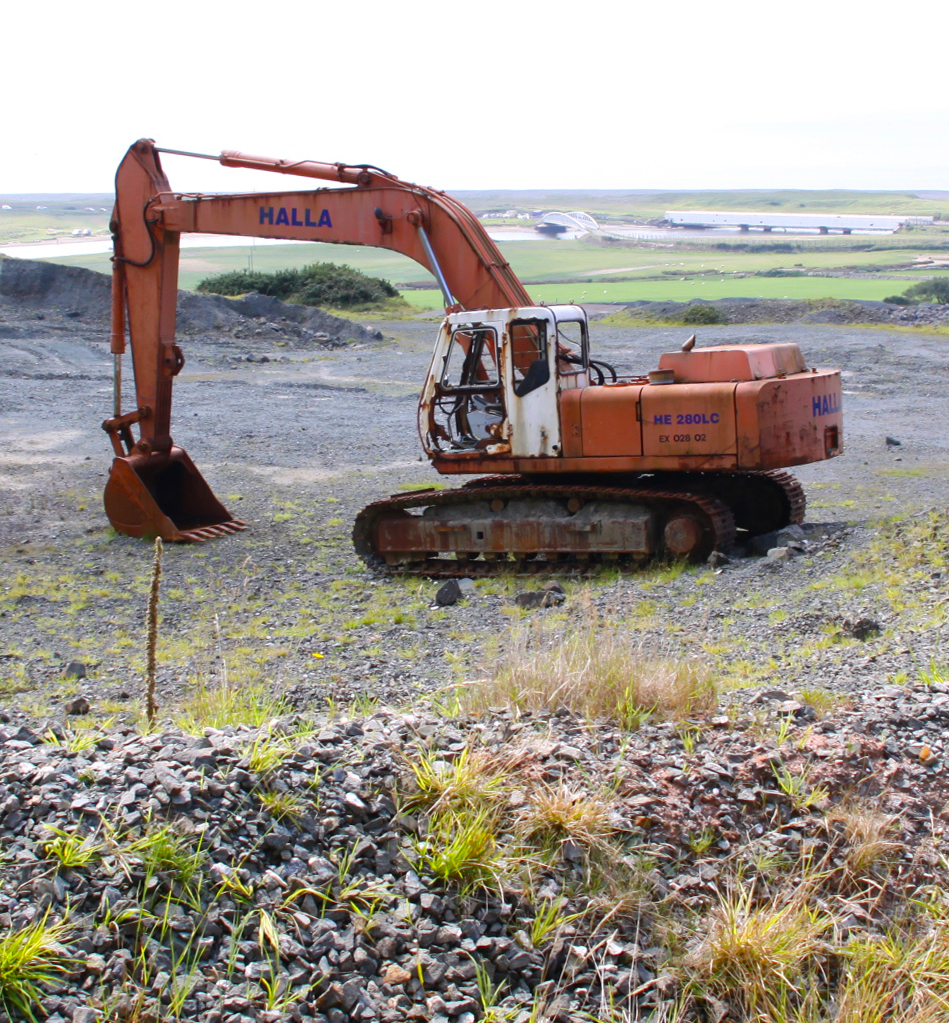
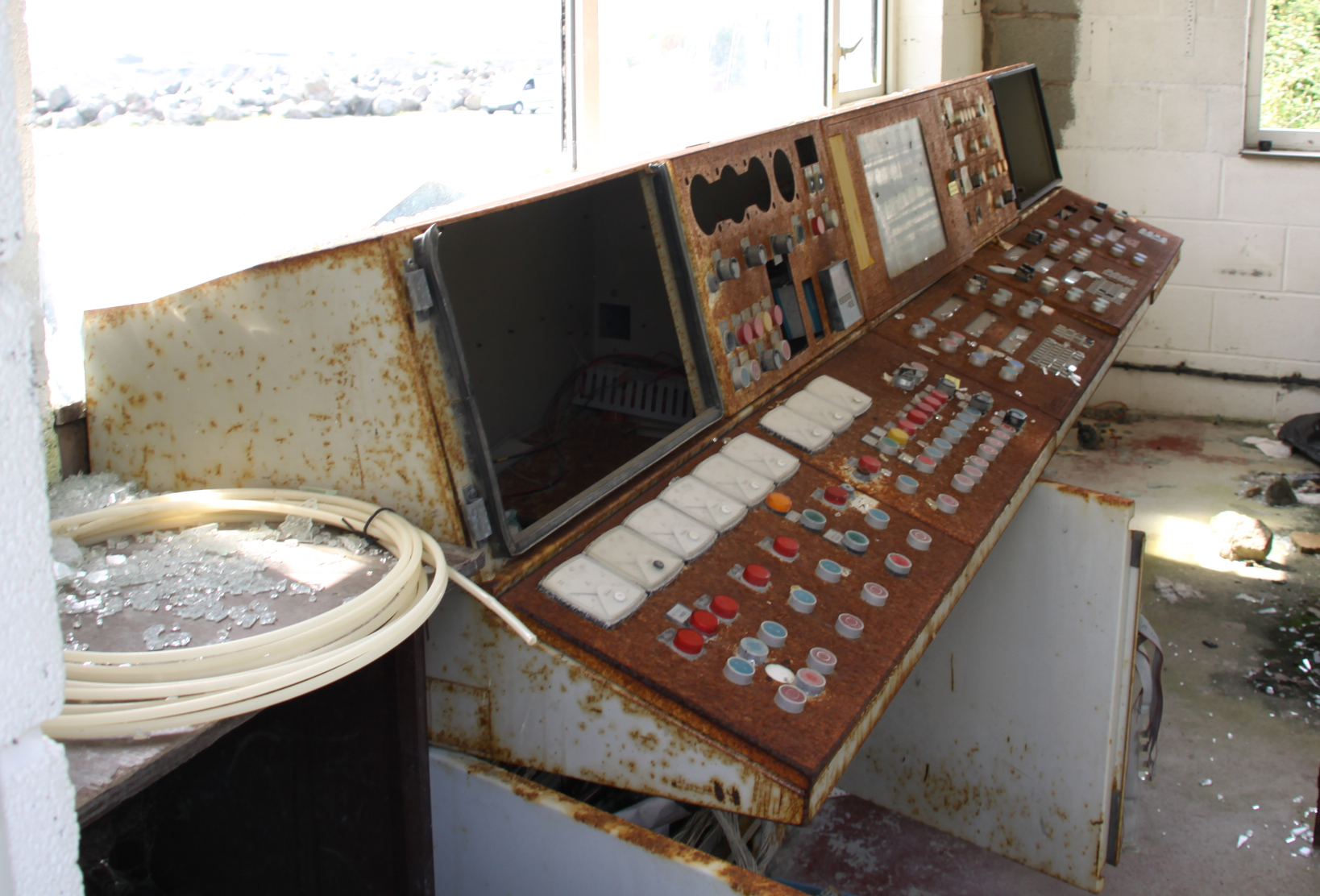
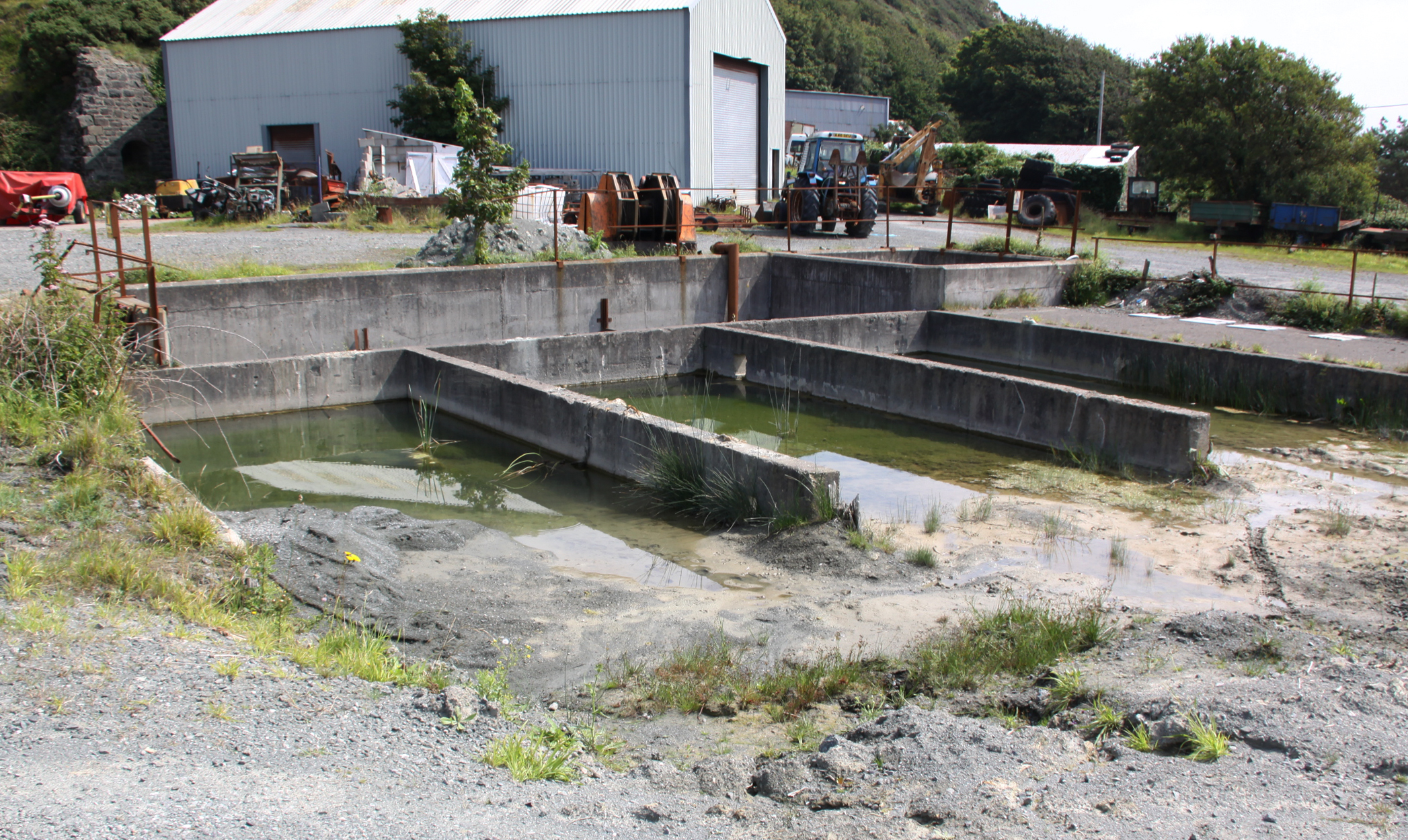
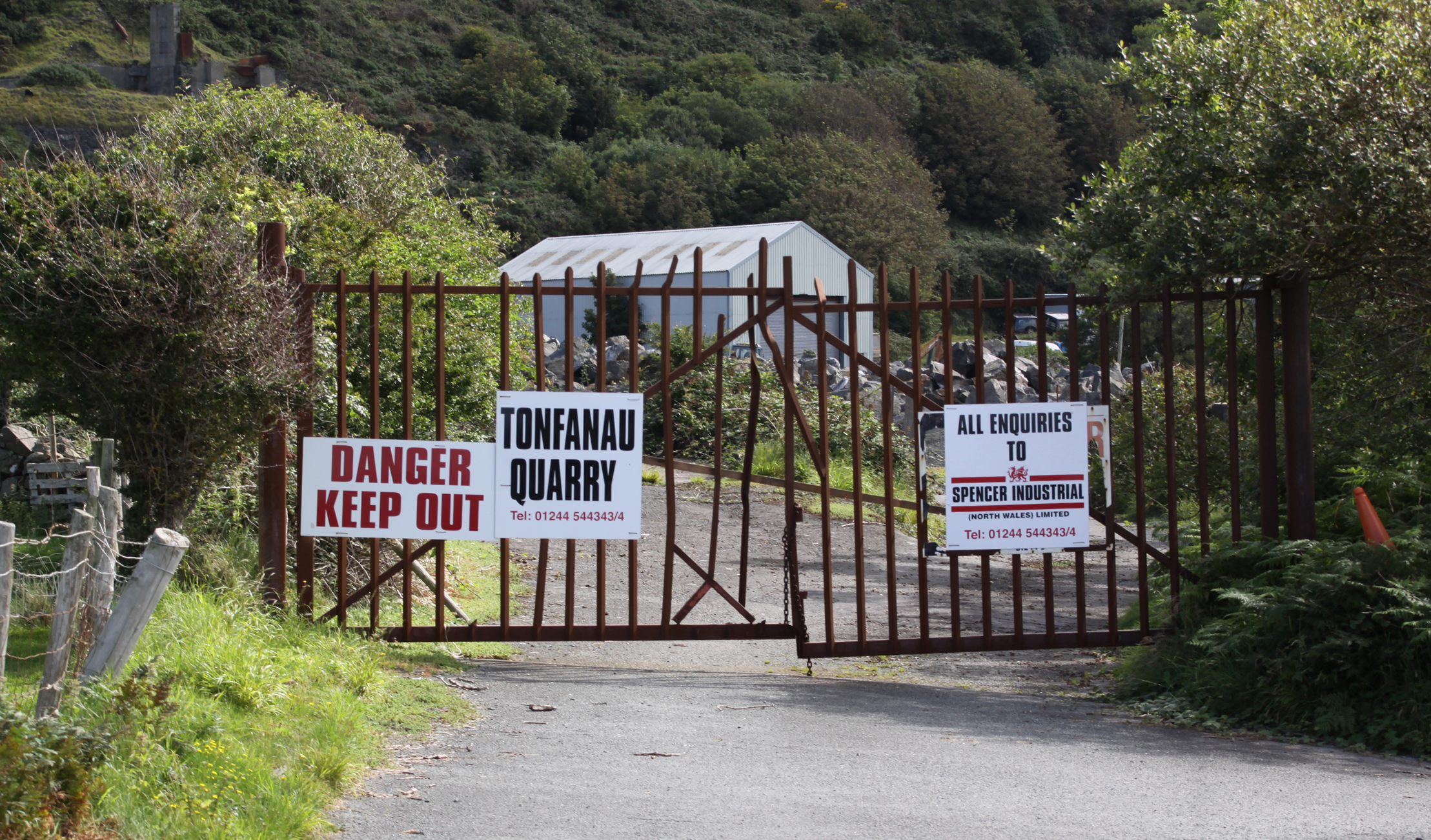
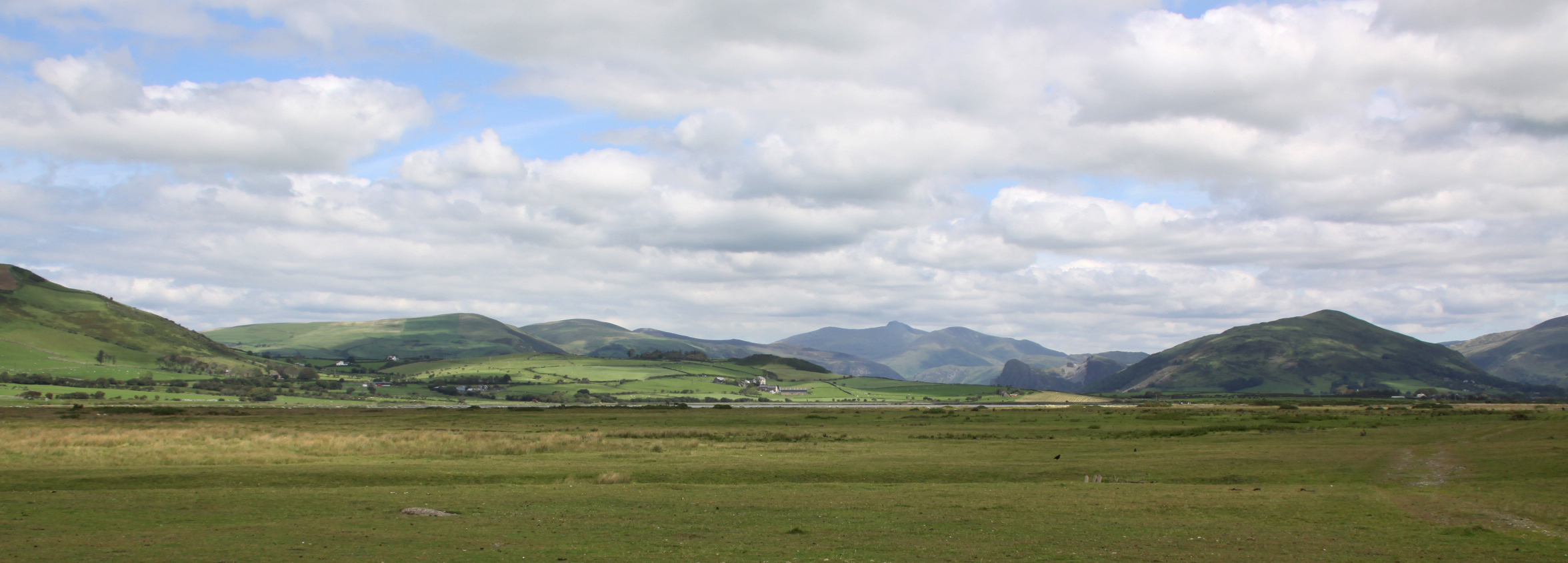
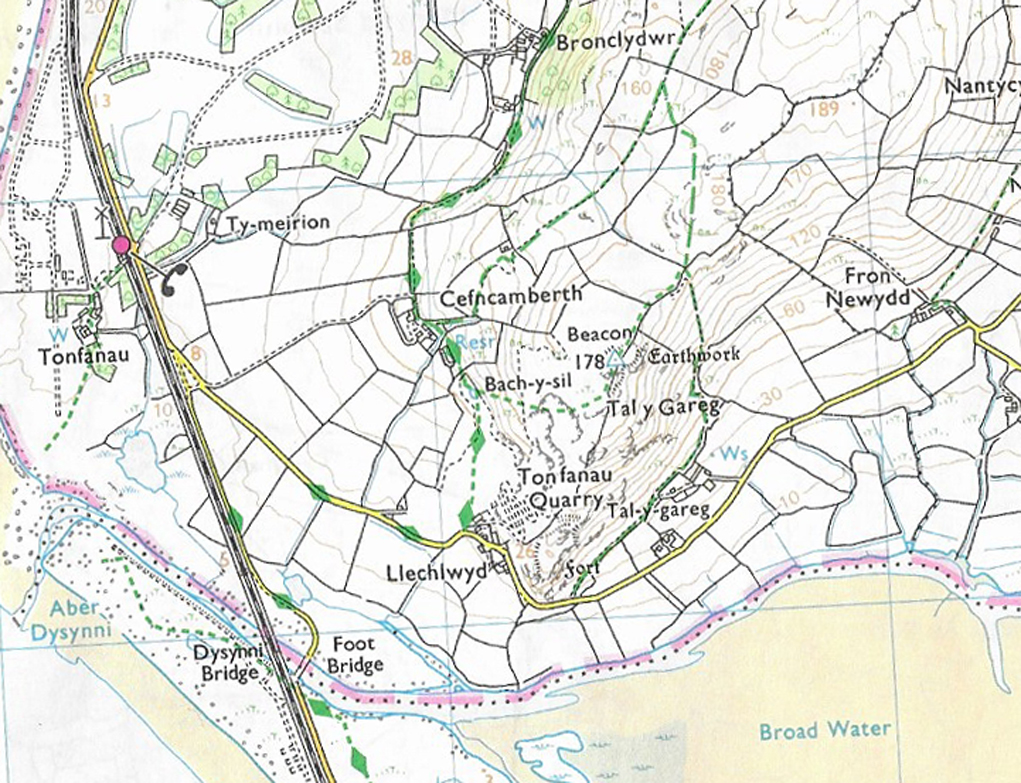
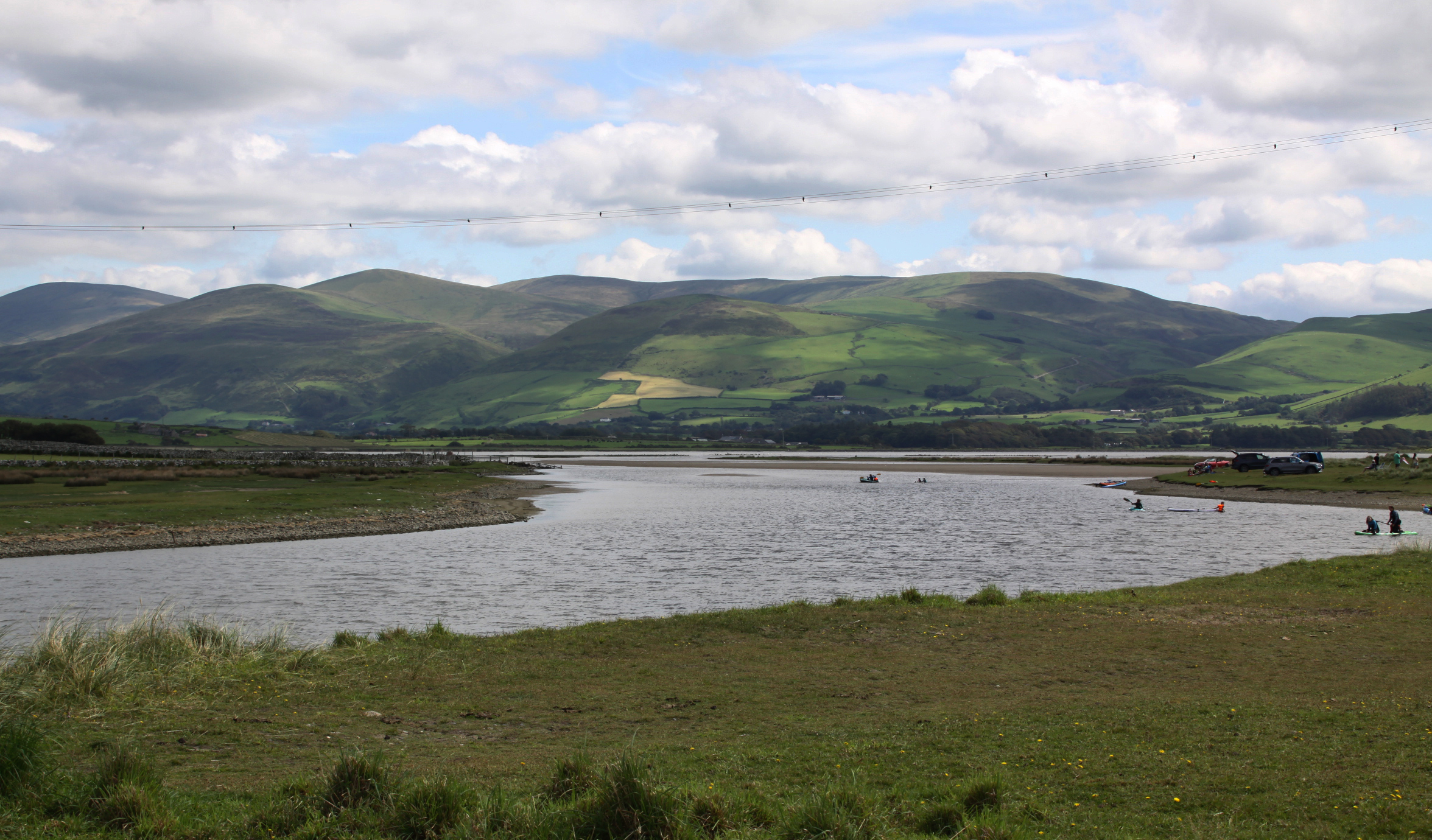
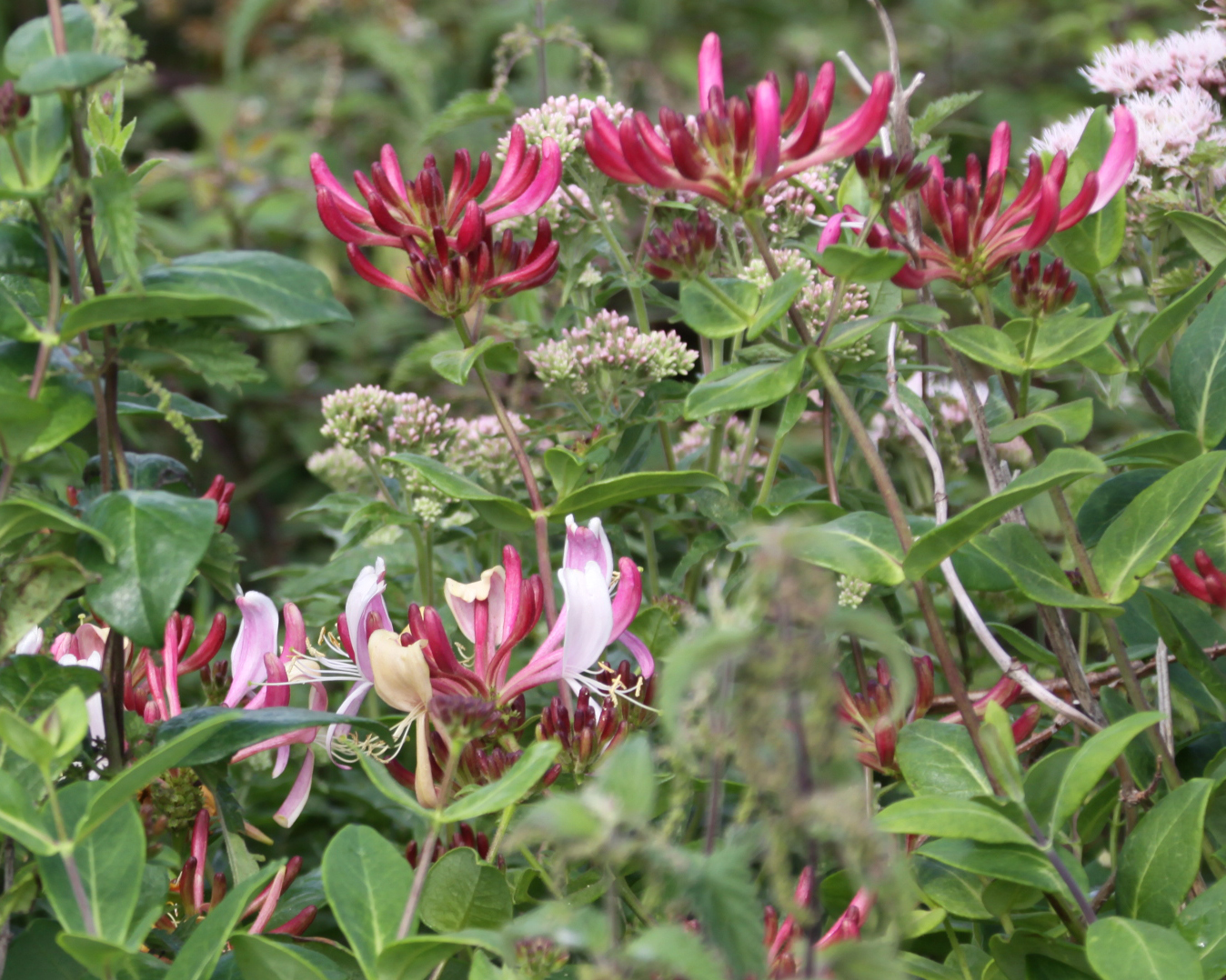
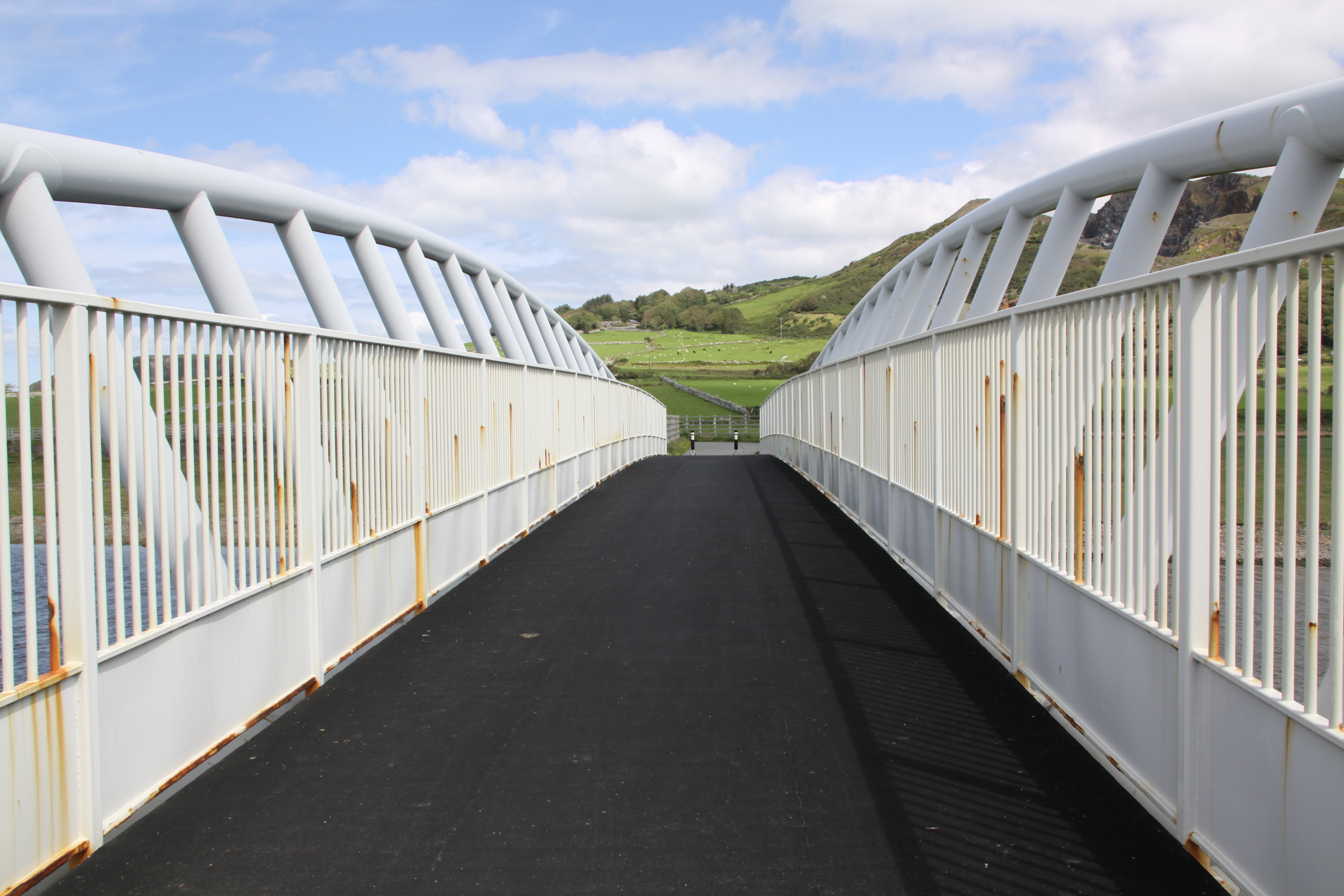
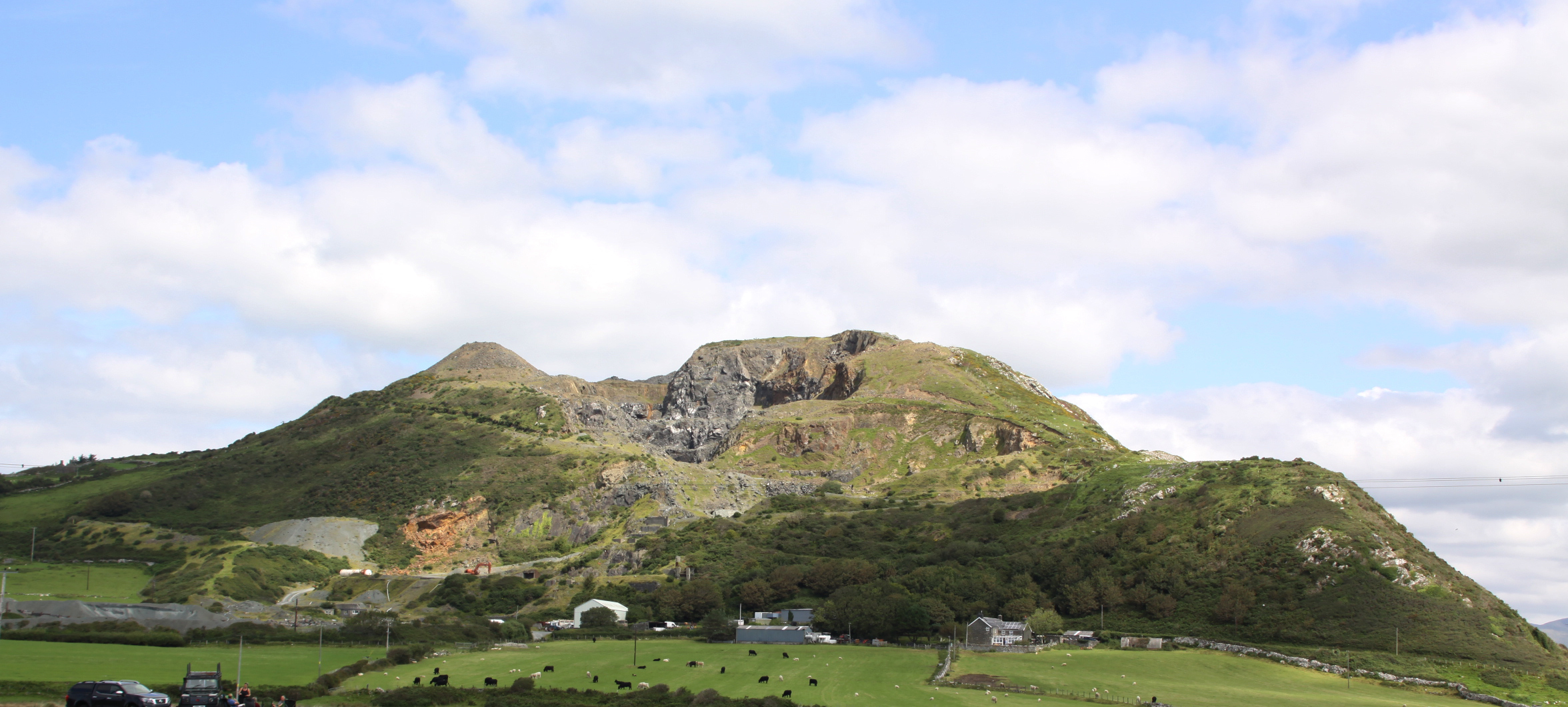
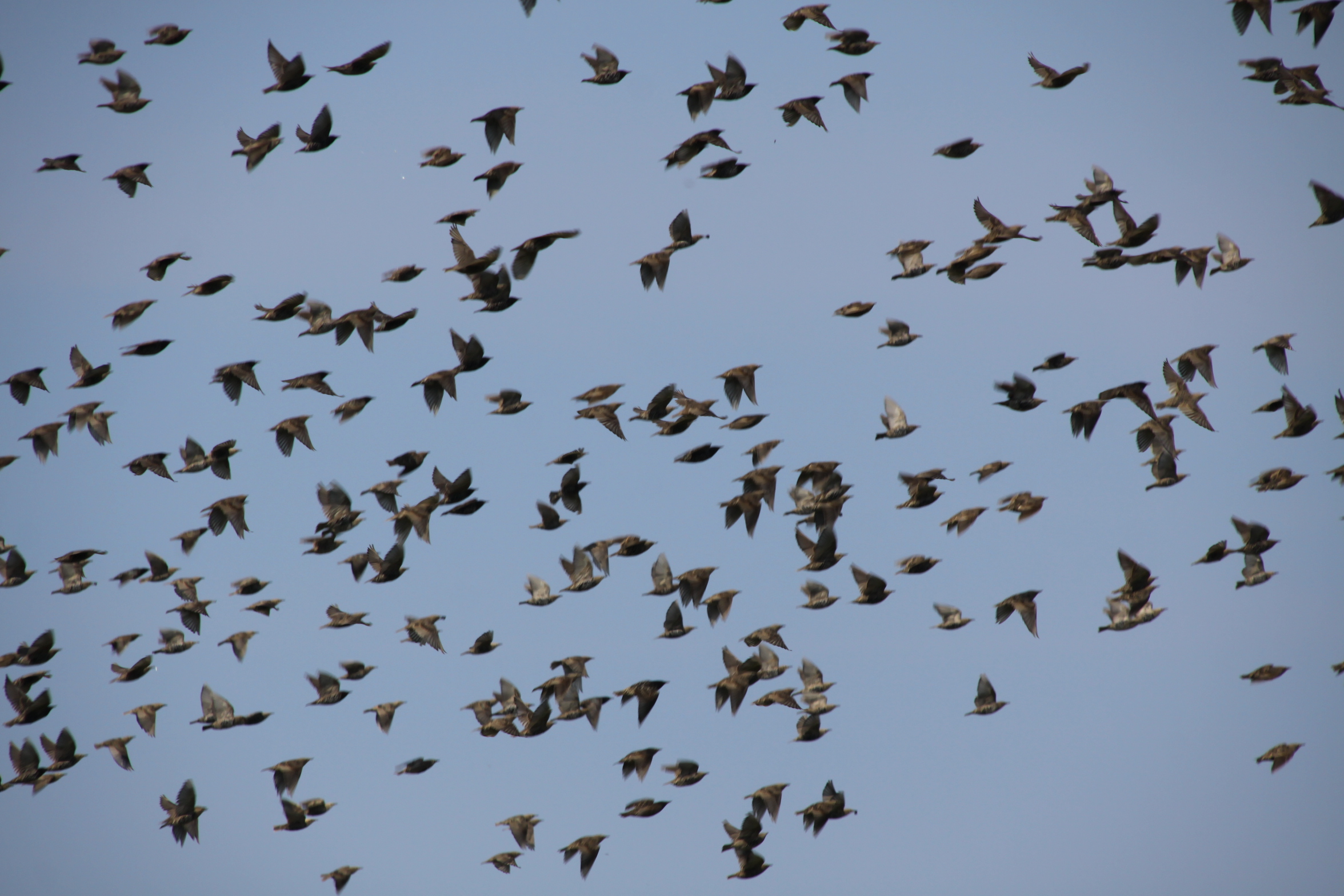
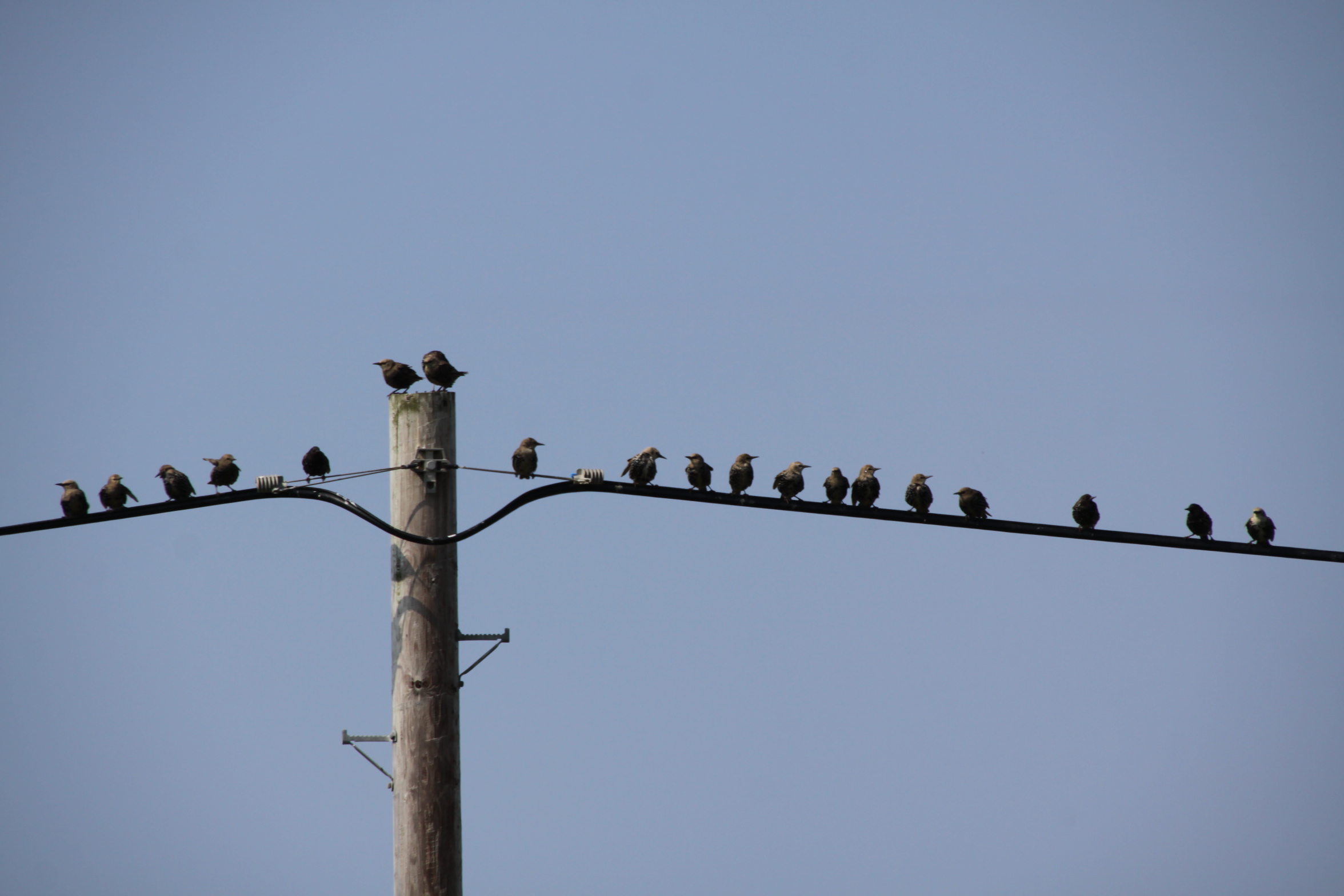
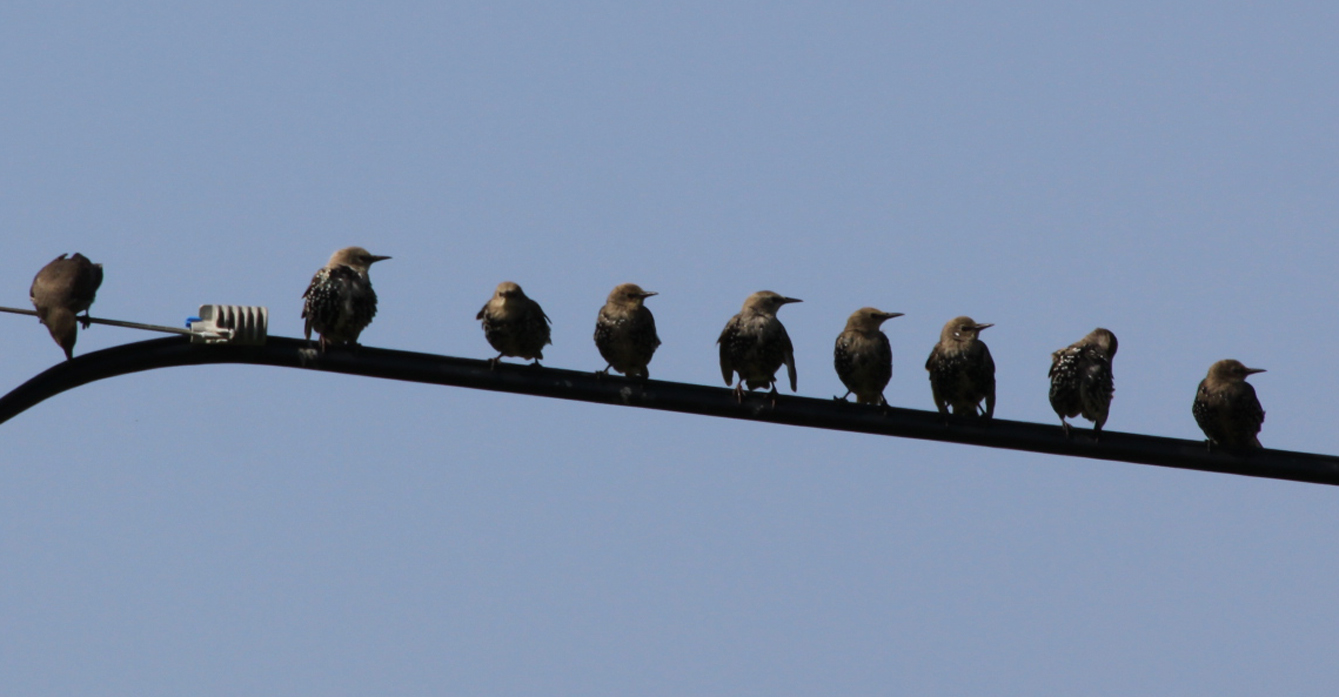
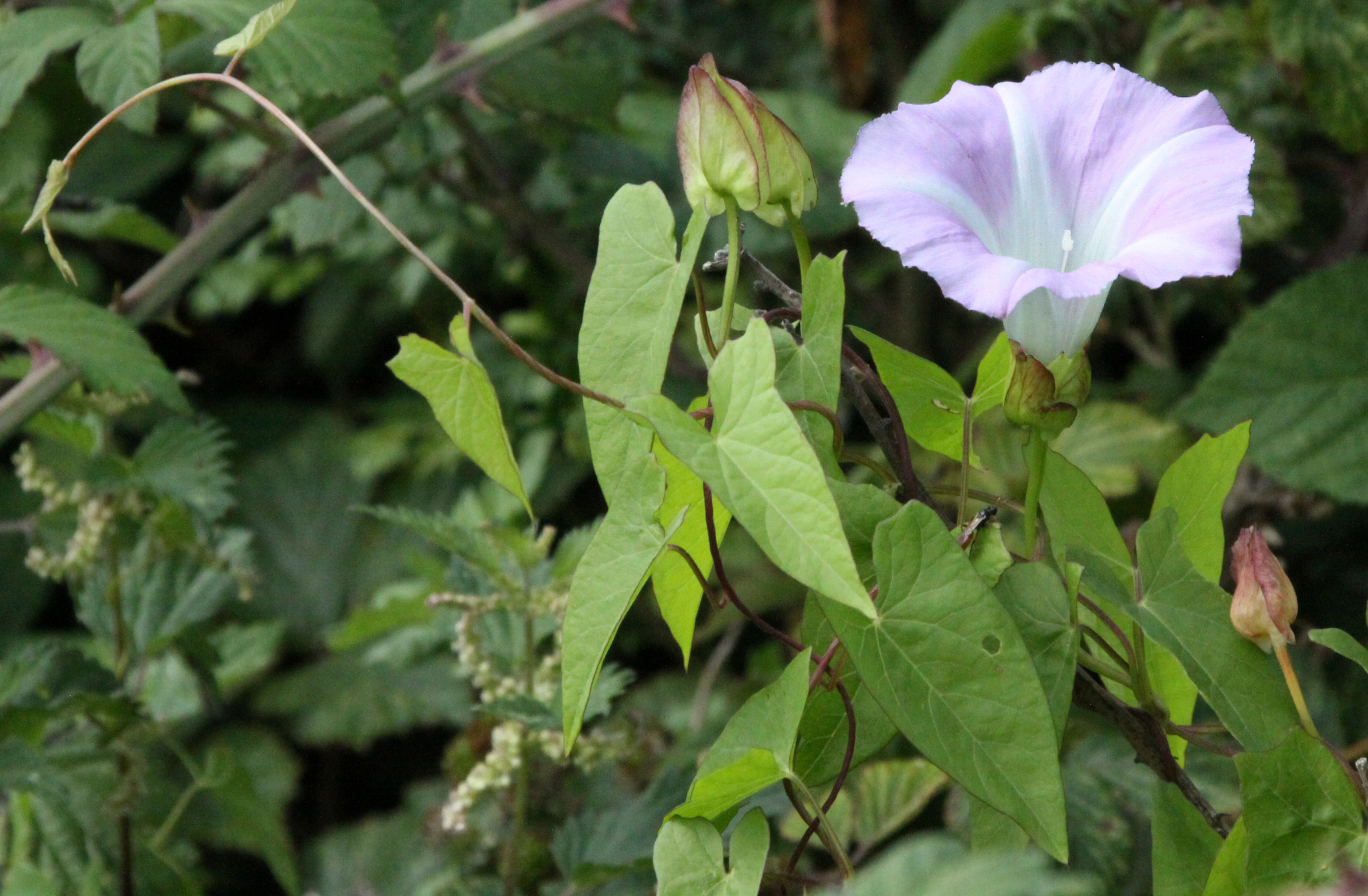
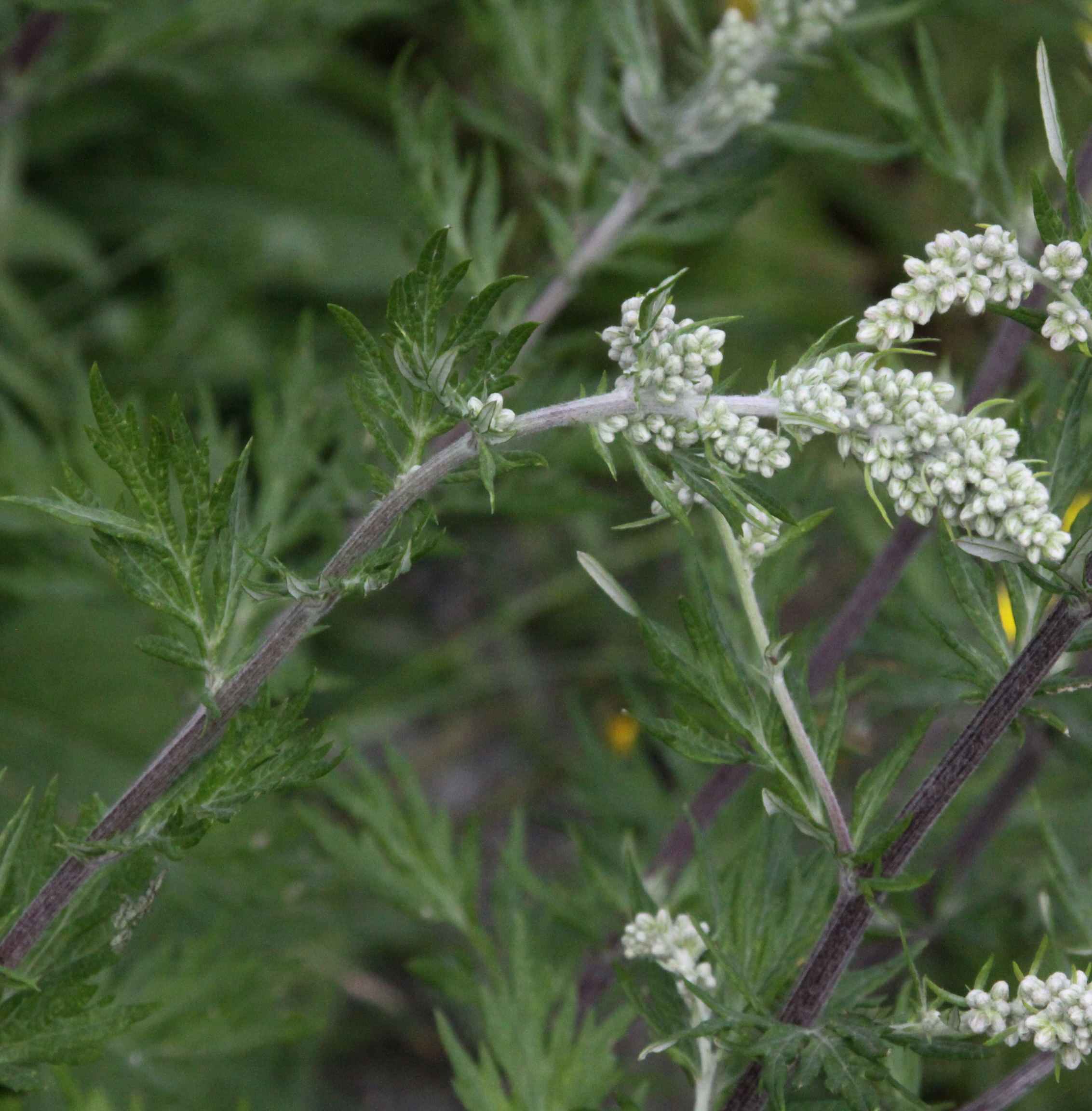
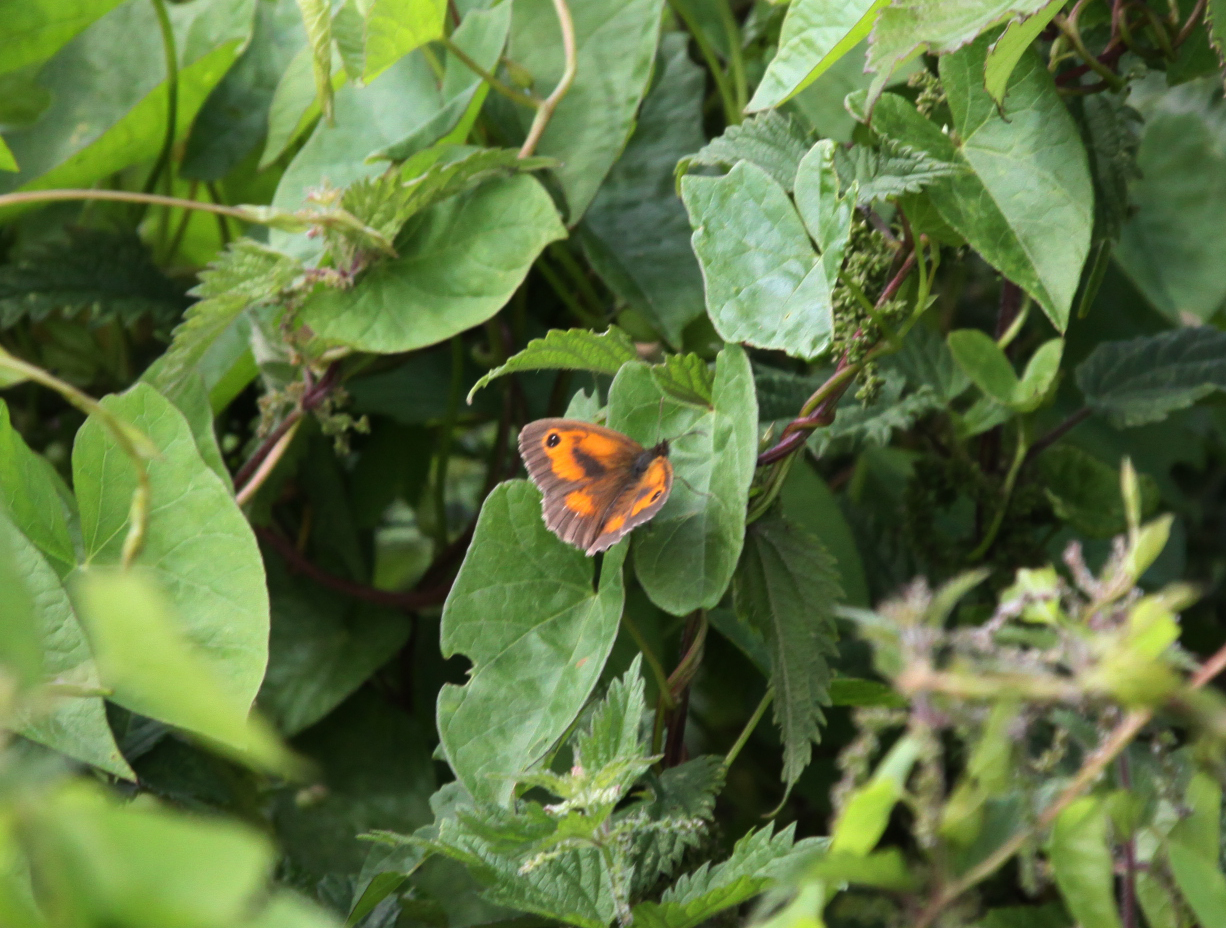
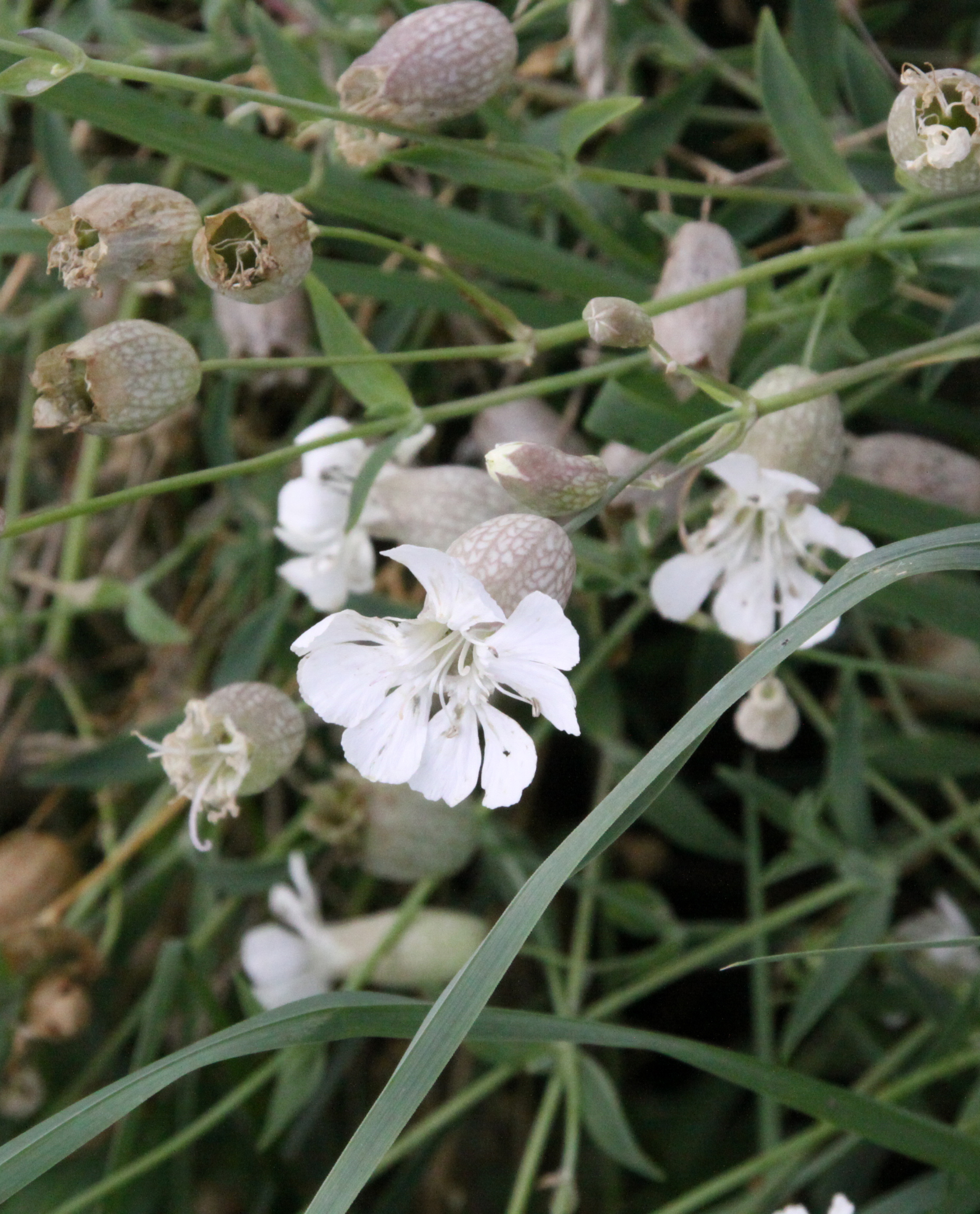
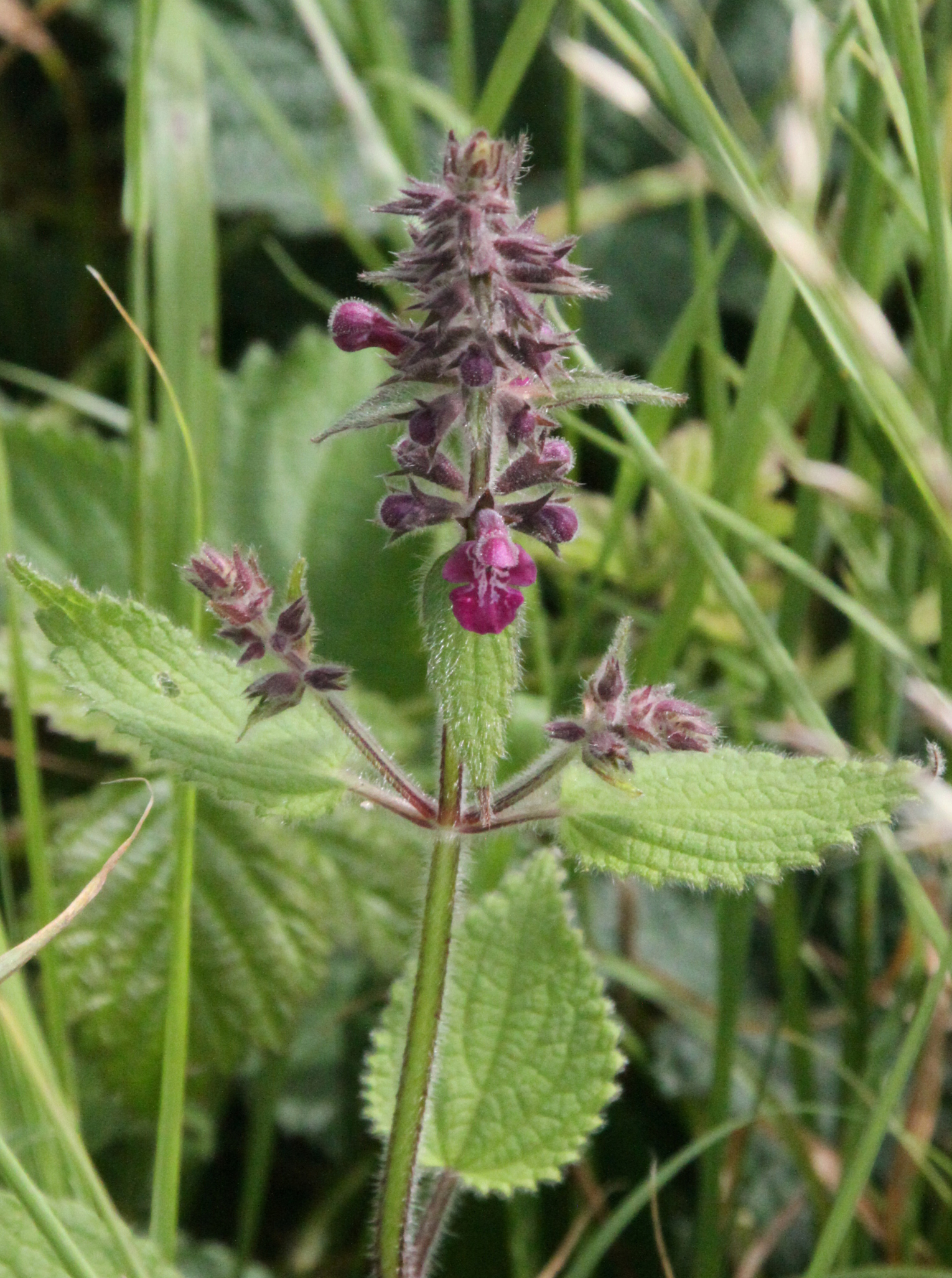
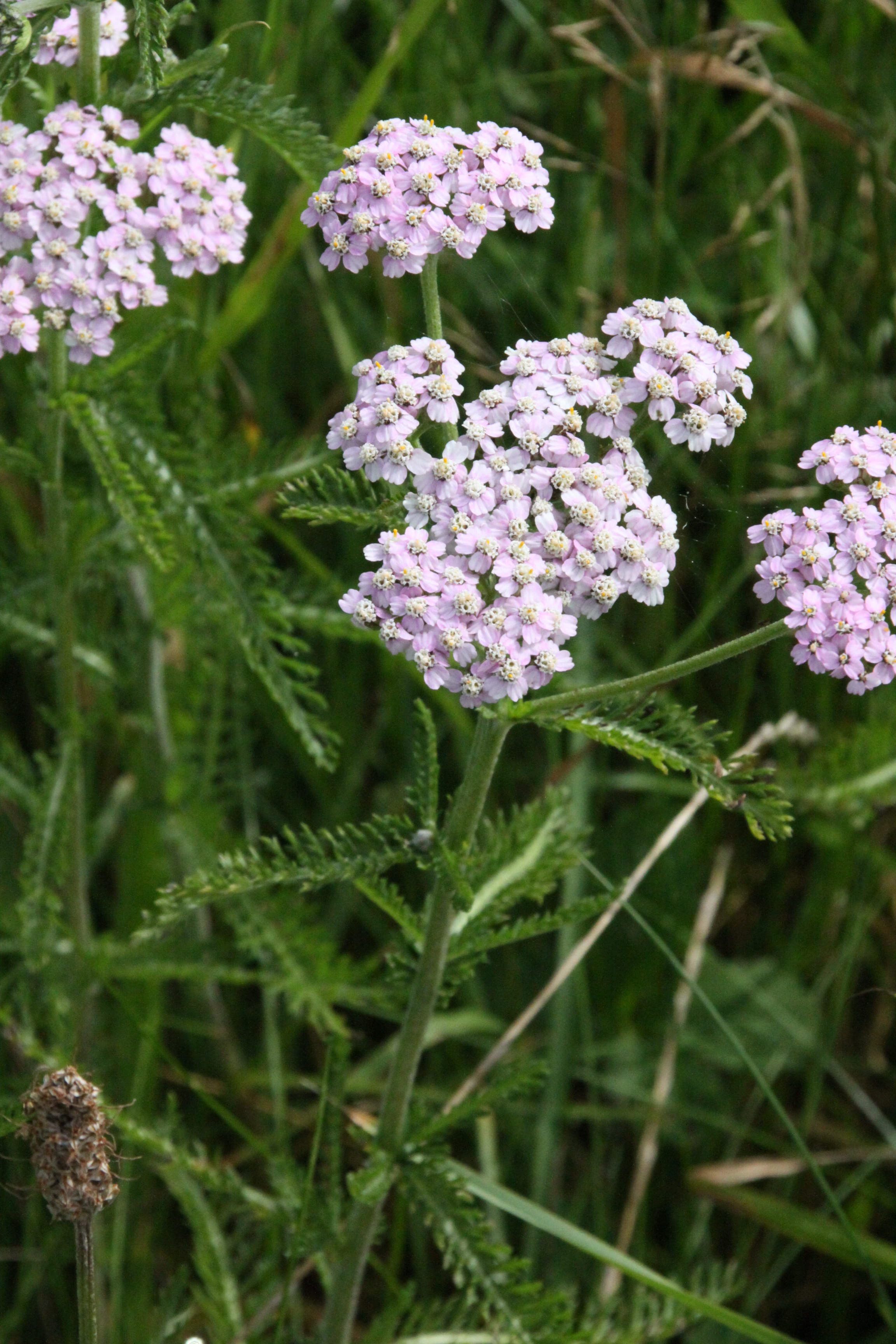
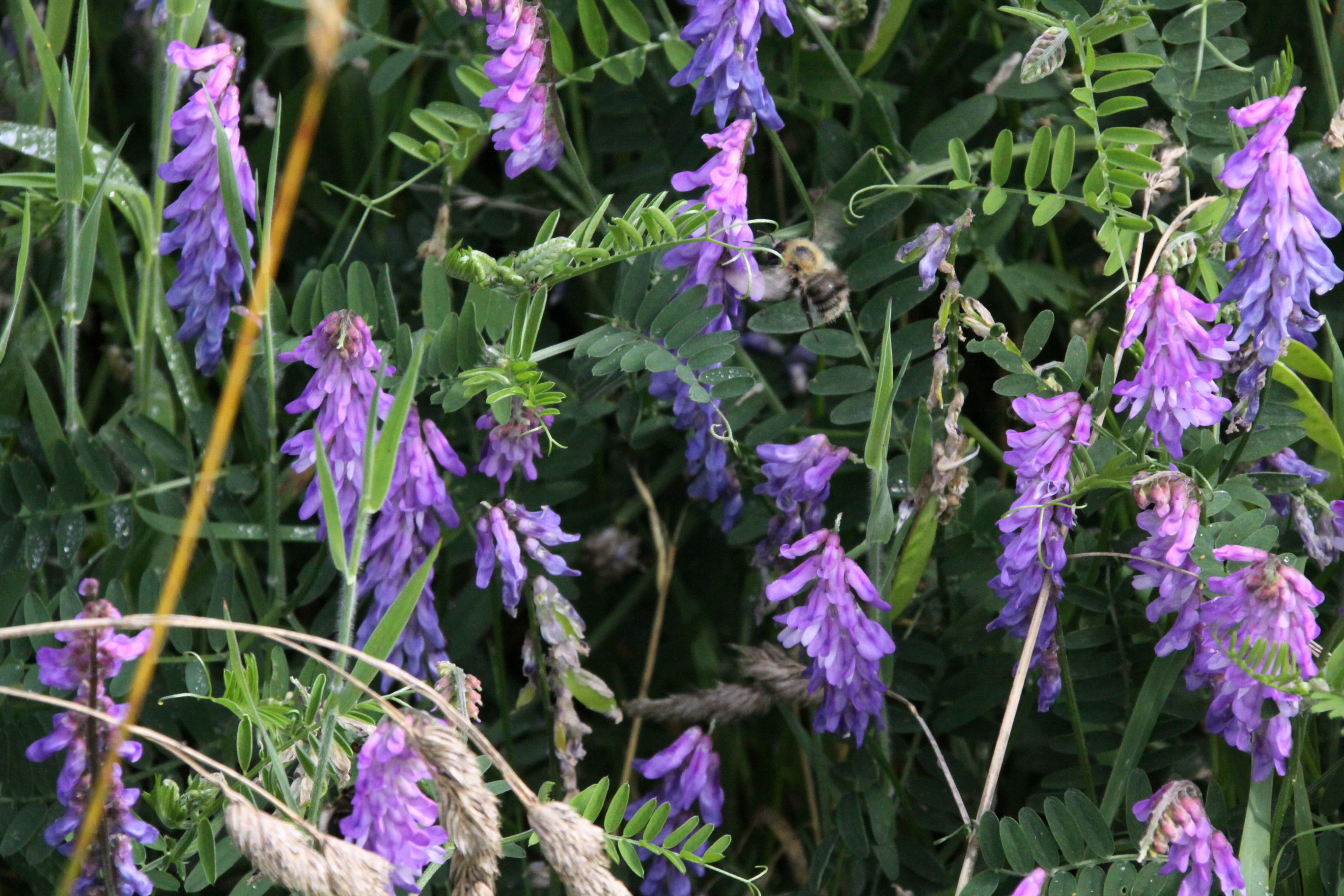

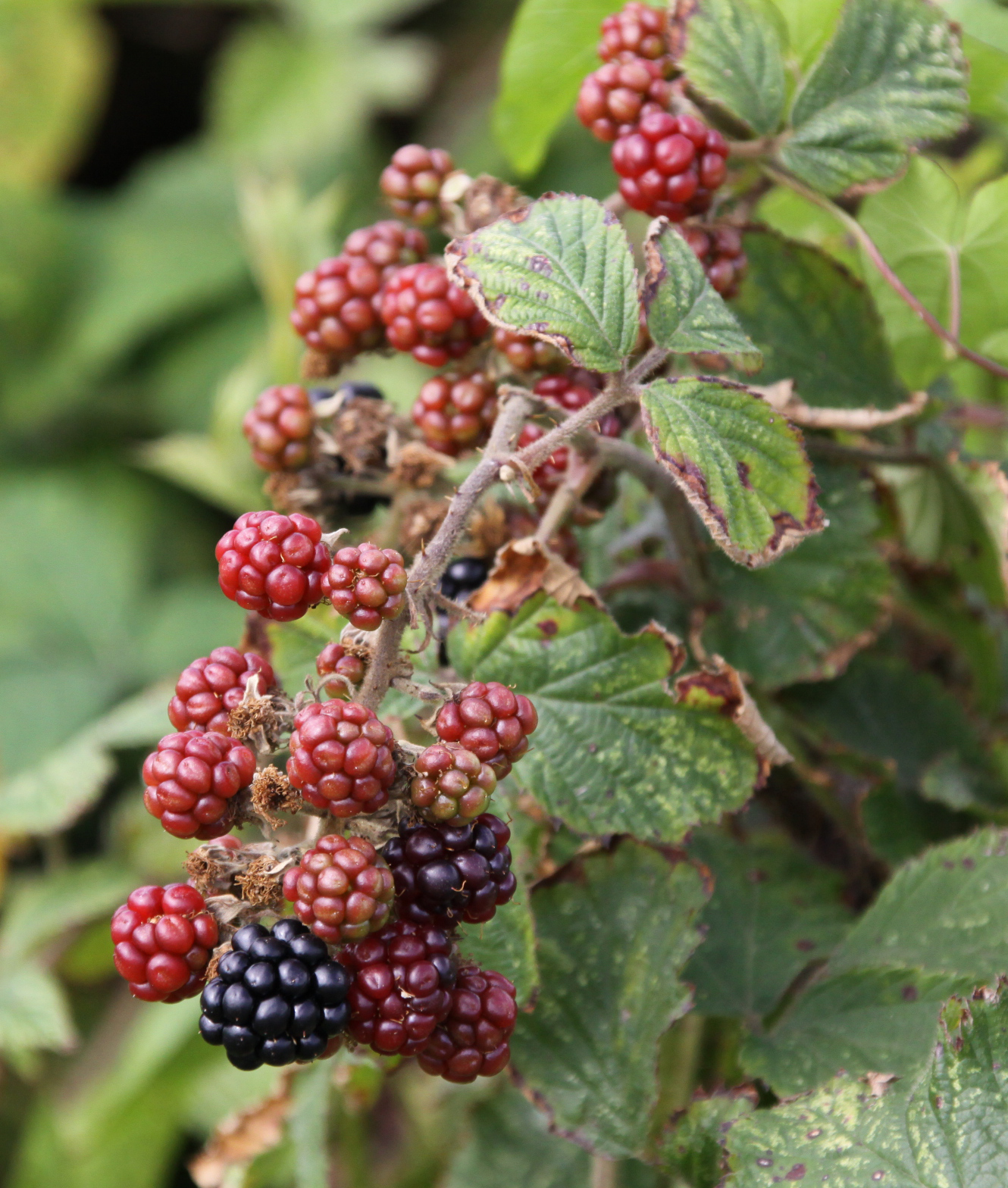
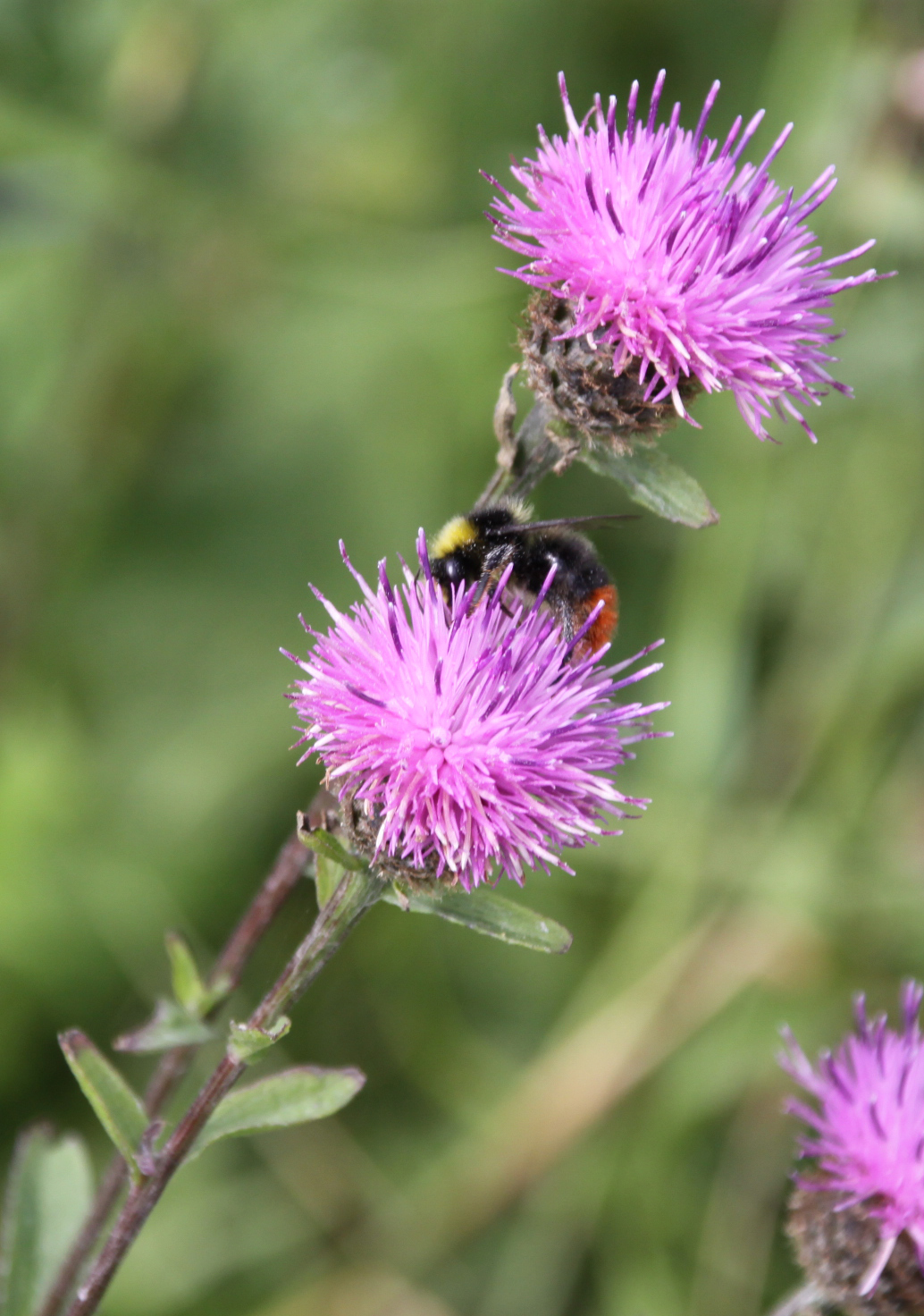

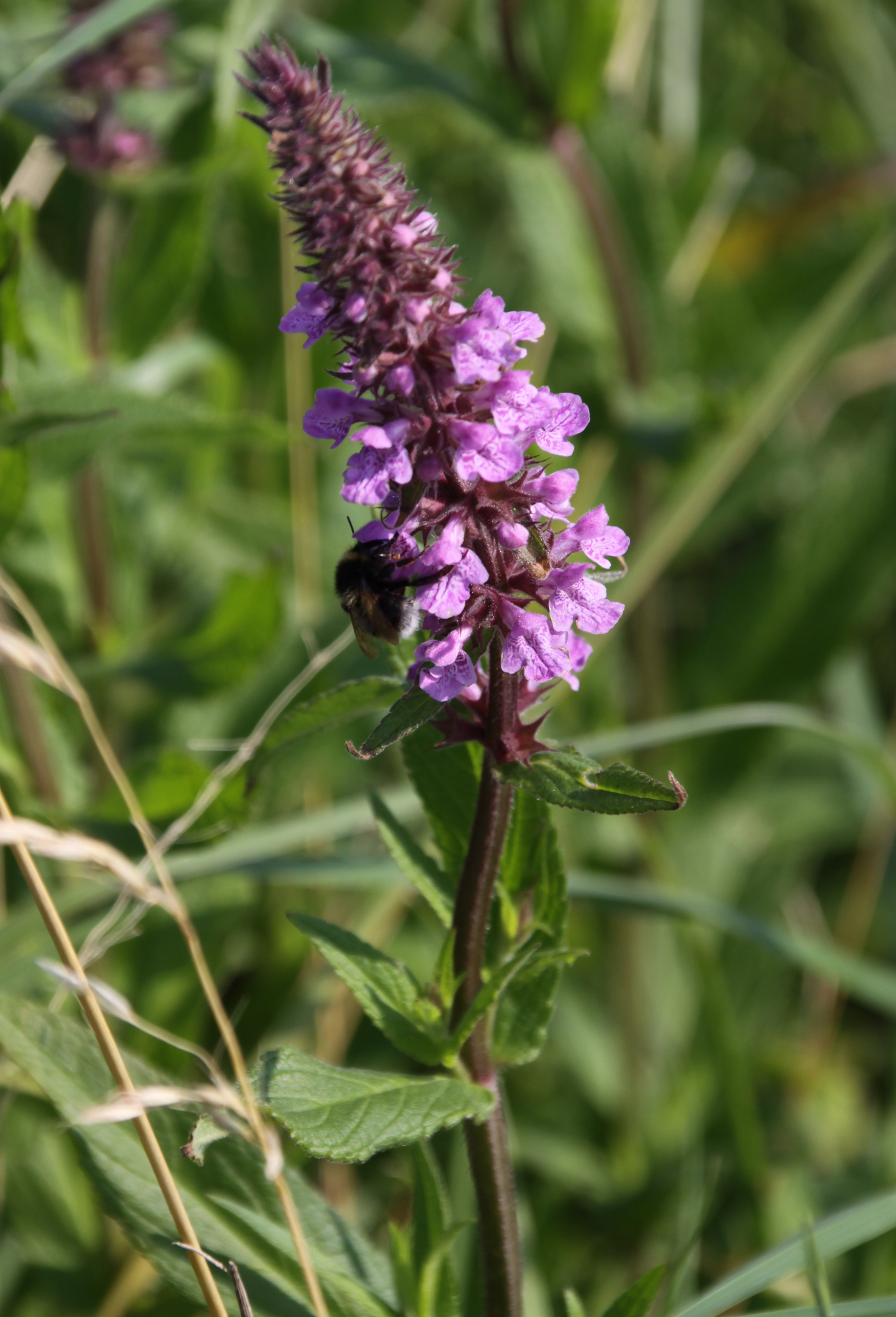
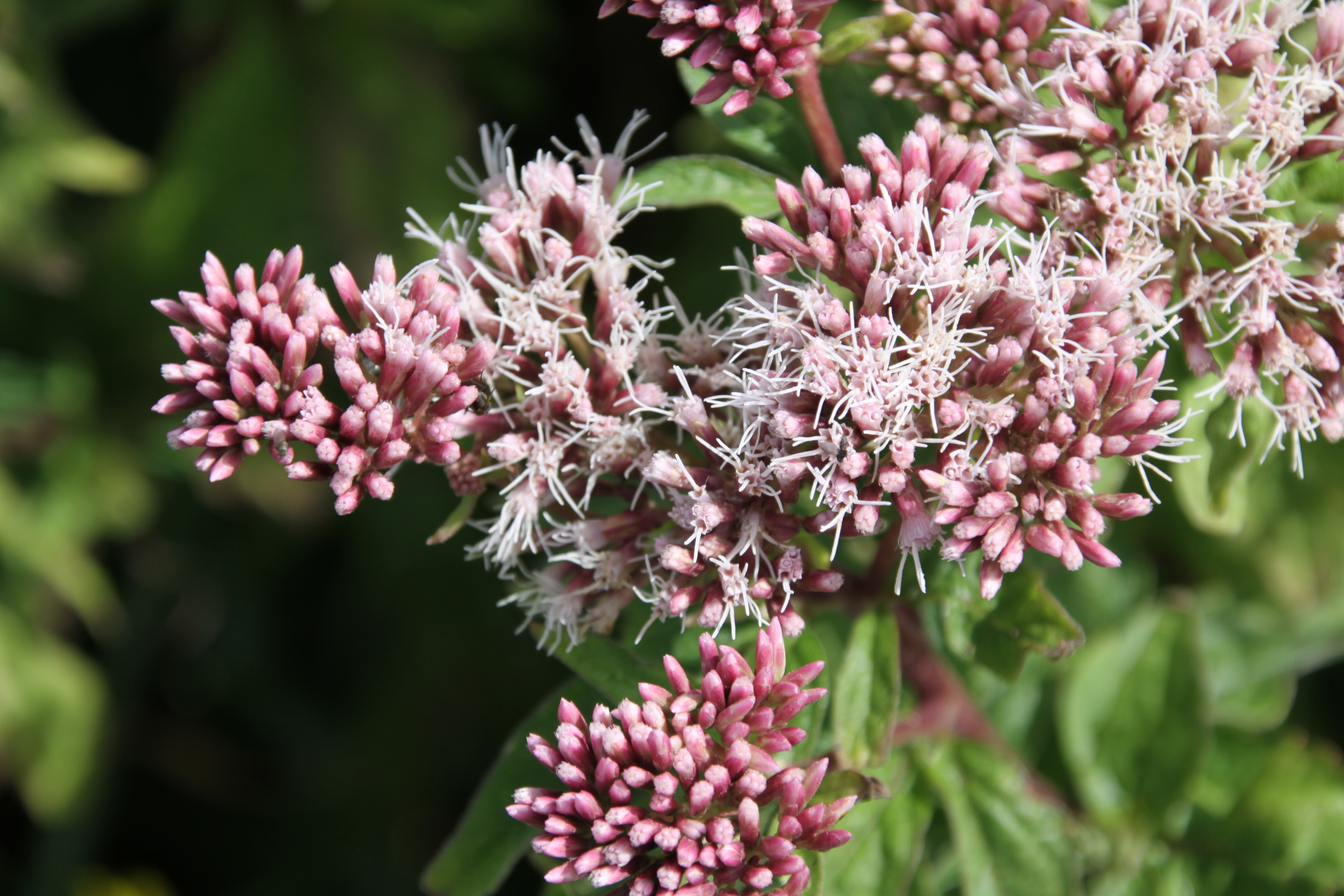
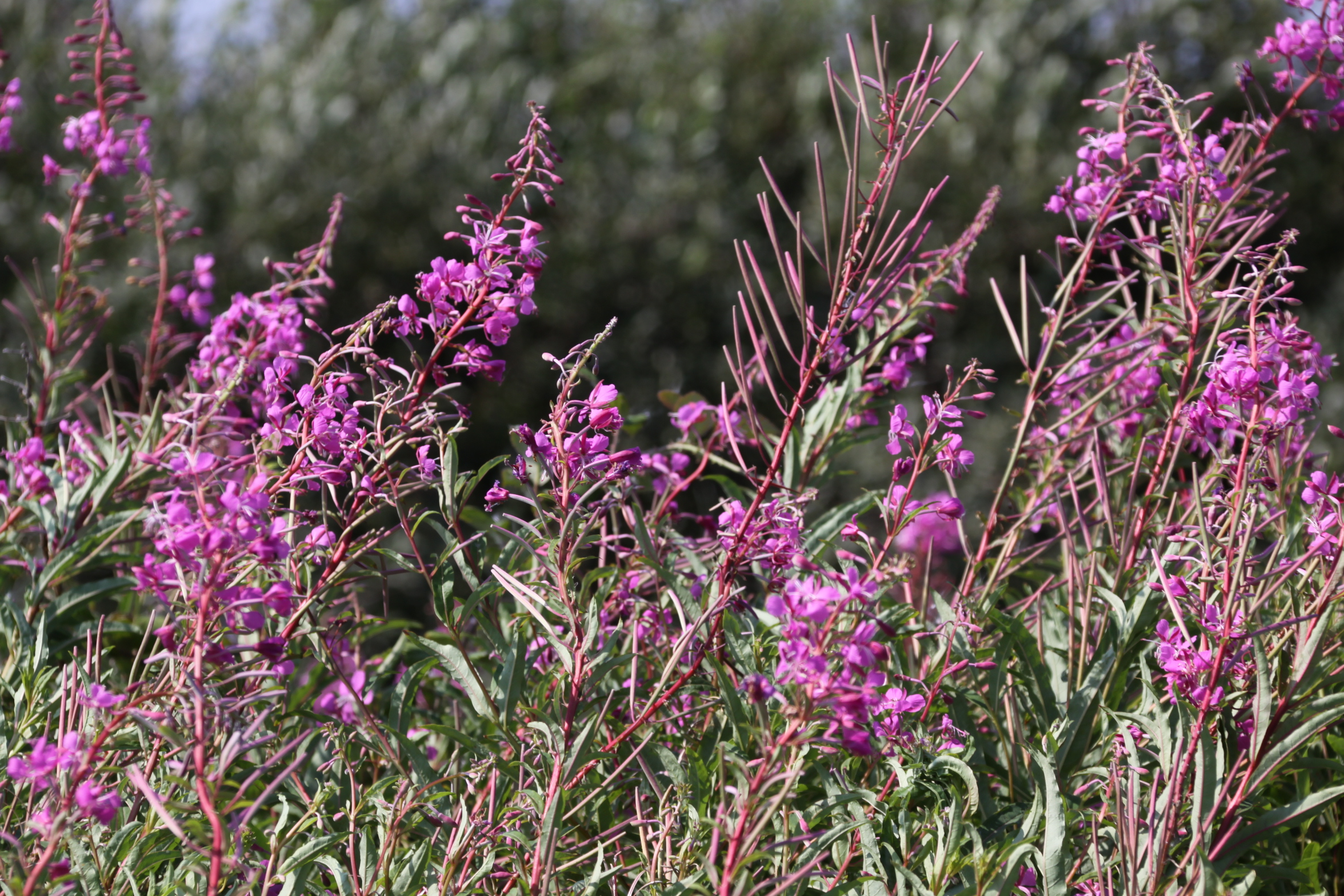
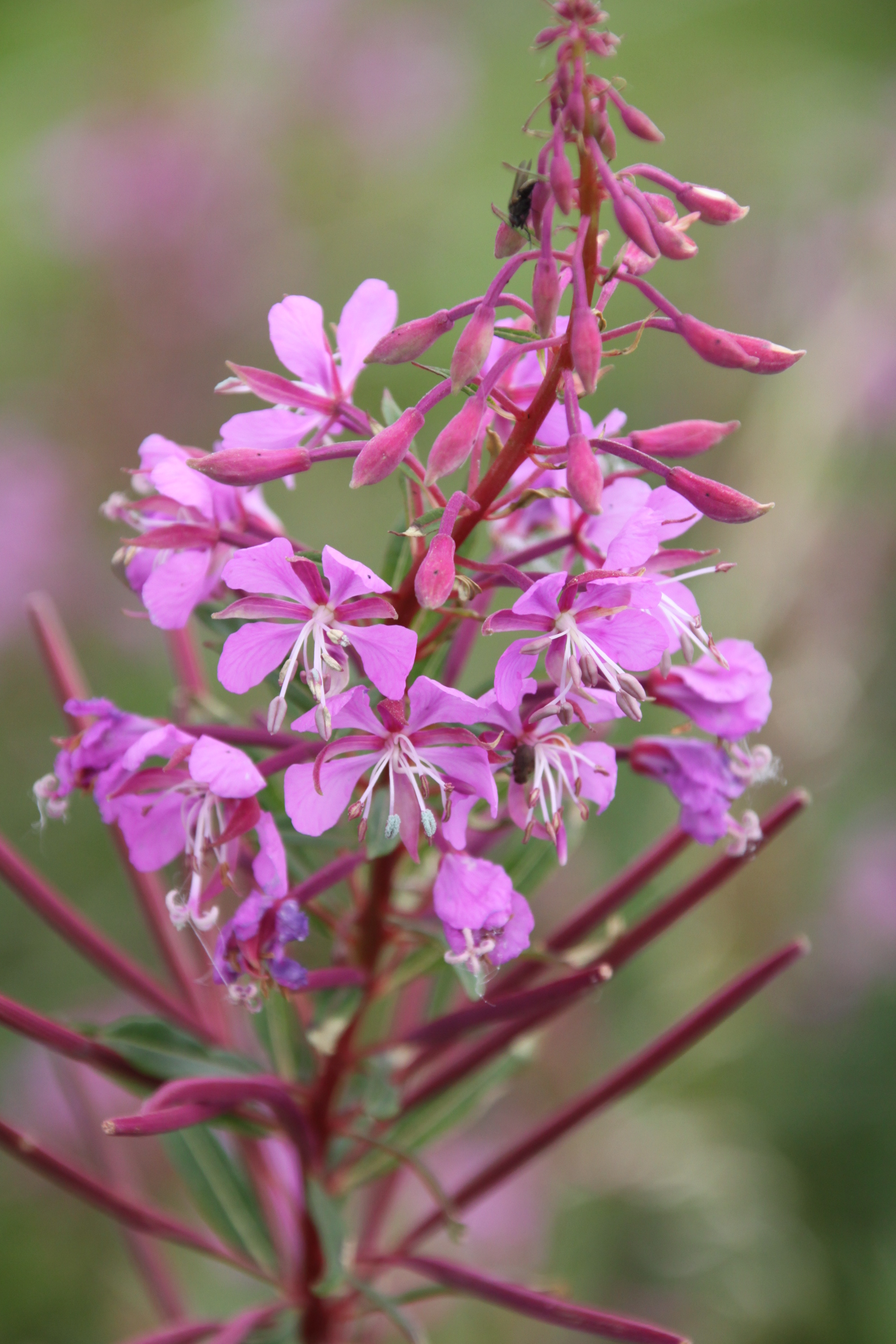
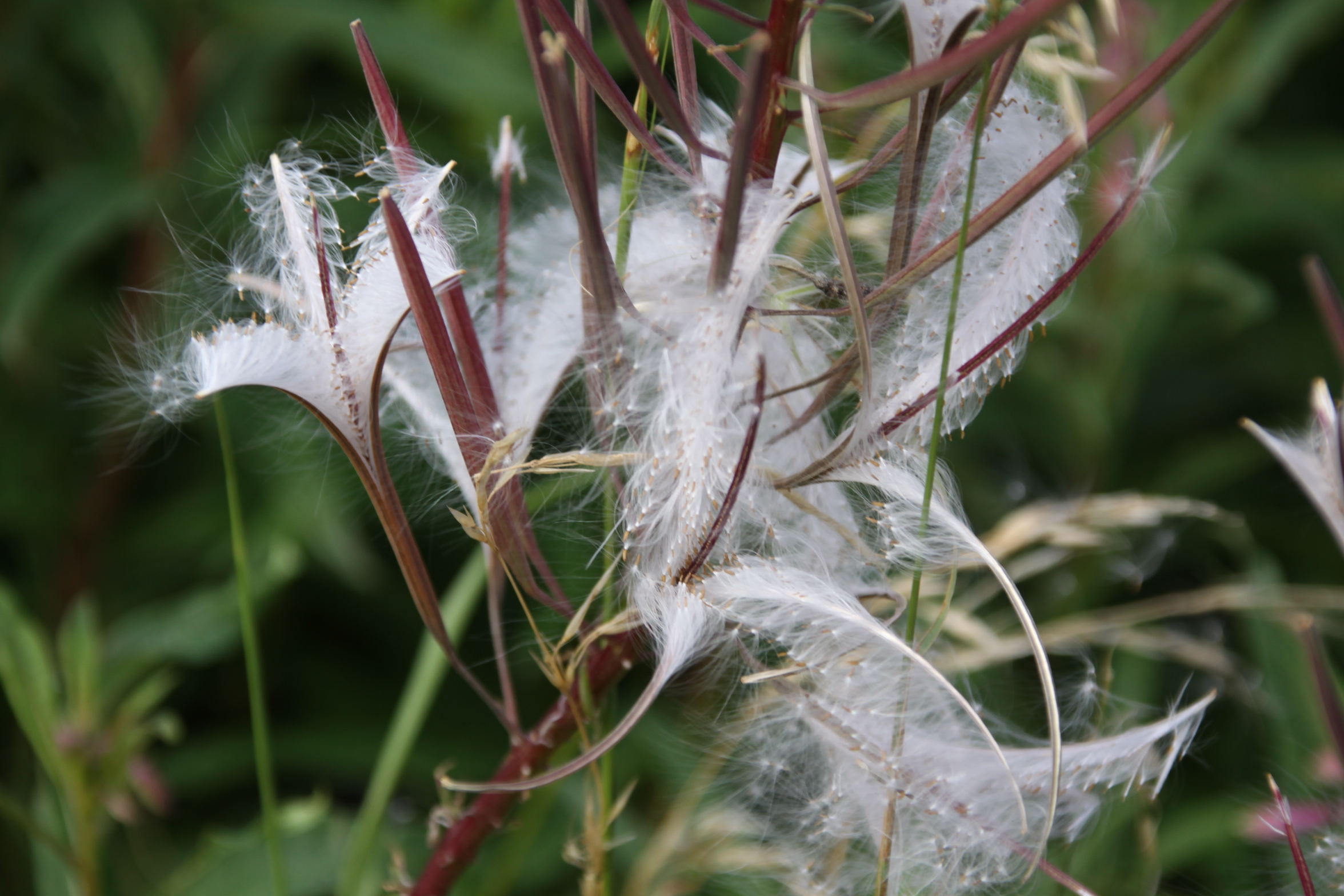
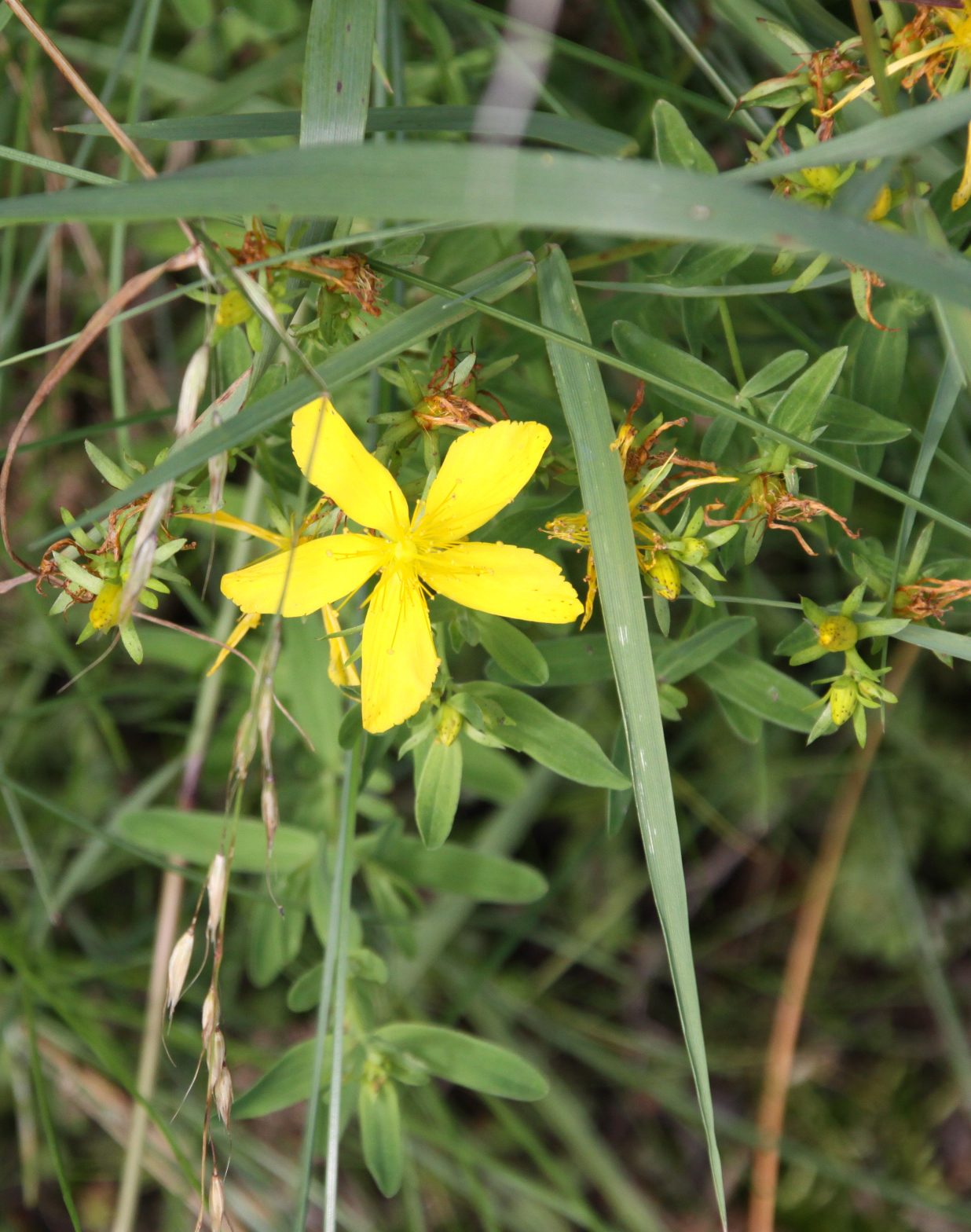
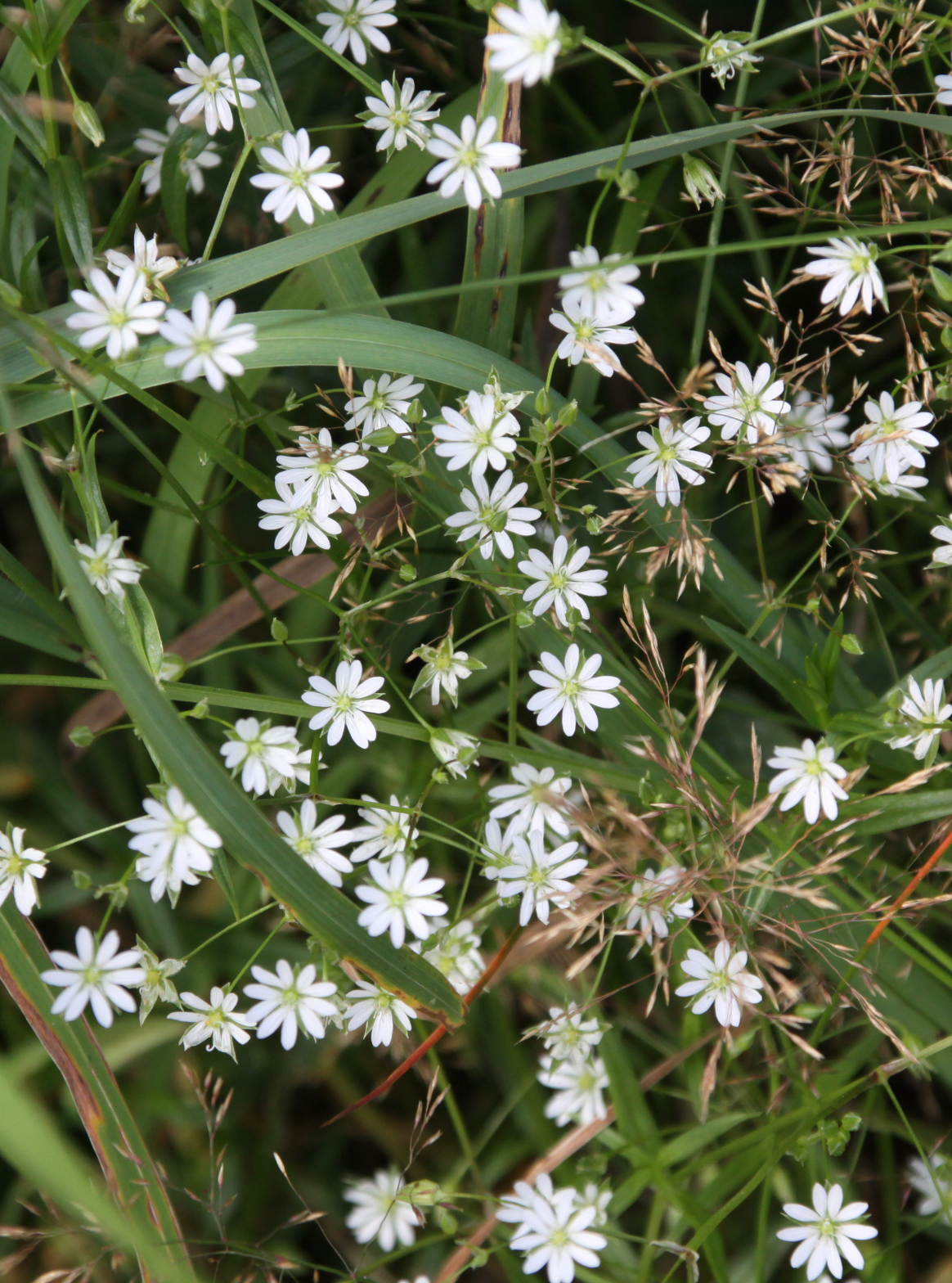

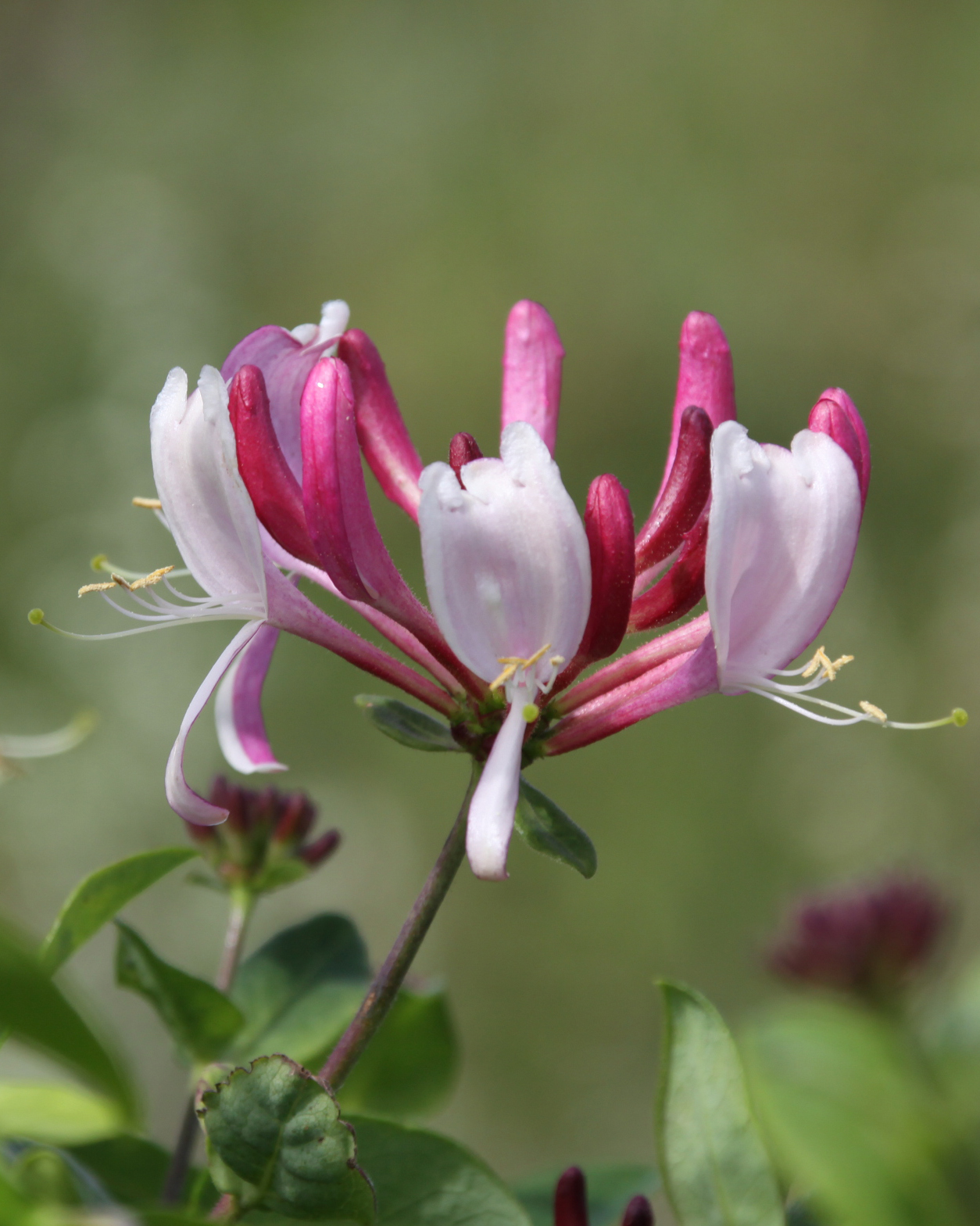
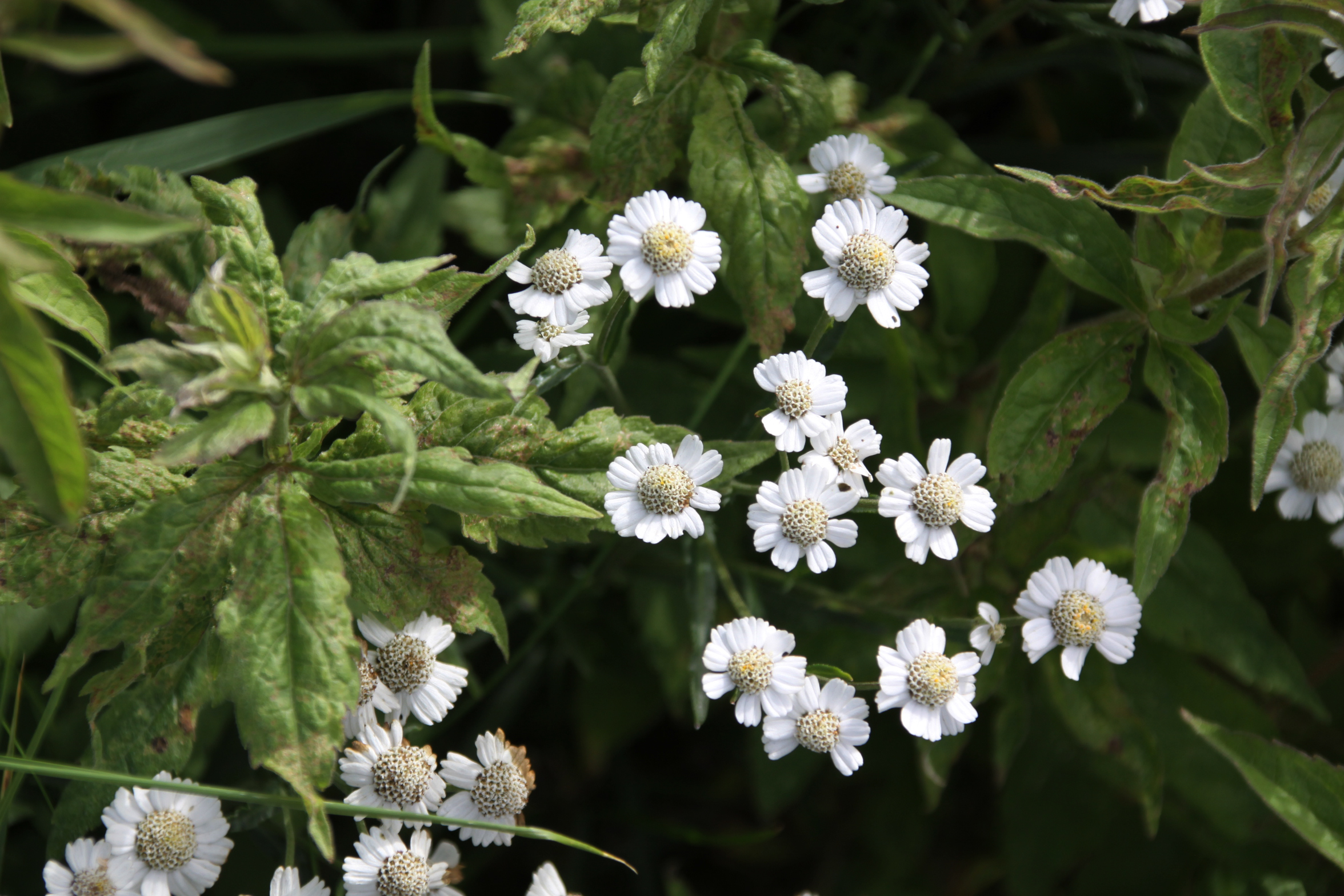
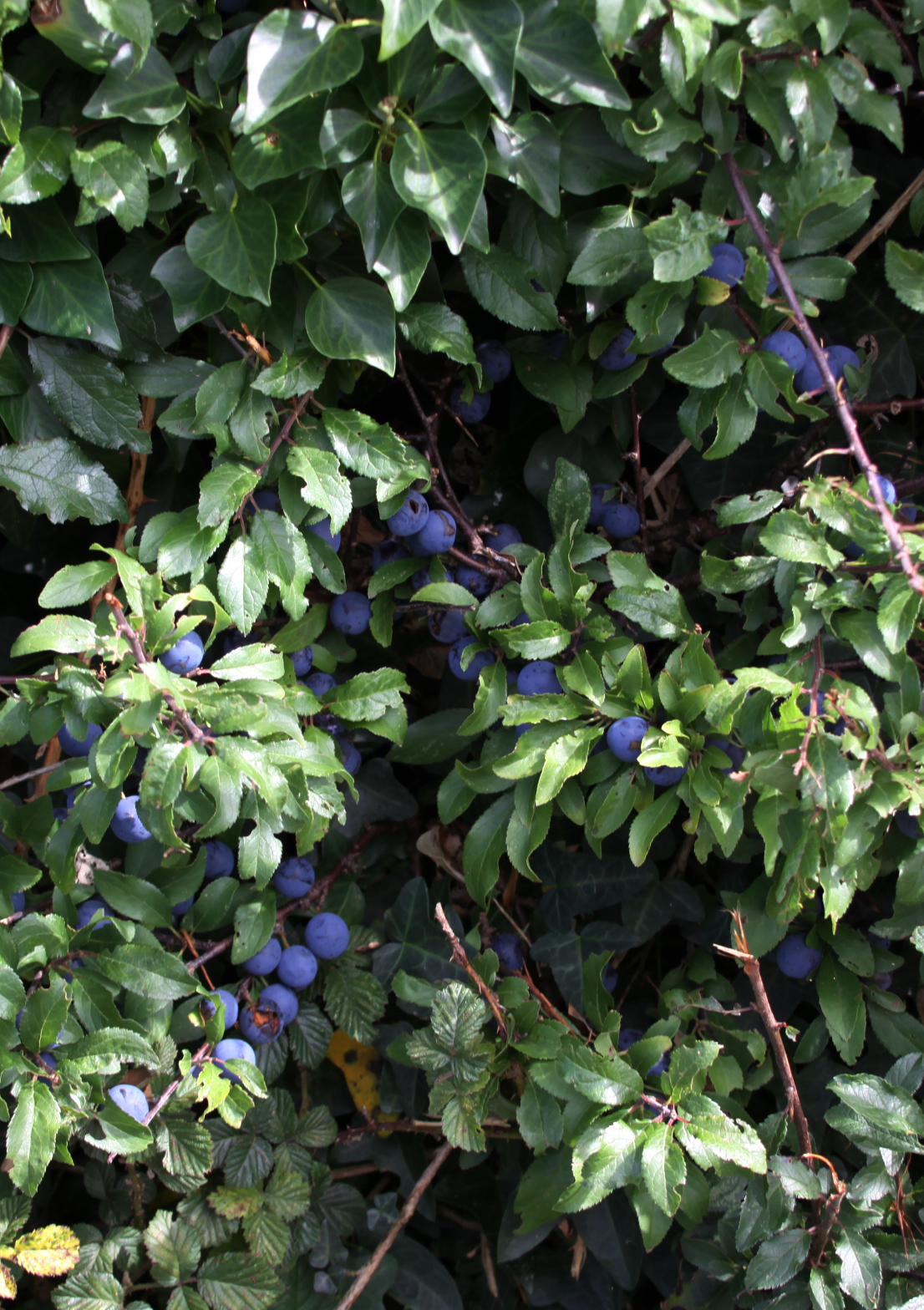

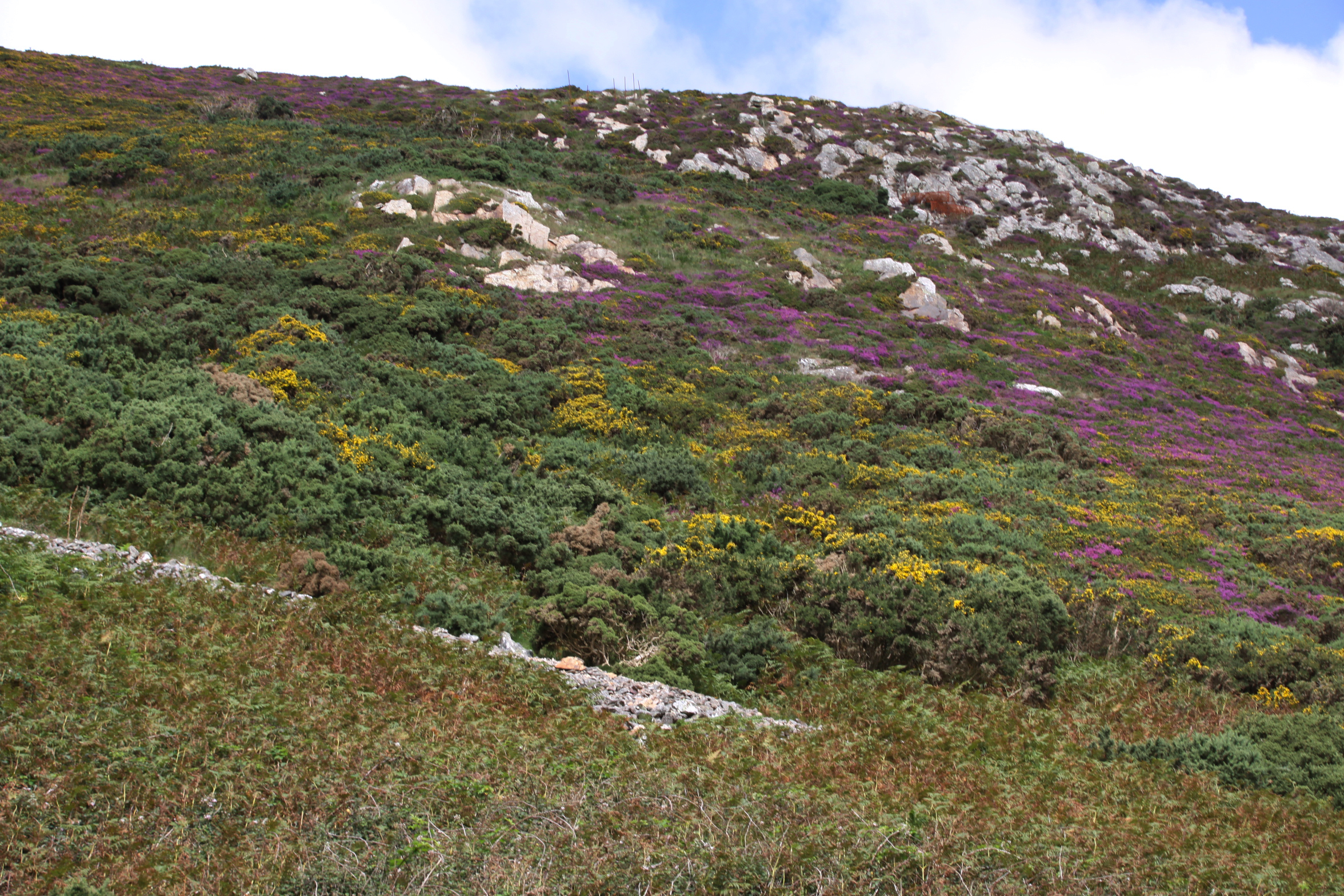
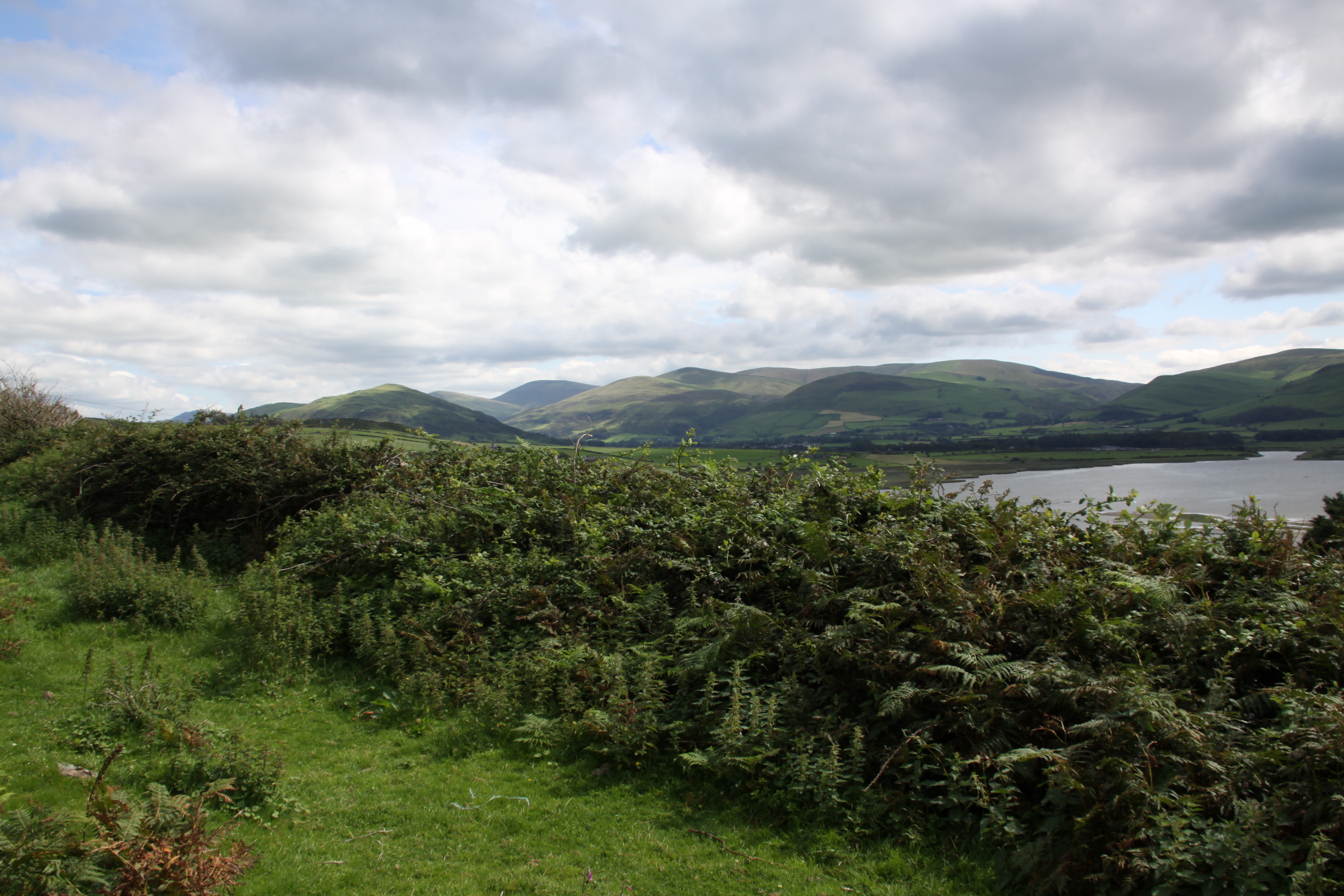
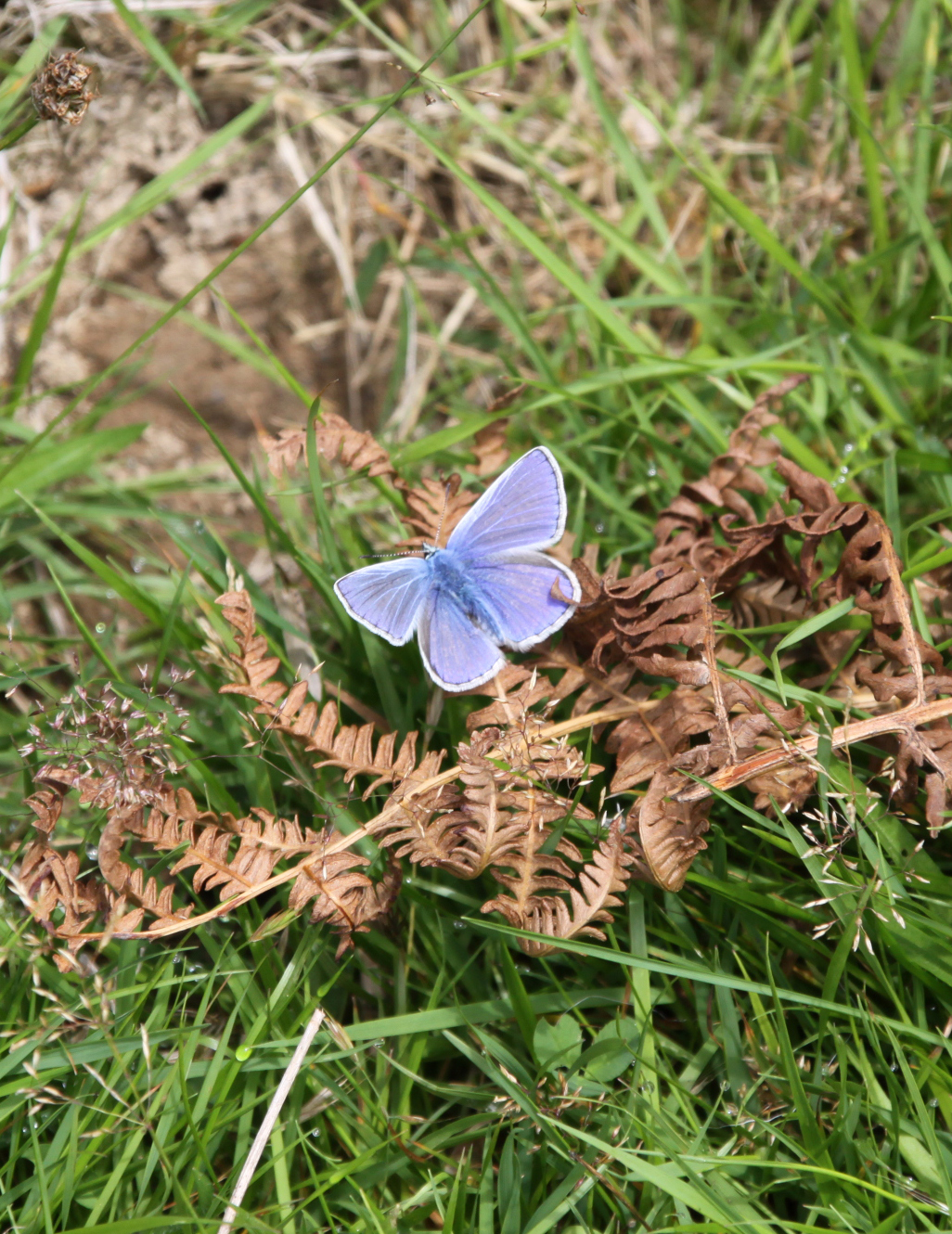
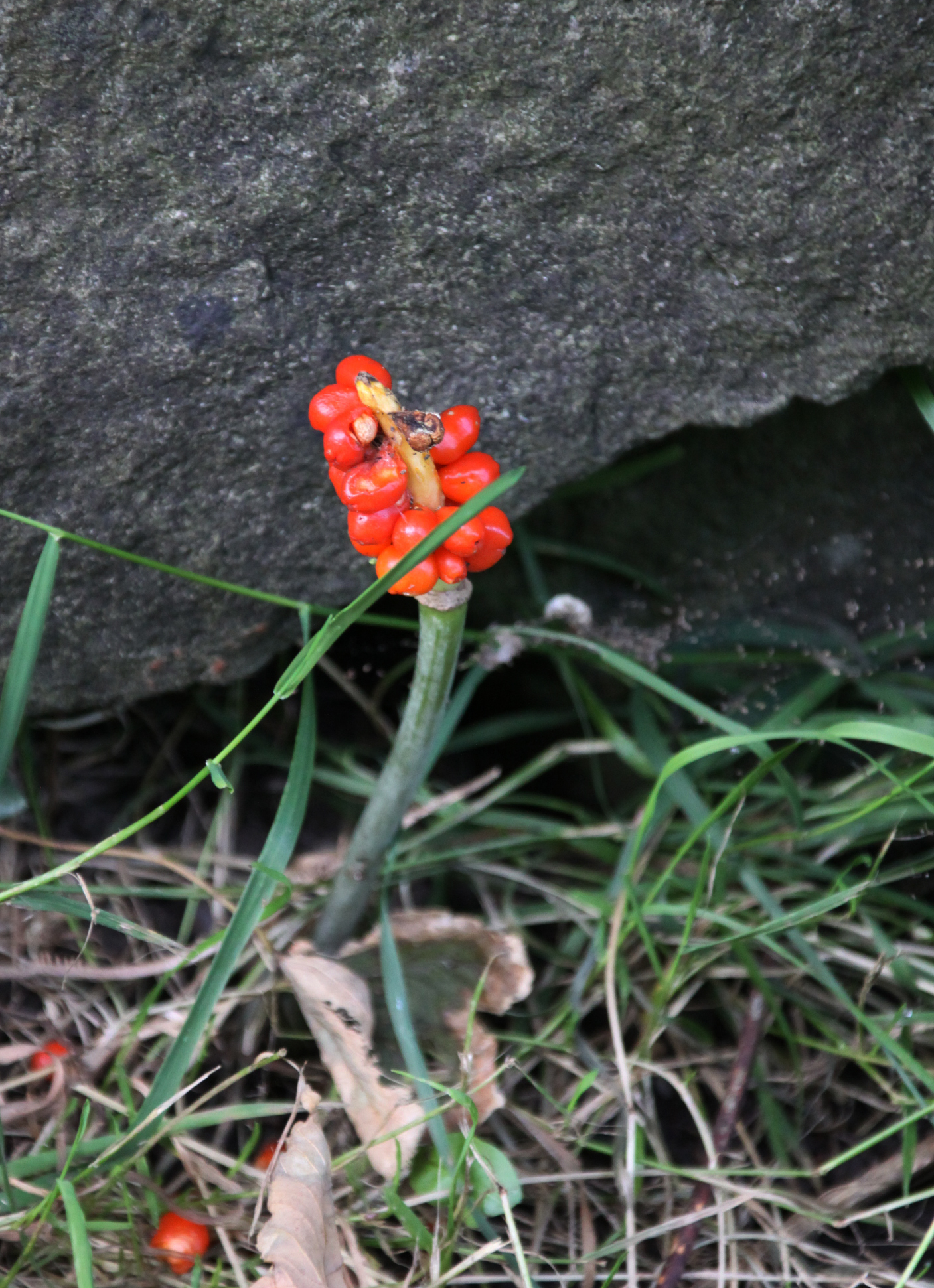
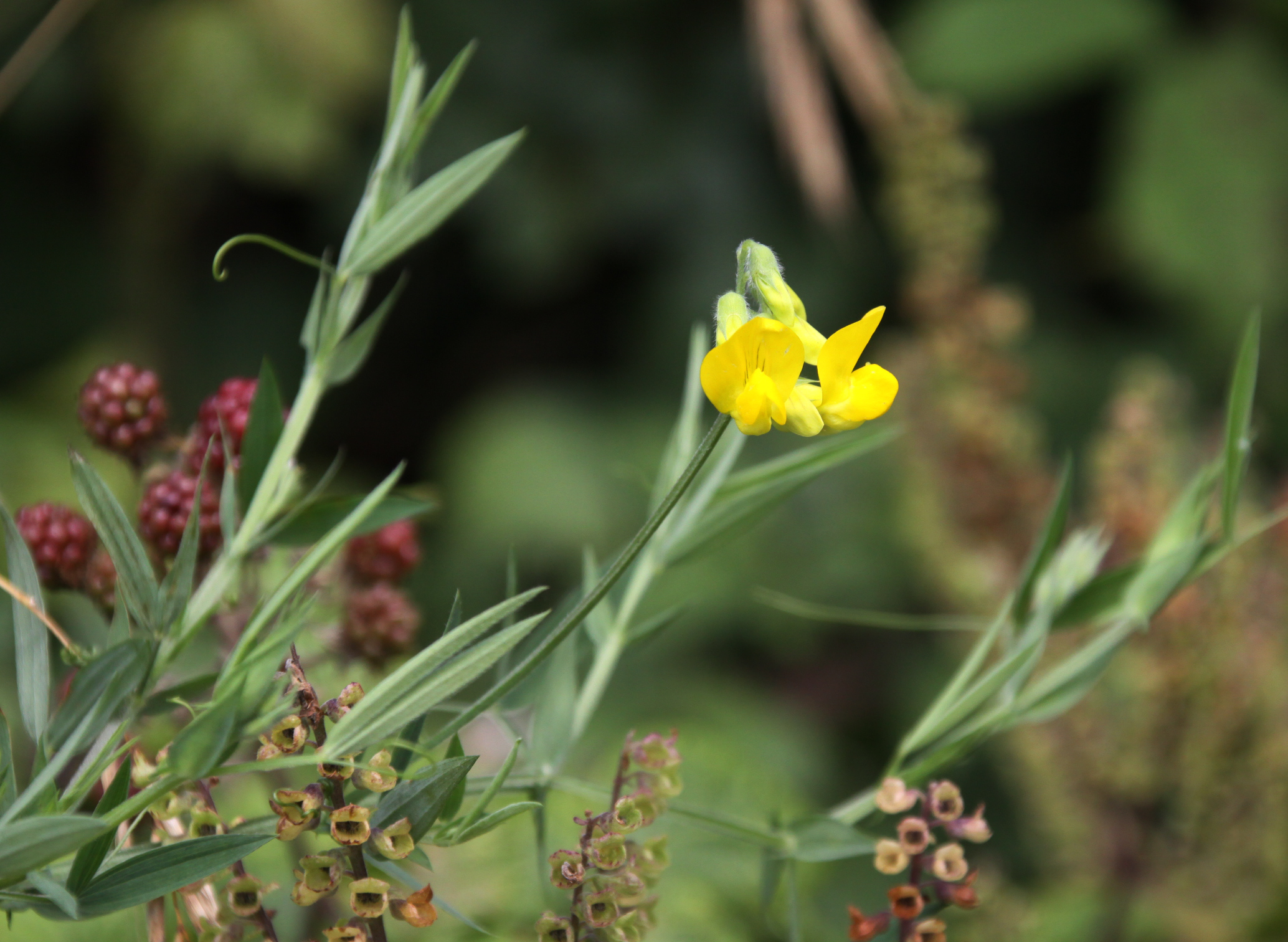
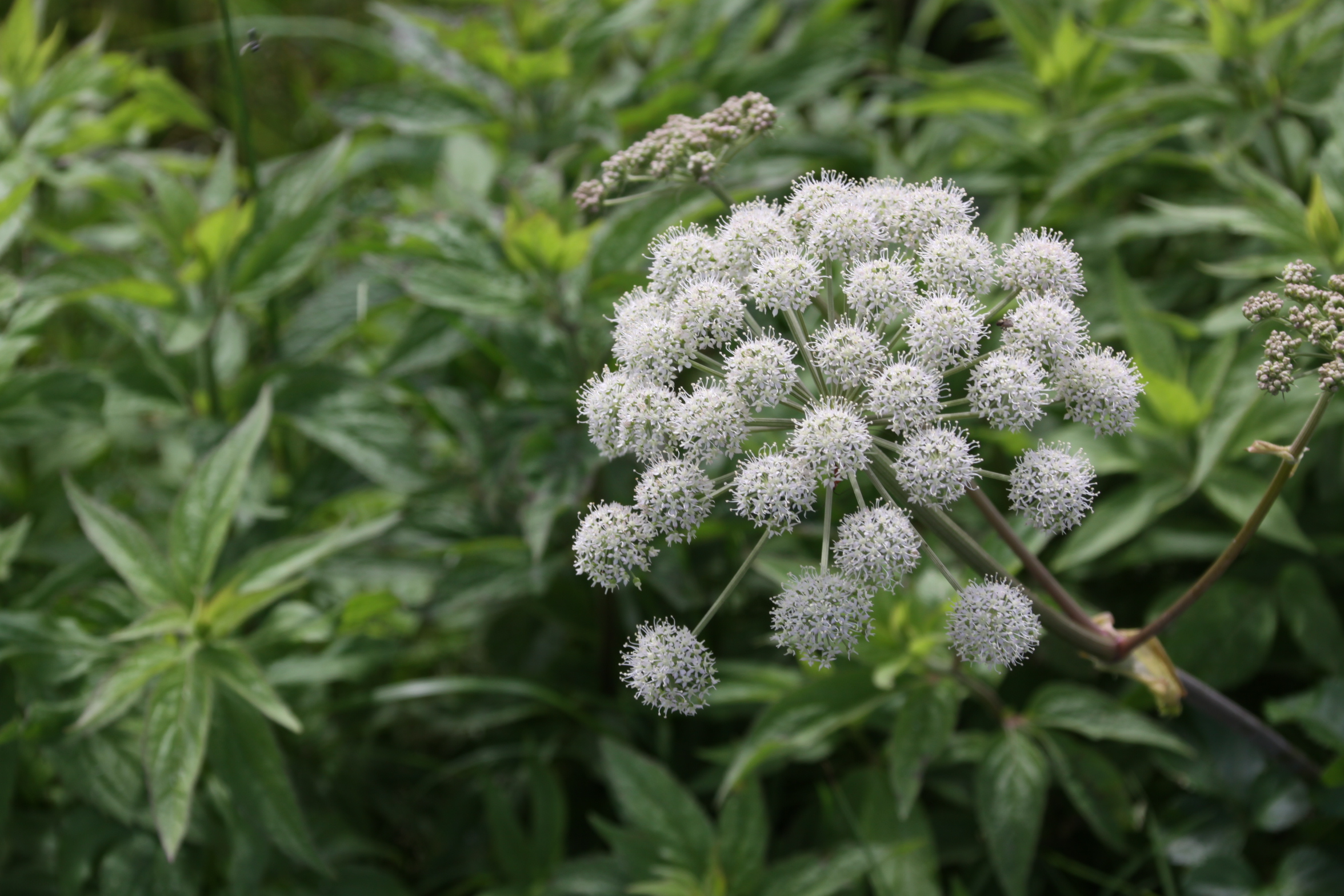
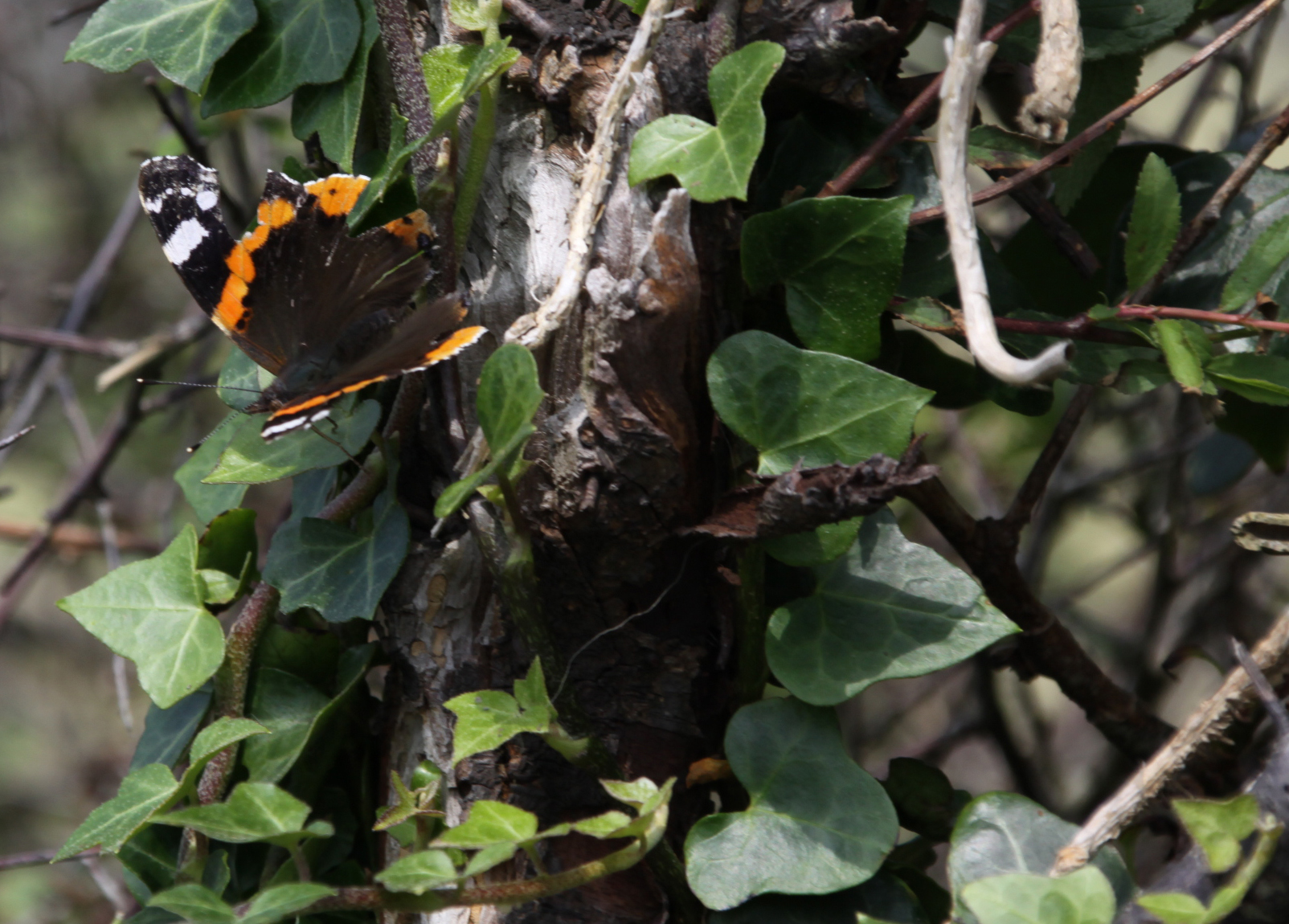
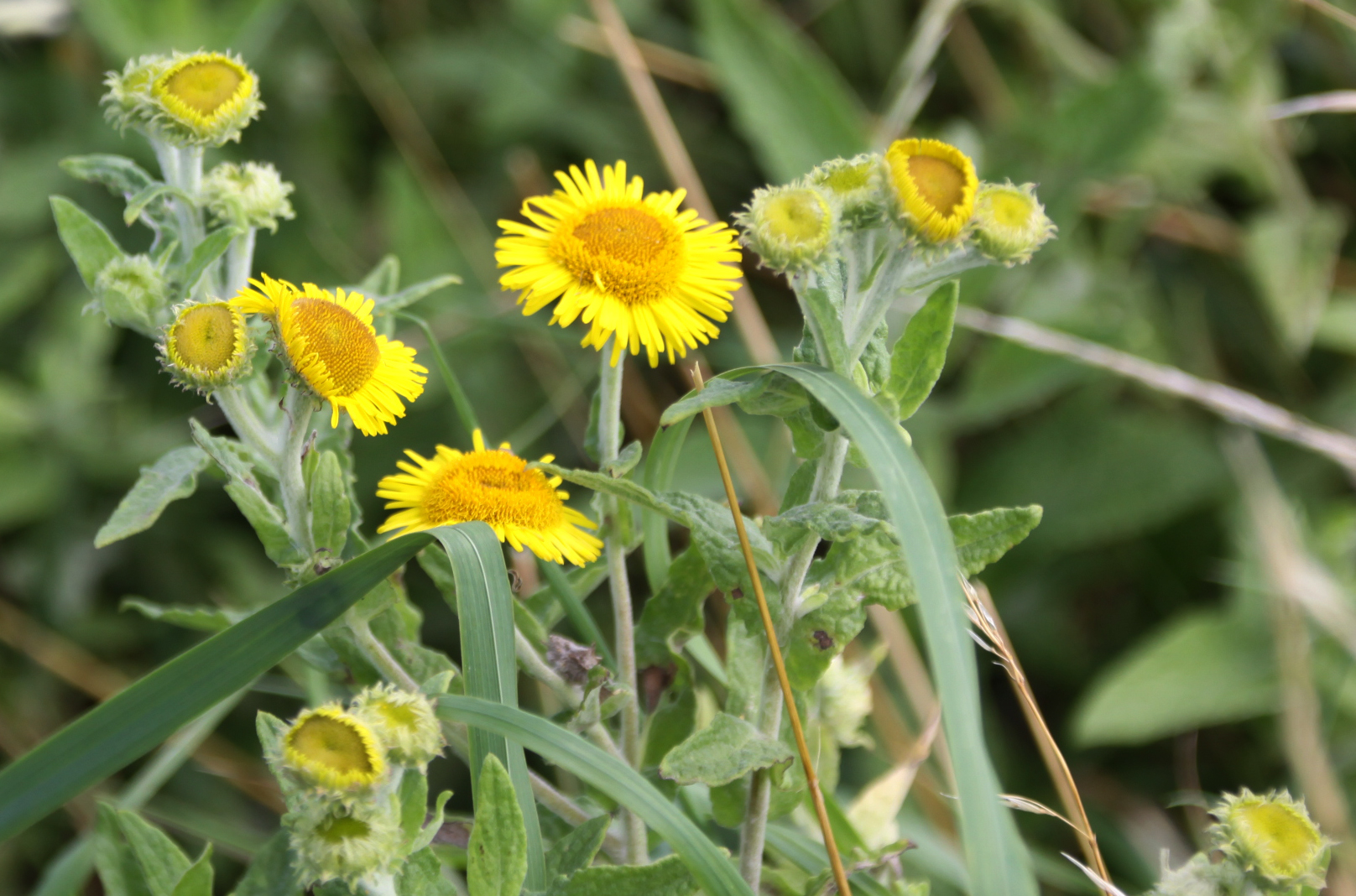
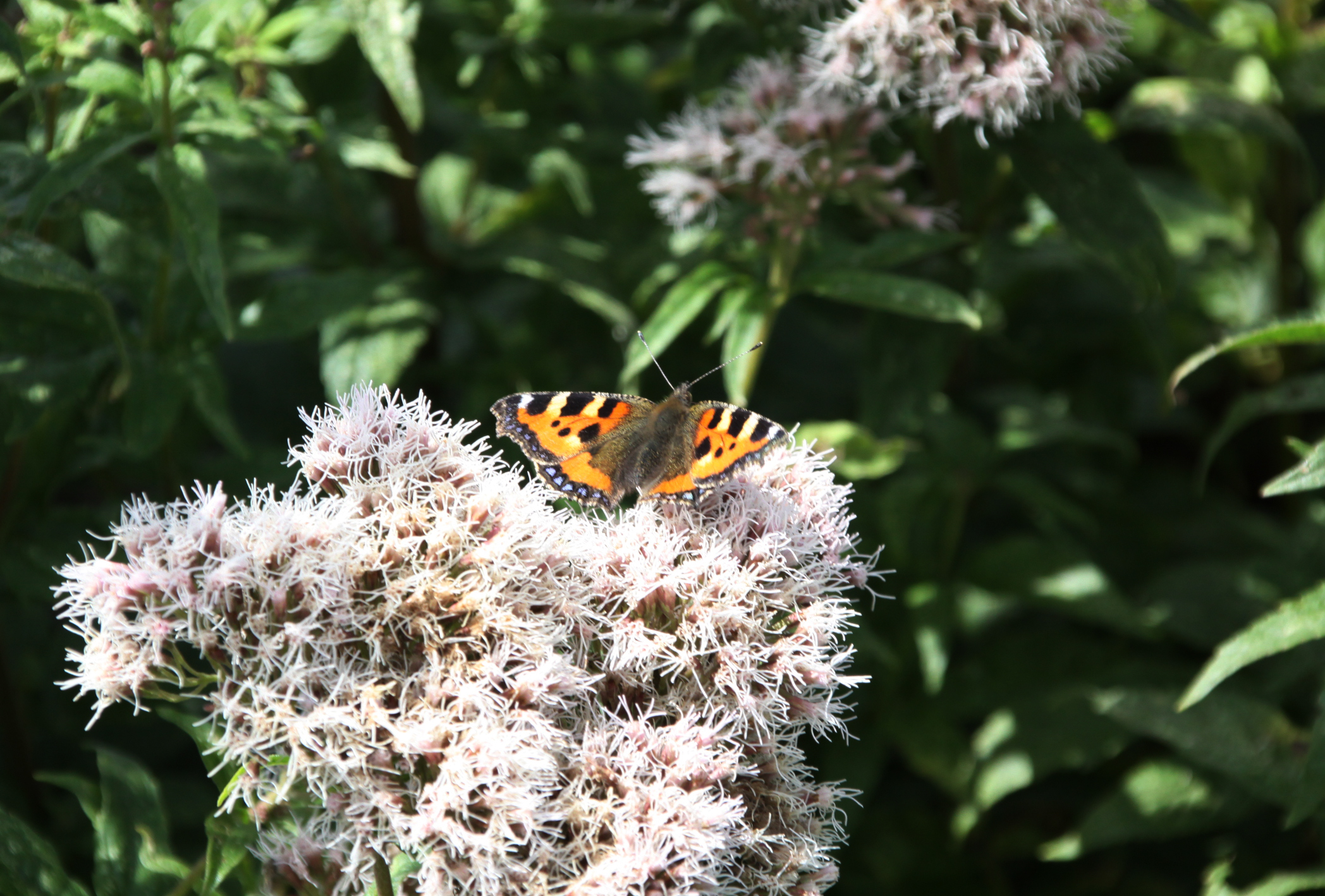
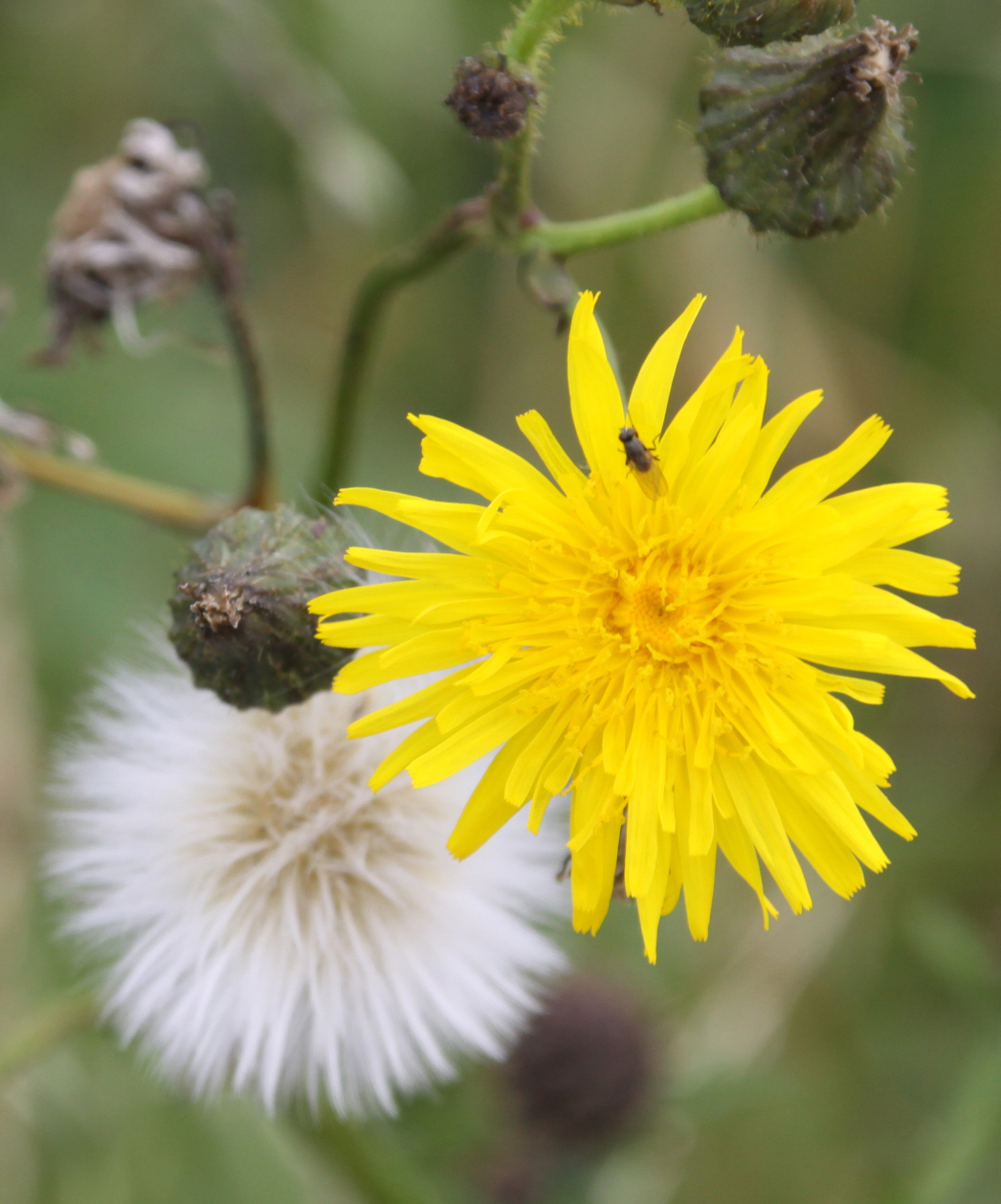
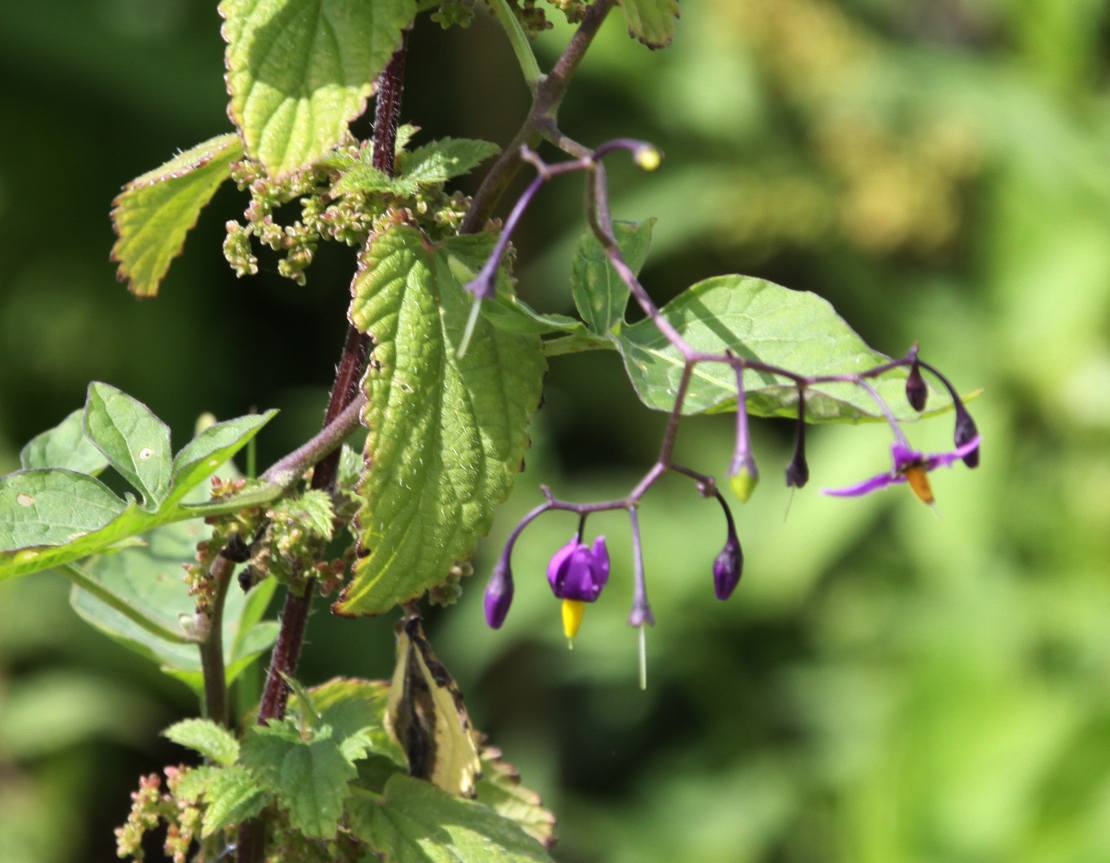
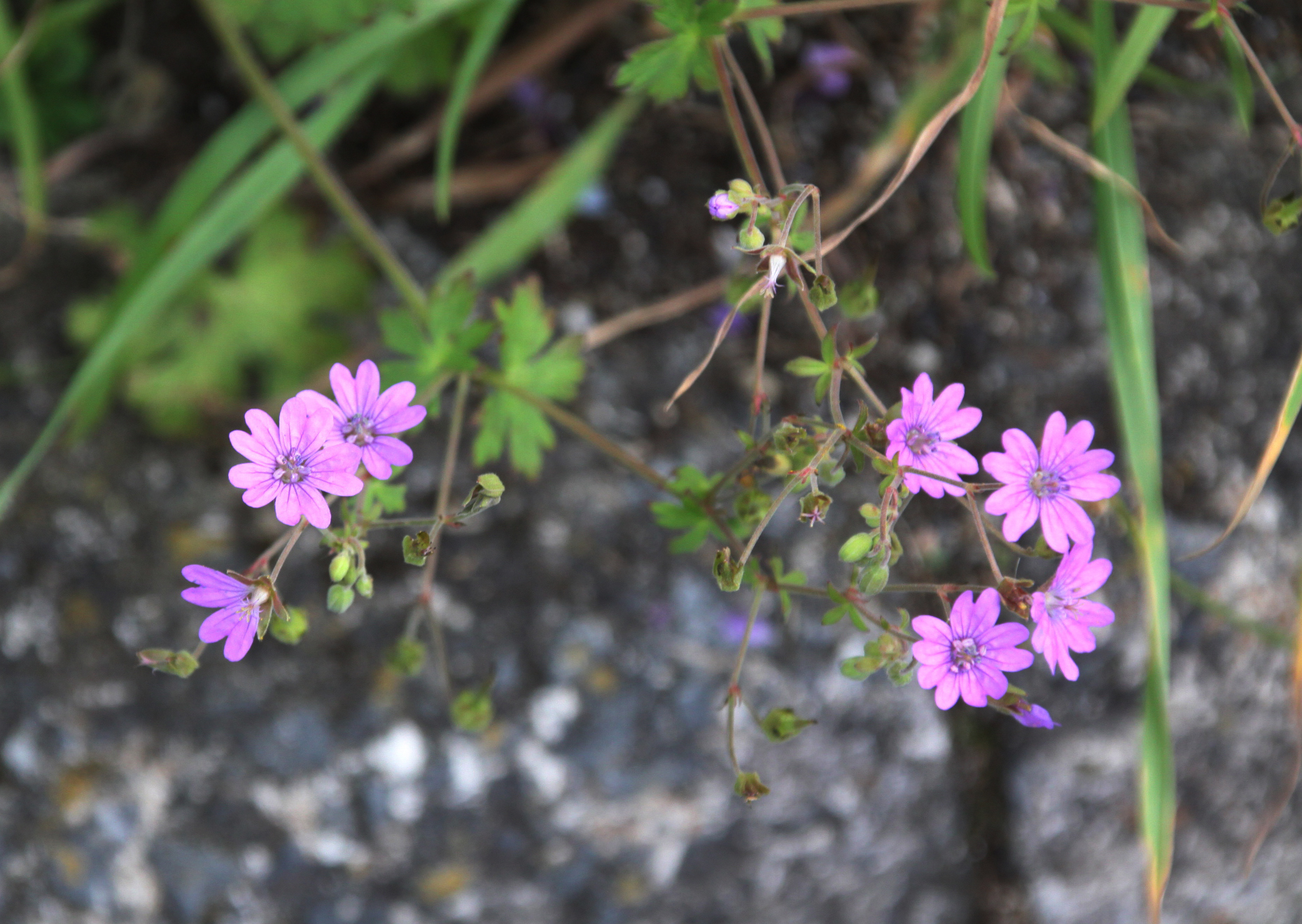
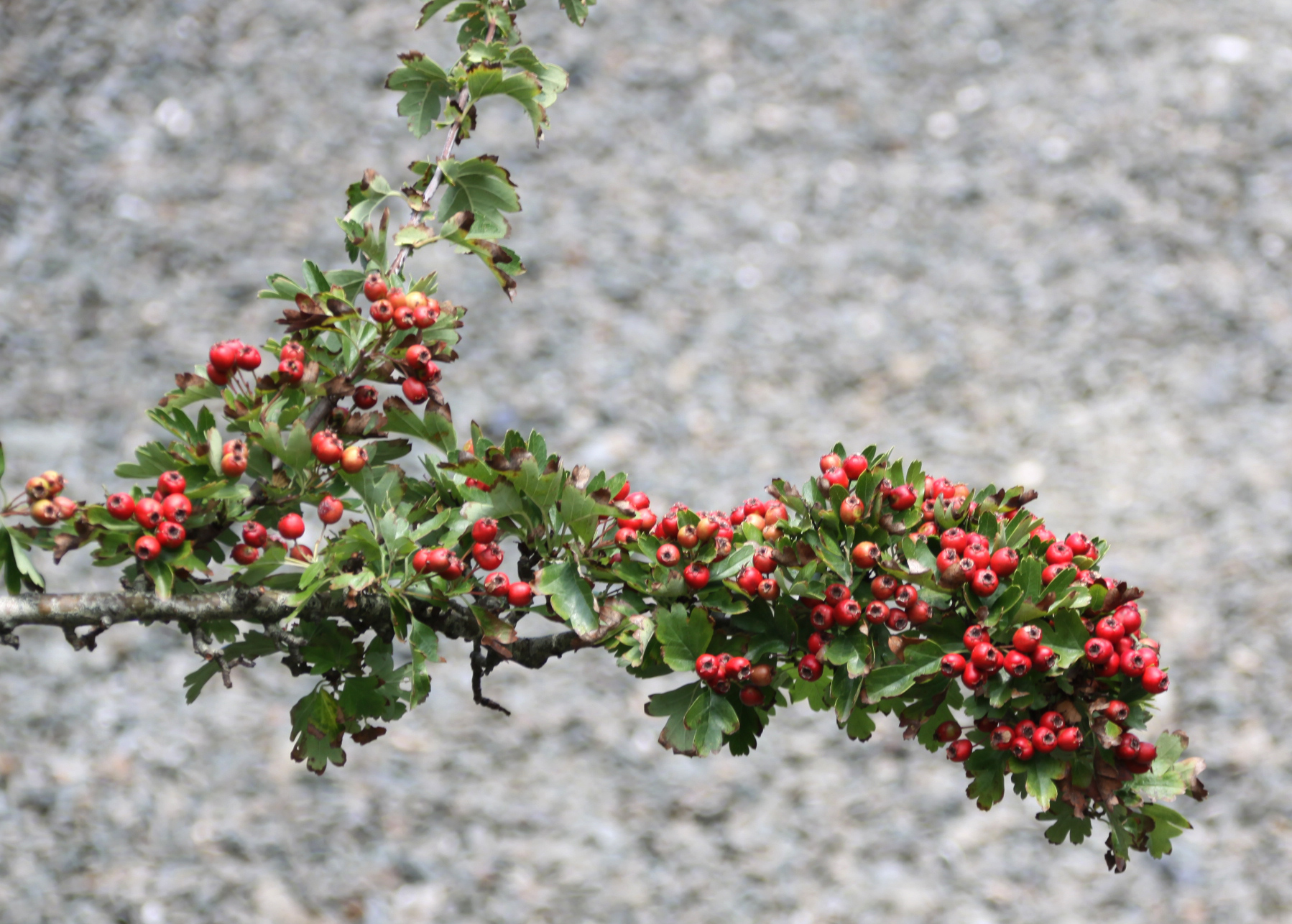
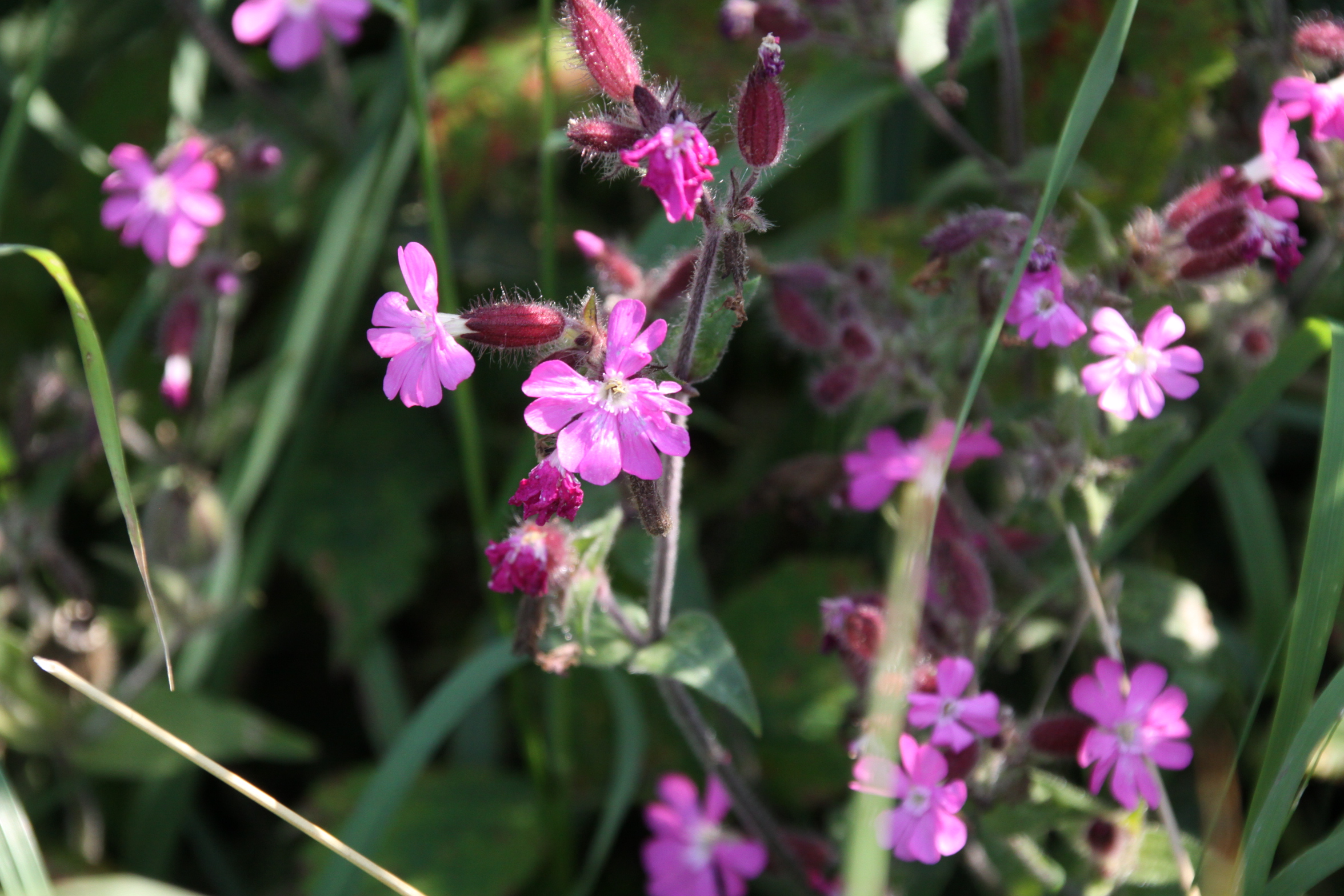
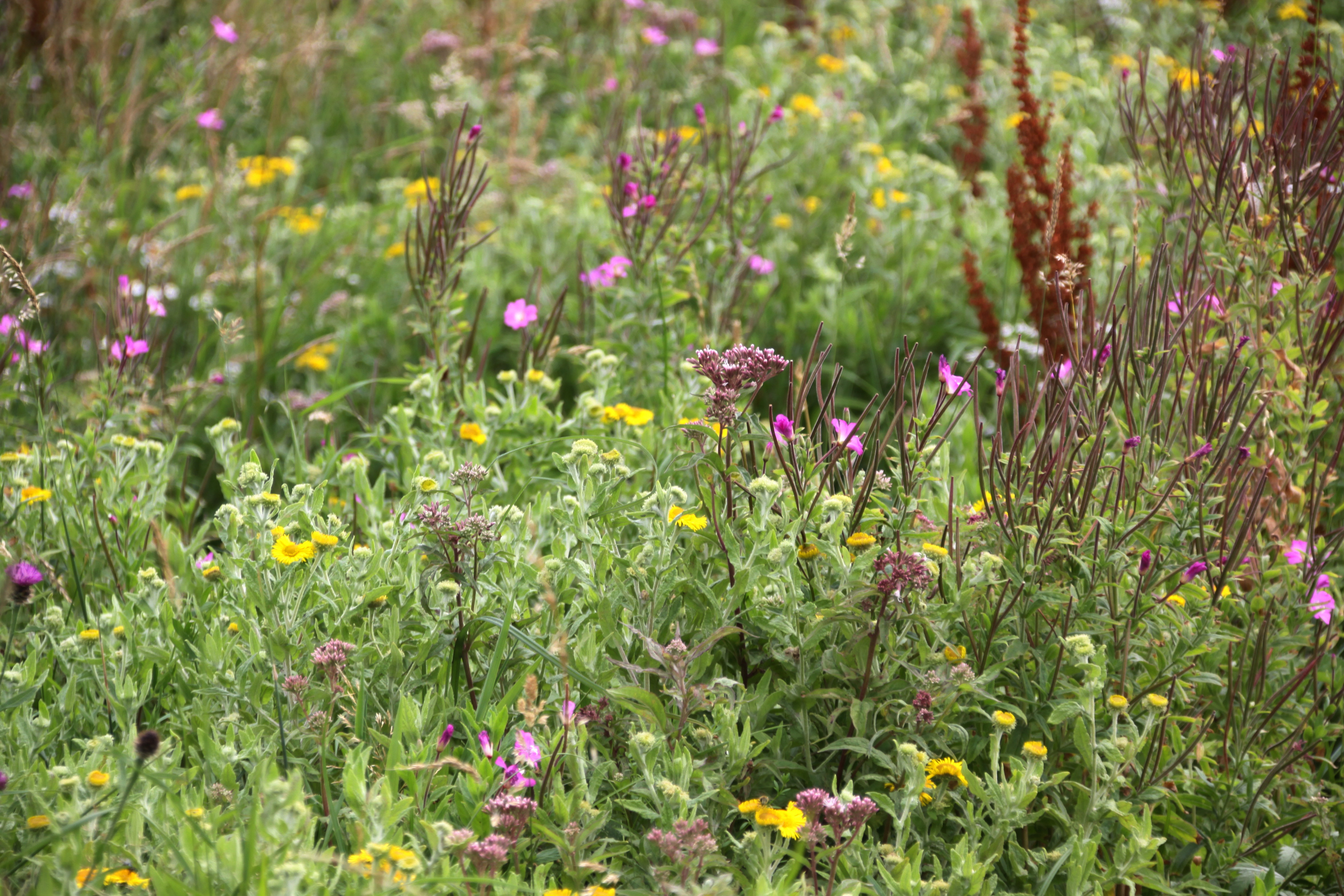
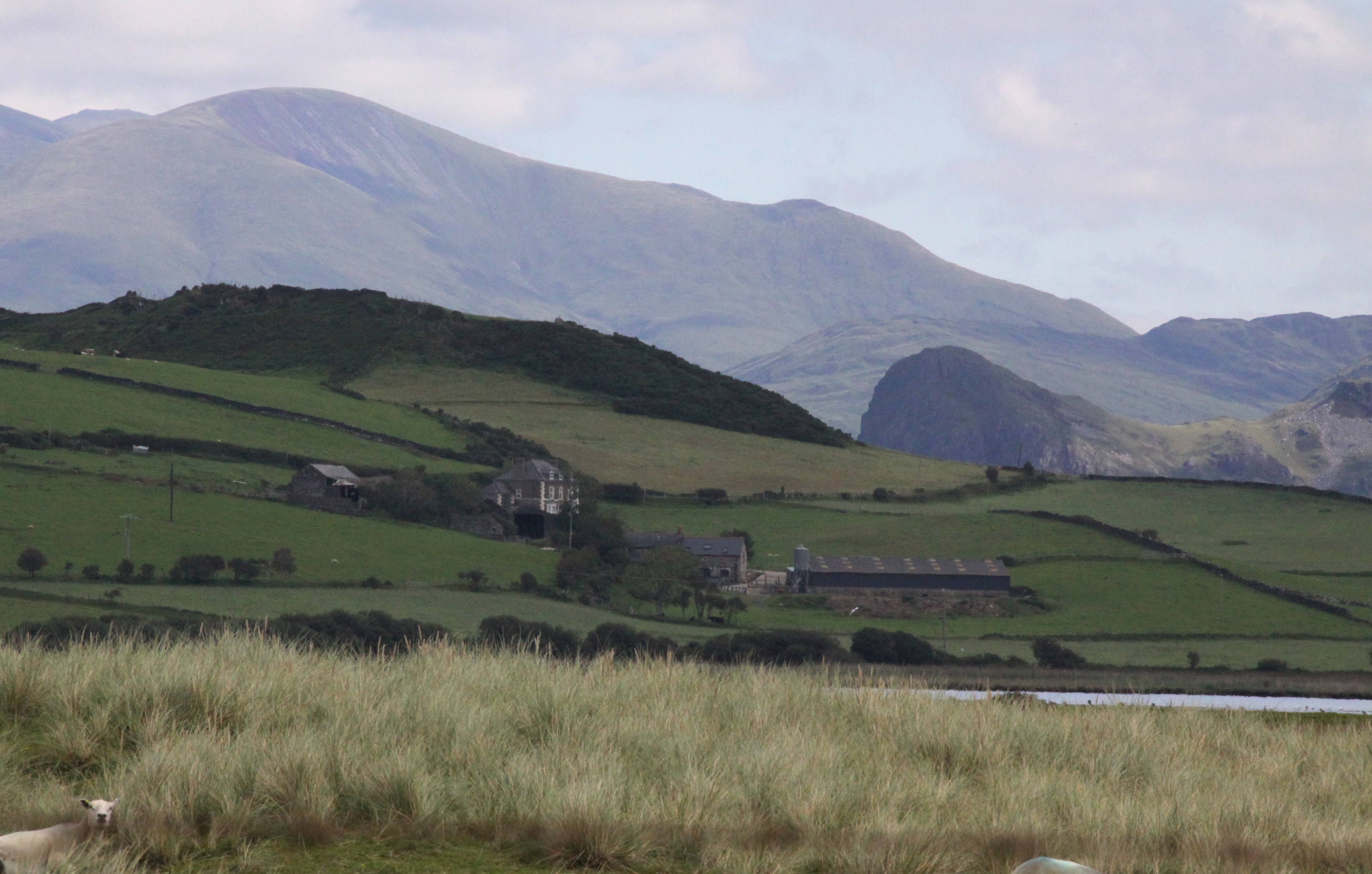
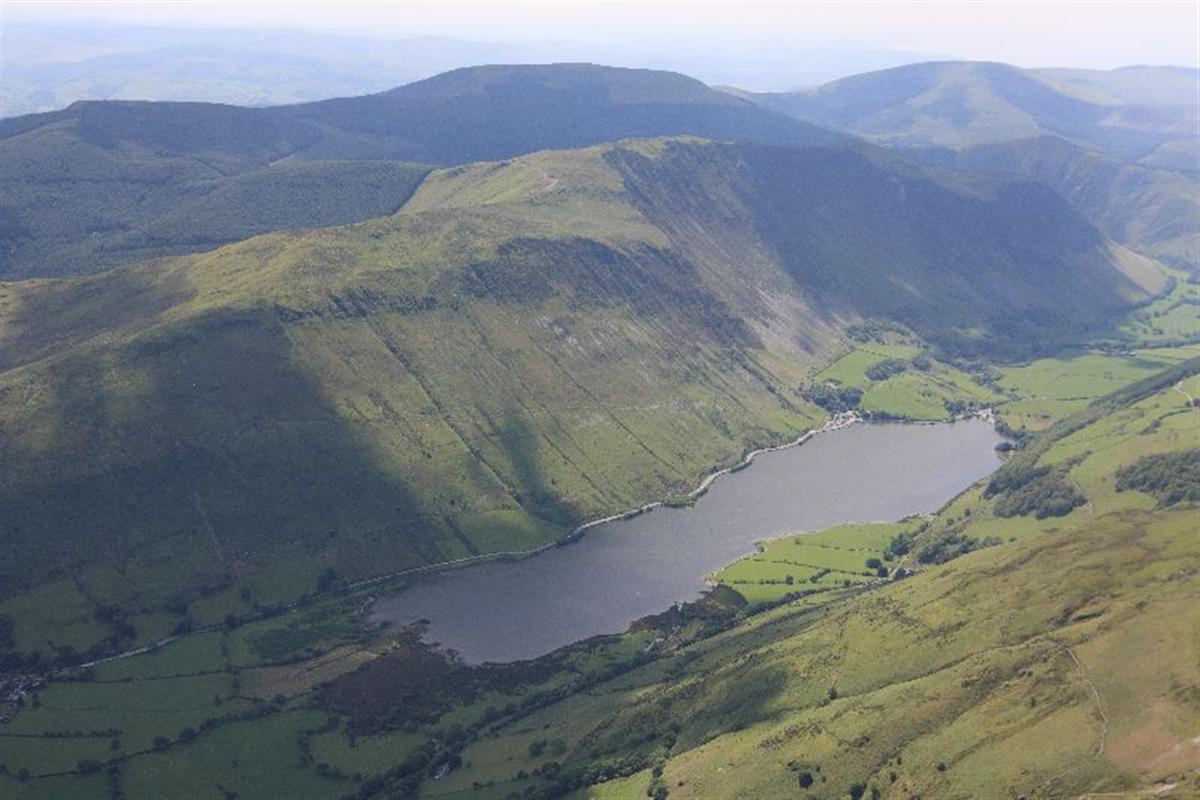
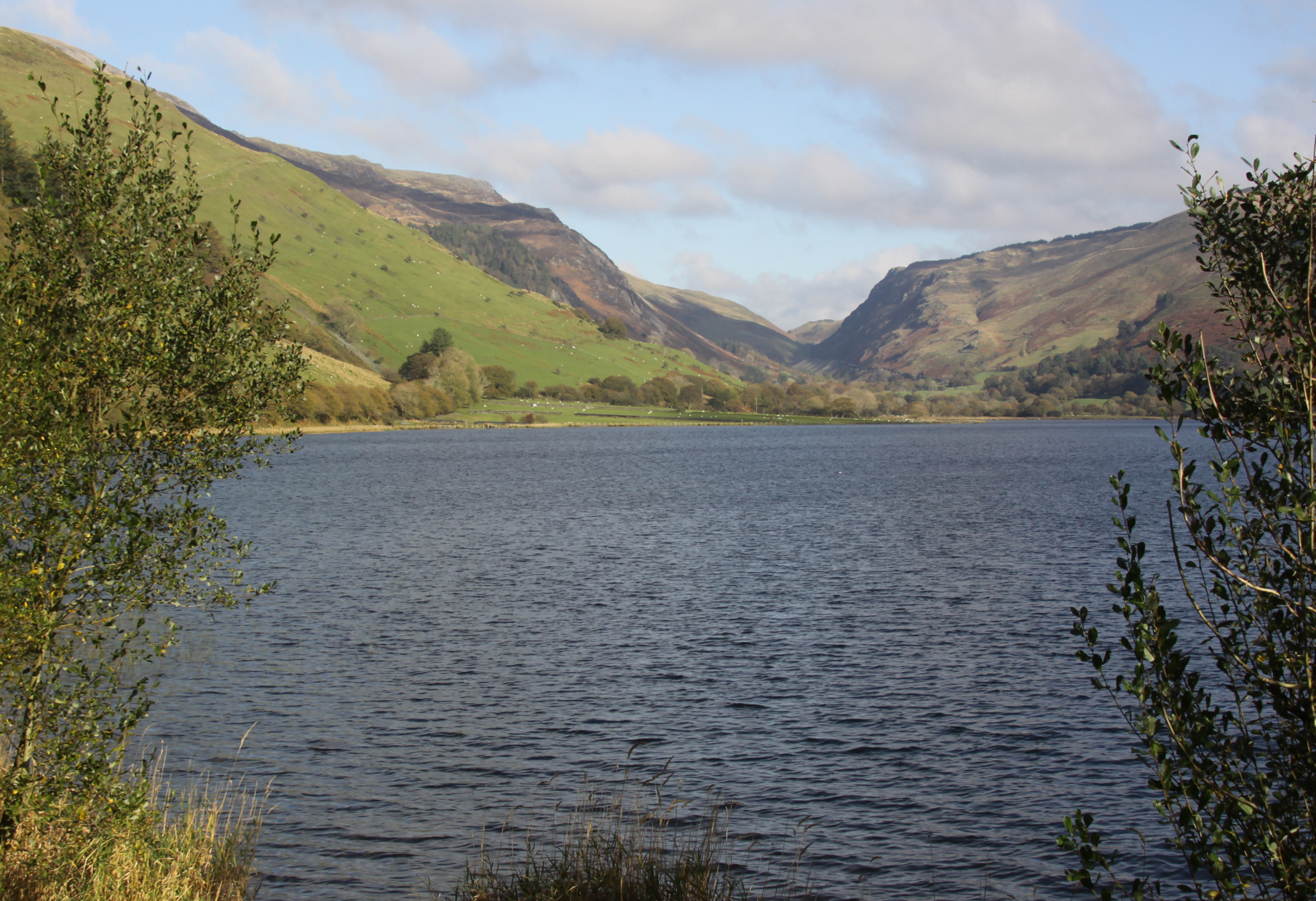
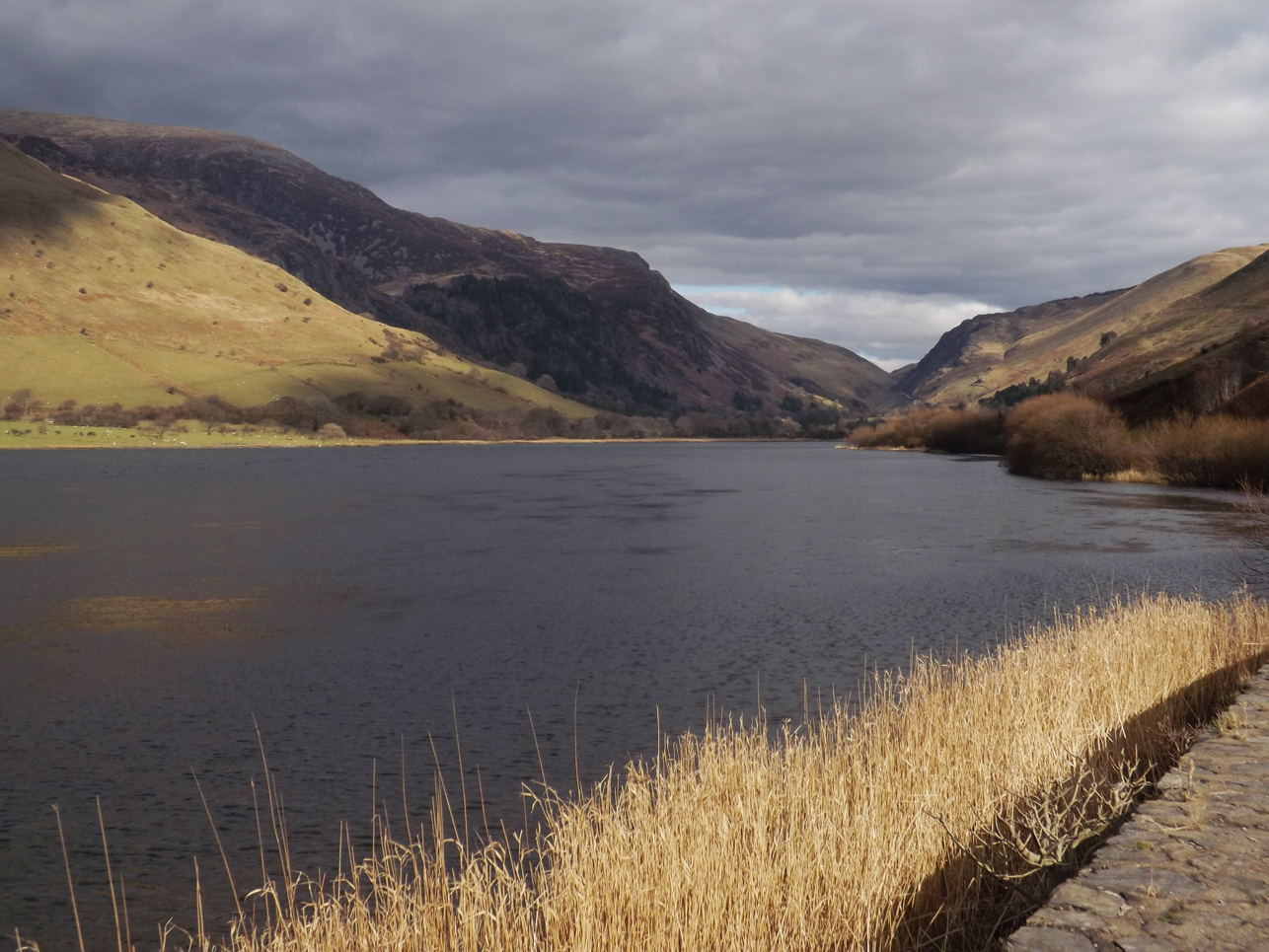
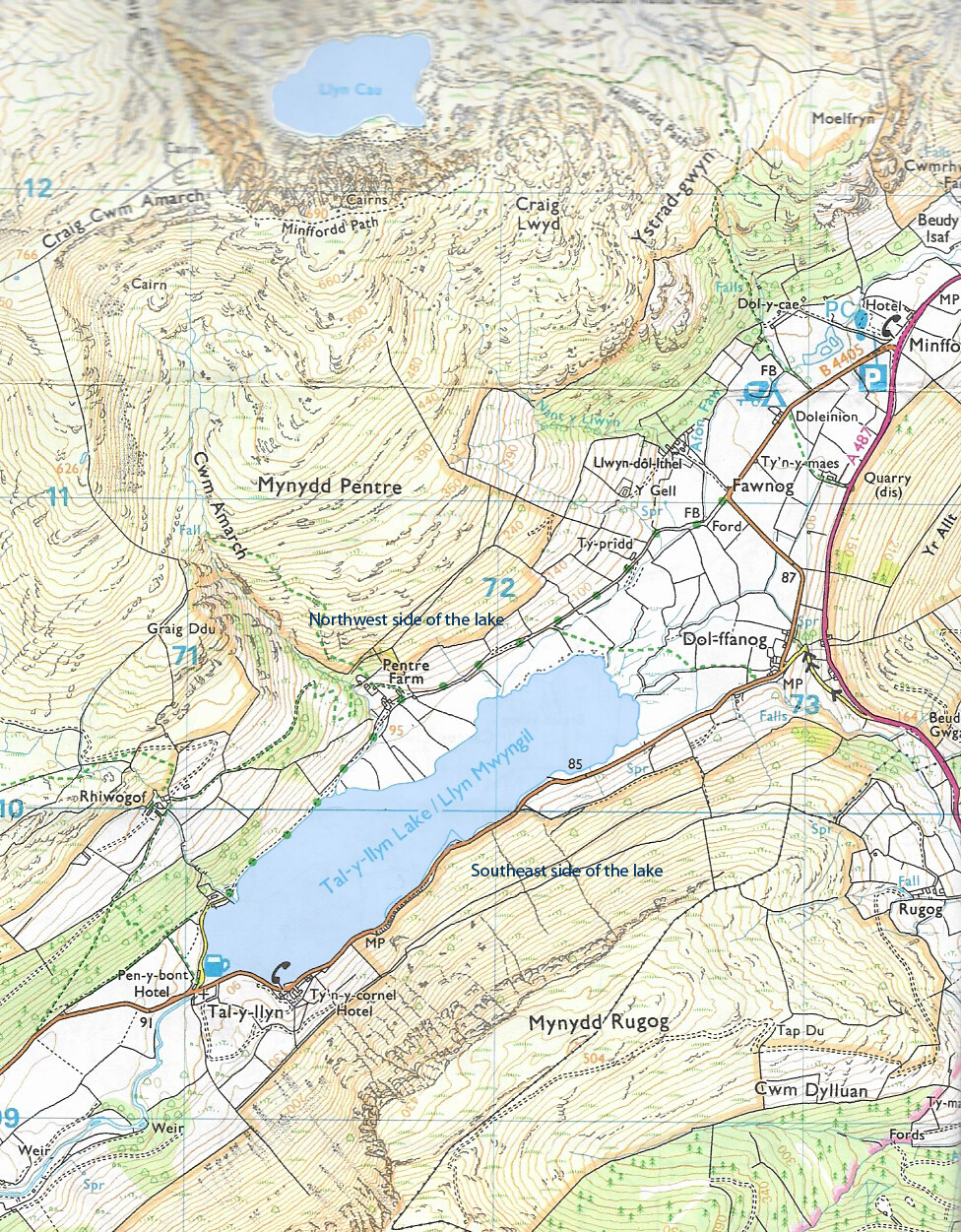
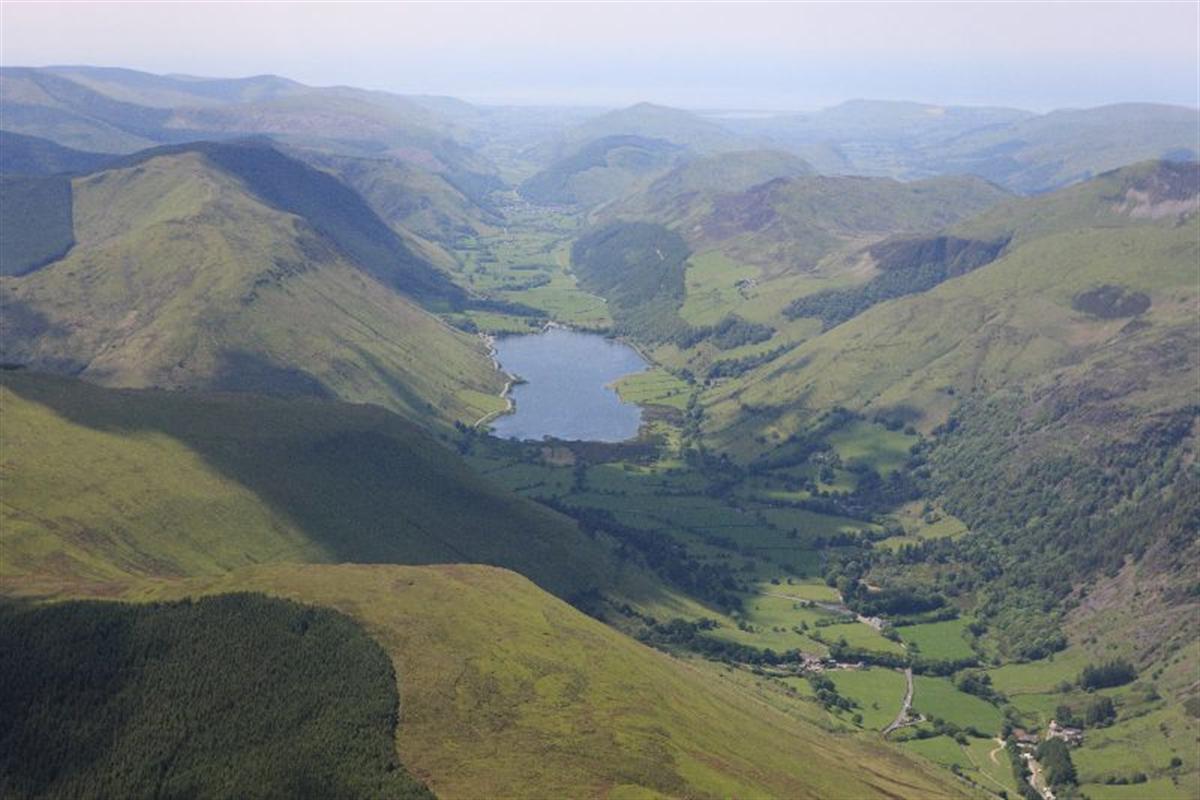
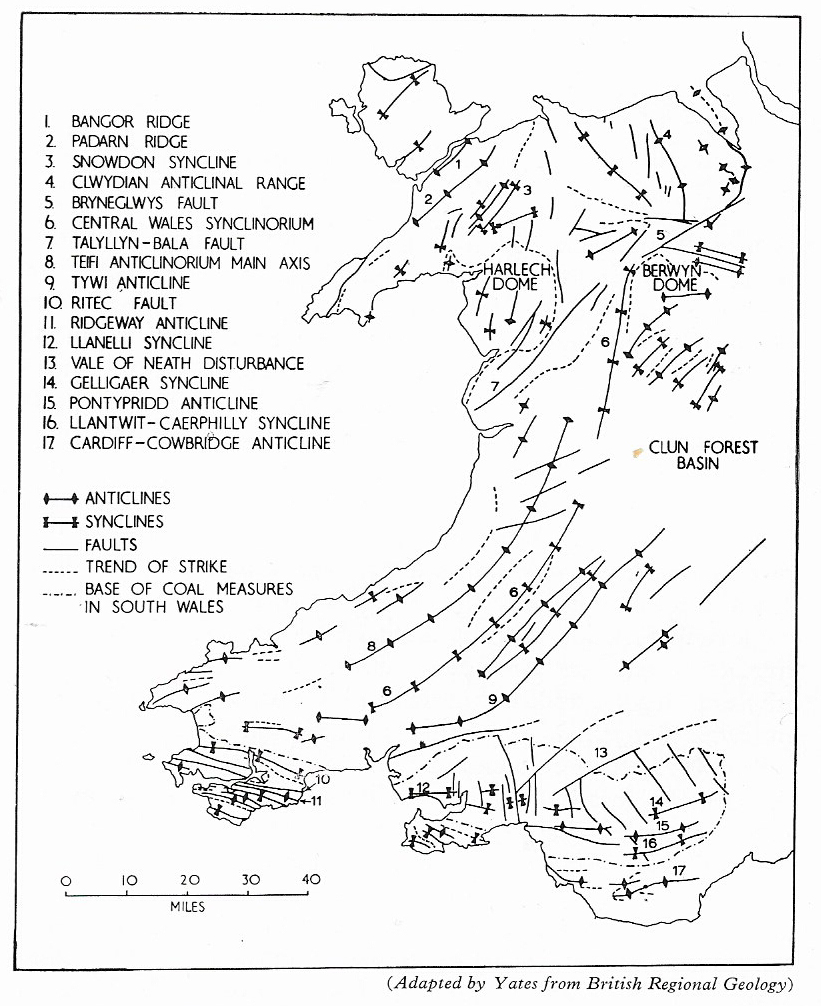
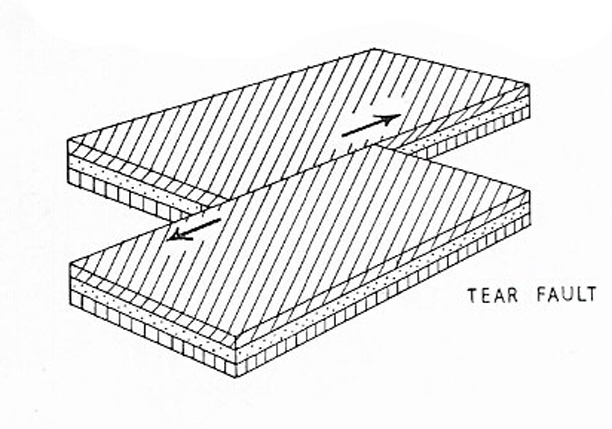
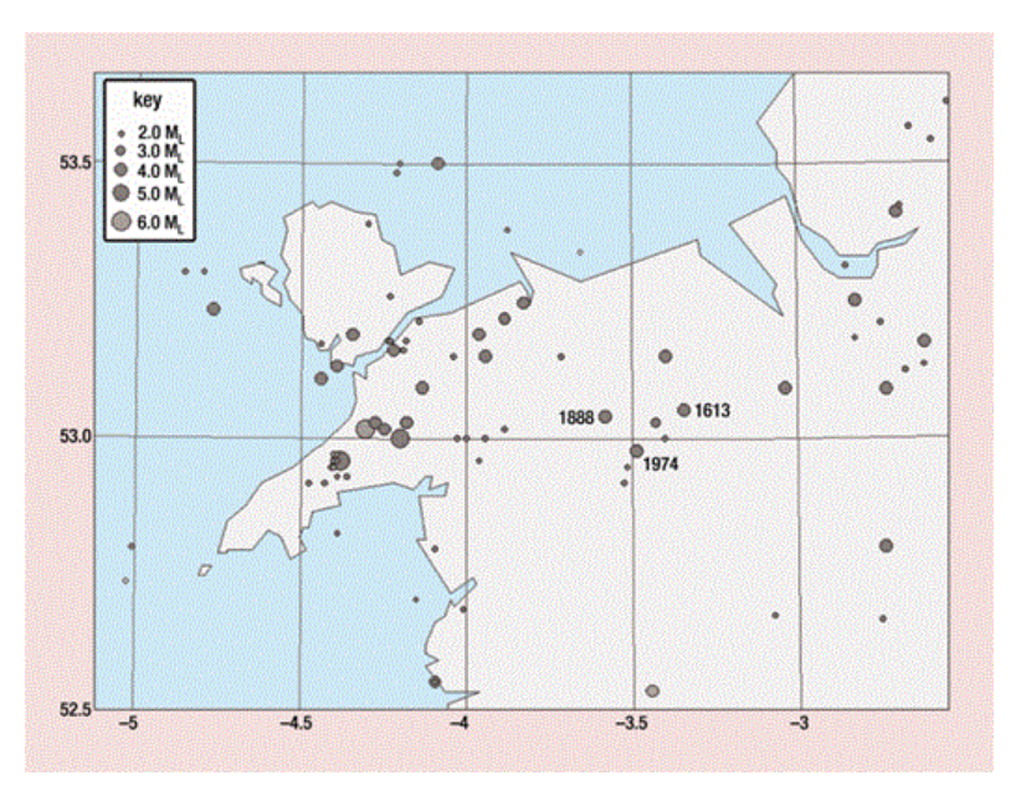
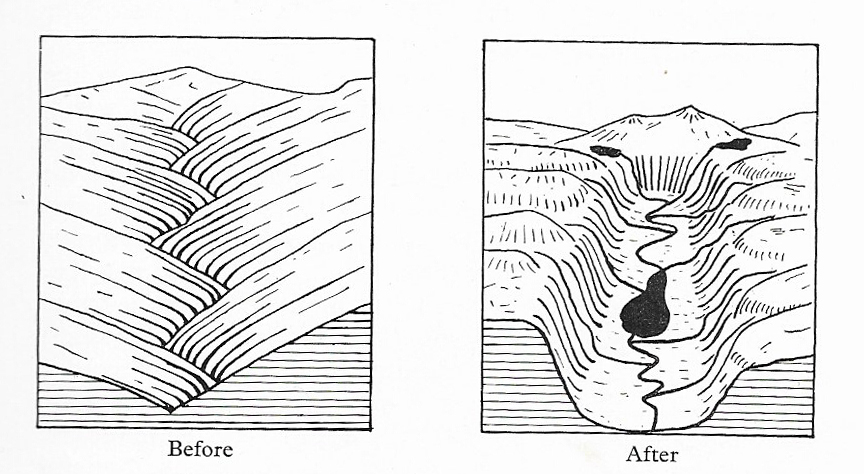
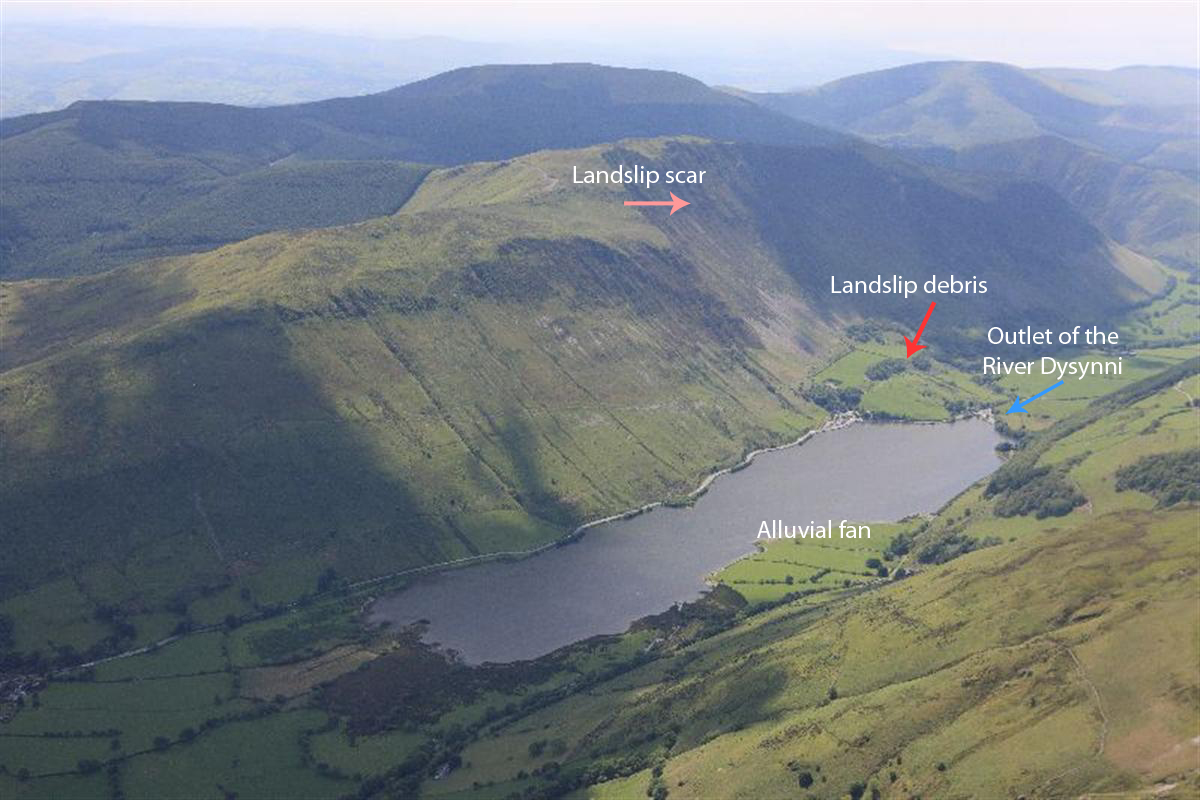
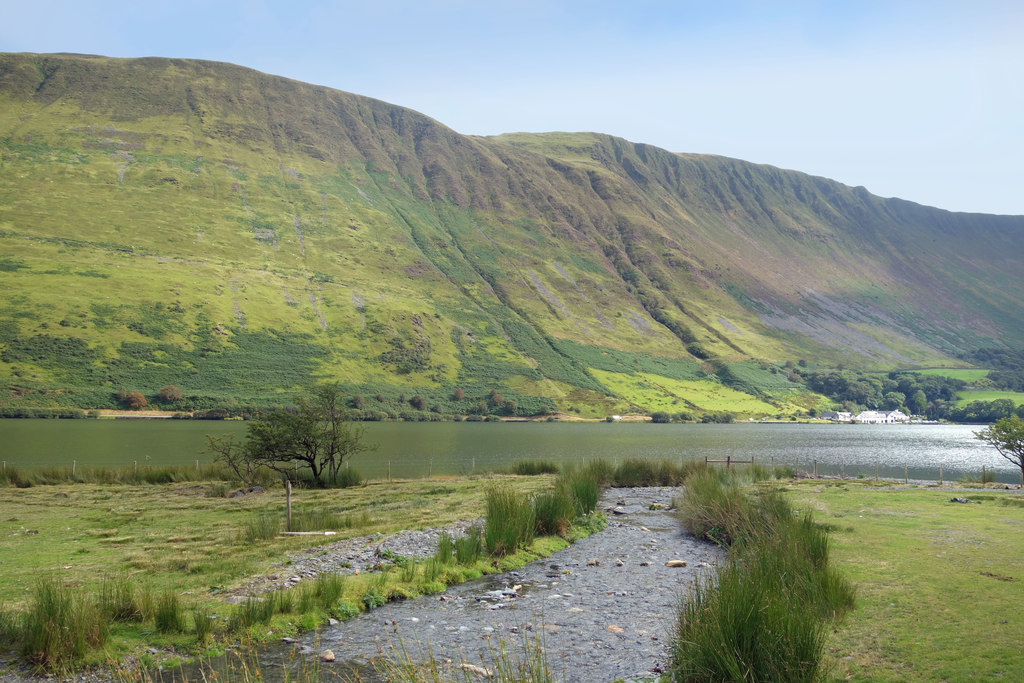
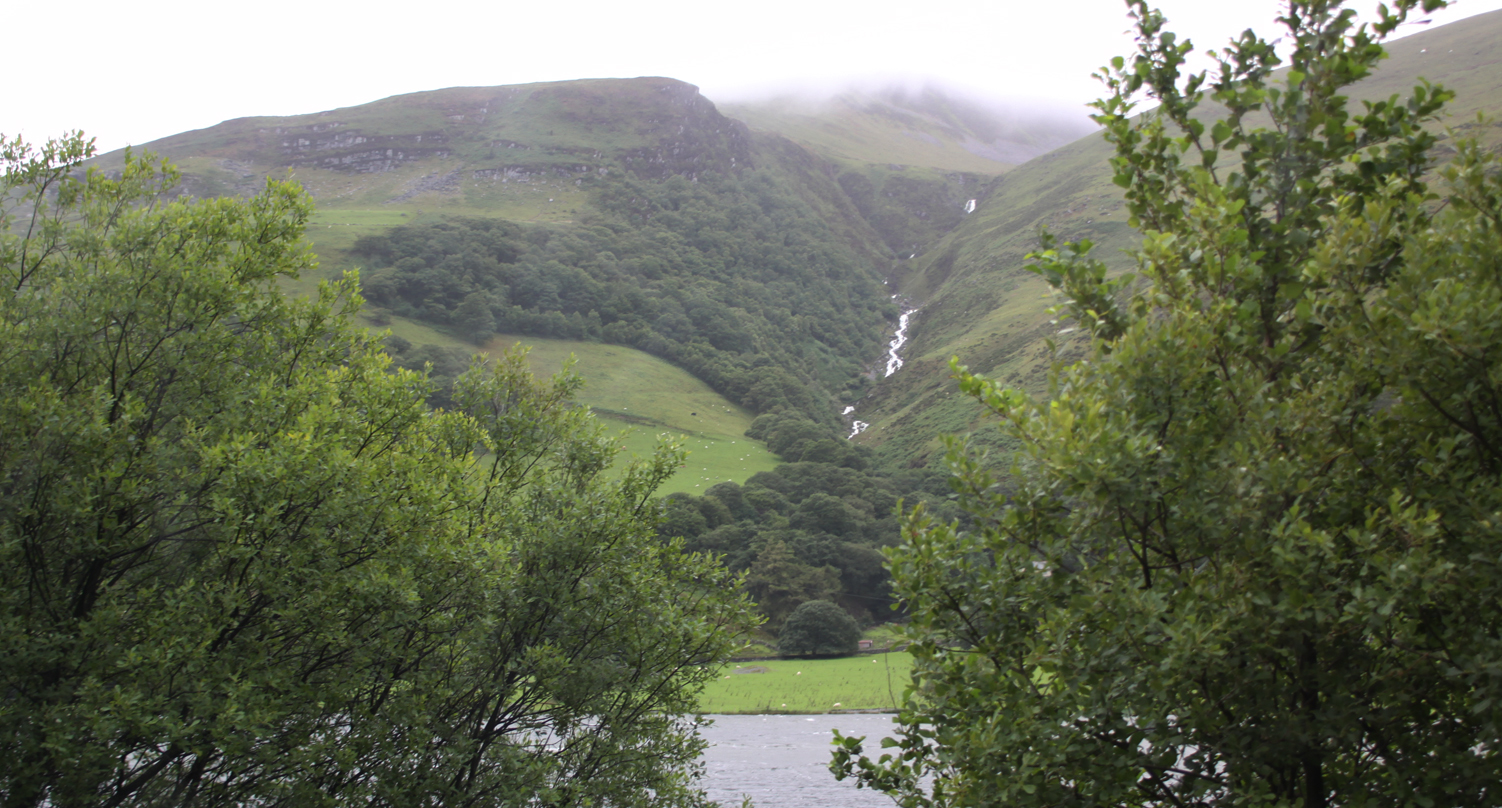
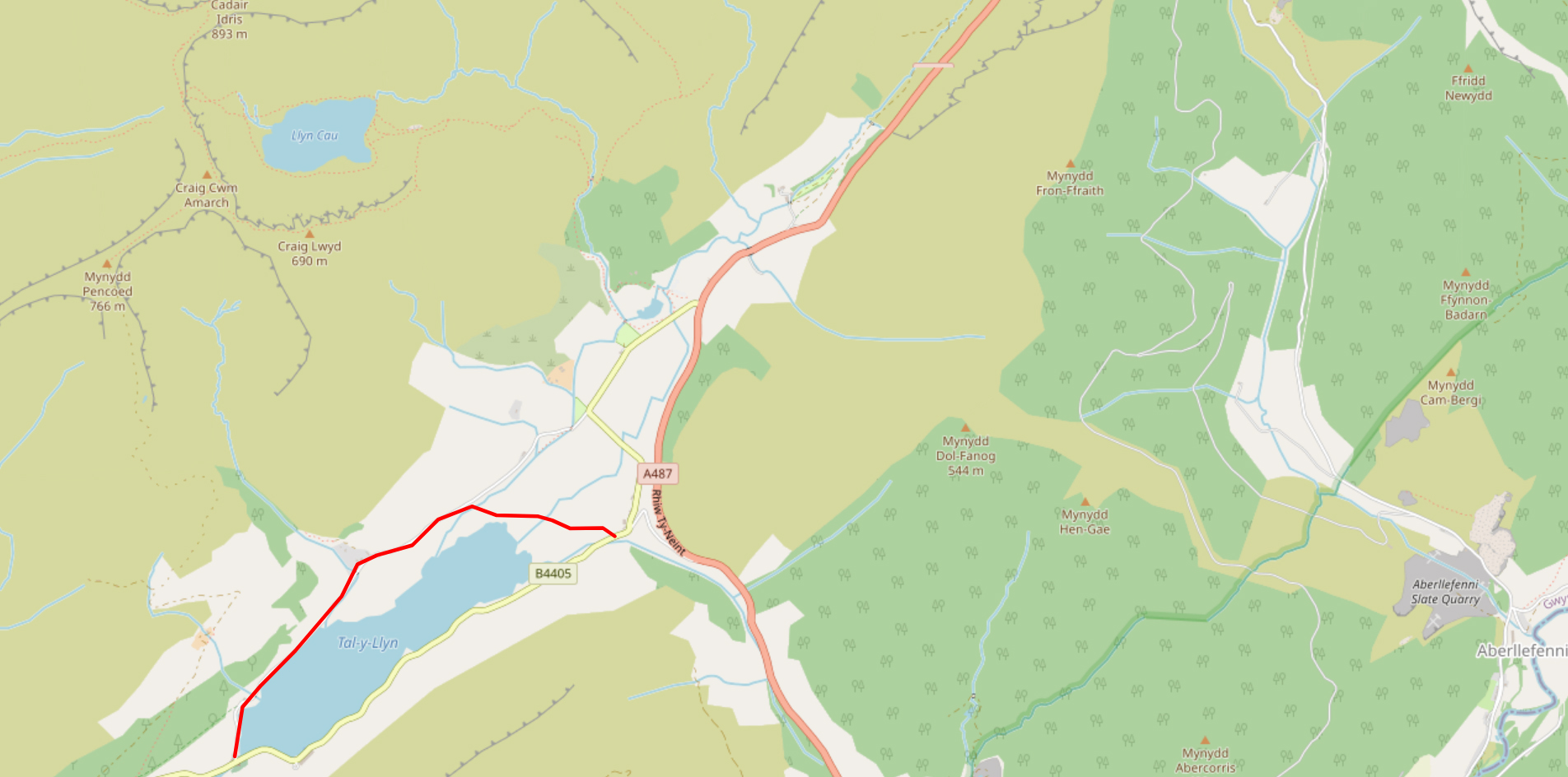
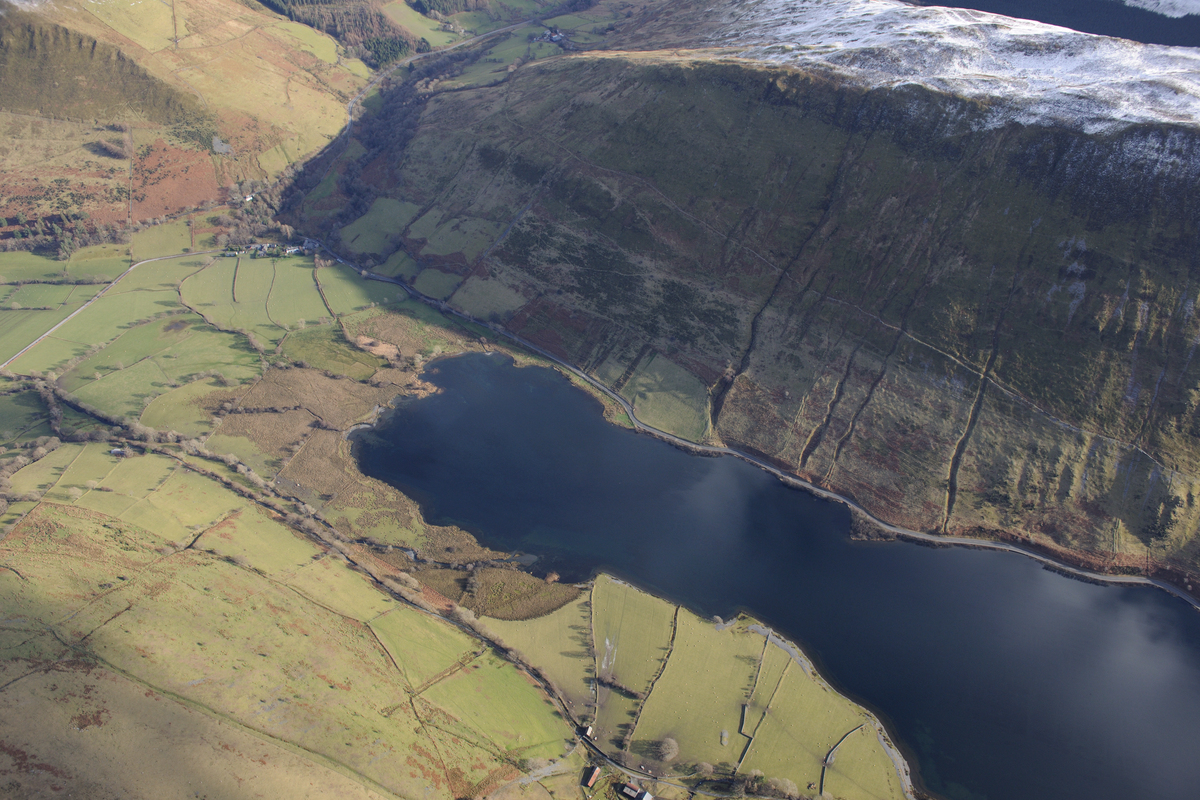
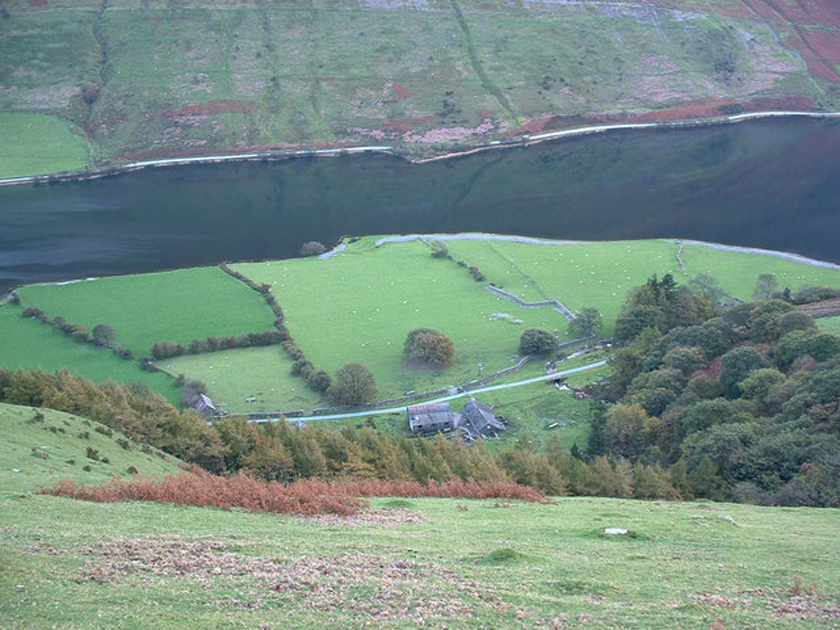
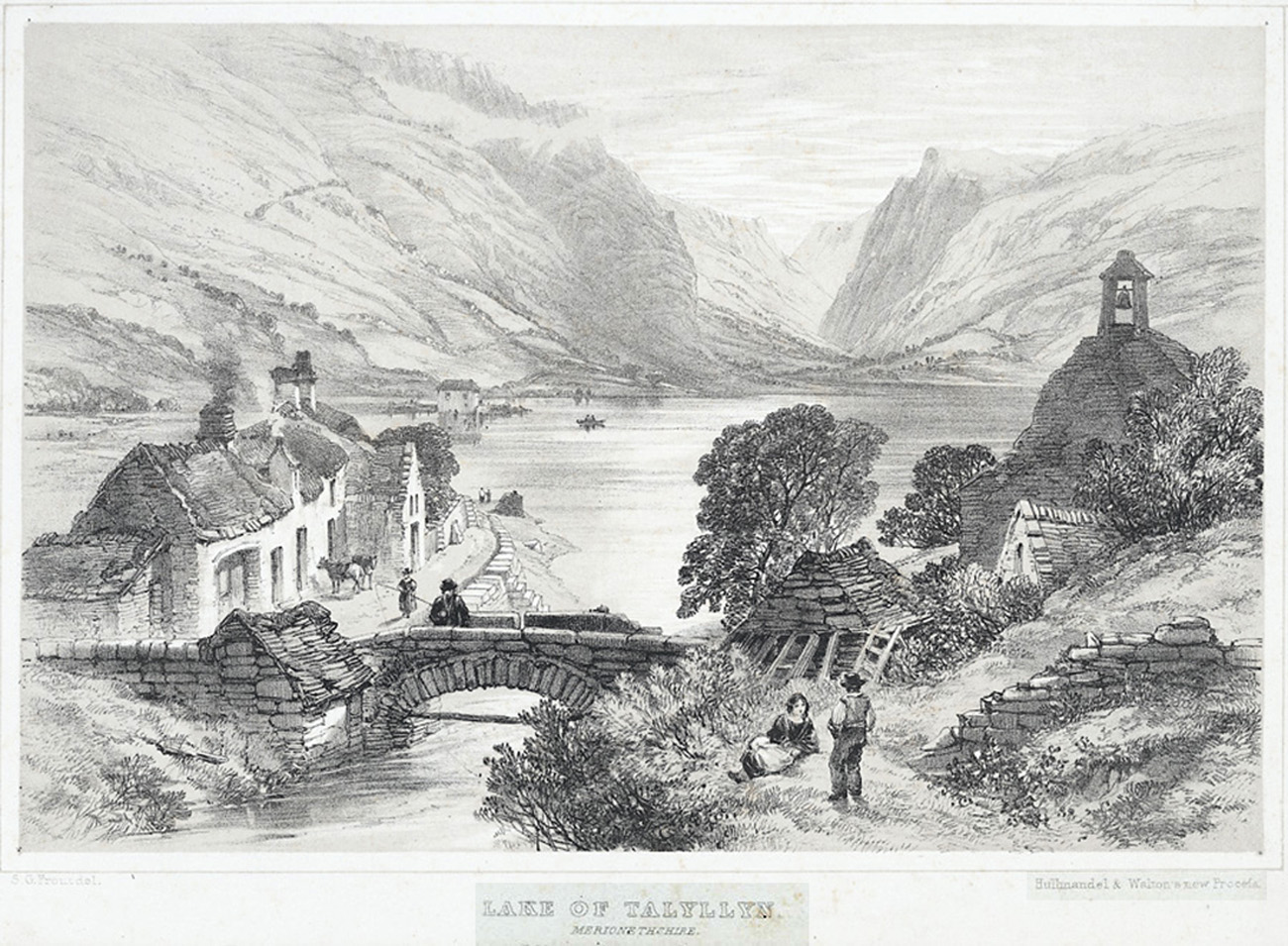
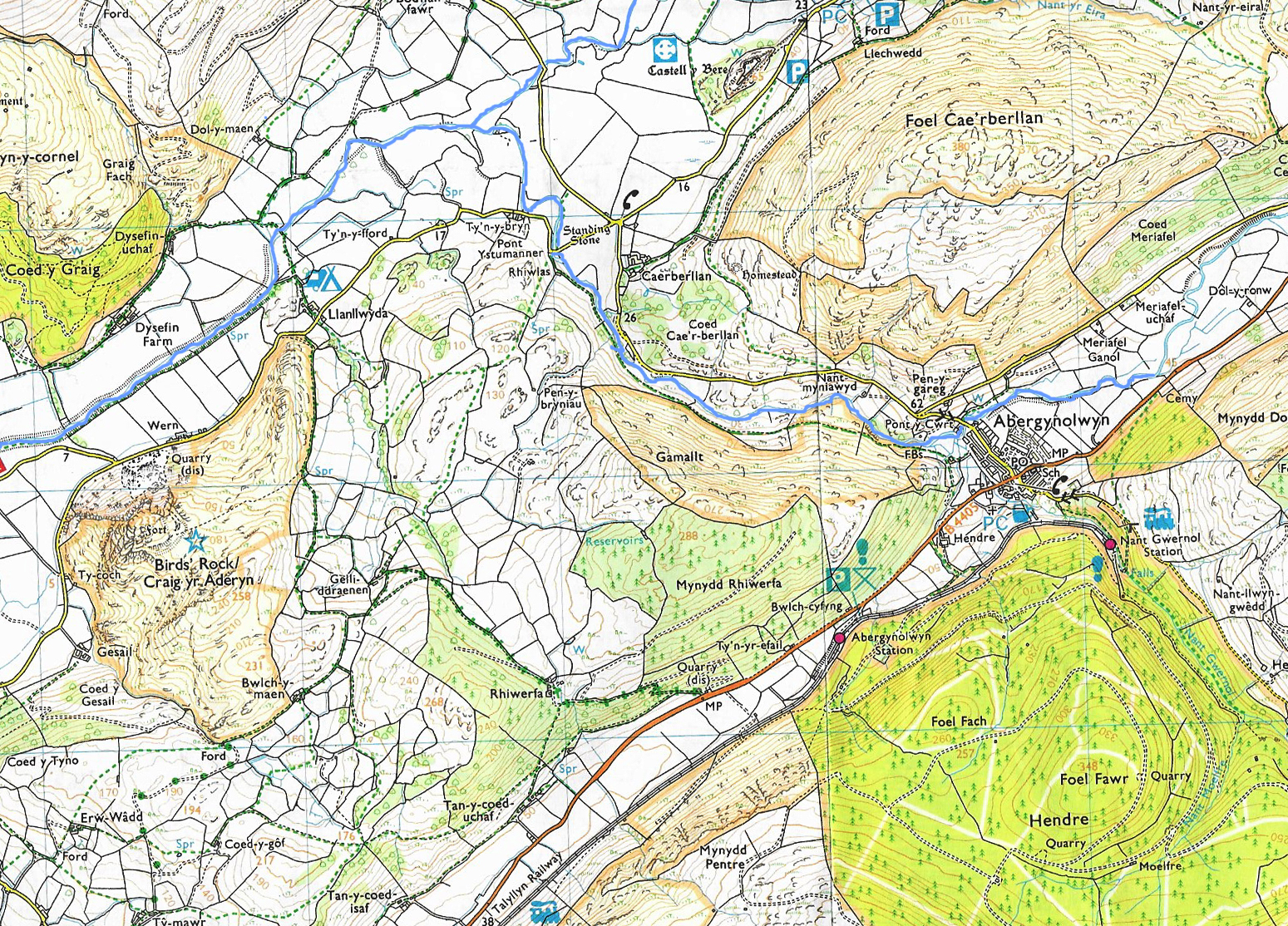
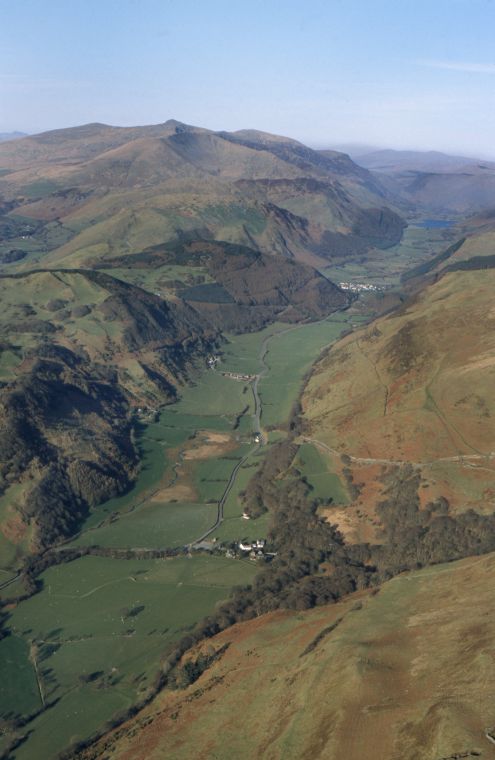
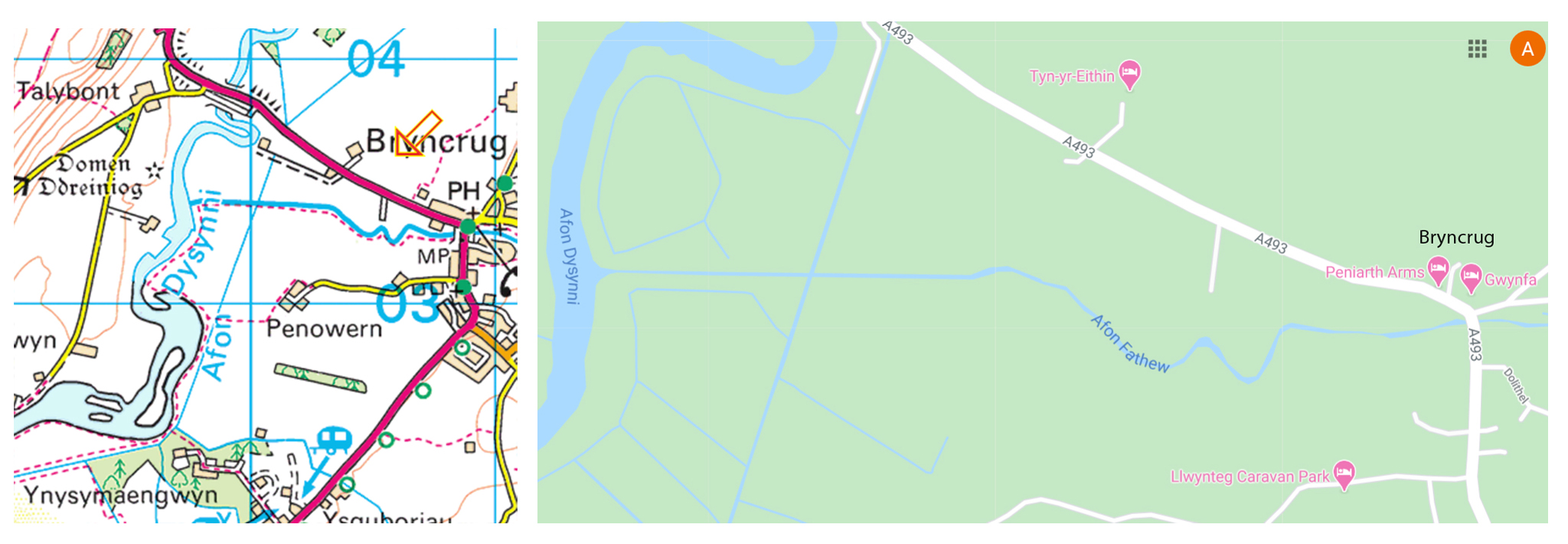
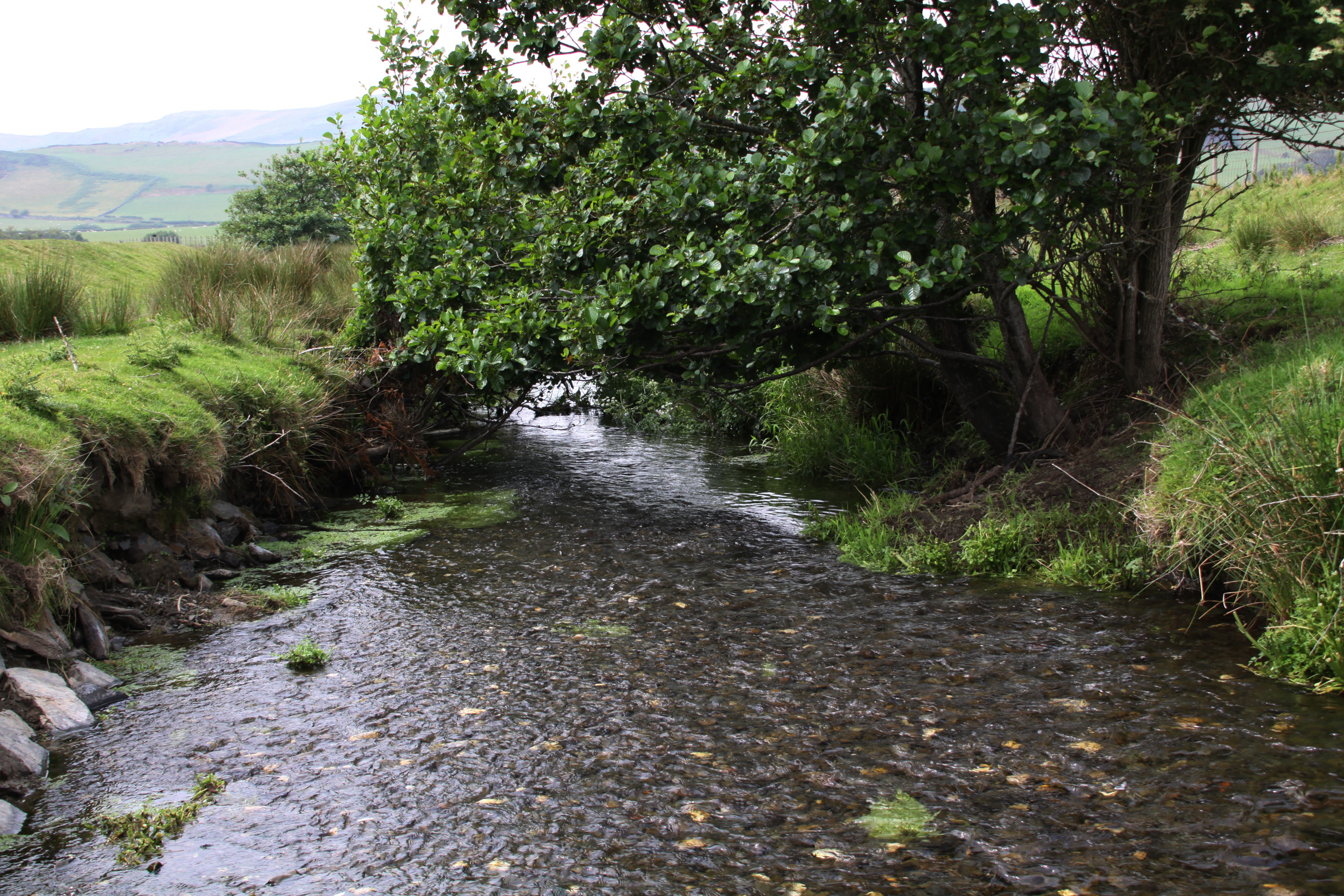
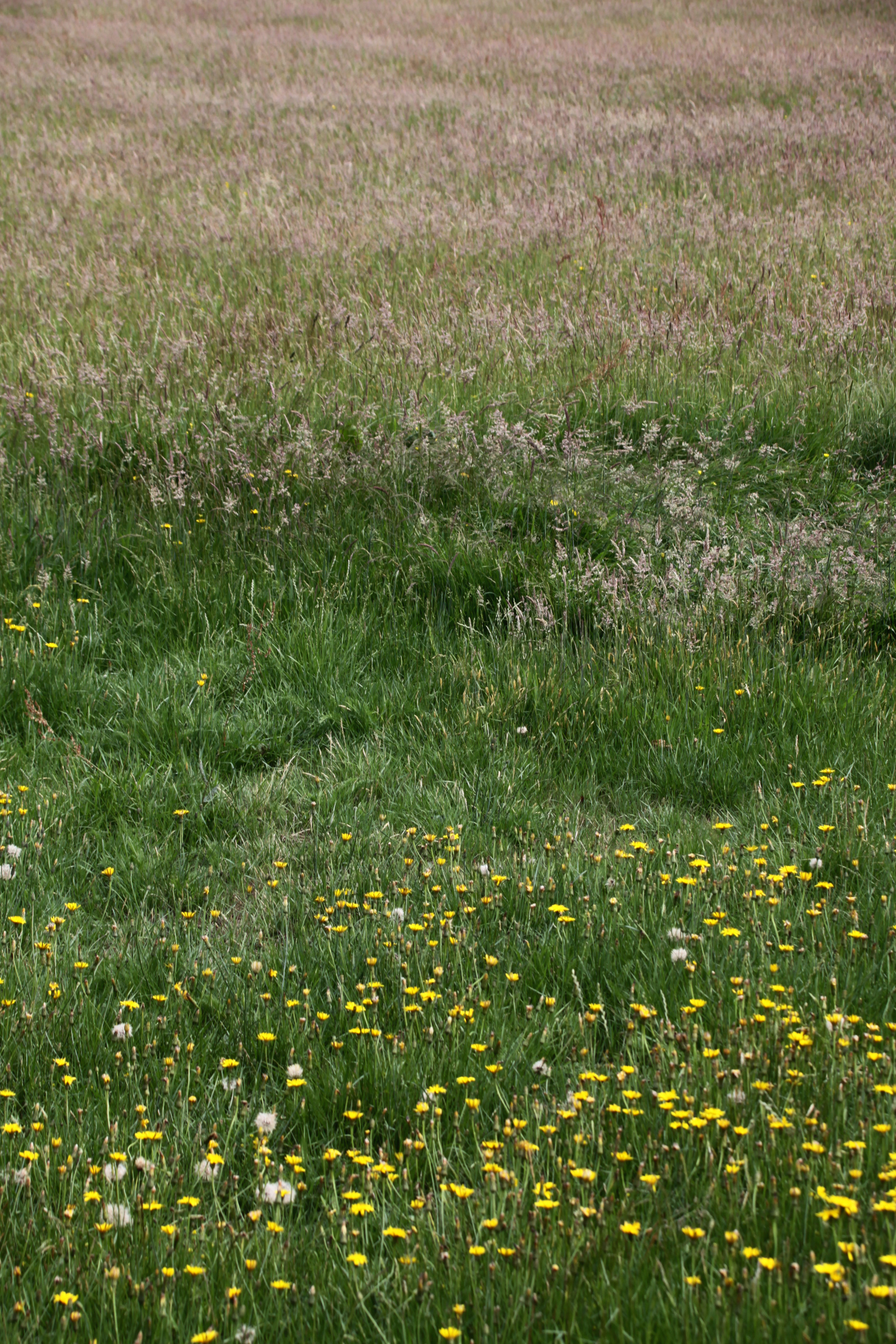

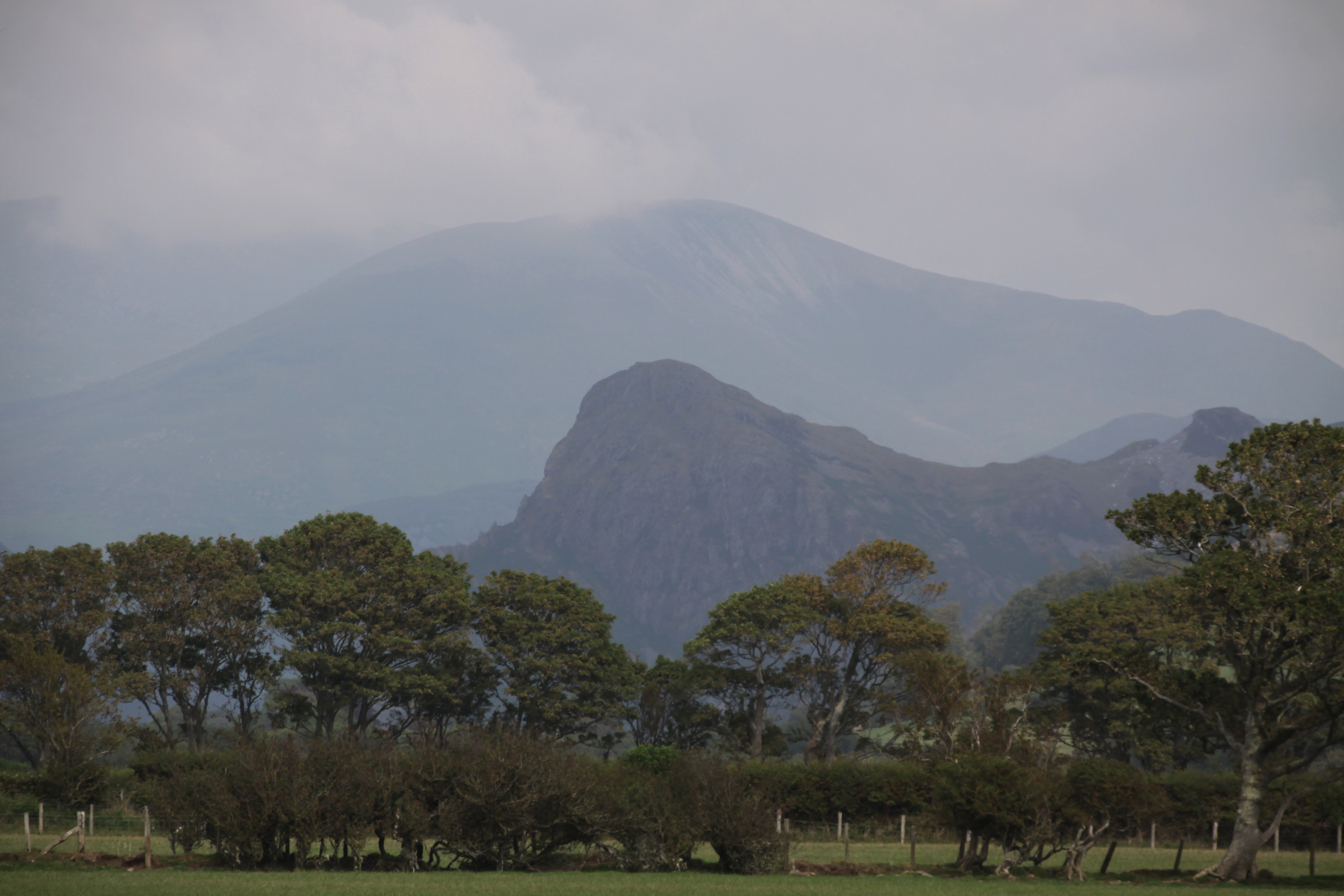
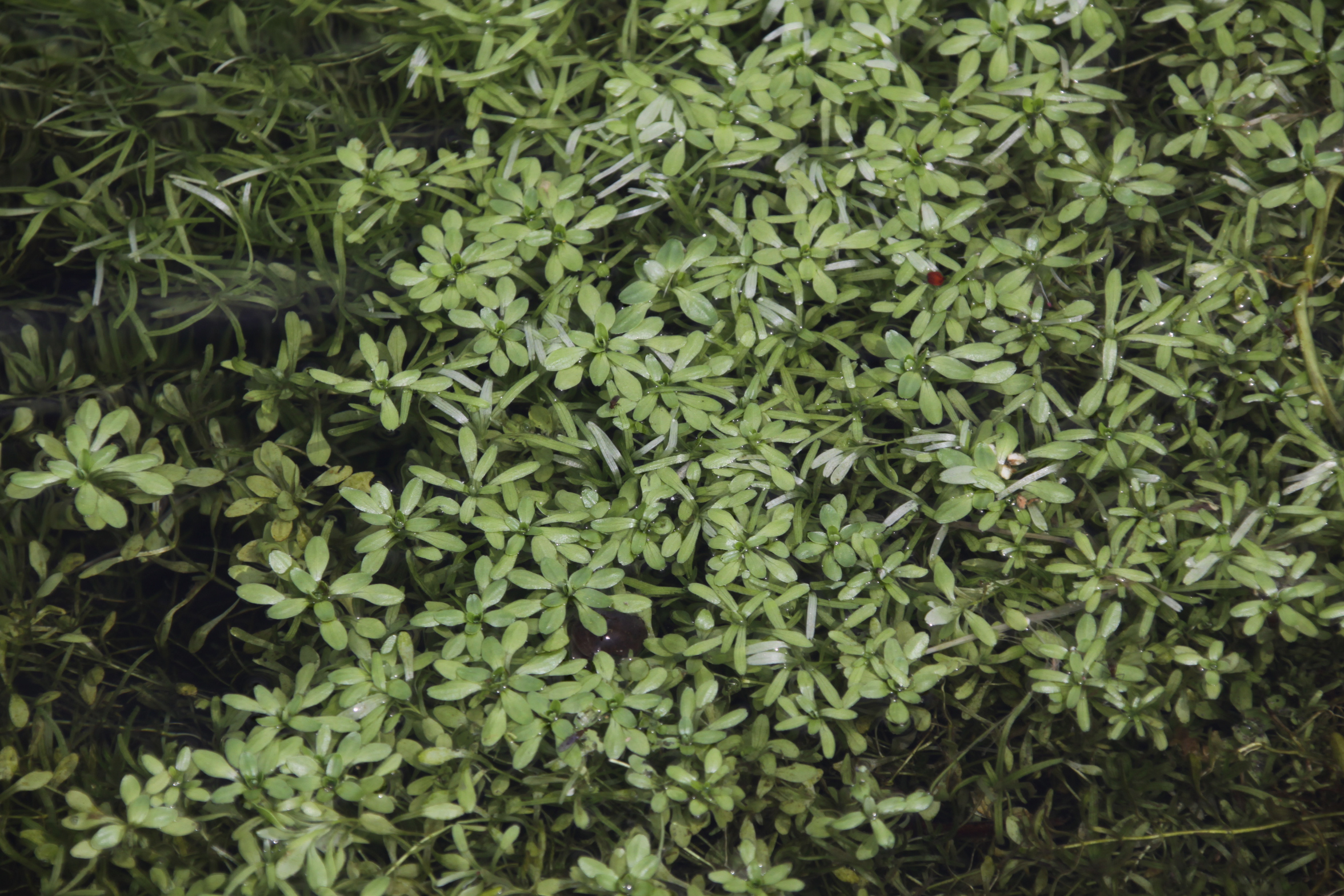
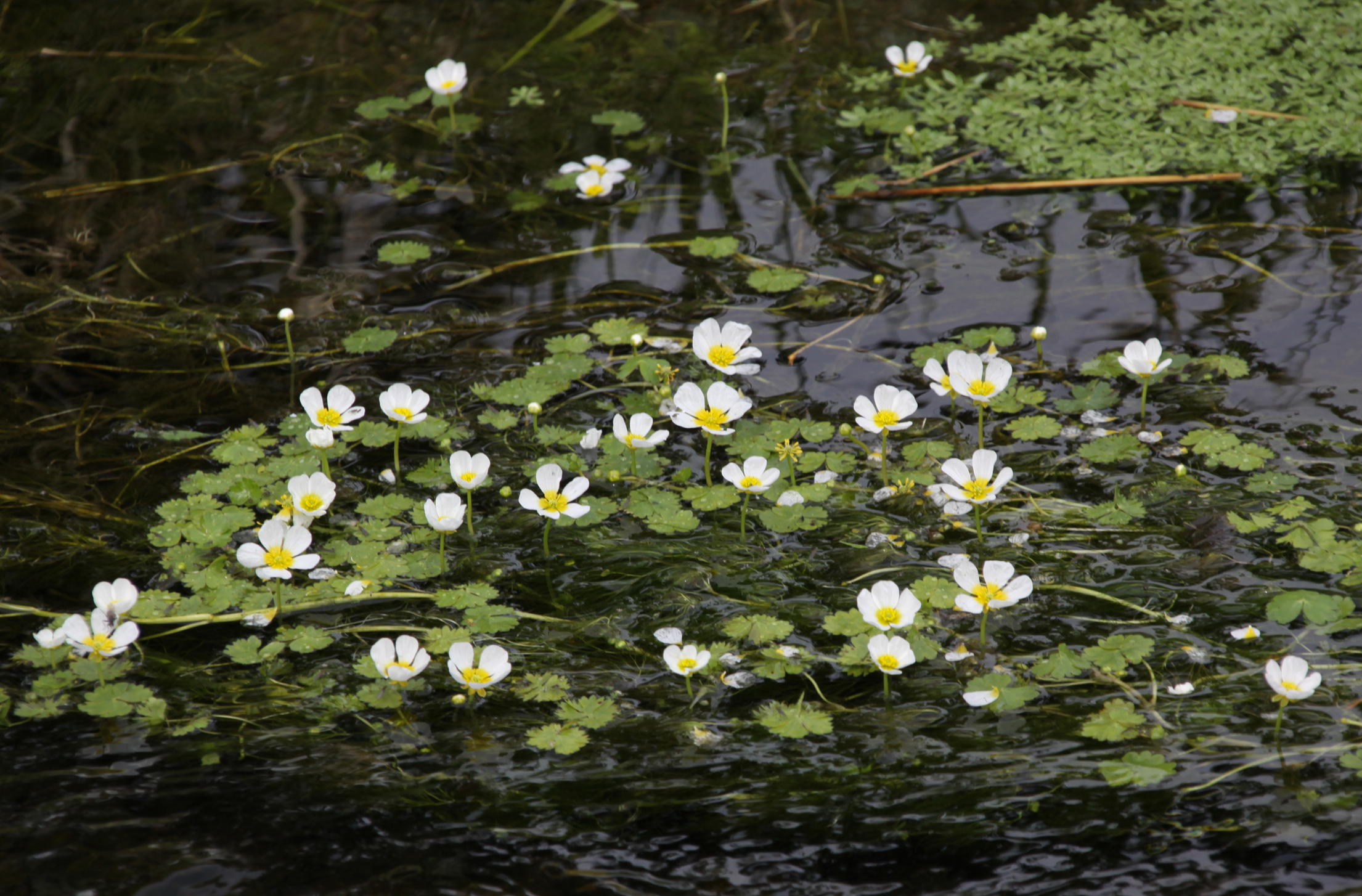
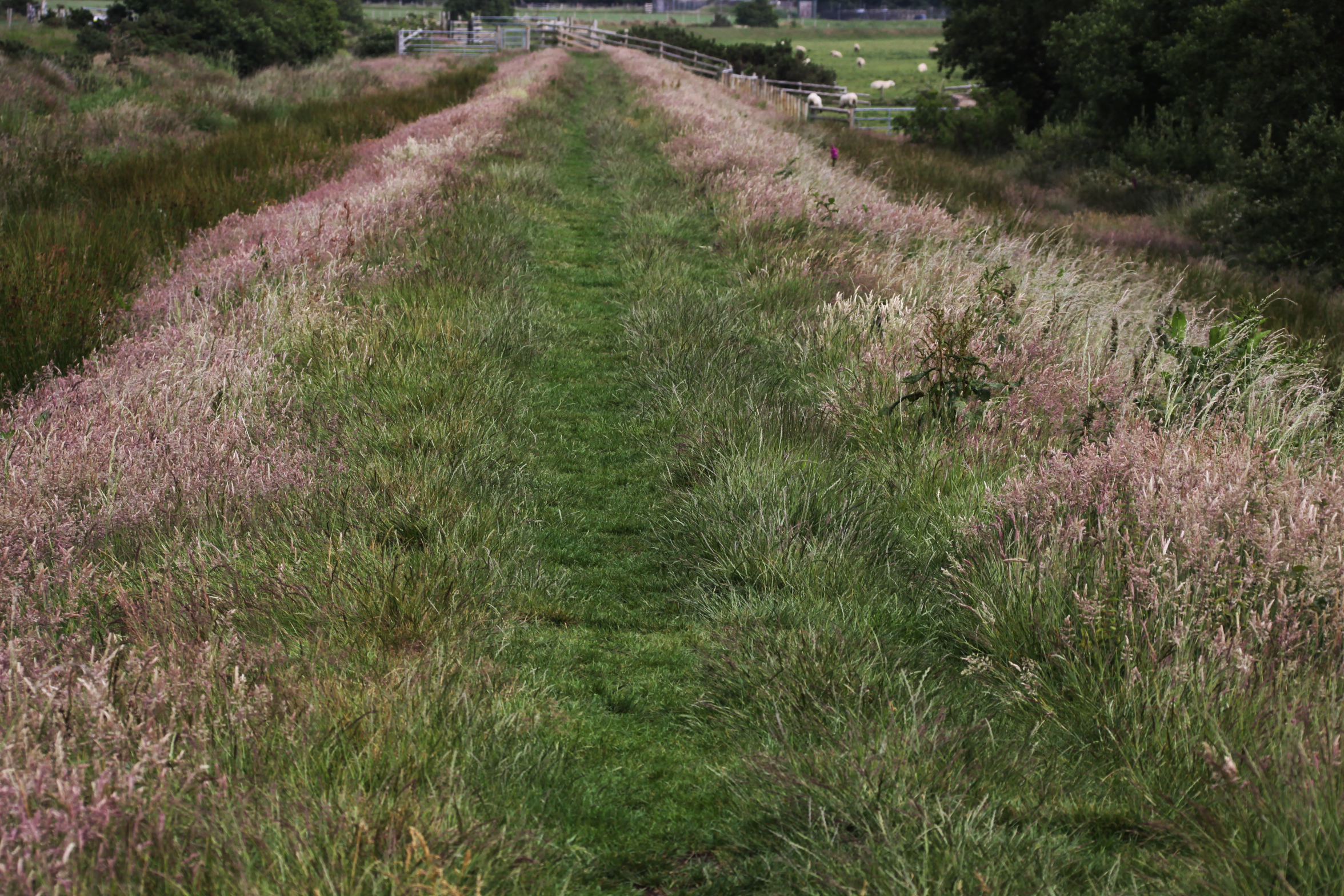

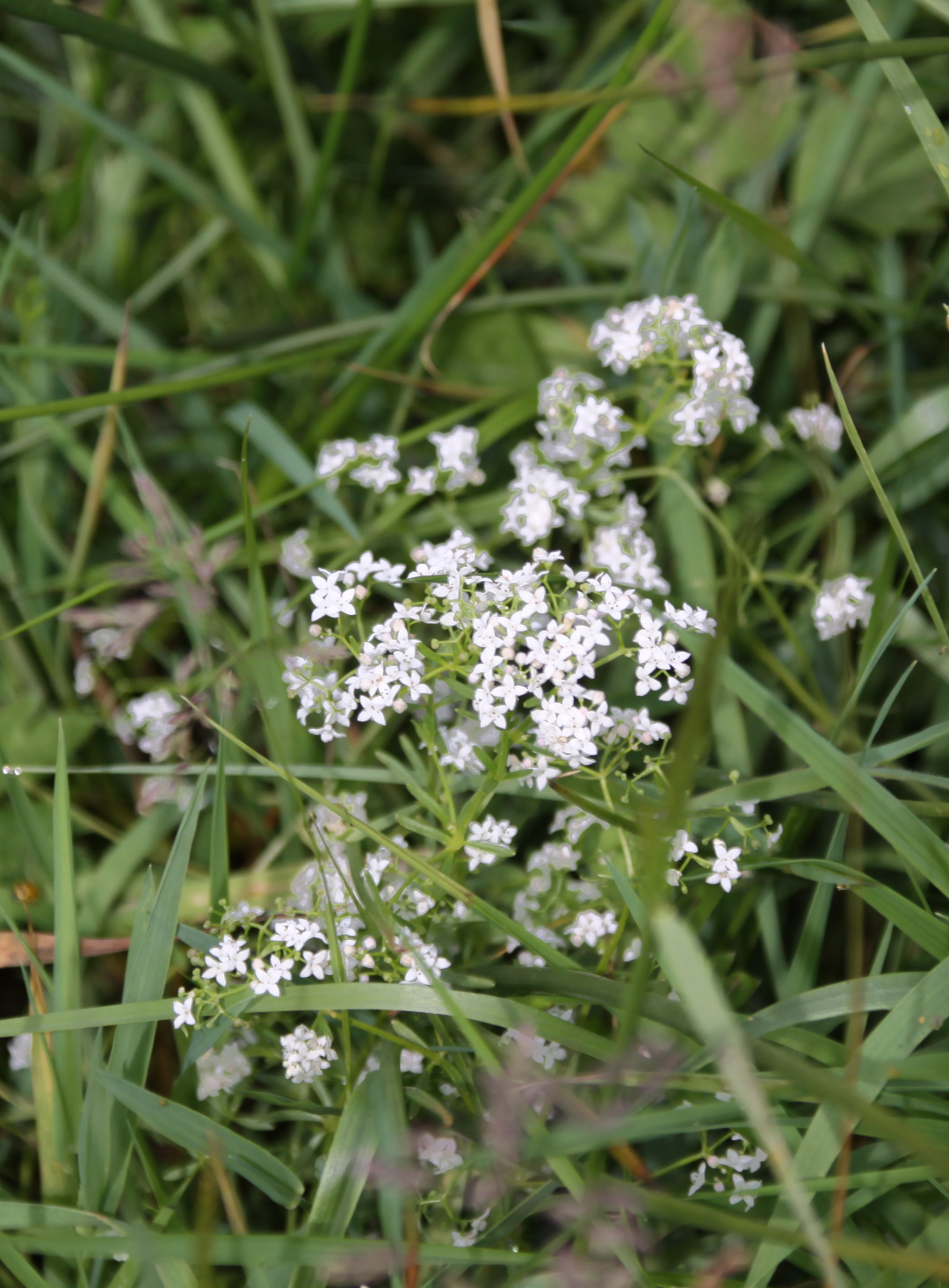
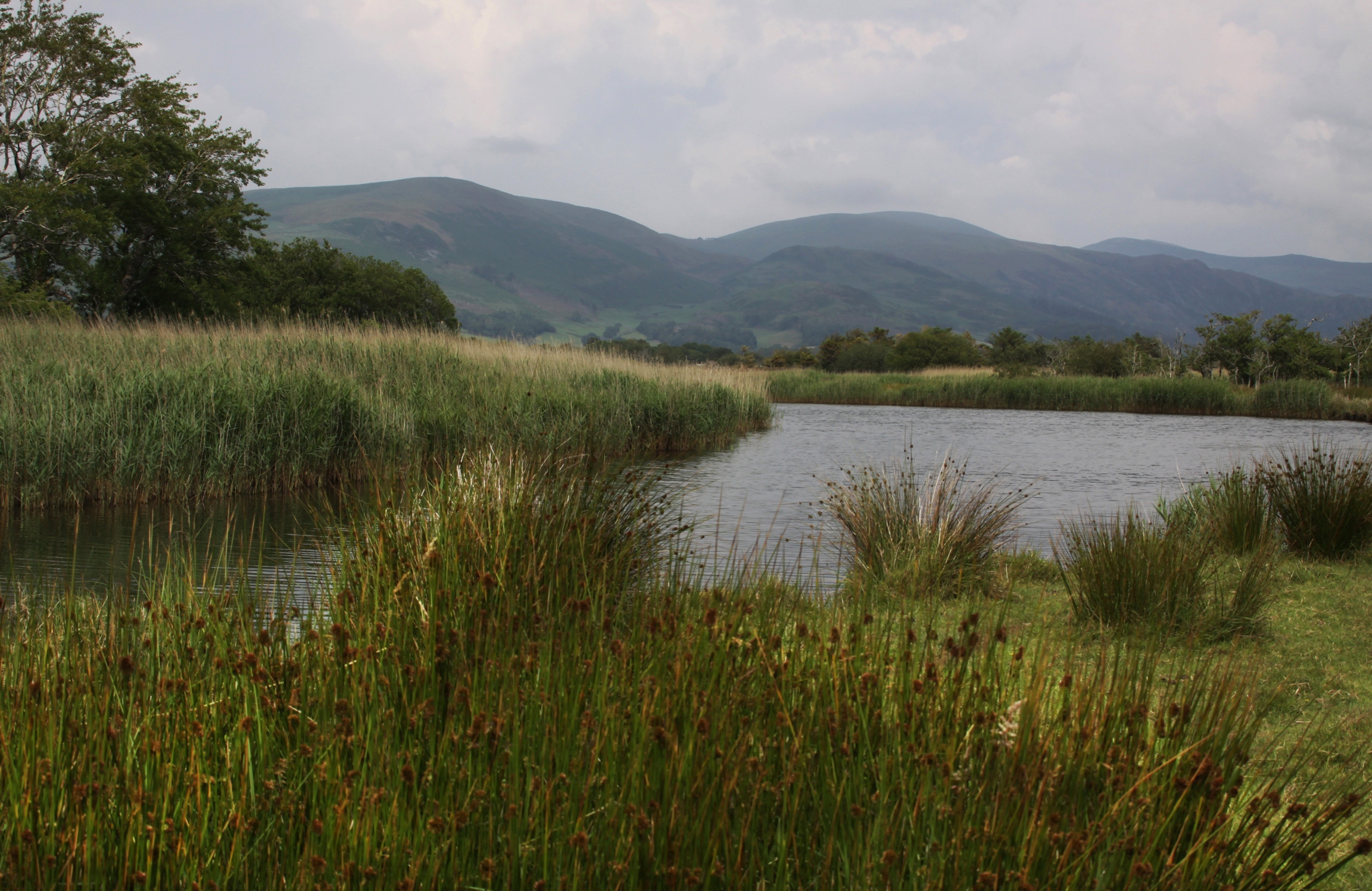
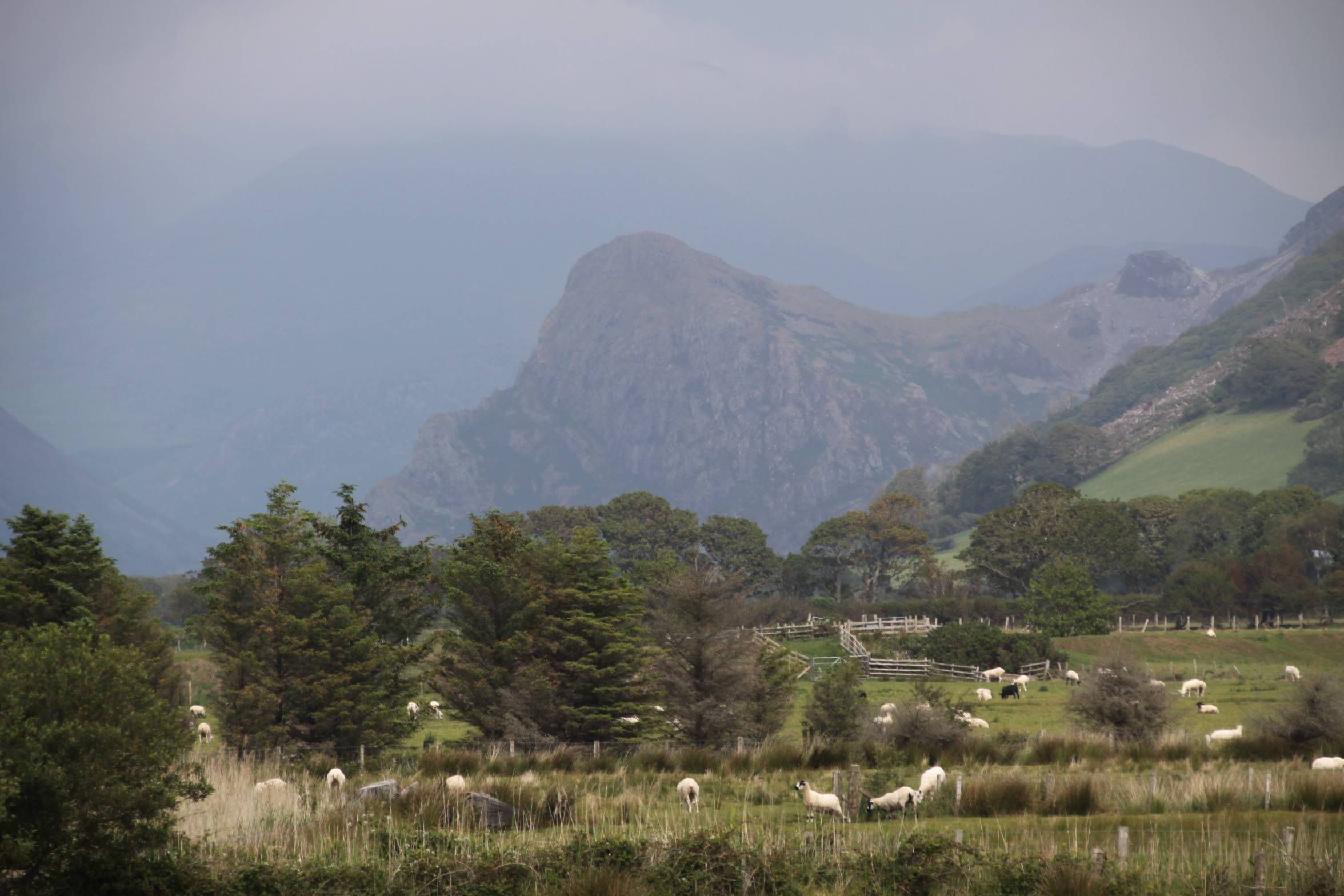


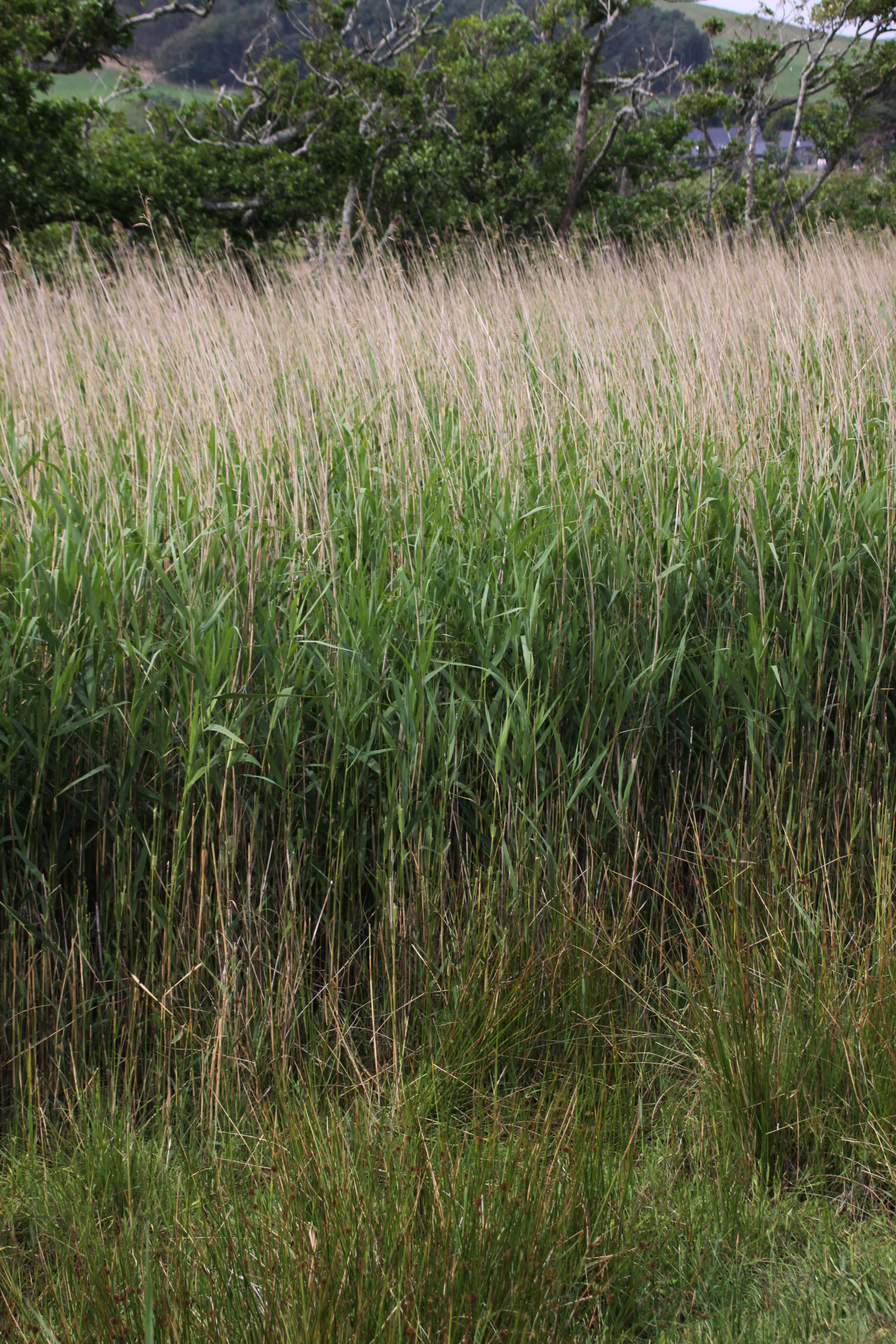

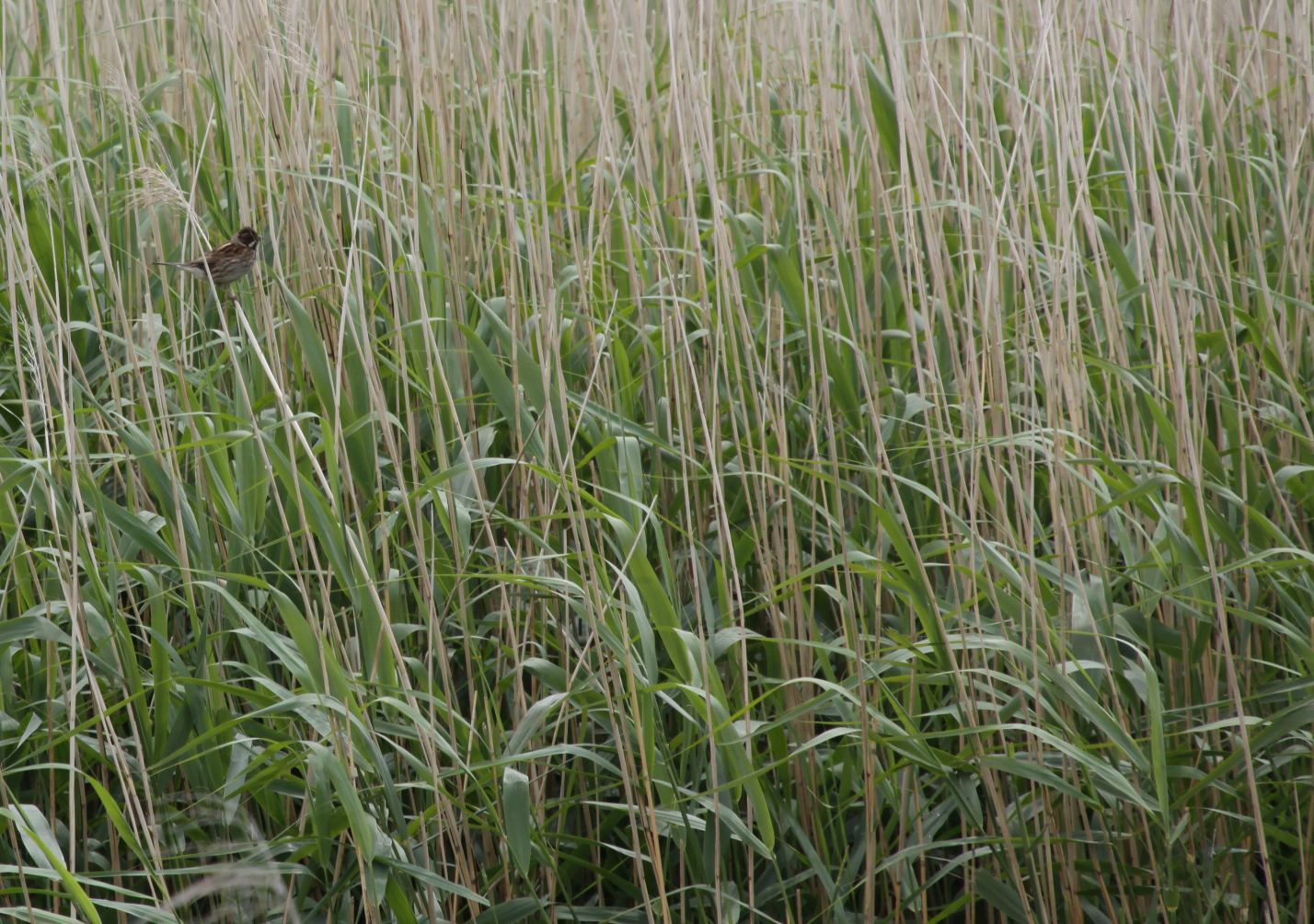
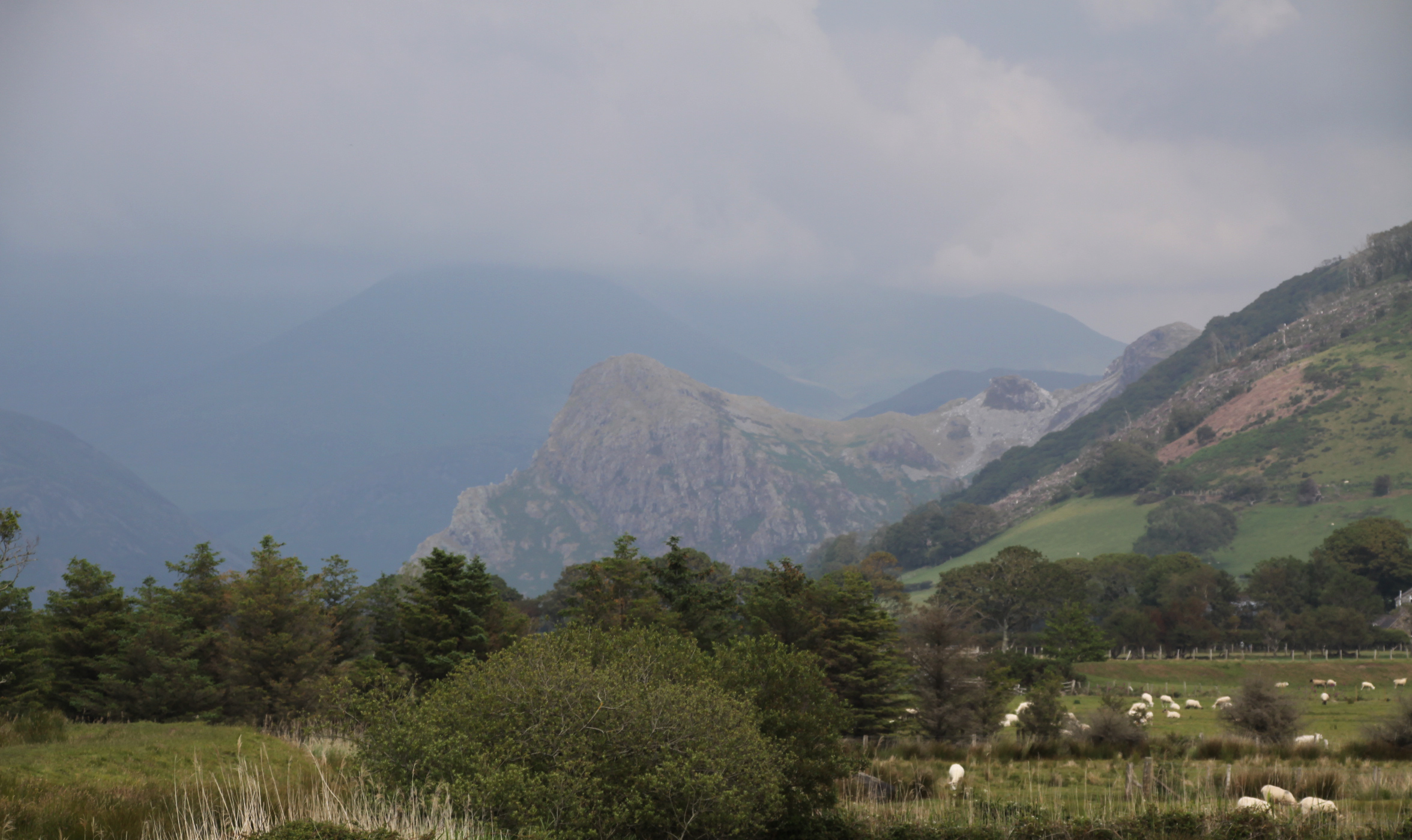
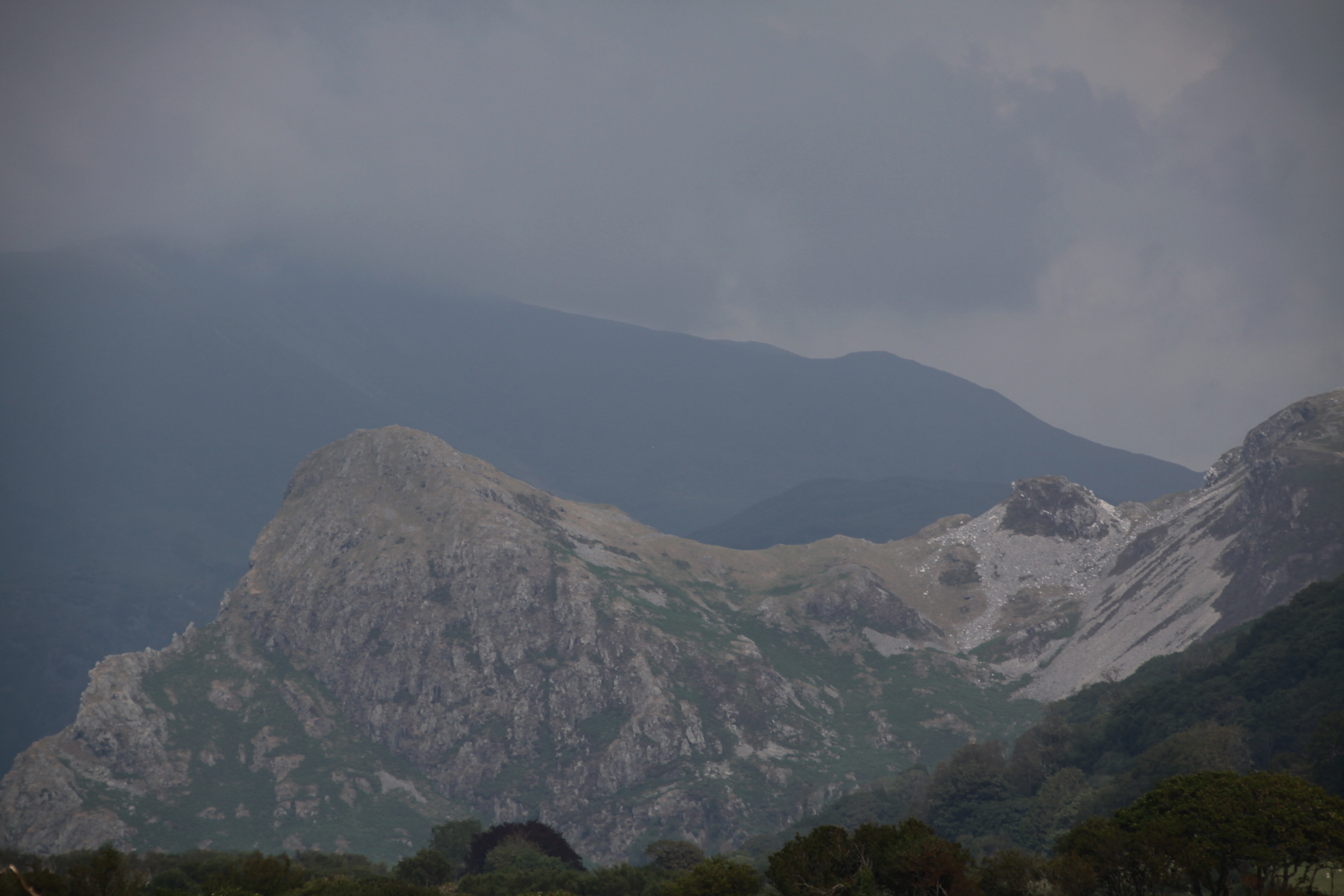
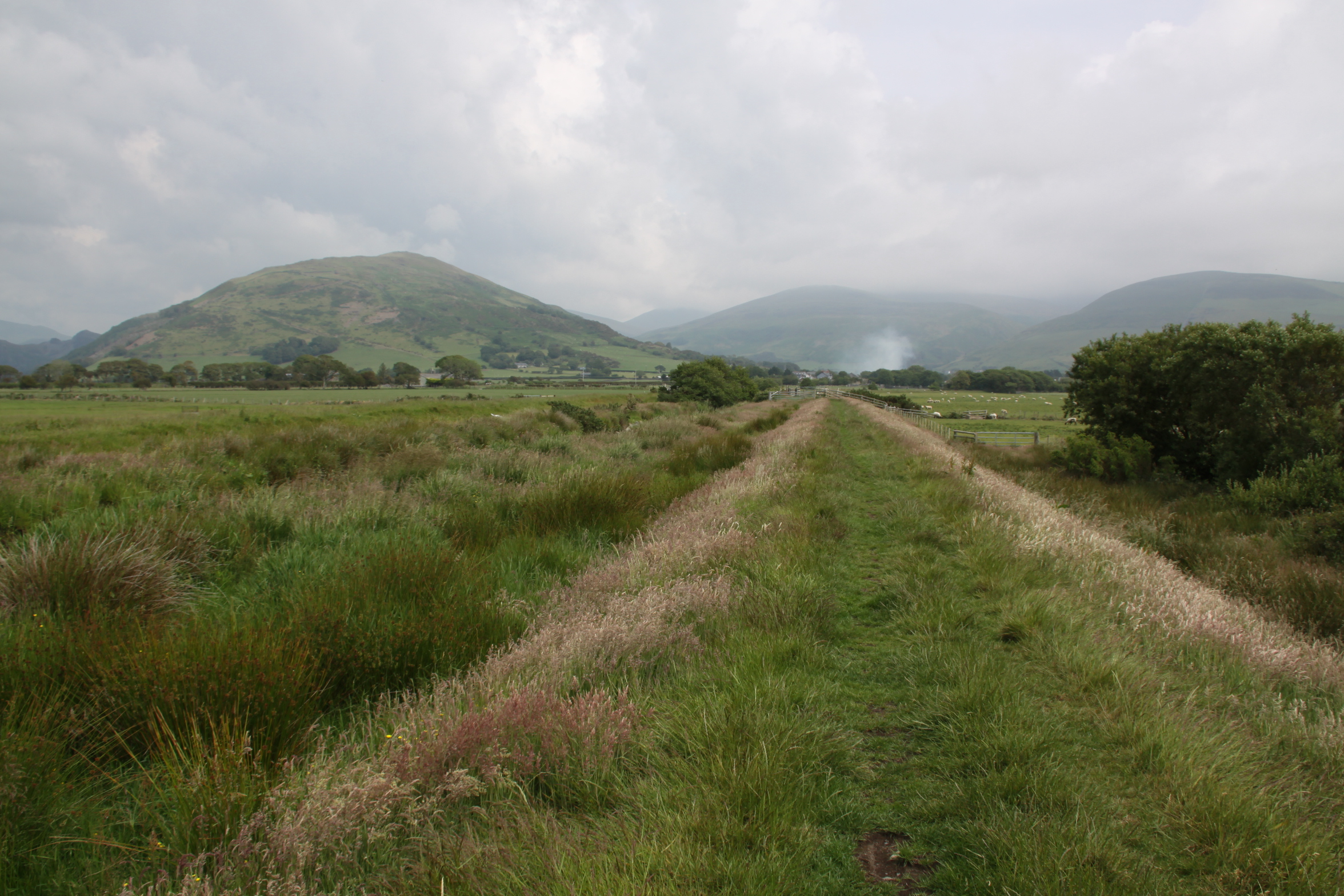
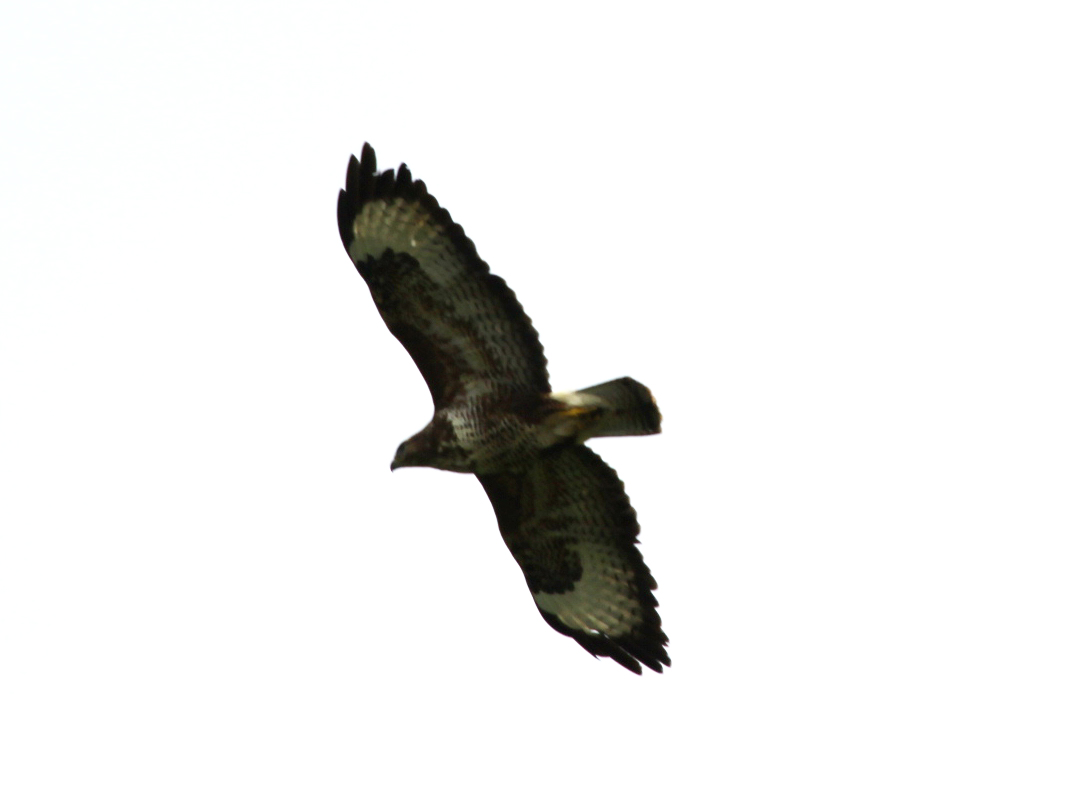
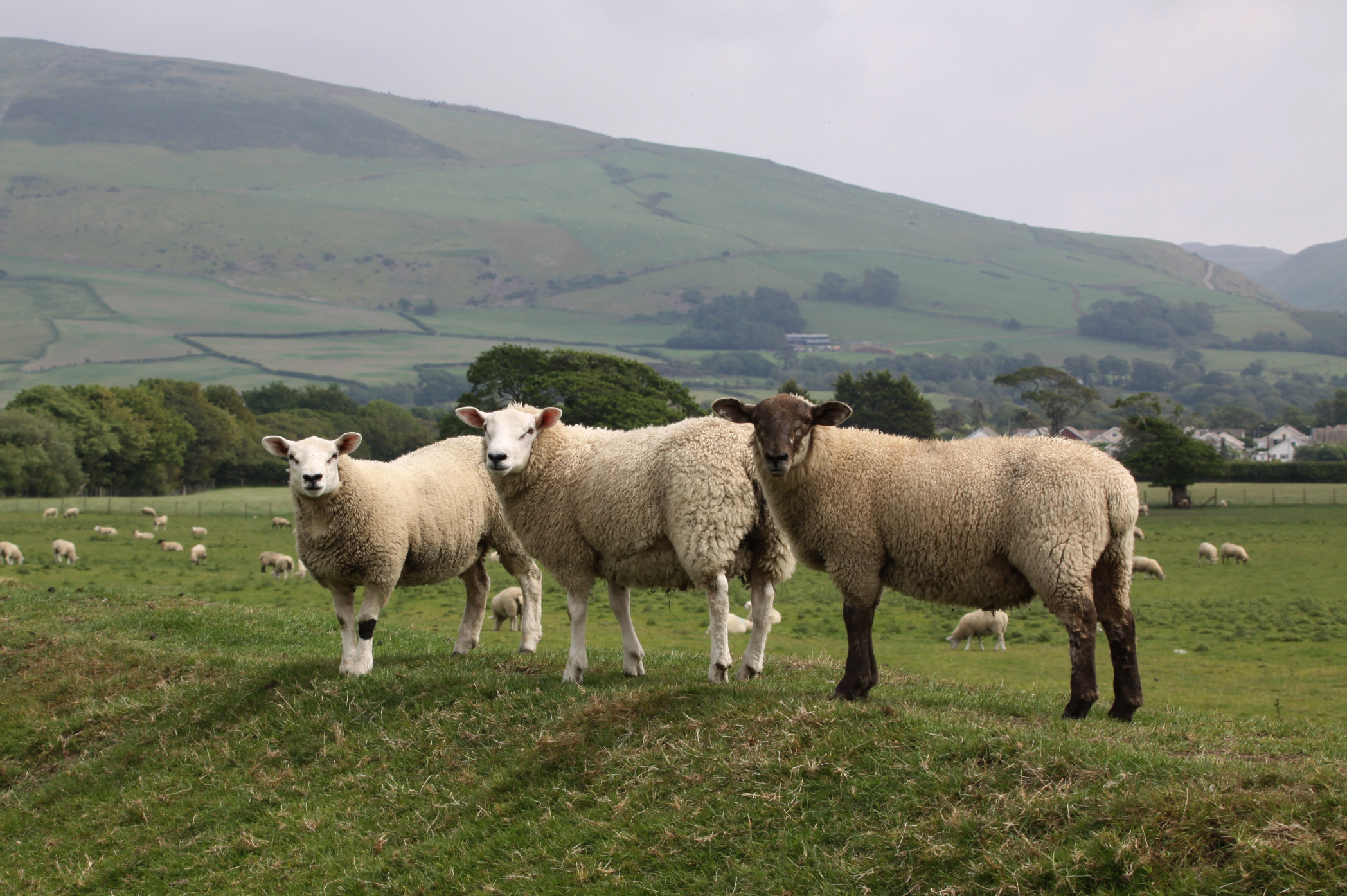
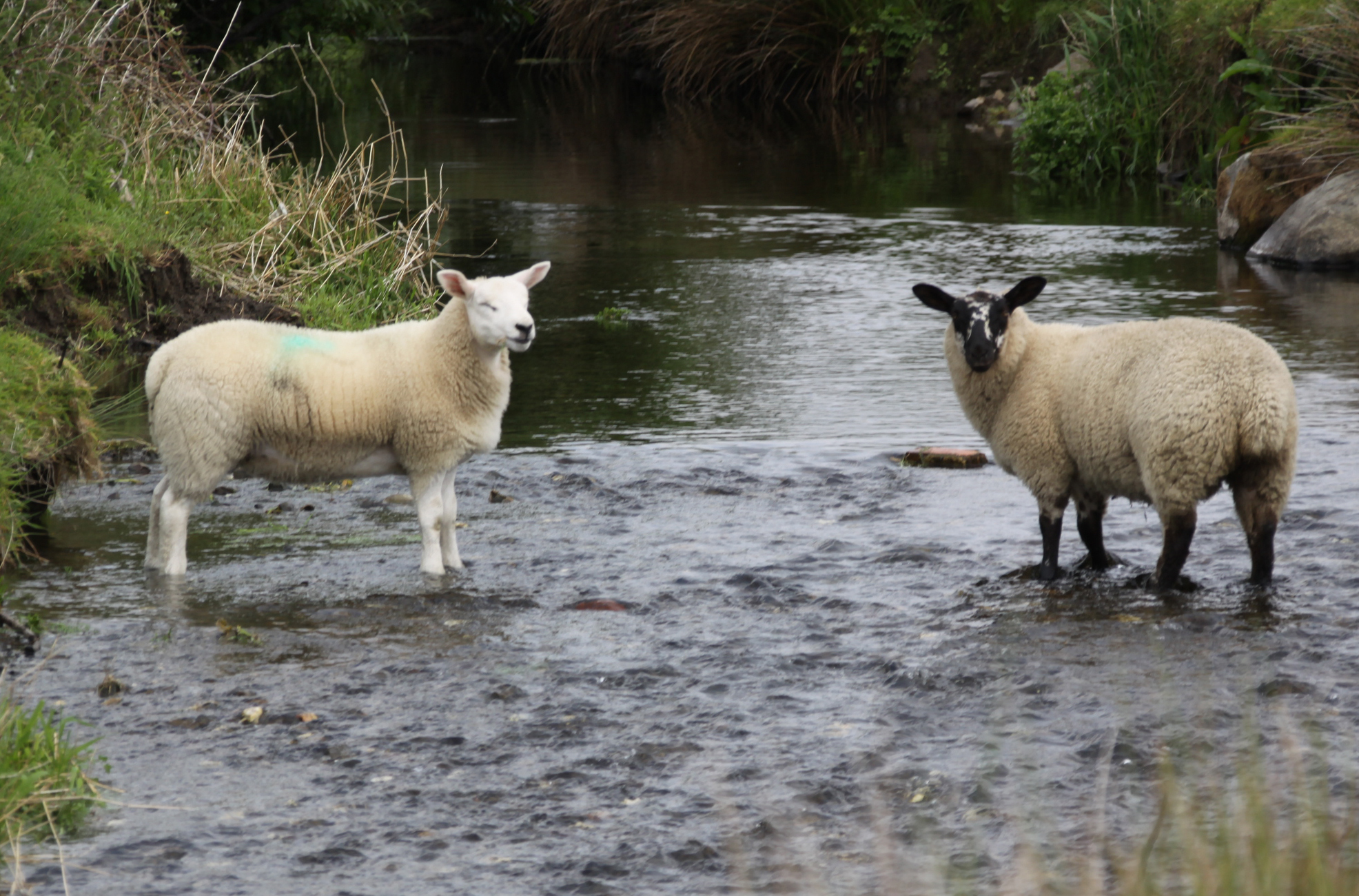

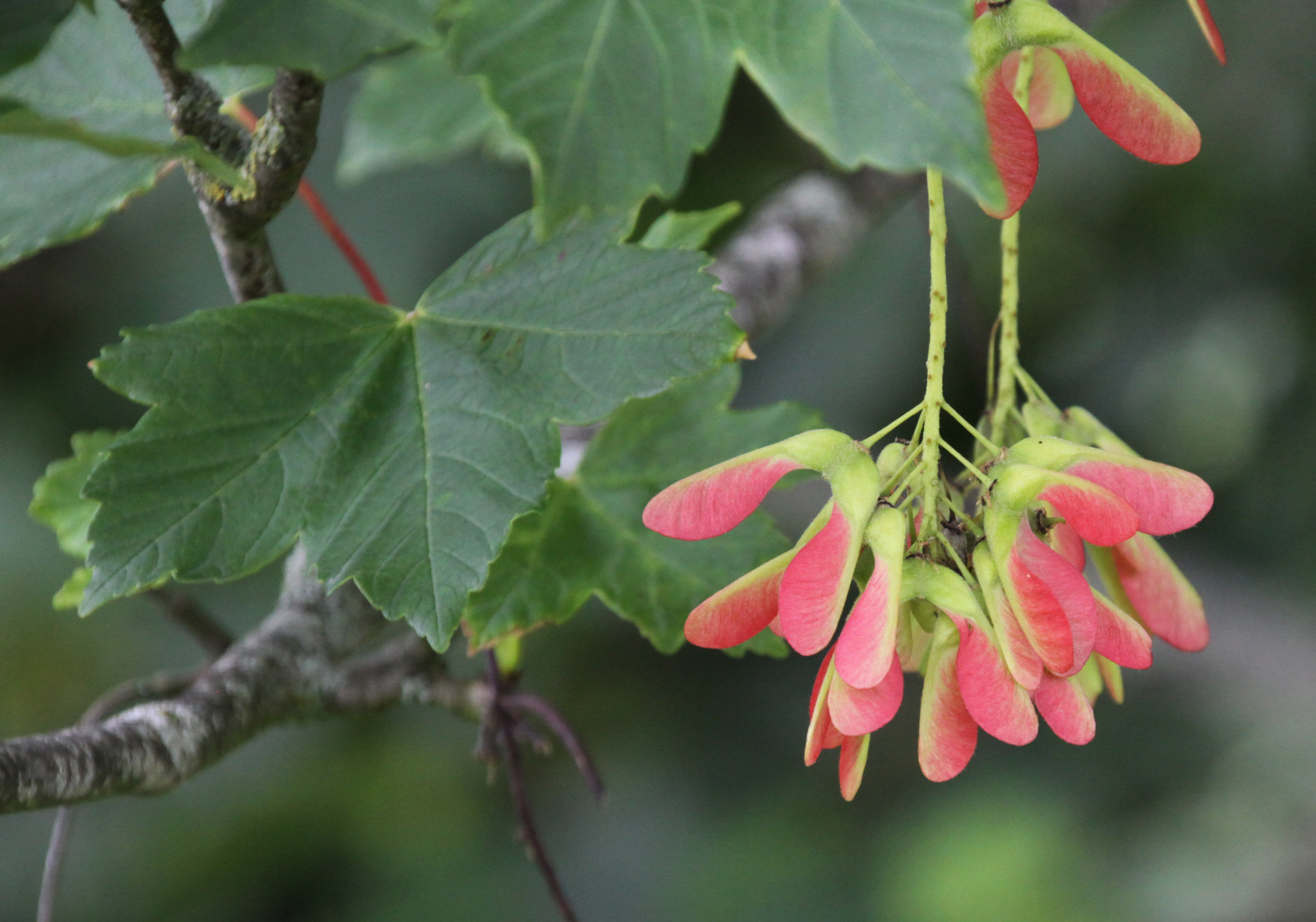
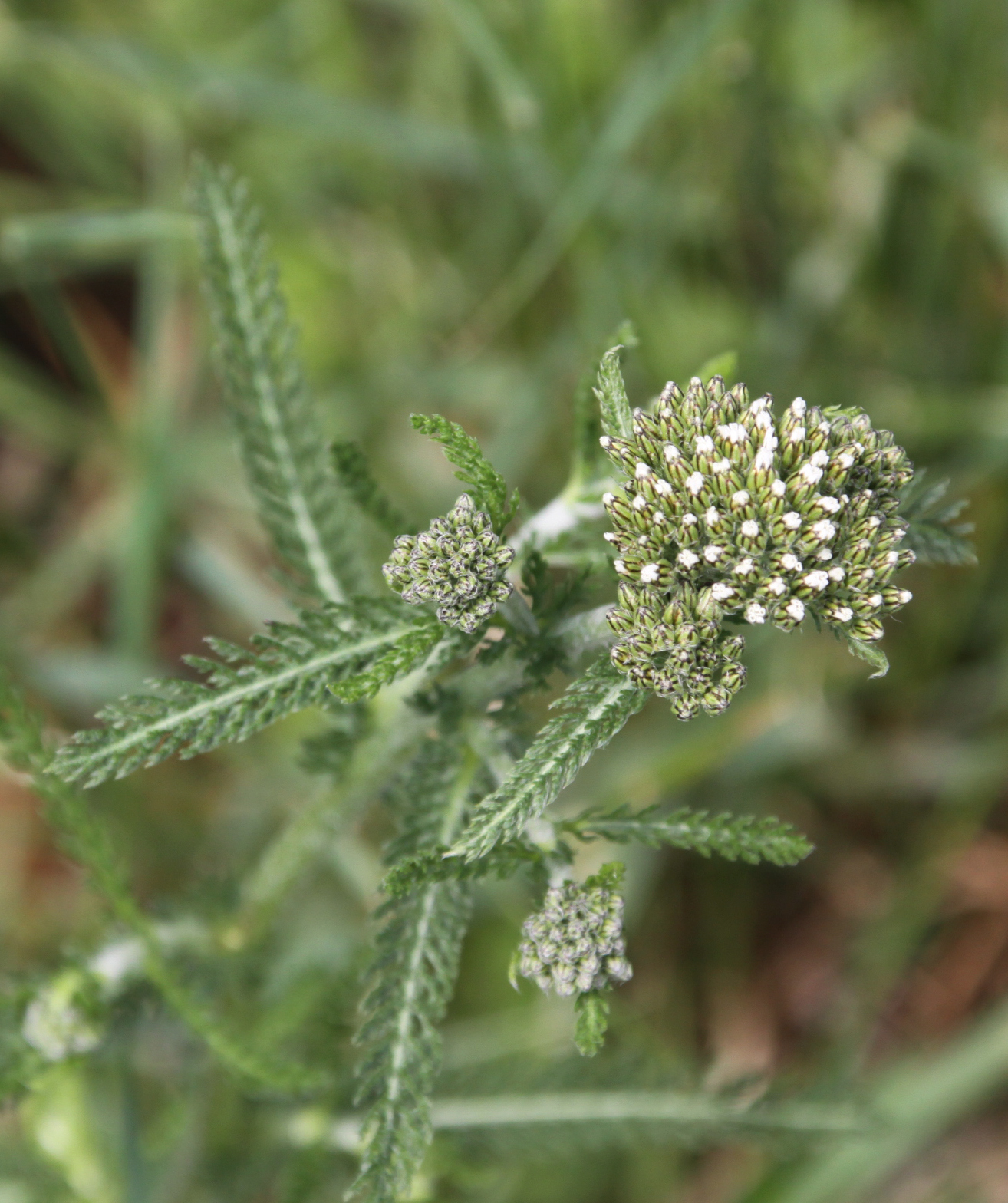


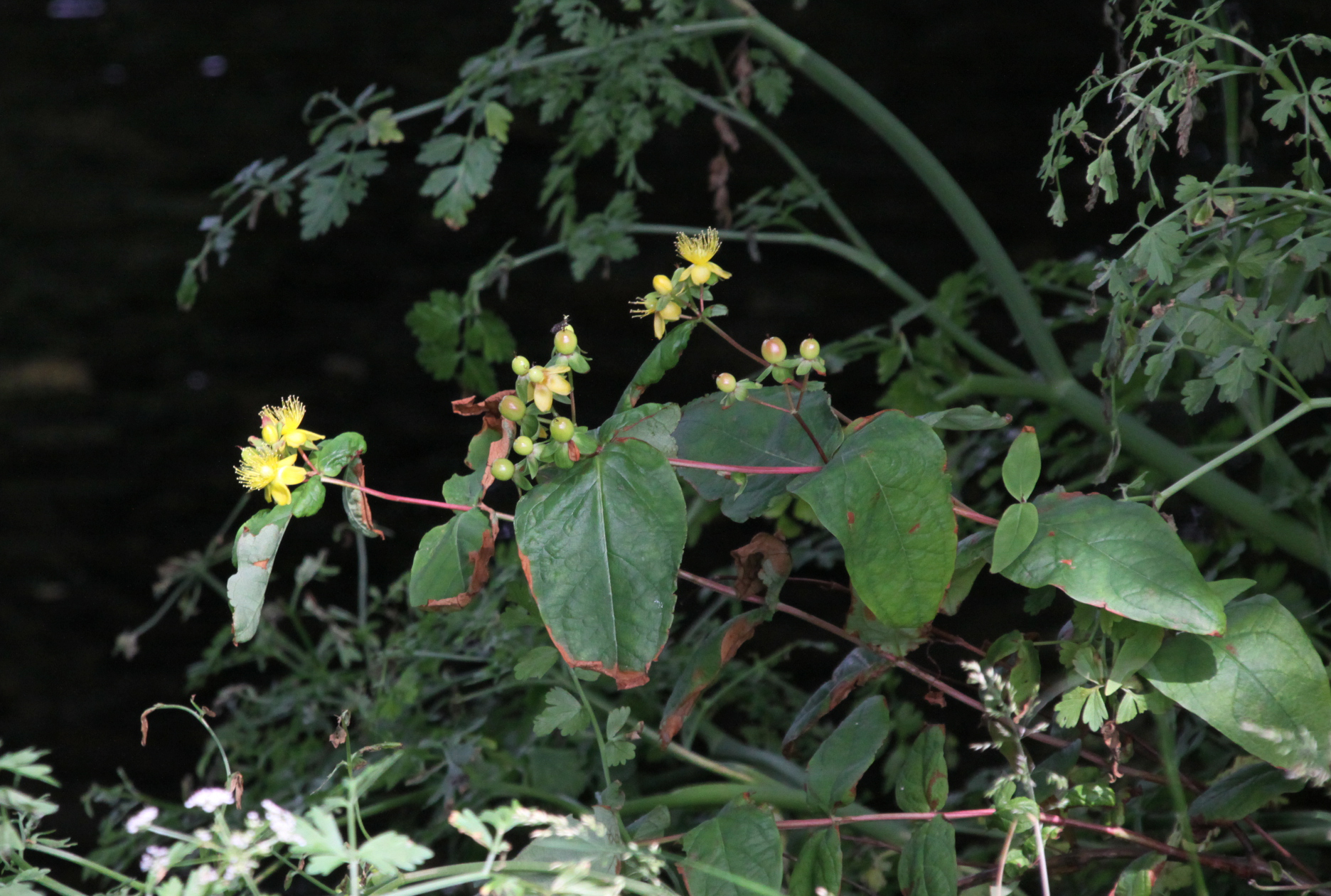
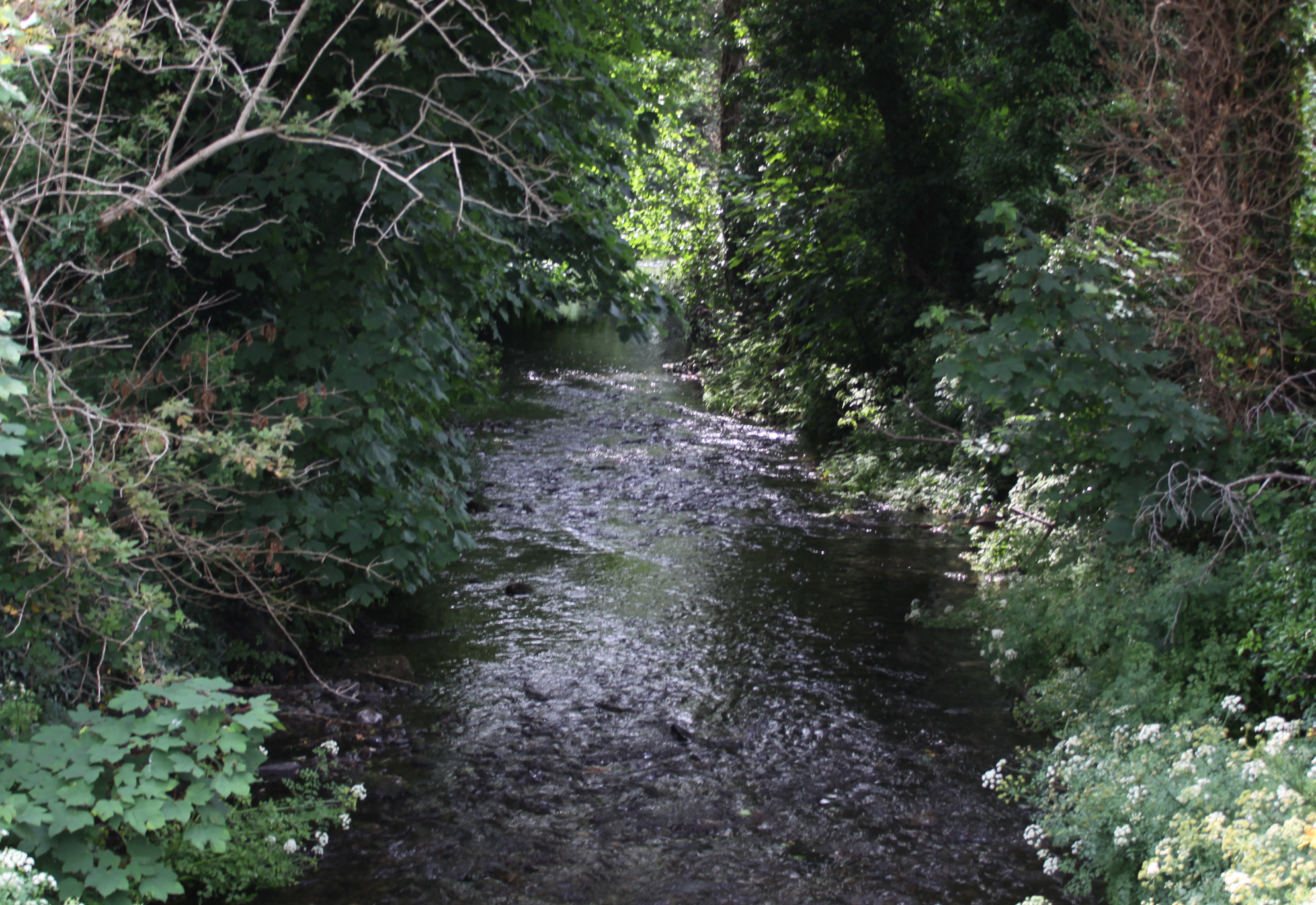
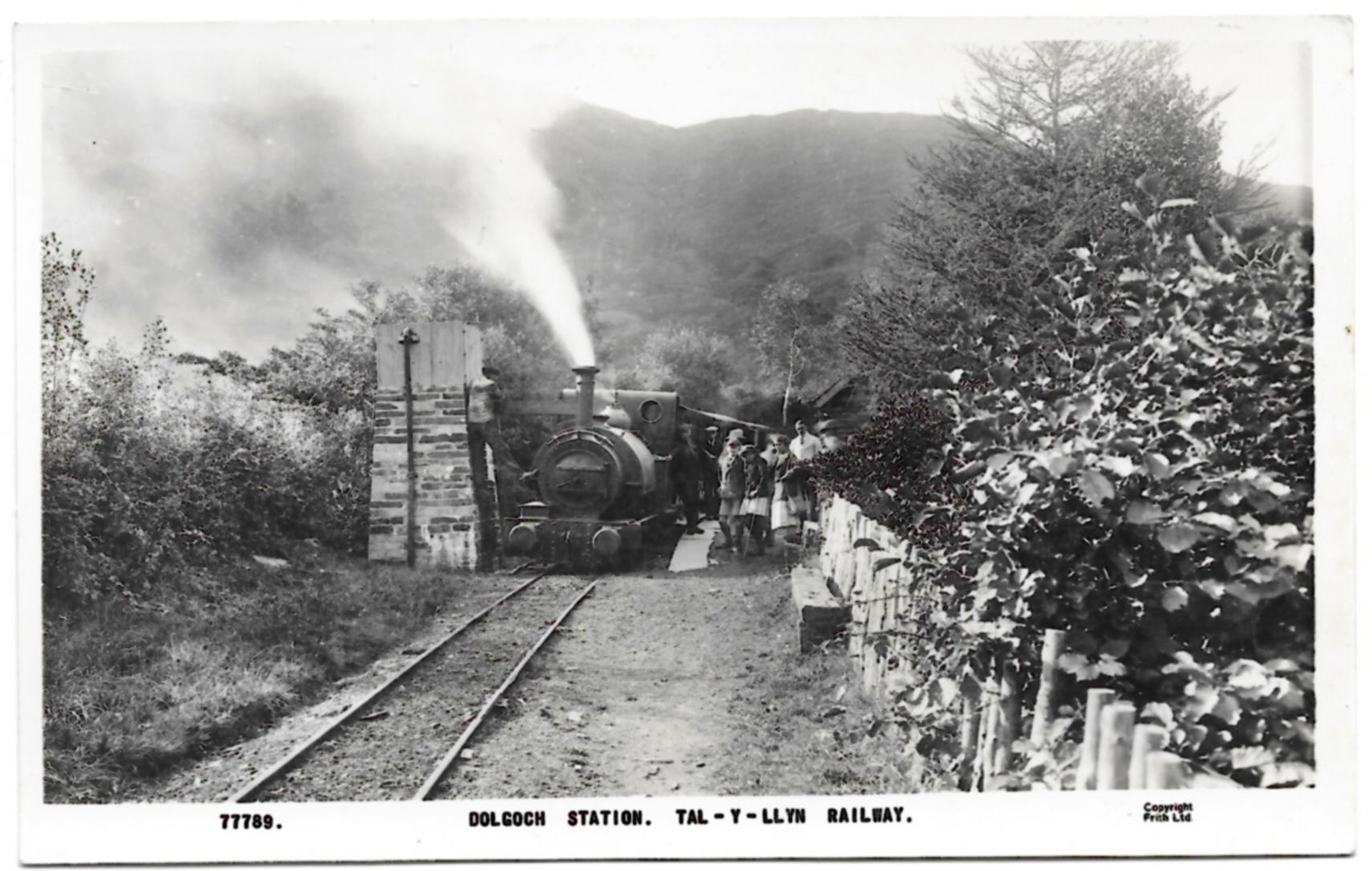
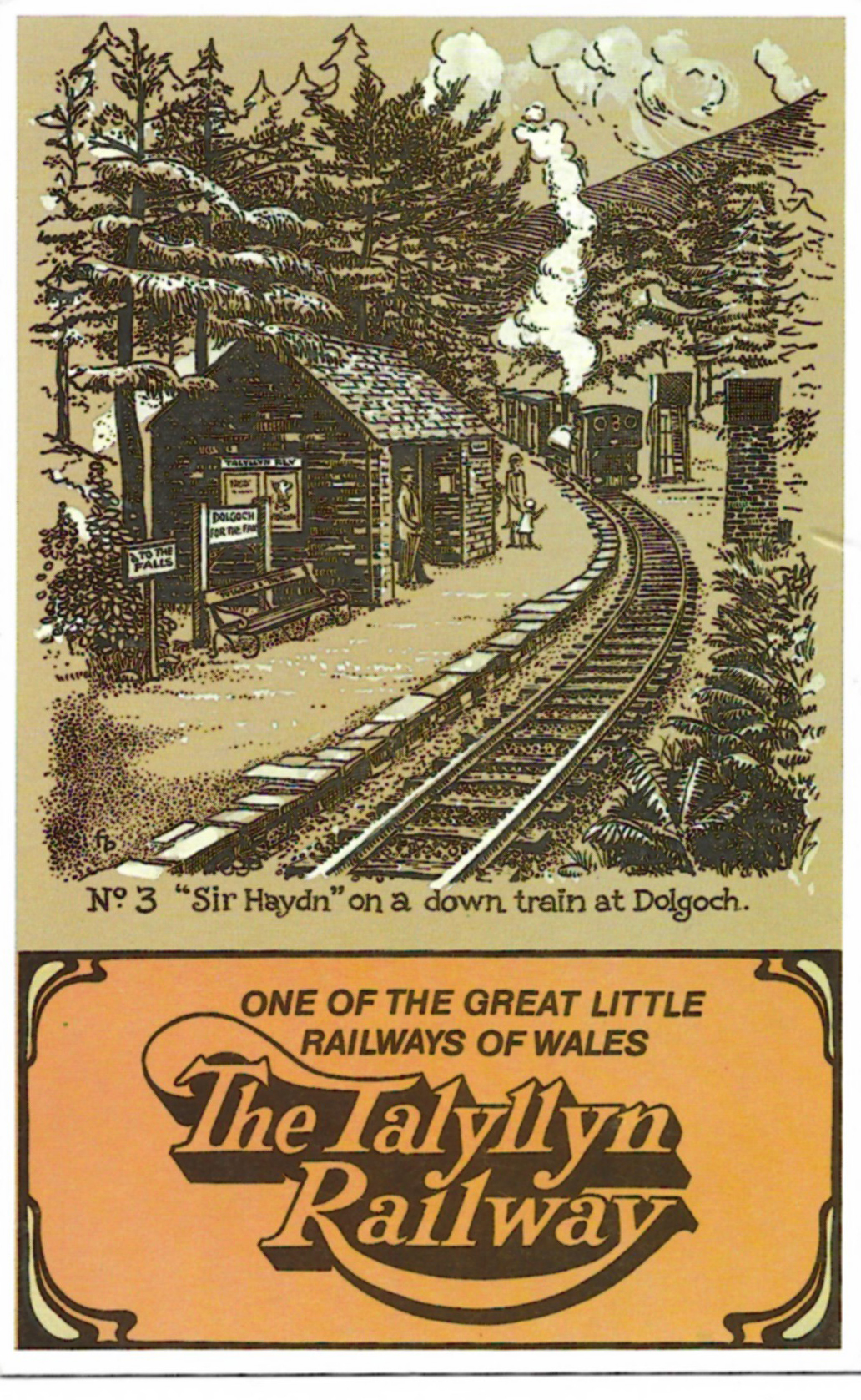


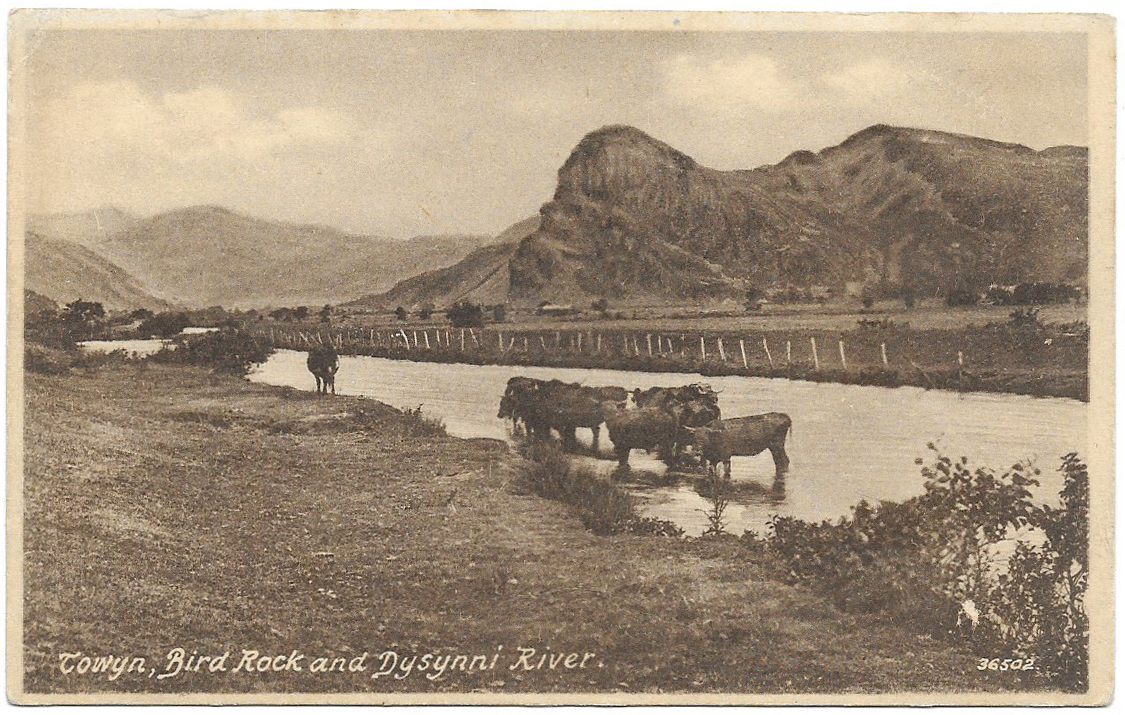
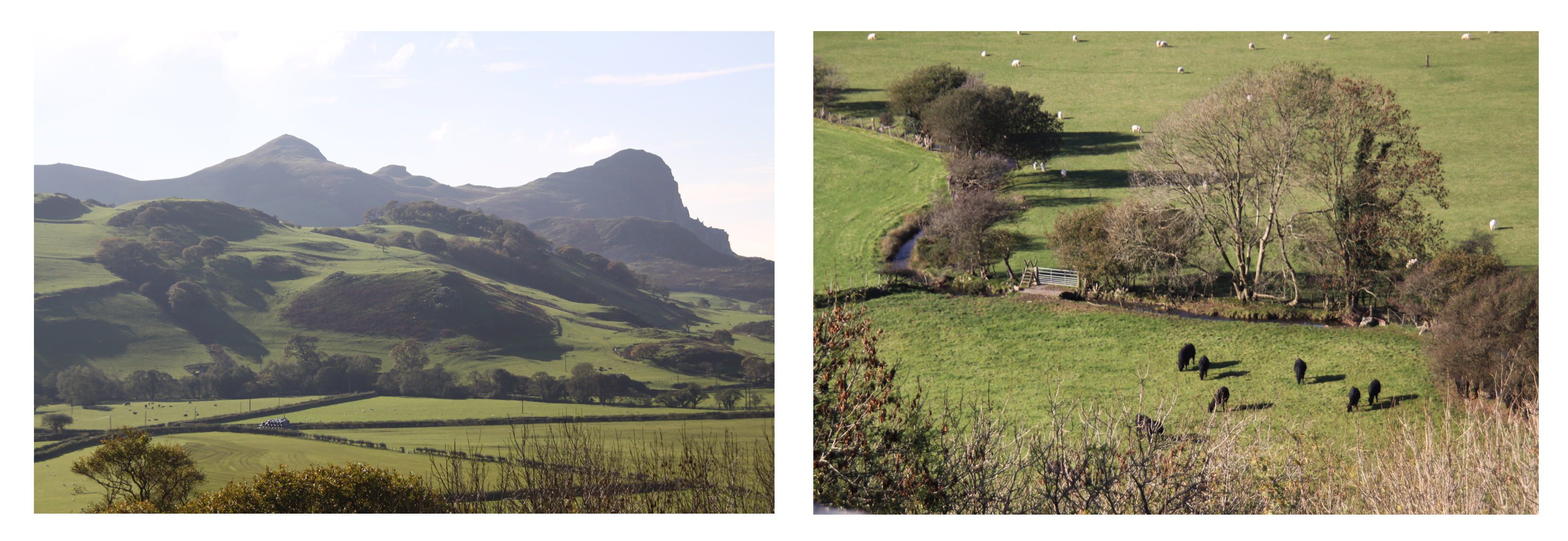
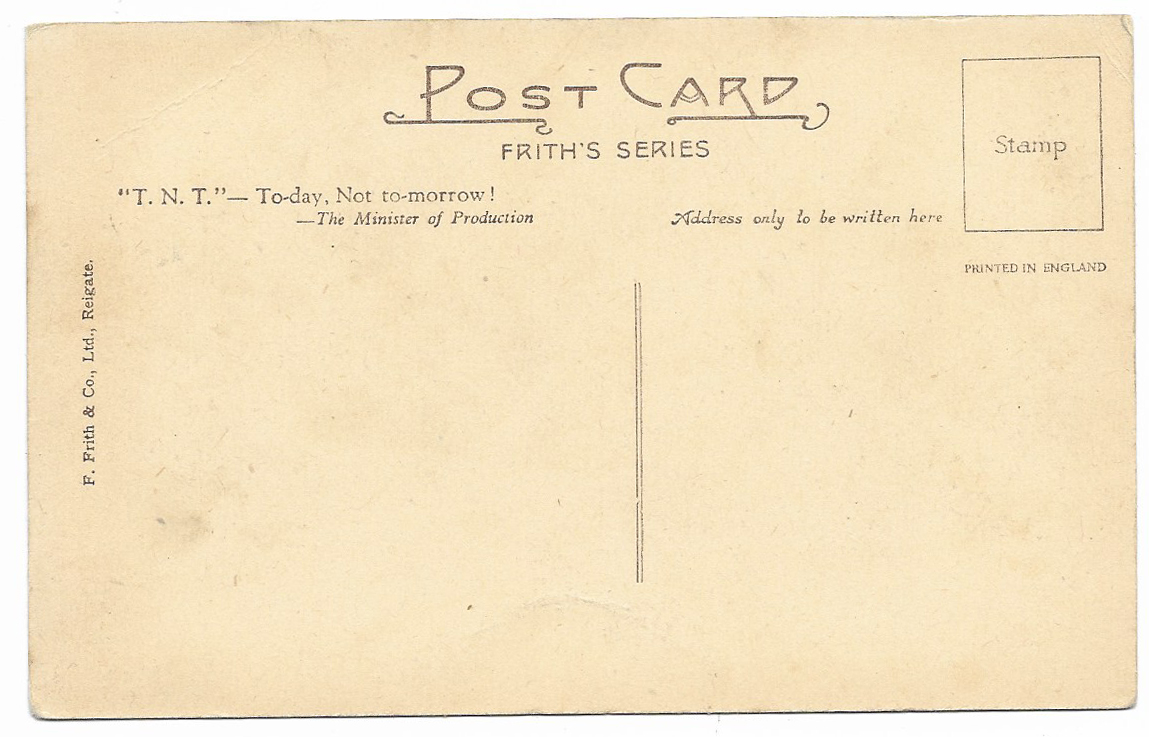
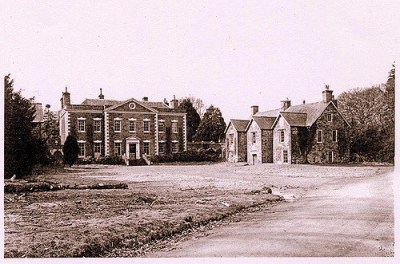
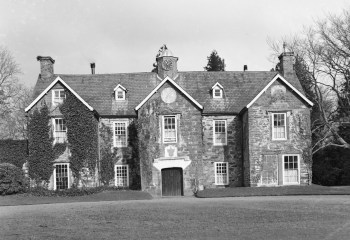
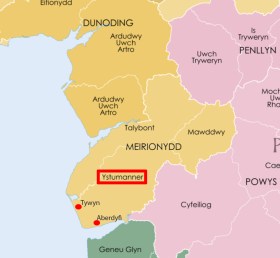
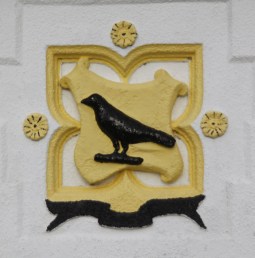
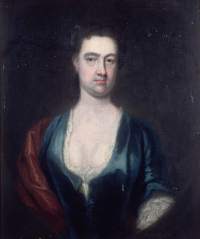

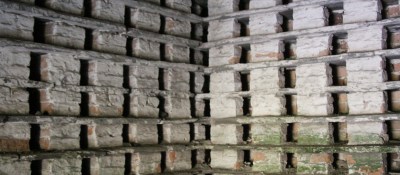

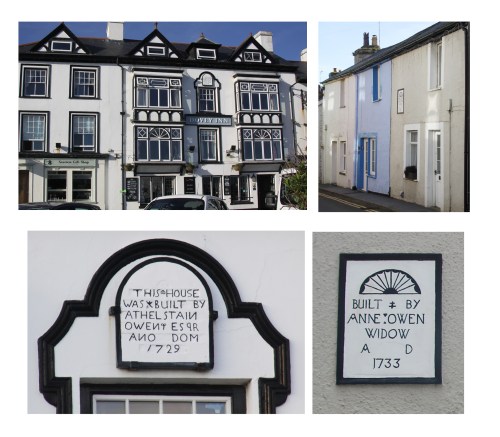

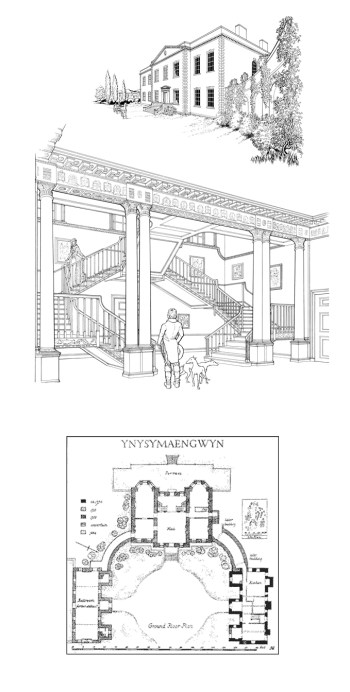


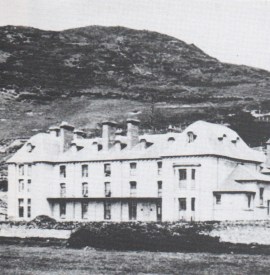
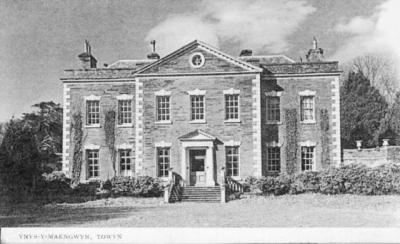


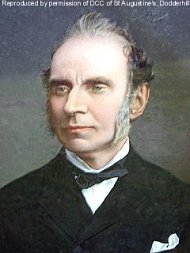
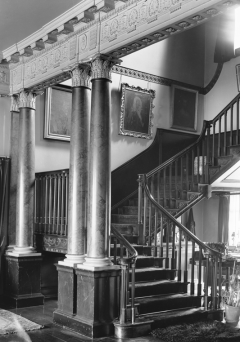


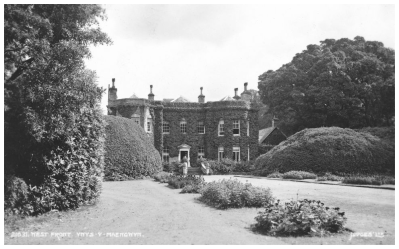
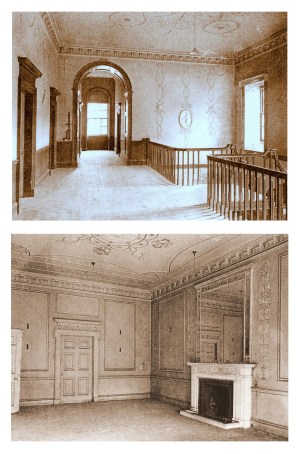

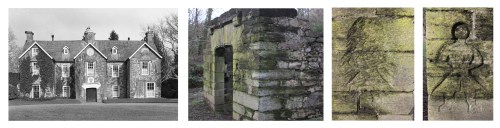
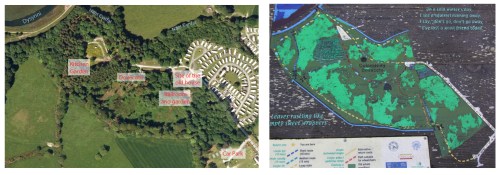
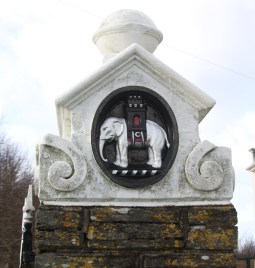
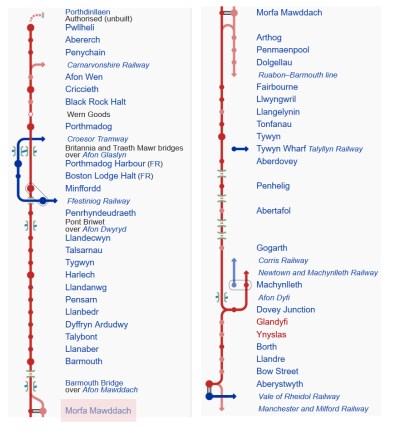

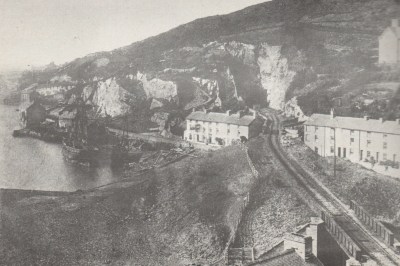
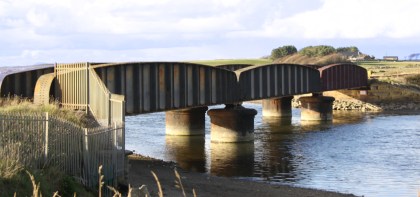
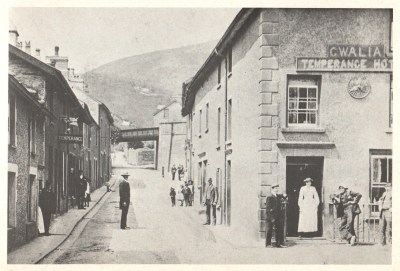
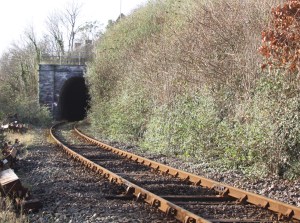
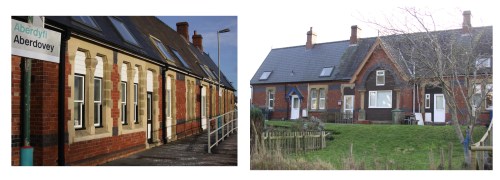


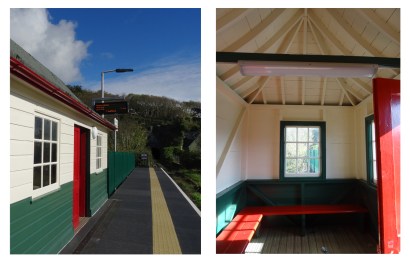
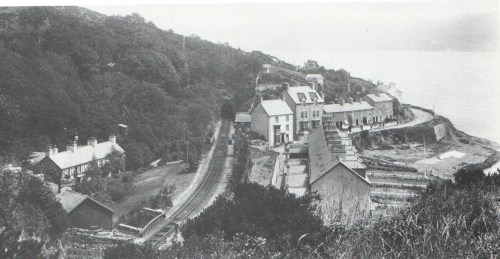
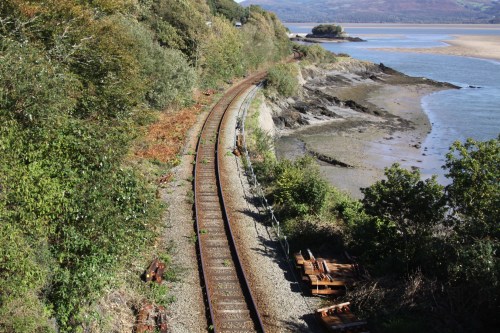
 Aberdovey Londoner


