Category Archives: Seaside

Orache – locally foraged greens that seriously improved three meals

When I finished my Eating Well During Lockdown series, I said I would only post a cooking commentary if it was based on ingredients that were locally grown or produced, and you really cannot get more locally grown than the Aberdovey sand dunes!

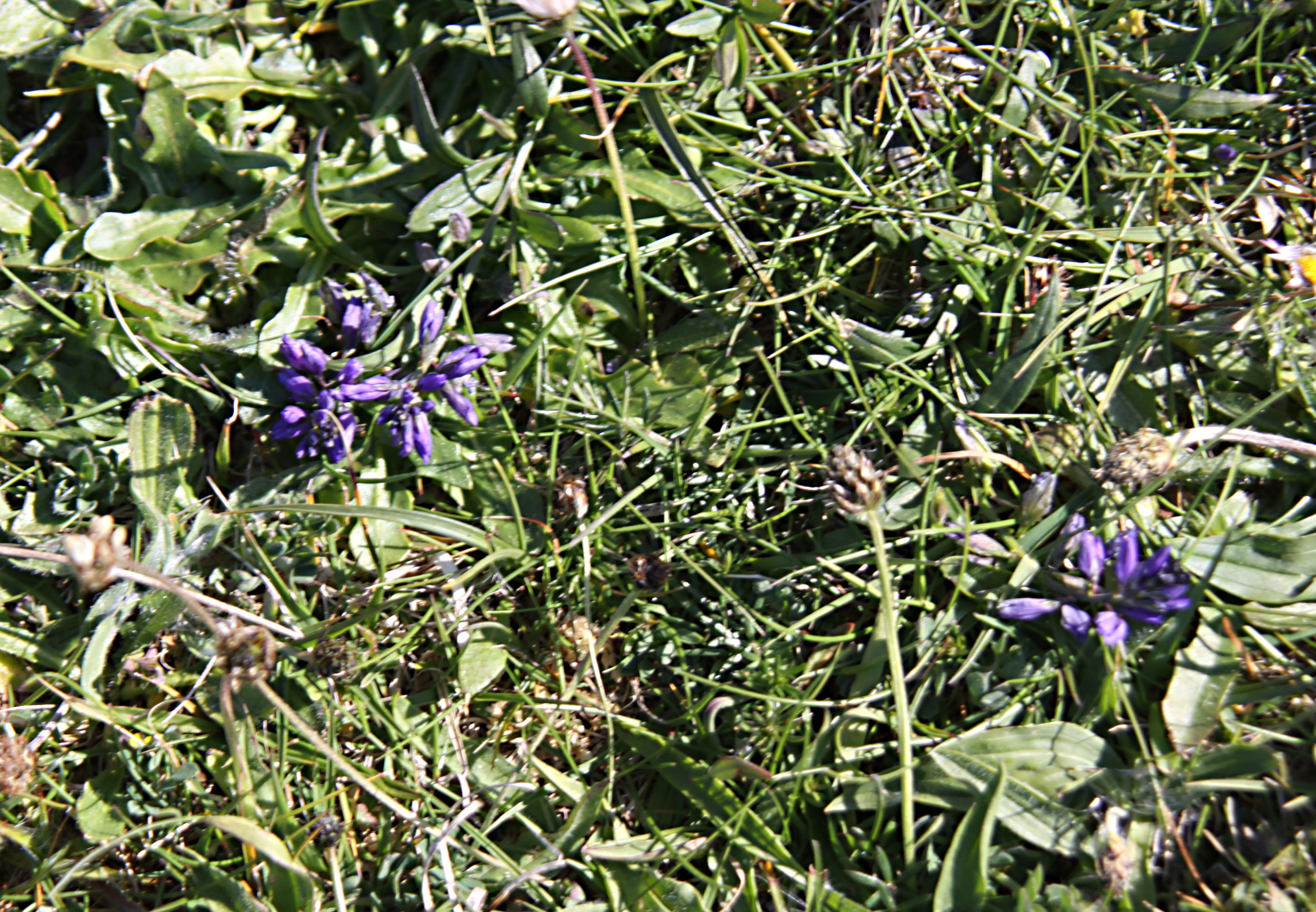
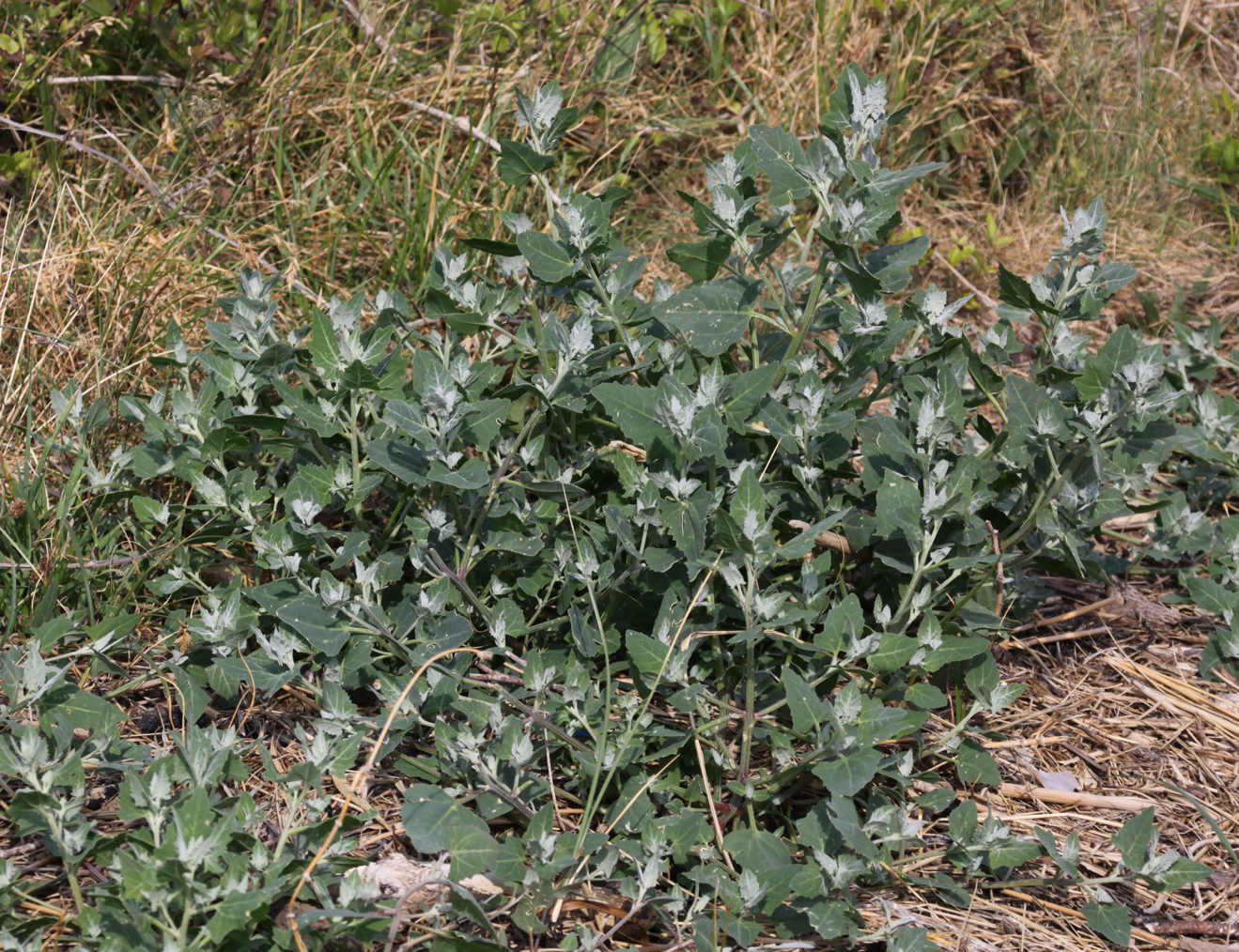
A few weeks ago, attracted by a large area covered with lovely Viper’s Bugloss on the edge of the sand dunes, spectacularly on the turn between pink and blue, we spotted a substantial clump of a green plant with distinctively shaped leaves, no flowers.  The leaves were robust and very slightly rubbery to the touch, because they are slightly succulent, and they had a faint shine on the upper surface, dull on the underside.  My friend Caroline thought that it was probably orache (pronounced “orac” or “oratch”), Atriplex patula, and after leafing diligently through a few books, that’s duly what it turned out to be.
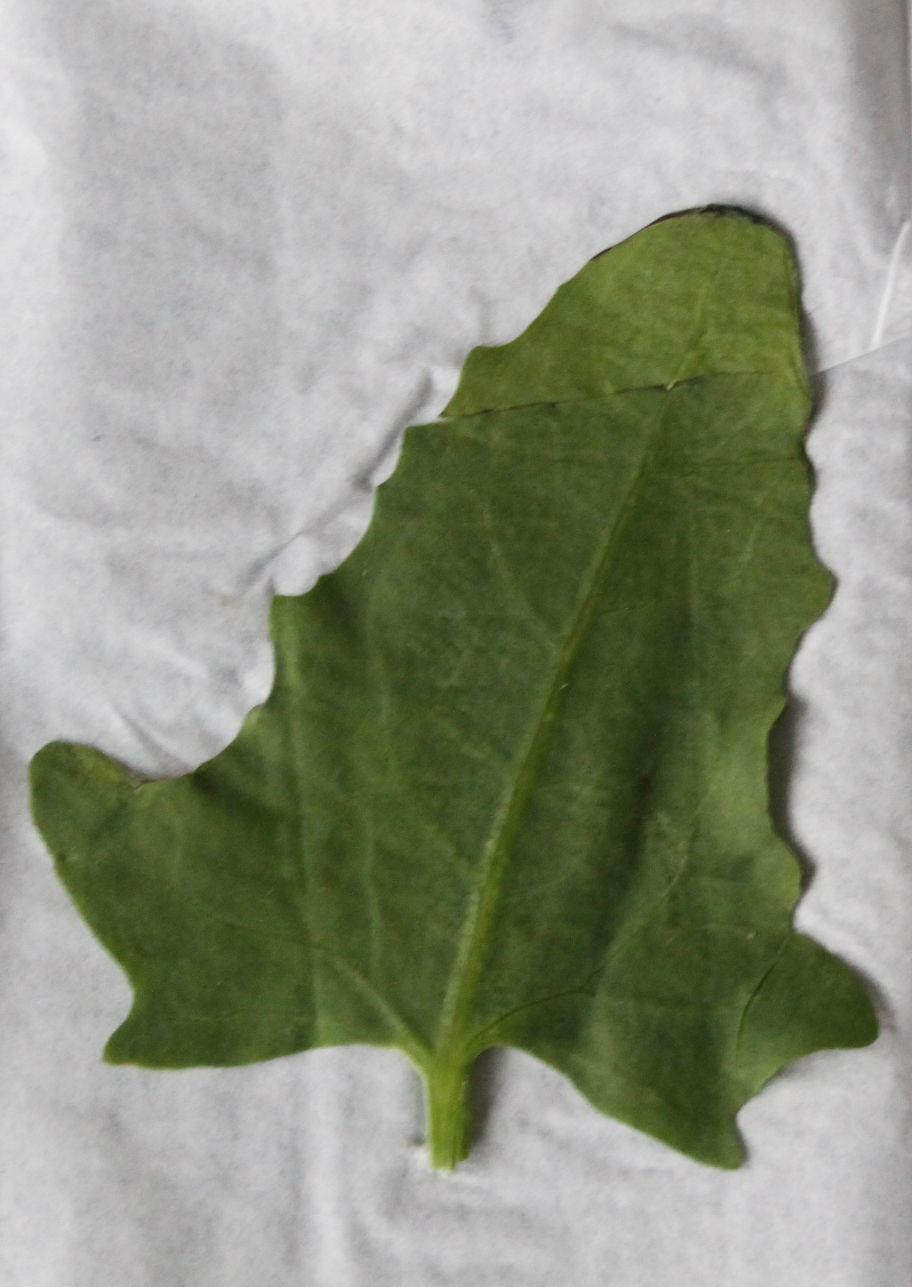
So what is orache?  I had no idea, so a little research was necessary.  The photo above right shows as it is on the edge of the dunes, not particularly prepossessing, but as the photograph of the leaf shows, it is fairly distinctive.  It is an annual member of the Atriplex genus in the Amaranthus family, and is also known as saltbush.  Its leaves are edible and commonly used by foragers.  Edible does not always equate to delicious, but orache turns out to be both.  The salad leaves are only viable when young, because they become too tough, but they become a useful substitute for spinach when they mature.  Because they are succulents, retaining water in their leaves, and they live in a salty habitat, the water within the leaves is also slightly salty.  It’s worth remembering that when seasoning anything that you cook with orache as a component.  The roots are mildly toxic so should be avoided.  Atriplex littoralis looks similar but although it is not poisonous it has an offensive smell and tastes awful, so the two are easily differentiated.
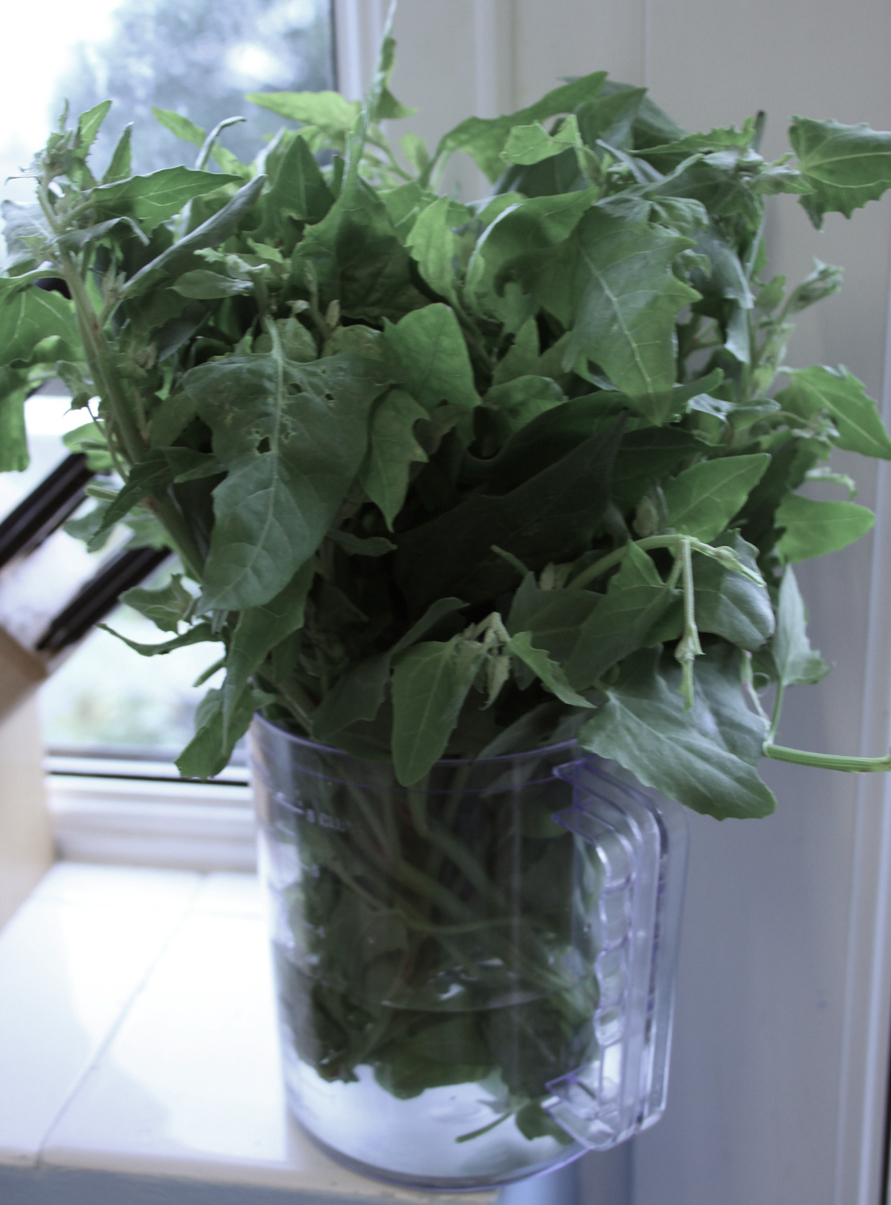
When Caroline produced a glorious bunch of orache, having gone on a foraging expedition, I had a lot of options.  Now fully mature it was a lot greener and a lot larger, but retained its slightly rubber texture.  I immediately put the verdant bunch into a jug of water, to keep it fresh, and started plotting.

Caroline has been treating it both as spinach, wilting it slightly to serve as a vegetable, and using it raw in salads, and I also liked the look of the suggested orache tortilla-pizza on the Wild Food Girl website.  In the end I decided to use half of it for soup, some of it to replace spinach in my frequent mushrooms, dice courgettes, pancetta and spinach on toast, and the last of it to liven up a chicken rendang curry.  So here are three meals that I made with some of the bunch, with many thanks to lovely Caroline both for providing the orache and for expanding my horizons.
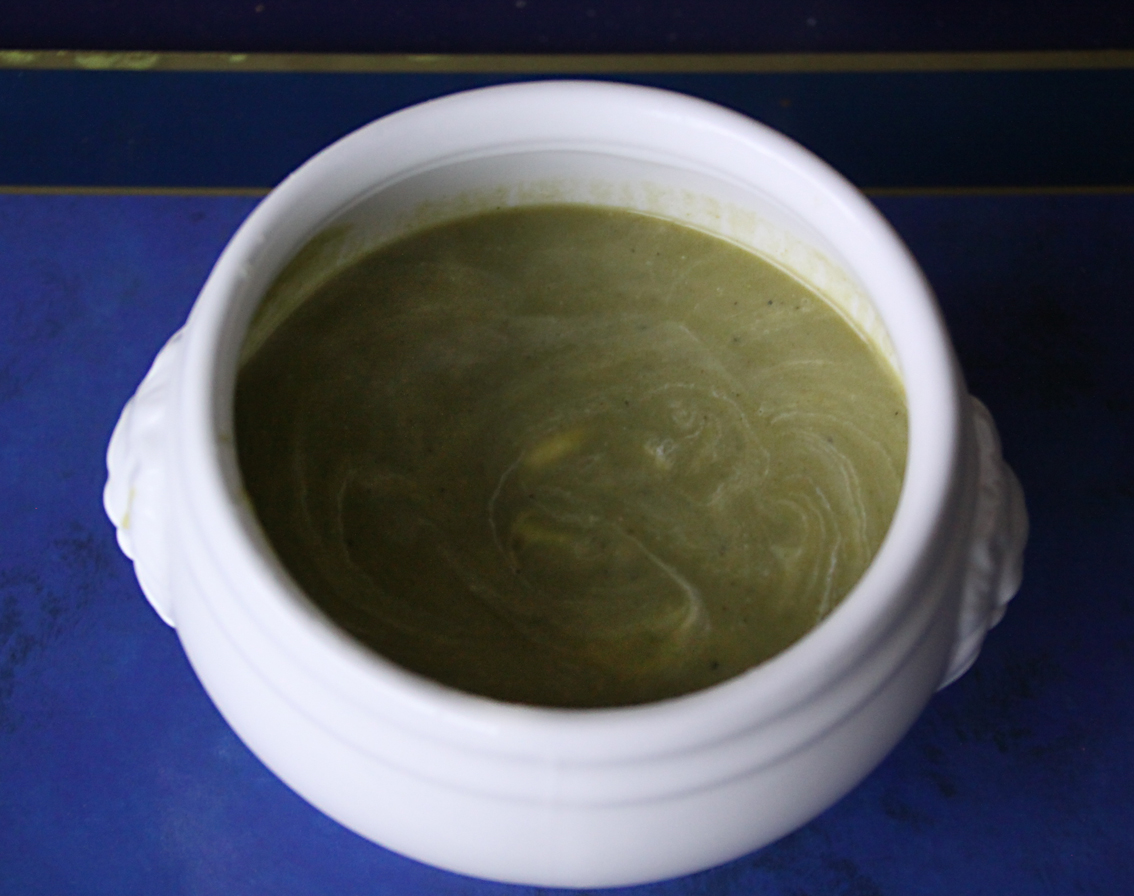
Wednesday’s soup became an orache-and-asparagus-with-a-few-leftovers soup, because I had a pack of six small asparagus tips that were hiding at the back of the fridge and needed using up fairly imminently, but the orache was dominant.  Other odds and ends were an inch of courgette (how, I wonder, does anyone end up with a leftover single inch of courgette?); 2 small Maris Piper spuds, very finely sliced to help it break down quickly; the floppy outer leaves of a little gem lettuce; half a purple onion, roughly sliced; three spring onions, chopped; the edible parts of the tops of two leeks; and some mint.  The main ingredient, by far, was orache.  I put all of it in a saucepan and tossed it to heat through in some butter for between five and 10 minutes, added water to cover, added some chicken stock and simmered it for another 10 minutes.  Once the potato had broken down I lobbed it into the food processor for a few minutes, in two batches.  I then put it back in the pan, re-heated it slightly, stirred in a big dollop of crème fraîche, a big squeeze of lemon juice, heated it through again gently and poured some of it into a soup bowl to serve.  Heavenly!  The orache tastes a bit like something between curly kale and spinach, full of personality, with bags of flavour released by the cooking process.
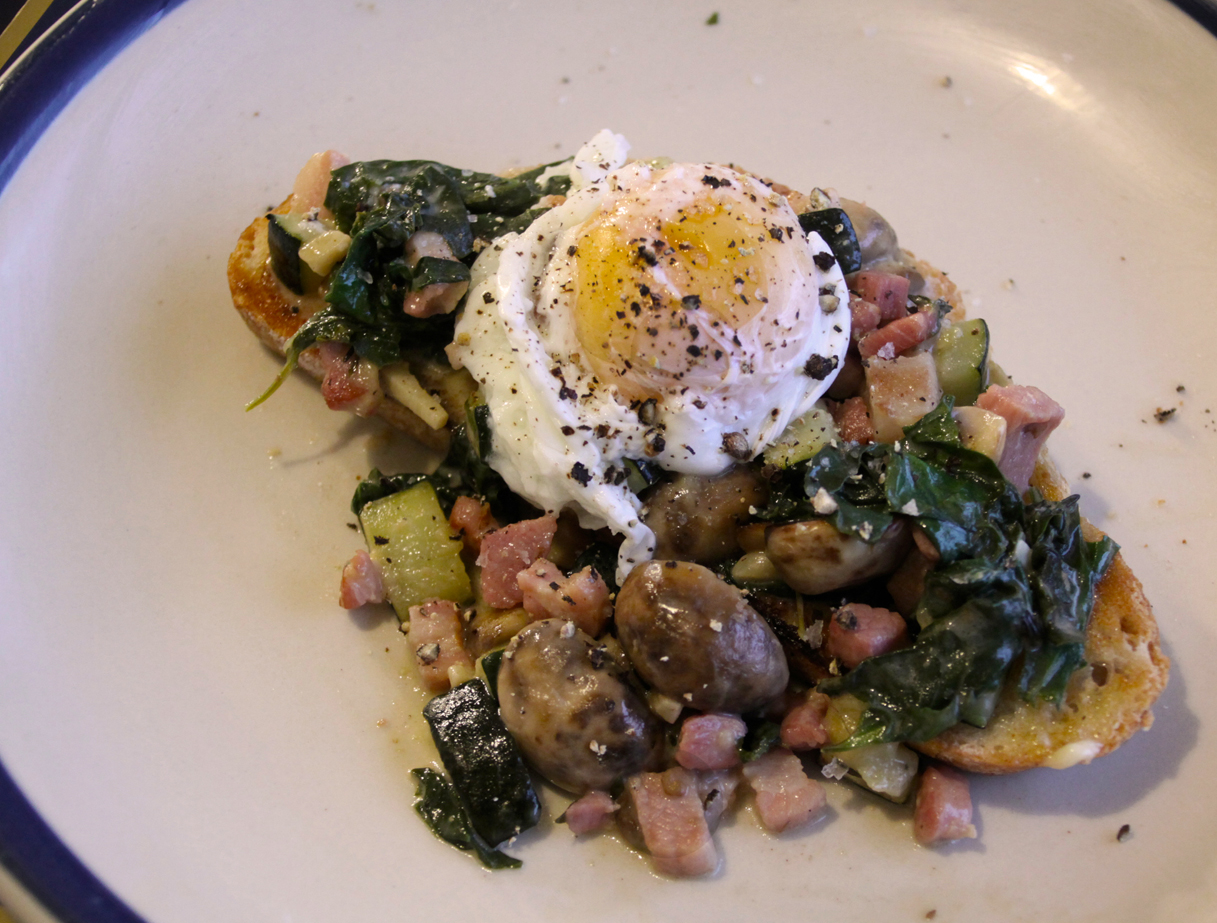
On Thursday I made mushrooms, pancetta, courgettes and orache on toast, with a poached egg on top.  The mushrooms and courgettes are fried in butter until the begin to brown. The finely chopped garlic is added with some fresh thyme, and after these are stirred in, some flour is sprinkled over the top to take up the fat from the pancetta and thicken the liquid.  It is stirred into the mixture until it is invisible, and heated for a few minutes to make sure that the flour is incorporated and cooked through.  At this point, a little water goes in, accompanied by the orache, chopped parsley and a few turns of the pepper mill. I also like to add a slosh of sherry at this stage.  When the orache begins to wilt, some cème fraîche is added and reduced, and when the orache is fully wilted the mix is served on a piece of toast with a poached egg on top.  The basic formula is a favourite, and of course it can be varied endlessly.  In the photograph, the wilted orache can be seen either side of the egg, a very dark green.
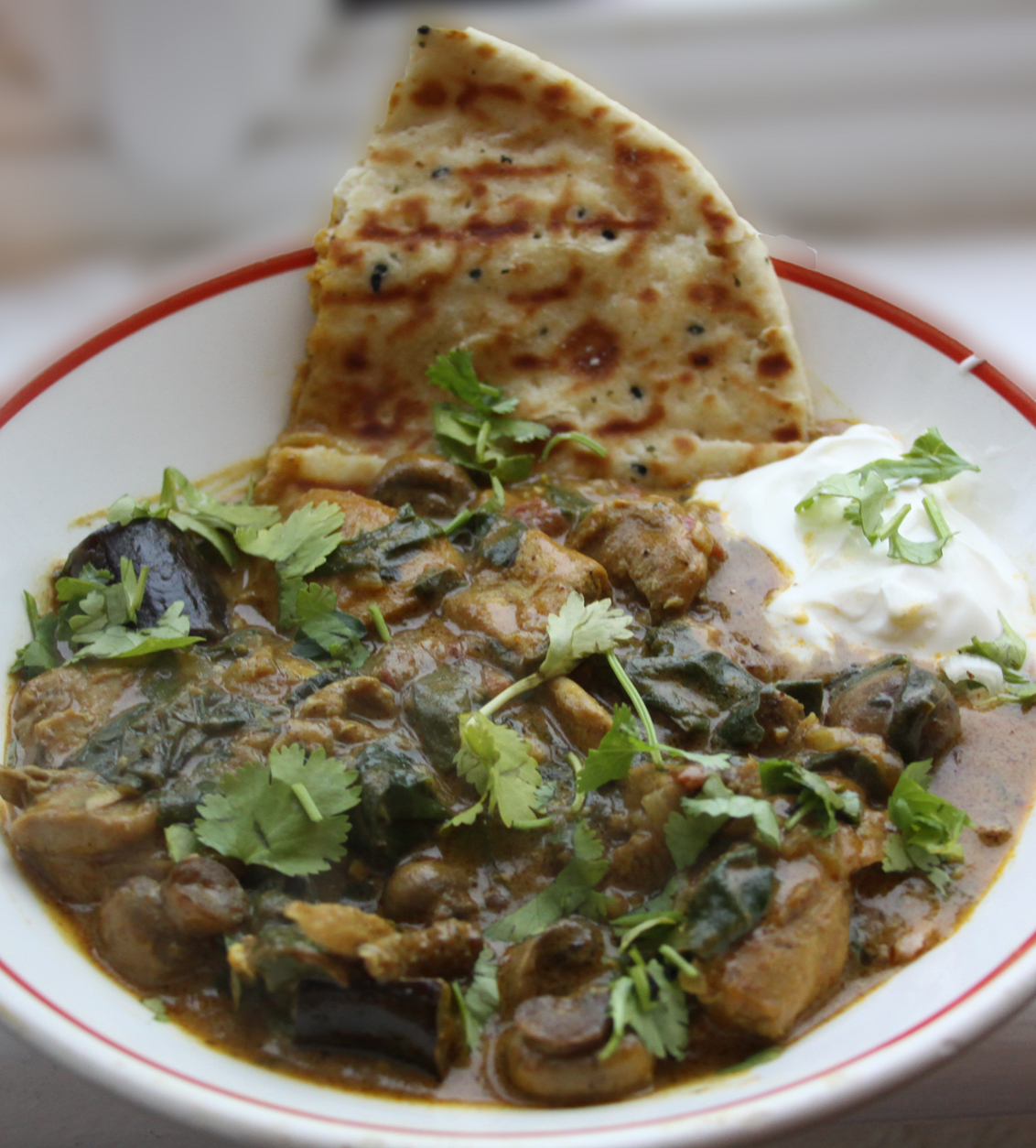
Yesterday, Friday, I was cooking a sort of ersatz chicken rendang curry, but using yogurt instead of the usual coconut (which I detest).  Also added into the mix were aubergine chunks, fresh green chilies and mushrooms.  I left it in the fridge overnight to develop the flavours.  When I slowly reheated it tonight, Saturday, I added a good handful of the last of the orache 10 minutes before the end of the cooking time, when it was simmering very gently.  It was an excellent addition, giving real balance to the rich sauce, with more than enough flavour to stand up for itself against the heat of the chili, and providing some much needed greenery as a contrast to the orange-coloured sauce and the bland solids.  In the photograph, the bright green leaves are coriander, but underneath them, the dark green wilted leaves are orache.  To complete the happy extravaganza I had a piece of garlic and coriander naan bread (not home-made).

Orache is a great plant for cooking if you like curly kale, spinach and similar flavours and textures.  I changed the water in the jug ever day, and it remained super-fresh.  Finally, I chopped and simmered the stalks with some chicken stock, leek and onion to make a well-flavoured thick soupy base for a future soup or stew, and froze it down.  The aromas as it simmered in a covered pan were wonderful.
Wild flowers in the sand dunes, a week on

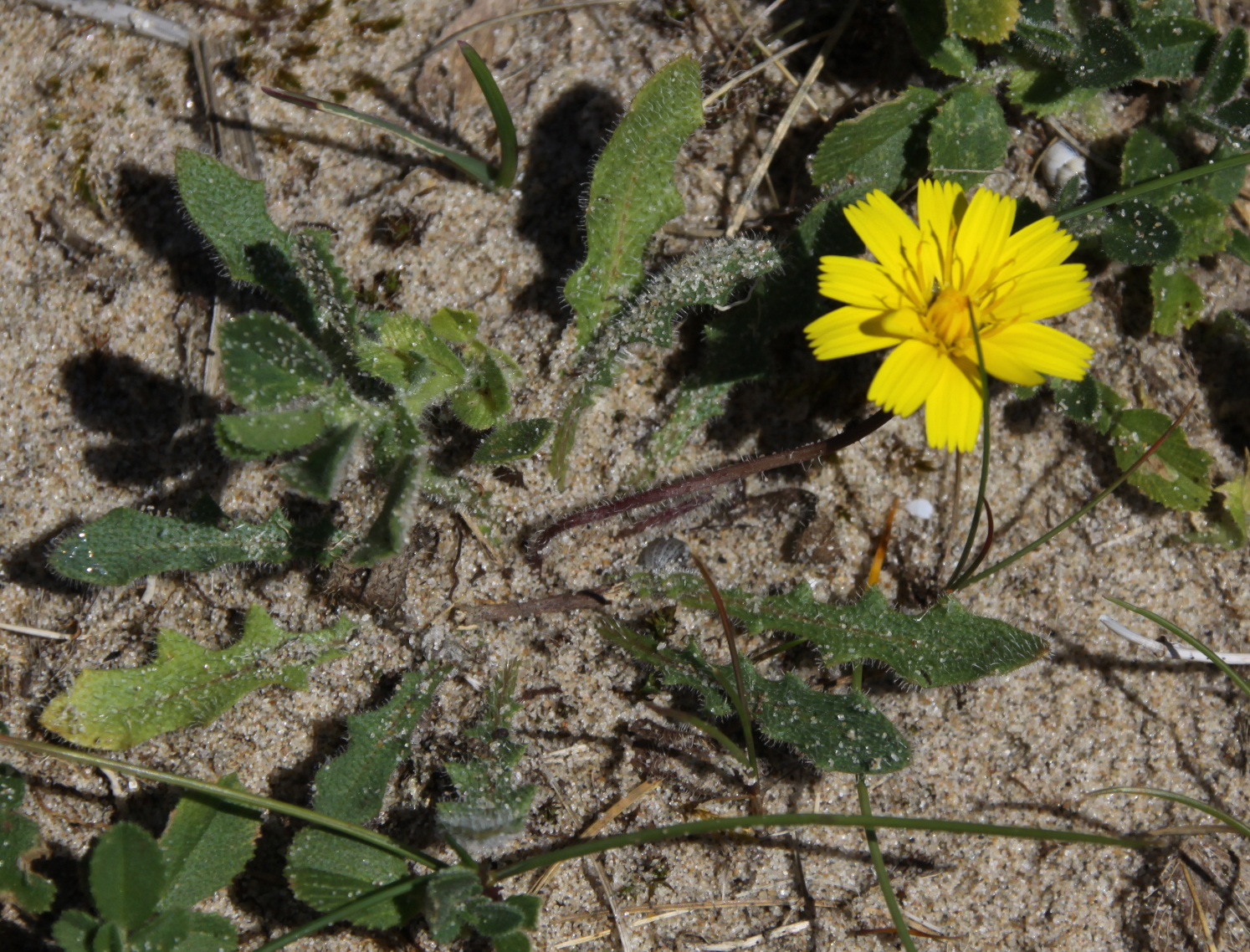
As occasionally happens, I wrote this and then forgot to hit the Publish button, mainly because I meant to do more work on trying to find what the hawkweed-like plant actually is.  These photos were take on on the 20th June, just one week on from a previous visit.  If it ever stops raining, which seems doubtful right now, I’ll go and see what’s there now that we’re into early July.  Hopefully the sea holly will be in flower soon.

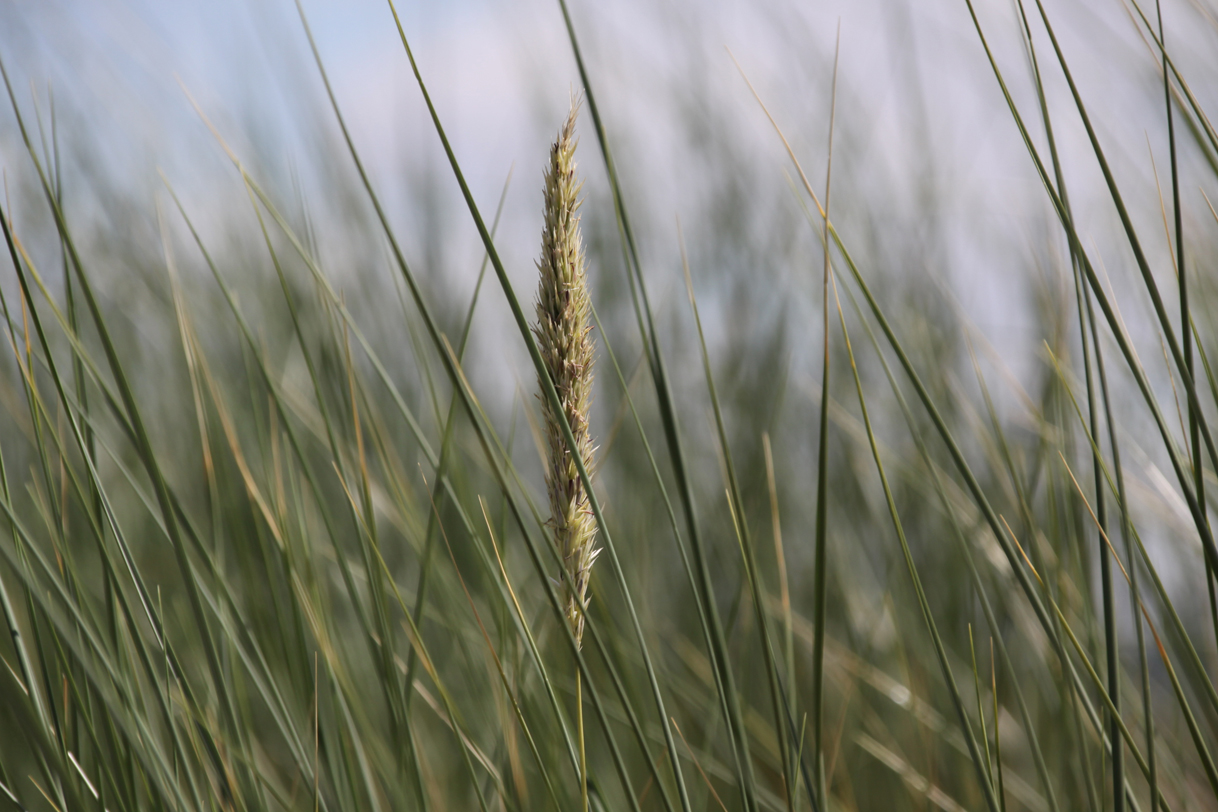
Marram grass (Ammophila arenaria) is a perennial grass, reaching up to 120cm tall, each leaf touch and rolled, sharply pointed.  Ammos means sand, philos, loving in Greek; arena is latin for sand.  It is one of the most important sand-stabilizing species, forming large clumps with matted rhizome roots that help to prevent sand dune drift. They attract the Shore Wainscot moth (Mythimna litoralis), whose larvae feed exclusively on Marram, and the L-album Wainscot (Mythimna l-album) whose larvae feed mainly on Marram. The leaves were once valuable in local craft activities, woven into mats, used to make barn roofs, and to produce fishing nets.

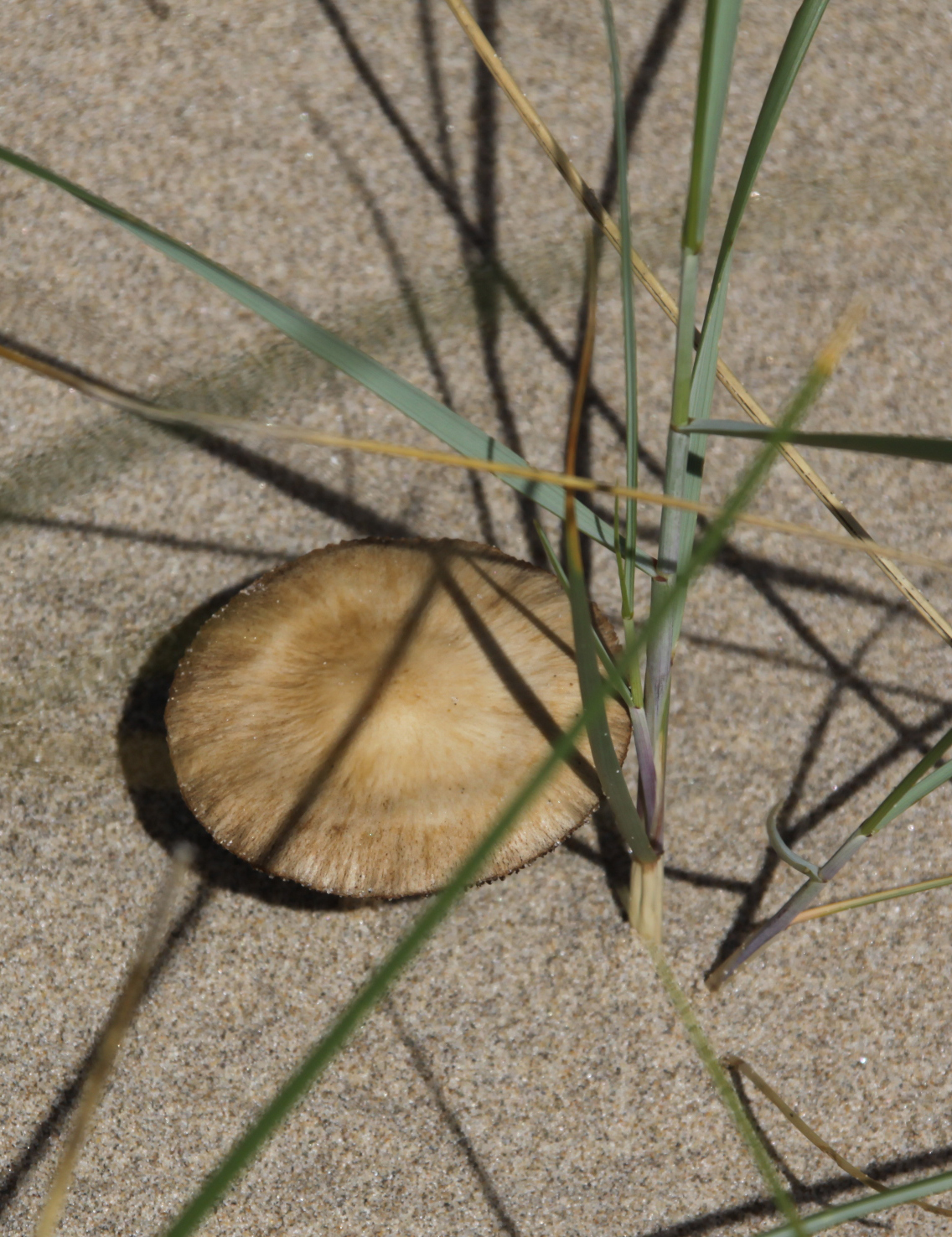
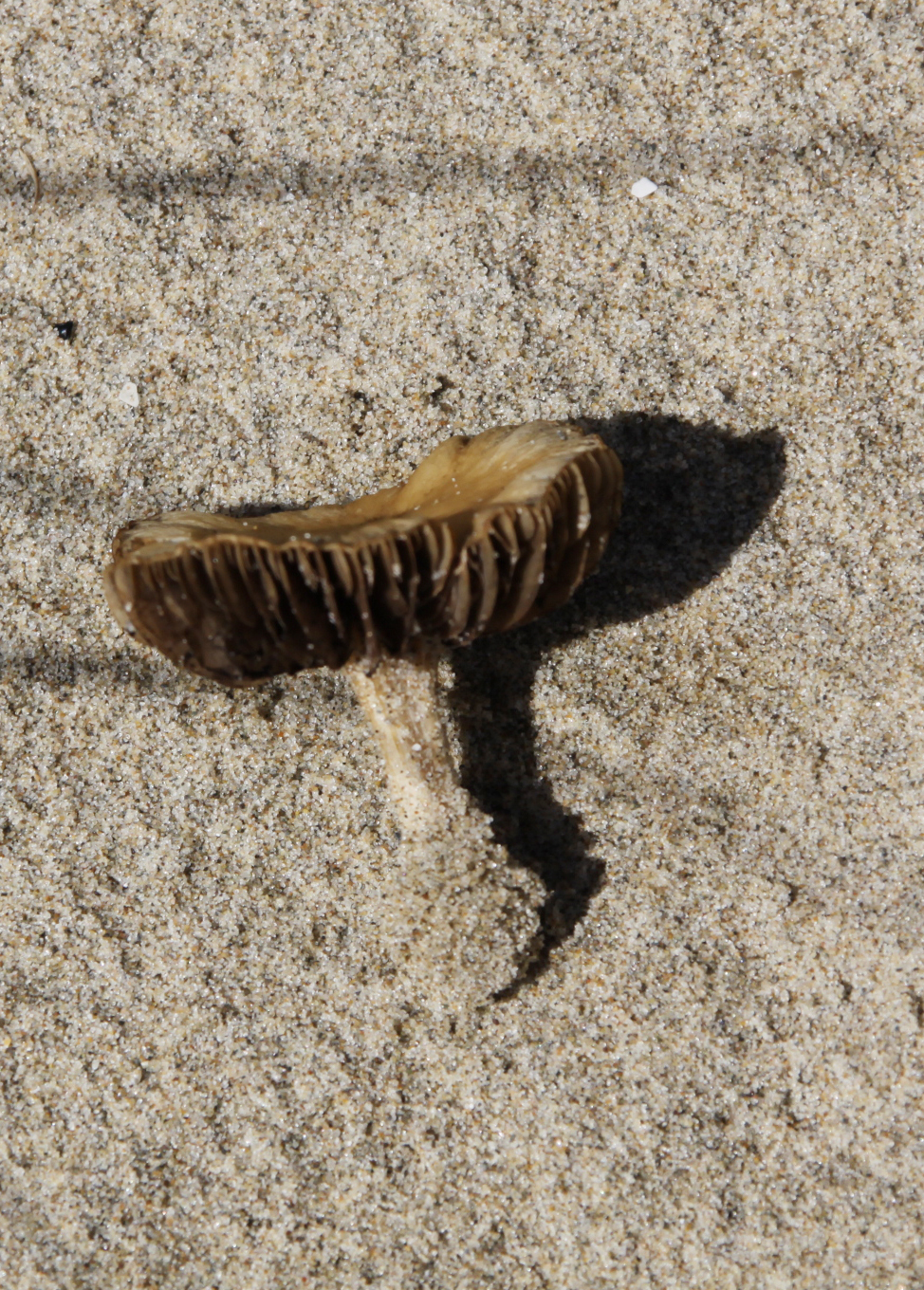
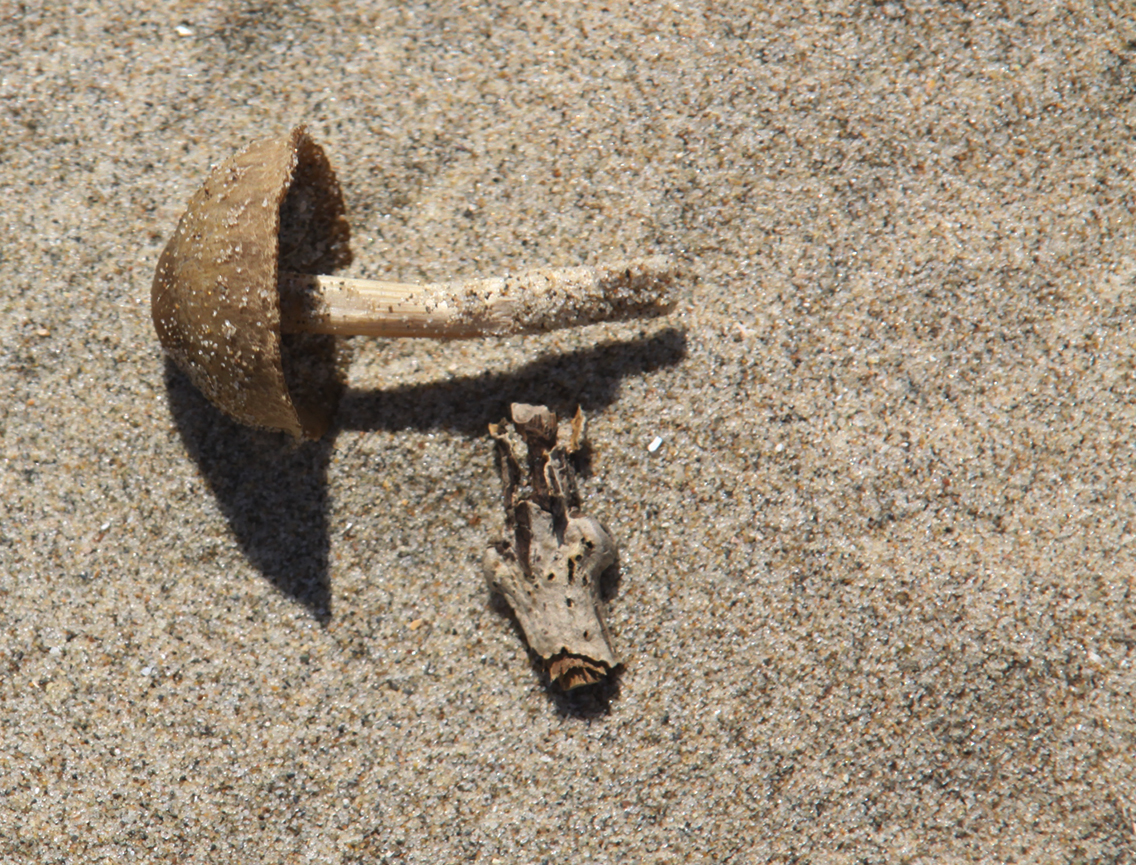
Dune Brittlestem.  Psathyrella ammophila.  I often see these toadstools in the sand dunes, and these were two of a dispersed cluster of seven that I spotted, plus some very tiny ones. They have very dark brown gills. They grow at the base of marram grass, but in the absence of any other type of plant life.  Over time the cap begins to turn upwards, as shown here.  Apparently not poisonous, but has a very unpleasant flavour.

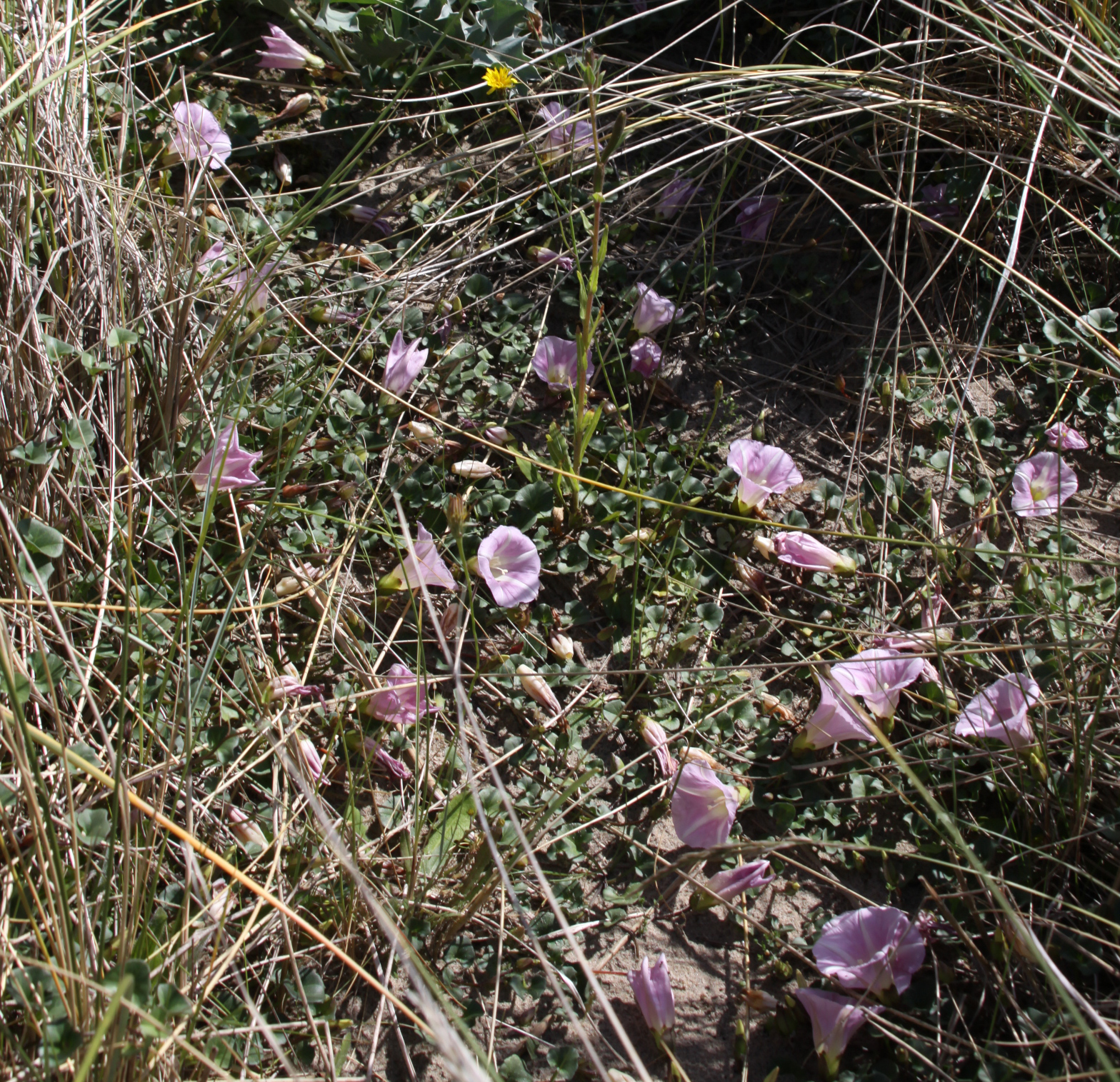
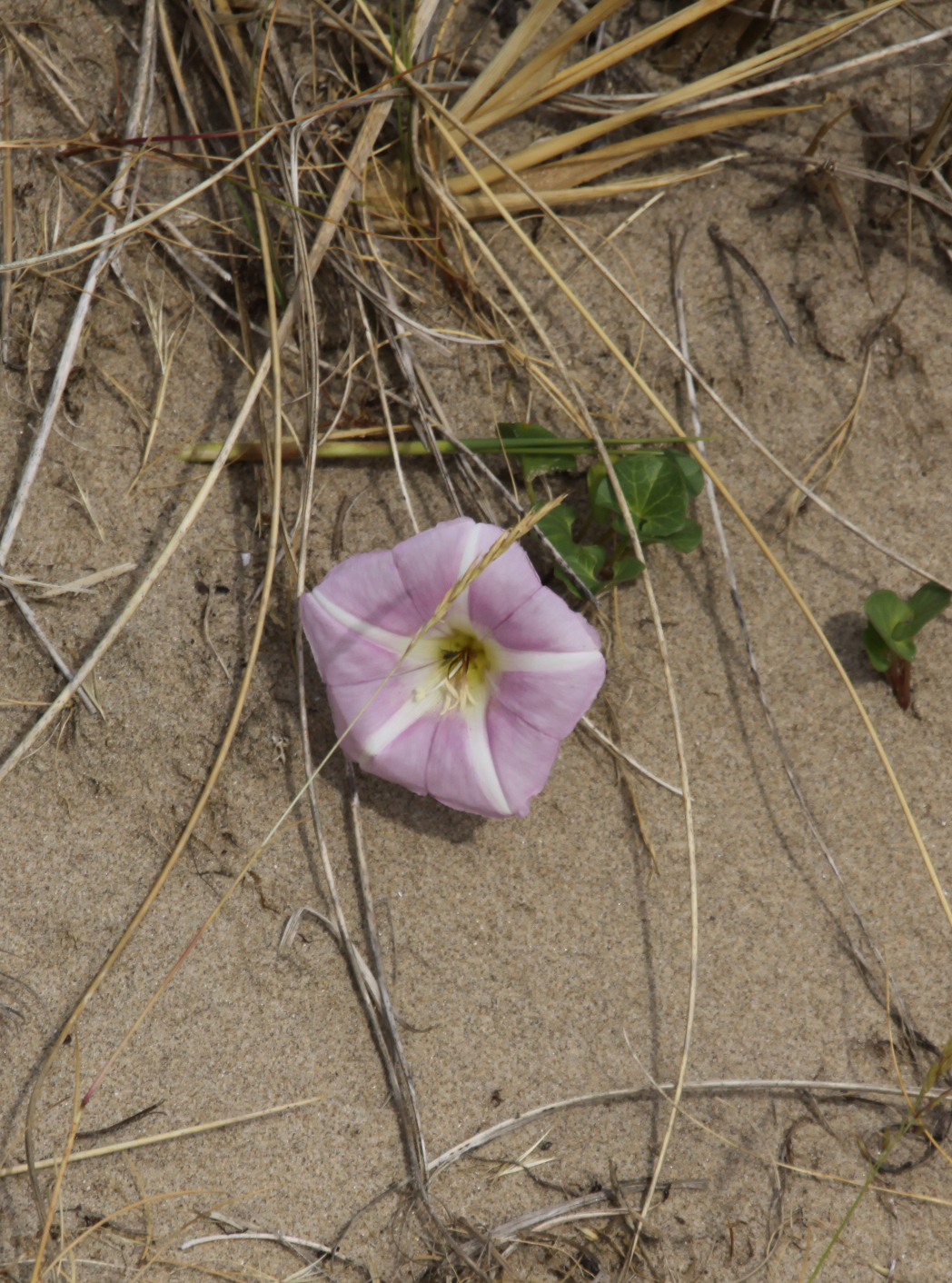
Sea bindweed (Clystegia soldanella) is a member of the convuvulus family.  The lovely pink and white striped flowers look like field bindweed, but are much bigger, and the kidney-shaped, slightly fleshy and waxy leaves quite different.   They spread from a rhizome that not only helps to fix them in the sand, but helps them to gather water, and helps to fix stabilize sand dune.  This was part of a fairly vast network very near the top of a very exposed sand dune, on the sheltered side.

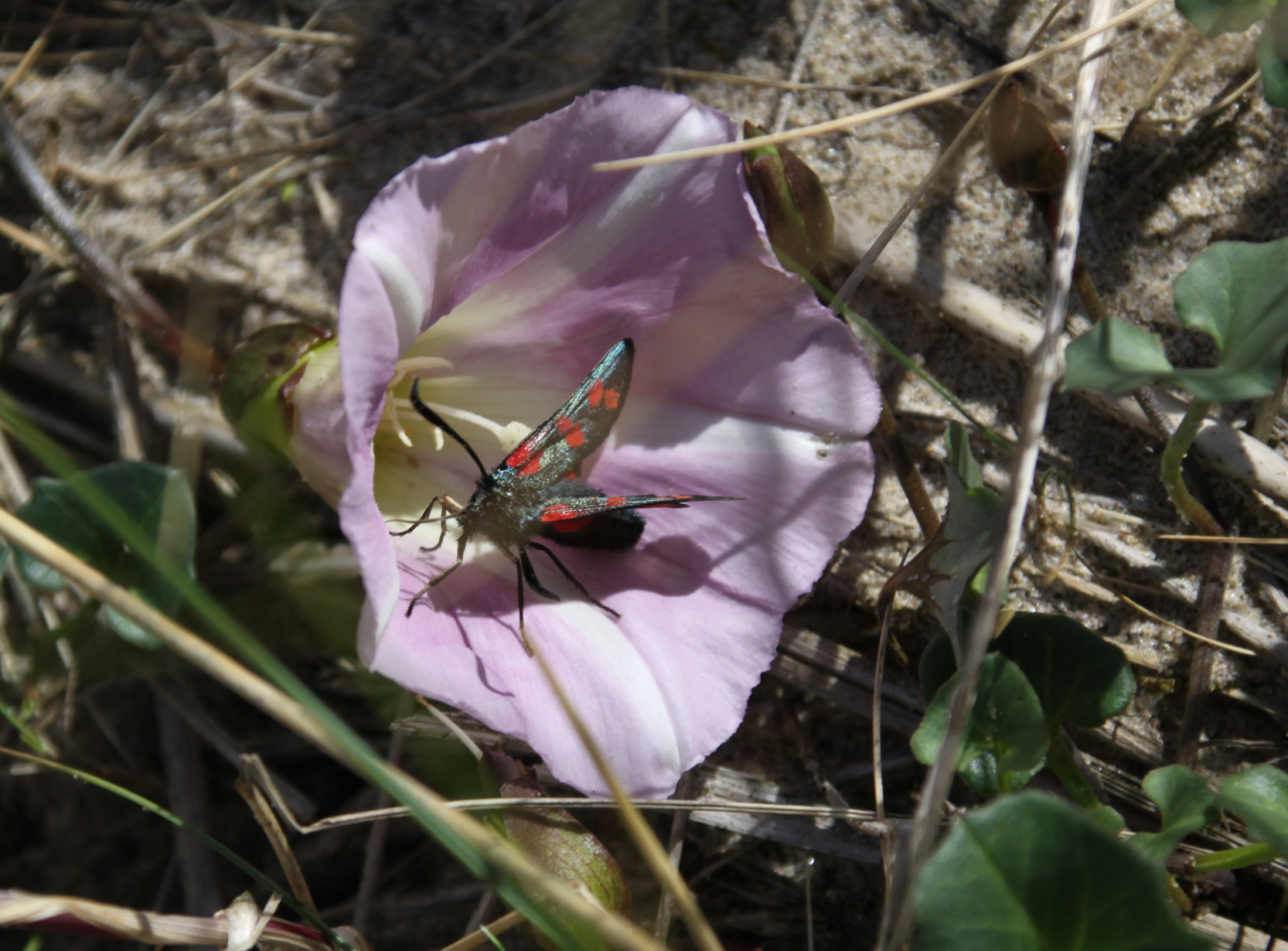
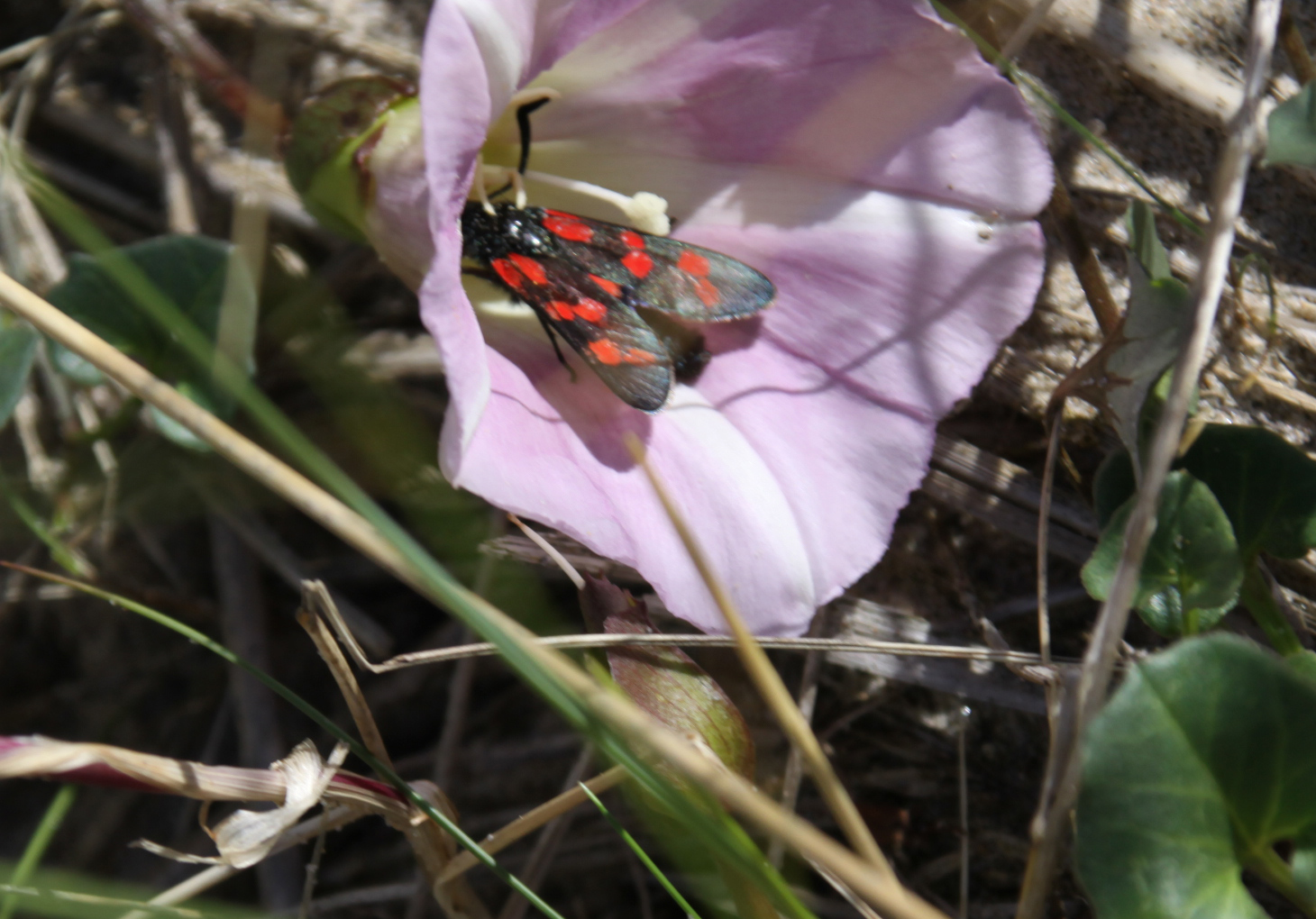
Six-spot Burnet (Zygaena filipendulae).  Lovely blue-back wings and bright red spots make this very easy to see when it is moving around in a flower.  There are two types of Five-Spot Burnet as well (Zygaena trifoli and lonicerae).  The rear wings, hidden hear under the forewings, are red with a black fringe.  They particularly like bird’s foot trefoil but can be found between June to August in most grassy areas and sand dunes, although I don’t recall seeing one in the dunes before.

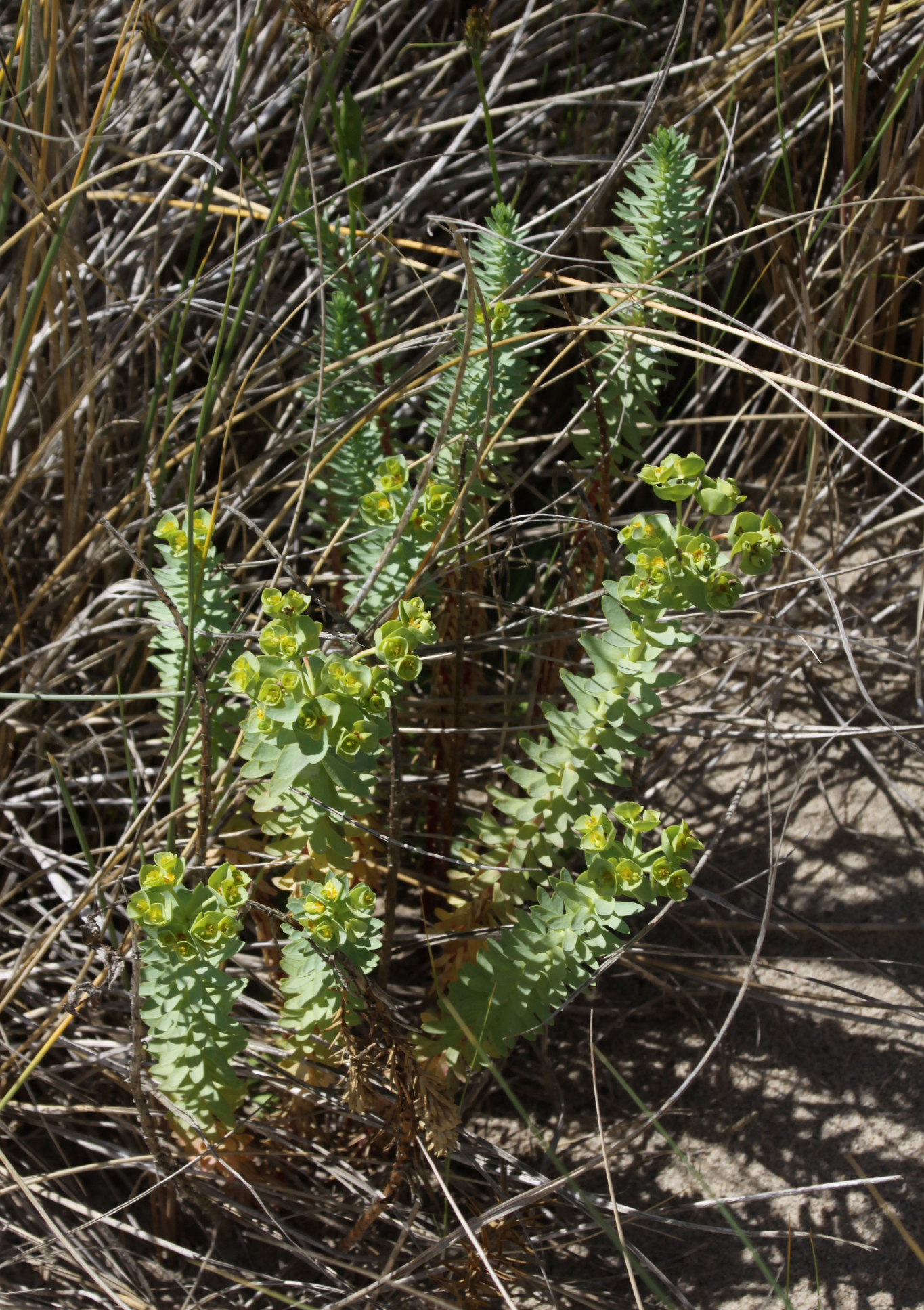
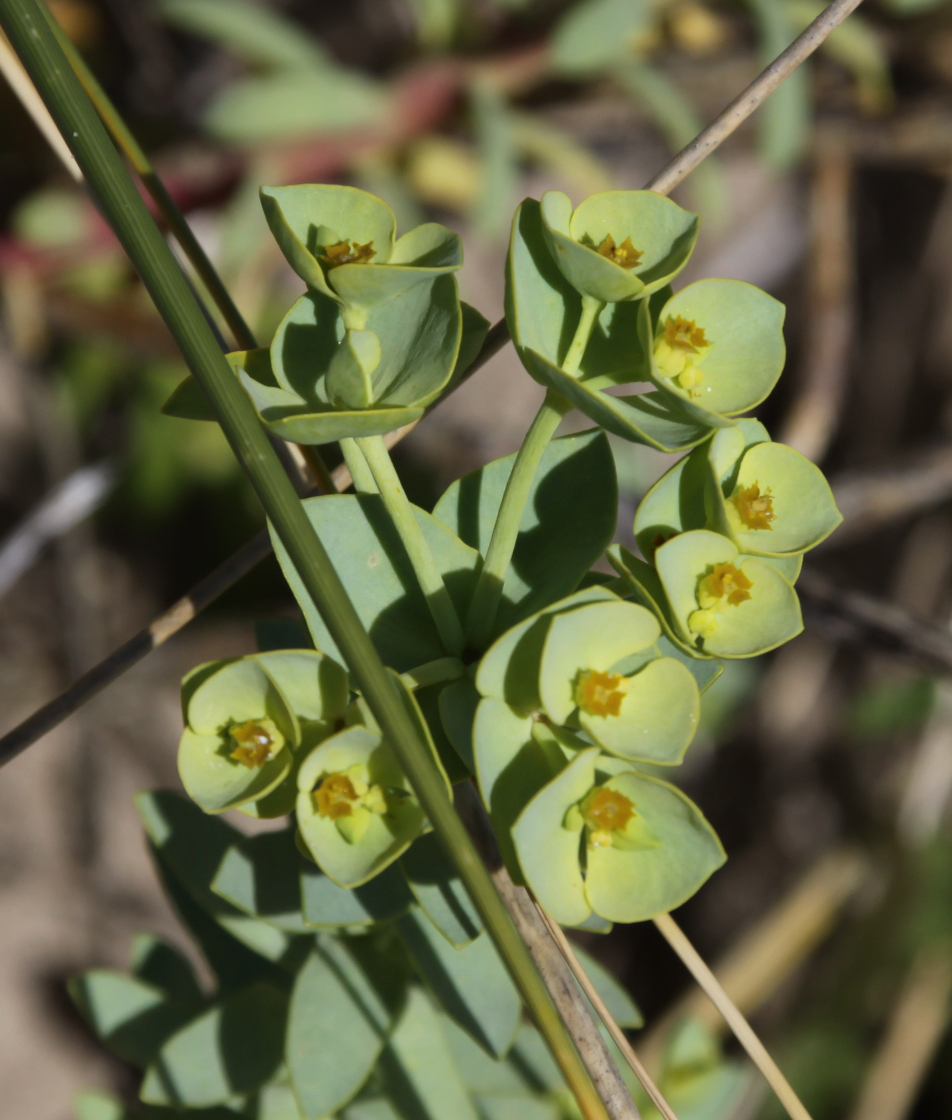
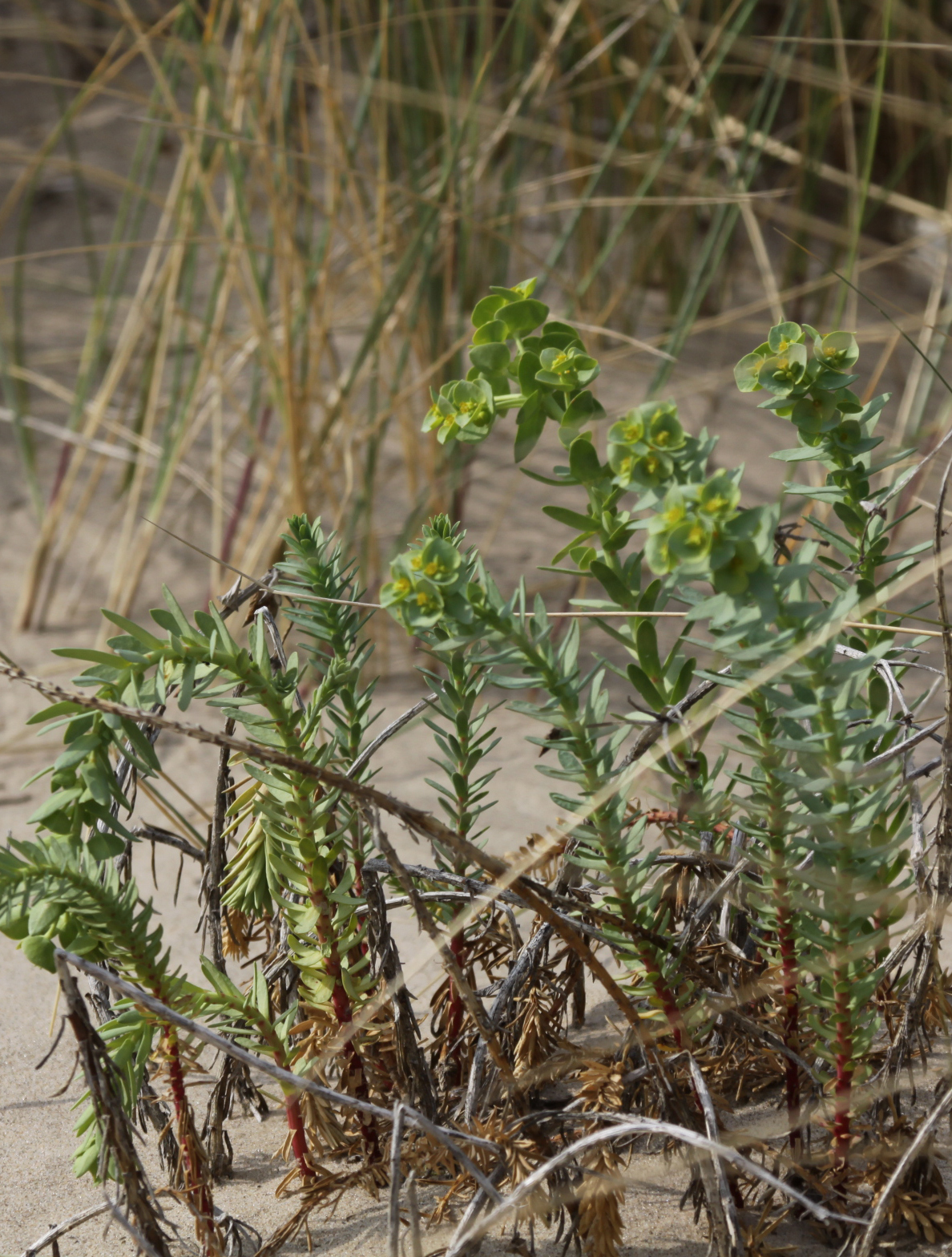
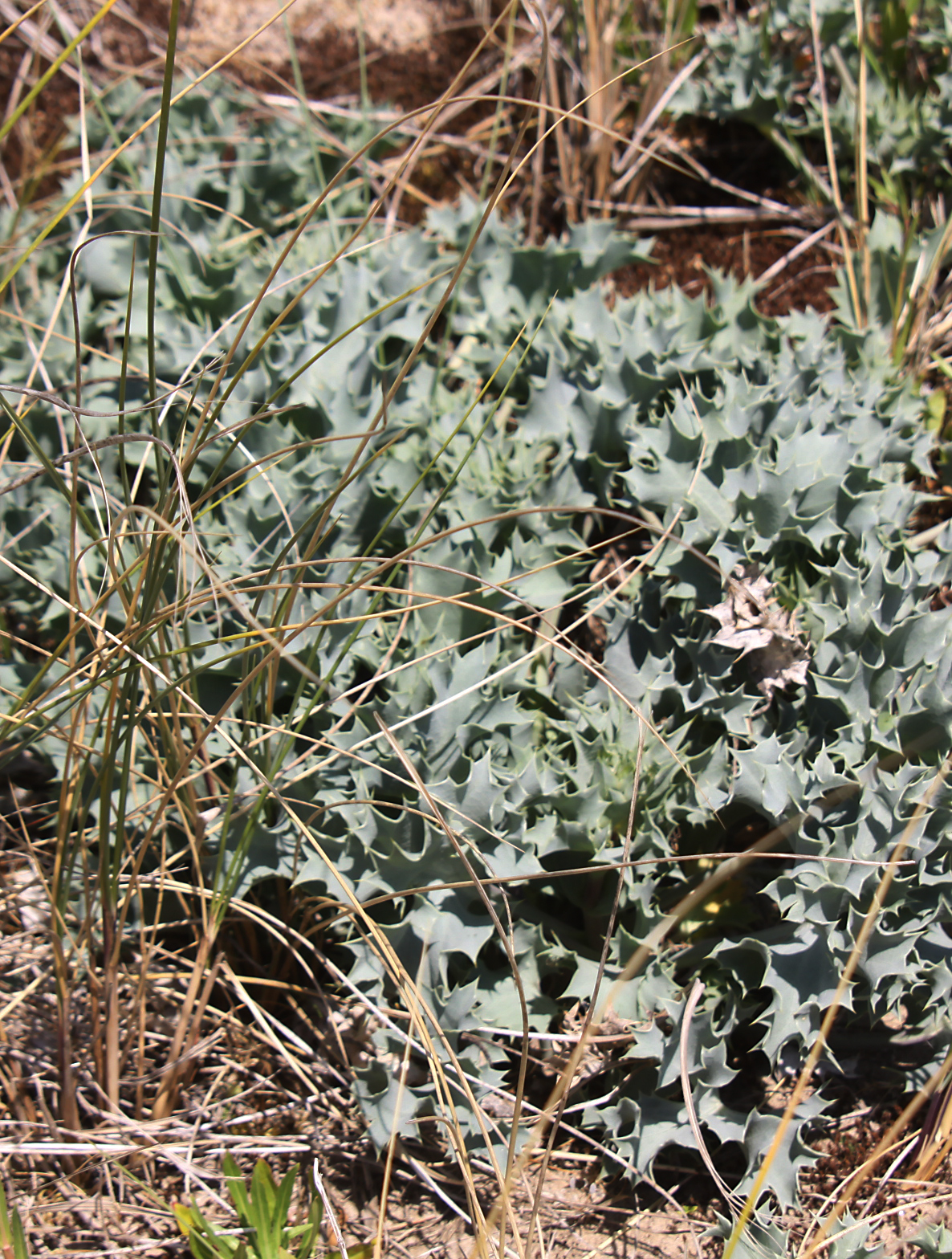
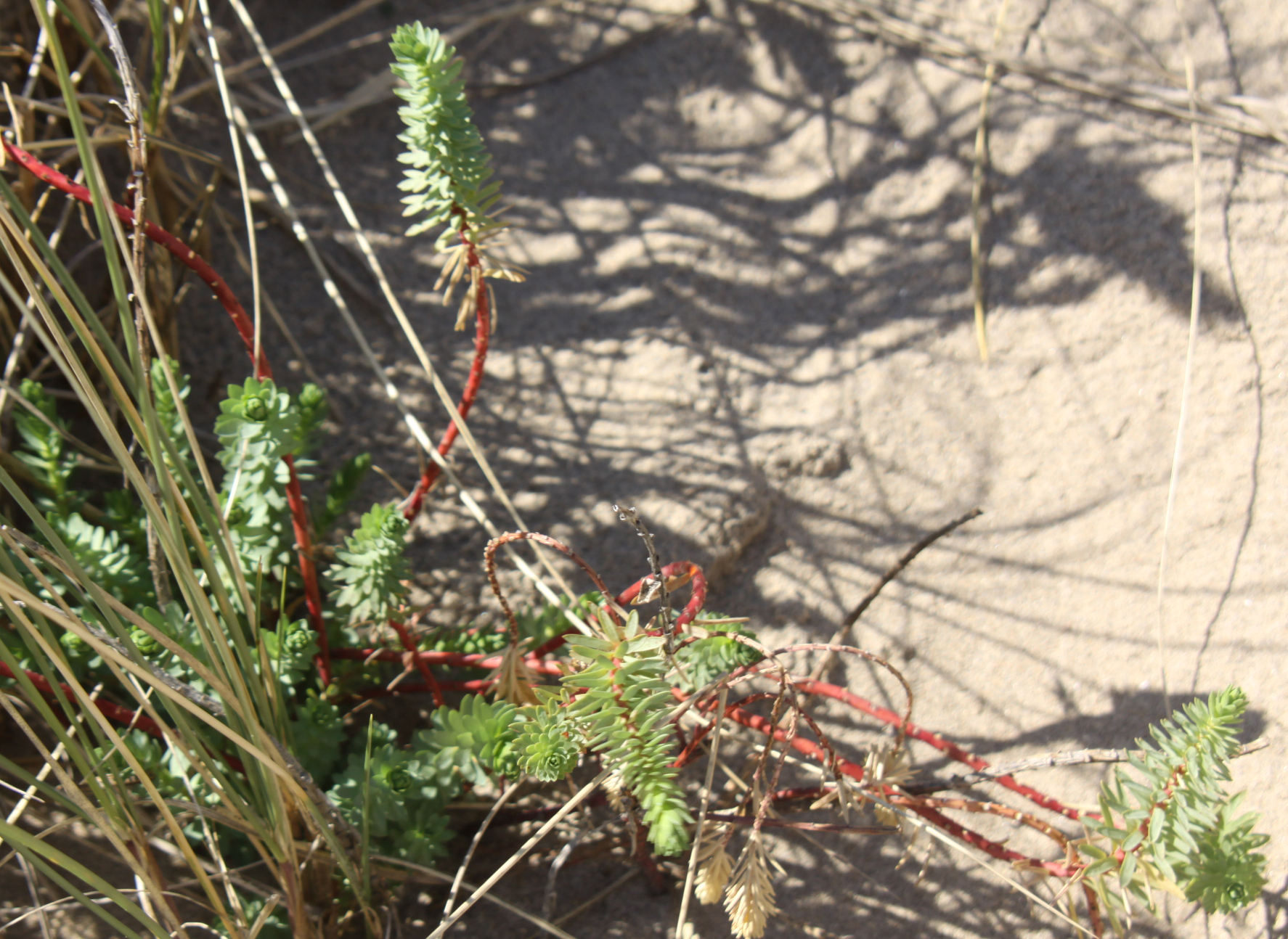
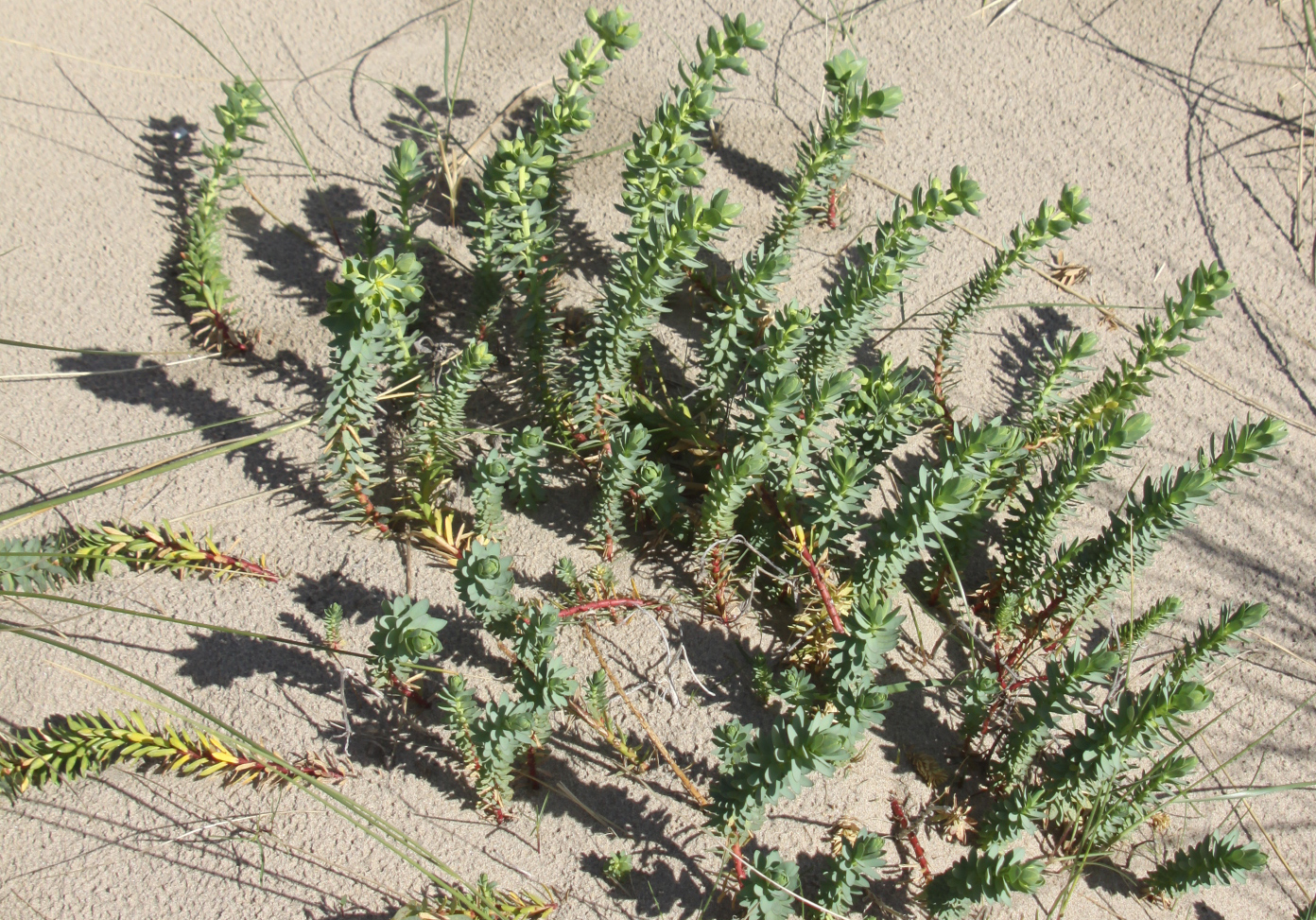
Sea spurge (Euphorbia paralias).  An upright perennial that inhabits sand dunes and rocks.  The tiny yellow flower is protected by large greenish bracts.  It has slightly succulent evergreen leaves that march up the stem and which, like all succulents, minimize water loss.  It’s poisonous.

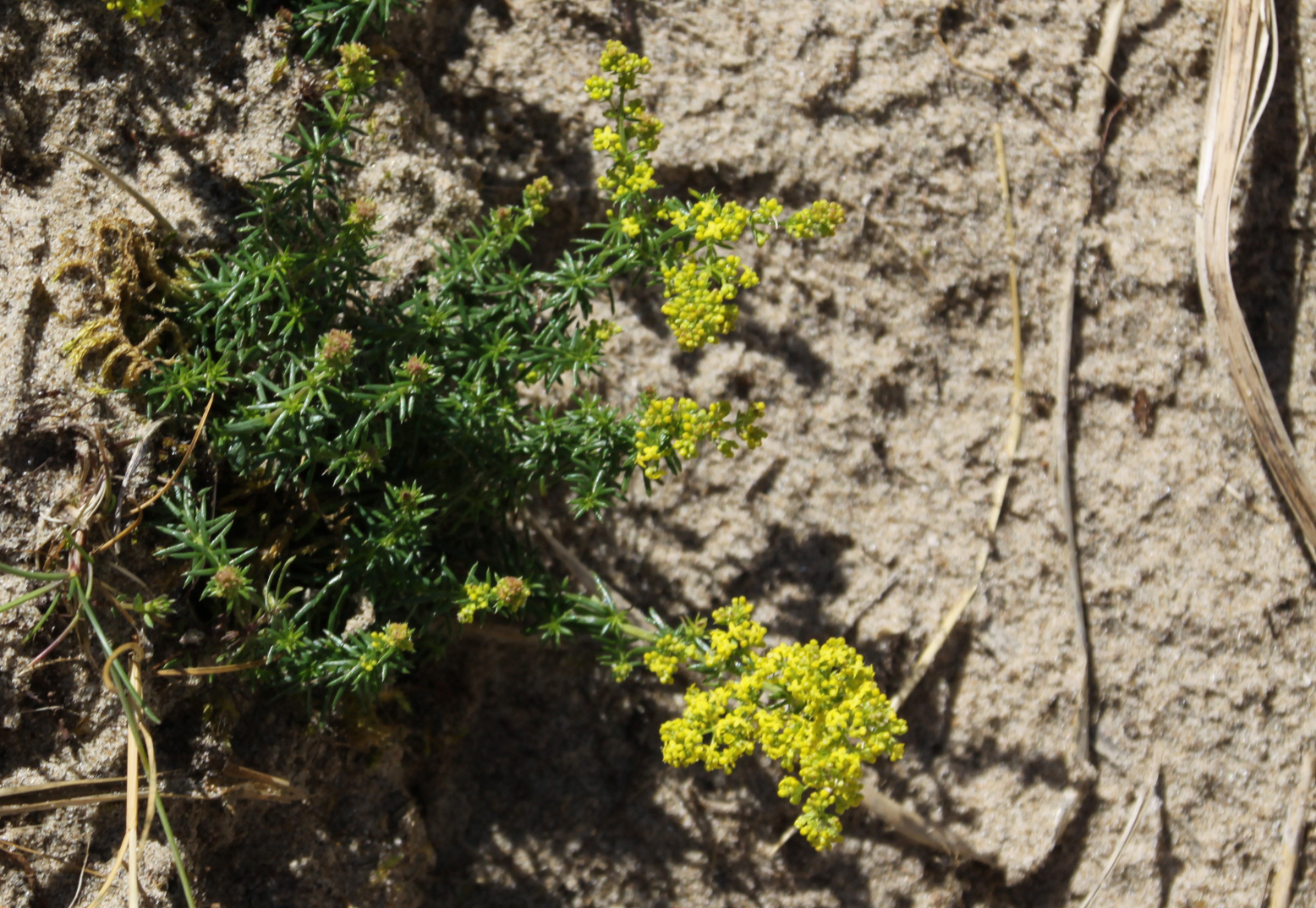
Lady’s Bedstraw (Galium verum).  Well adapted to grassland, scrubland and sand dunes, it spread along the ground, its flowers sometimes slightly upright.  The leaves are distinctive, growing in whorls around the slender stems.  The flowers form in small branches of clusters.  Apparently it gets its name because it was used to stuff mattresses.  In Germany it is called Mary’s bedstraw because the Virgin Mary was supposed to have given birth on a mattress of bedstraw.  They have a slight aroma of honey, but when dry they small of hay.  It was used in cheese making in the past, as it contains an astringent that curdles milk.

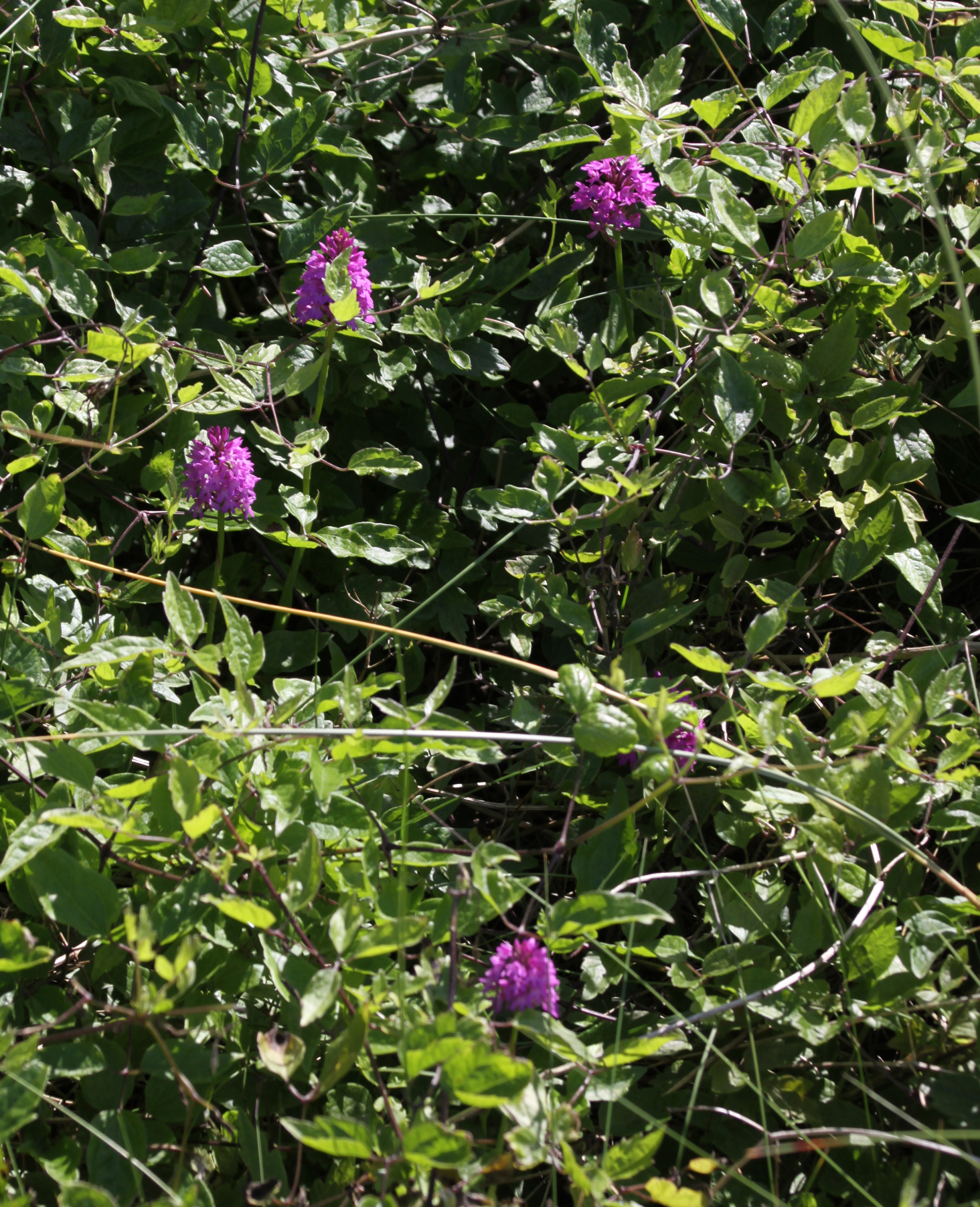
The pyramidal orchids that were dotted around earlier in June, had spread widely through the lusher parts of foliage at the base of sand dunes, and were easily spotted.

Hawkbit, Hawkweed? They are all so similar that it’s impossible to tell, even with photographs of the underside as well.

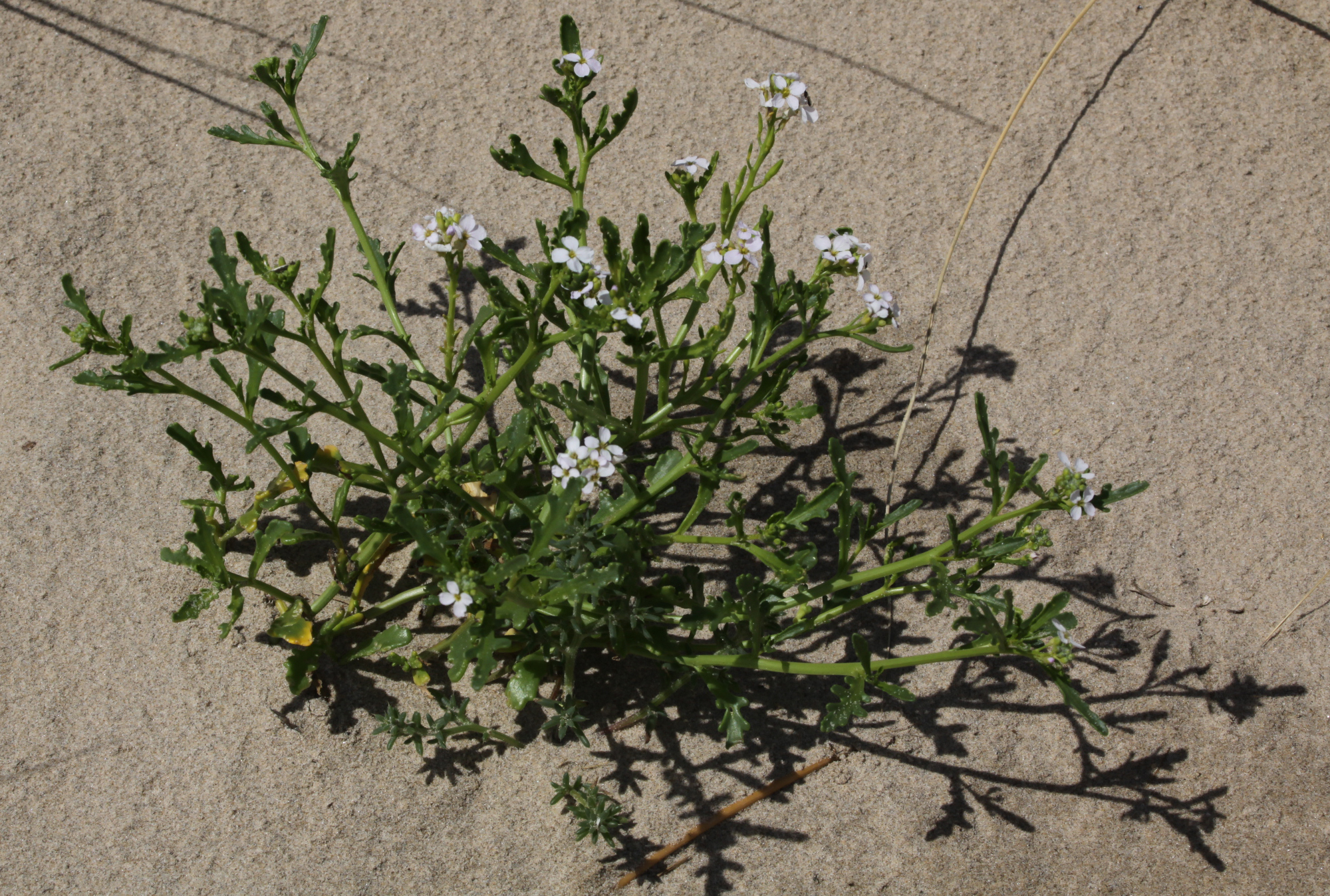
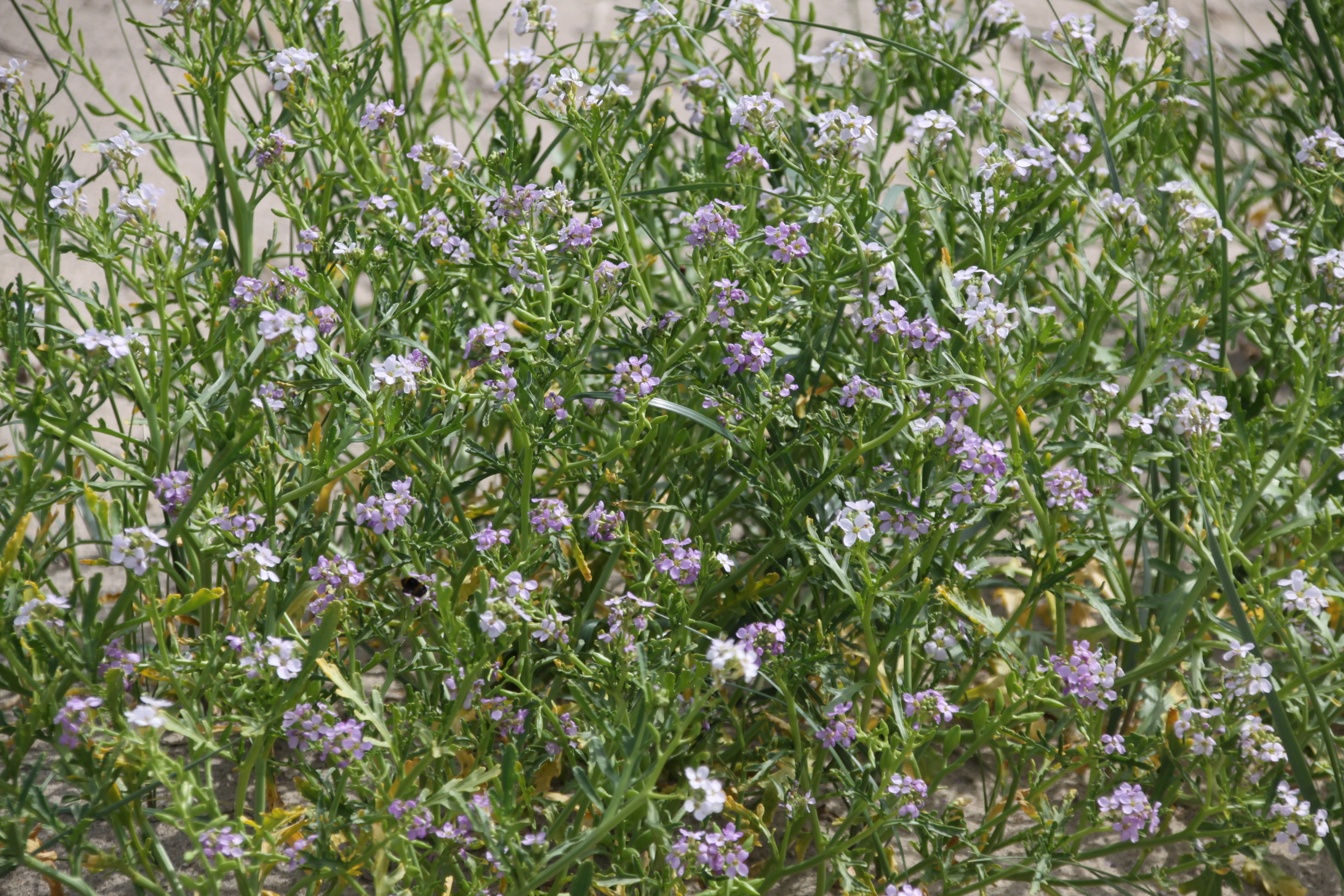
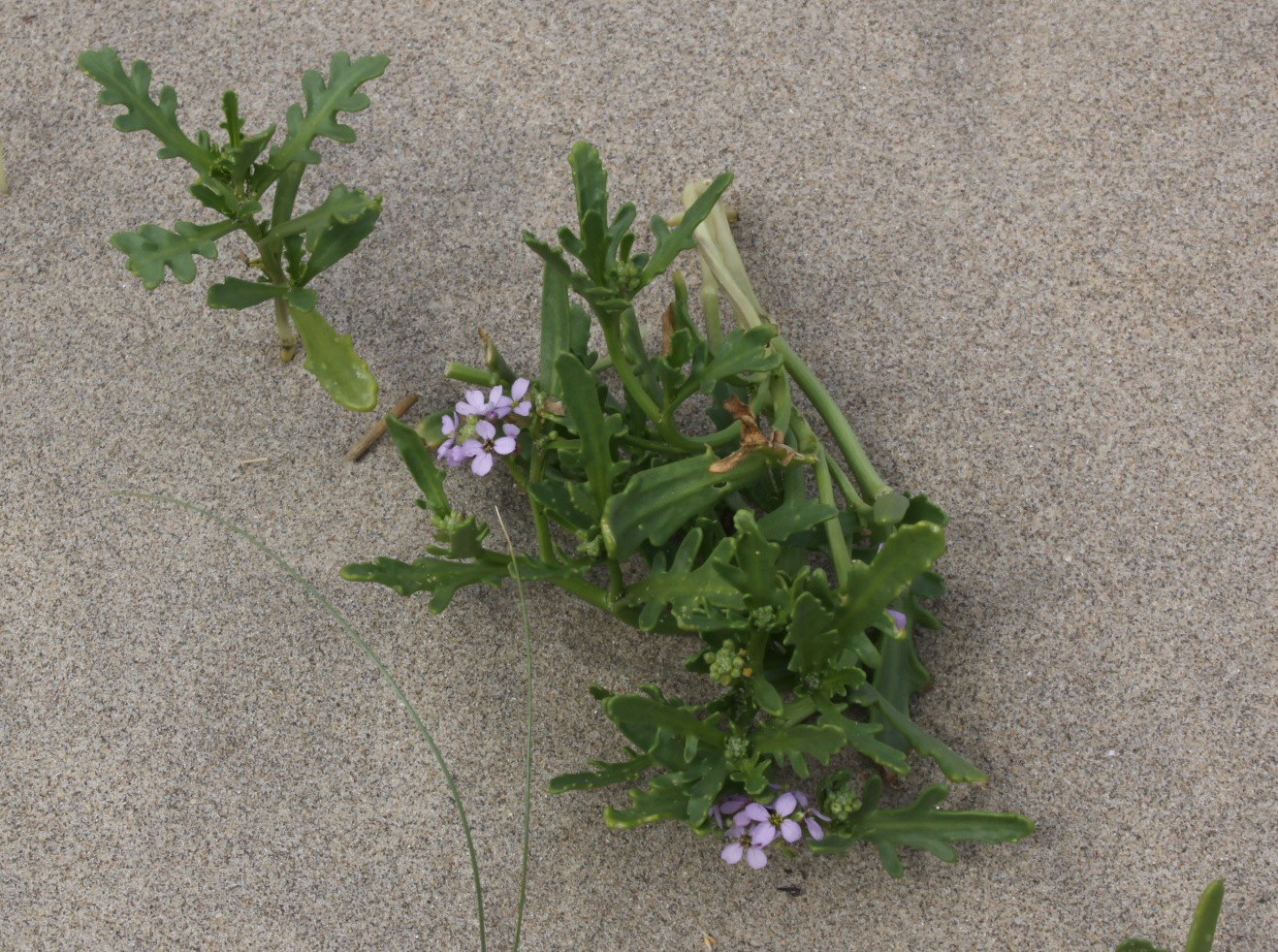
Sea rocket (Cakile maritima).  An annual member of the Brassicaceae or Cruciferae Mustard) family, which is happy in very barren areas, and can grow in unprotected sand, colonizing large areas if left undisturbed.  They combine succulent leaves that retain water with long taproots which search for water deep beneath the surface.  Flowers can be lilac, pink or white.  It does not object to being buried in sand for extensive periods, and its seeds can float unharmed on the sea.  The leaves, stems and flowers are edible and are rich in vitamin C but have a very bitter taste, so if using the leaves in salad, they are best used young.

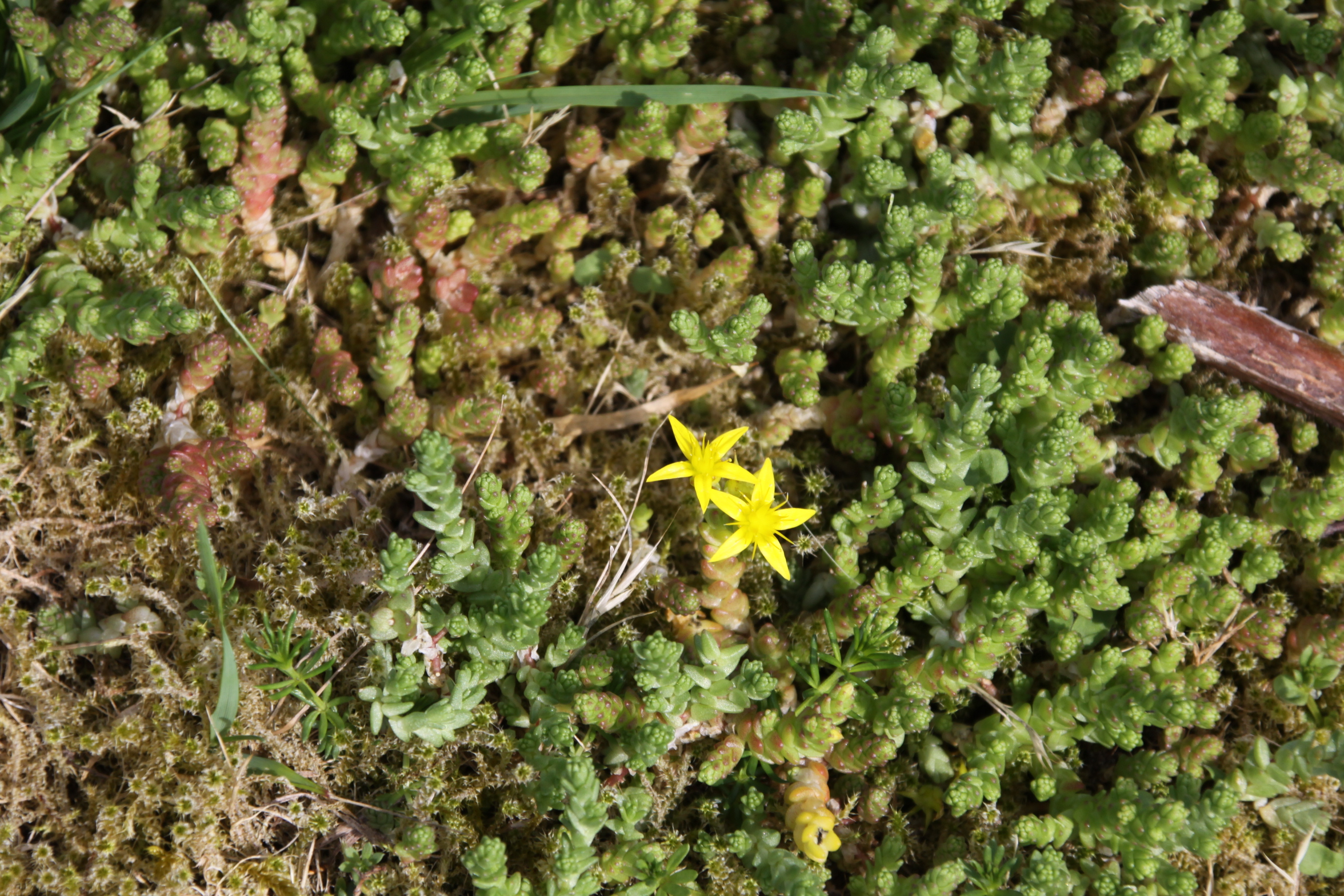
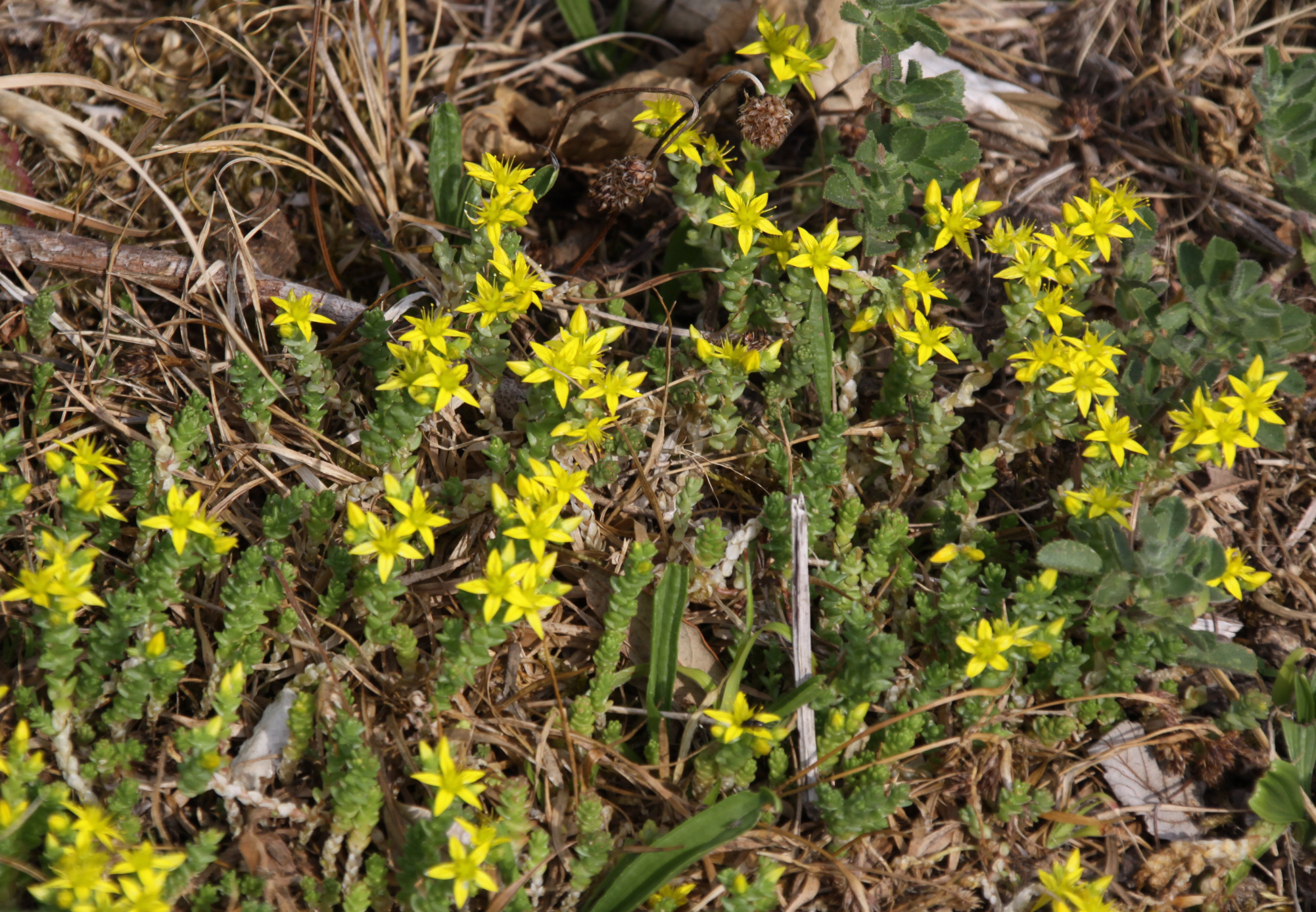
Biting stonecrop (Sedum acre).  An evergreen perennial that forms mats with strong stems and short, thick and waxy succulent leaves that retain water.  It is drought tolerant, and is perfectly happy in inhospitable sand dunes and rock cracks.  Not poisonous, but not edible.

I always like to walk up Balkan Hill on the way back home, because the verges are an excellent mix of escapee garden plants and true wild flowers.

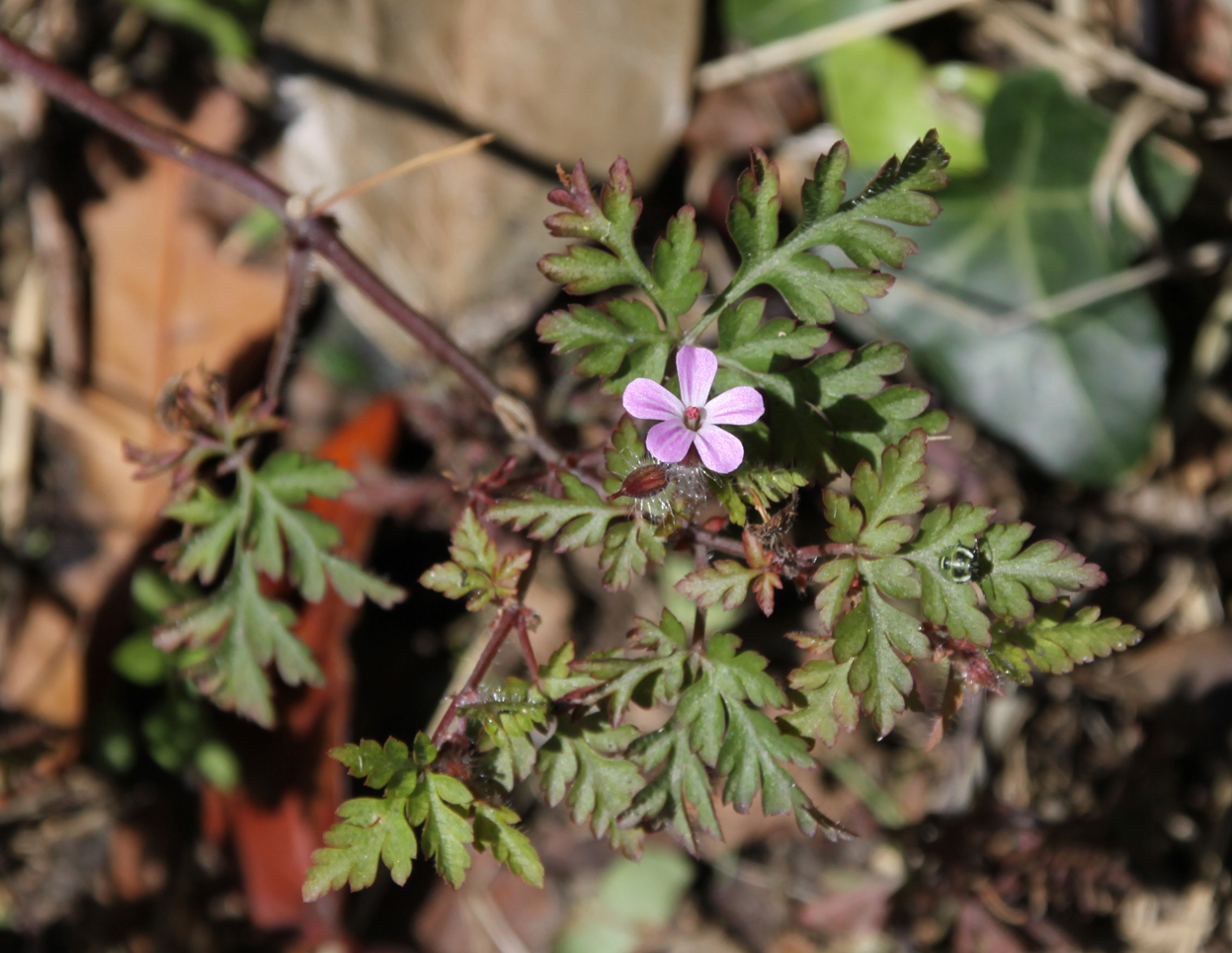
Gardeners will be very familiar with Herb Robert (Geranium robertianum), which has a small, pretty flower and red-tinged leaves, but is ruthlessly invasive.  Fortunately it pulls out very easily with the root attached, but it spreads like crazy.  The leaves are slightly scented.  The name geranium derives from the Greek word Geranos, “crane,” referring to the long, beak-like carpels.

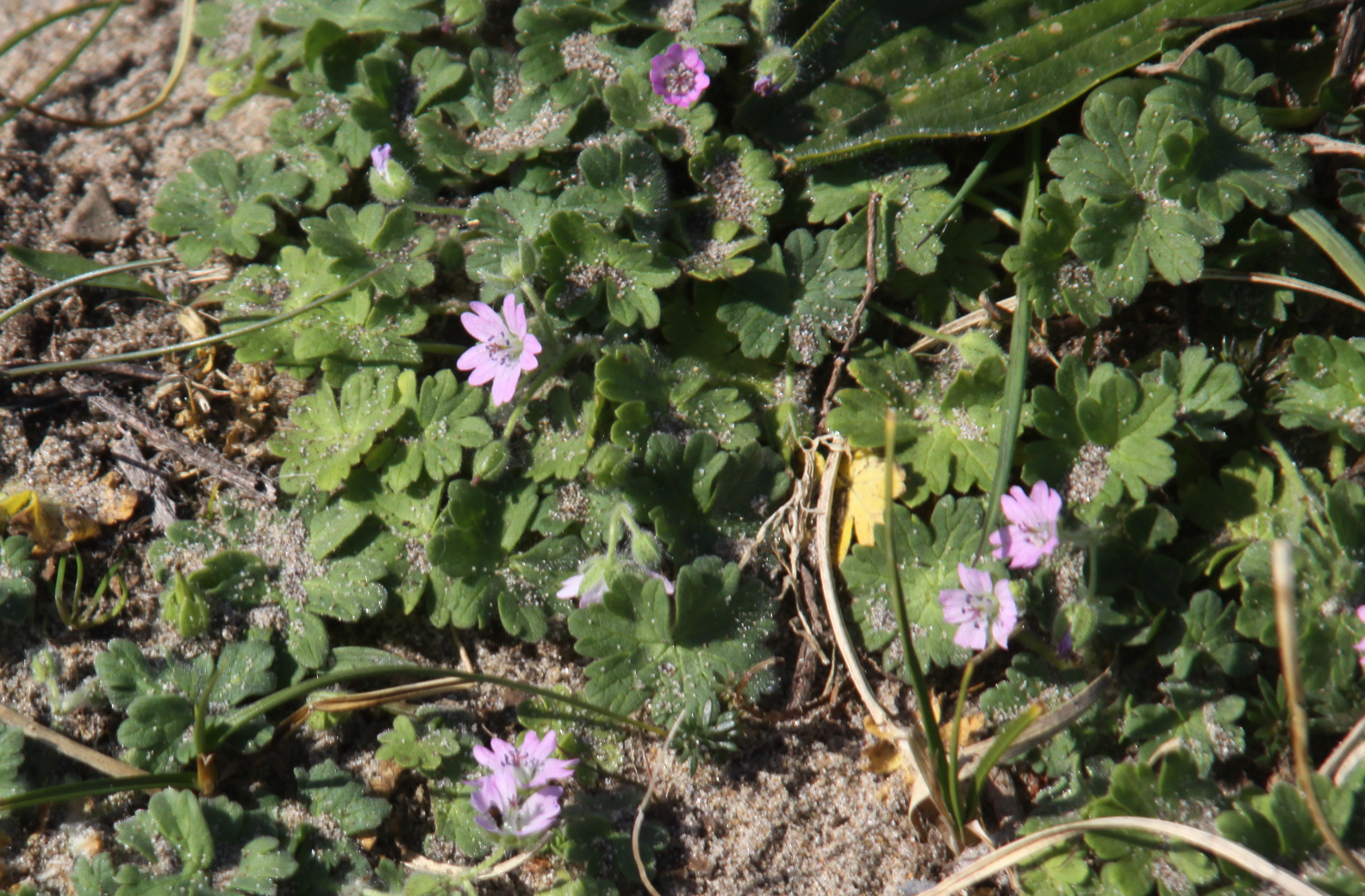
Dove’s Foot Crane’s-bill (Geranium molle).  An annual member of the geranium family, with explosive seed pods that spreads widely on wasteland, verges and sand dunes.

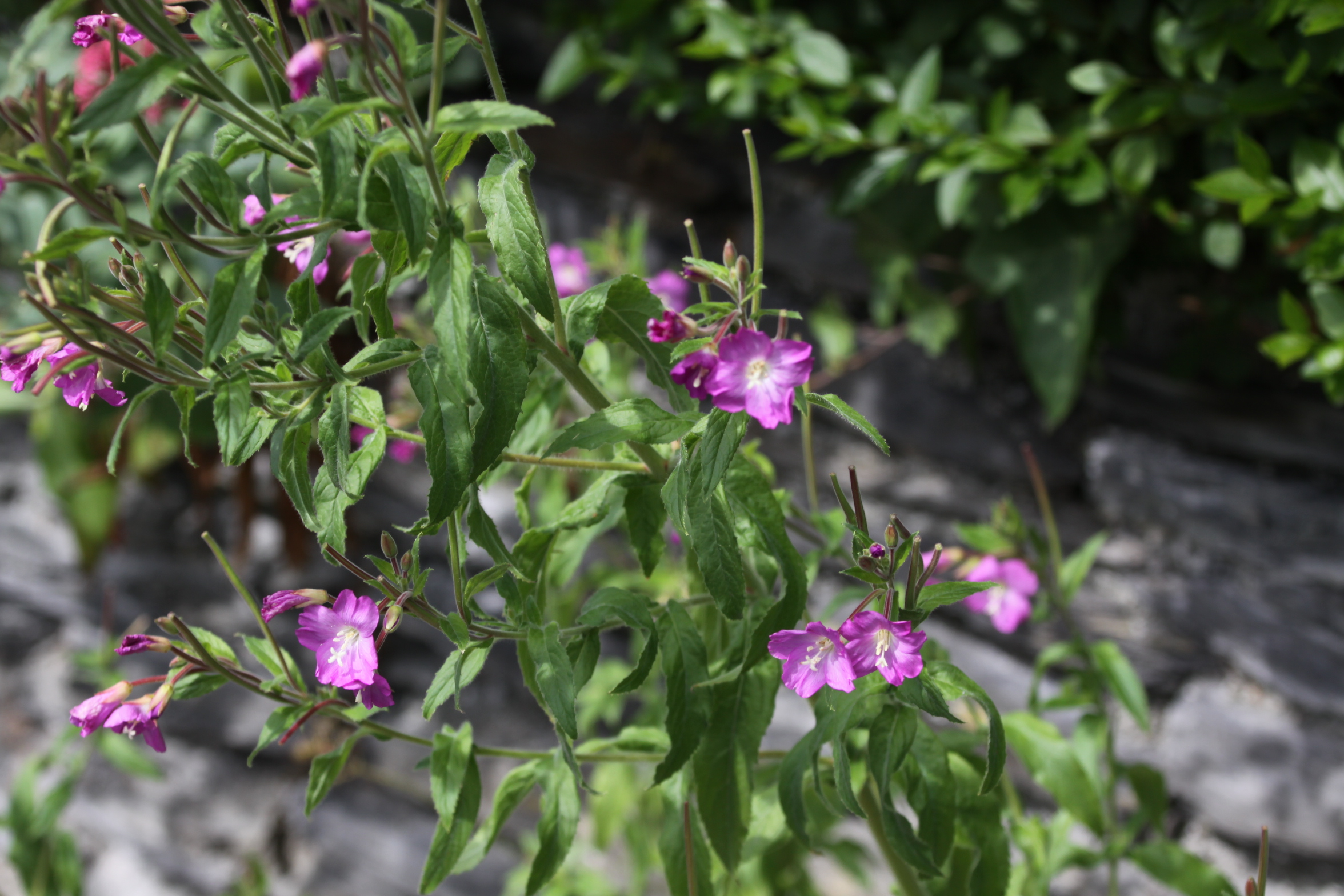
Great willowherb (Epilobium hirsutum).  A common garden weed, as it spreads both by seed and rhizomes, giving it a great advantage.  It likes the damp, and in this case sits  where water runs down the side of the road into a drain.  the “hirsutum” in its botanical name refers to the tiny hairs on the stems.

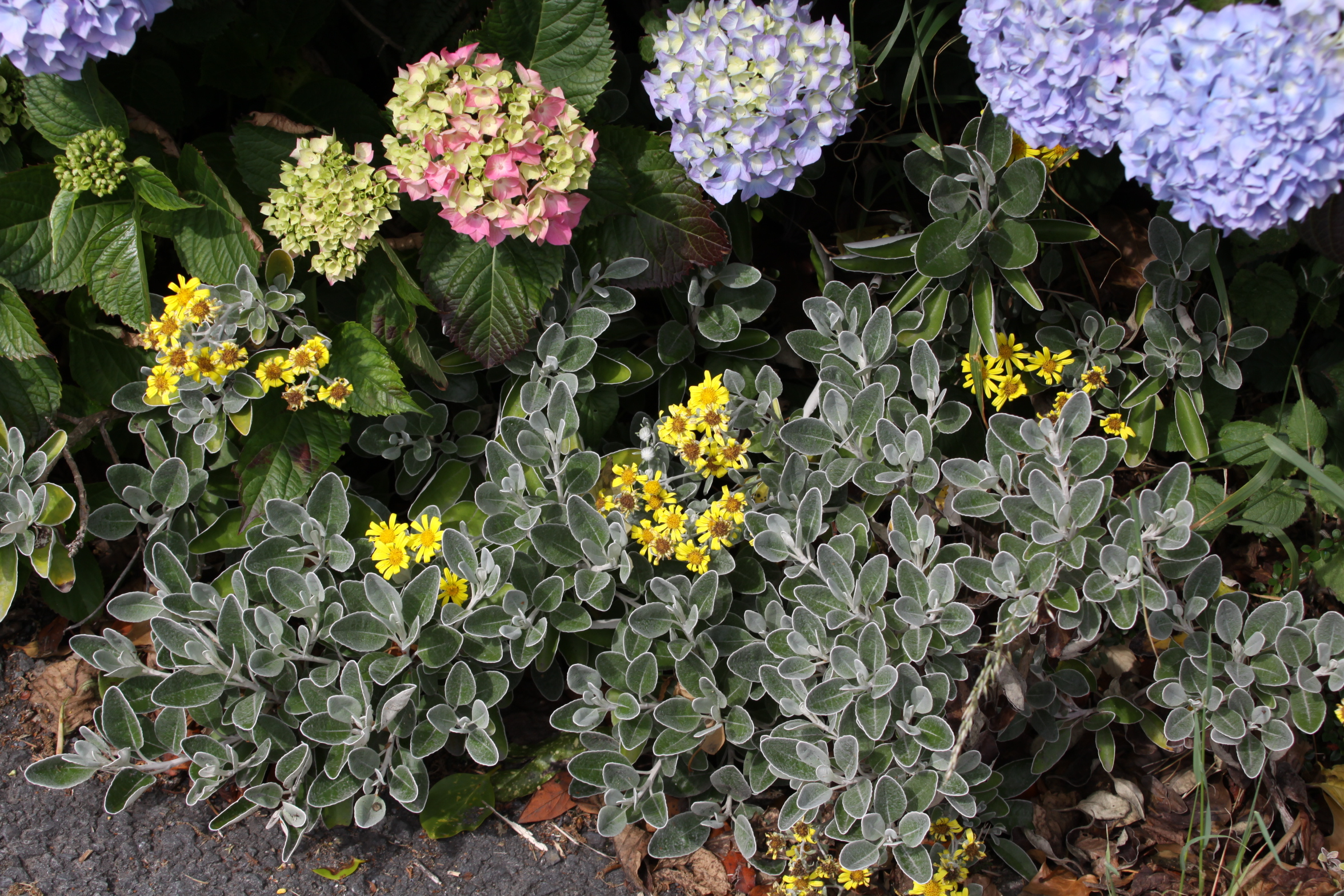
A typical mixture of feral garden flowers growing along the edge of the road on Balkan Hill, with hydrangeas in a hedge growing outwards over a patch of evergreen Brachyglottis/Senecio, an import from New Zealand, attractive to gardeners because of its lovely silvery green- grey leaves.


Aberdovey beach with the clouds gathering, wild orchids and good company

Pyramidal orchid (Anacamptis pyramidalis)

Thank goodness for my friend Caroline who came round to drop something off yesterday afternoon.  I was not at my best with a stinging eye infection, and when she asked if I wanted to accompany her on a walk I felt so grim that I wasn’t at all sure it was a good idea, but I was so fed up of being stuck in the house that I simply grabbed my sunglasses and bag, and went with both gratitude and relief.  As it happens, the salty breeze did my eyes a power of good, and by the time I returned to the house, things were amazingly improved.

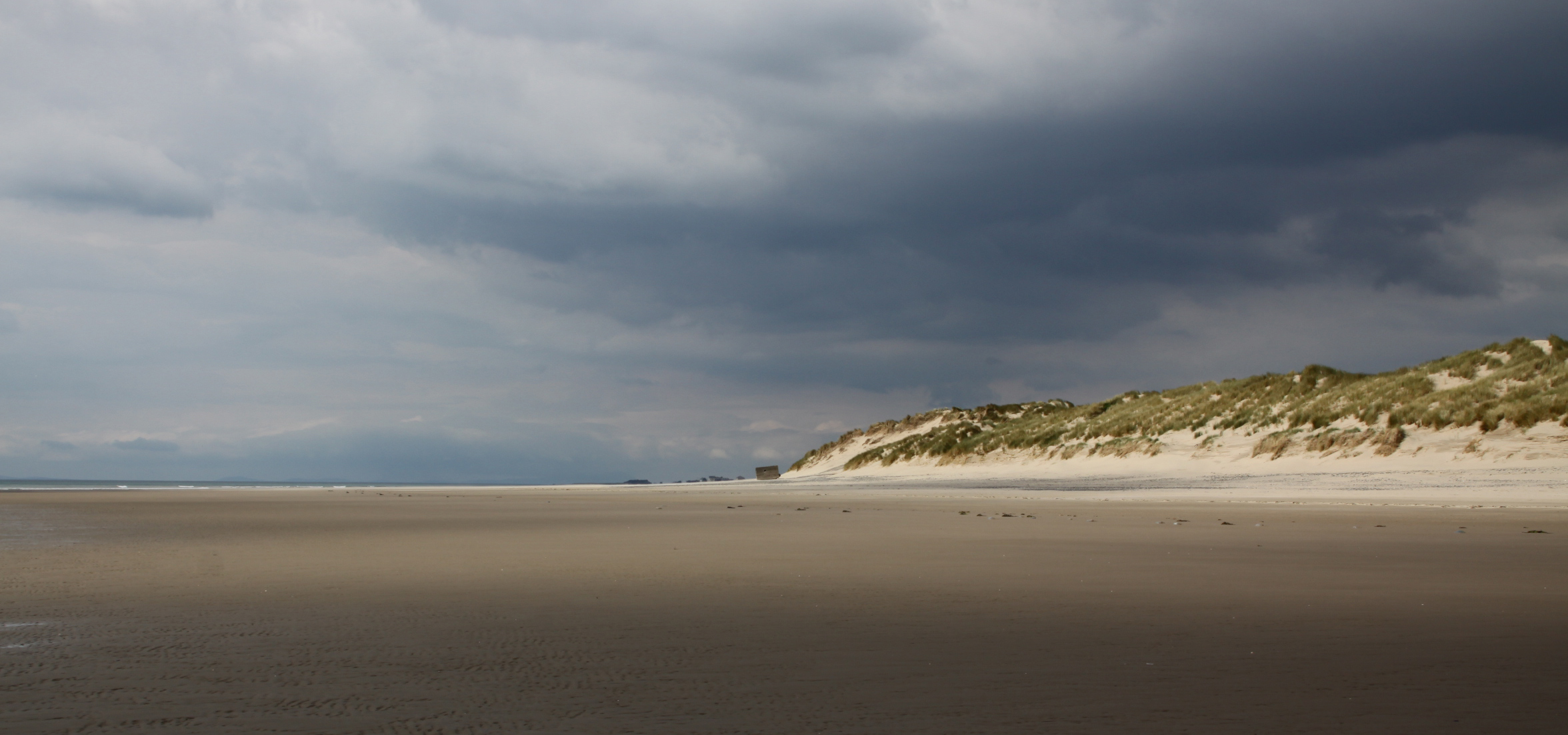
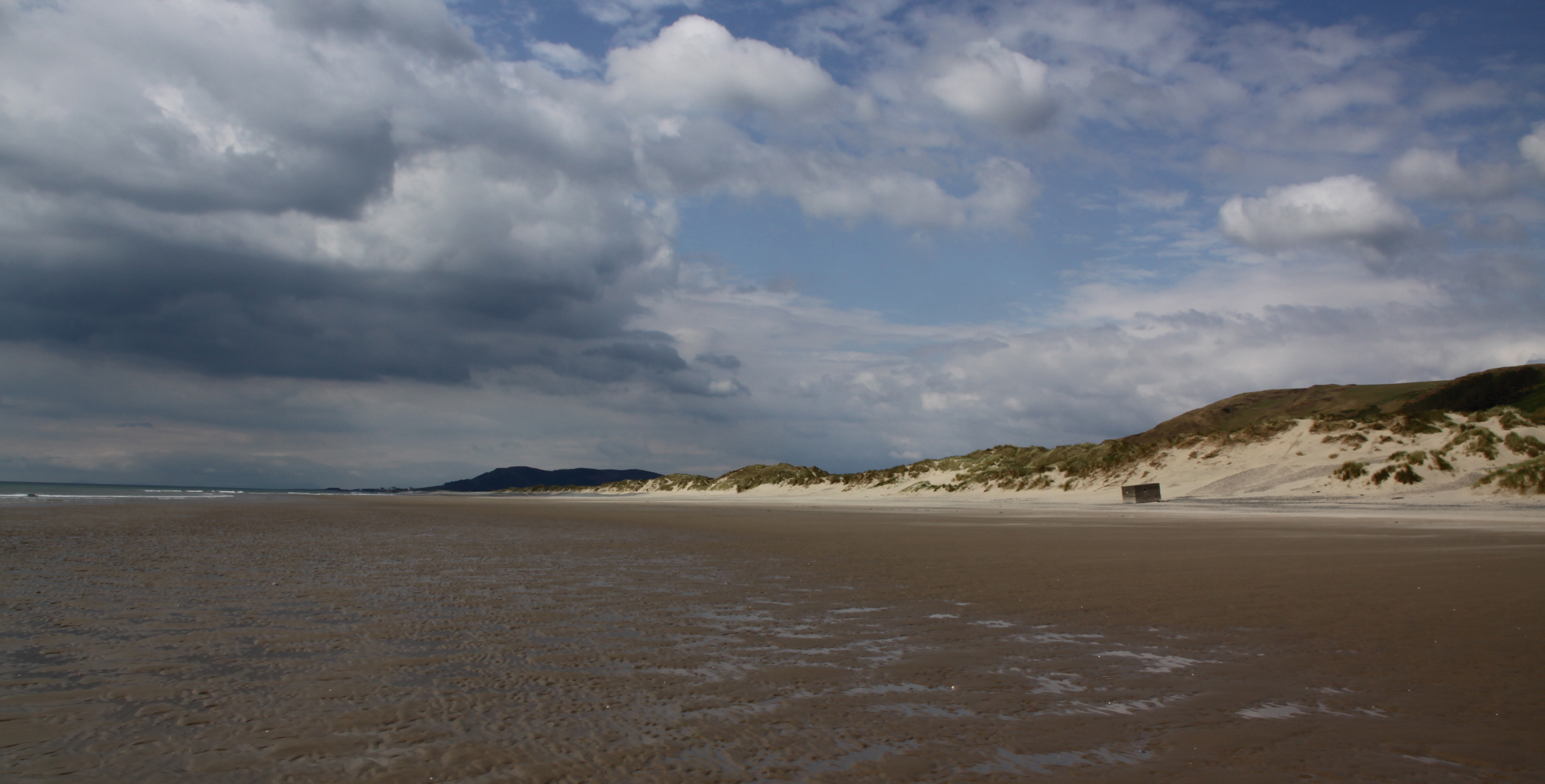
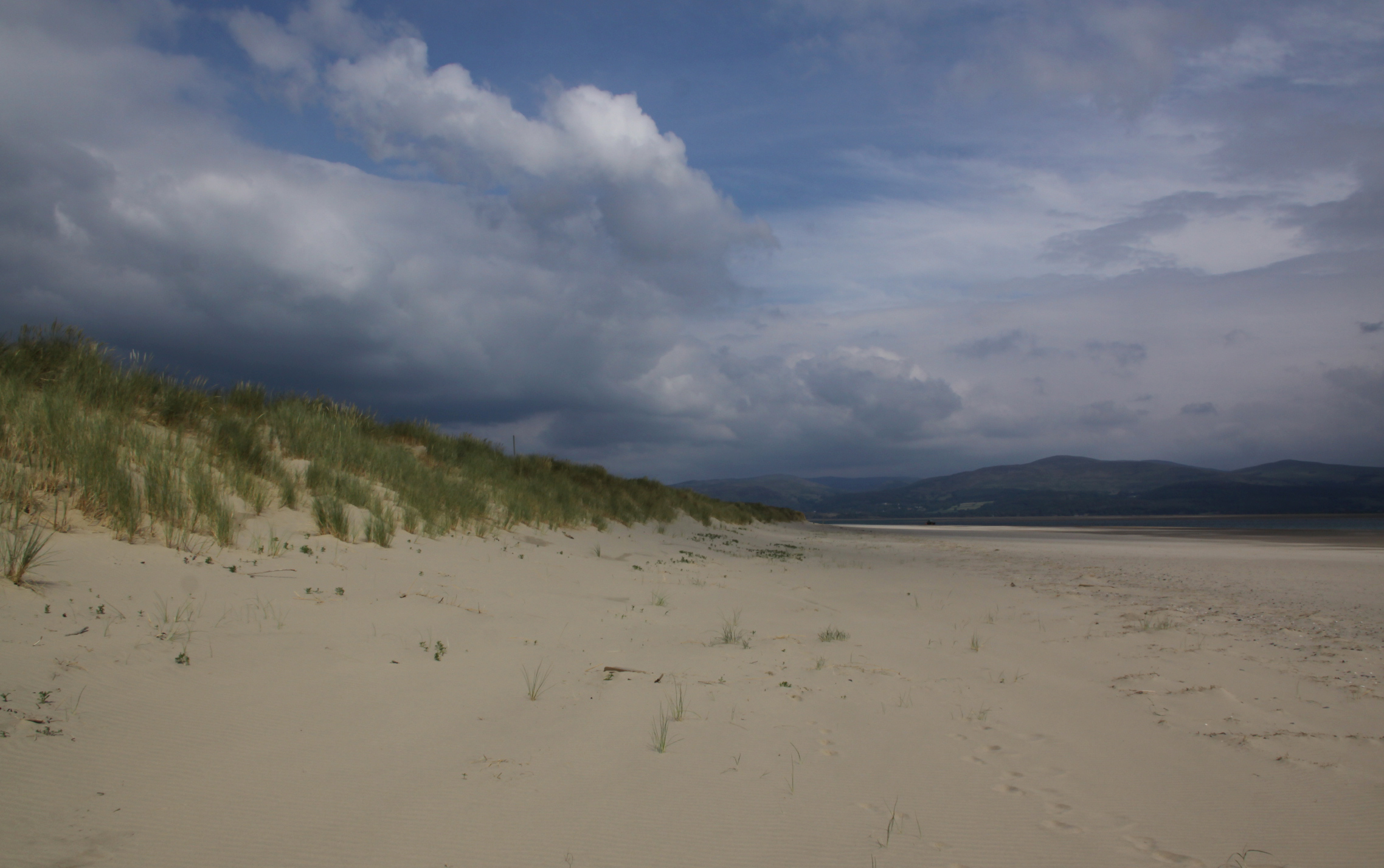
As we walked down the hill, maintaining diligent social-distancing, which we did for the entire walk, the weather looked iffy.  Although there were a few white fluffy clouds and some blue patches, the sky was dominated by deep blue-black monsters that were edging closer all the time.  We were lucky – it didn’t rain, and even though the wind got up it was relatively warm.  We started off with an ice cream each from The Sweet Shop, and then headed to the beach.  The lighting was stunning, with the sun blazing intermittently through gaps in the clouds, and the colours were wonderful.  As we threaded our way back towards Aberdovey through the sand dunes, the wild flowers were stunning.  The highlight was probably the wild orchids, which Caroline knew where to find, but there was so much else to see too.

Sea Bindweed (Calystegia soldanella), with deep green, loosely funnel-shaped leaves that are fleshy and retain water.  A member of the convolvulus family.

Pyramidal orchid (Anacamptis pyramidalis).  I had never seen one before, but apparently it is one of the most common of the wild orchids, and can be found on just about any calcareous soil, including any sand that contains at least 1% CaC03 (calcium
carbonate) by weight.  Insanely pretty.

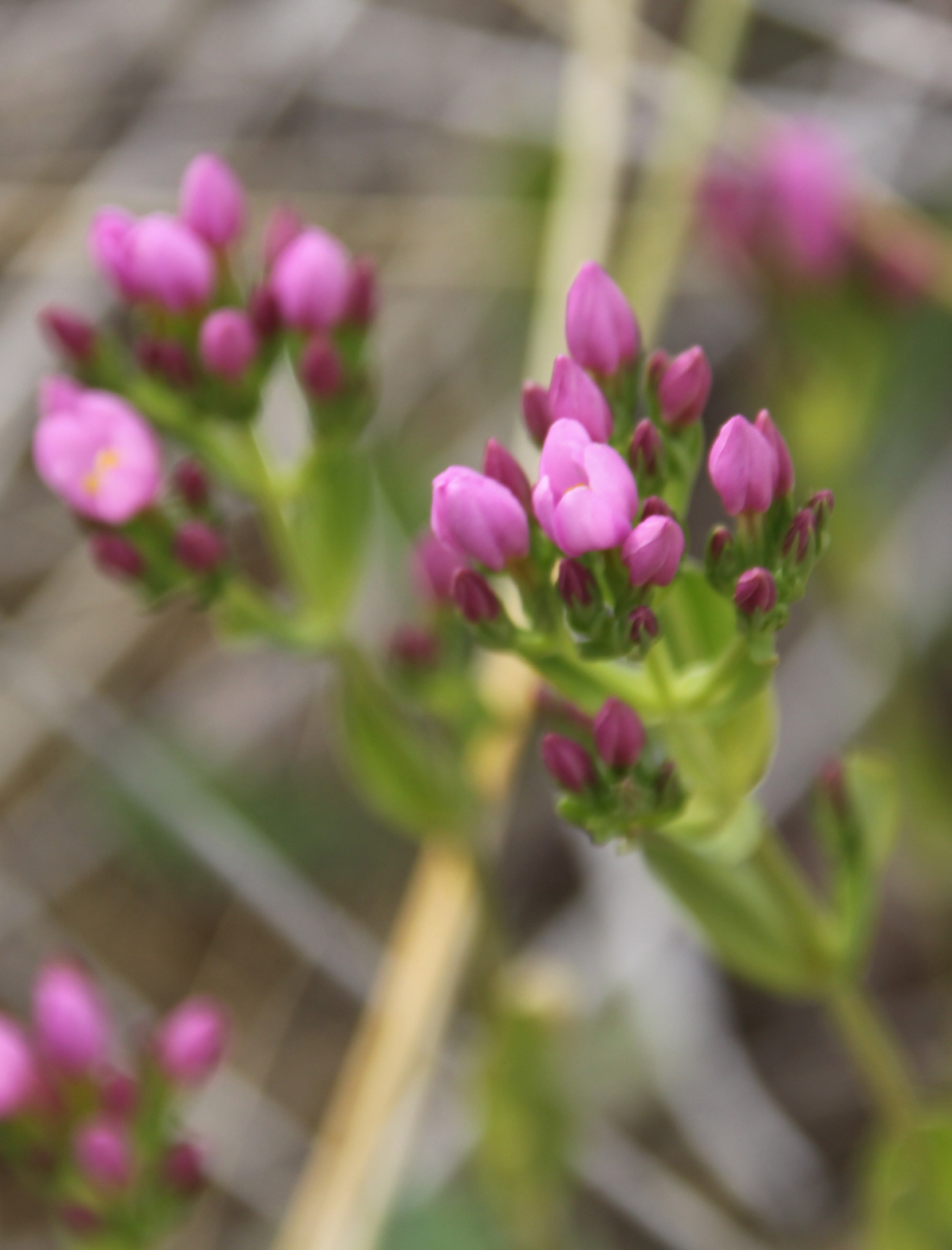
Lesser centaury (Centaurium pulchellum)

Lesser centaury (Centaurium pulchellum)

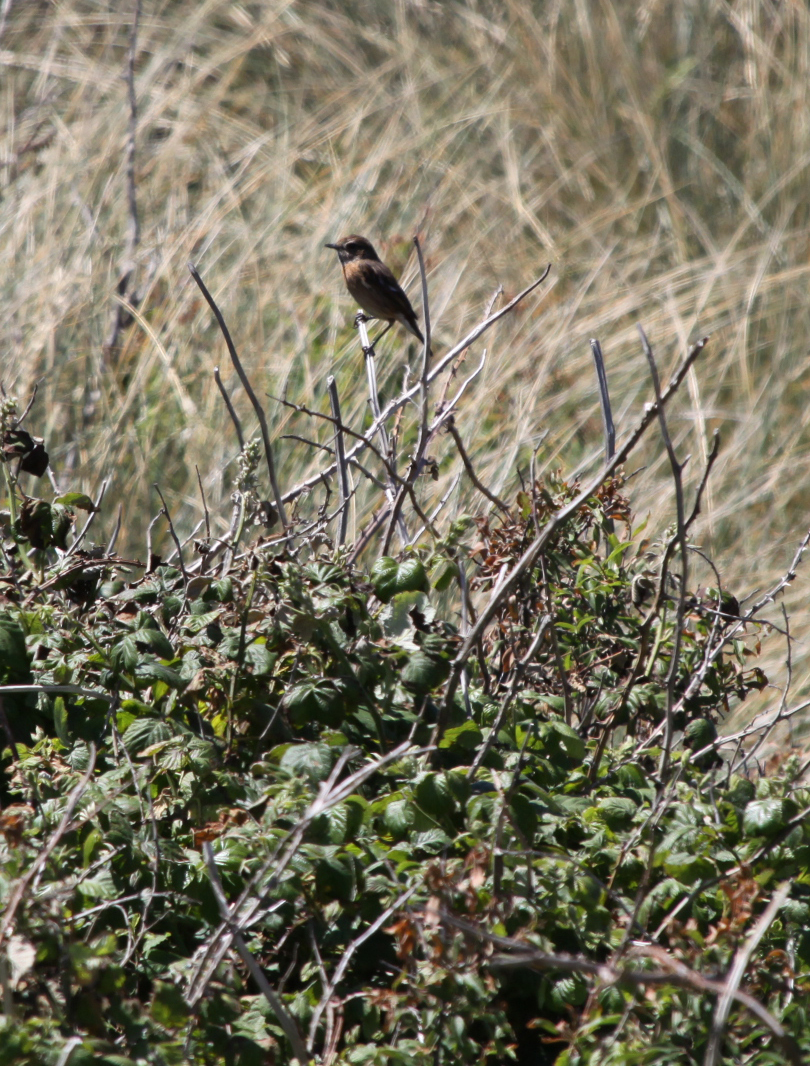
Female stonechat (Saxicola torquata).  There were a pair of them, a male and female, very vocal and jumping from bush to bush, presumably trying to draw attention away from their nest.

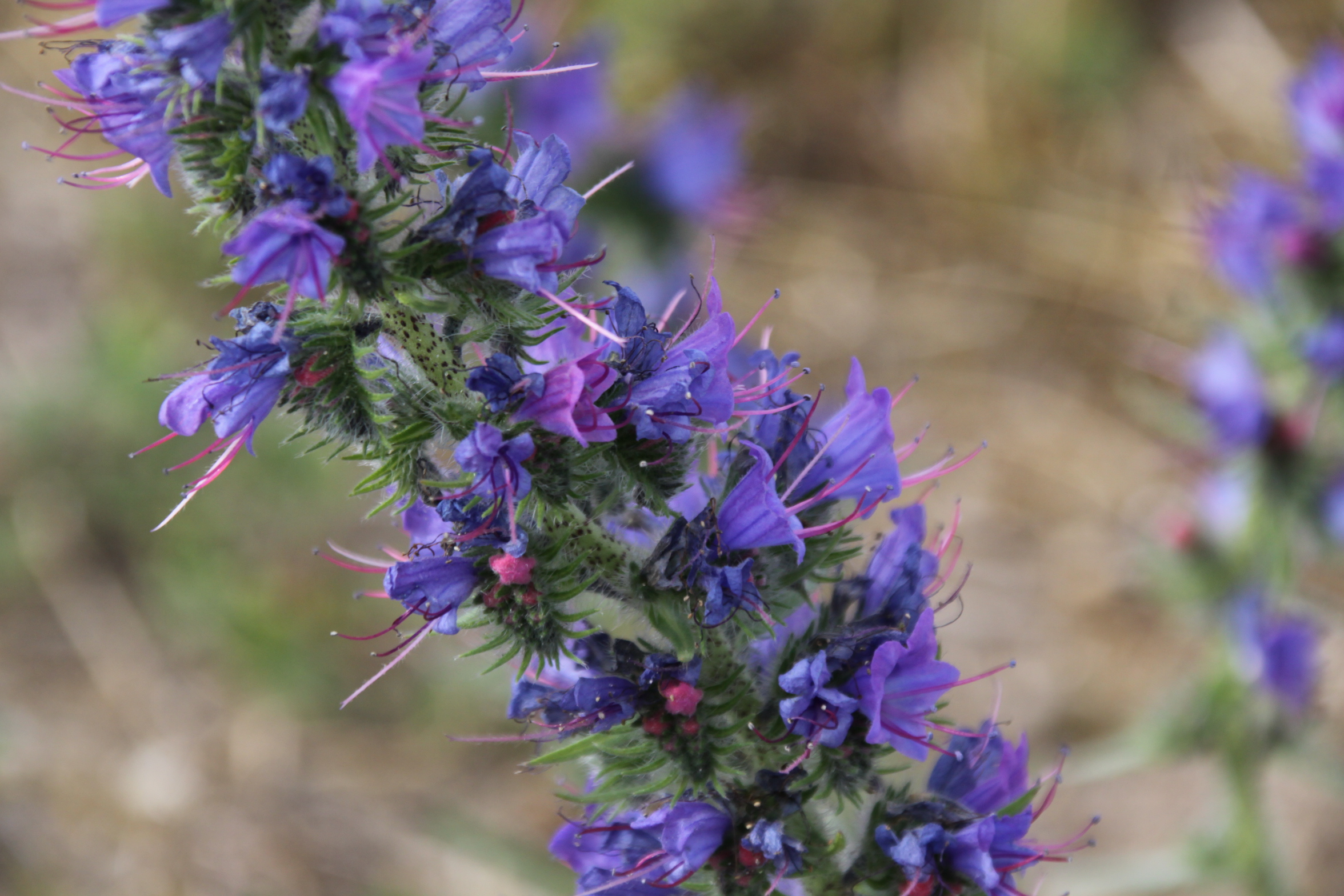
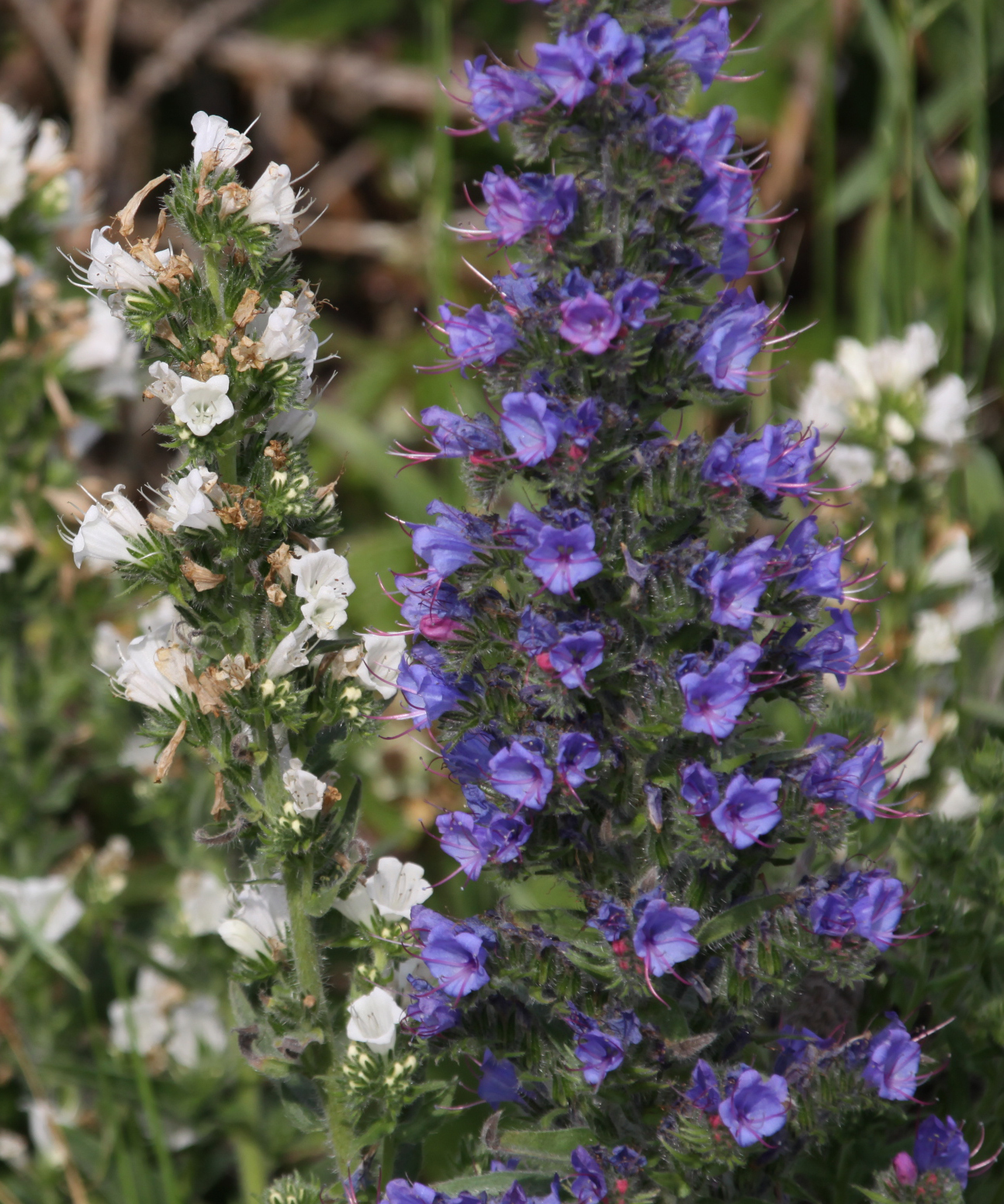
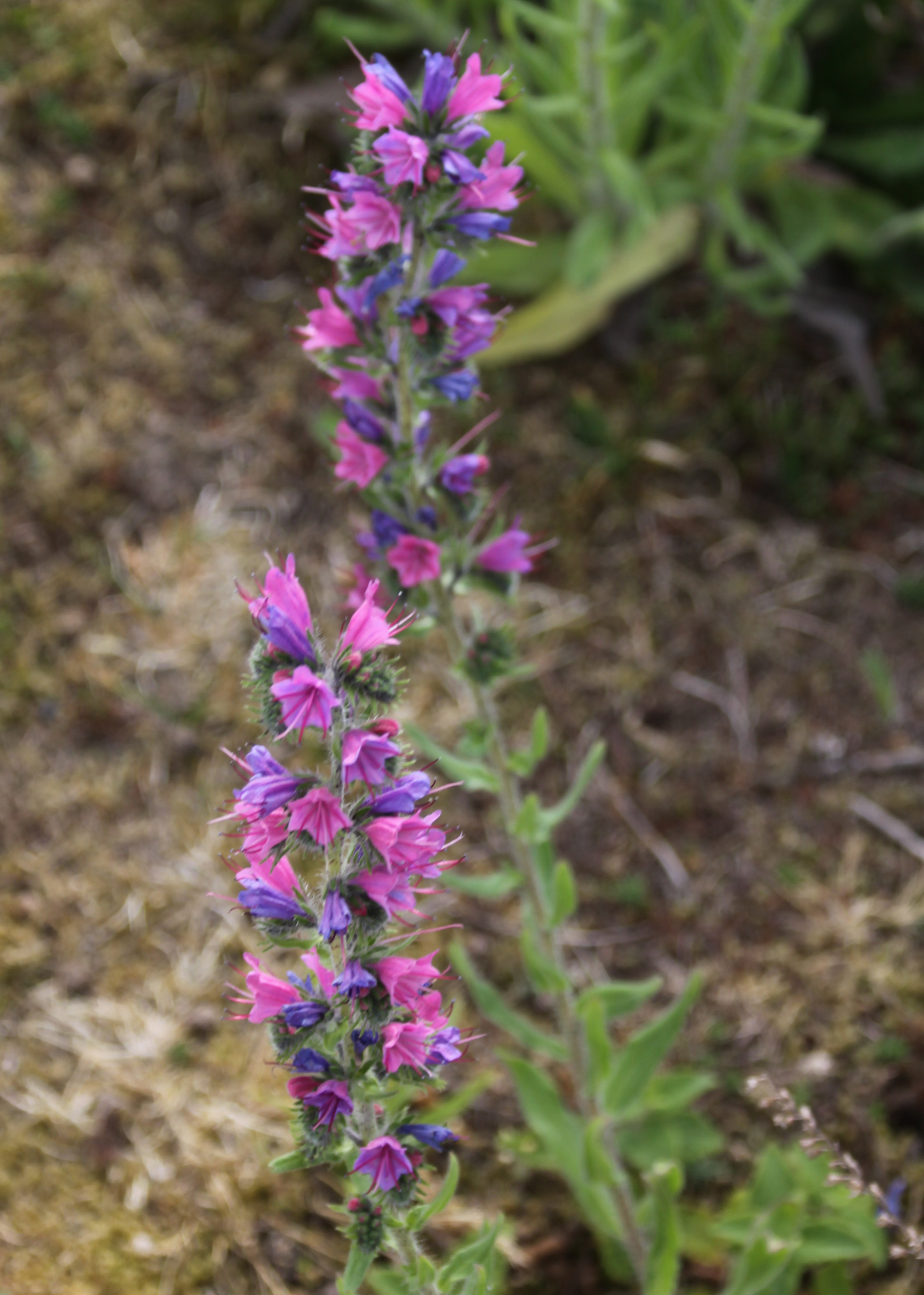
Viper’s-bugloss (Echium vulgare).  The flowers change from pink to violet as they mature. There were lots of them in the more open ground near the car park, which fits in with their preference for dry open spaces, sand and disturbed soil.

Viper’s-bugloss (Echium vulgare)

Viper’s-bugloss (Echium vulgare)

Biting Stonecrop (Sedum acre) are succulents, their leaves retaining moisture.

Viper’s-bugloss (Echium vulgare)

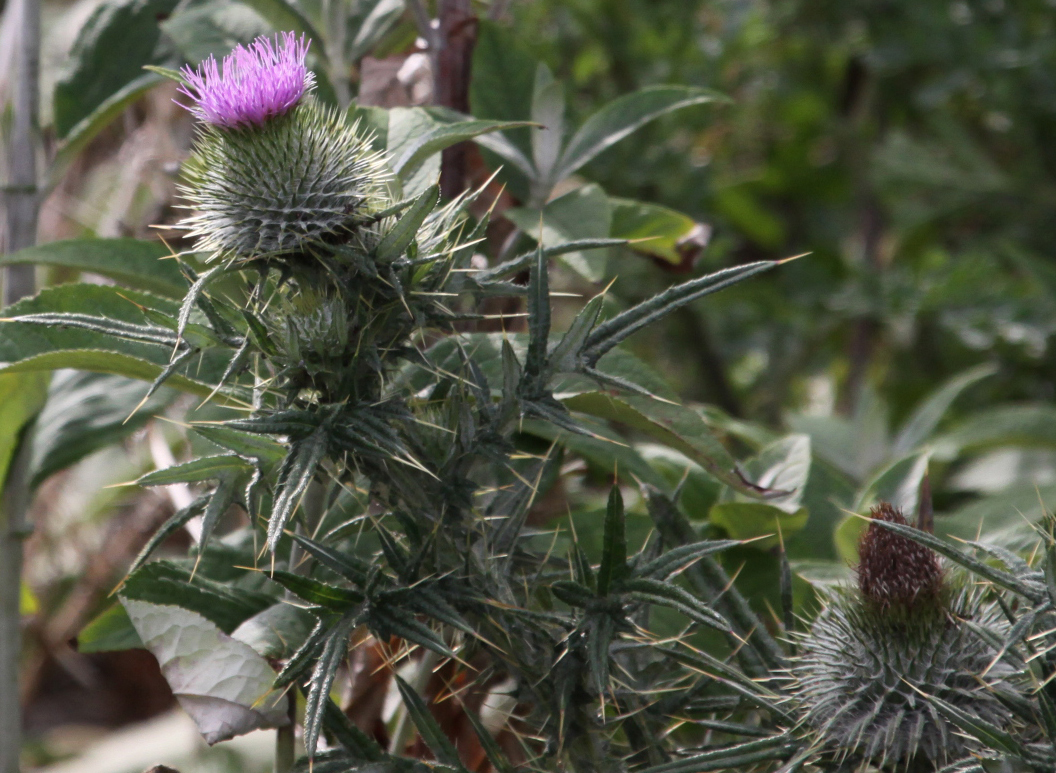
Woolly thistle (Cirsium eriophorum)

Common restharrow (Ononis repens).  The flower looks like a member of the pea (vetch – Fabaceae) family, but the leaves seemed all wrong.   It is in fact a vetch, creeping along the dune floor with small hairy leaves.  According to the Wildlife Trust website, “common restharrow has extremely tough, thick roots that spread in a dense network and, during the days of horse-drawn cultivation, could stop (‘arrest’) a harrow in its tracks.” Apparently, when eaten by cattle it taints dairy products. The roots are reputed to taste like liquorice when chewed.

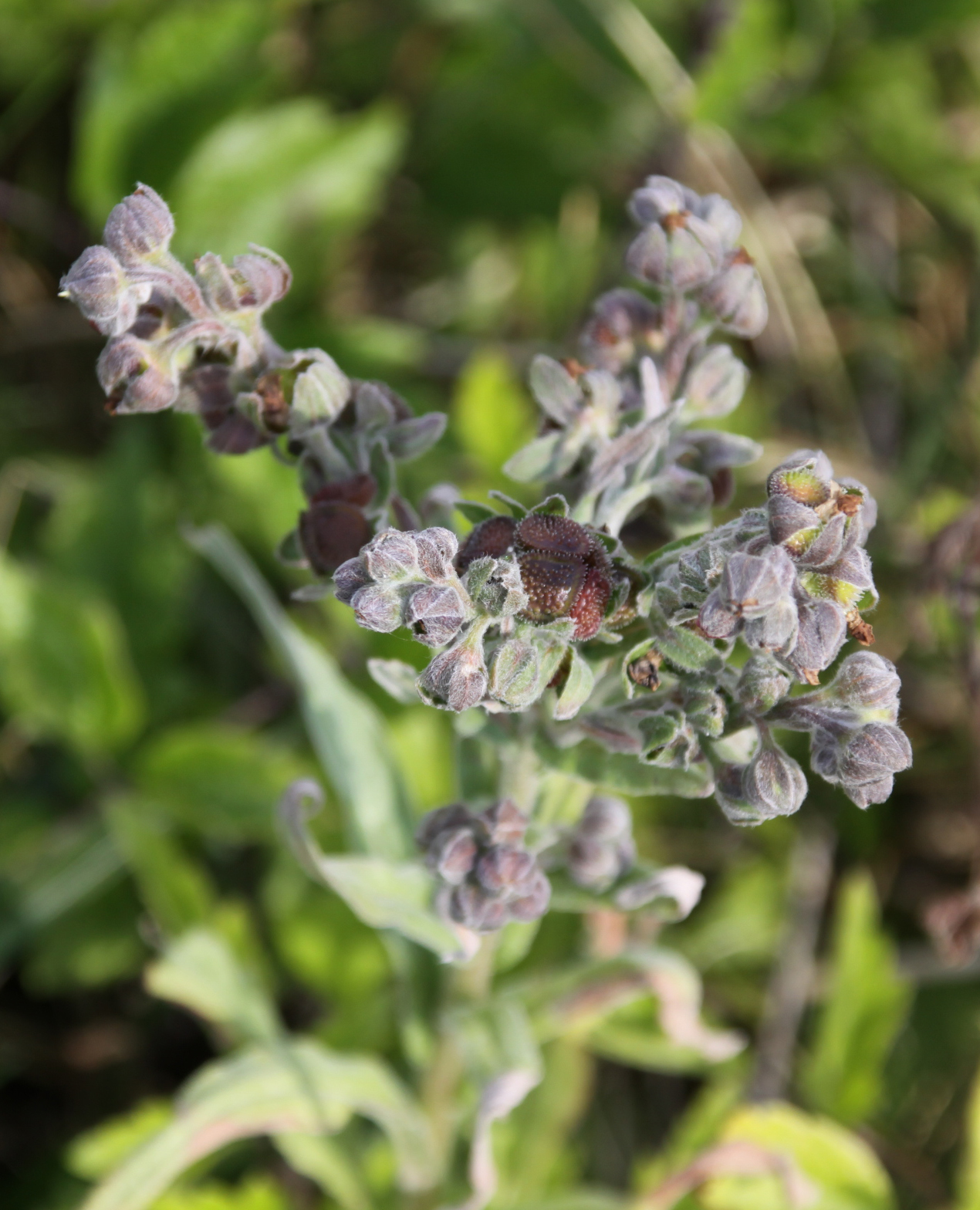
Unidentified at the moment, but when it flowers matters might become clearer.  It may turn out to be Hound’s Tongue (Cynoglossum officinale)

Sea rocket (Cakile maritima), a member of the mustard family.

Sea spurge (Euphorbia paralias).


Video: For absent visitors deprived of the sea at Aberdovey

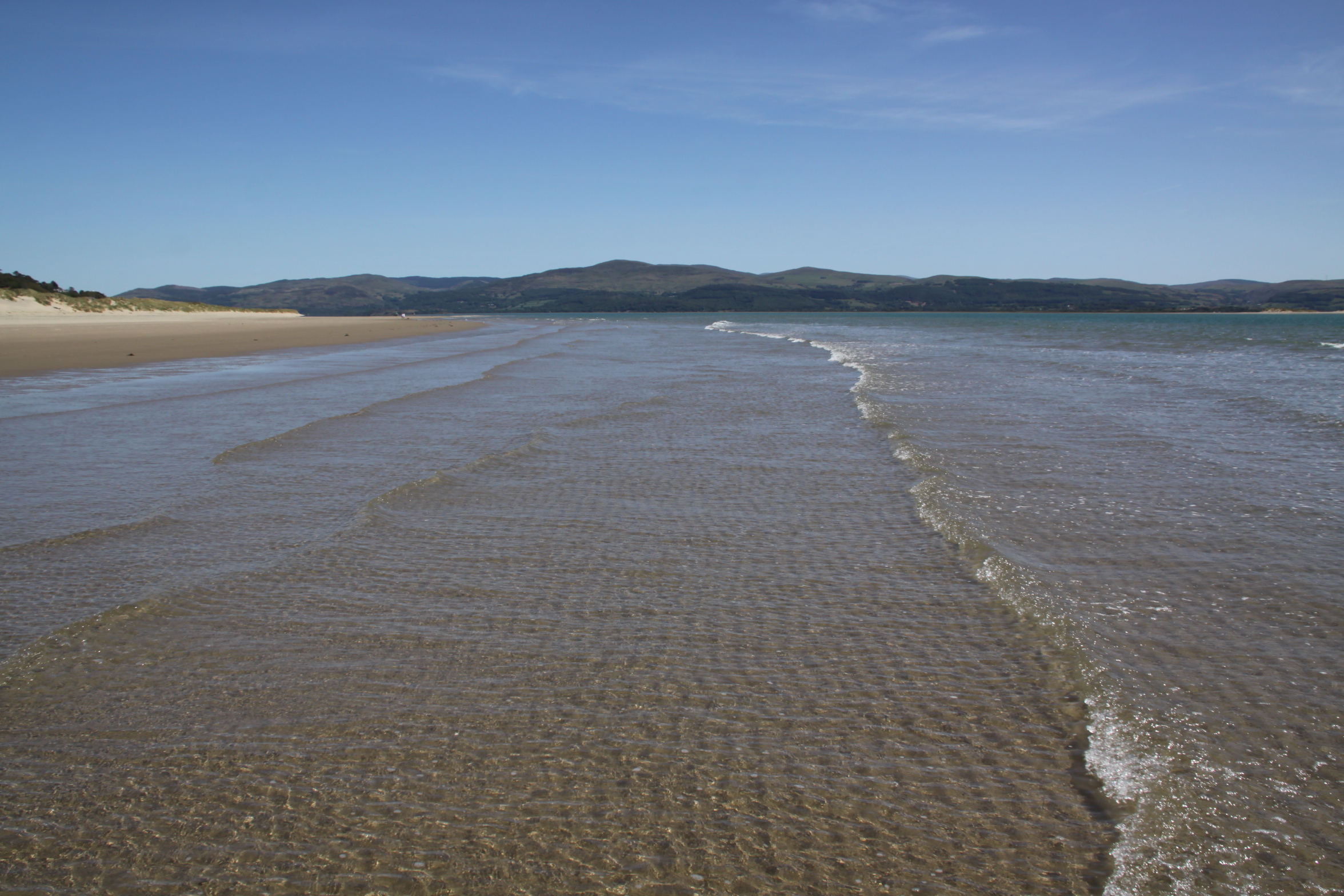
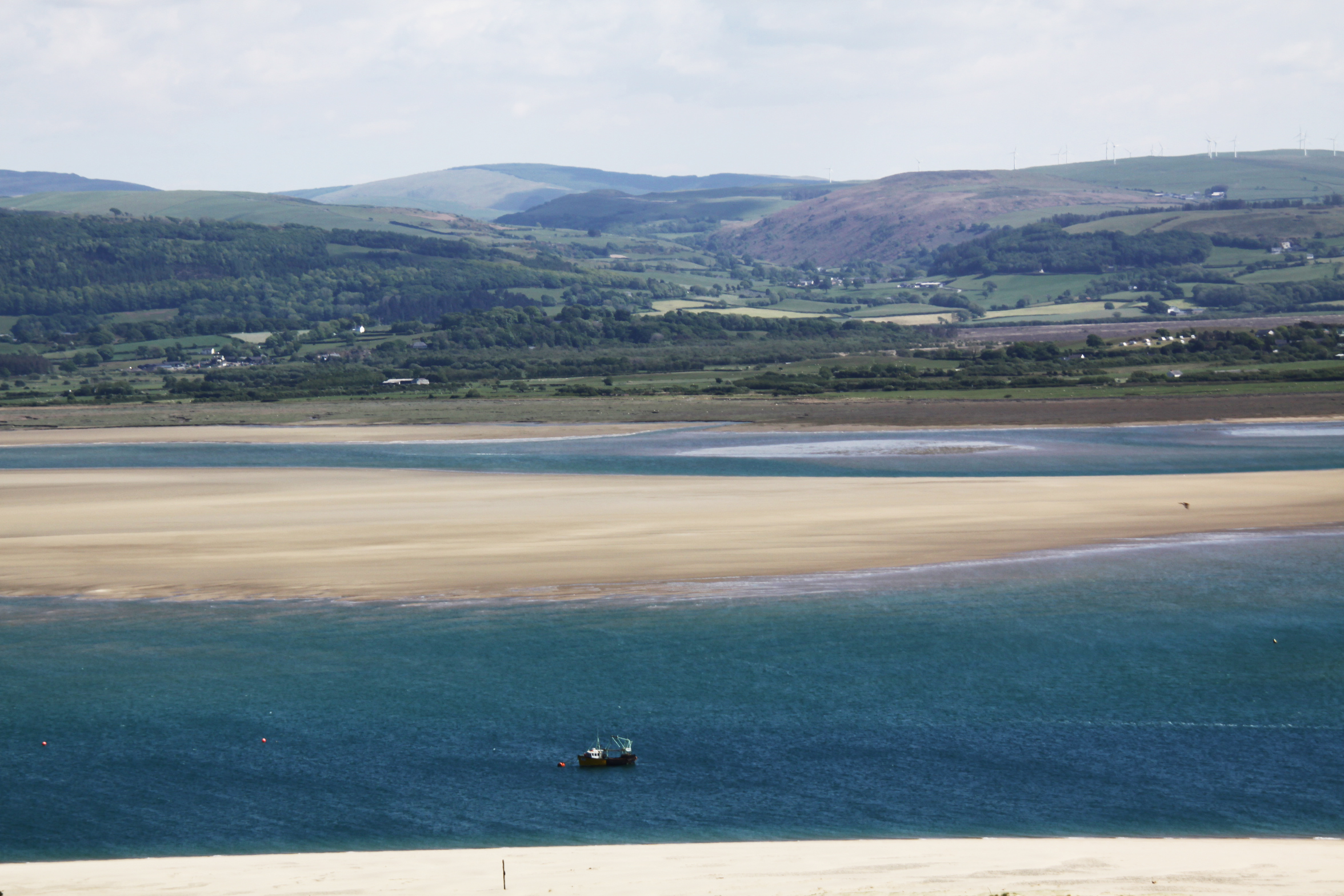
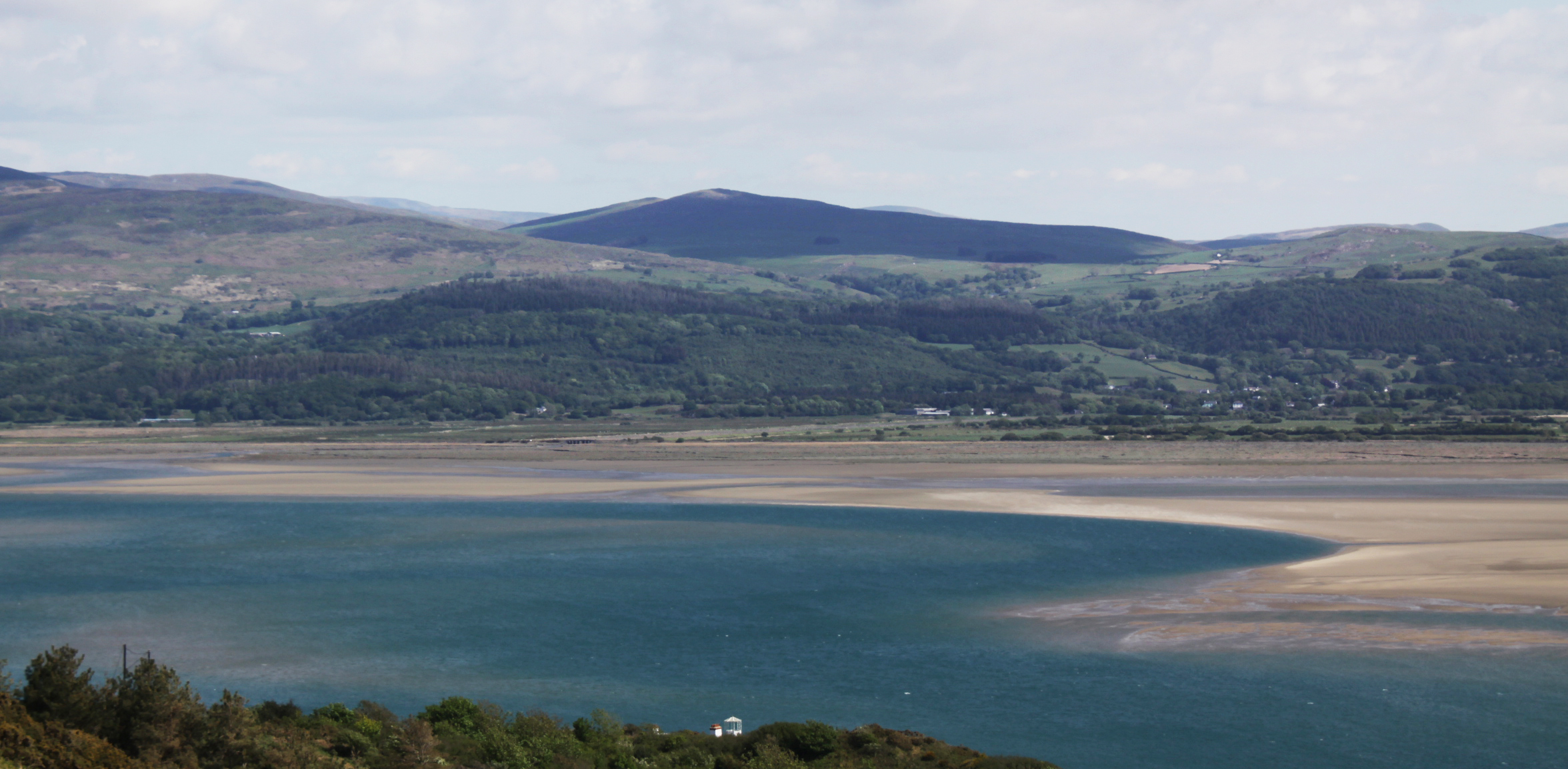
A little video (four and a bit minutes), to bring back the sounds as well as the sights of the seaside at Aberdovey.  The crystal clear waters of the estuary and the sea peaceful under a clear blue sky on a very peaceful May day.  Whenever I was absent from Aberdovey for long periods, long before I moved here, it was the the sea that I most missed, so I put this together for regular visitors who may be missing it as much as I did.


Walking in the Aberdovey sand dunes

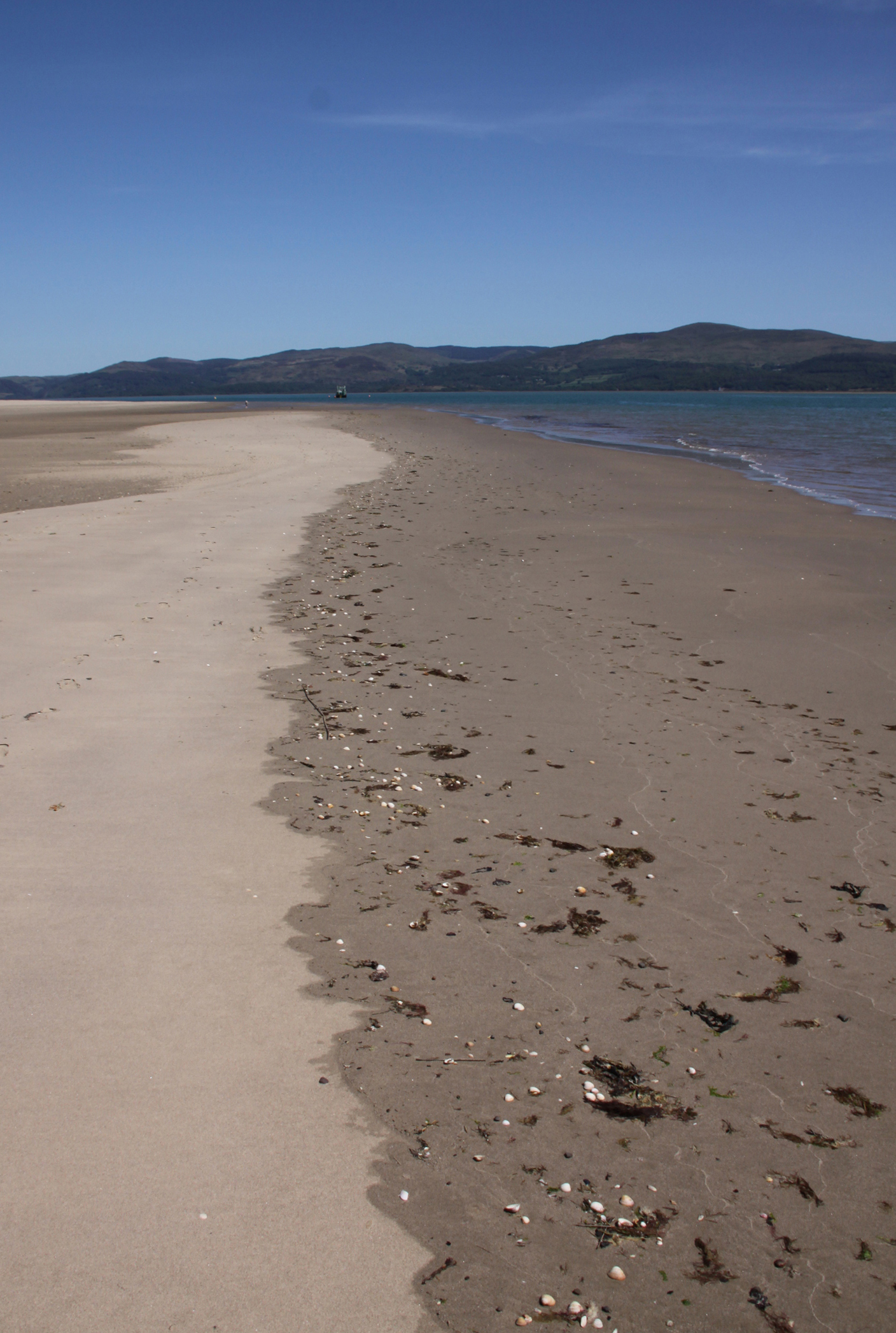
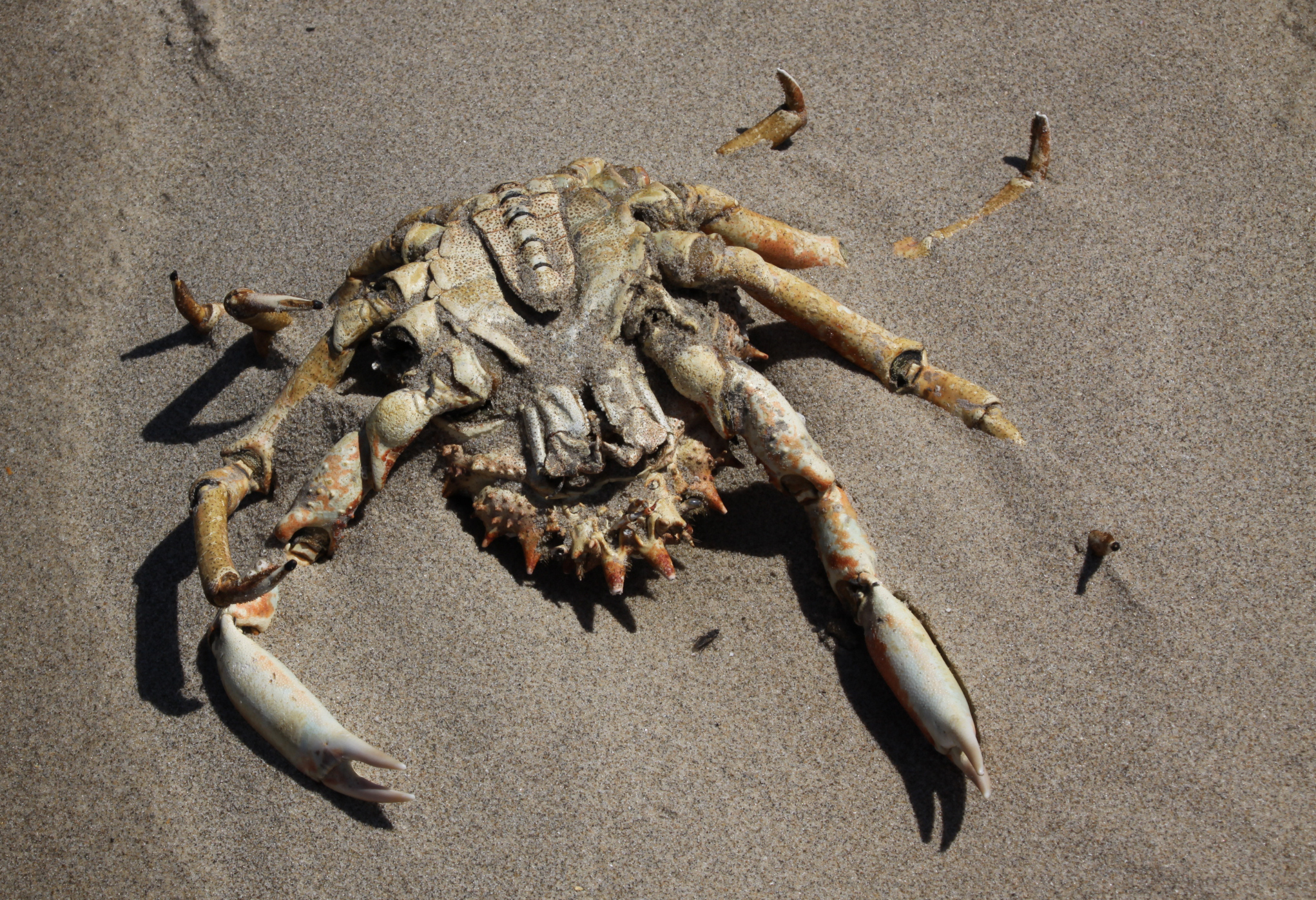
One of my favourite local short walks is a simple stroll through the dunes one way, walking or paddling back along the beach.  I was actually hunting for wild orchids, which I was told grow there at this time of year.  Although I was unsuccessful, it was a lovely walk, the dunes empty of any signs of human life.  The evening primroses had run mad, creating a landscape filled with deep yellow, and there were plenty of other wild flowers to enjoy and I found some wild fennel that made a lovely addition to a stock for the skate that I cooked a few days later.   A couple of days later, a friend sent me some photographs of orchids that she had taken in the dunes, so they really are there if you look in the right place!  The beach was particularly idyllic.  A lone man was swimming in the sea, and I was paddling up to my shorts in the warm water.   My orchid-finding friend commented that in all the years she has lived here she has never seen the sea so intensely blue, and this year it does indeed have all the luminosity and saphire beauty of the sea at Cornwall.   There was nothing much on the strandline, except for a whole spider crab; it is more usual to find their component parts.

Common Evening Primrose in all directions.


Common restharrow (Ononis repens).  According to the Wildlife Trust website, “common restharrow has extremely tough, thick roots that spread in a dense network and, during the days of horse-drawn cultivation, could stop (‘arrest’) a harrow in its tracks.”  Apparently, when eaten by cattle it taints dairy products.  The roots are reputed to taste like liquorice when chewed.

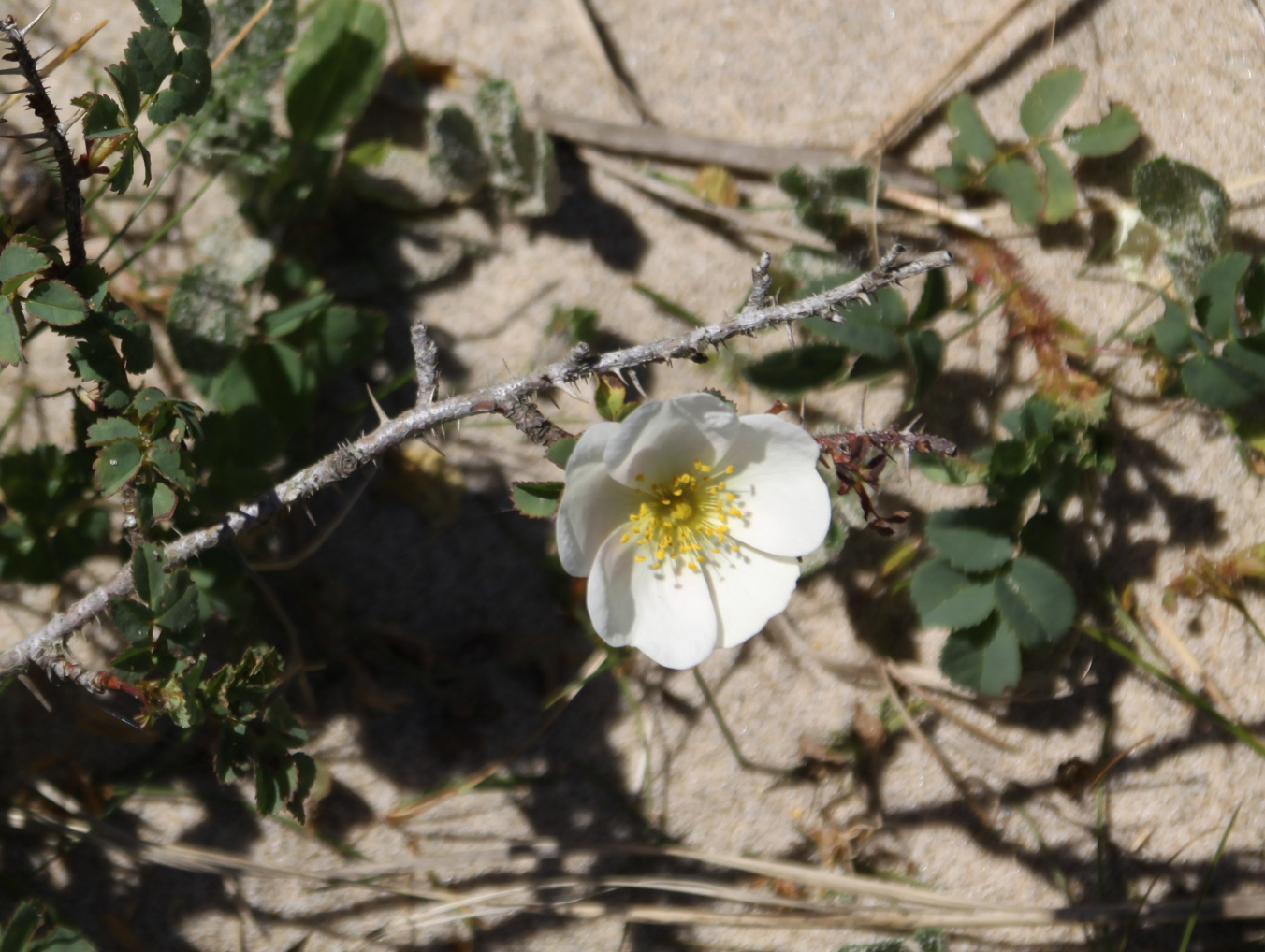
Field Rose (Rosa arvensis)

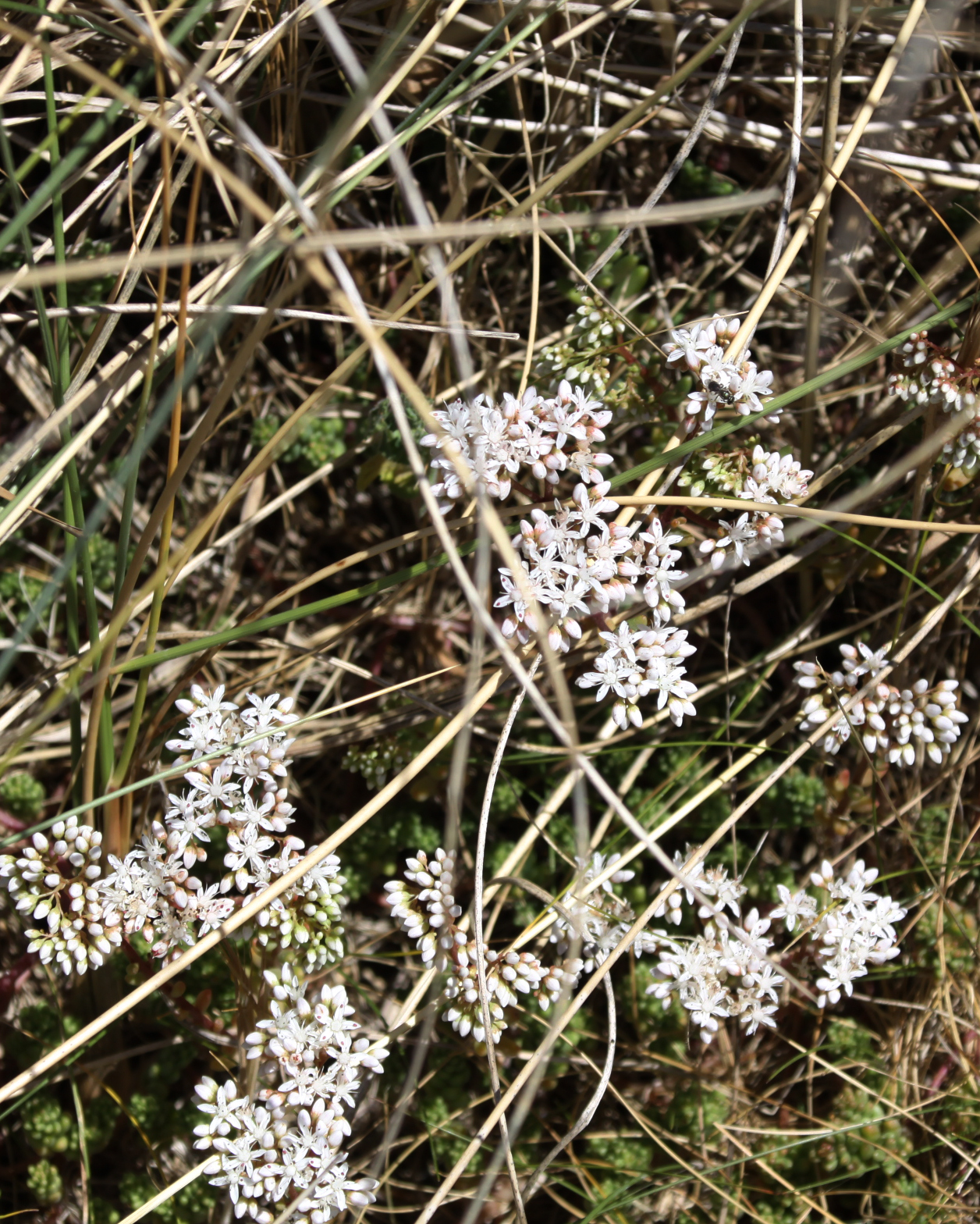
White stonecrop (Sedum album)

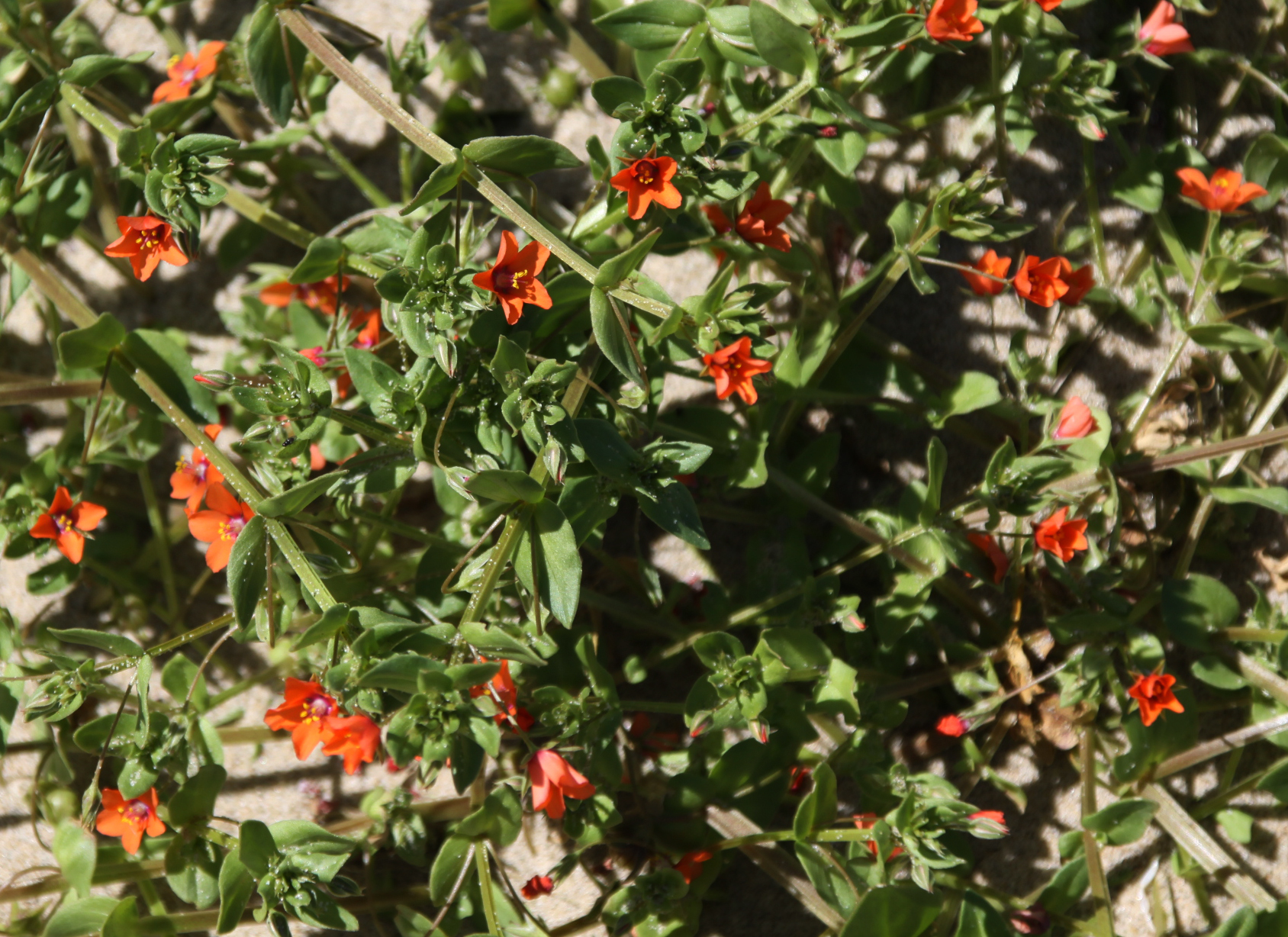
Scarlet Pimpernel (Anagallis arvensis)

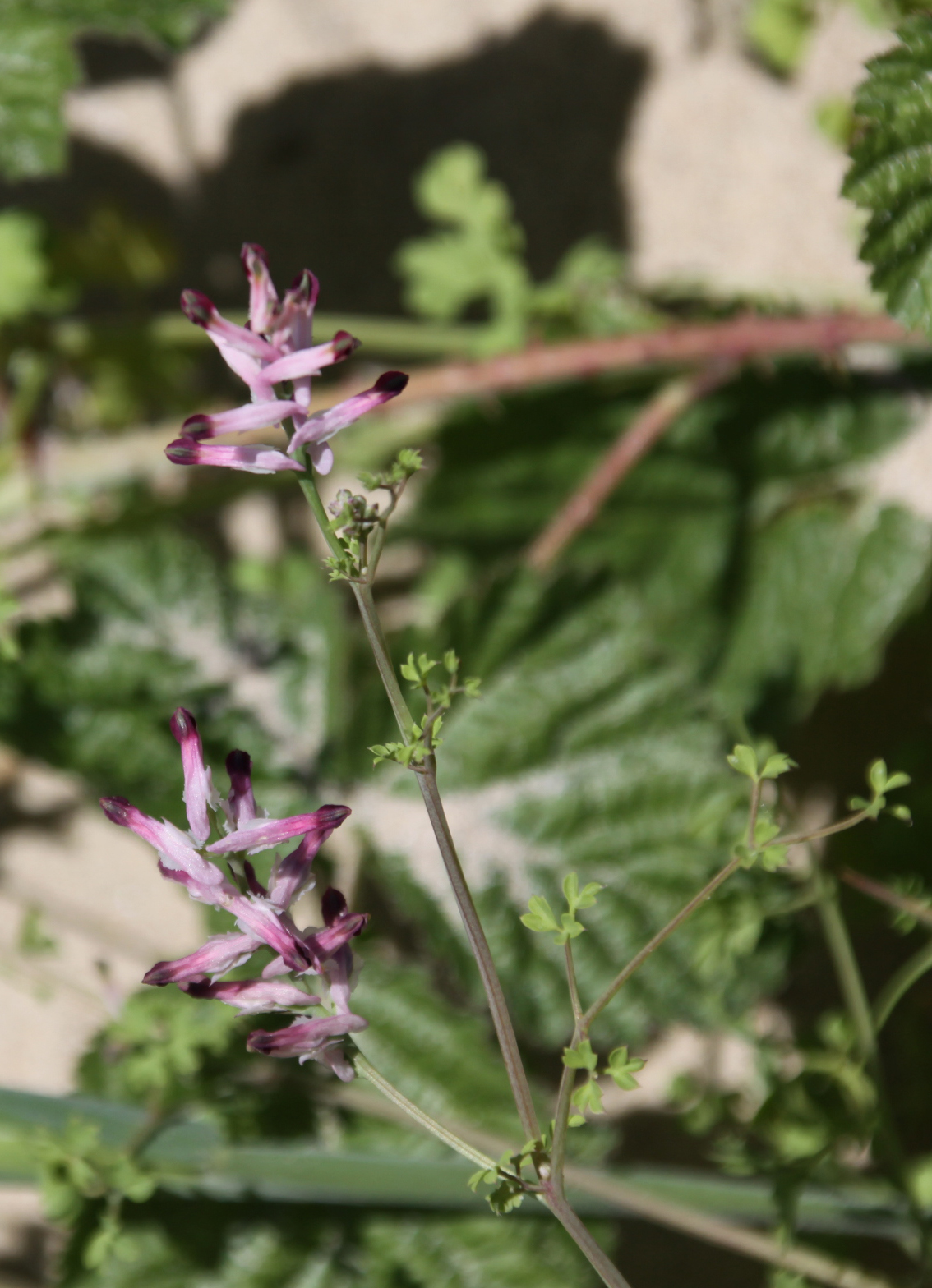
Common Fumitory (Fumaria officilanis)

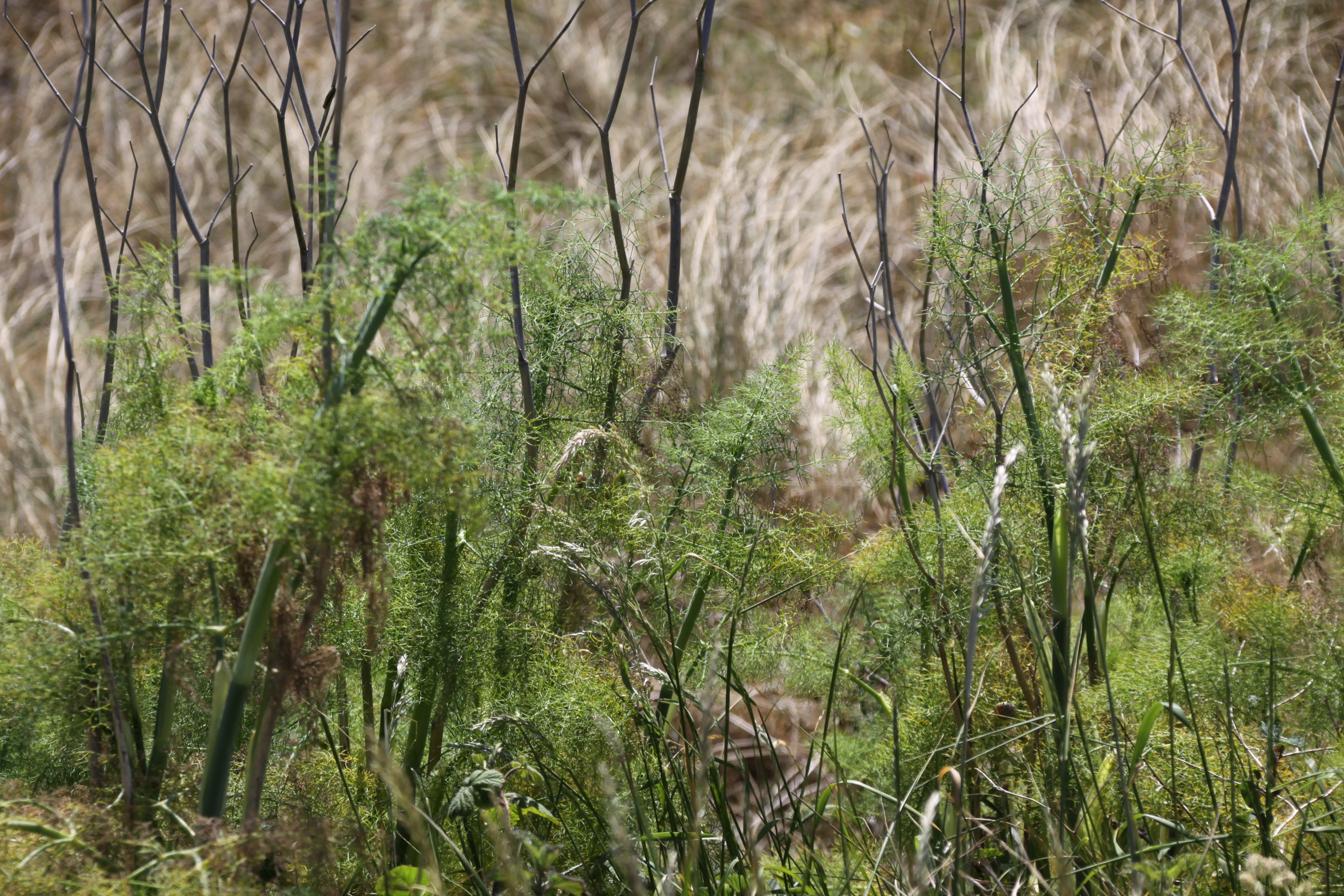
Wild fennel

Red Valerian (Centranthus ruber) in a sea of marram grass


Walking in the hills above the Aberdovey coastline

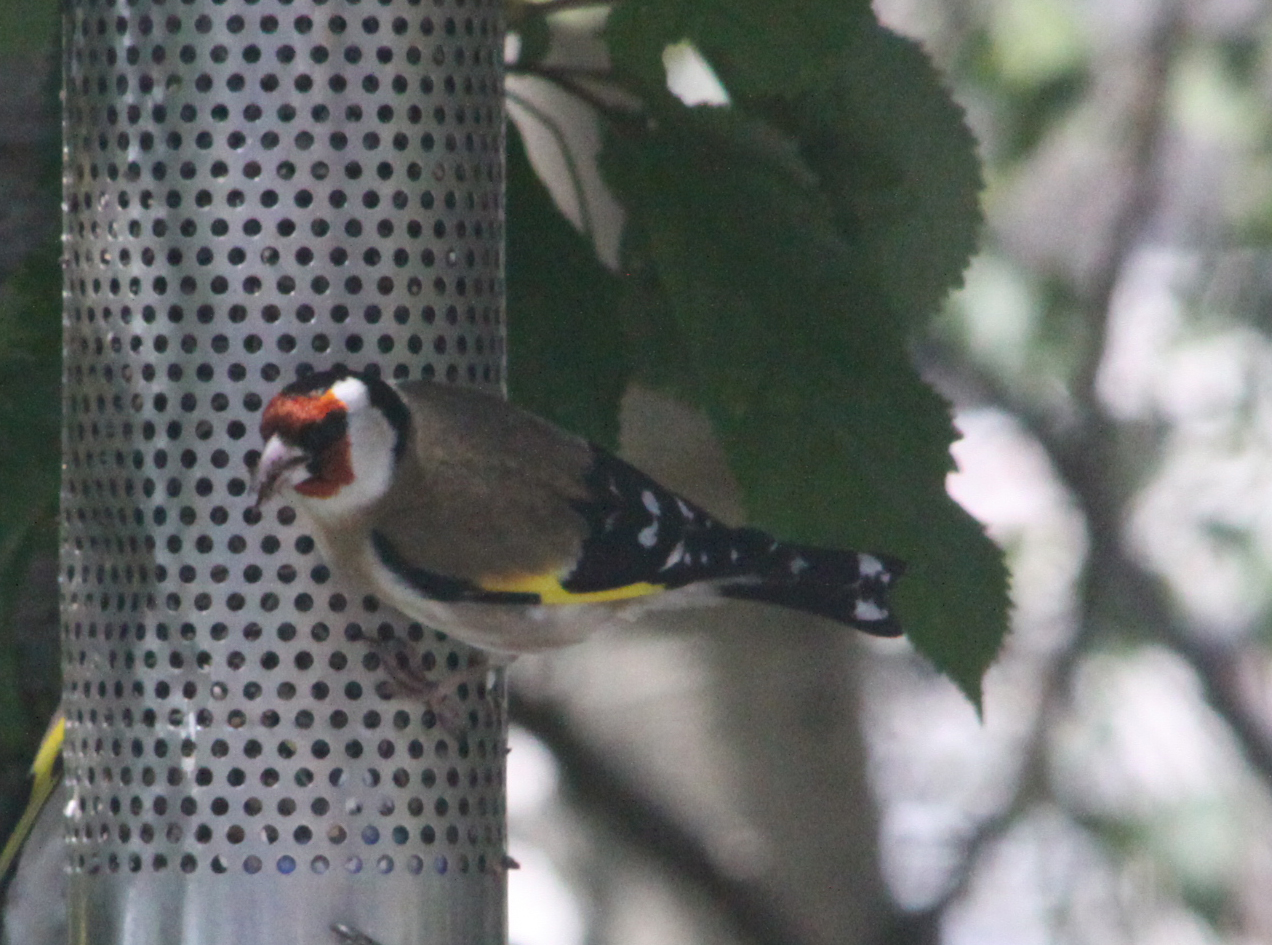
A lovely morning, with the usual lyrical voices and occasional bickering of goldfinches in the cherry tree.  I always know when the bird feeder is running out of nyjer seeds, because the occasional squawk that signals a rare dispute slowly rises to an embattled ongoing staccato cacophony of discordance,  as the goldfinches jockey for position and fend each other off in a great colourful swirl of wings and feathers.  When silence falls it means that the bird feeder is empty, and that now sounds completely unnatural.  Fortunately I refilled the feeder only a couple of days ago, and harmony currently reigns.  For a sample of their more melodic song, try listening to the recording on the Bird Song UK YouTube site.

It was a good start to the day, which I needed.  I went out a few days ago to find that someone had driven into my car and dented a door.  I might have taken it in my stride a couple of months ago, because I have no great faith in human rectitude, but in the middle of all this chaos, with everyone talking about how people are really pulling together, it really upset me that no-one left a note.  Nothing to be done of course, apart from wishing that sticking pins in wax dolls is a real thing.  I did, however, find that it truly lifted my spirits to get out of the house and into the hills to walk off the pervasive melancholy and sense of disillusion.  Fortunately, this particular walk would have challenged anyone to remain down, and it was delightful.
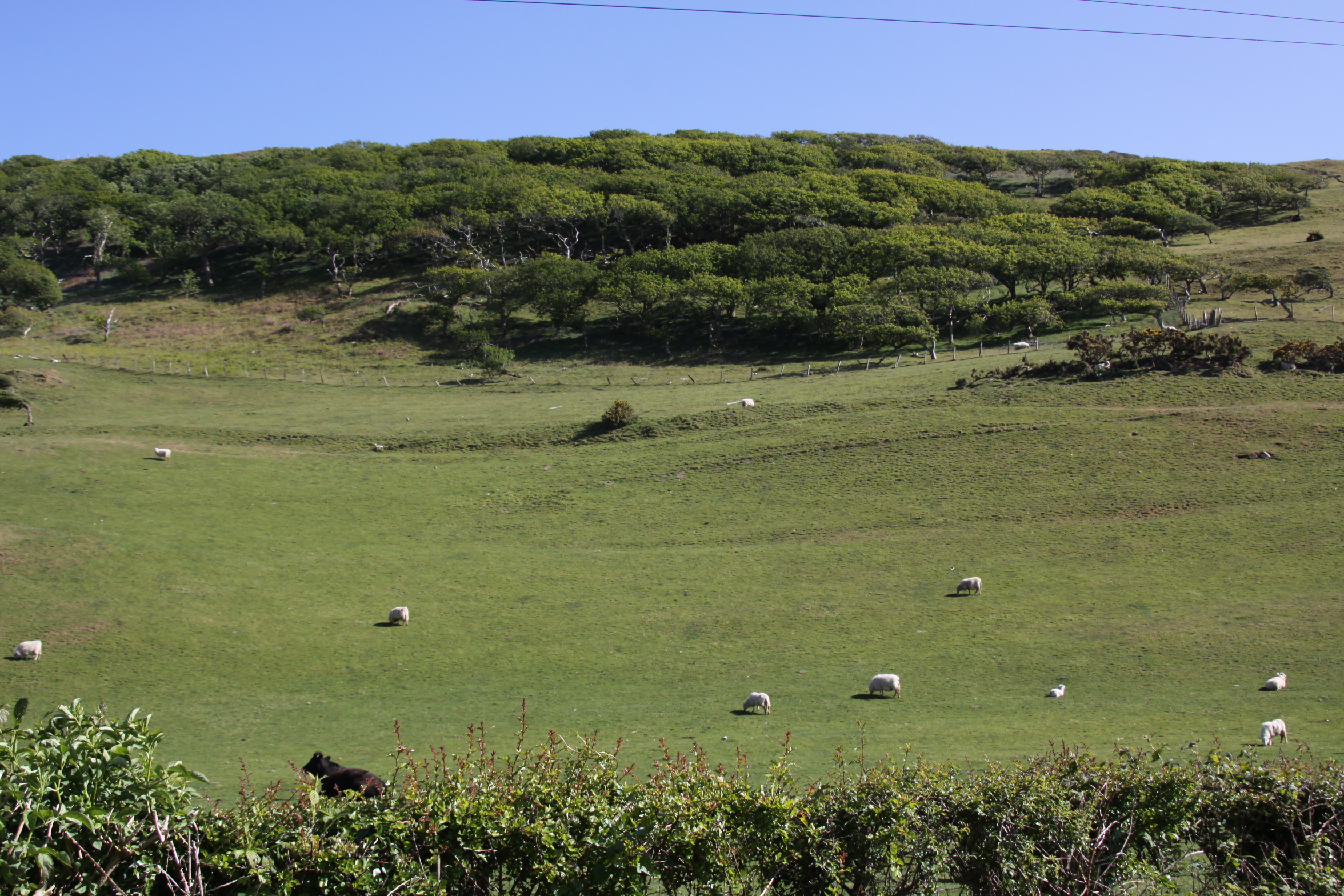
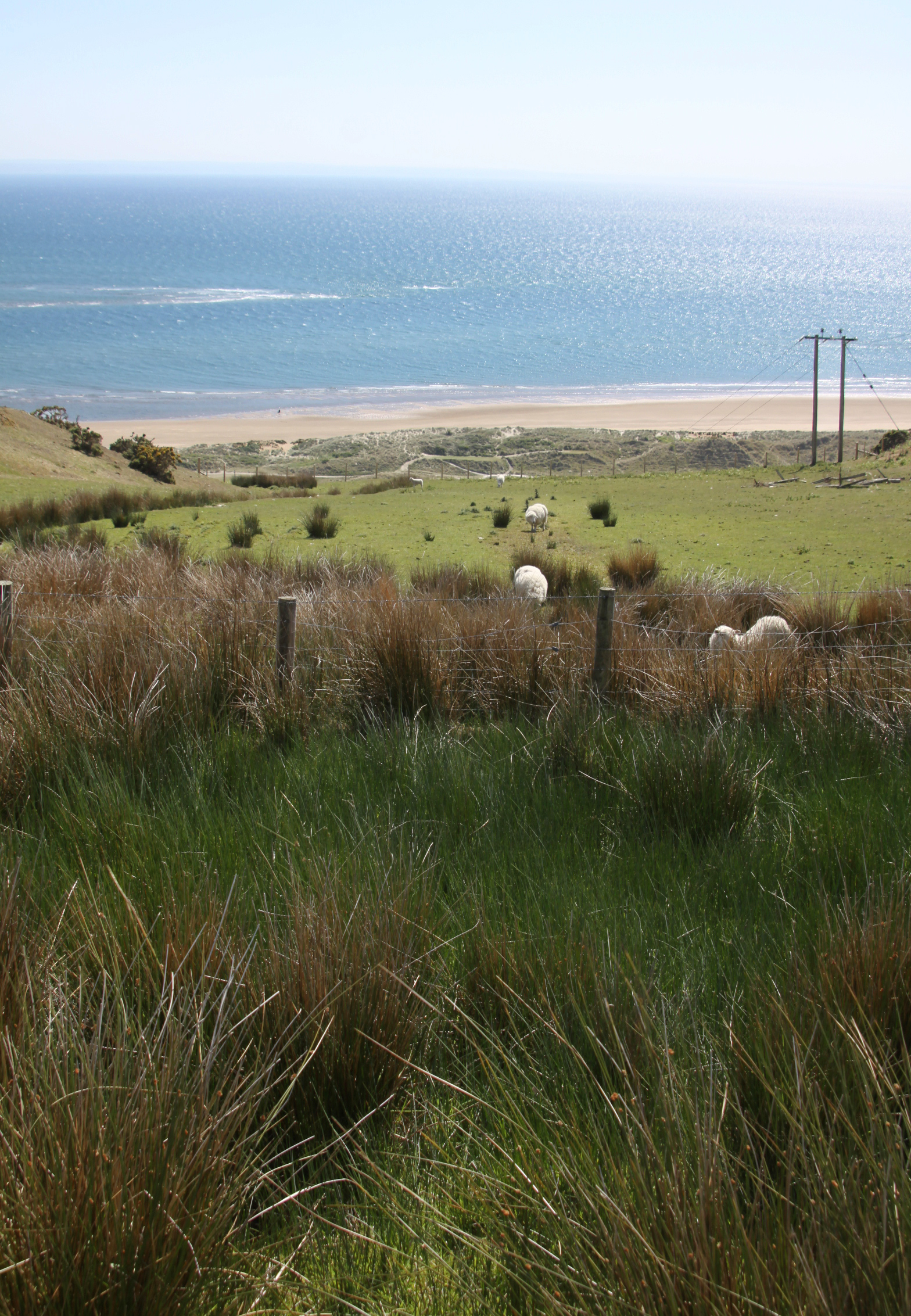
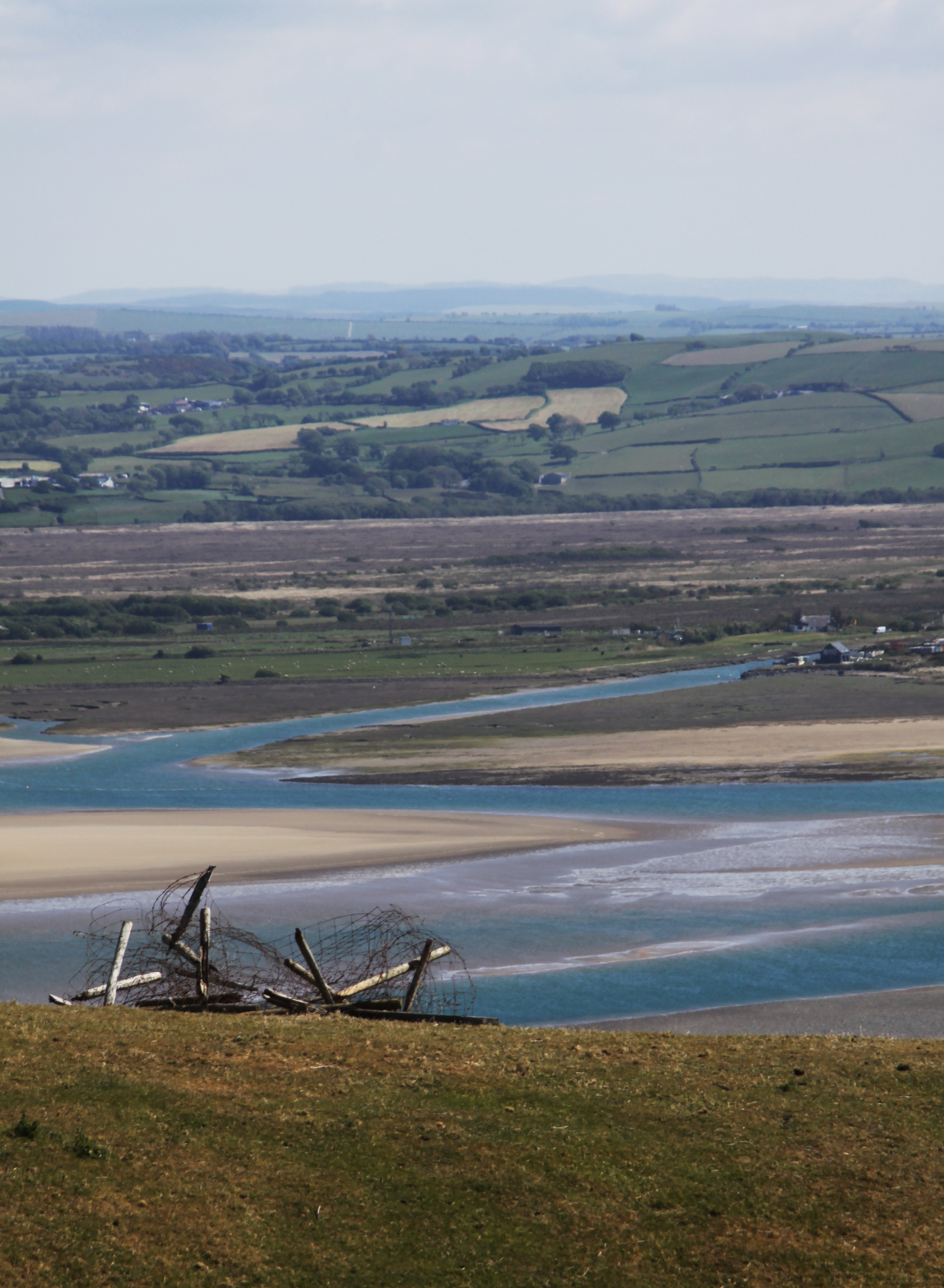
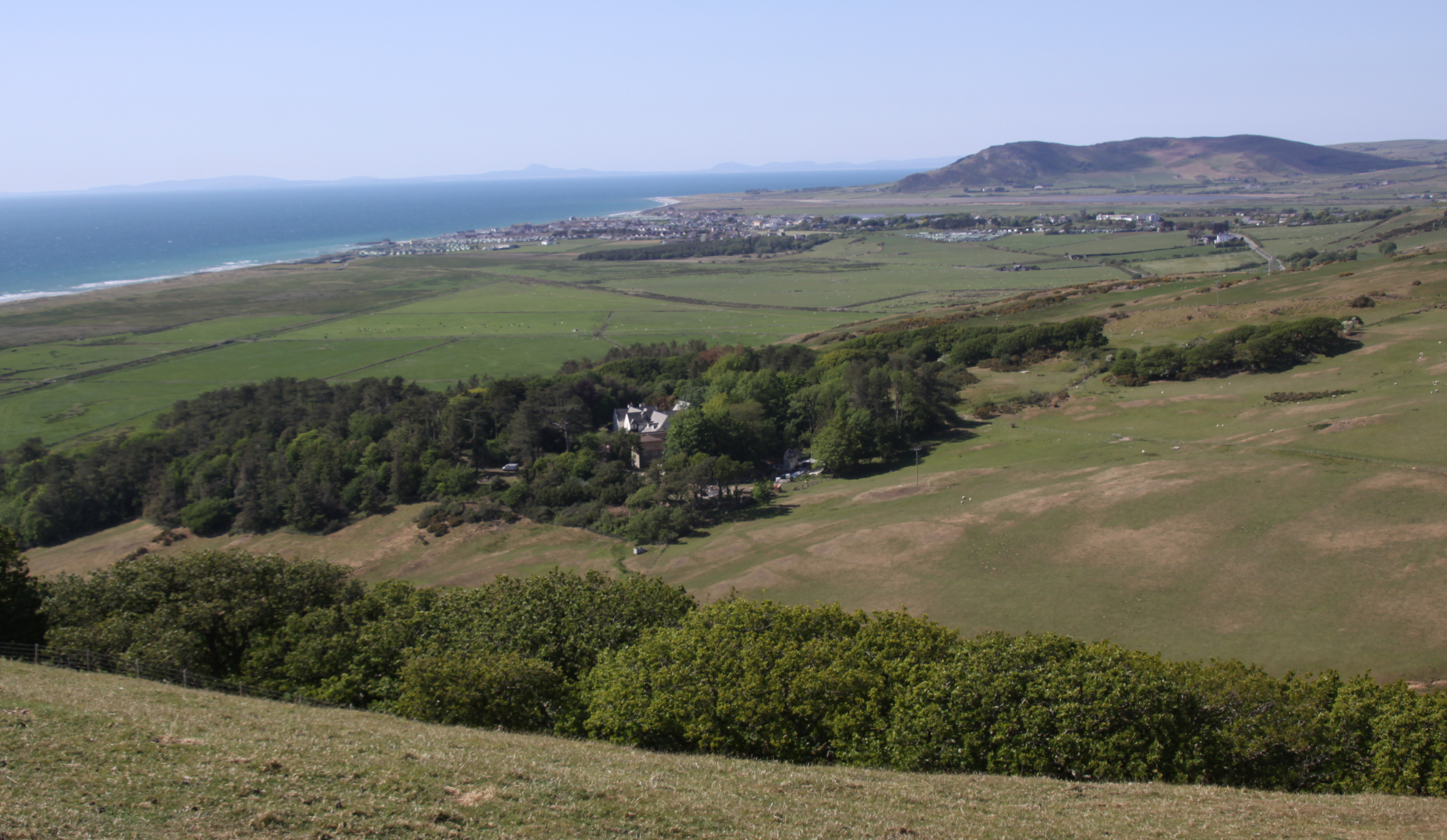
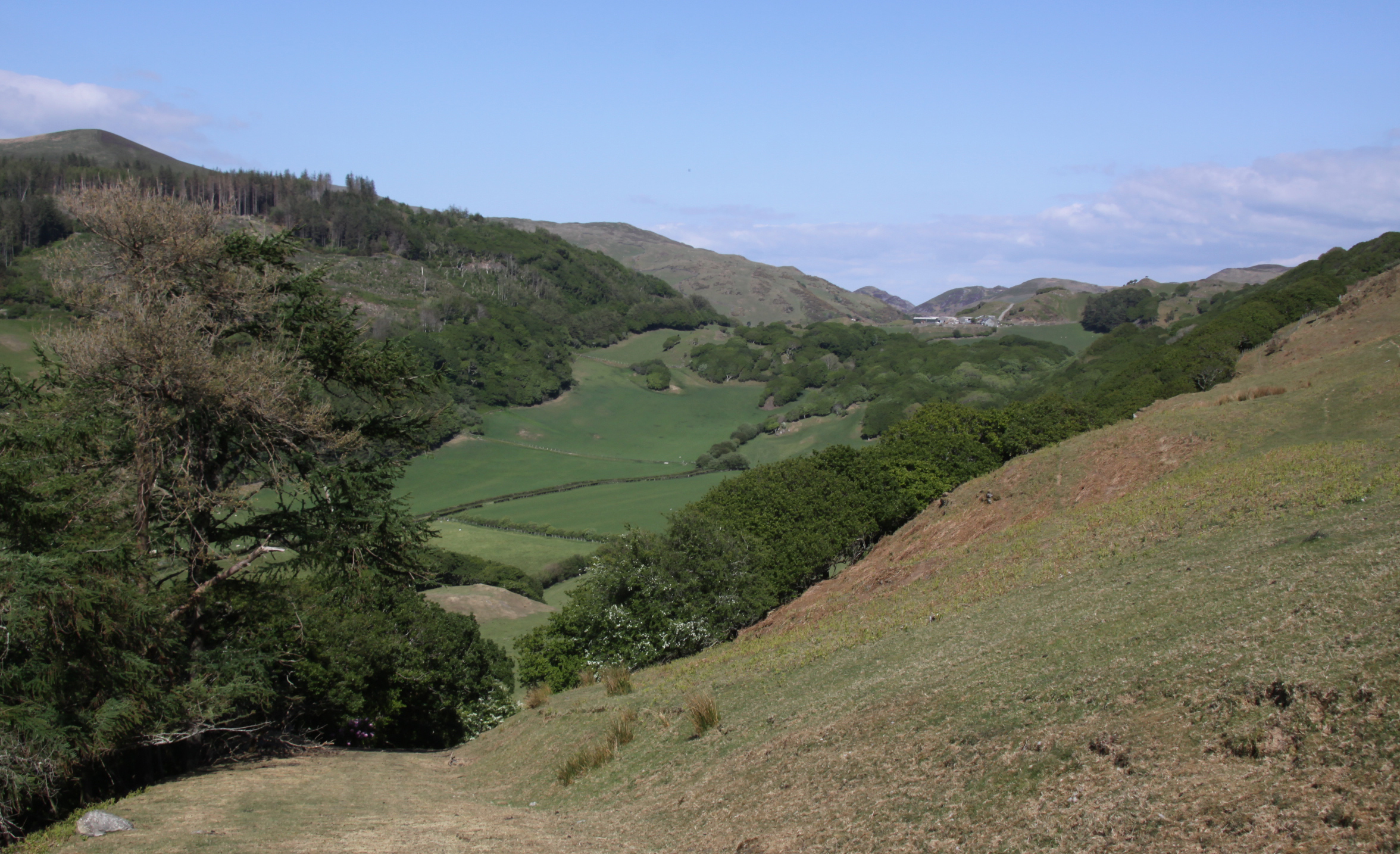
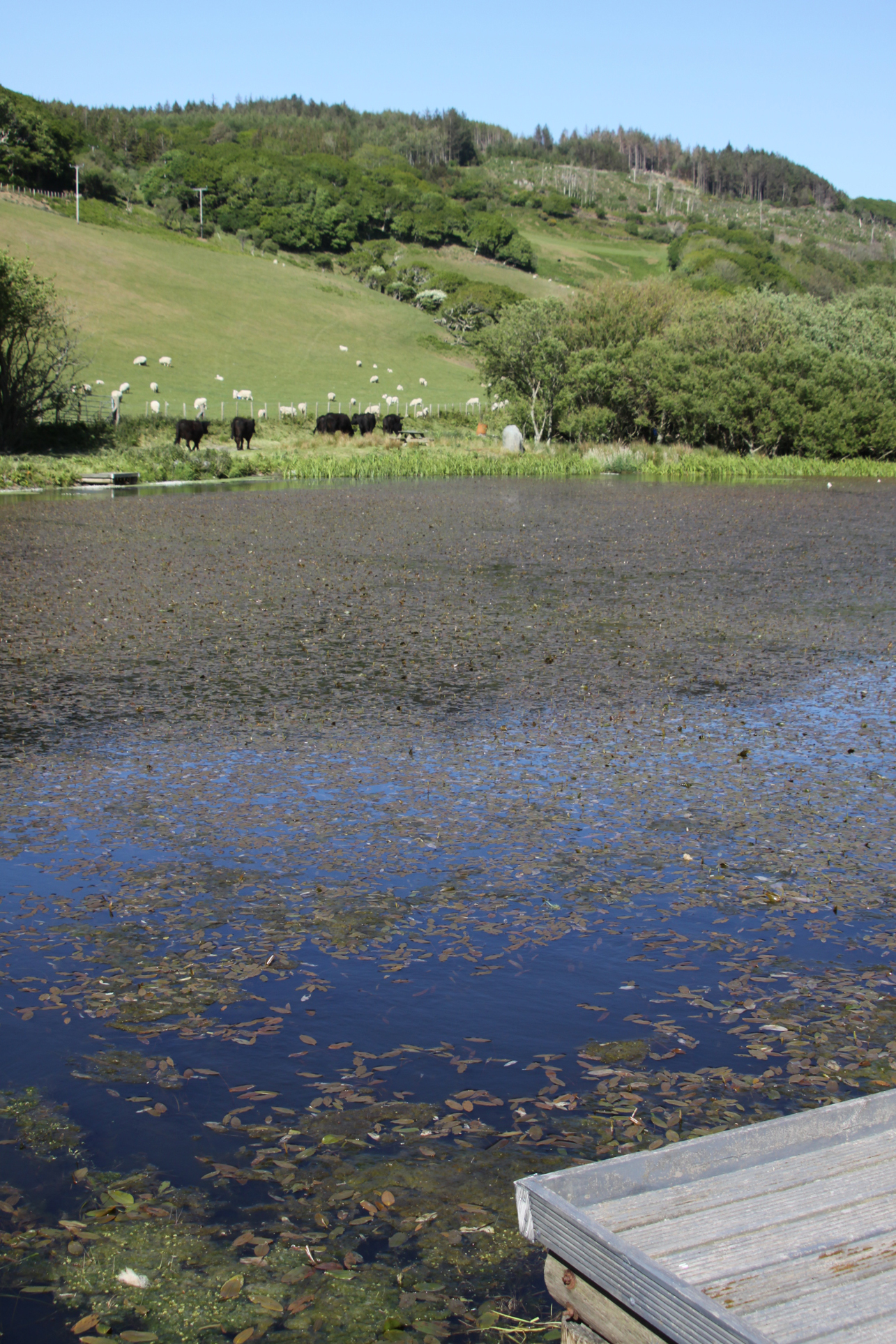
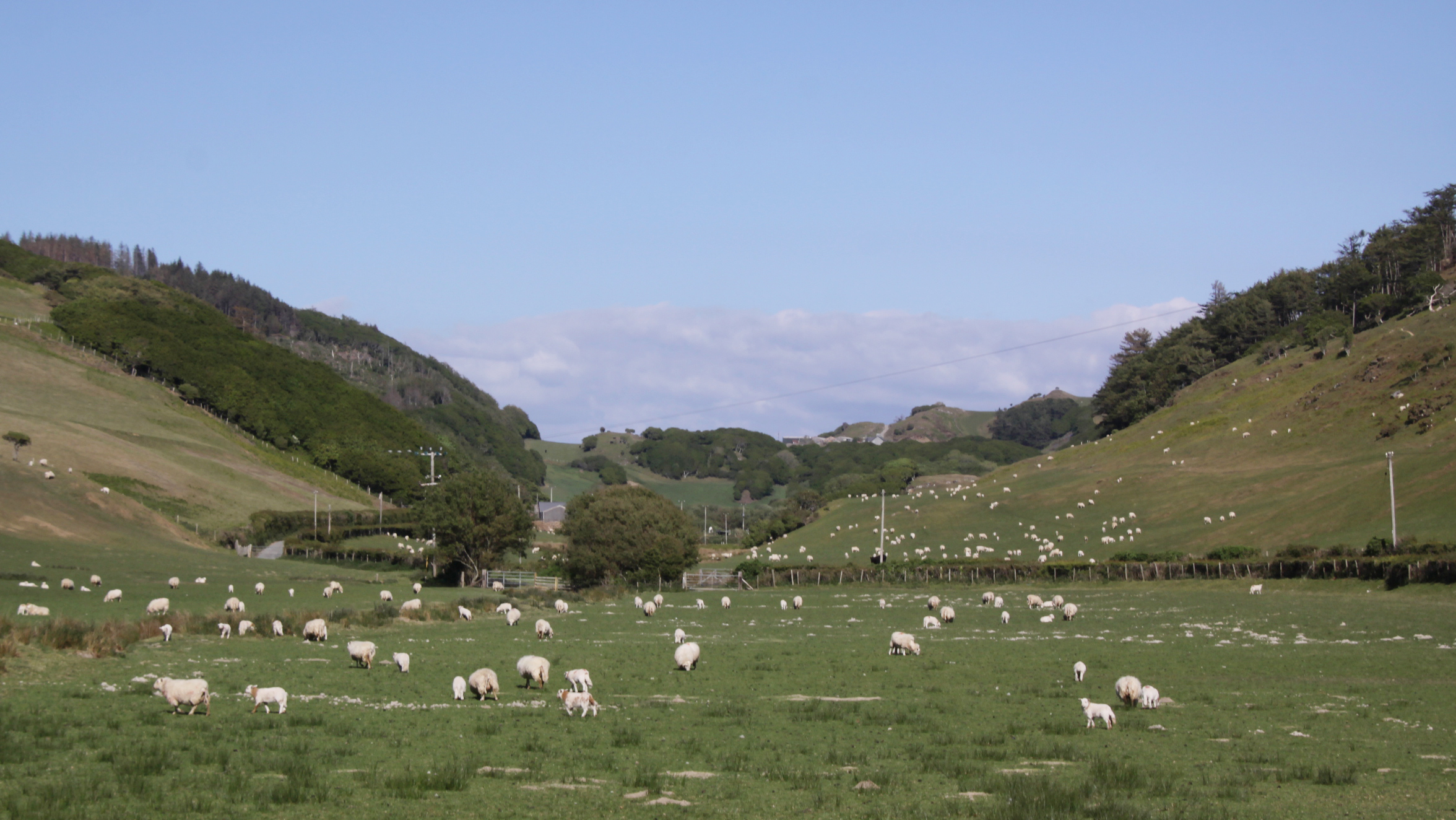
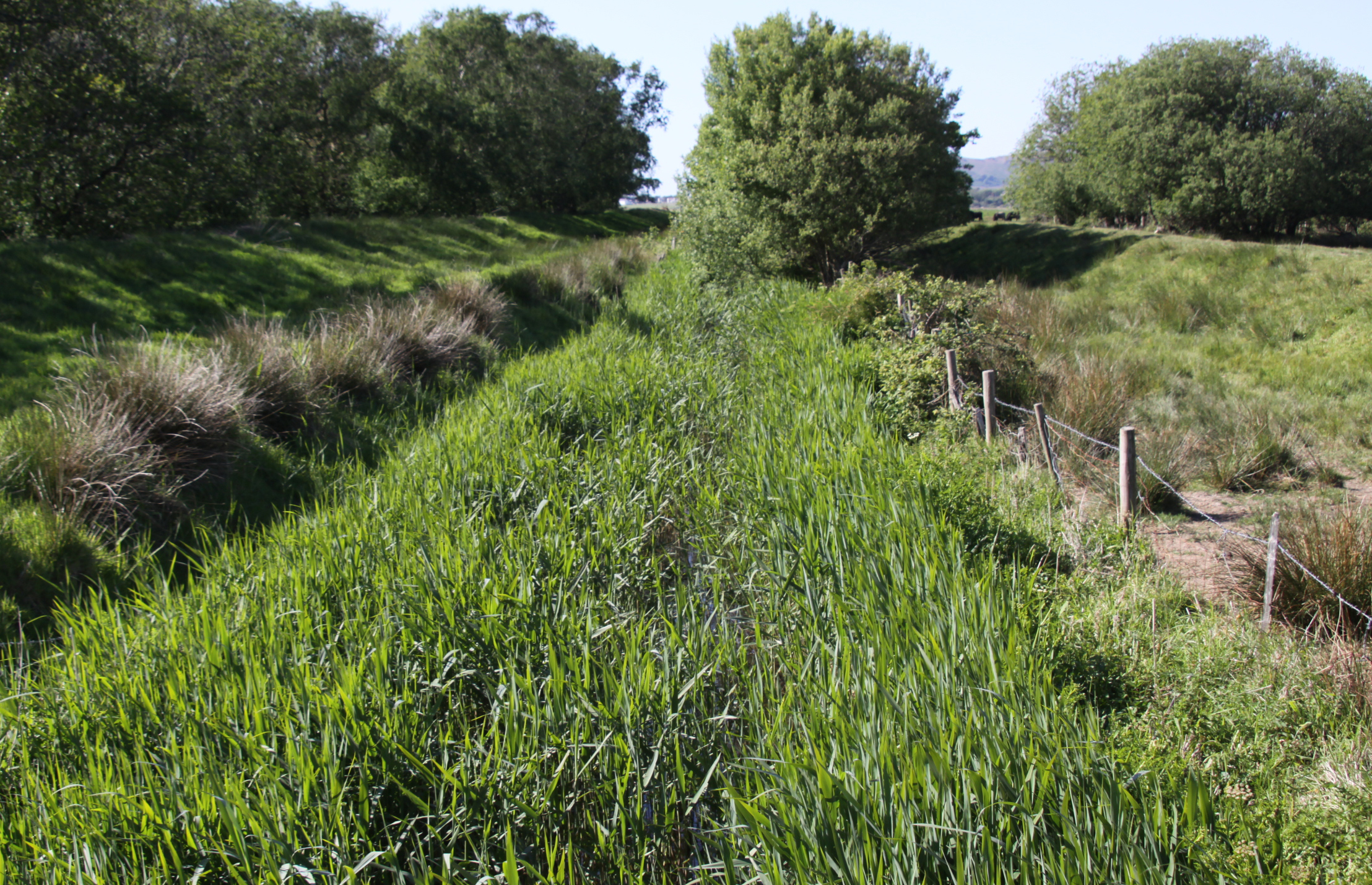
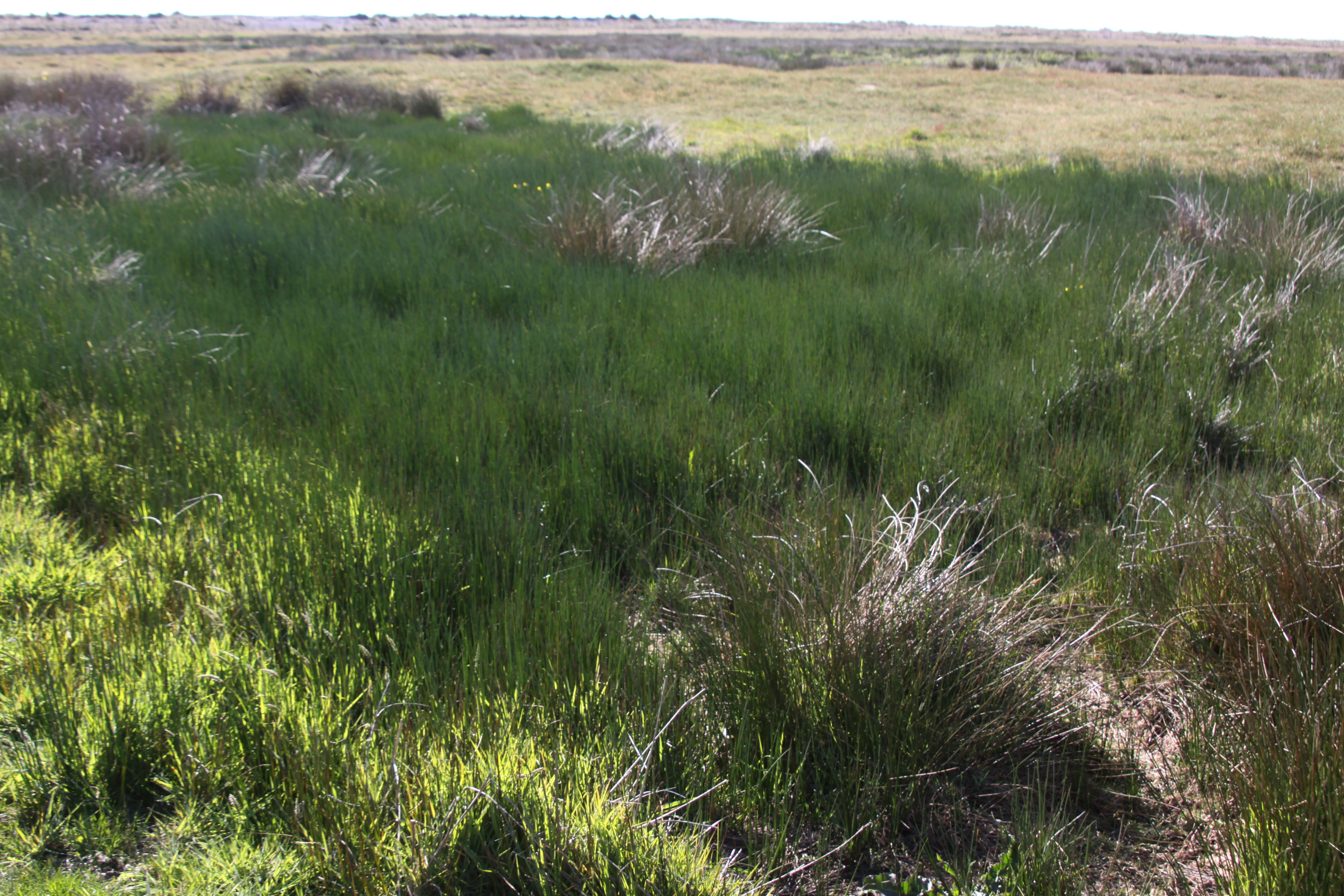
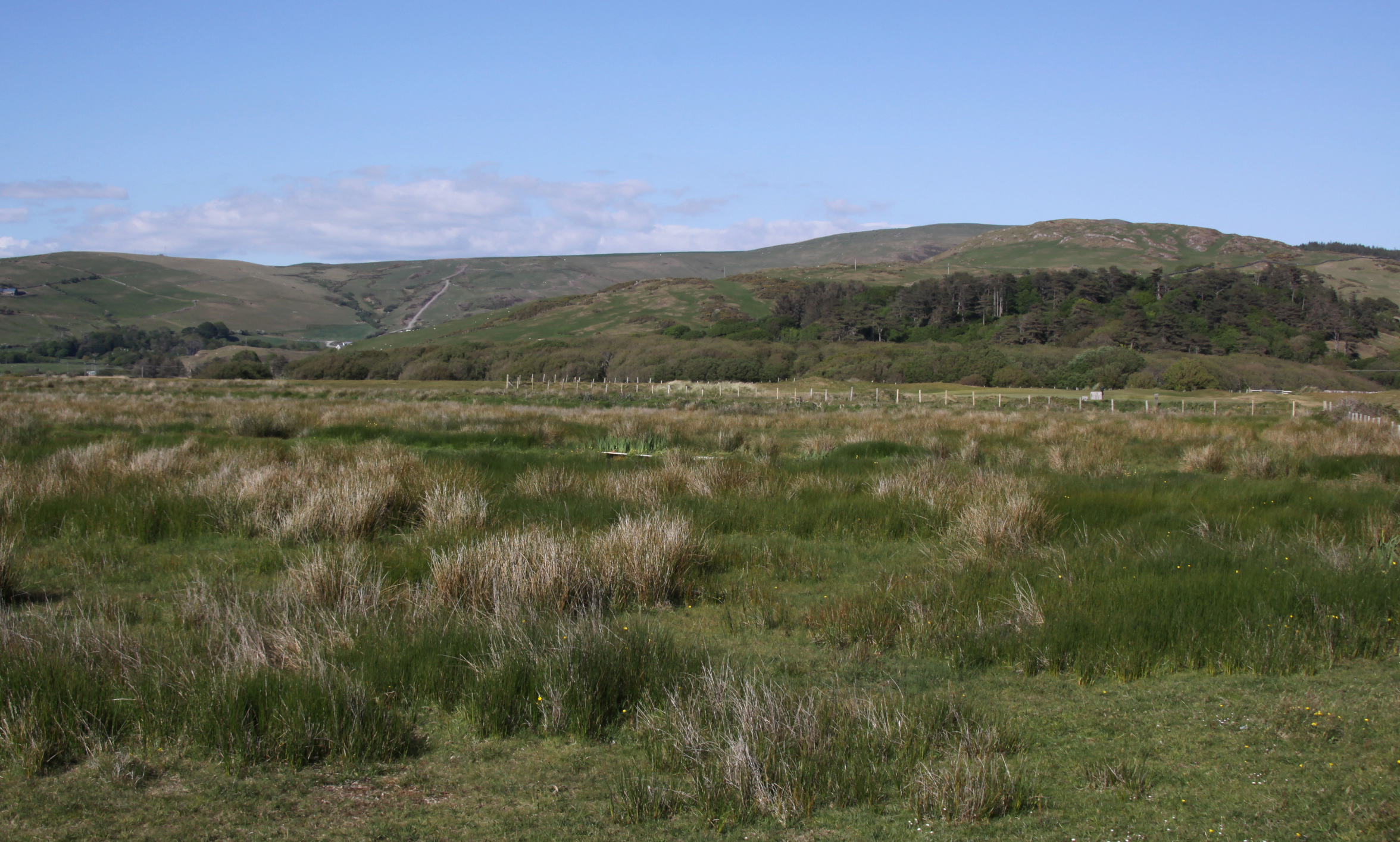
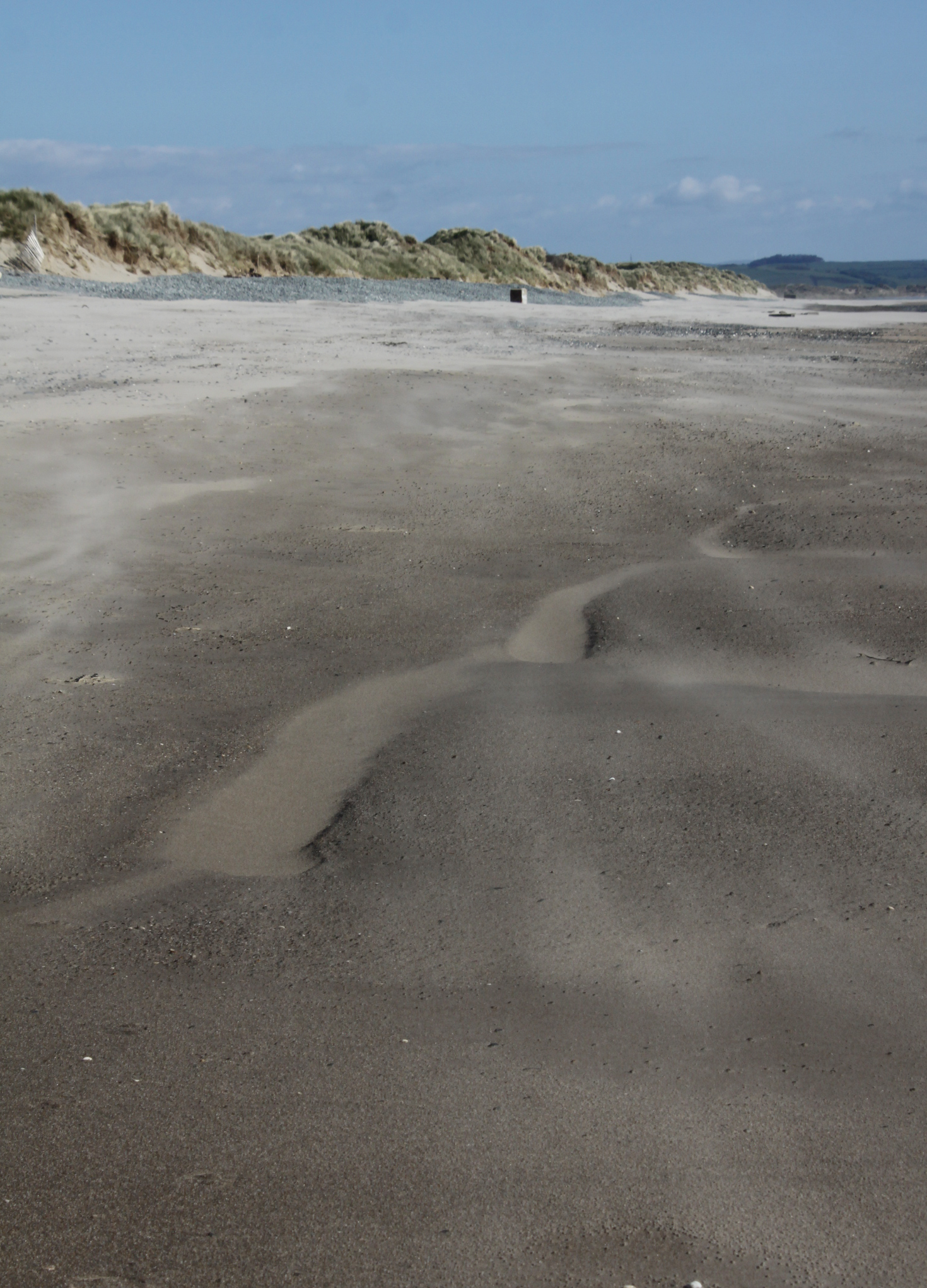
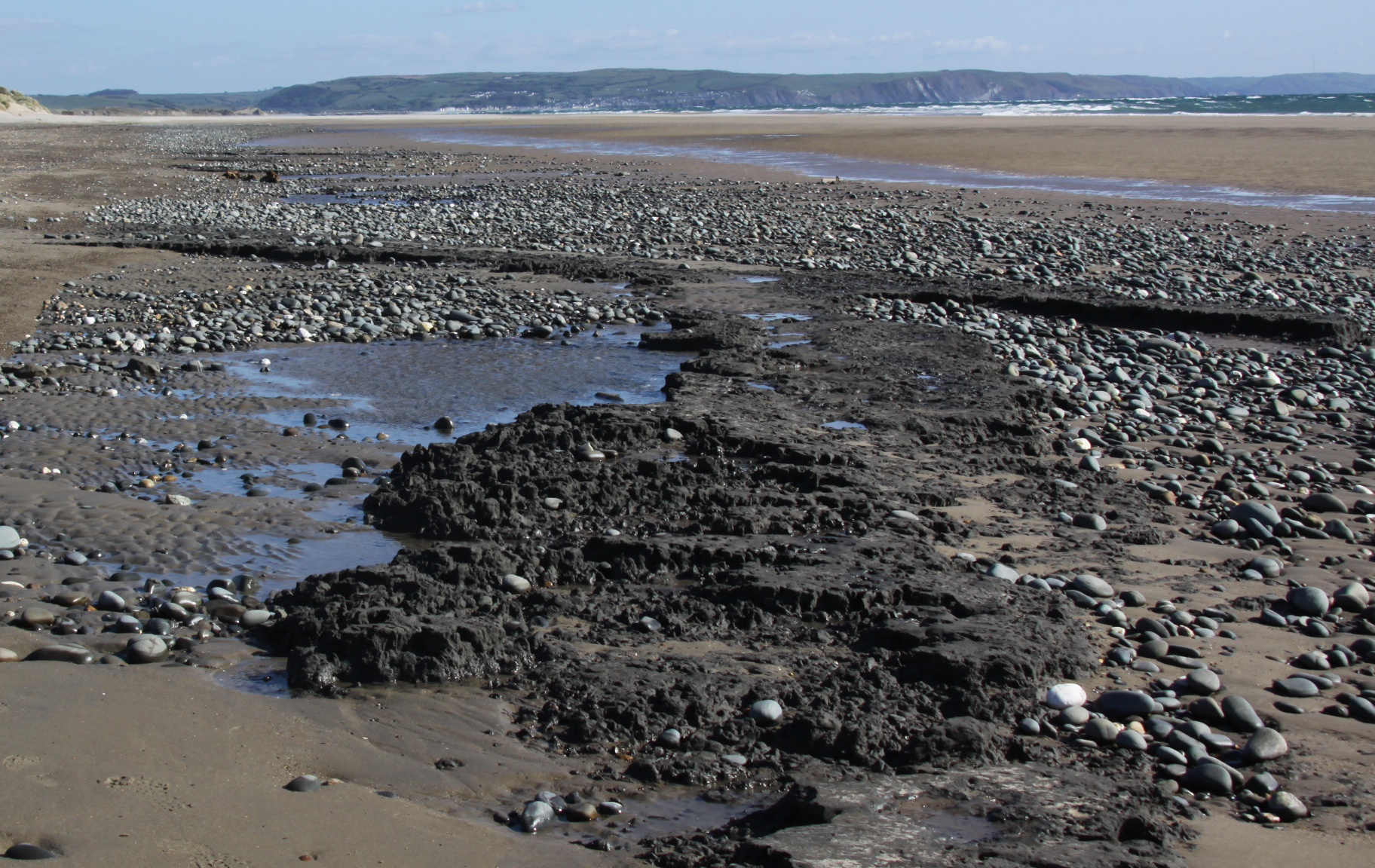
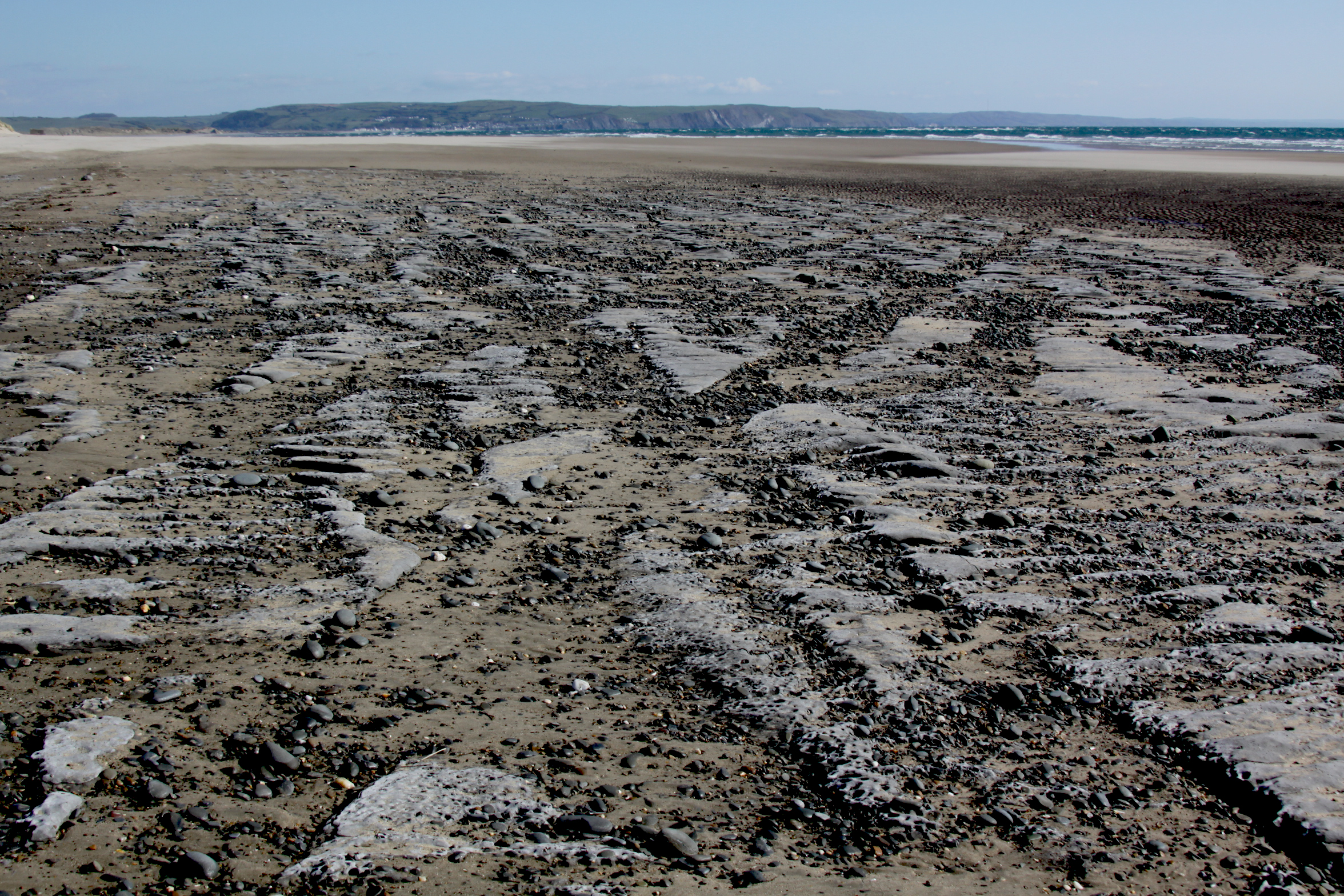
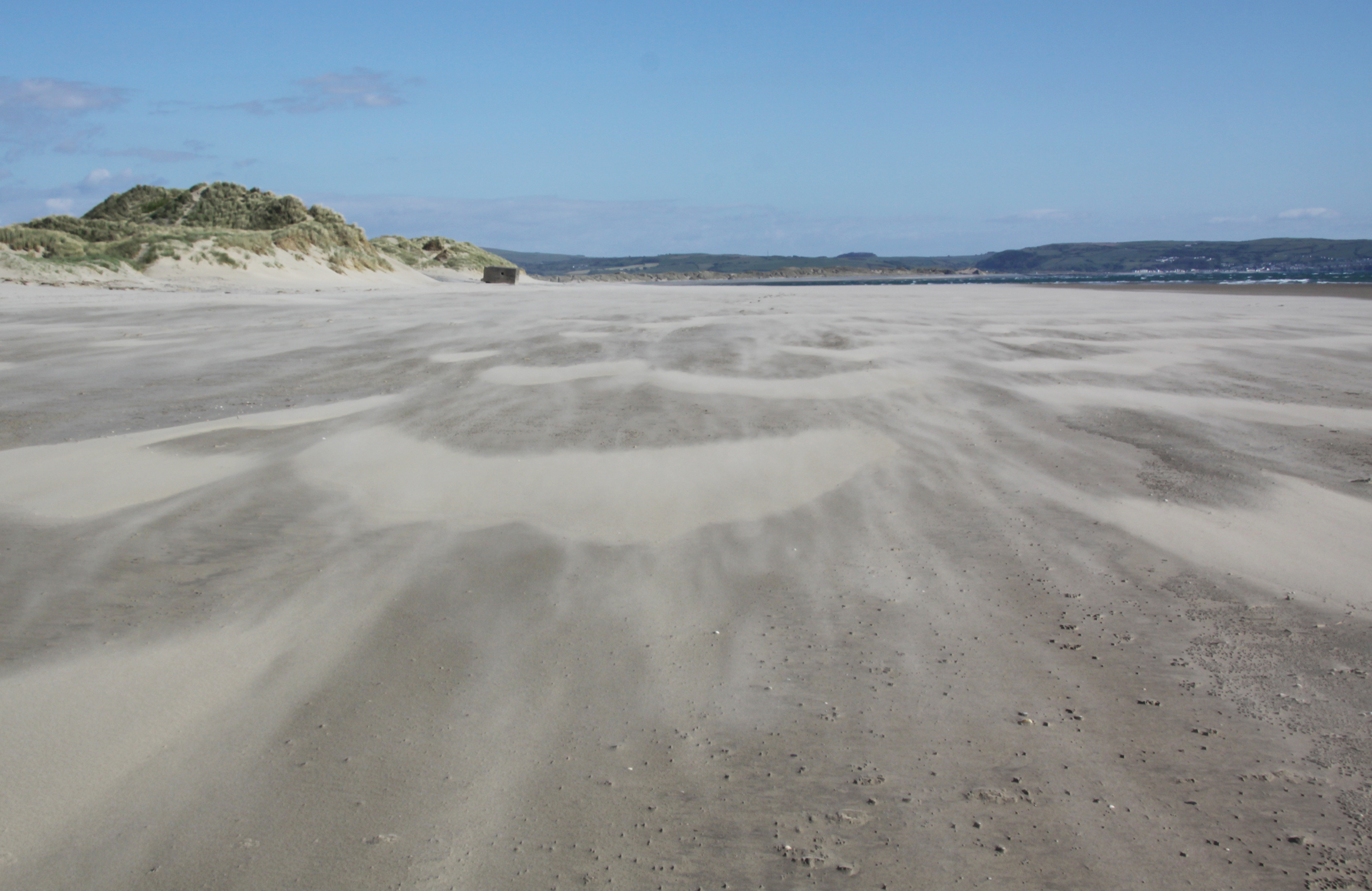
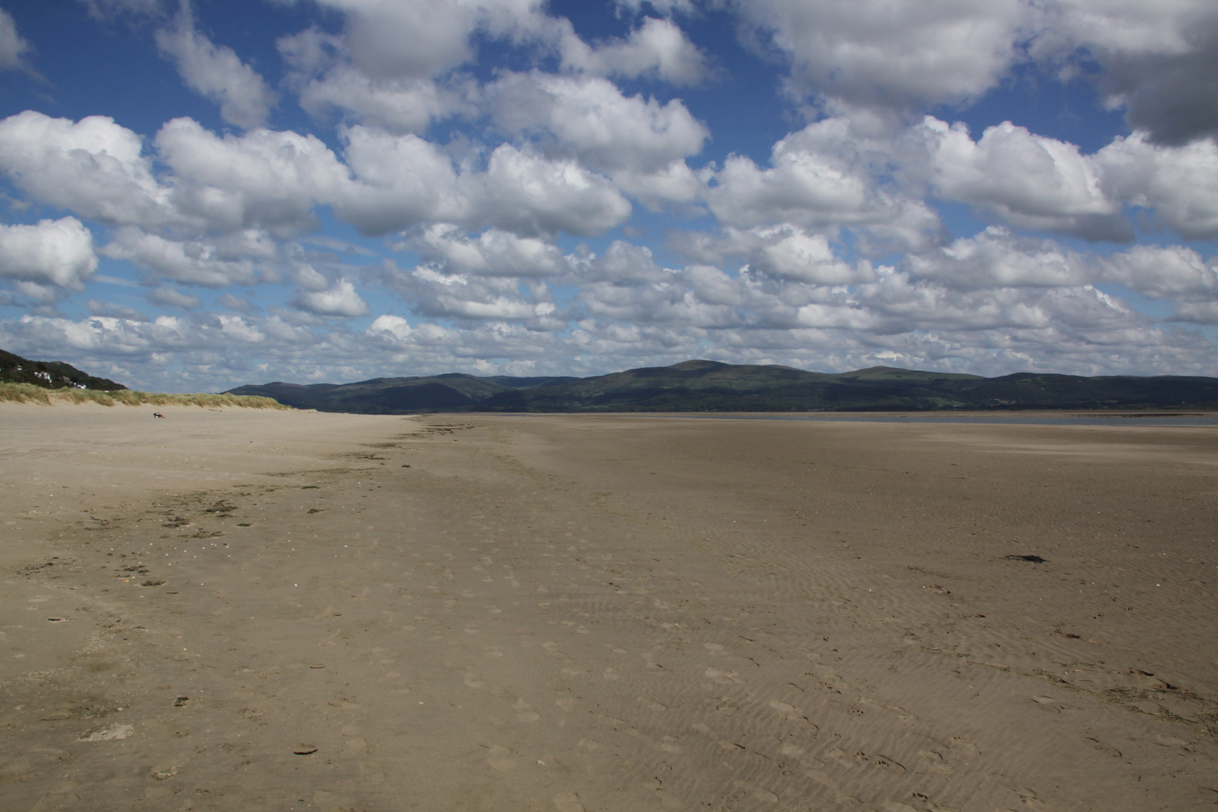
This is the longest walk I have done so far this year, and it was a joy.  It had a bit of everything:  The hills, the stunning views over the coast to the north and west, a beautiful farmyard pond, streams, valleys, wind blowing in the trees that sounded just like a waterfall, marshy flatland, sand dunes and the endless, beautiful beach with peat beds, sand drifts forming amazing shifting patterns and the walk back up Balkan hill with wild flowers in the verges.

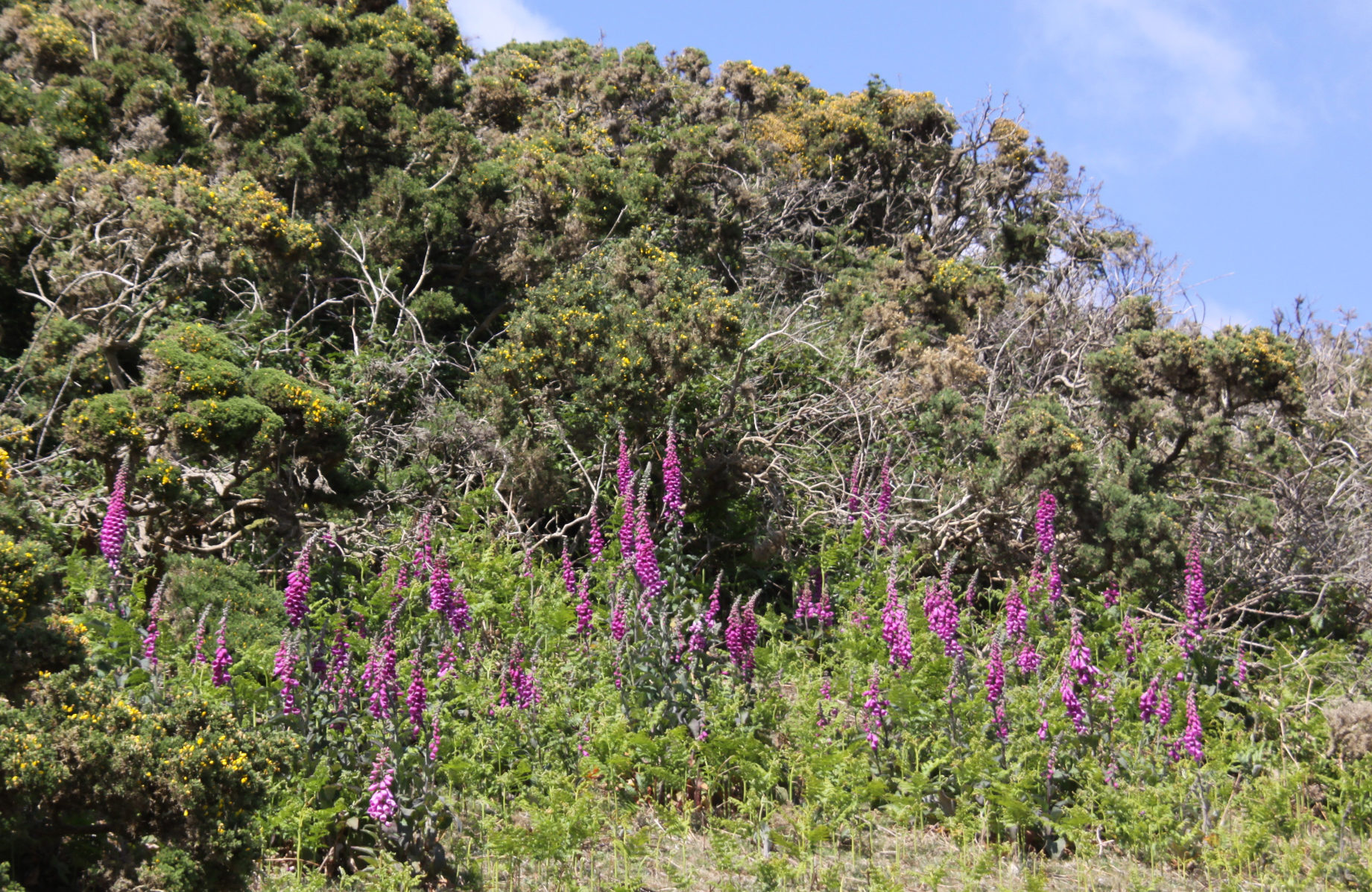
Foxglove (Digitalis, meaning finger-like) has gone mad this year, with vast purple plumes dotted around hills, verges, hedgerows and gardens.  Some are in full flower, others are just coming out, and all of them combine to provide a marvellous array of colours.  In the 18th Century digitalis was found to have an impact on the heart and research has proved it to be useful in fighting heart disease.  Foxgloves flower from June to September, so there is plenty of time to enjoy them.

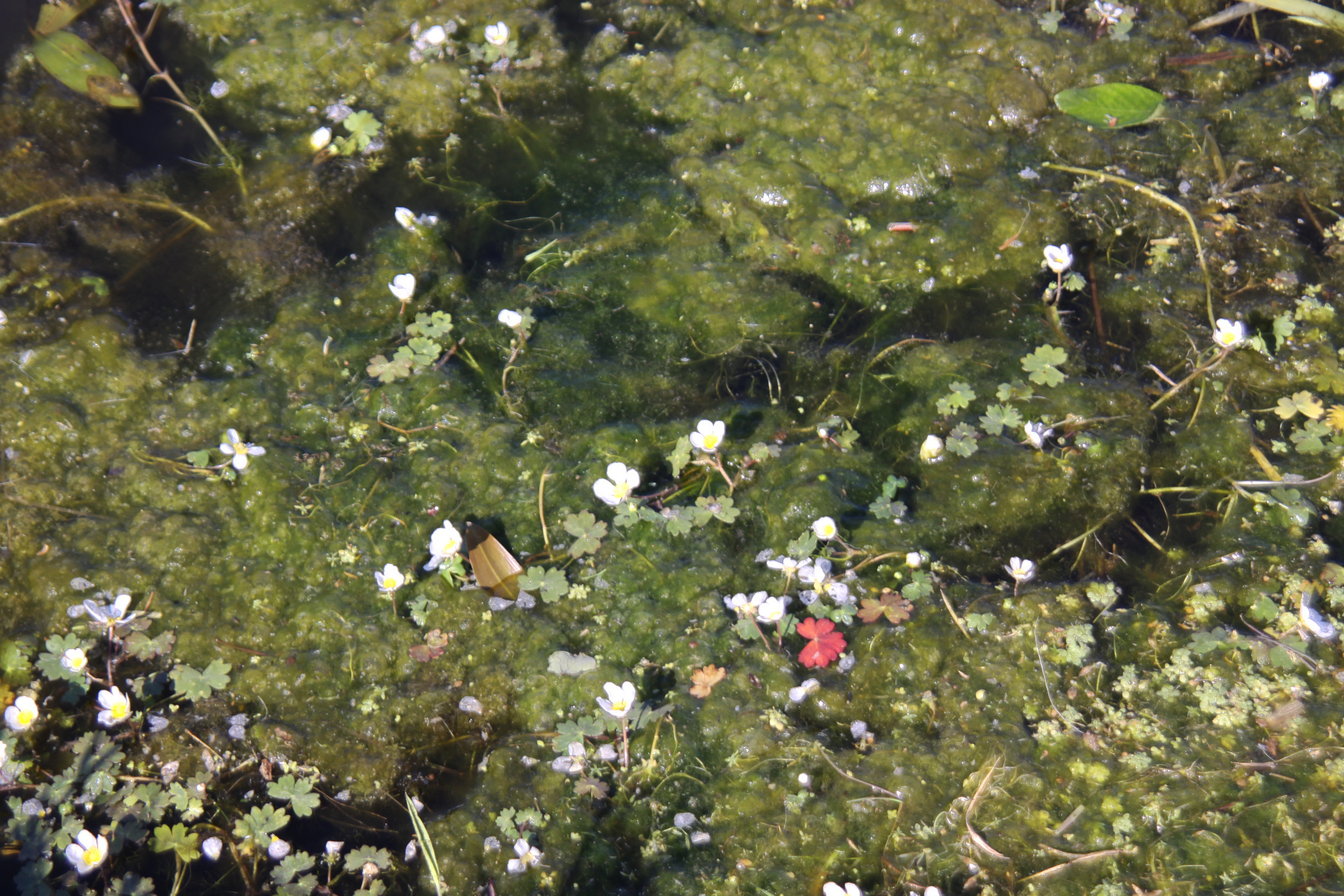
The photo above shows Pond Water-crowfoot (Ranunculus peltatus) forms little networks of leaves and flowers on top of still water.  An aquatic white version of the more common yellow land-based buttercup (also Ranunculus).  The leaves are rounded and divided into lobes.  On a pond, they look like tiny water lilies.  Unfortunately this photograph is over-exposed, so the flowers are difficult to see properly.

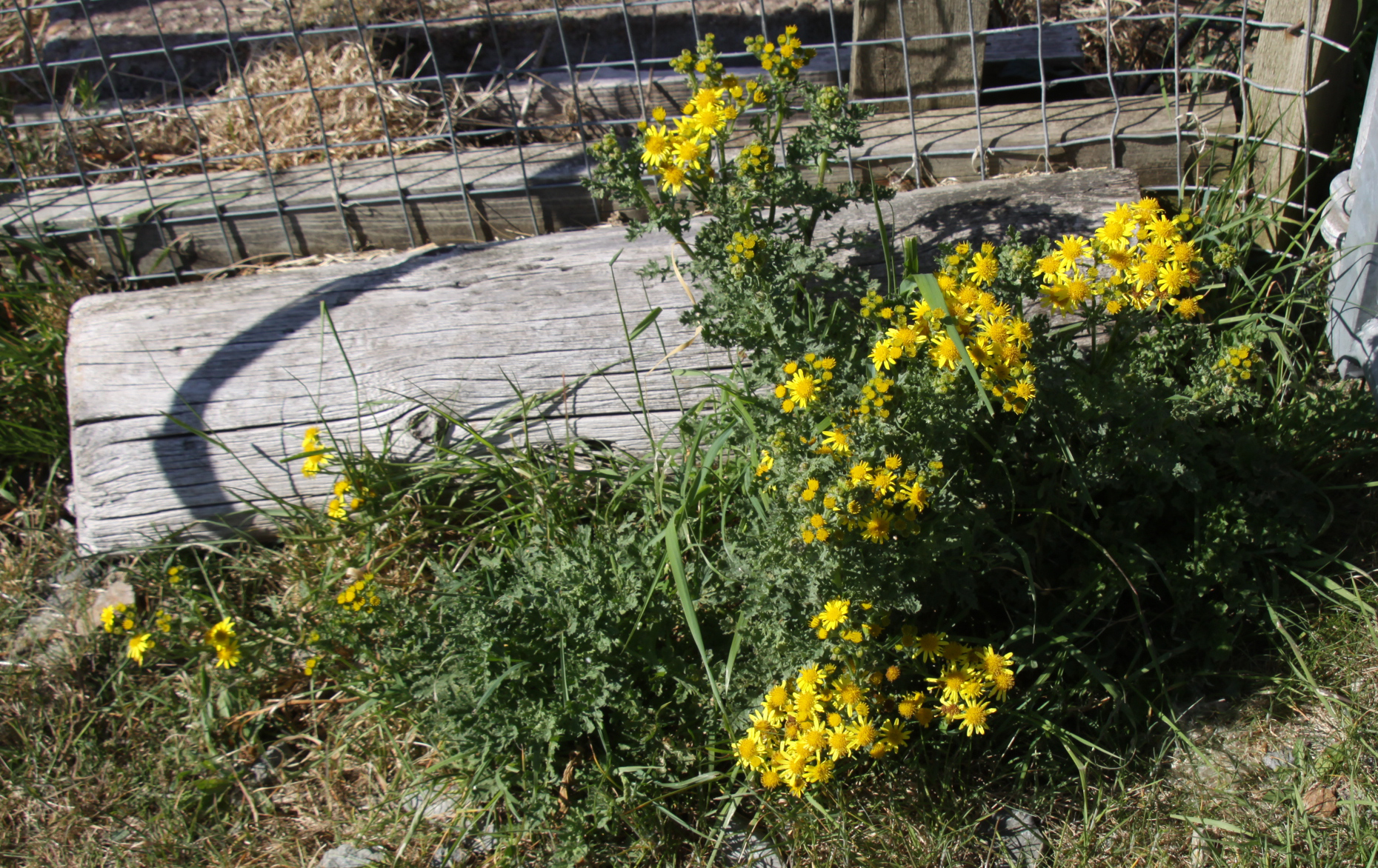
Common ragwort (Senecio jacobaea), which is in the same family as dandelions (Asteraceae) is common around Aberdovey, and is a frequent colonizer of wasteland.  Growing up to 150m in height, it is easily distinguishable from other members of the Asteraceae family due to its rather untidy, seaweed-like leaves.  It is the food-plant of the orange and black striped caterpillar of the cinnabar moth (Tyria jacobaeae), which may strip its leaves completely.  It can be poisonous for livestock.  A biennial, it flowers from June to November, and the caterpillars start emerging in June, so if you know of a patch of common ragwort, it is worth watching out for the lovely looking caterpillars and the stunning red and black moths that follow.  It flowers from June to November.

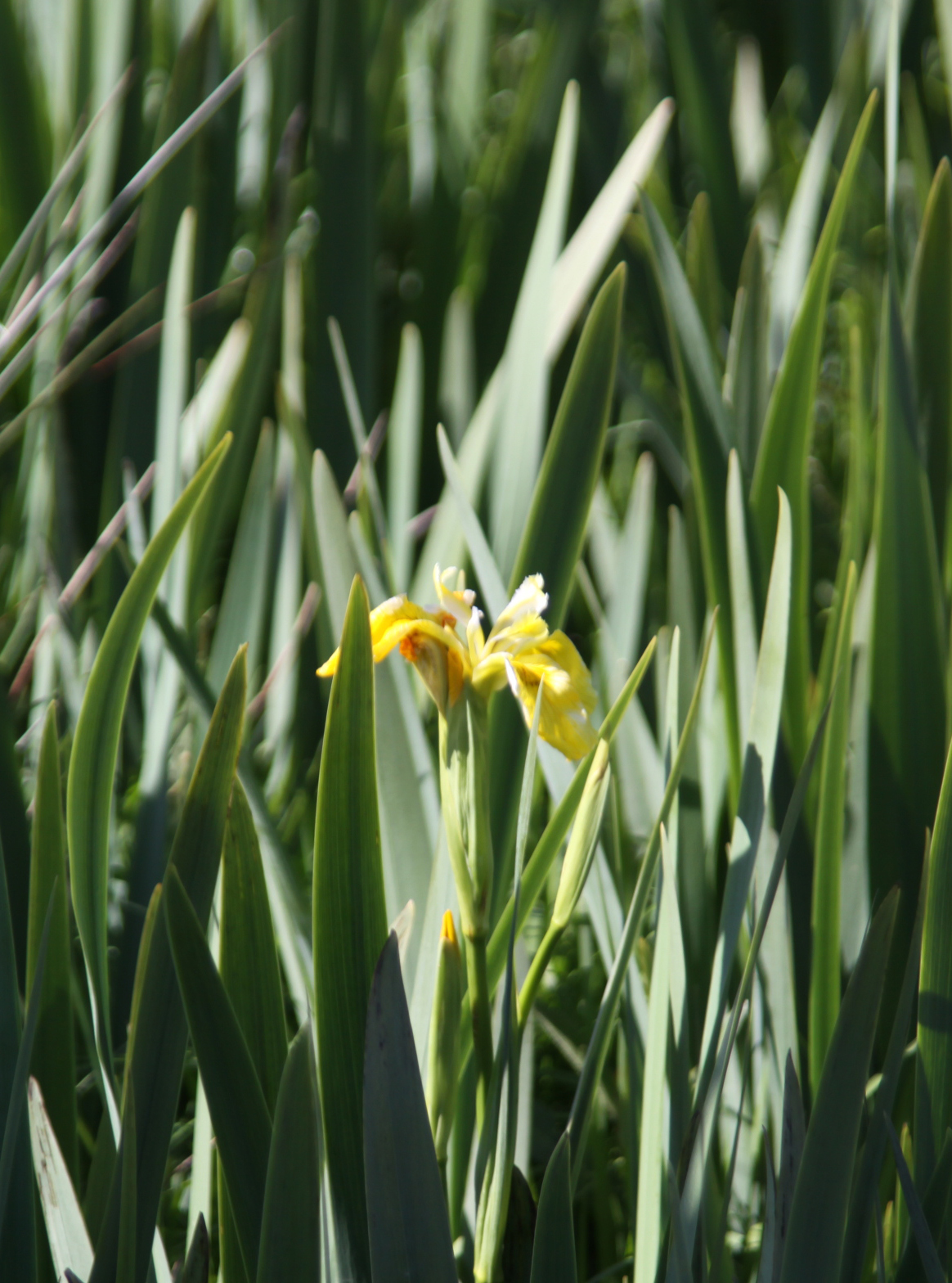
Yellow flag iris (Iris pseudacorus) grows in ponds and marshes, and loves to have its roots wet.  There were only a couple in flower, but it should soon be a fairly spectacular sight.  They usually flower between May and July/August.  the Yellow flag iris is supposed to be apotropaic, something that wards off evil, but it often has a bad reputation for being somewhat evil in its own right, spreading so energetically that it colonizes whole areas, frequently becoming a thorough pest in garden ponds and lakes in parks.  Its rhizomes (root system) spread out sideways and form dense masses that are really difficult to eradicate.  In the wild, although they are wonderful to see, they can oust other wild species from the same habitats.

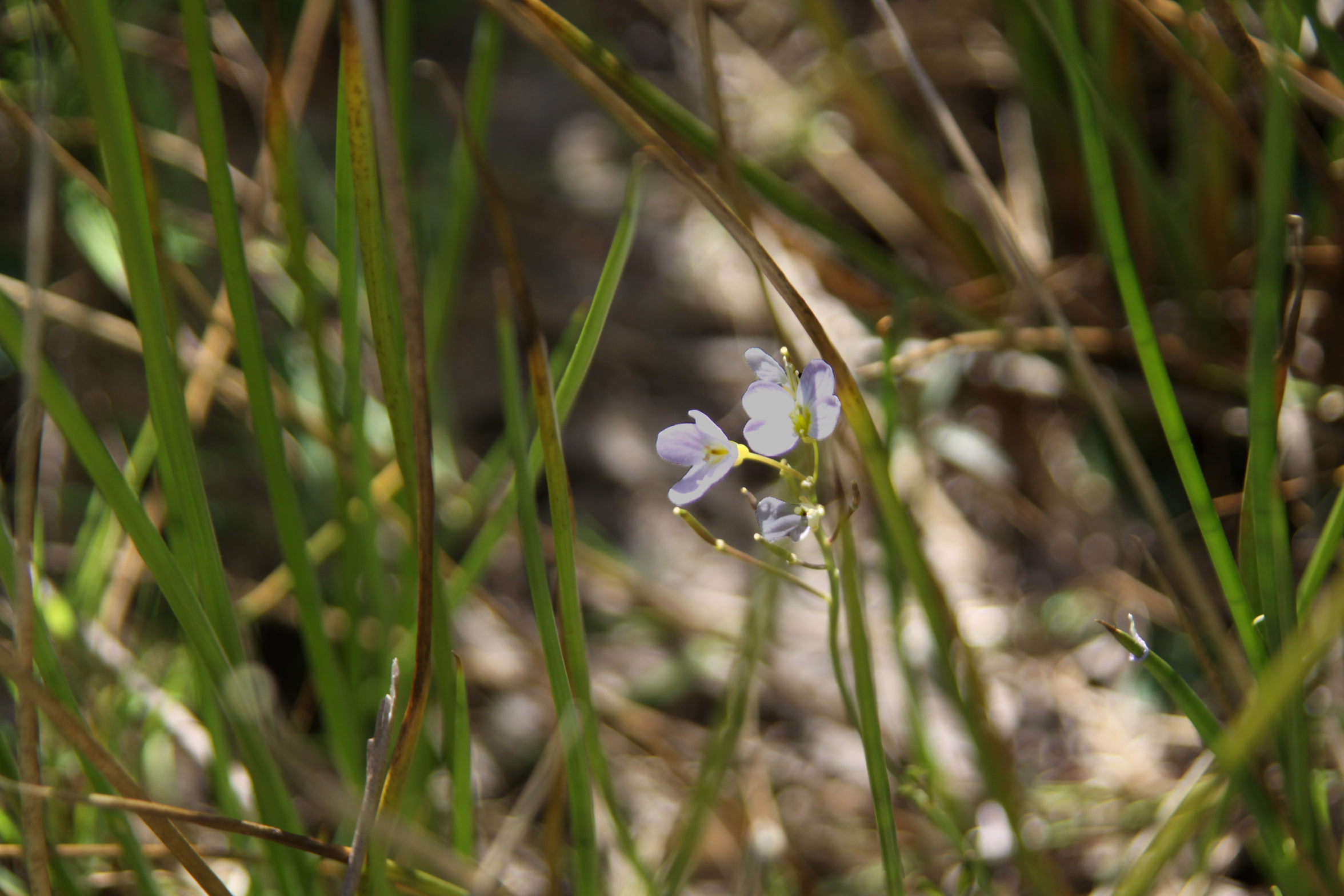
The Cuckooflower (Cardamine pratensis), also known as milkmaid and lady’s smock, is a member of the Brasicaceae (cabbage) family is found in damper areas such as river banks, reed beds, saturated marshland and damp pastures.  The young leaves are edible and have a slightly peppery taste, that also extends to the flowers.  It has a relatively short flowering period, from April to June.

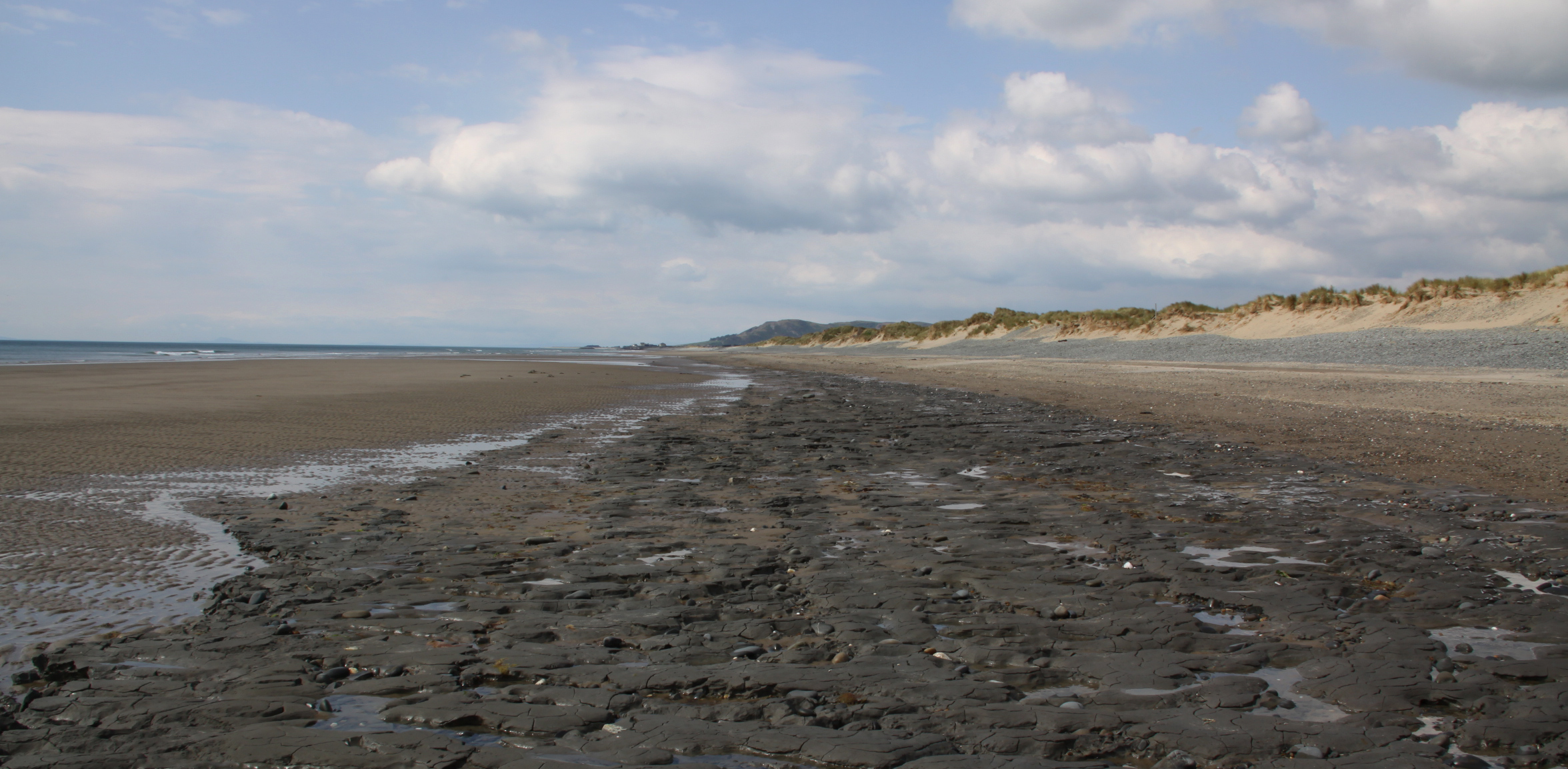
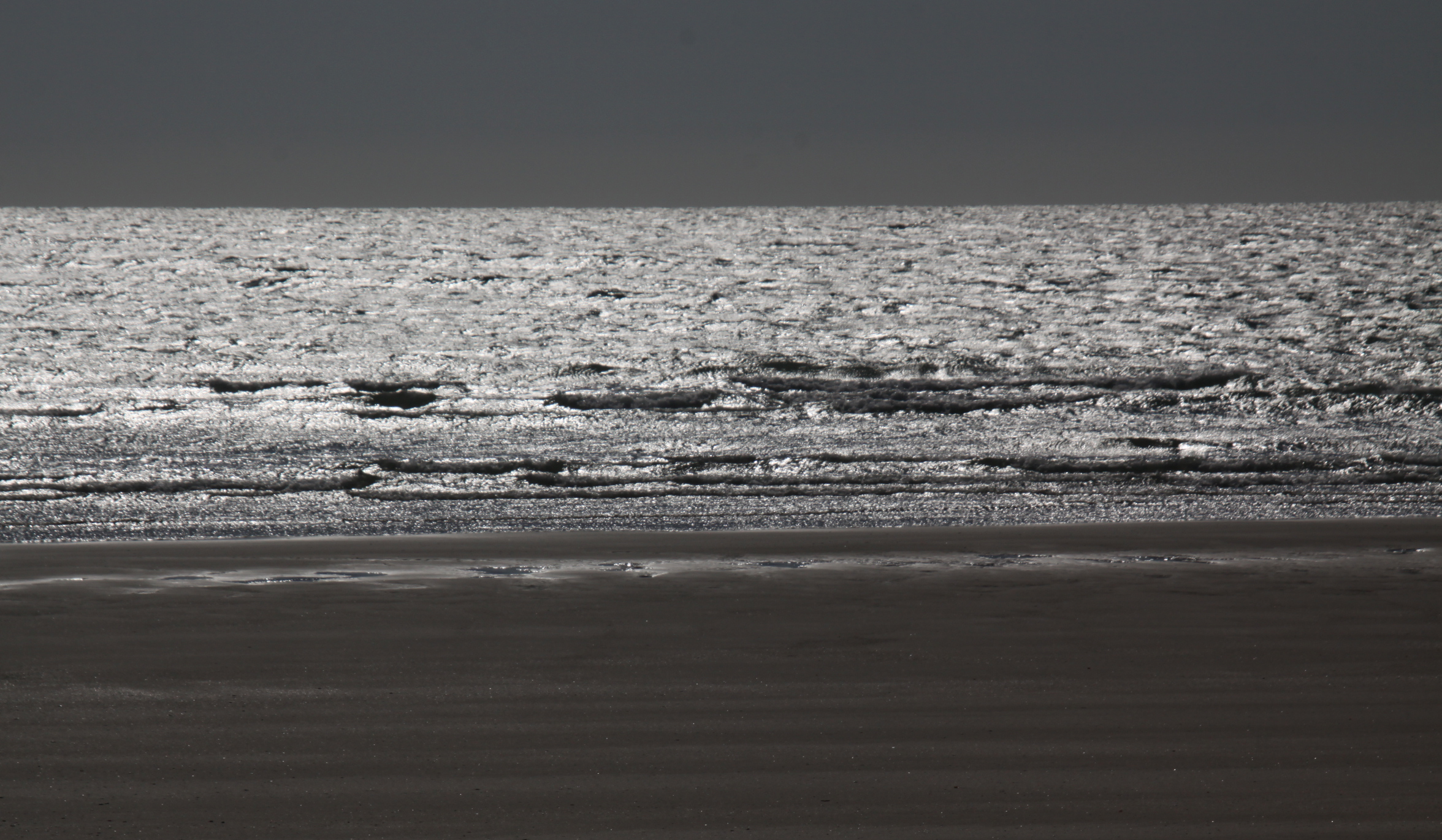
Peat beds, that look like rock outcrops, on the beach between Tywyn and Aberdovey. When you find a bit that has come loose, it is rich, black and dense, highly consolidated.  Near to and when the day is dull it is ebony black.  In the sun, slightly damp, it reflects the sunlight and looks silvery.

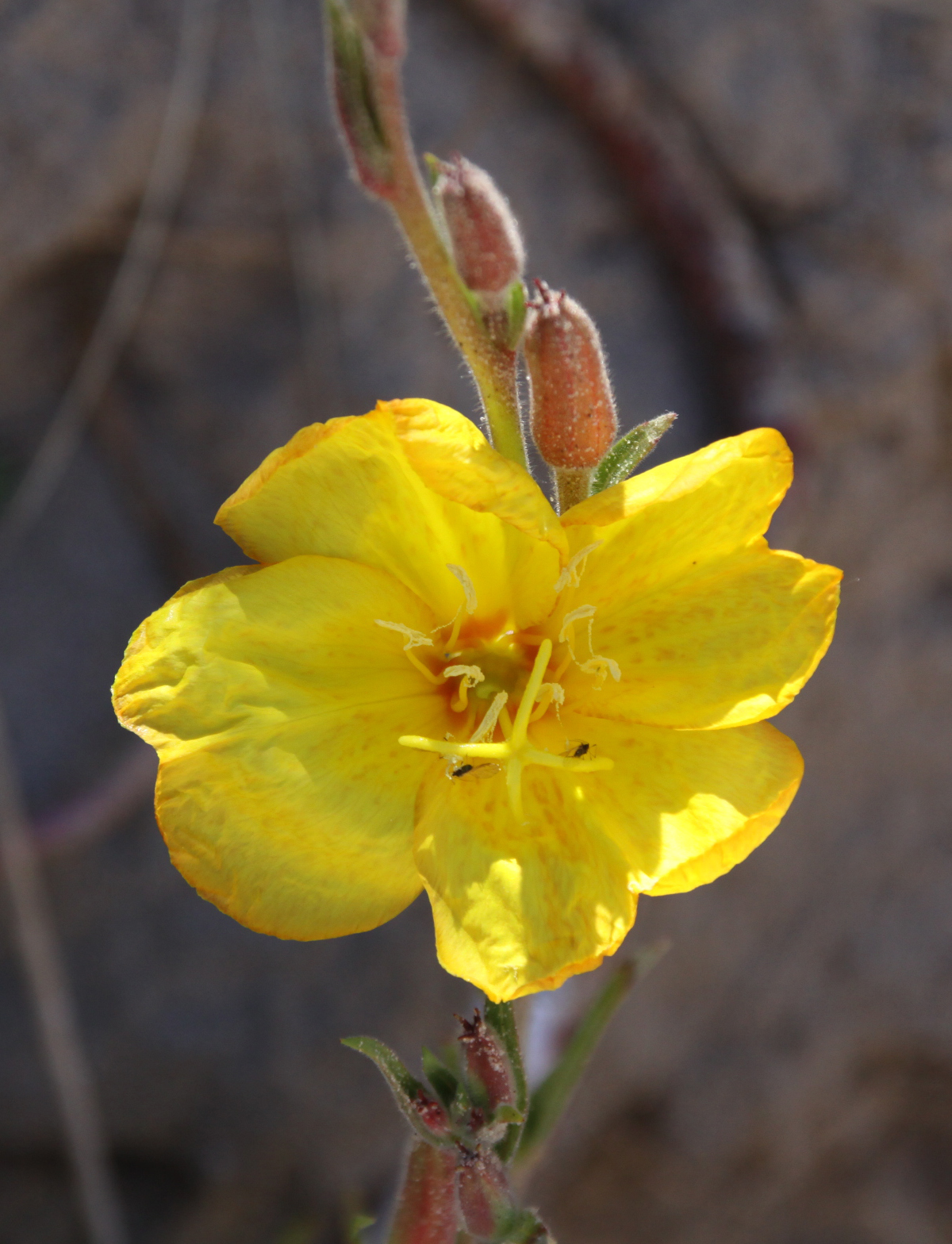
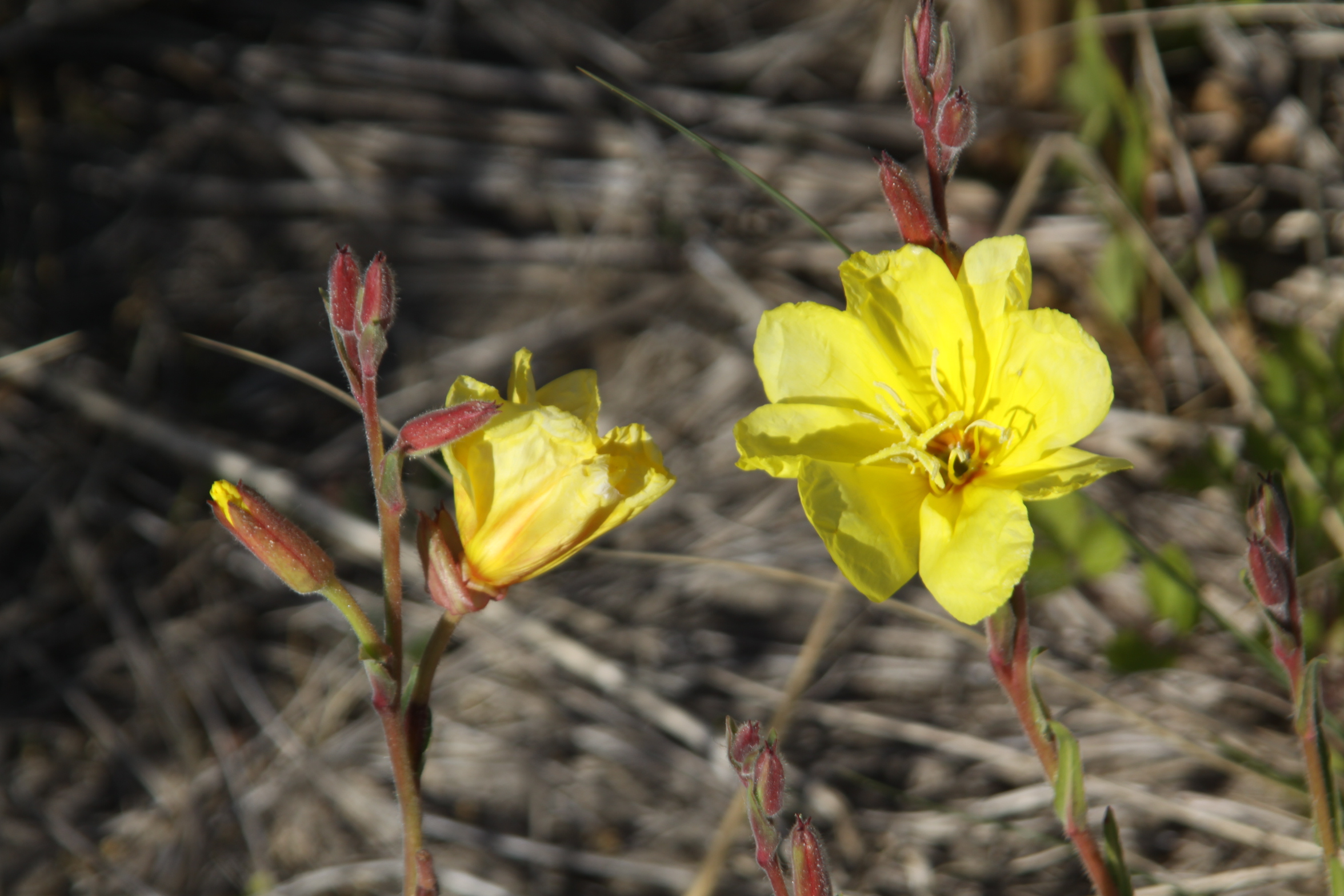
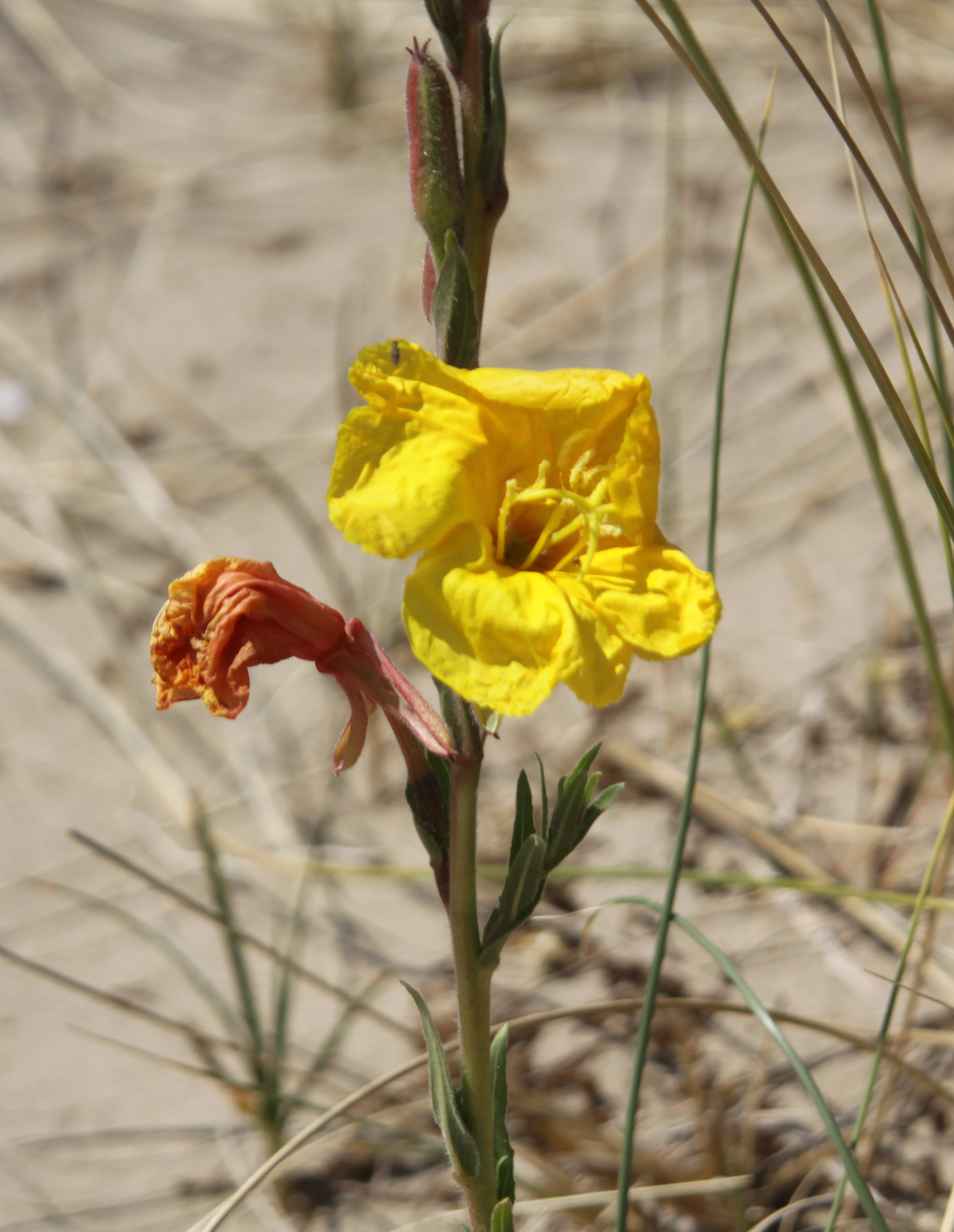
Common or Large-flowered Evening Primrose (Oenothera erythosepala) is a lovely flower, smothering the sand dunes at the moment, but whenever I walked in the dunes the flowers seemed to have gone over, with none in flower.  The answer to the puzzle is that the flowers open just before sunset and and begin to wilt by noon the next day.  Their appearance is early this year, usually not flowering until June, and they last until September.

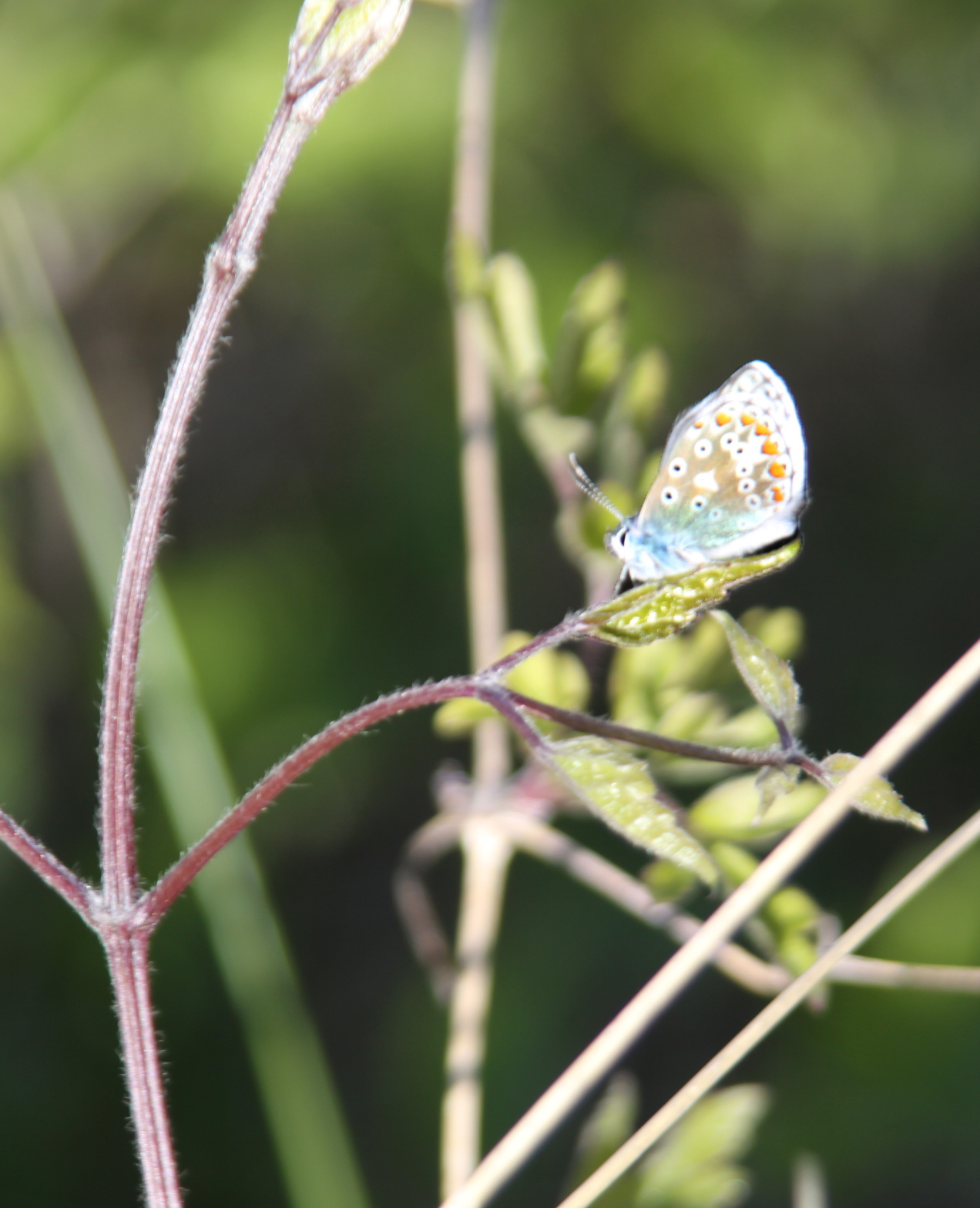
A rather fuzzy photograph of a silver-studded blue (Plebejus argus).

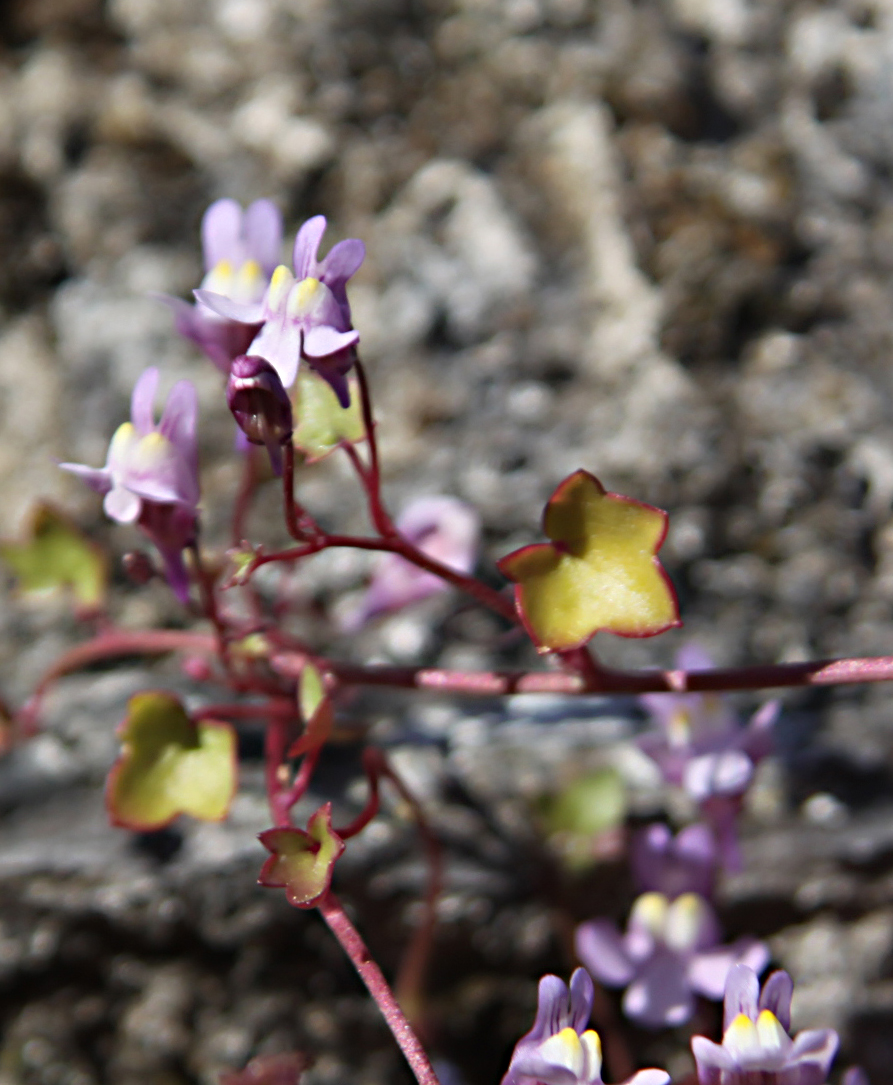
Ivy-leaved toadlfax (Cymbalaria muralis), once confined to southern Europe, was poking out of one of the walls on Balkan Hill in various places and crawling along the stone surface on long, red stems.  They are thought to have been introduced into England first in 17th century and were so prevalent in Oxford that they became known as the Oxford weed.  The leaves are edible and taste similar to watercress.

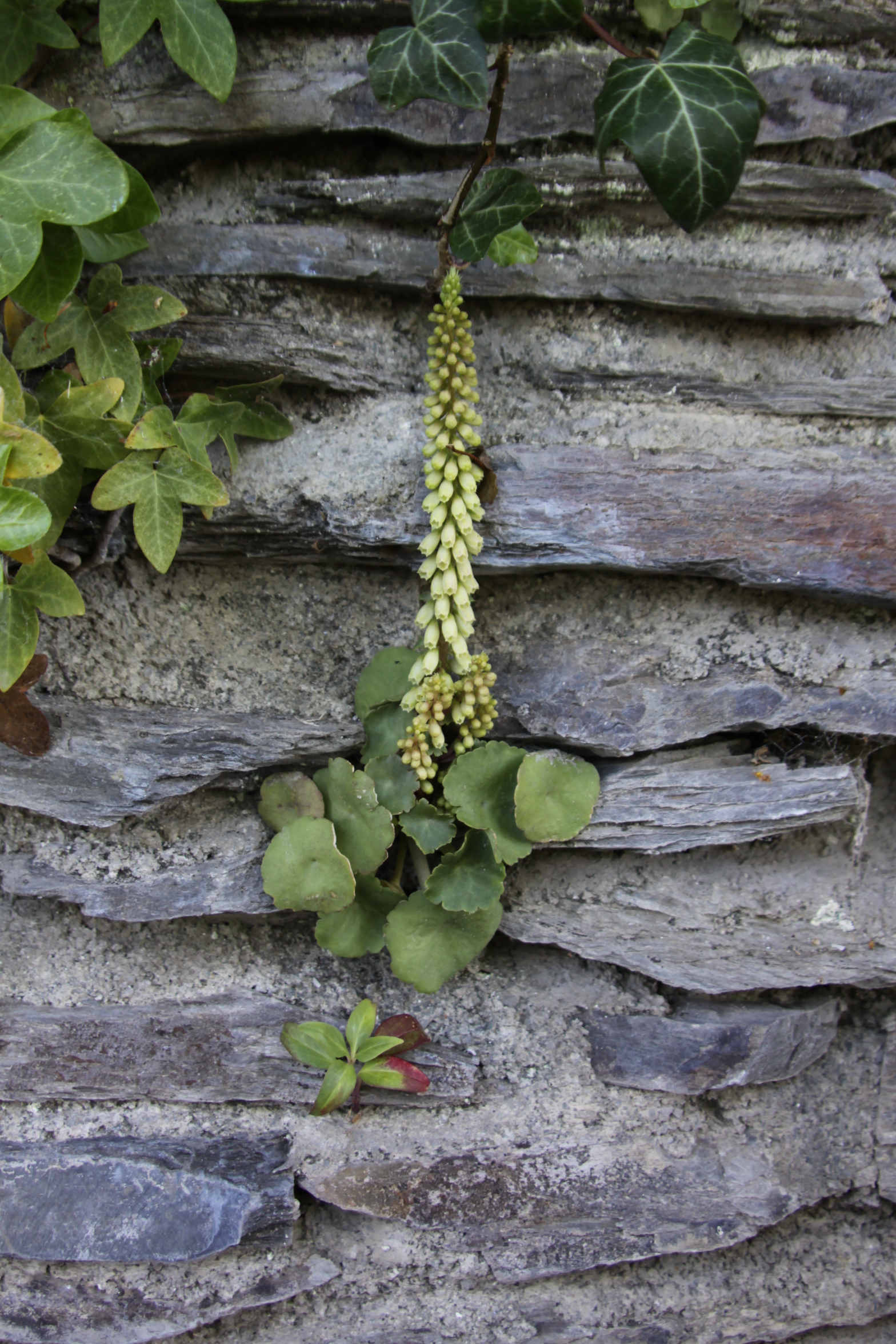
Another wall-inhabitant is Navelwort (Umbilicus rupestris) with its distinctive leaves and cream-coloured bell-like flowers clustering along the stem.  It flowers from June to September.

It is the longest walk I have done this year, and I enjoyed it so much.  The emptiness of the hills is always, with or without Covid-19, something really rather special.  A superb walk, a lovely day.

Another Aberdovey beach walk, nothing special, but so nice to get out

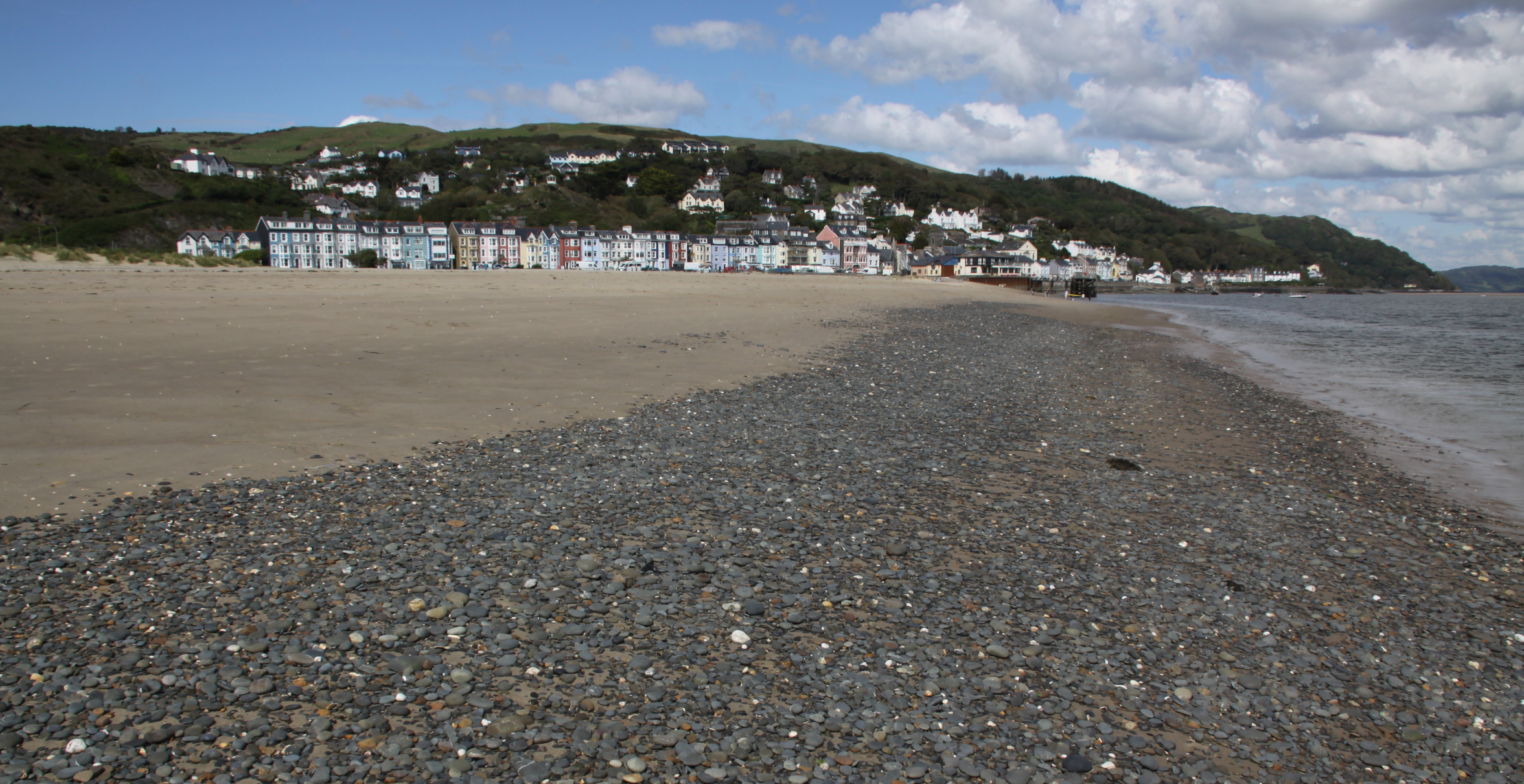
Walking along the beach seemed to be the safest of all the outdoor exercise options yesterday, because the beach is so huge that it is easy to avoid other people doing their similar constitutionals.  The Panorama walk is probably the next safest option.  I would love to do the walk along the estuary and back, but for a lot of that walk there would be incredible difficulty in keeping a safe distance if one met someone coming the other way.

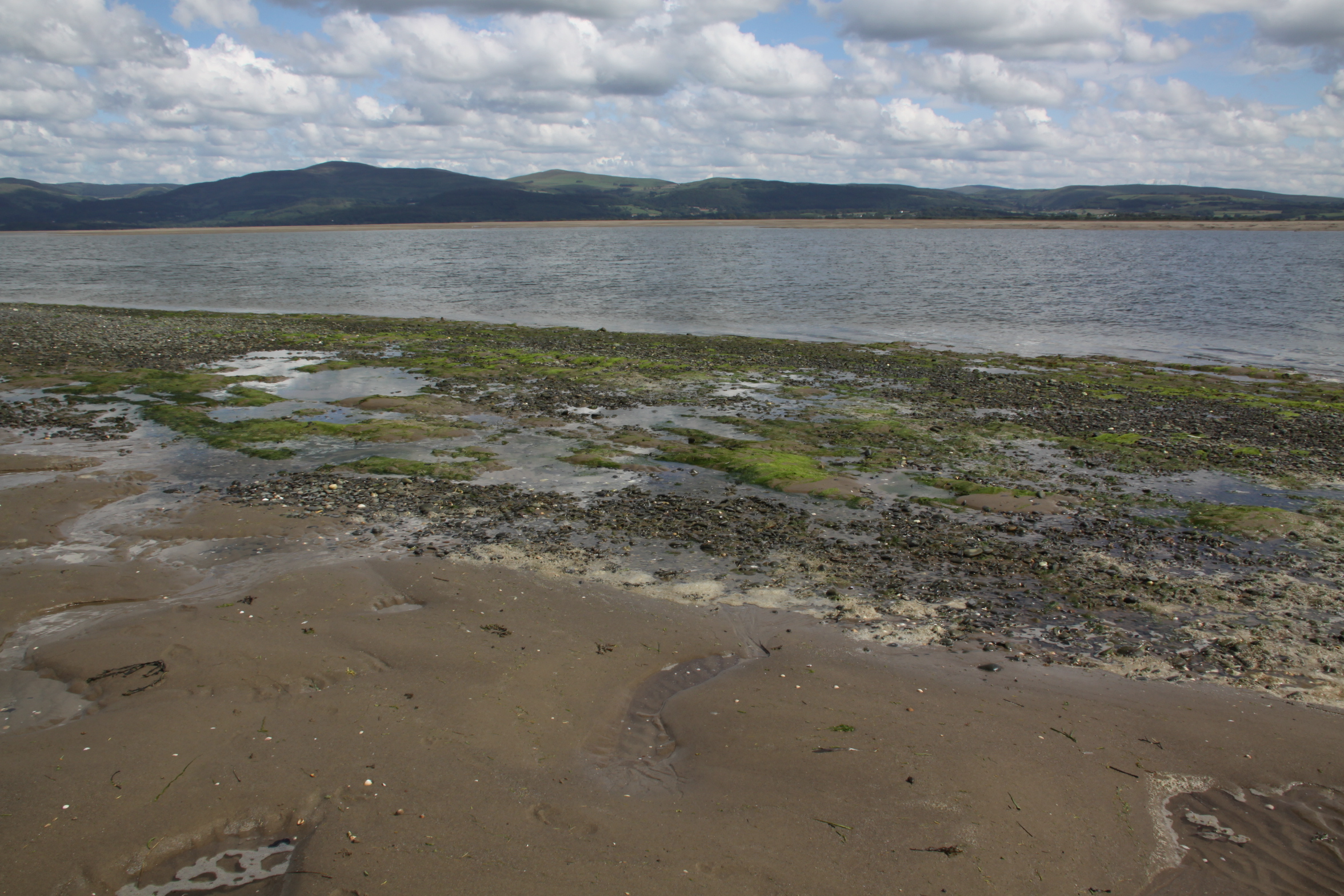
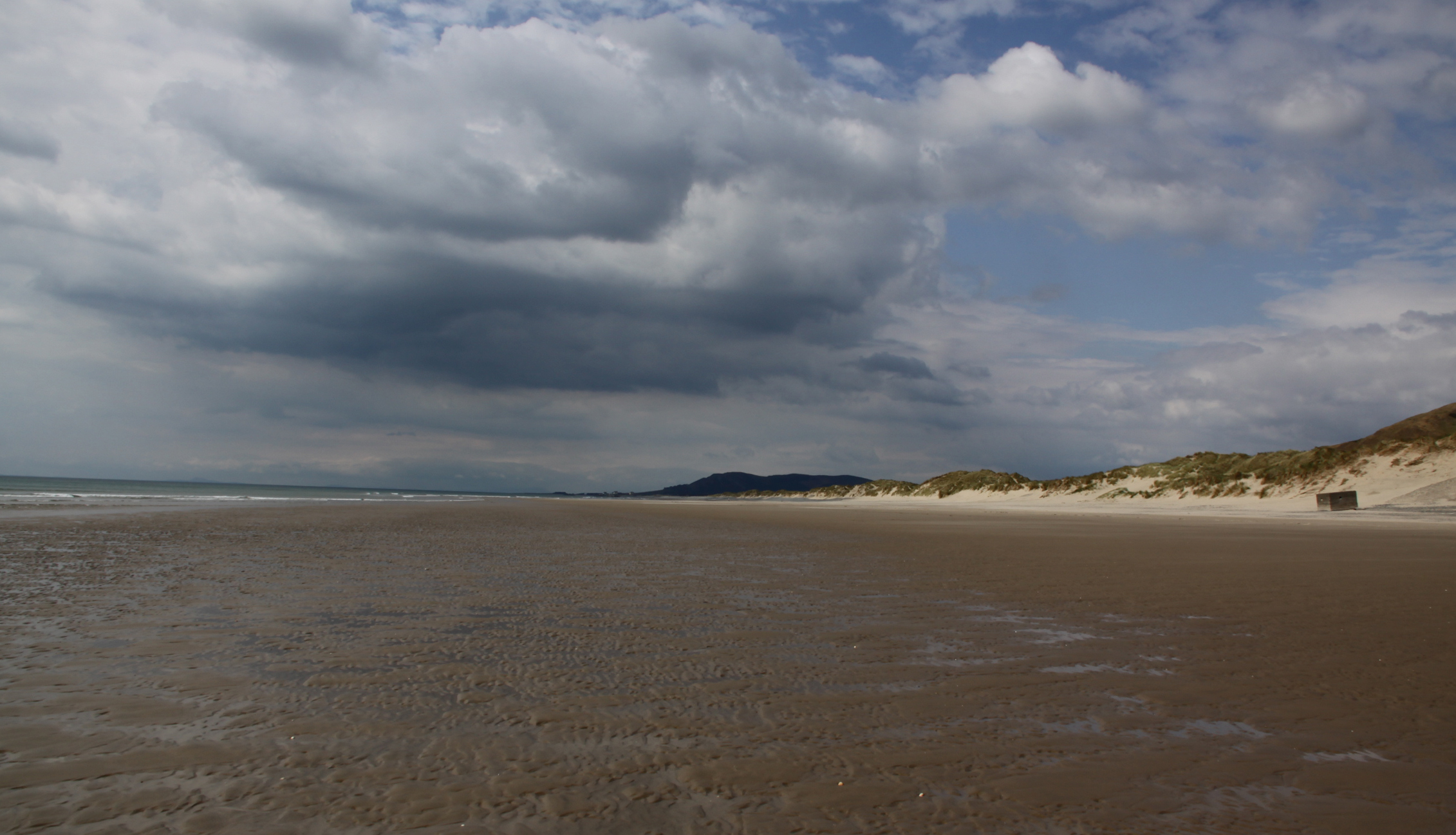
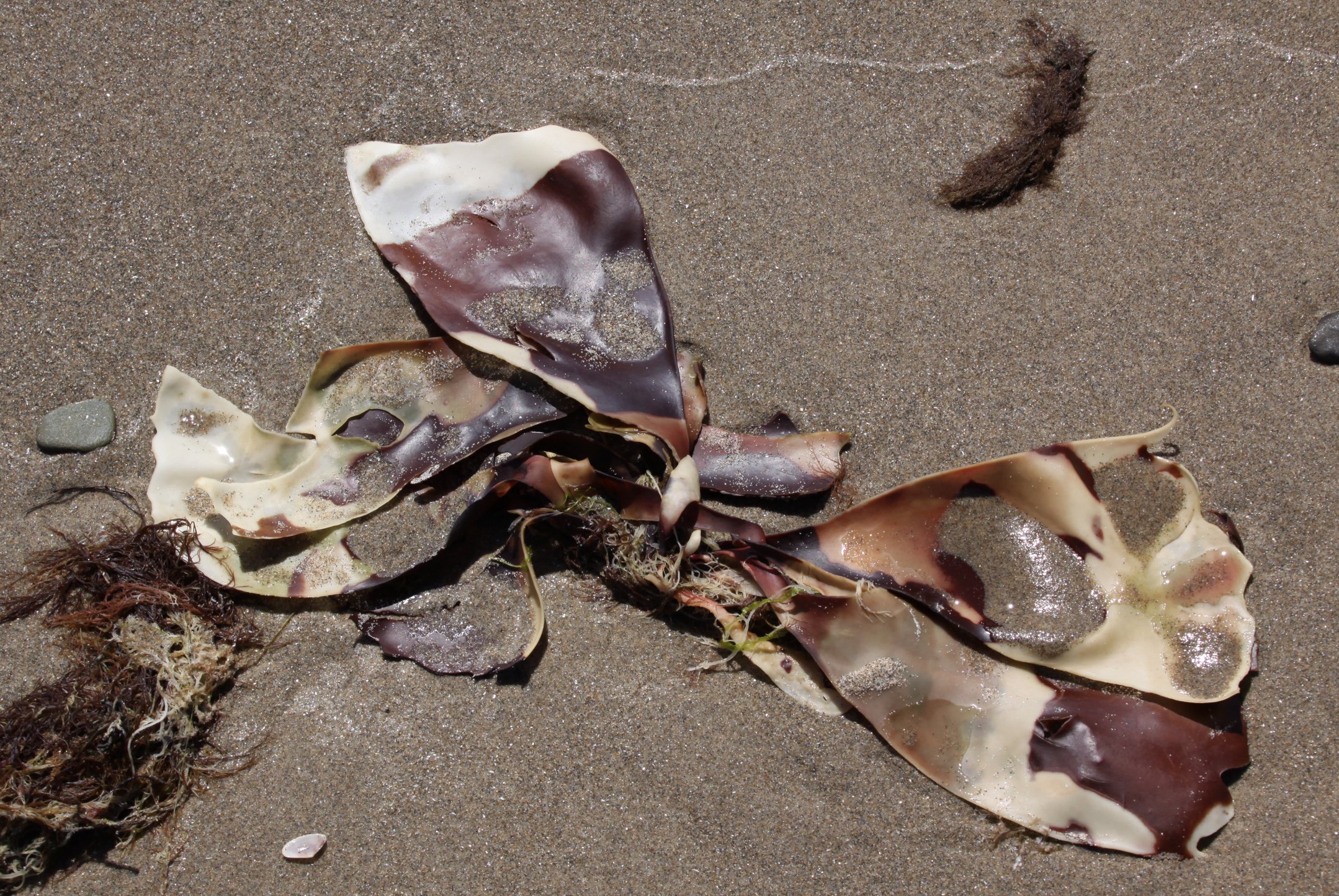
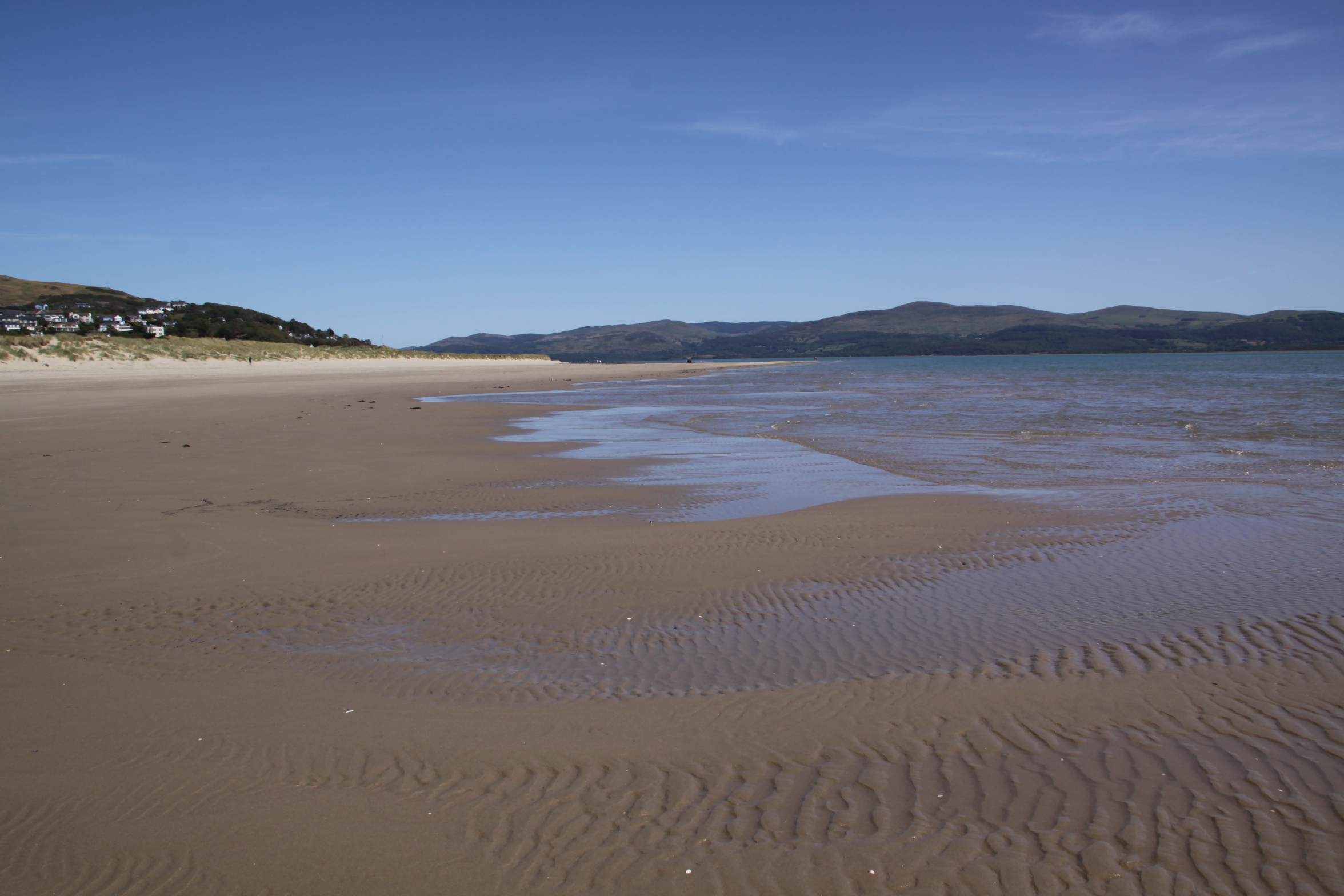
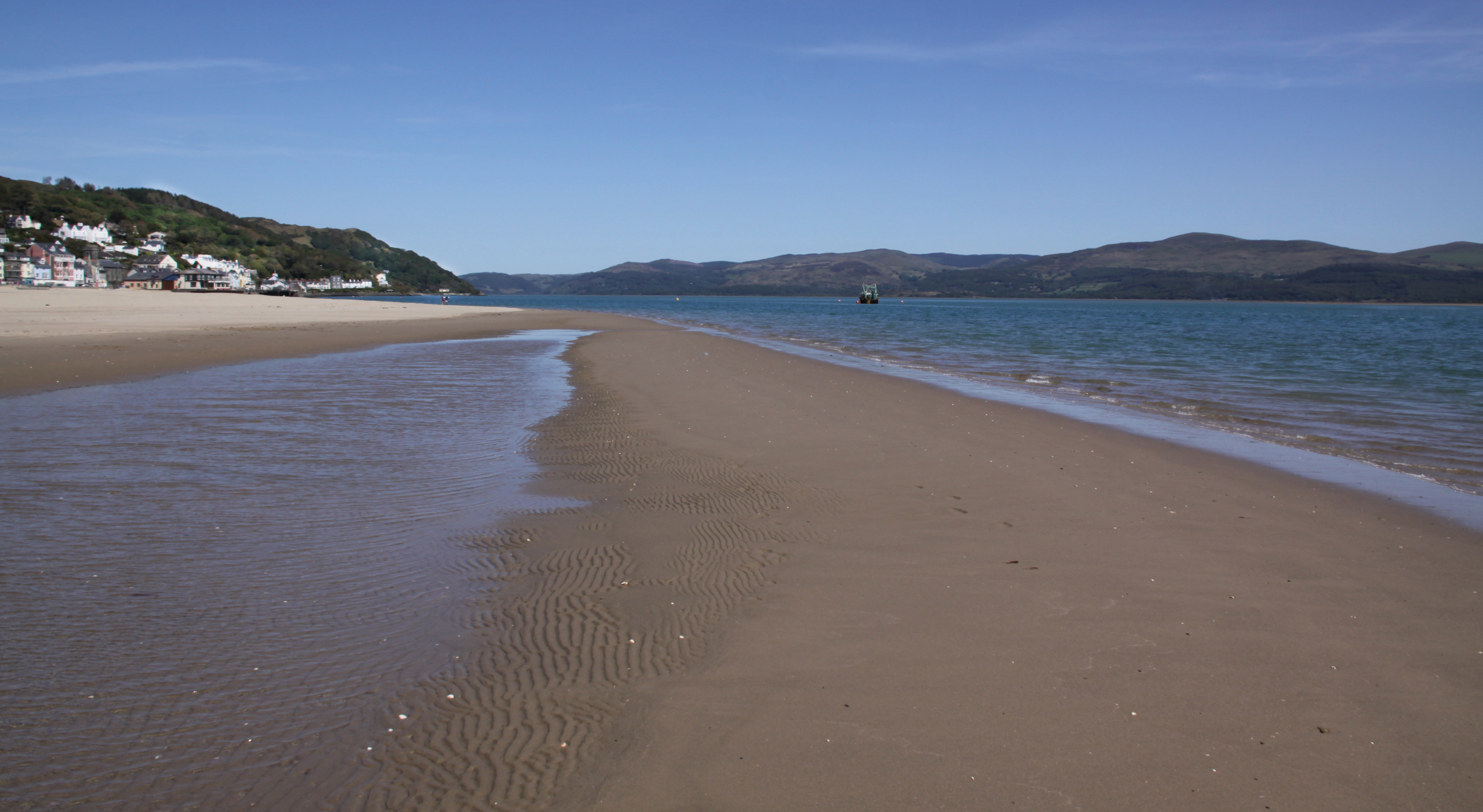
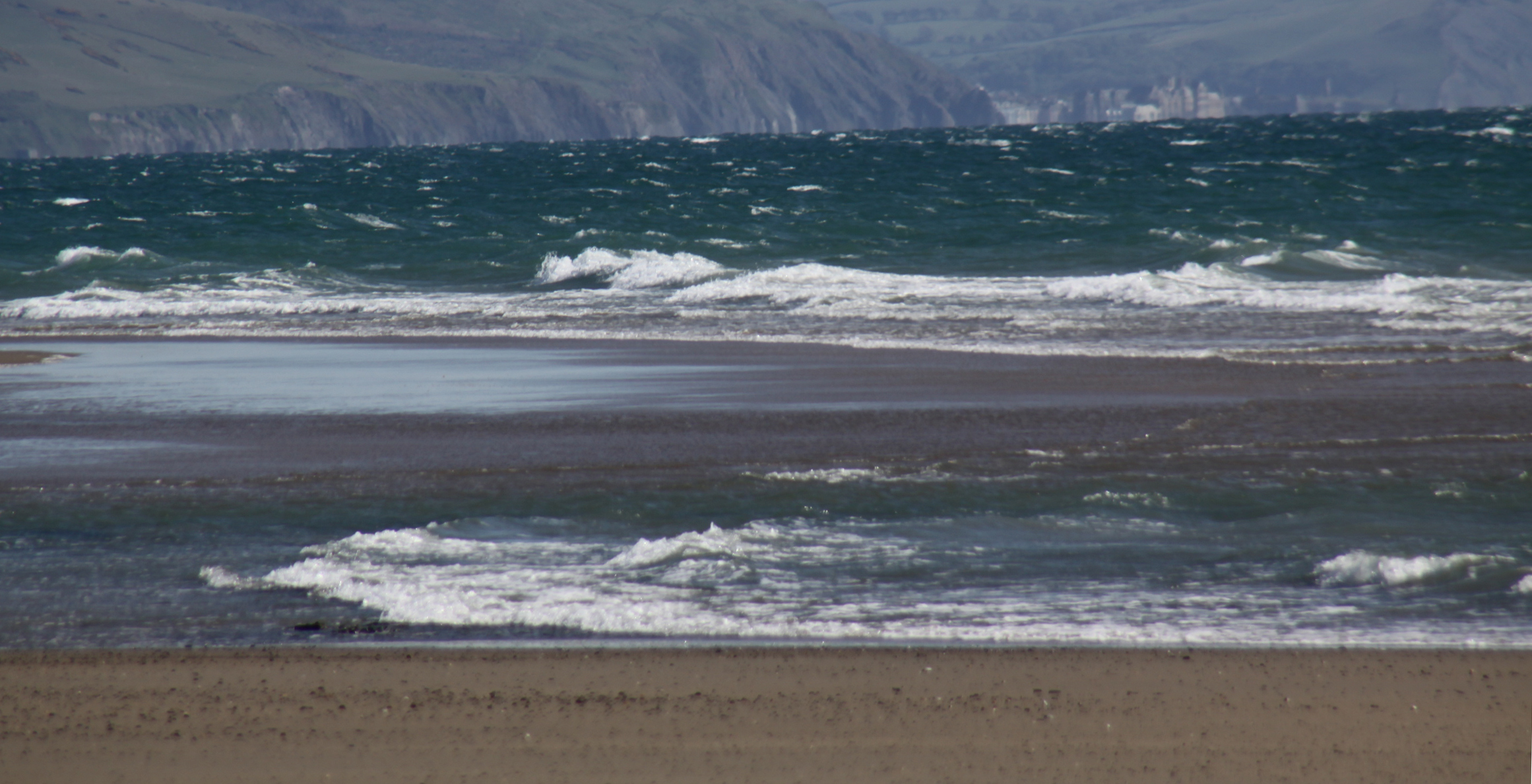
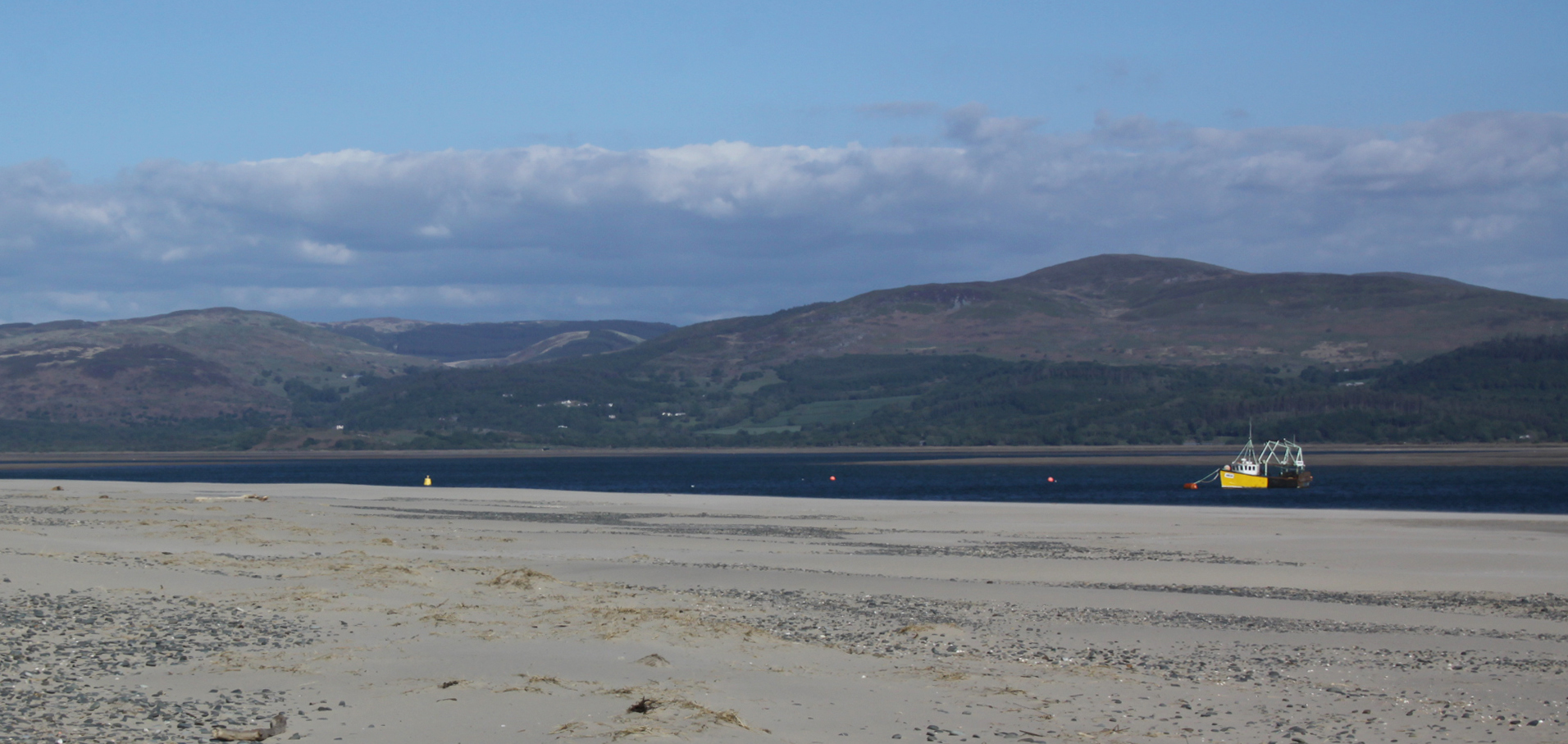
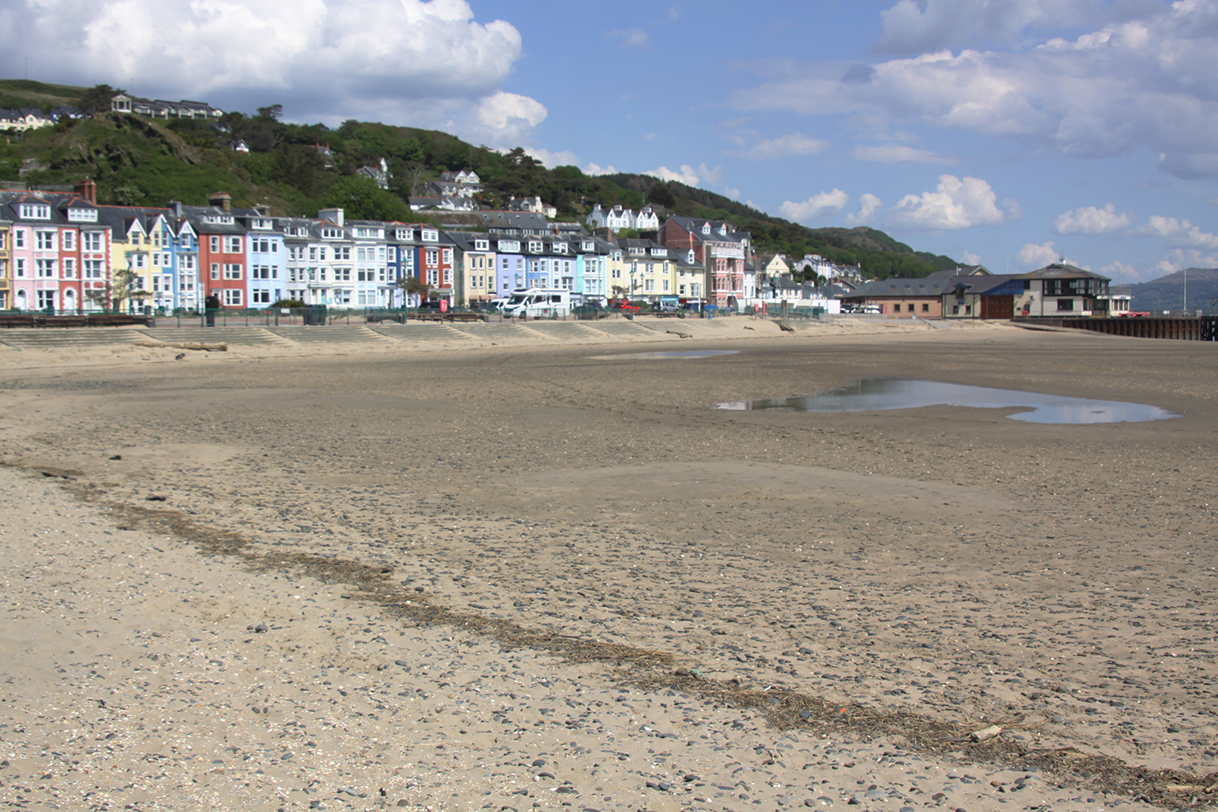
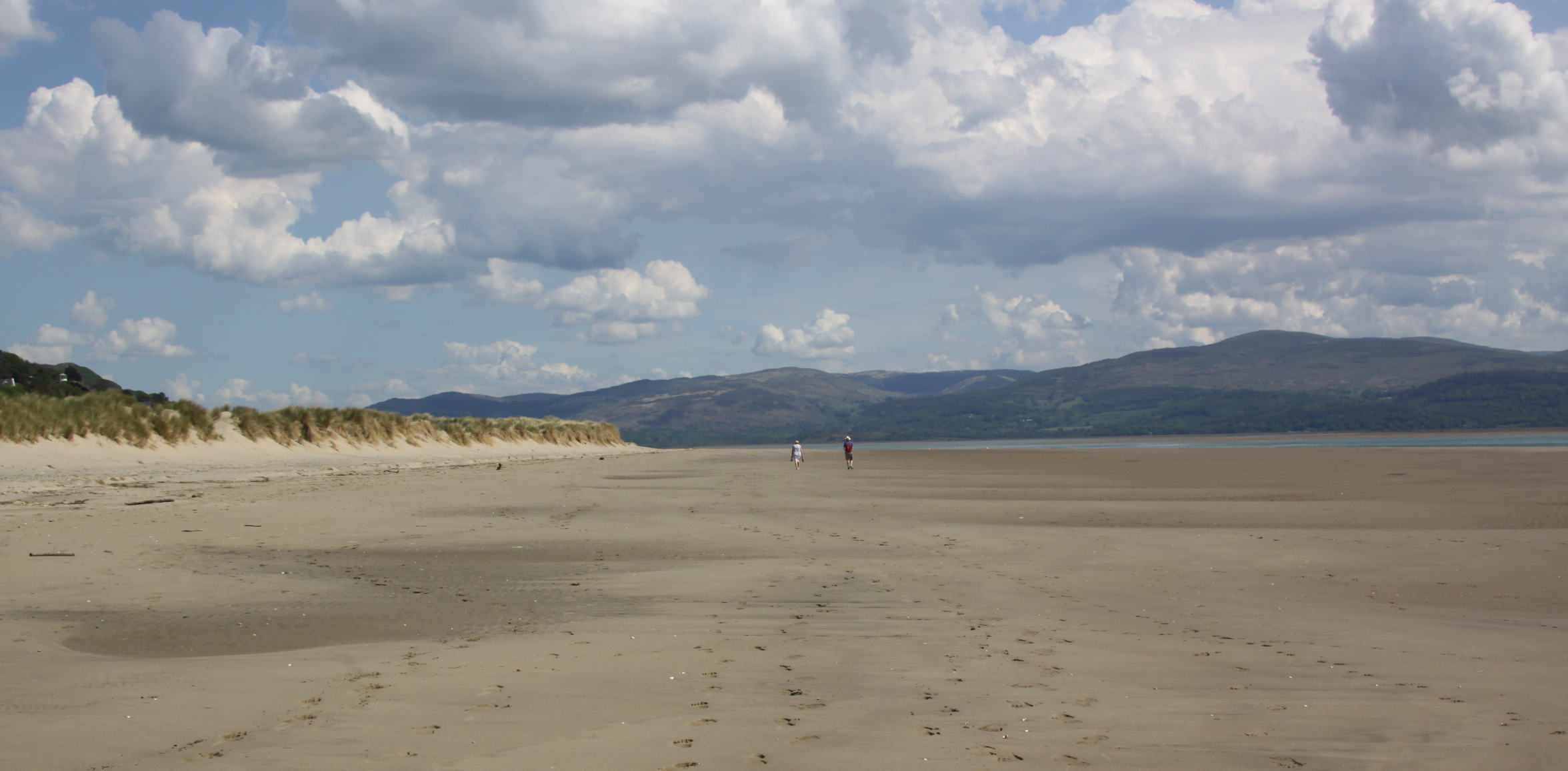
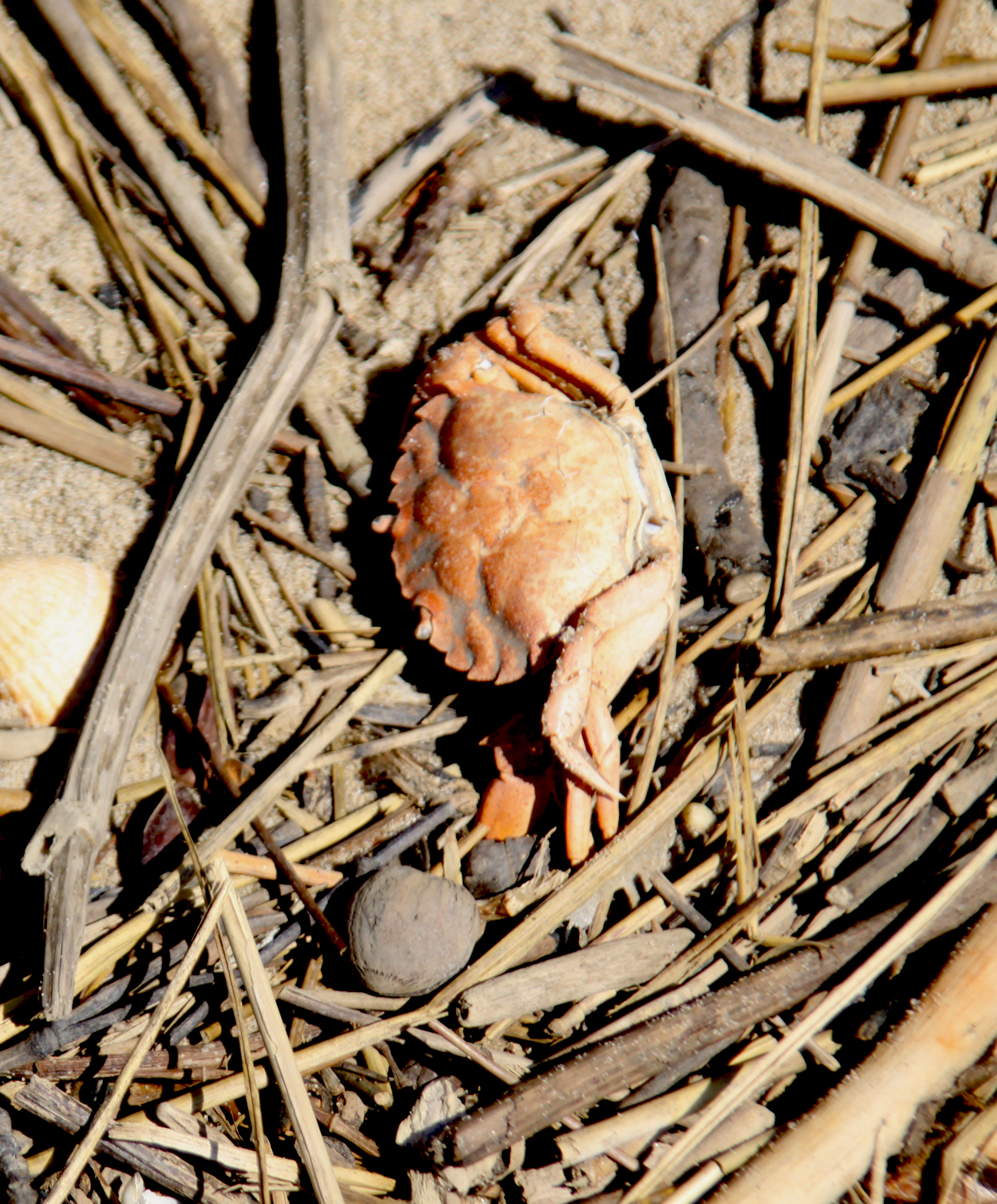
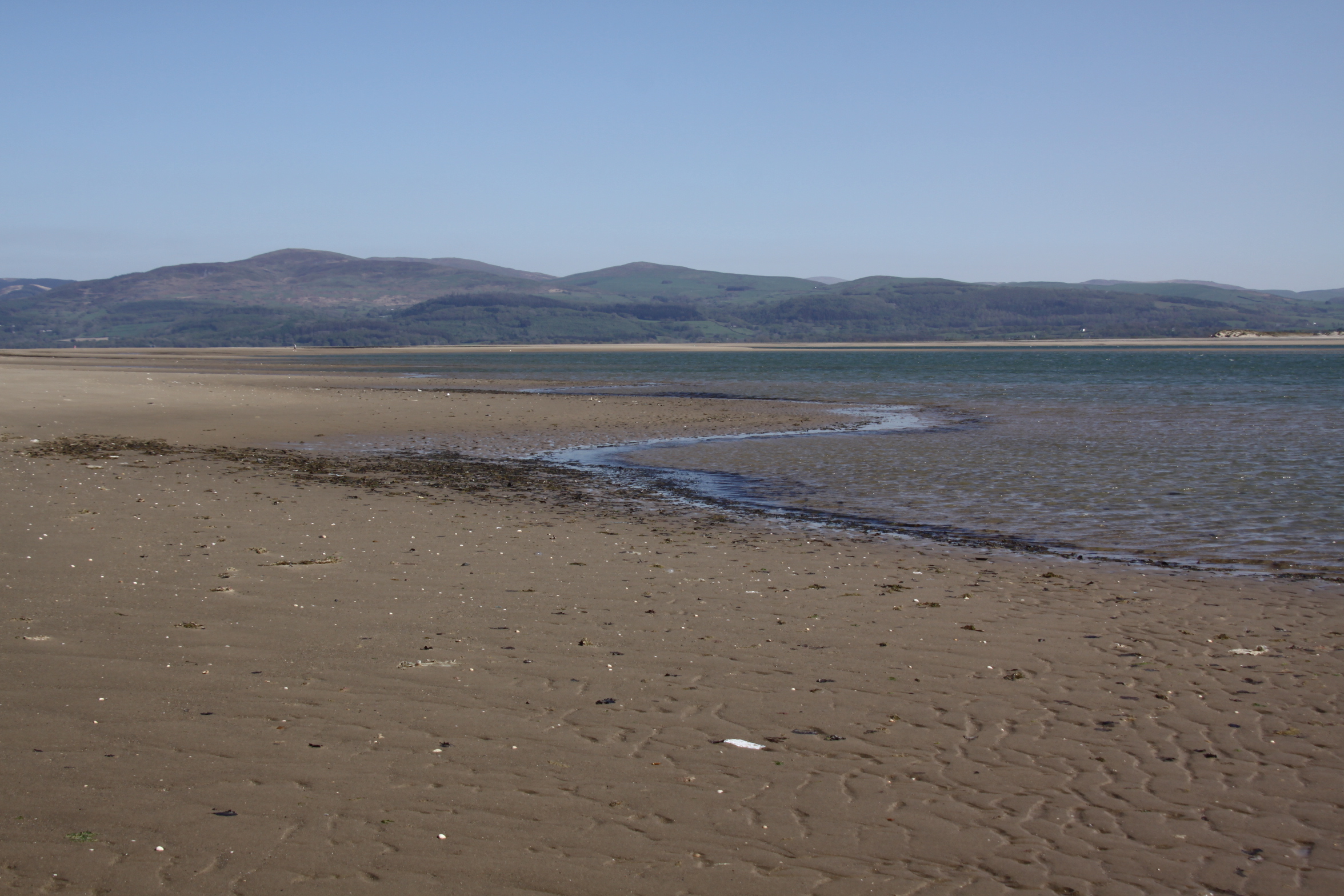
I wanted to take a photograph on the sea front to match up with a vintage postcard, so I opted for the beach.  I was breaking in a new pair of shoes, and was fully armed with blister-treating gear, but happily they were spectacularly comfortable.  The light was particularly beautiful.  Looking over the estuary, the clouds were gathering over Ceredigion, as they so often are.  Looking north up the coast, the sky was completely clear, an endless unblemished ceiling of pure blue.  There was nothing much to see in the dunes.  The evening primroses are in flower, and are dotted all over, but there is nothing else in bloom at the moment.  The very high strandline trailed along just in front of the sand dunes, and contained an unusual number of small crab remains but nothing else of note.  There were a few jellyfish washed up, as usual for this time of year.  The tide, on its way out, had clearly been remarkably high, nearly reaching the long row of steps that run along the top of the beach along the front of the car park, with a pool of water left behind by the retreating tide also showing how high the tide was.

Common evening primrose

Sea holly

Beautiful colours on a crab claw

After the yellows and blues of the dunes and the beach, it was fun to walk back up Balkan Hill, where lush green dominated, and the gardens were full of yellow falls of laburnum and wonderful lilac-coloured rhododendrons.  Even the verges were on full alert, with a lovely display of colour.

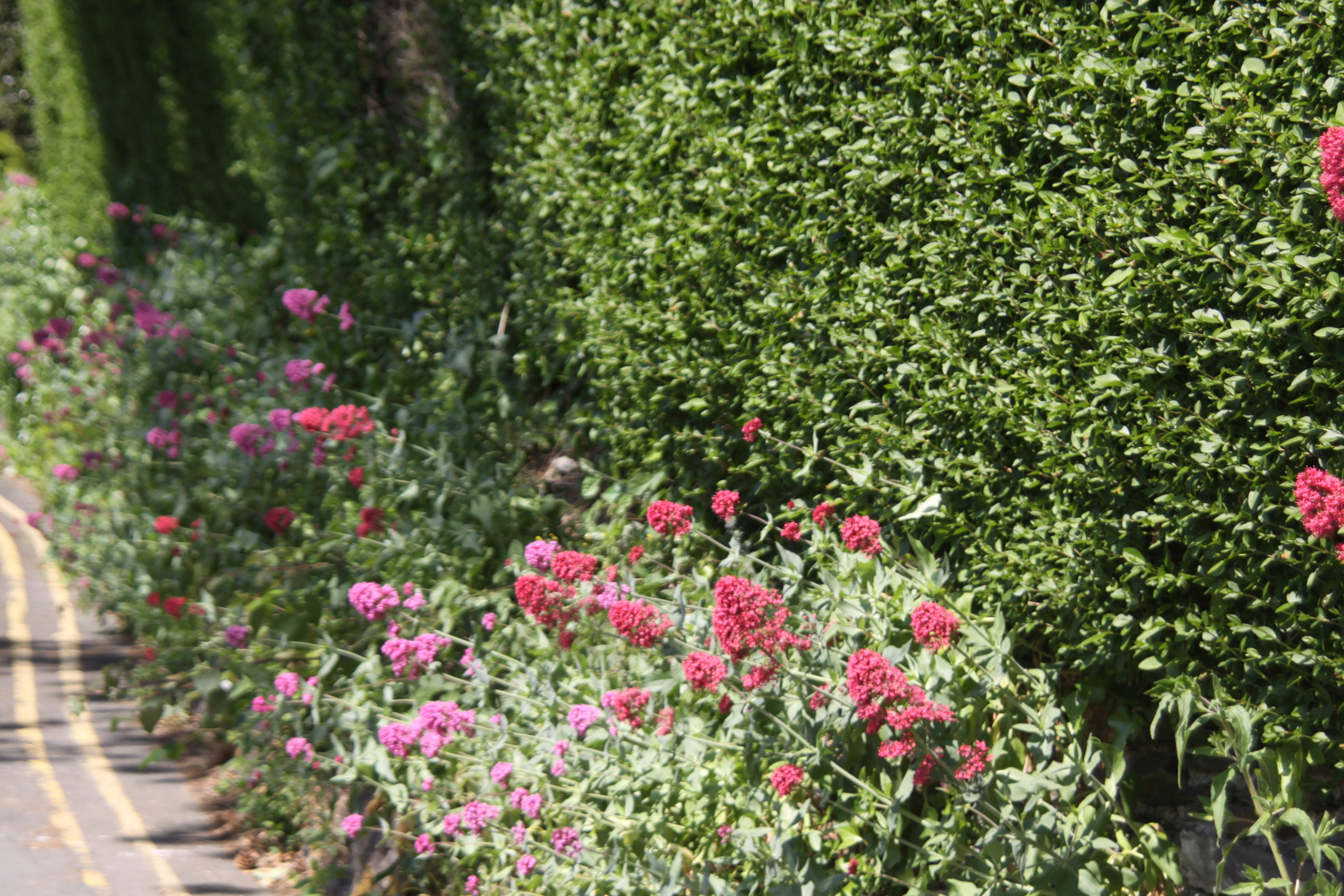
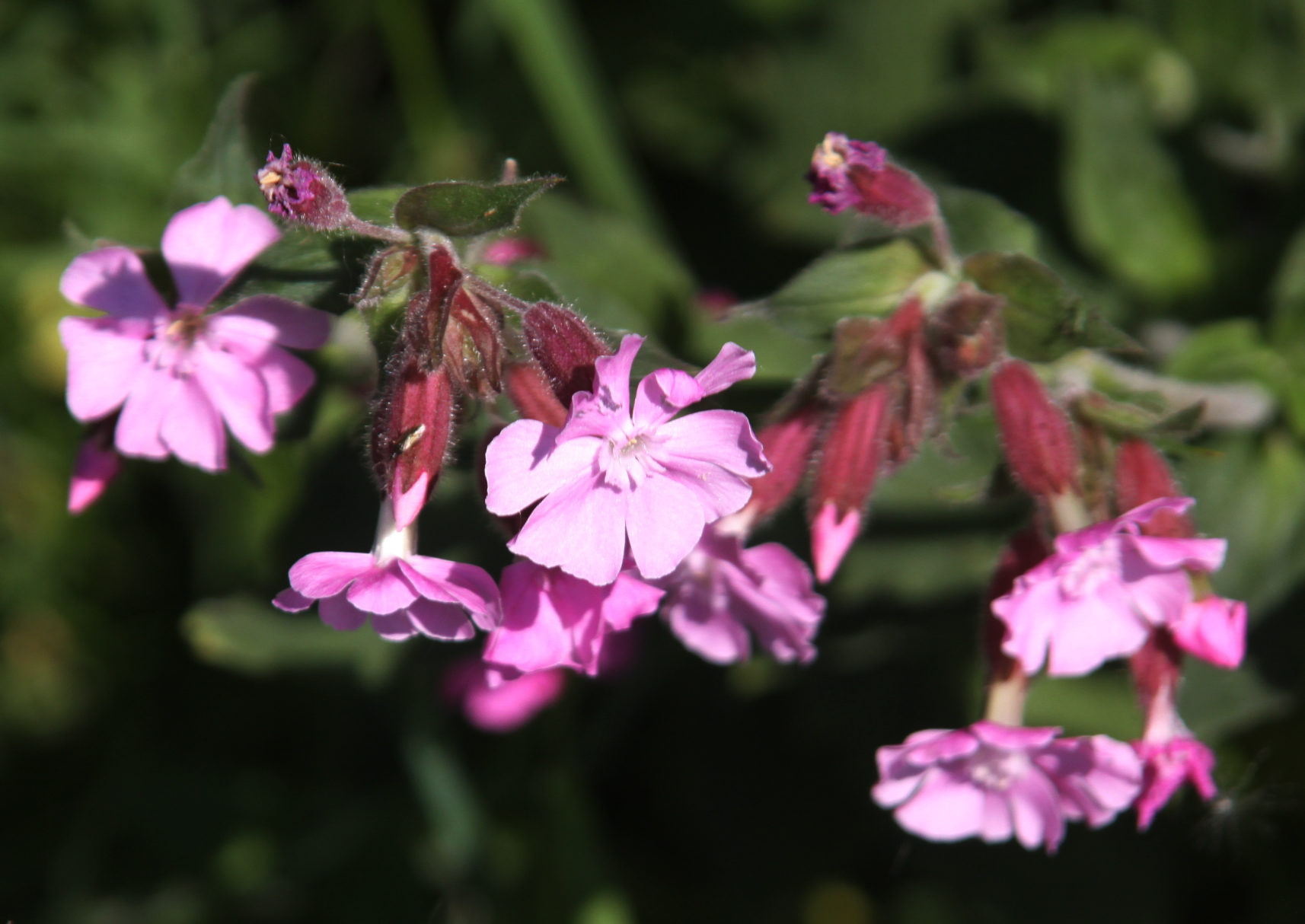
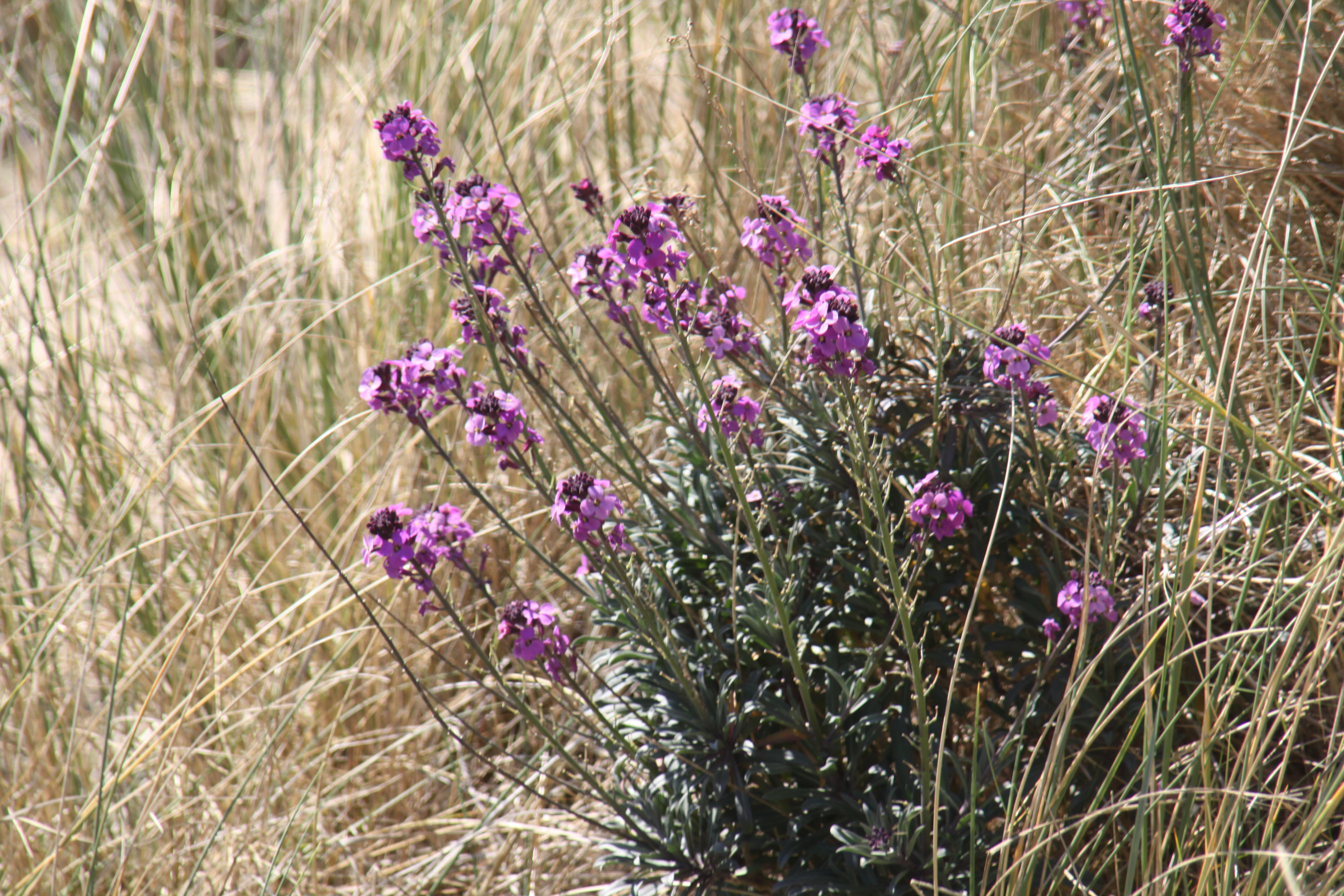
Red Valerian

Fuchsia magellanica

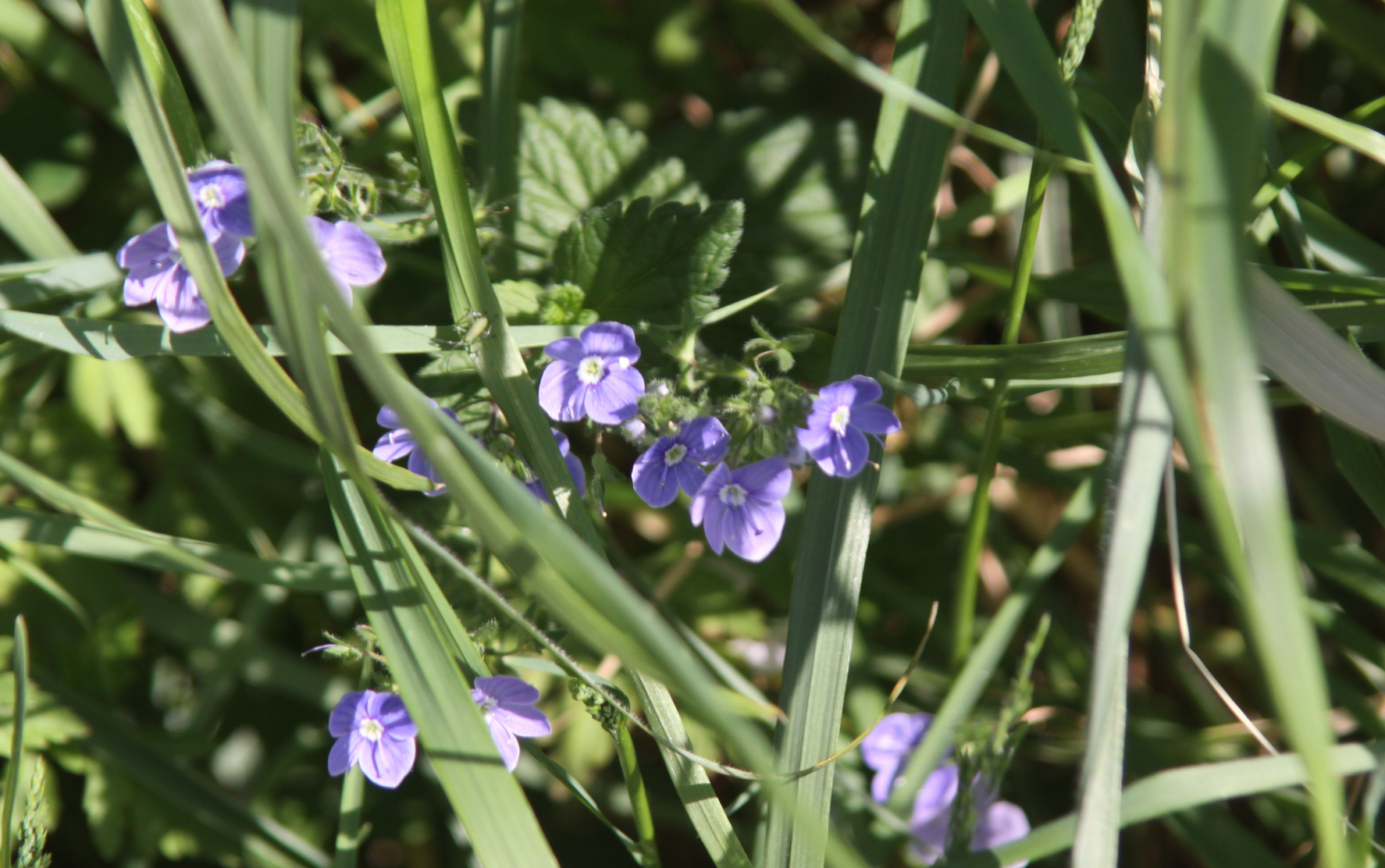
Speedwell

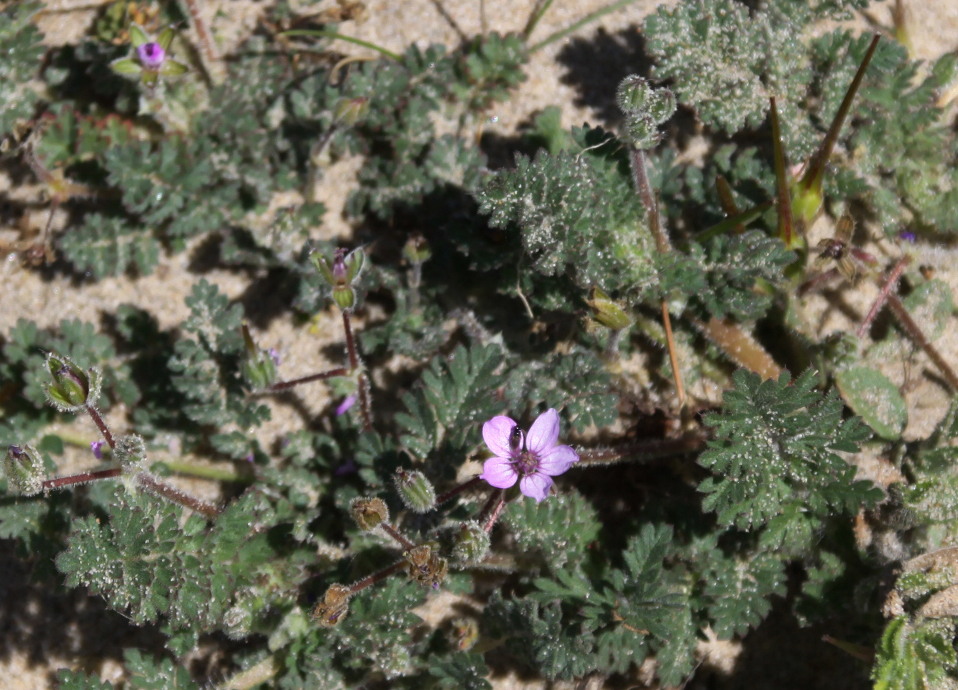
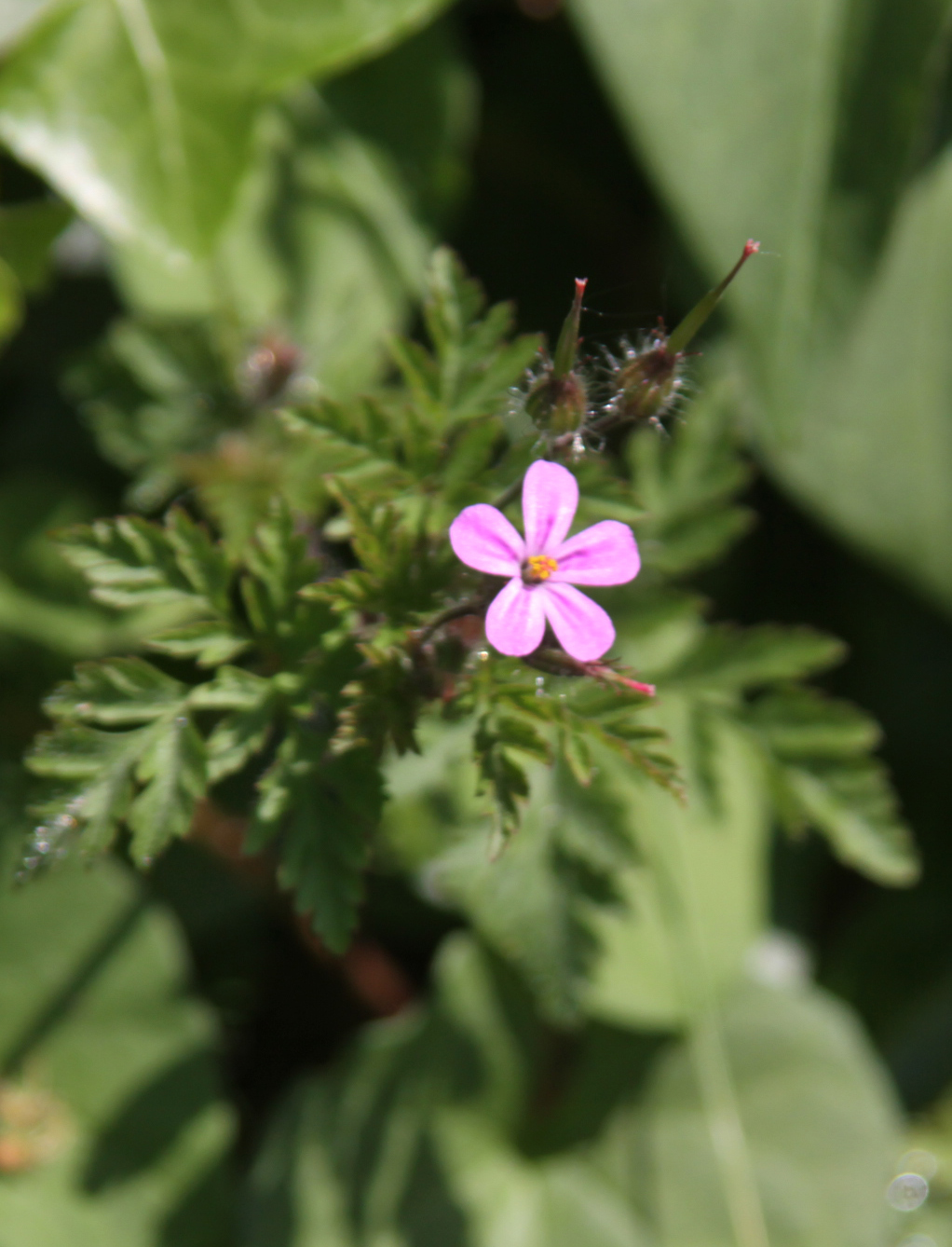
Common Stork’s-bill

Sea Mayweed


Dai’s Shed – Open and selling seafood on the Aberdovey wharf!

Dai’s shed is open on the wharf, selling freshly caught seafood on Thursdays, Fridays and Saturdays from 11am – 2pm.  So miffed that I didn’t know, because they have had flounder in, and had just sold out when I turned up!  But I came away with a frozen dressed crab, so it was still a splendid result.   Fresh live lobster, and fresh dressed lobster are also available.  Lockdown just got a lot fishier.

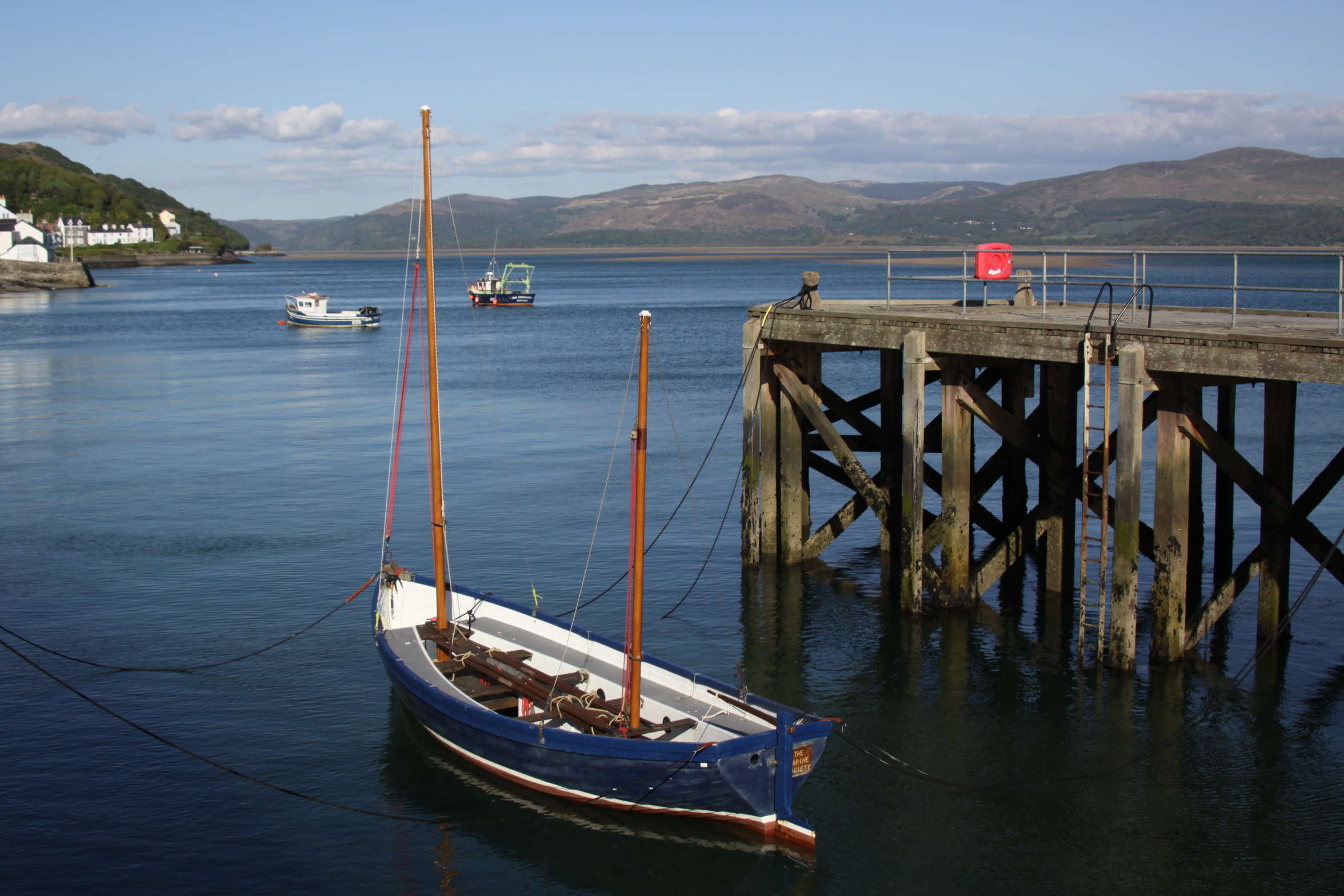
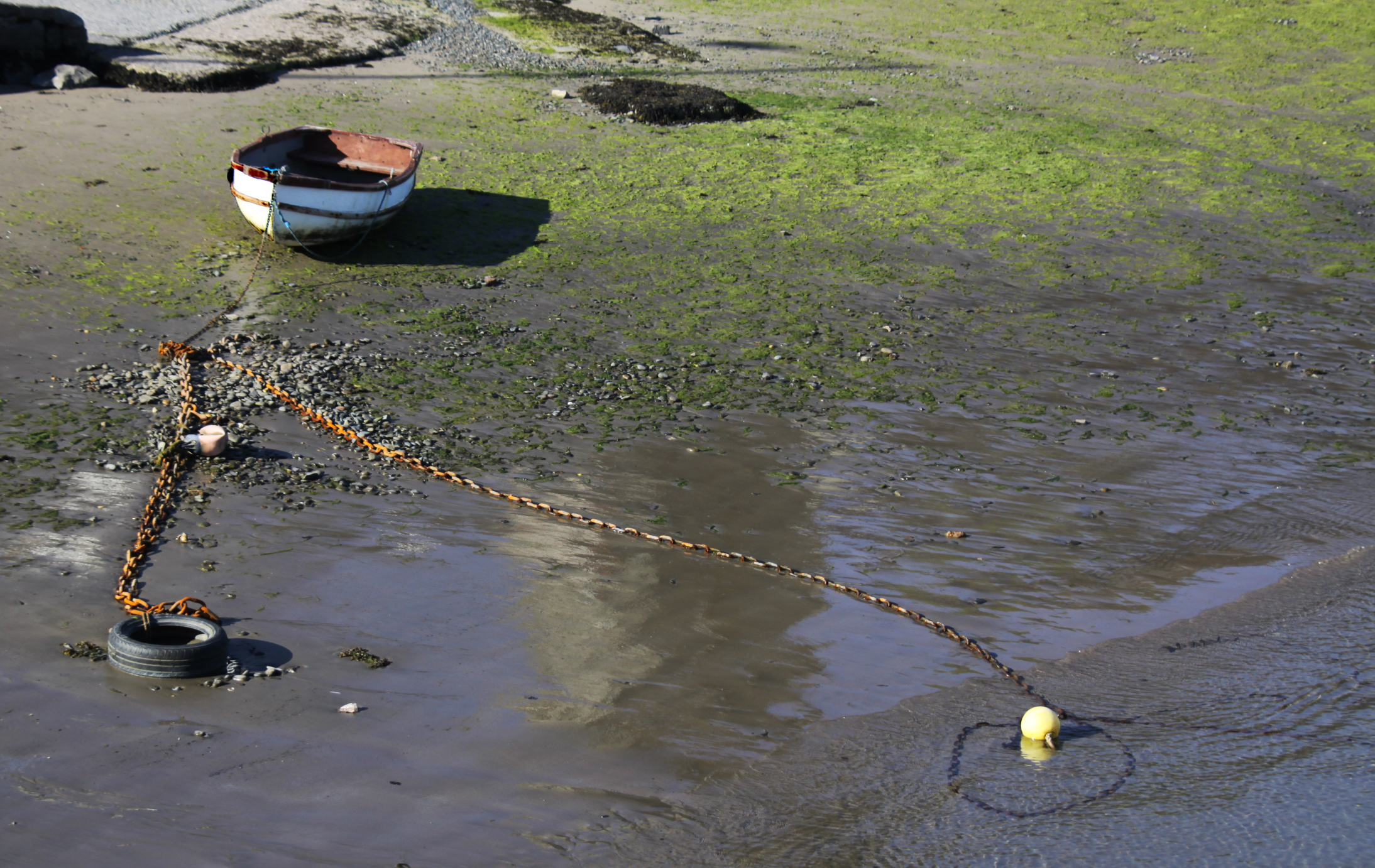
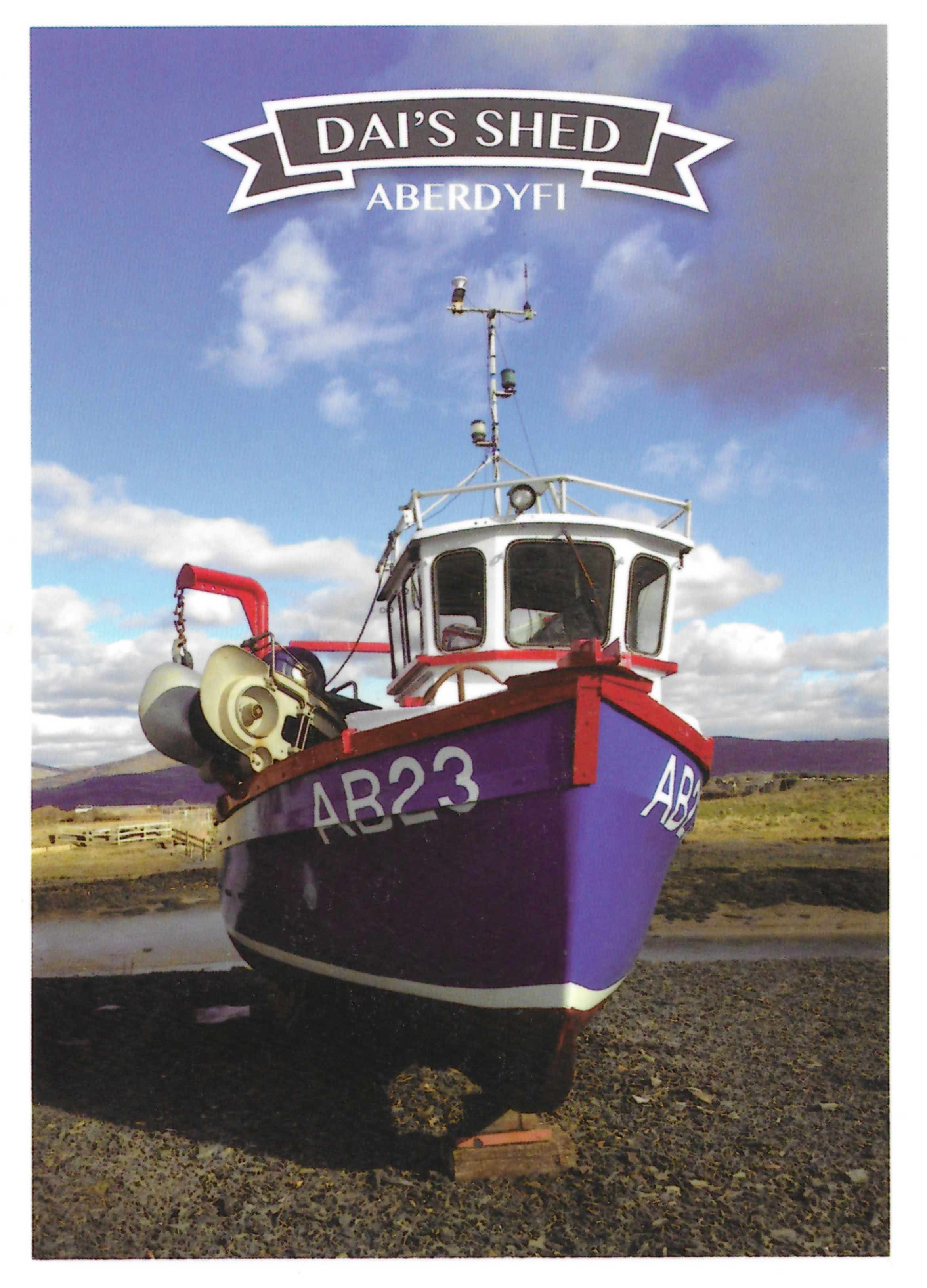
This card from “Dai’s Shed,” selling superb locally caught seafood from Easter until Autumn, shows Dai’s fishing boat at low tide against a backdrop of the hills over the estuary.


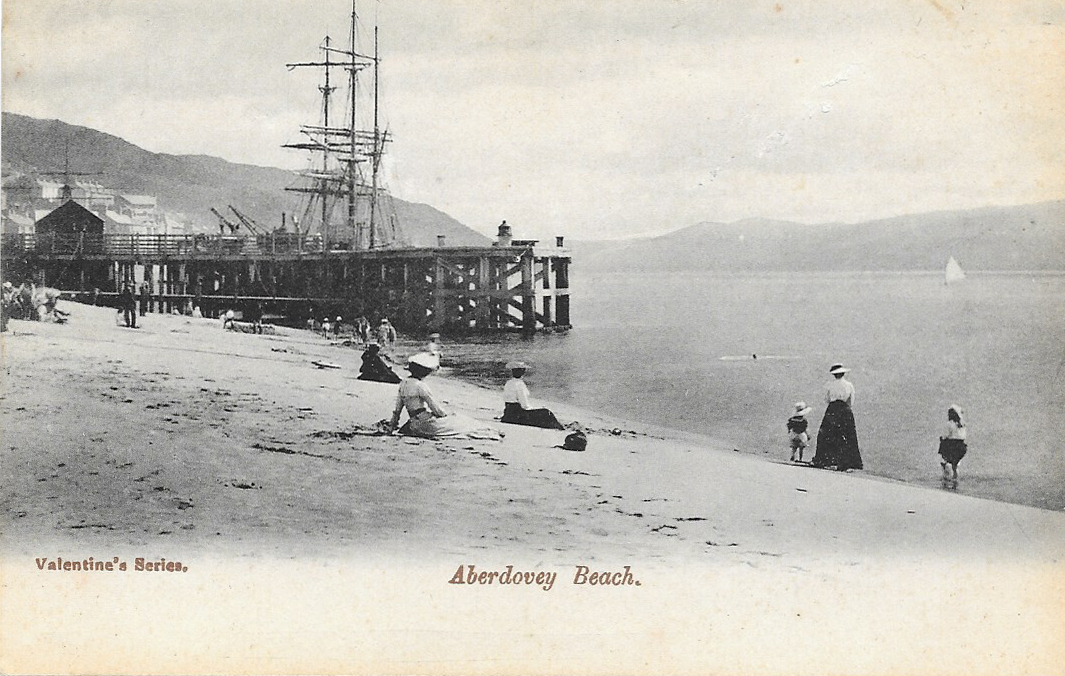
Aberdovey Beach with elegant fashions and tall masts, c.1900

A vintage postcard in the Valentine series.  I go and have a look at eBay and Etsy every couple of months to see if there are any new and interesting vintage postcards available.  This was the only one that has appealed to me since I finished the vintage postcard series in mid March.  The reverse of the postcard was entirely unmarked, so I have no official dating information but the smart women’s outfits of long skirts and well-fitted blouses, suggest the the turn of the 20th Century.  The postcard speaks for itself.  You can click on it to see a bigger version.


Aberdovey sand dunes and sunshine in mid-April

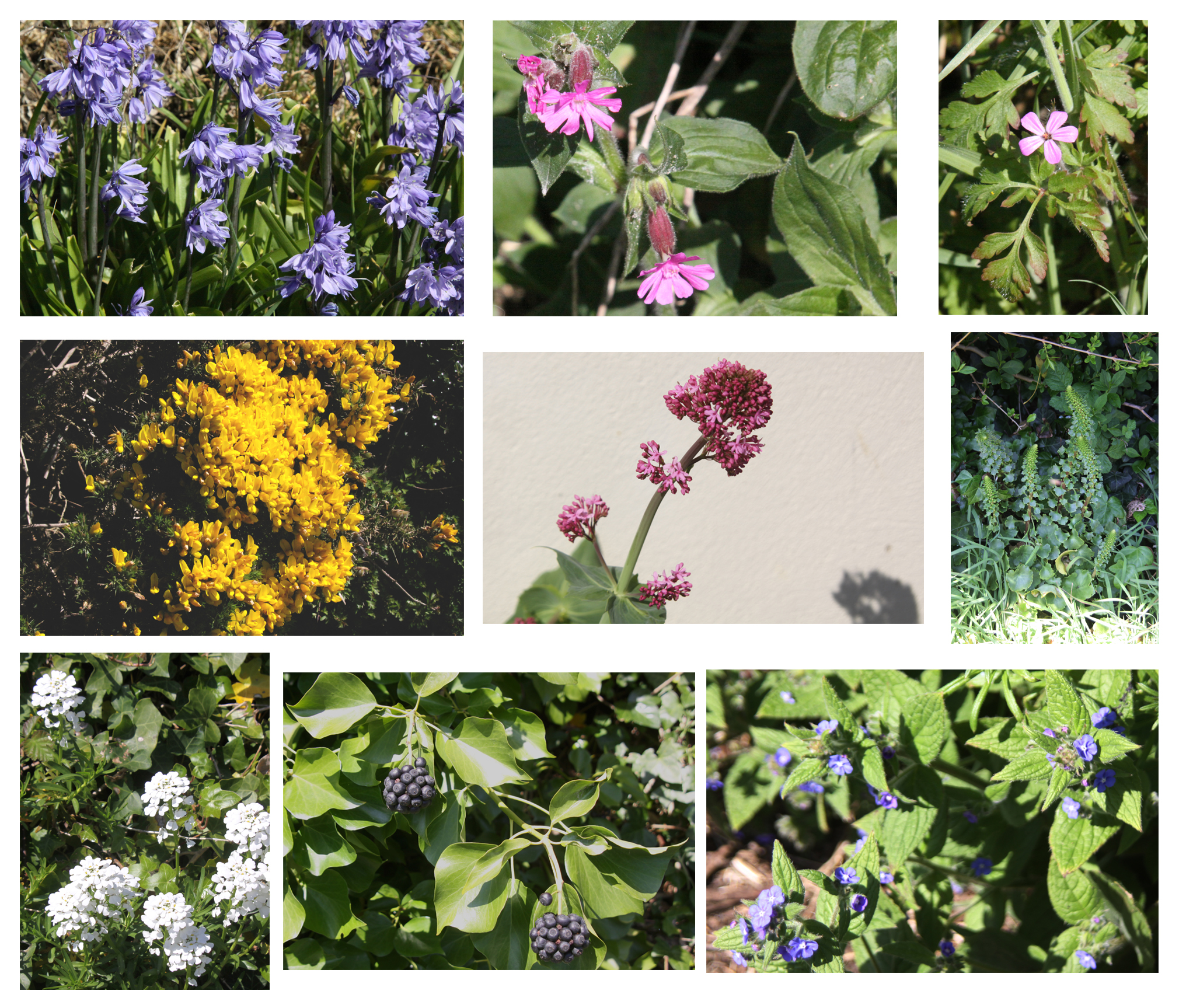
I set out for my usual exercise circuit today.  Walking down Gwelfor Road towards the sea front, it was lovely to see so many wild flowers providing a colourful display.

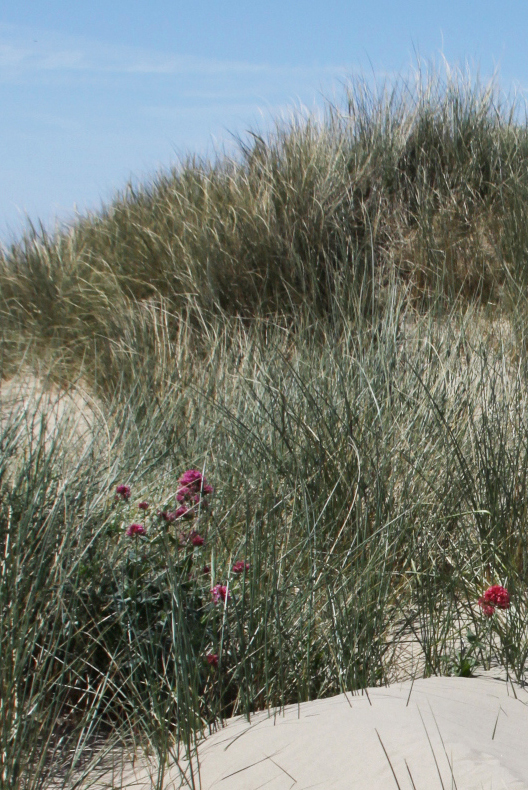
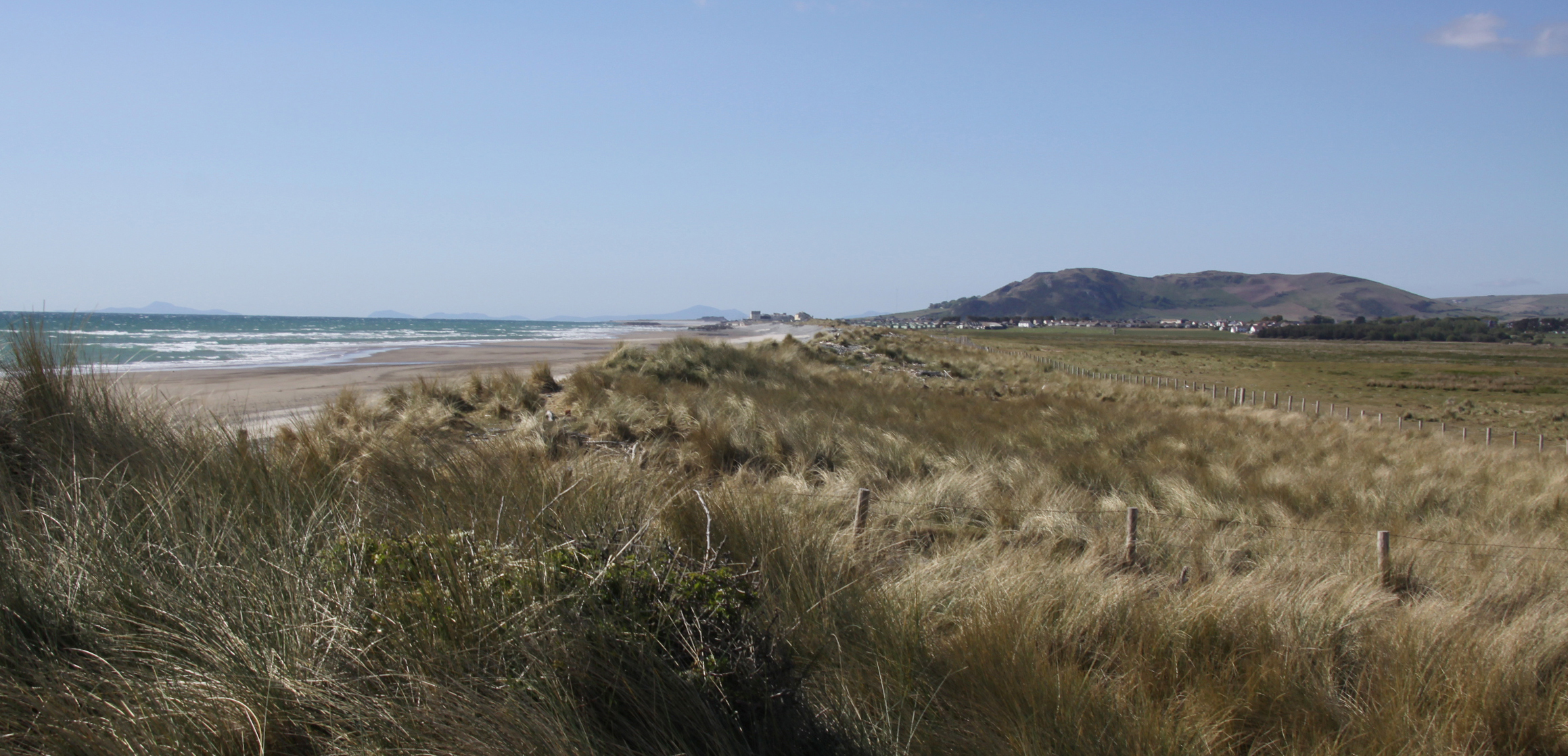
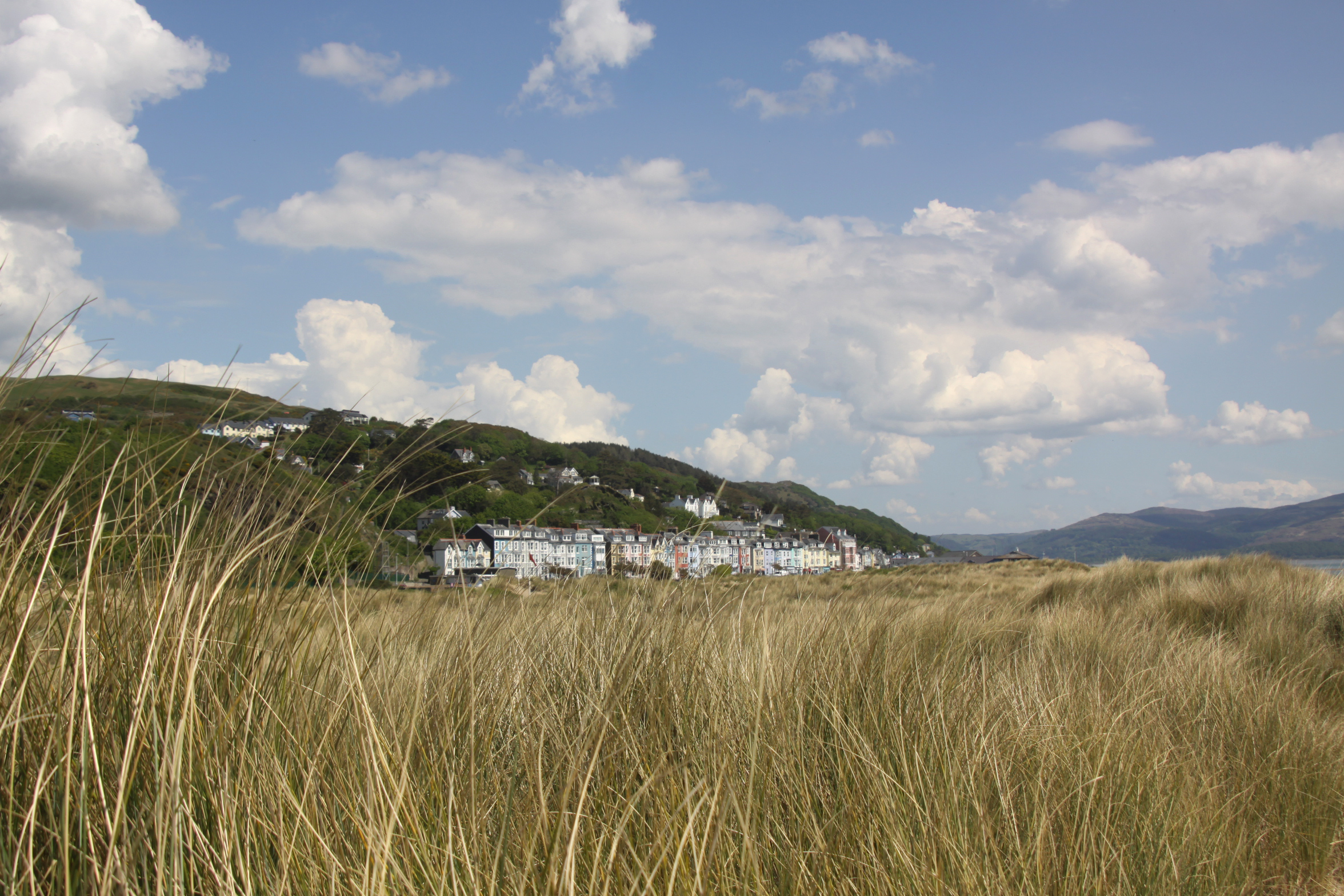
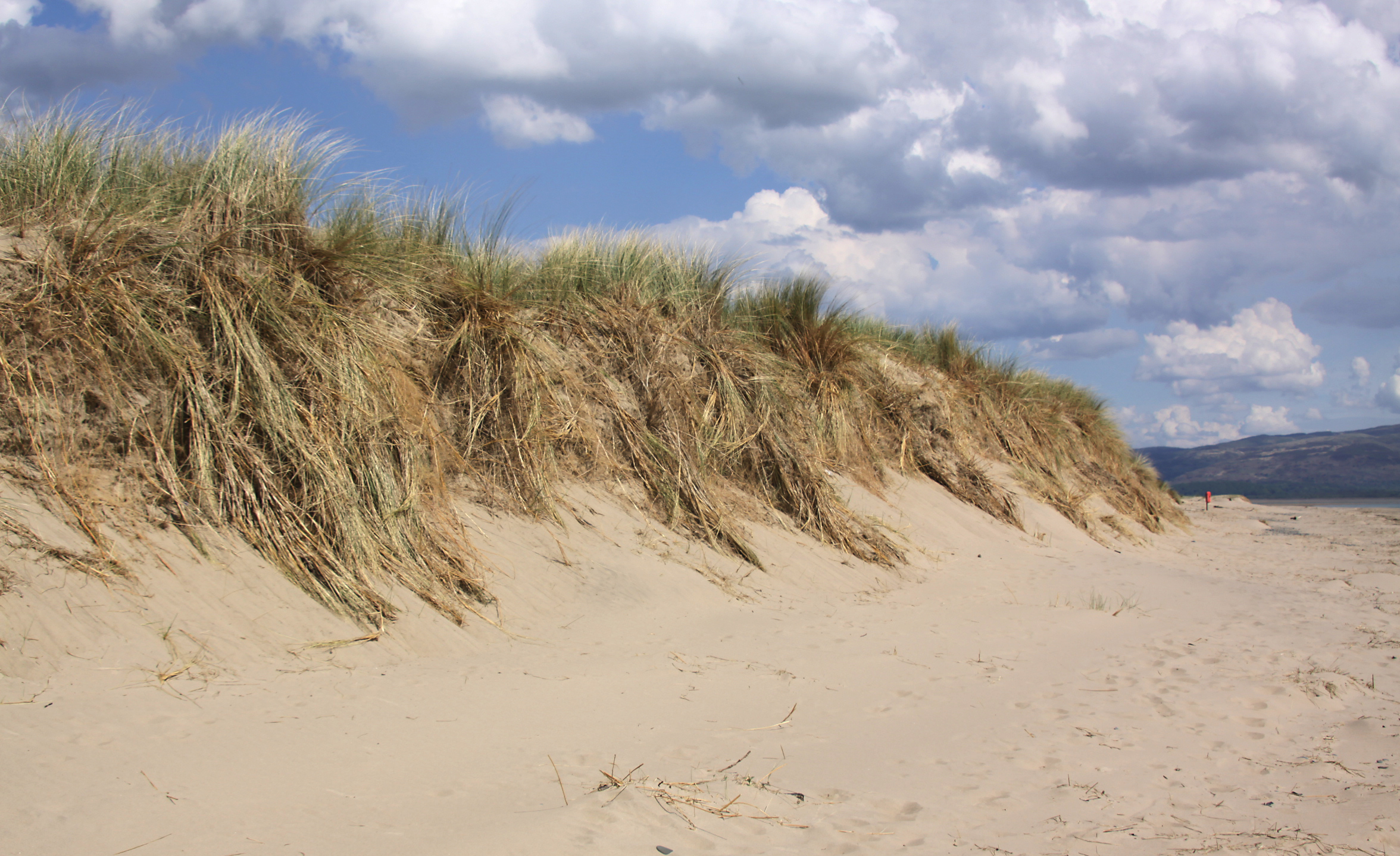
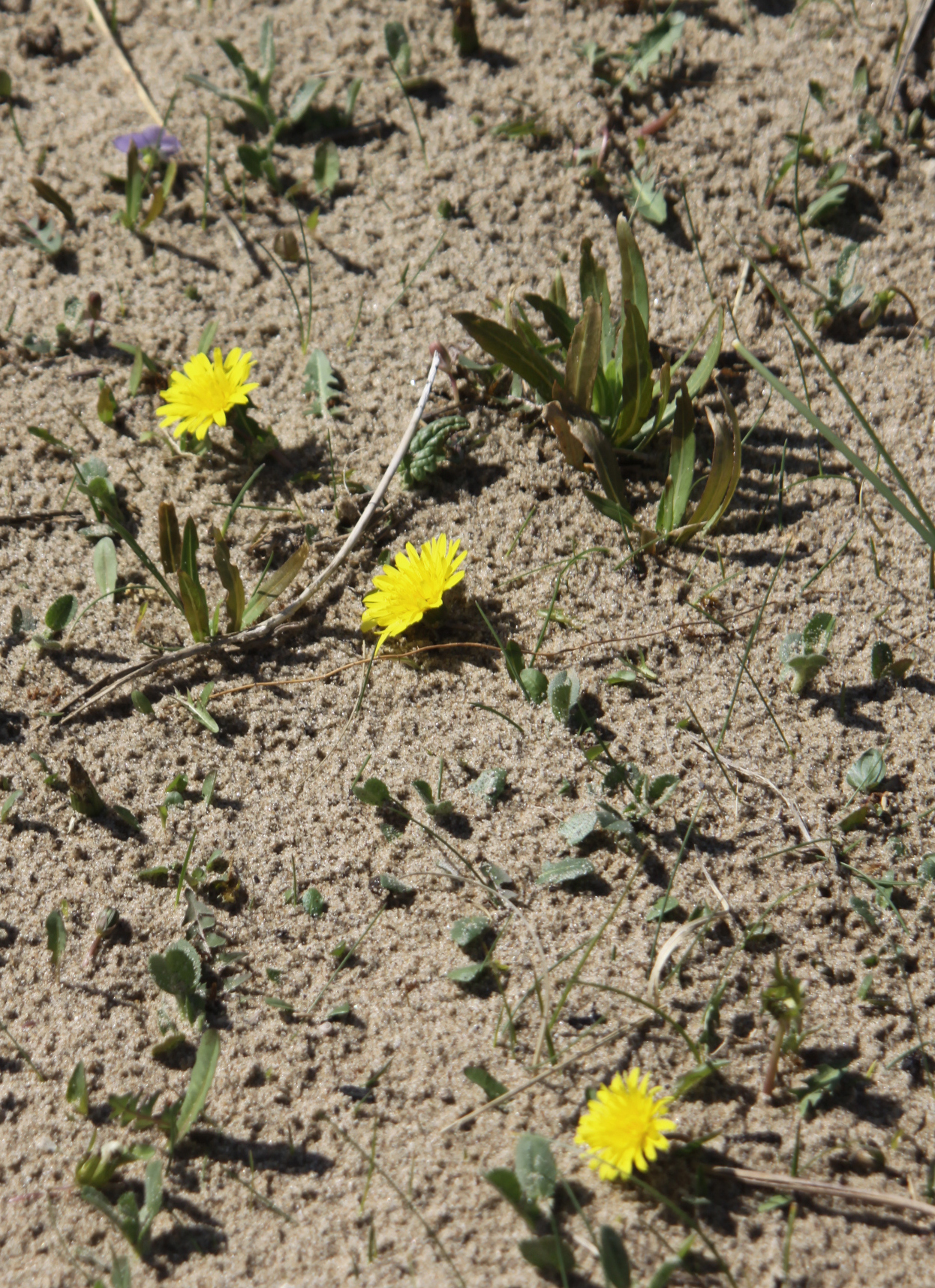
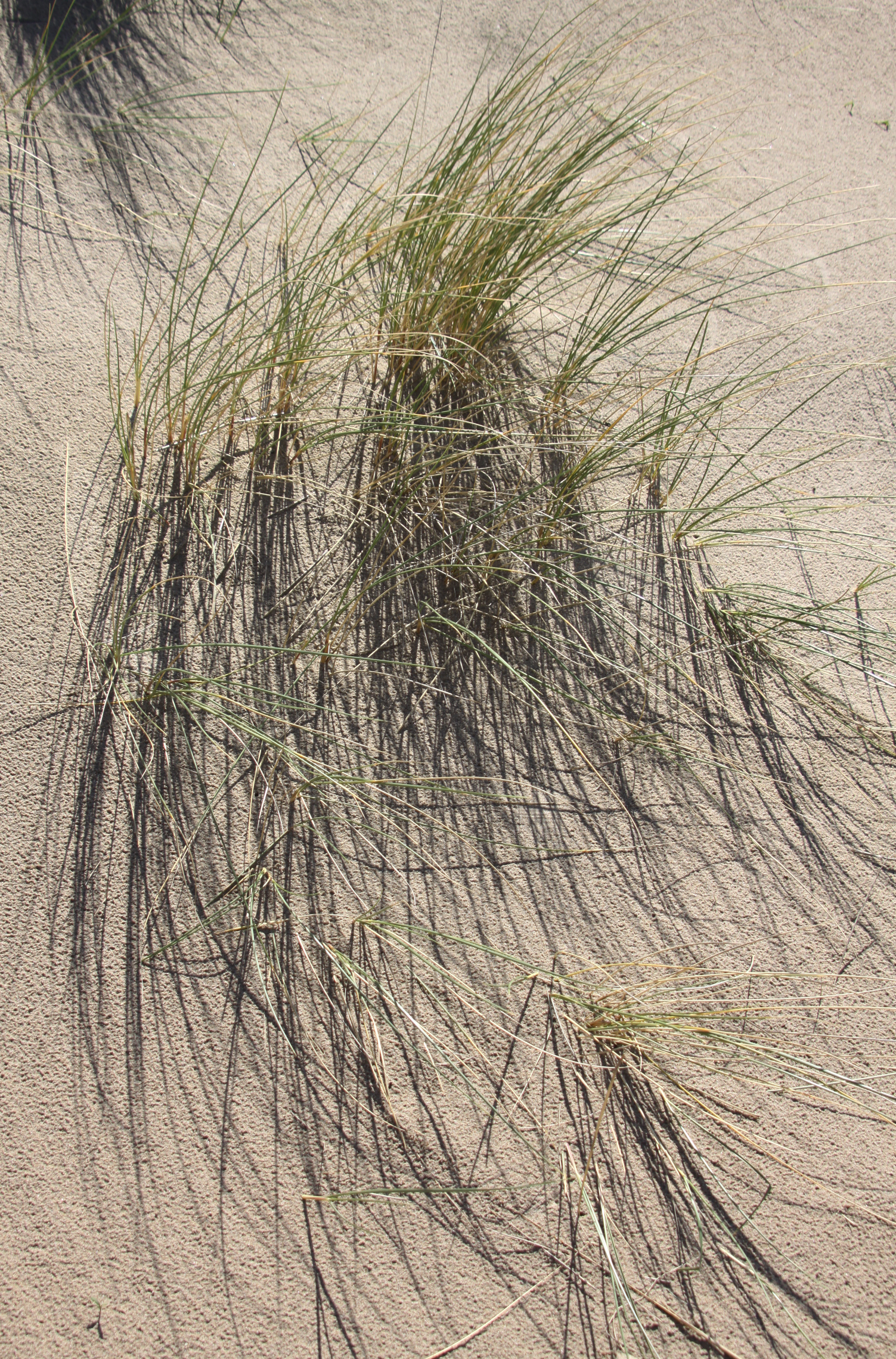
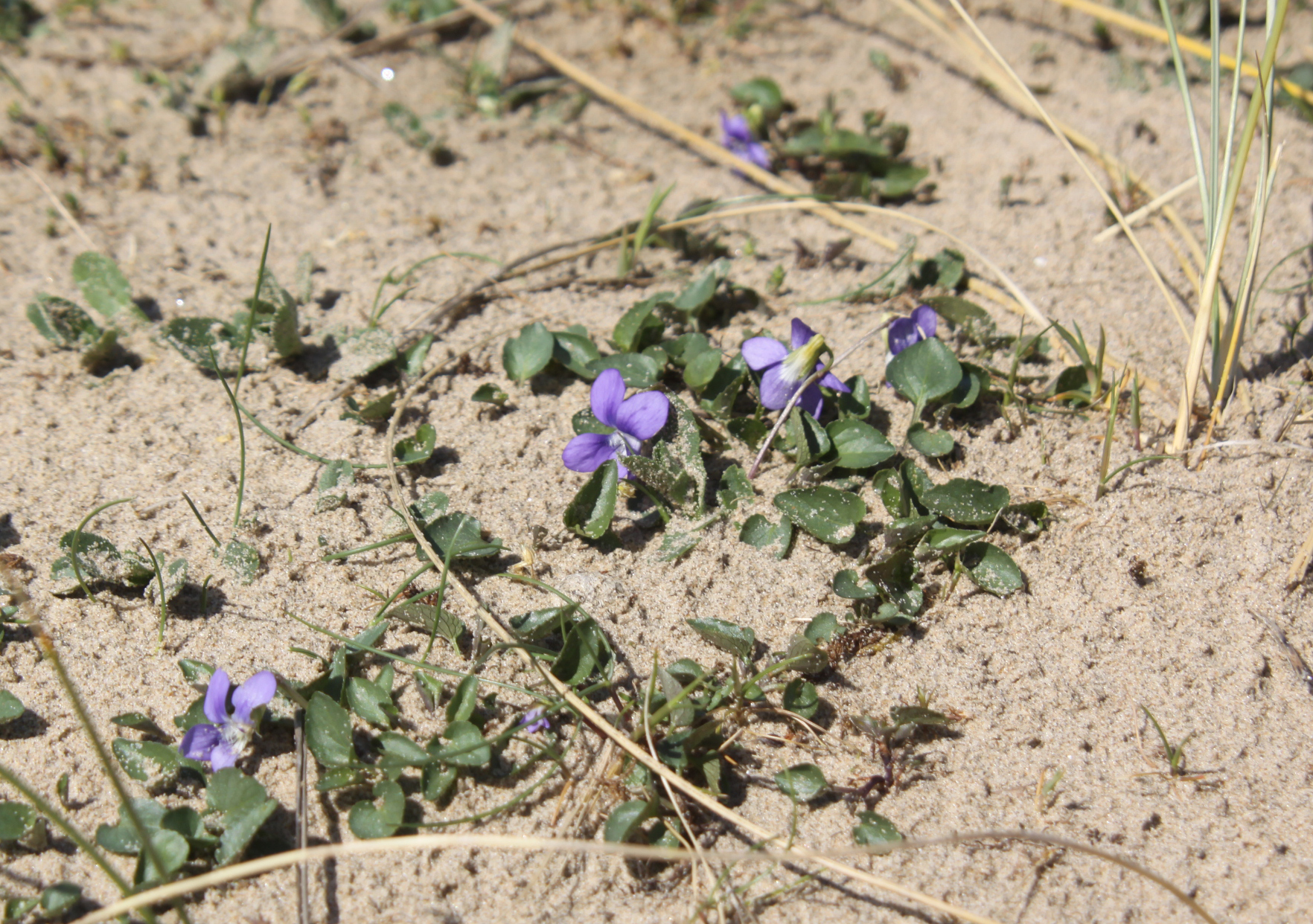
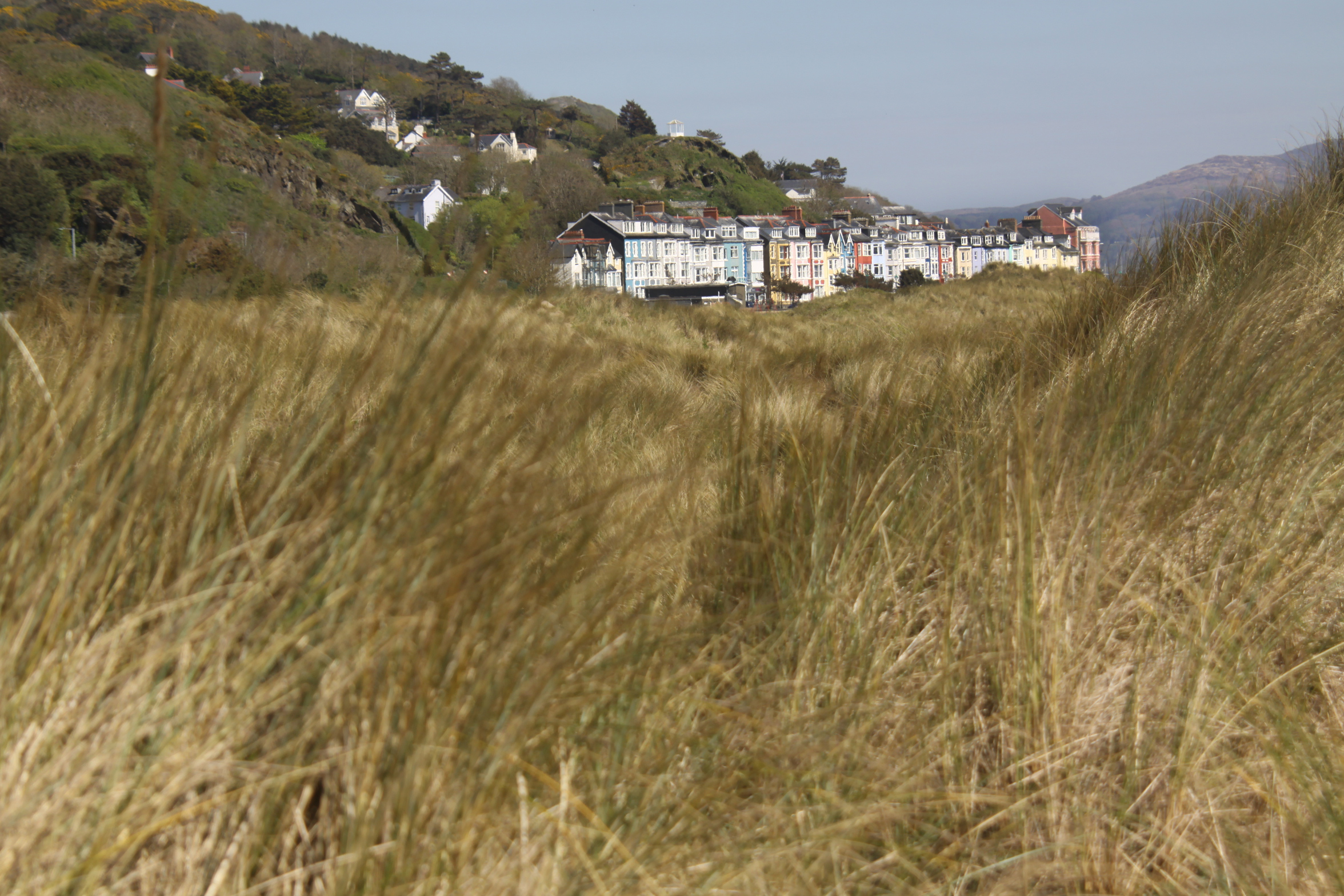
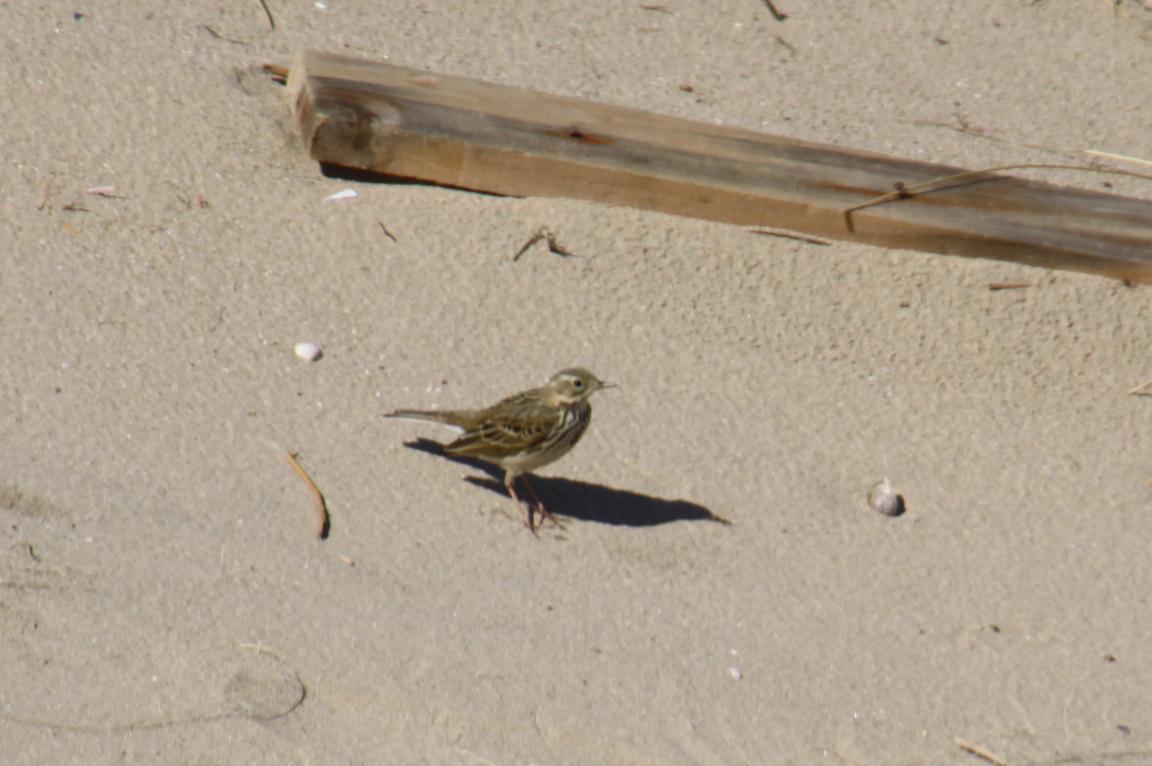
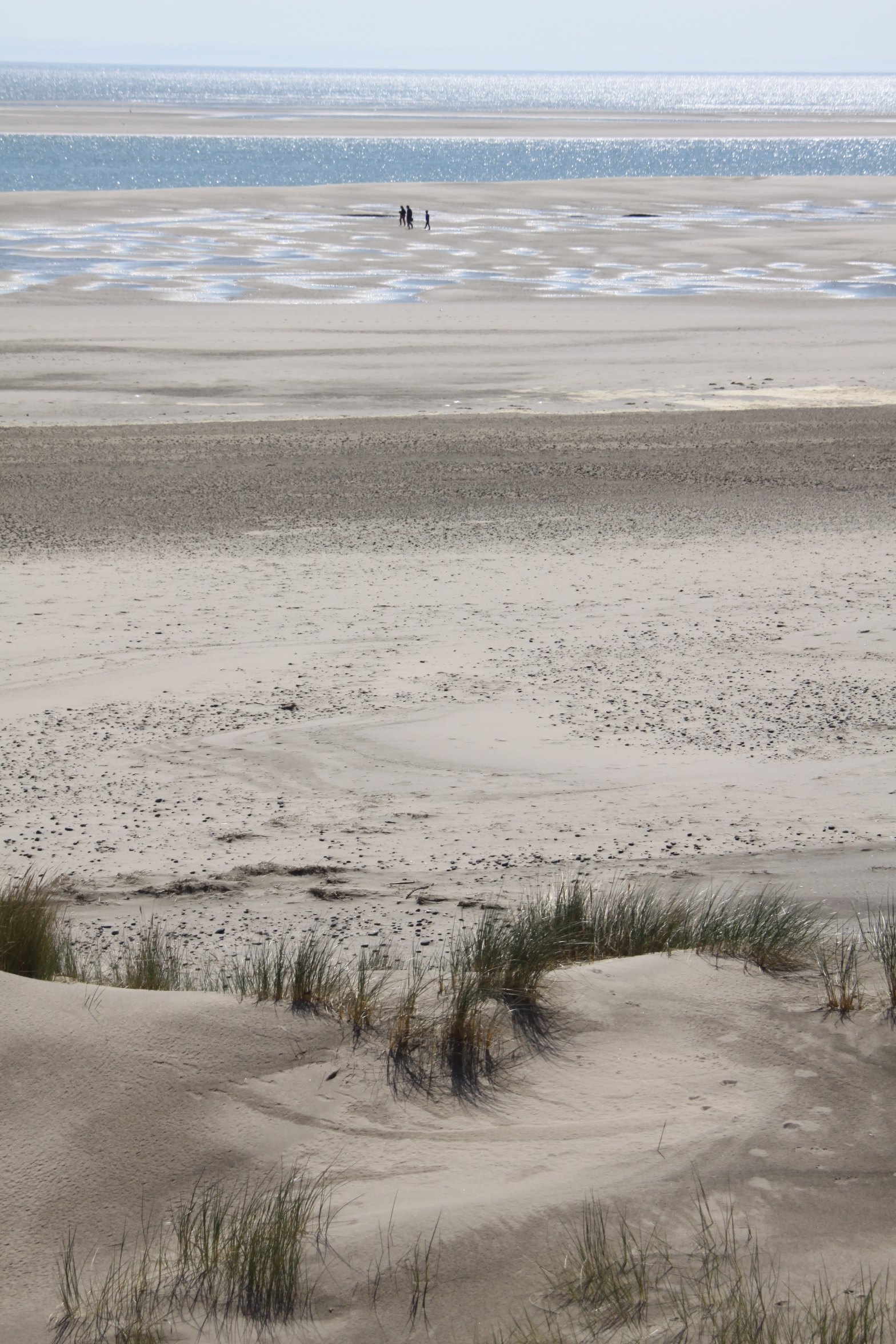
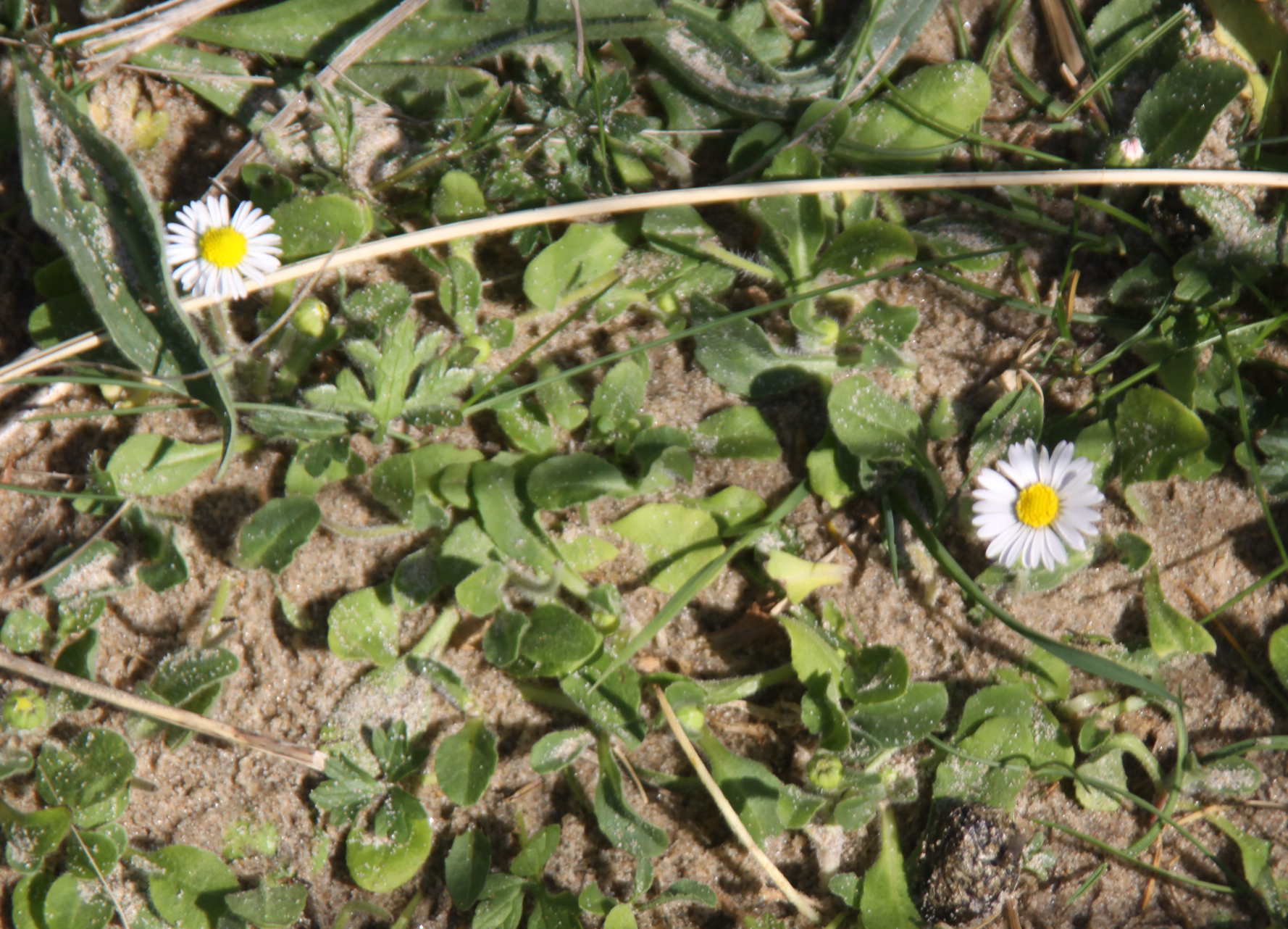
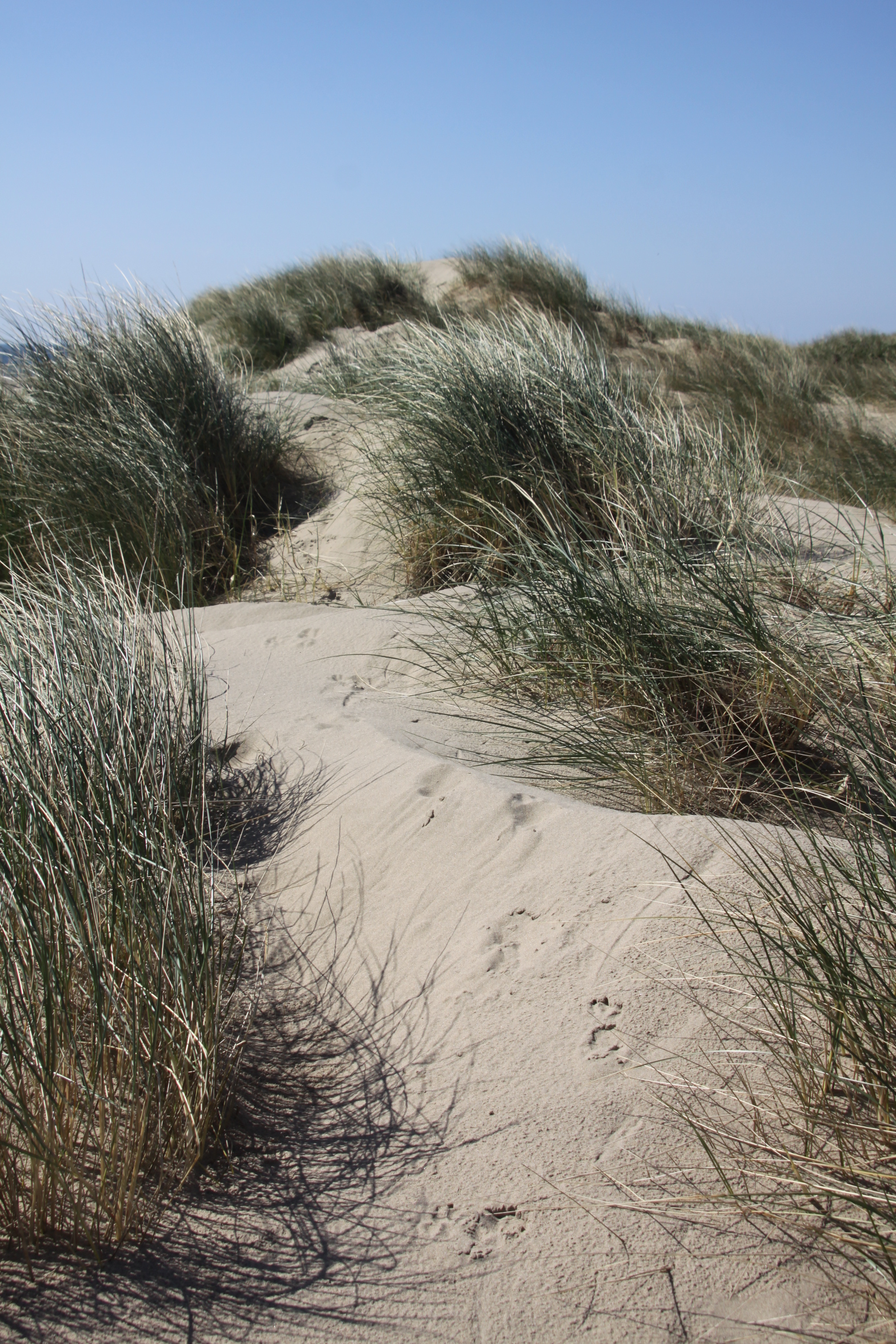
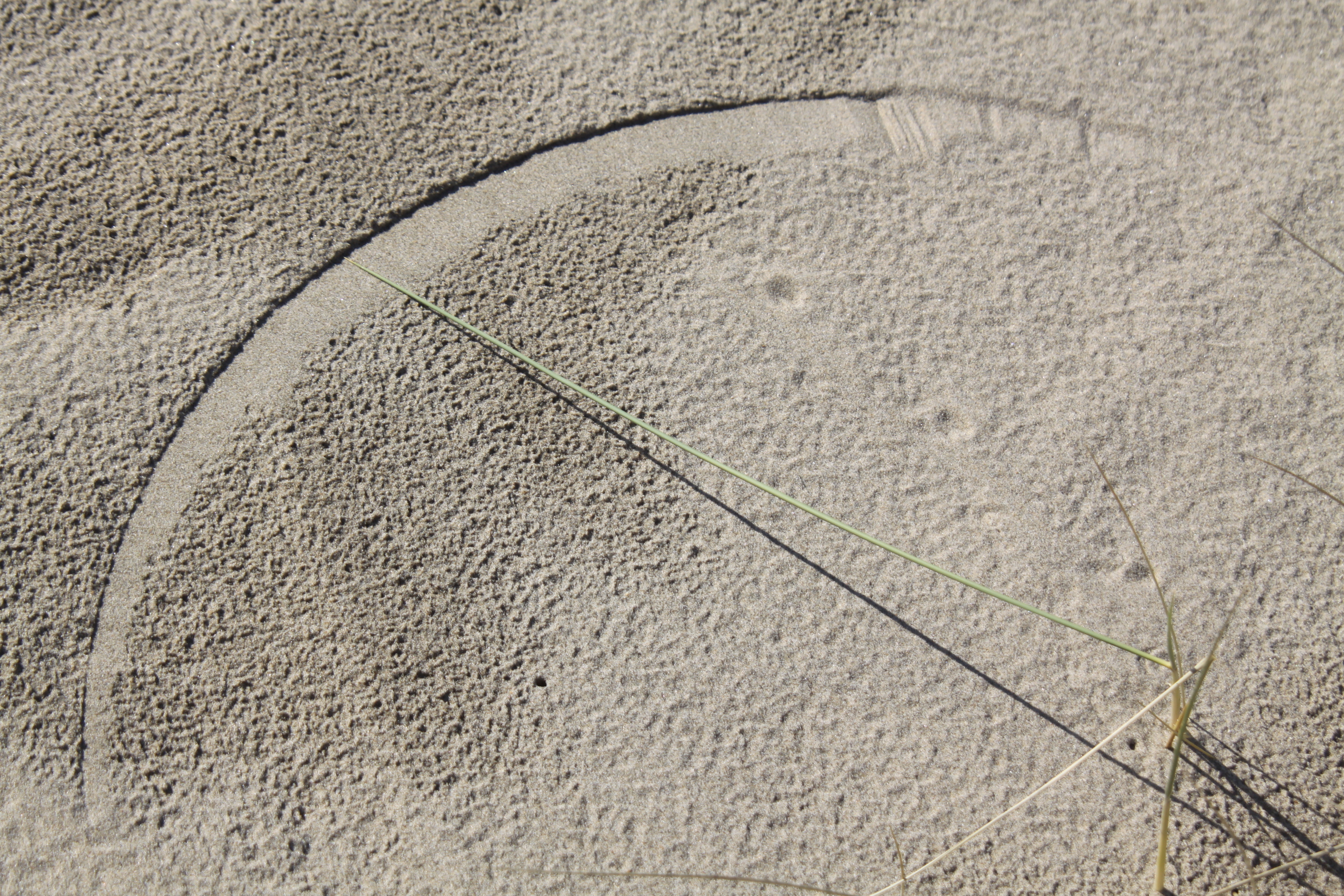
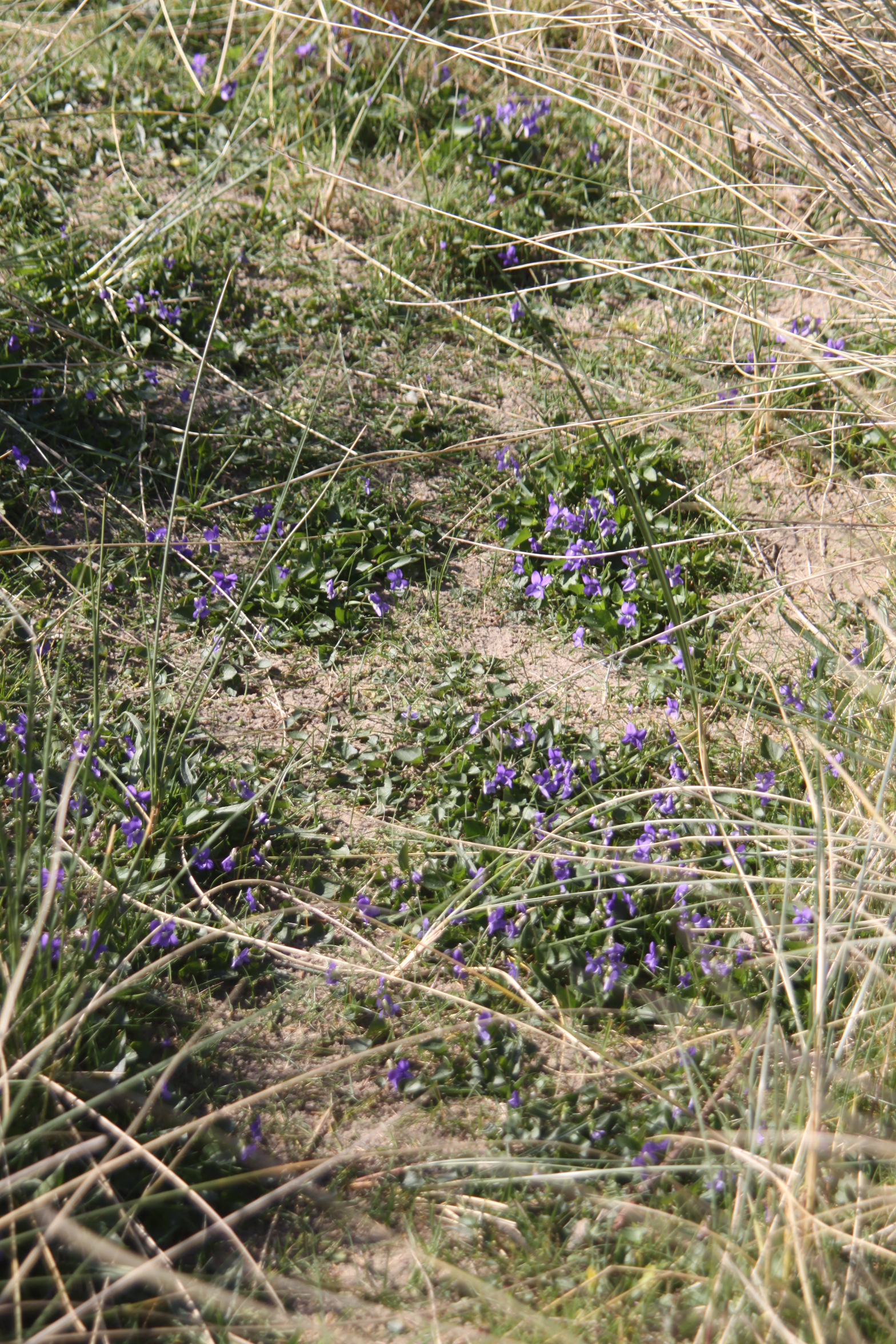
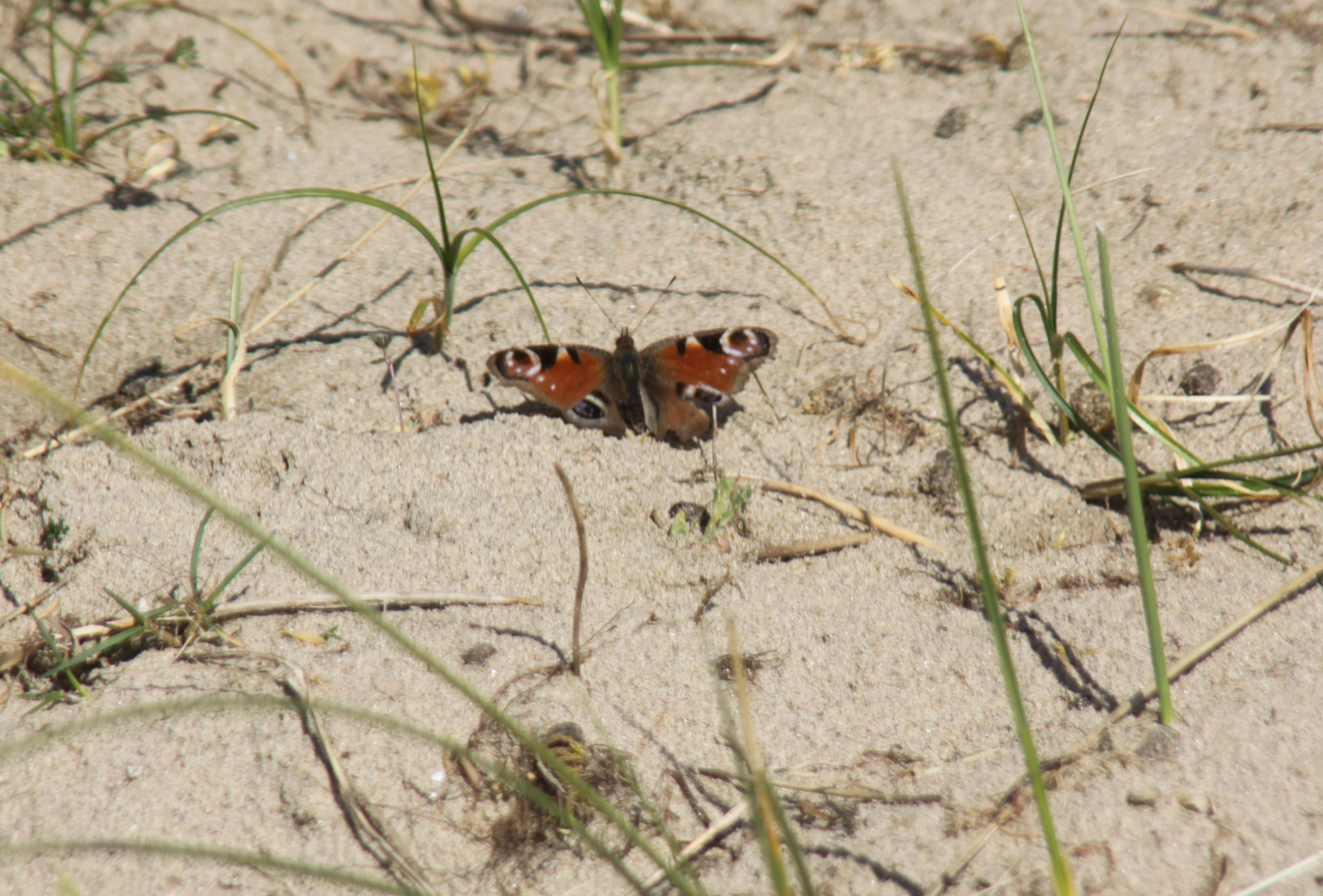
Instead of turning left at the bottom of Gwelfor Road, past the Neuadd Dyfi, through the tunnel and left along the beach to return up Copper Hill Street, I found myself turning right into the sand dunes and walking in the direction of Tywyn.  I am so glad I did, because it was a lovely walk.  In the sand dunes the story was quite different from the hedges and verges of Gwelfor Road, with only occasional dots of colour in an otherwise attractive but fairly unvarying selection of shades of green over the powdery ivory sand, dominated by marram grass.  Marram grass is super.  It casts spiky shadows, sways so elegantly in the breeze and carves out perfect circles in the sand.  The occasional dots of colour came mainly from small dandelions, daisies and, to my great surprise, huge and simply stunning colonies of violets.  Peacock and red admiral butterflies kept me company, and there were plenty of bumble and honey bees.  The dandelions were doing a particularly good job of keeping the bees and butterflies busy.  Little meadow pipits erupted out of the grass, taking to the sky with much angry peeping.

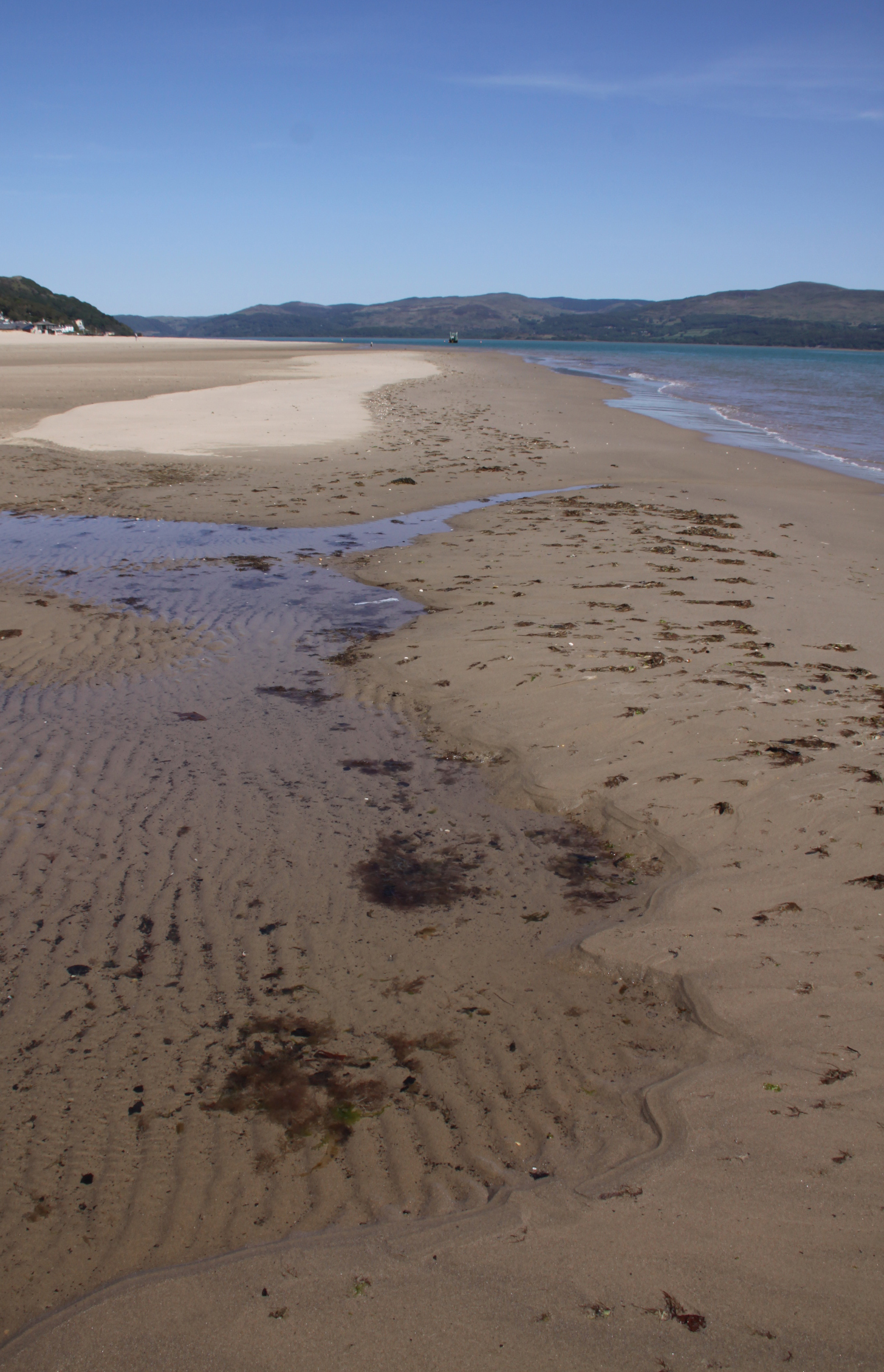
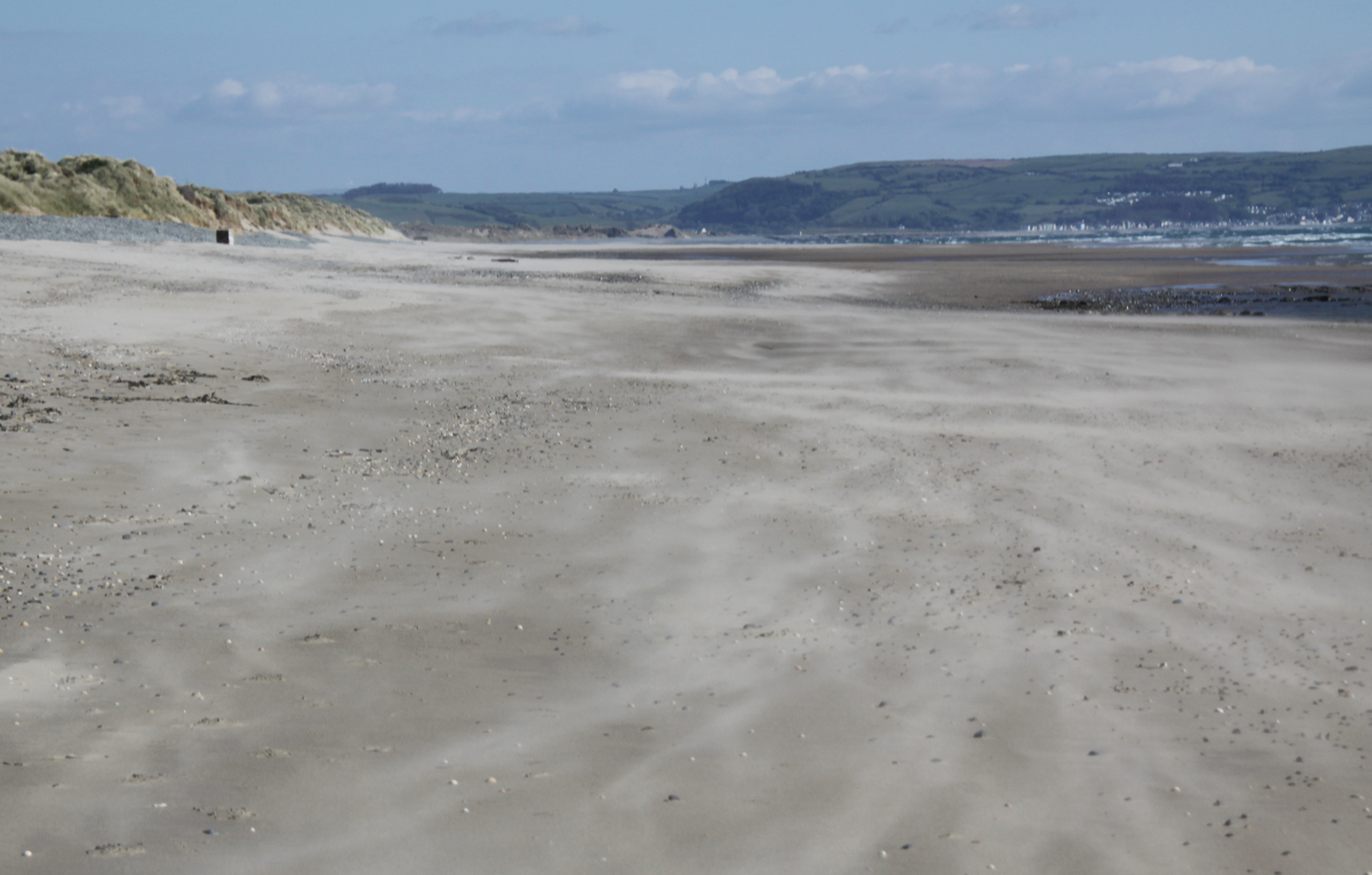
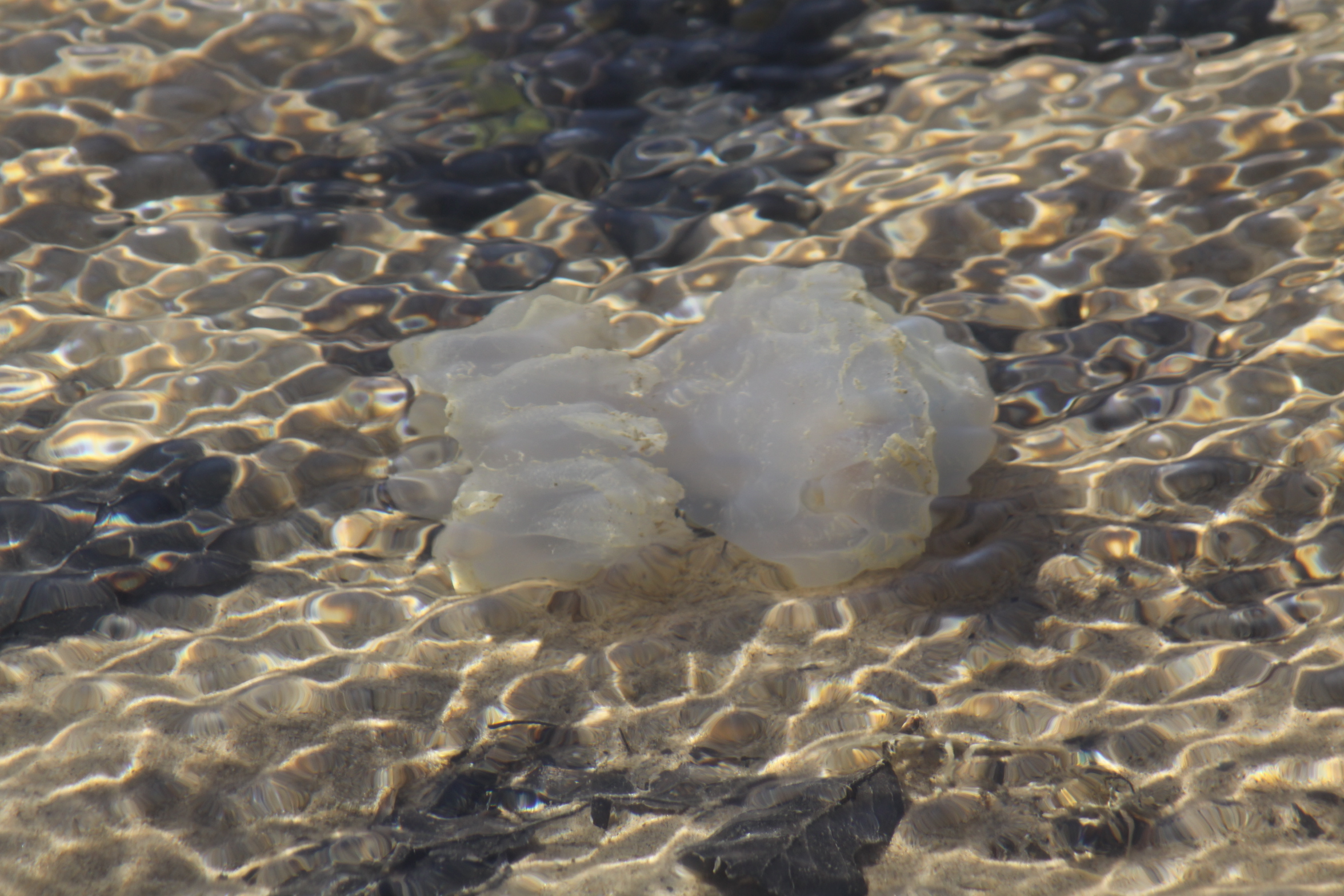
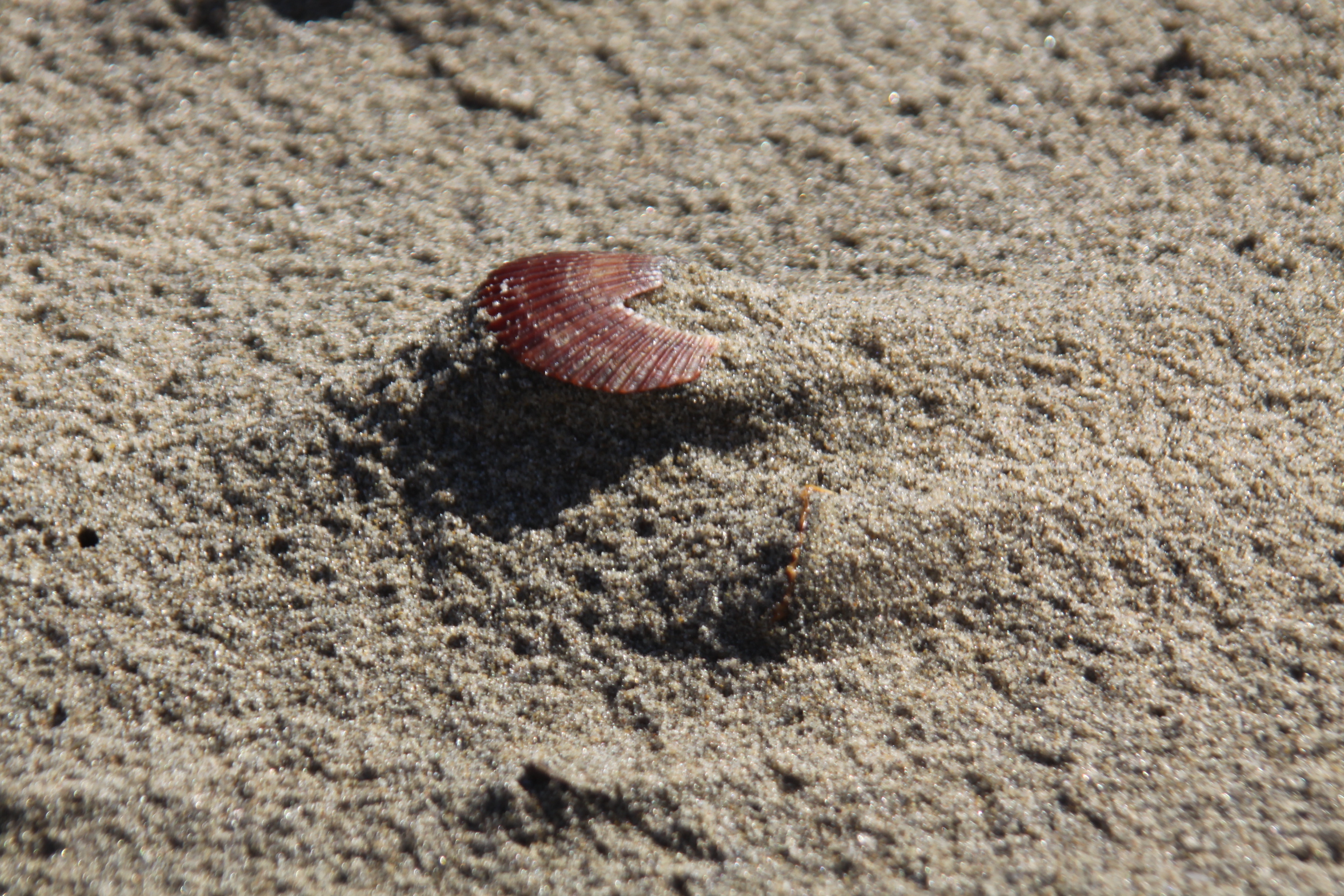
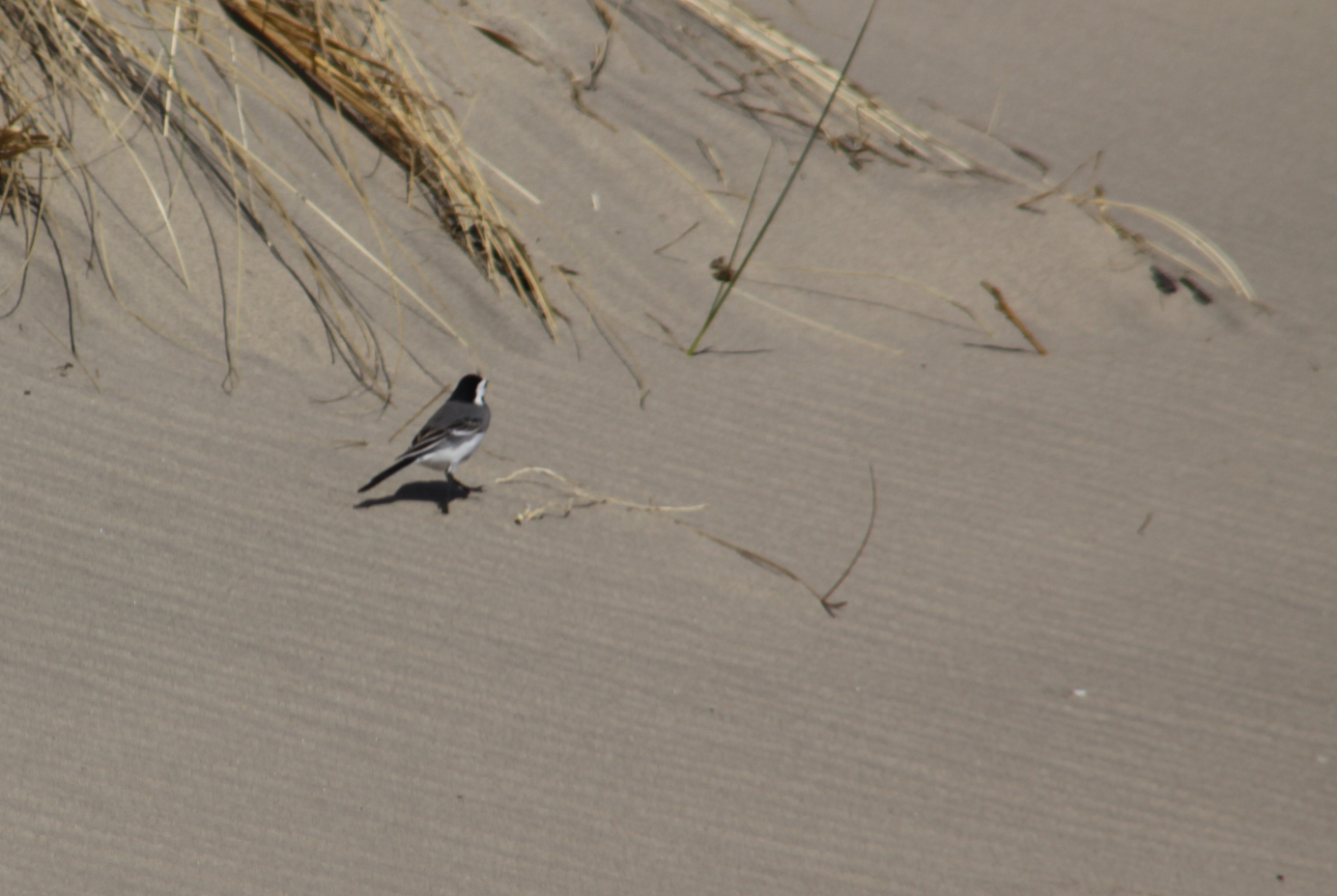
Walking back along the beach, countless dead jellyfish, a translucent myriad of opal colours, had been washed up, but there was not much else of interest on the strandline.  The sparkling sea, however, was a wonderful almost Caribbean blue, very clear.  In spite of a strong and slightly chilly wind, it looked untroubled and still.  Very peaceful.  A single white fluffy cloud interrupted the endless flat blue of the sky.  The wind had built up thousands of little sand ramps, raising shells and pebbles on customized, sloping plinths, utterly fascinating.  A pied wagtail stayed a few jumps ahead of me for maybe 15 minutes.
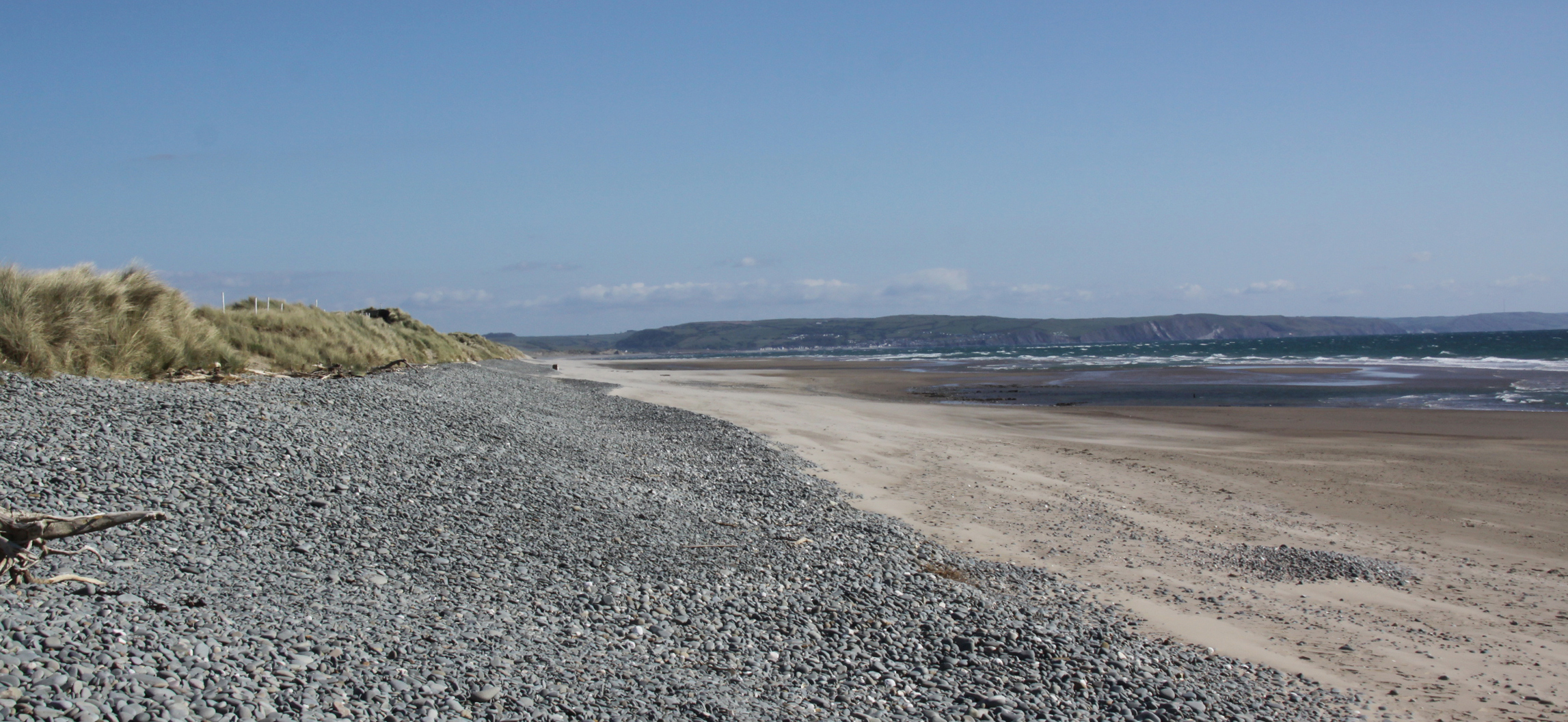
There was no-one in the dunes, there were very few people around on the vast sands and as I walked along the silent shop fronts and turned up Copper Hill Street there was no-one else visible.  Oh for a salted caramel ice cream 🙂